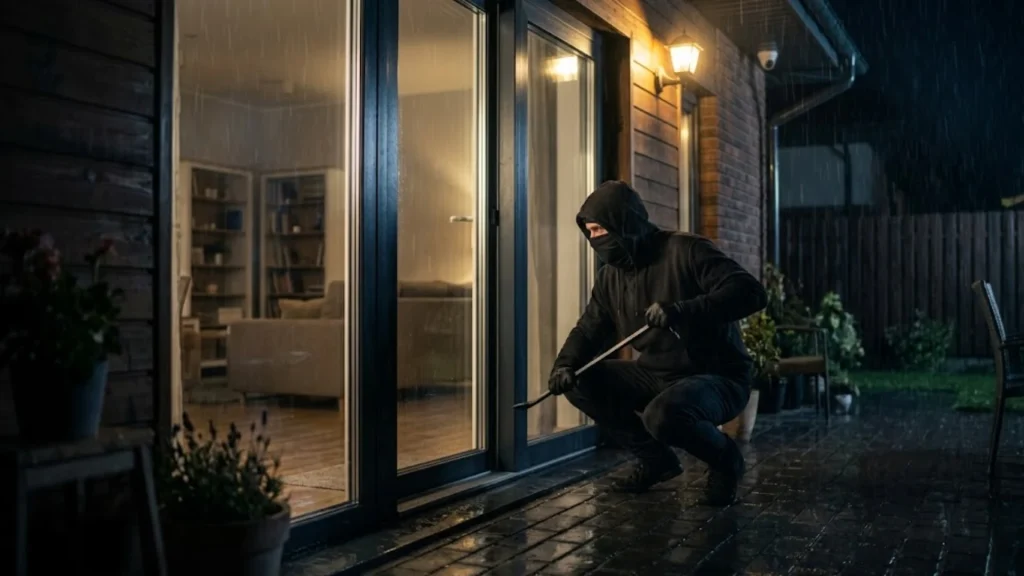
Most people lock their sliding door and assume the job is done, but that factory lock is often the weakest part.
That is why learning how to secure sliding doors matters, especially when the latch, glass, and track can all be targeted.
I have seen simple fixes make a real difference, from a strong track block to a secondary lock and a smart door sensor. We will tell you practical ways to secure a sliding glass door without making it costly or annoying to use.
A small upgrade can help you feel safer at night, protect patio access, and avoid relying on one basic latch.
Before choosing any lock or security bar, let us first look at the weak spots that make sliding doors easier to open.
Why Do Sliding Doors Attract Break-Ins?
Here are the main reasons sliding doors can become weak entry points if they are not secured properly:
- Basic factory locks: Most sliding doors come with simple latches that were built for convenience, not strong security.
- Frame movement: On some older doors, enough pressure or shaking can cause worn locking parts to give way.
- Large glass surface: A big glass panel can reveal valuables inside and may become a target during a break-in attempt.
- Lift-out risk: Doors with worn rollers or excessive clearance can sometimes lift out of the track.
- Less visible location: Many patio doors sit behind the home where fewer people can see suspicious activity.
- Dark outdoor areas: Limited lighting around the backyard can make it easier for someone to approach unnoticed.
How to Secure Sliding Doors?
Here is a detailed step-by-step guide to help you improve sliding door security using simple upgrades and proven protection methods.
Step 1: Inspect the Existing Lock and Upgrade Weak Hardware
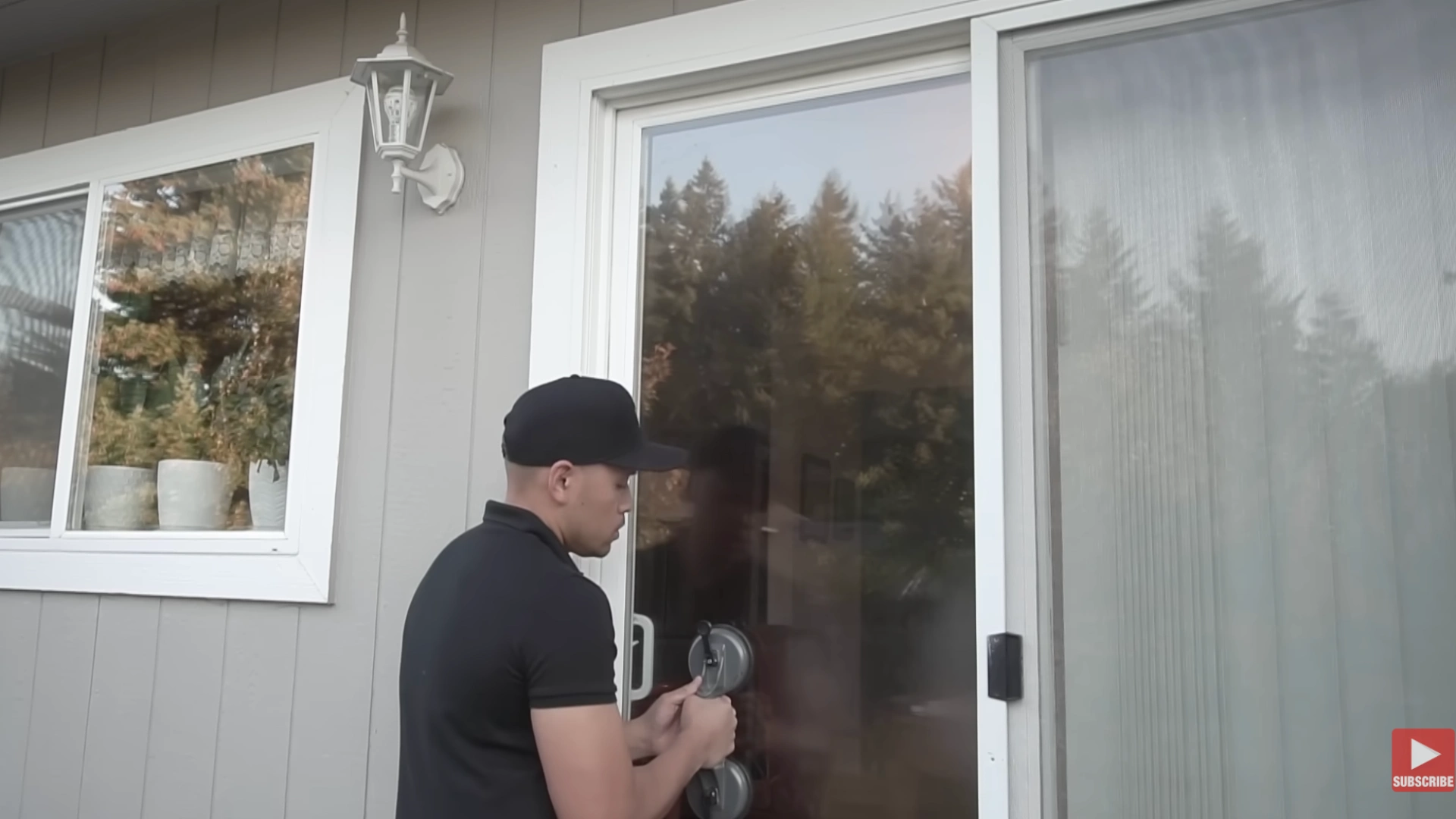
The first security improvement is evaluating the current sliding door lock.
Check how older latch systems can be manipulated with surprisingly little effort. Some metal latches may even be vulnerable to strong magnets.
If your sliding door hardware is several years old, replacing it with a modern and more durable locking handle is a worthwhile investment.
Start by testing the lock for looseness, wear, or movement, then install a stronger replacement if needed to improve overall door security.
Step 2: Install a Dowel Rod or Adjustable Door Blocker
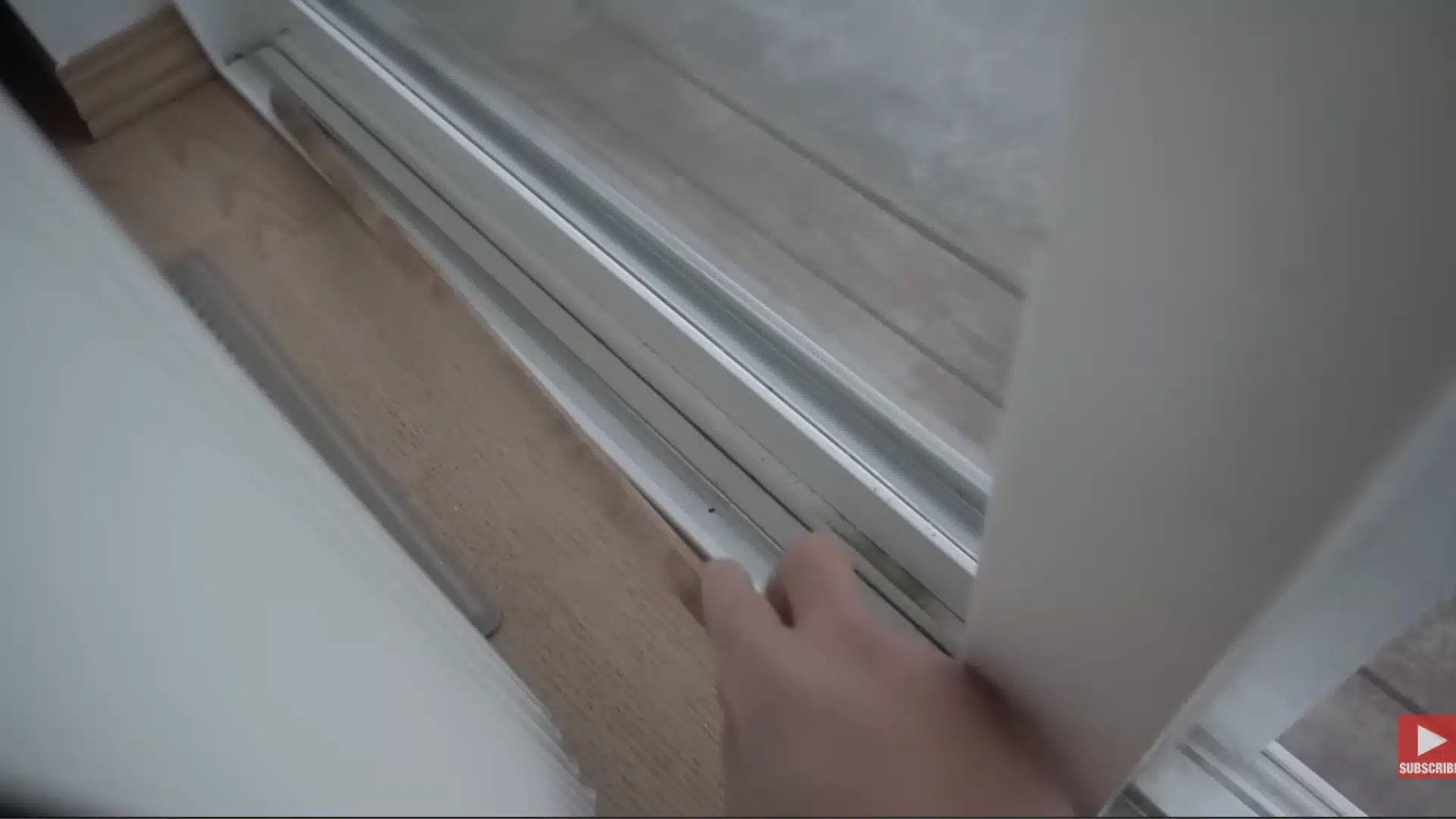
A simple physical barrier can dramatically improve sliding door security. A dowel rod placed inside the track can stop the door from opening if the main lock fails.
An adjustable folding door blocker can serve the same purpose and offers more flexibility for different door sizes. Measure the track length, cut the dowel if necessary, and place it securely in position.
This low-cost upgrade creates a solid obstacle that makes forced entry significantly more difficult for intruders.
Step 3: Reduce Door Lift by Adding Screws to the Upper Track
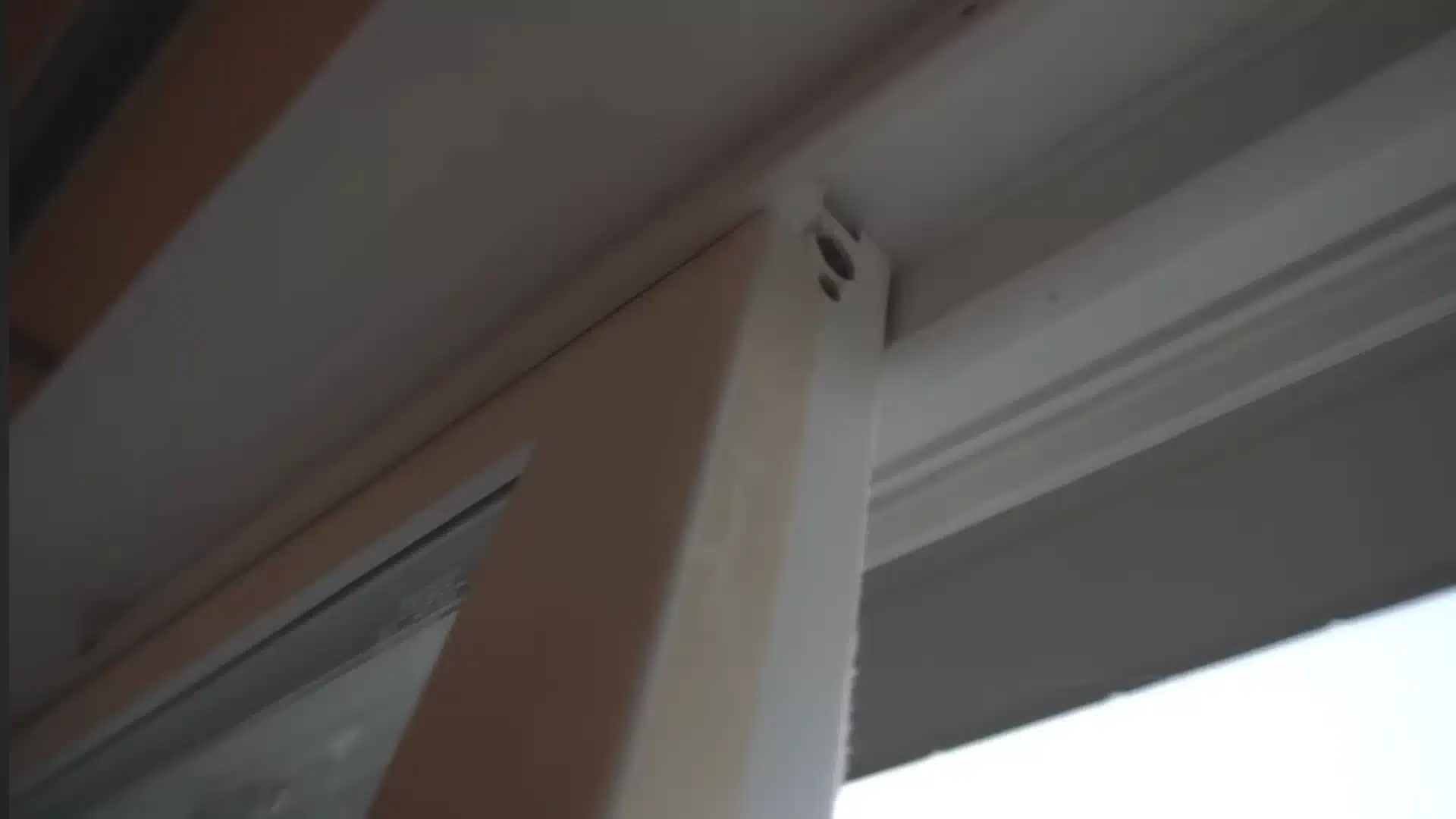
One smart way to secure sliding doors is to reduce the gap above the door panel. To fix this, place a few screws into the upper track, but do not tighten them too far.
The screws should lower the open space just enough to block lifting while still letting the door slide smoothly. After adding each screw, move the door back and forth to check the fit.
This small upgrade can make forced lifting much harder without changing the look of the sliding door.
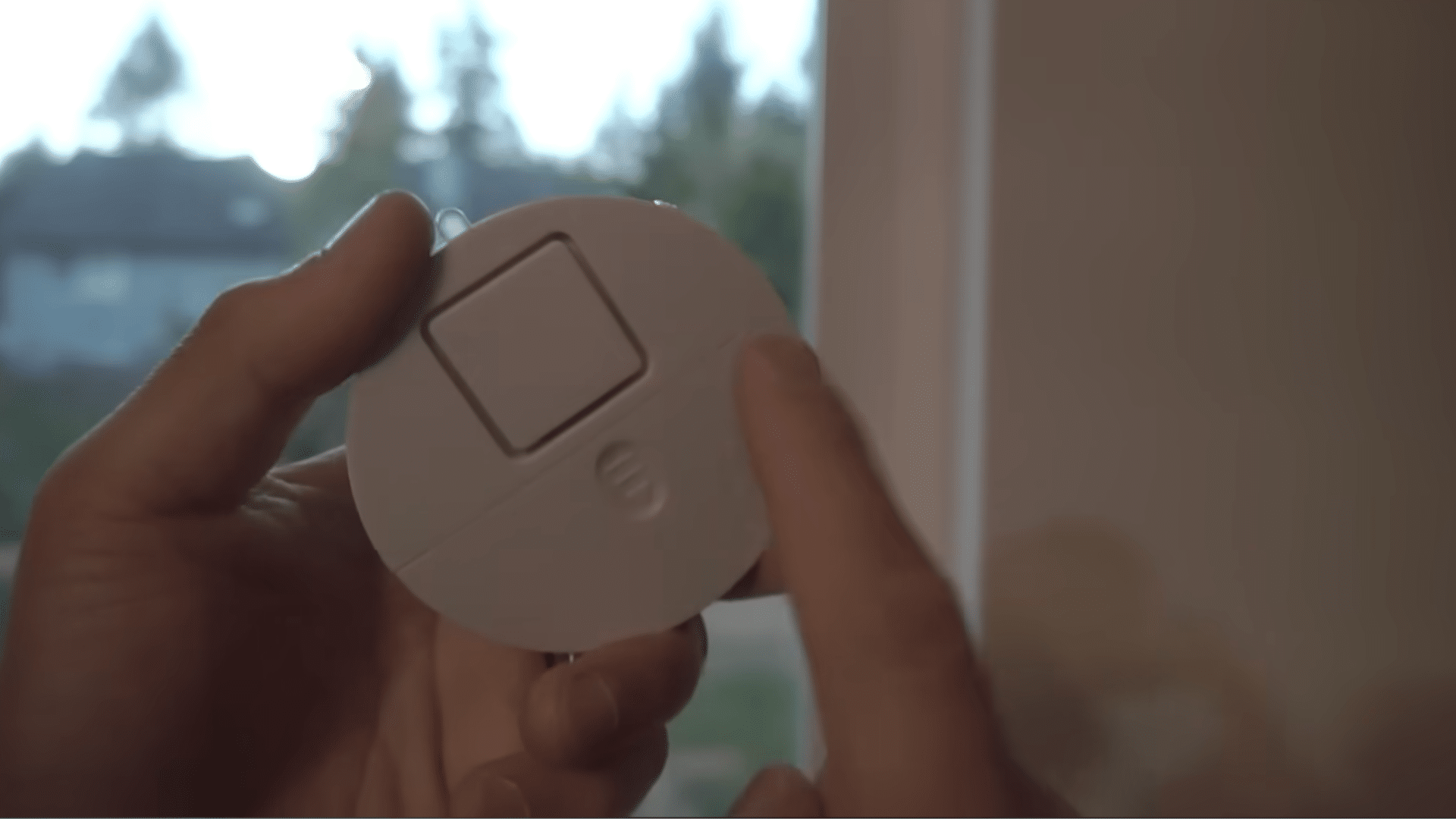
Step 4: Add a Vibration Alarm Sensor for Instant Alerts
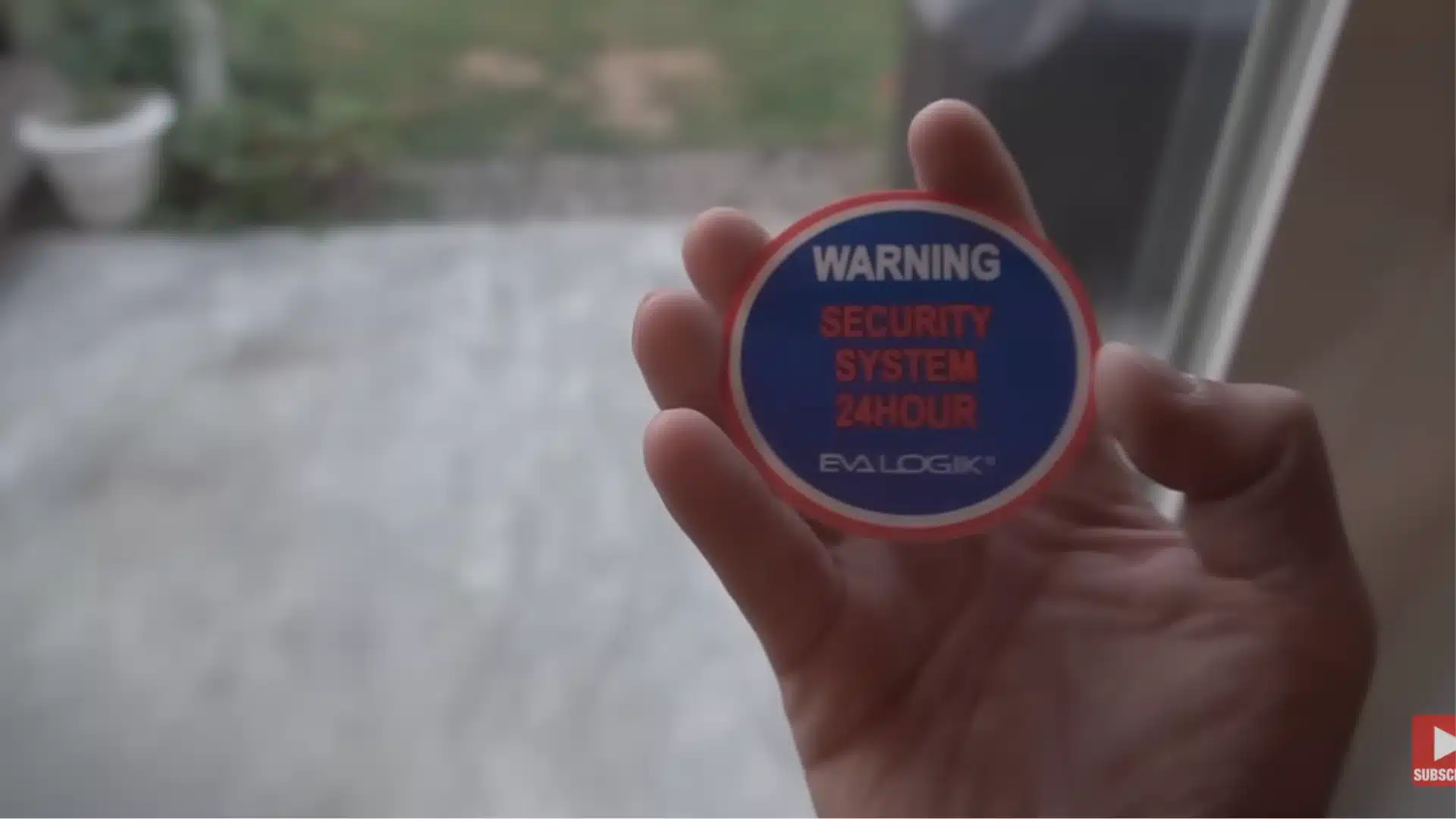
Physical barriers are helpful, but an alarm can warn you as soon as someone starts tampering with the door.
A vibration sensor attaches directly to the sliding door and reacts when it detects shaking, impact, or unusual movement.
Most models are battery-powered and can be installed in minutes without drilling or special tools. Place the sensor where it can easily detect movement from the glass or frame.
When triggered, the alarm produces a loud sound that can alert people nearby and draw attention before an intruder gets inside.
Step 5: Install a Dedicated Patio Door Security Lock
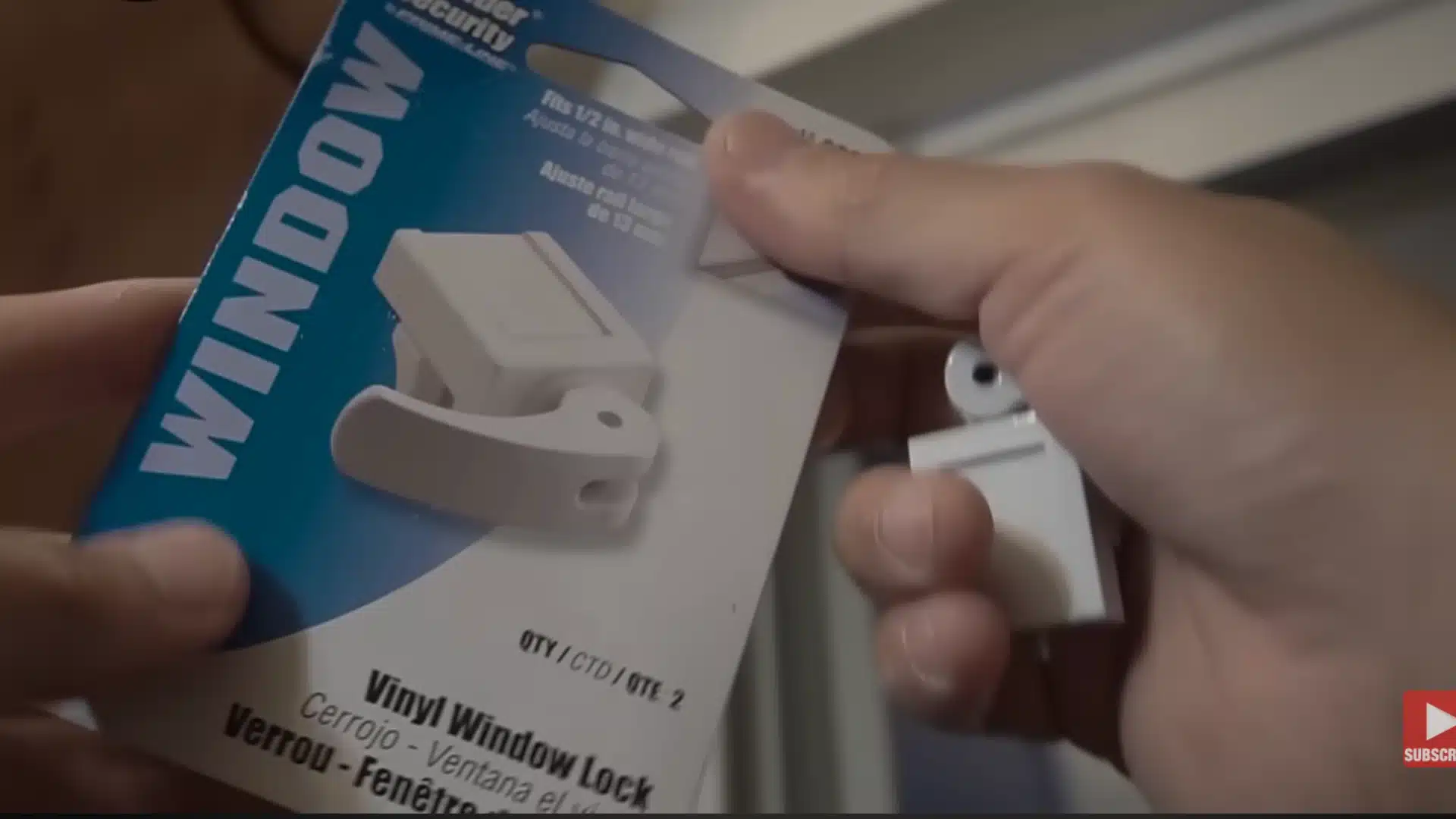
A dedicated patio door security lock adds another layer of protection beyond the standard sliding door latch.
Many patio door security locks can be installed on either the upper or lower rail, depending on your door design and available space.
Before installation, check that the lock is compatible with your sliding door frame and track. Follow the manufacturer’s instructions carefully, then test the lock several times to confirm it engages properly.
Step 6: Use Clamp Locks and One-Way Privacy Film for Added Protection
The final step focuses on improving both security and privacy around your sliding doors.
Clamp locks attach directly to the door frame and help prevent the sliding panel from moving when locked in place. For added protection, install one near the top and another near the bottom of the door.
These locks are simple to adjust and can provide another obstacle for anyone trying to force the door open.
You can also apply one-way privacy film to the glass for personal privacy protection.
This tutorial is based on a helpful video by Fix This House. You can check out the original video on their YouTube channel here or watch it below.
Reinforce Sliding Glass Door Panels for Extra Security
The track and latch get most of the attention, but the glass is often the fastest entry point.
Standard tempered glass shatters on impact, and an intruder can reach through a broken pane to operate the latch from inside.
Security film is the most practical fix. Applied to the interior surface of the glass, it holds shattered pieces together after impact.
Penetrating a film-reinforced panel requires repeated blows rather than a single strike, which makes the attempt noisy and slow.
Film types worth knowing:
- Clear safety film: It adds shatter resistance with no visible change to the door
- Mirrored or tinted film: This blocks outside visibility during daylight. Note that the effect reverses at night when interior lights are on, so it does not provide full privacy after dark
- Frosted film: This blocks the view entirely in both directions, best for doors with strong privacy concerns
Security film typically costs $15 to $60 for a standard patio panel and does not require professional installation.
If you are planning a door replacement, upgrading to laminated or impact-resistant glass is a permanent alternative to film.
Prevent Your Sliding Door from Being Lifted off the Track
Not every homeowner knows this is possible, but some sliding panels can be lifted up and pulled free of the lower track.
This happens more often on older doors with worn rollers or extra clearance above the panel. Once that happens, the lock does not matter.
- Close the sliding door and try lifting it straight up with both hands
- If it moves more than a quarter of an inch, the door may be at risk
- Anti-lift pins or blocks screw into the upper track and reduce that gap
Anti-lift hardware stops the panel from moving too far upward. It does not affect normal sliding, but it makes the door much harder to remove from the track.
They cost $10 to $40, install in about 15 minutes, and do not affect normal sliding operation.
What Do Homeowners Say About Sliding Door Security?

A discussion on Reddit’s Home Defense subreddit showed that many homeowners rely on simple physical barriers rather than expensive upgrades.
The most common recommendation was to place a wooden dowel or security bar in the track, as it prevents the door from opening even if the lock fails.
Several users also suggested adding anti-lift devices to stop the panel from being removed from the track. Others mentioned door sensors and cameras for added awareness, especially at night or when away from home.
A recurring theme was layering security measures rather than relying on a single lock.
Most people agreed that combining a track blocker, better locking hardware, and basic monitoring provides the best balance of cost and protection.
Adding a Sensor or Camera for Monitoring
Physical barriers prevent entry, but monitoring lets you know when something is happening.
That awareness matters most when you are away from home, sleeping, or unable to check the door yourself in real time.
1. Door Contact Sensors
Stick-on contact sensors attach to the door frame and the sliding panel. When the two halves separate, the sensor triggers an alert on your phone.
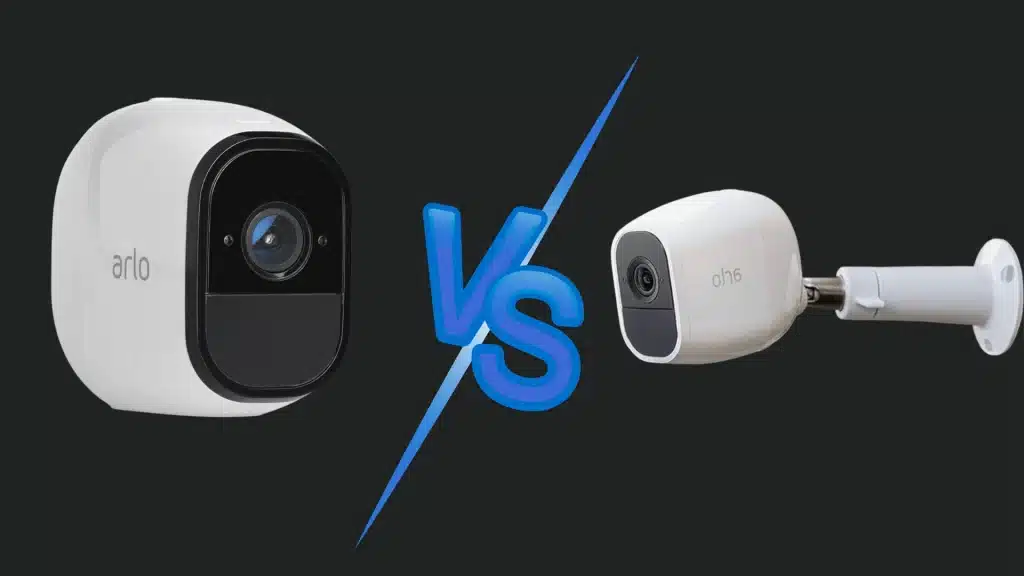
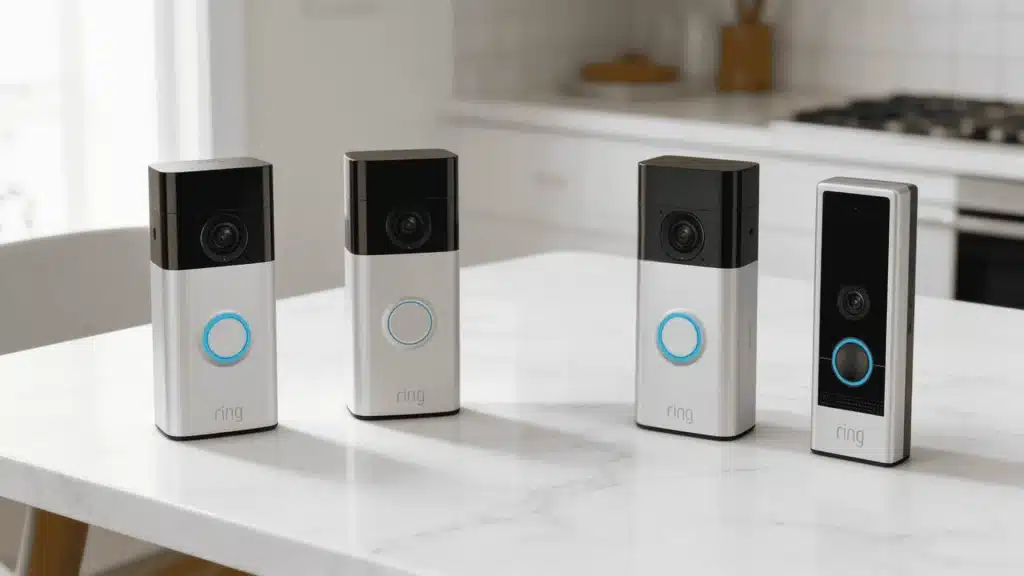
Battery-powered models from brands like Ring, SimpliSafe, and Arlo cost $15 to $30 each and install in under five minutes with no drilling.
For renters, they remove cleanly without leaving marks, making them a simple security upgrade for sliding doors.
2. Motion-Activated Lighting
Most sliding door break-ins occur at the back of the home, where poor lighting provides intruders with cover. Adding a motion-activated light near the patio door removes that hiding spot and makes the entry point less tempting.
Battery-powered lights usually cost $20 to $50 and need no wiring, so they are easy to install.
Wired floodlights cost more upfront, but they are stronger, brighter, and more reliable for long-term home security at night, when visibility matters most.
If you want to understand how motion detection actually works before choosing a unit, this breakdown of how motion sensors work at entry points covers sensitivity settings, placement angles, and the difference between PIR and microwave sensors.
3. Security Cameras
Most home camera setups cover the front door and driveway and stop there. The patio sliding door at the back of the house often has no coverage.
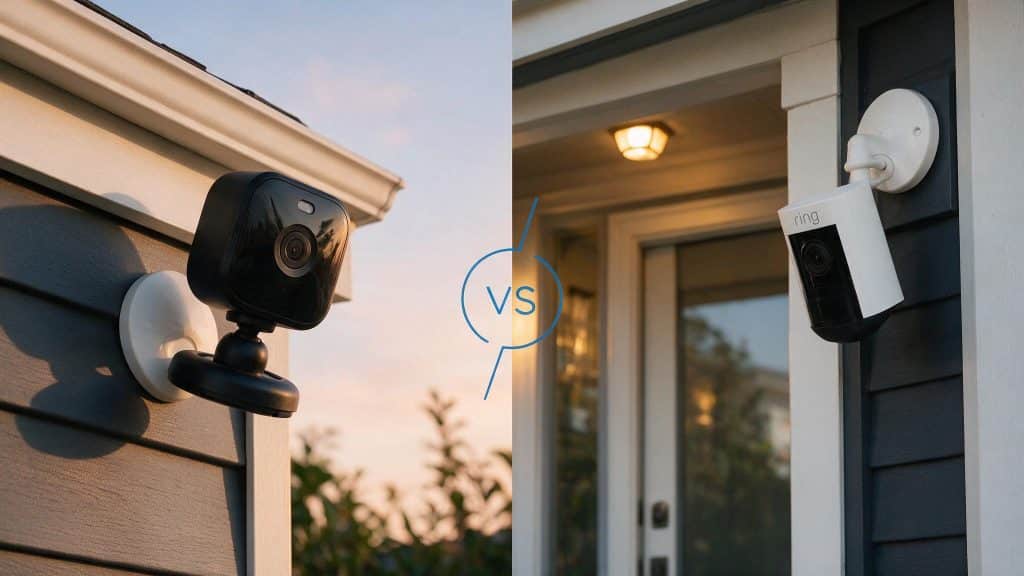
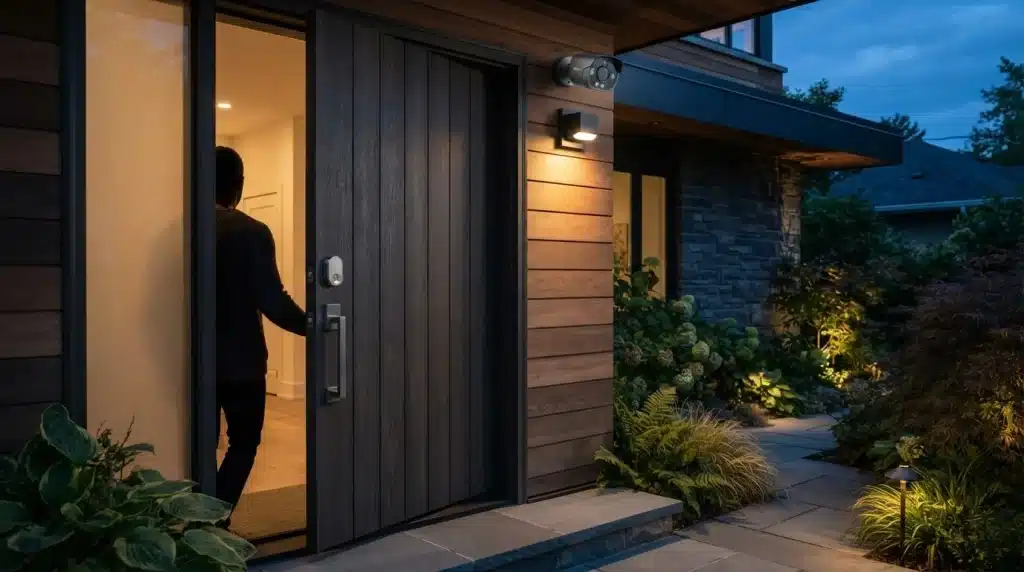
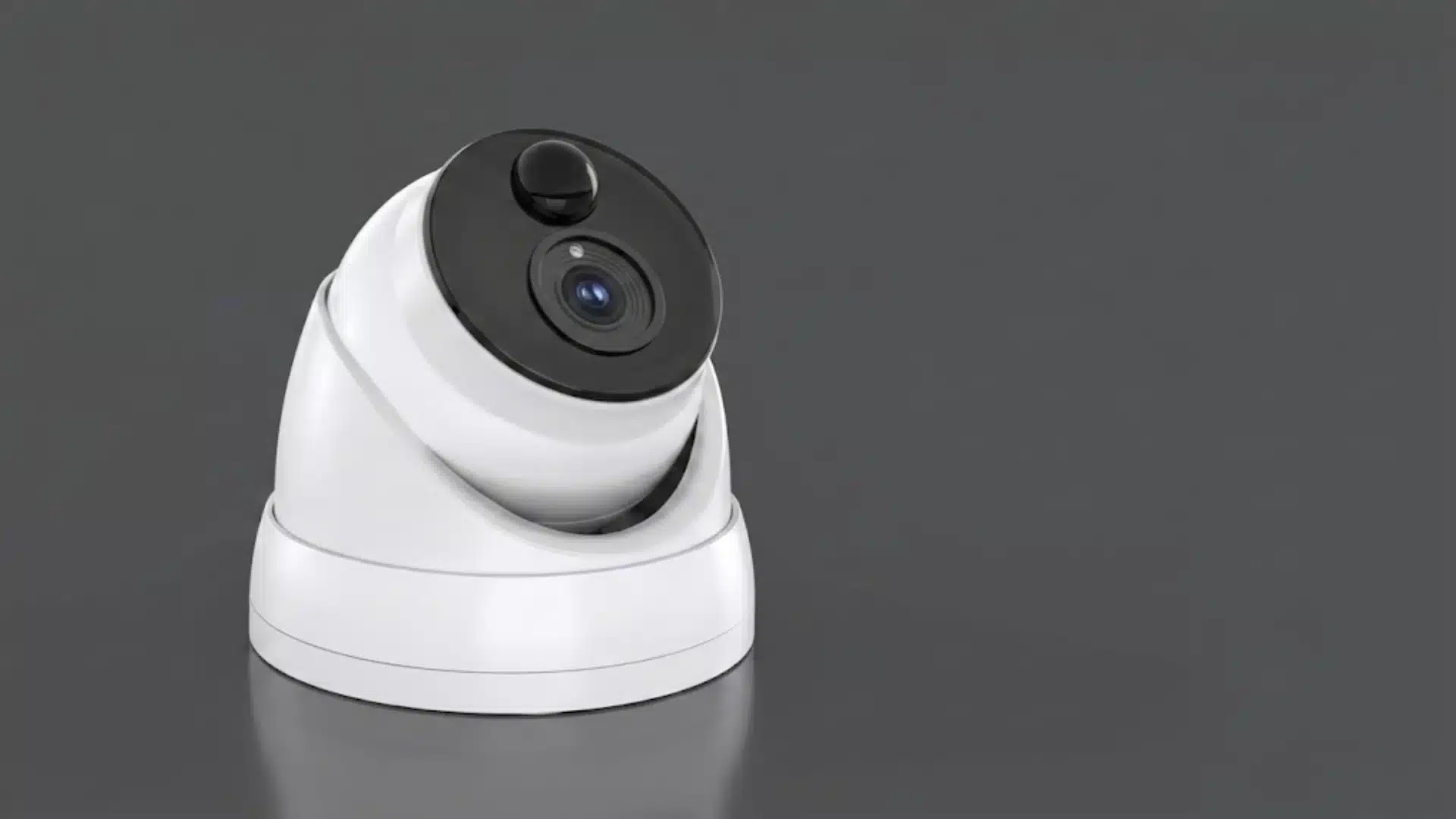
An Outdoor security camera pointed at the patio door provides recorded footage as evidence and, for some models, a real-time alert when motion is detected
Cameras do not physically stop entry, but placement and visibility matter. An intruder who spots a camera is more likely to move on.
In my experience setting up outdoor camera systems, a clearly visible unit at the back of the home often works better as a deterrent than a concealed one.
If you are still deciding which camera fits your setup, this guide to outdoor security camera options breaks down wired vs. wireless, indoor vs. outdoor, and fixed vs. PTZ models side by side.
Daily Habits that Reinforce Security
Hardware only works if you use it. A few habits worth building:
- Place the track bar every time you close the door, not just at night.
- Close blinds or curtains after dark to remove visibility into the home from outside.
- Trim back shrubs near the patio door to improve sightlines and remove natural cover for anyone approaching.
- Confirm the door is fully latched before leaving, not just pulled shut.
Sliding Door Security for Renters vs. Homeowners
Renters run into a real constraint here. Most lease agreements prohibit drilling into door frames or permanent hardware modifications, which rules out a lot of the standard recommendations.
The good news is that several of the most effective options require no installation at all.
| Option | Renters | Homeowners | Notes |
|---|---|---|---|
| Track Rods or Adjustable Bars | Yes | Yes | No Installation Needed |
| Stick-on Contact Sensors | Yes | Yes | Easy to Remove without Damage |
| Portable Door Alarms | Yes | Yes | Battery-Powered and Simple to Use |
| Security Film (clear) | Yes | Yes | Removes Cleanly; Check Lease Terms |
| Privacy Film | Yes | Yes | Adds Privacy and Removes Cleanly |
| Anti-Lift Pins or Auxiliary Locks | No | Yes | Require Drilling and Permanent Installation |
If you are renting and want coverage beyond the door itself, a camera, door sensor, and motion light near the patio give you solid awareness without touching a wall.
Common Sliding Door Security Mistakes to Avoid
Even good security upgrades can fail if a few common mistakes are overlooked during daily use.
- Relying on the Factory Latch Alone: The stock lock that ships with most residential sliders was designed for convenience, not security. It’s a starting point, not a finish line.
- Forgetting to Use the Track Bar: A track bar left leaning against the wall, rather than placed in the track, provides no protection. The habit of actually using it matters as much as owning one.
- Ignoring the Upper Track: Anti-Lift hardware gets skipped because most people don’t know door lifting is possible. Test your door before assuming it’s not a risk.
- Skipping Glass Reinforcement: A Strong Latch and Track Bar Still Leave the Glass Vulnerable to a Direct Strike. Security Film is a Low-Cost Fix that Most Homeowners Never Think to Add.
- Placing Cameras only at the Front of the Home: Most residential security camera setups prioritize the front door and driveway. A Patio sliding door at the back of the house often has no coverage.
Conclusion
Securing sliding doors works best when you stop relying on a single factory latch to do the whole job. A track block, a stronger lock, and a door sensor can cover the weak points without making daily use harder.
I would start with the track first because it is simple, cheap, and gives you fast protection. Then you can add glass film, anti-lift hardware, or a camera when your budget allows.
If you rent, choose tools that do not need drilling and can be removed later without damage. The goal is not to make the door fancy, but to make forced entry harder and slower.
Have you tried any sliding door security fix at home? Share with us in the comments below.
Frequently Asked Questions
Can a Burglar Break Through Sliding Door Glass to Get in?
Yes. Standard tempered glass shatters when struck, and an intruder can reach through to operate the lock from inside.
Security film slows this significantly by holding broken pieces together and requiring repeated, noisy impacts to penetrate.
What is the Best Single Upgrade for a Sliding Door if I Can only Do One Thing?
For homeowners, add a secondary lock near the top frame. For renters, use a track bar because it needs no drilling or permanent changes.
Do Sliding Door Locks Work on Older Doors?
Yes, Most auxiliary locks fit older sliding doors. Measure the frame and track first, especially if the door sticks, sags, or sits unevenly.
Does Security Film Work on All Types of Sliding Glass Doors?
Security film can be applied to most standard residential sliding glass doors. It bonds to the interior surface of the glass and does not require professional installation for standard patio panels.
If you have double-paned or specialty glass, confirm compatibility with the film manufacturer before purchasing.