Your phone buzzes, and a stranger is standing at your front door while you are away from home.
That one moment is why choosing the right Ring doorbell matters more than a random product page suggests. The problem is that Ring has several models that look similar but work differently.
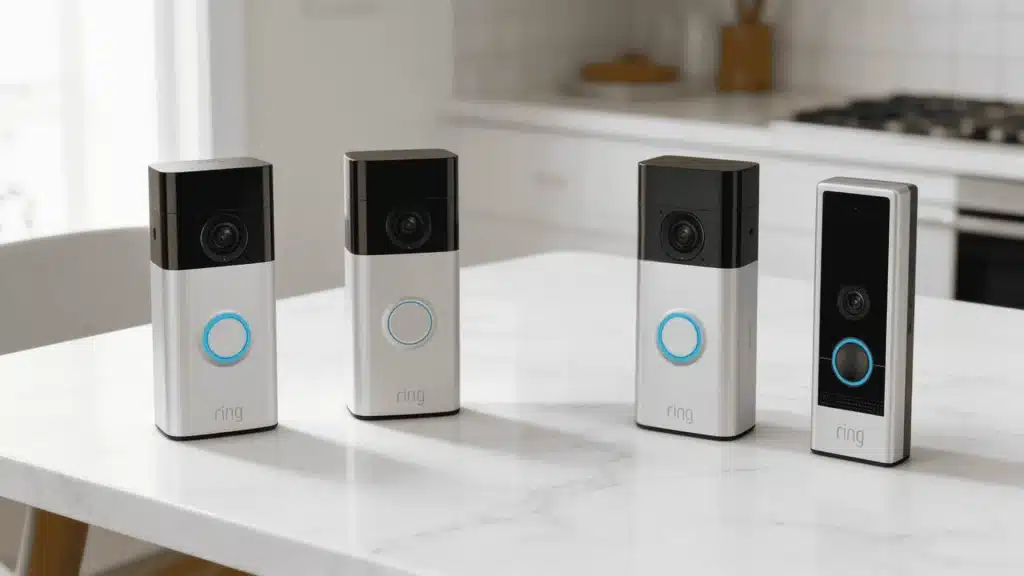
A Ring doorbell comparison can help you understand battery models, wired models, video quality, motion alerts, Wi-Fi support, and Ring Protect costs.
I will be telling you about seven Ring doorbell cameras, which one fits, and what to check before buying. You will see which model suits renters, homeowners, tight budgets, better video, and permanent wired setups.
Before choosing a doorbell, let us first look at why Ring still leads this market.
Why Does Ring Dominate the Doorbell Market?
Ring did not just enter the video doorbell market. It built it. When the first Ring Video Doorbell launched in 2013, most homeowners were still looking through peepholes or ignoring their front door altogether.
Ring changed what people expected from a doorbell, and it has never really let go of that lead.
As of now, Ring is identified as the primary security brand by 43% of U.S. home security users, and roughly 58.9 million Americans now own a video doorbell.
Reasons why Ring dominates the Doorbell Market:
- DIY-friendly installation: Most Ring models install in under 30 minutes with a basic screwdriver. No electrician, no contractor.
- One app for everything: Every Ring device, from doorbells to floodlights to the alarm system, lives in one dashboard. Footage from all cameras shows up in a single timeline.
- Wide price range: Ring covers every budget, from a $40 wired entry model to a $350 PoE-powered premium unit. There is a Ring doorbell for almost every setup and price point.
- Subscription that actually makes sense: The Ring Protect plan starts at $4.99/month per device and unlocks 180-day video history, package detection, and person alerts. Competing plans are often less generous for the same price.
Ring is not perfect. It lacks color night vision on most models, does not support local storage on standard hardware, and a subscription is required for anything beyond live view. Those are real limitations worth knowing before you buy.
Best Ring Doorbell Camera for Each Category
Ring’s lineup looks similar at first glance, so these categories make the choice much easier. Each pick below is based on what the model does best in a real home environment, not just what looks best on a spec sheet.
1. Best Overall Ring Doorbell: Ring Battery Doorbell Plus
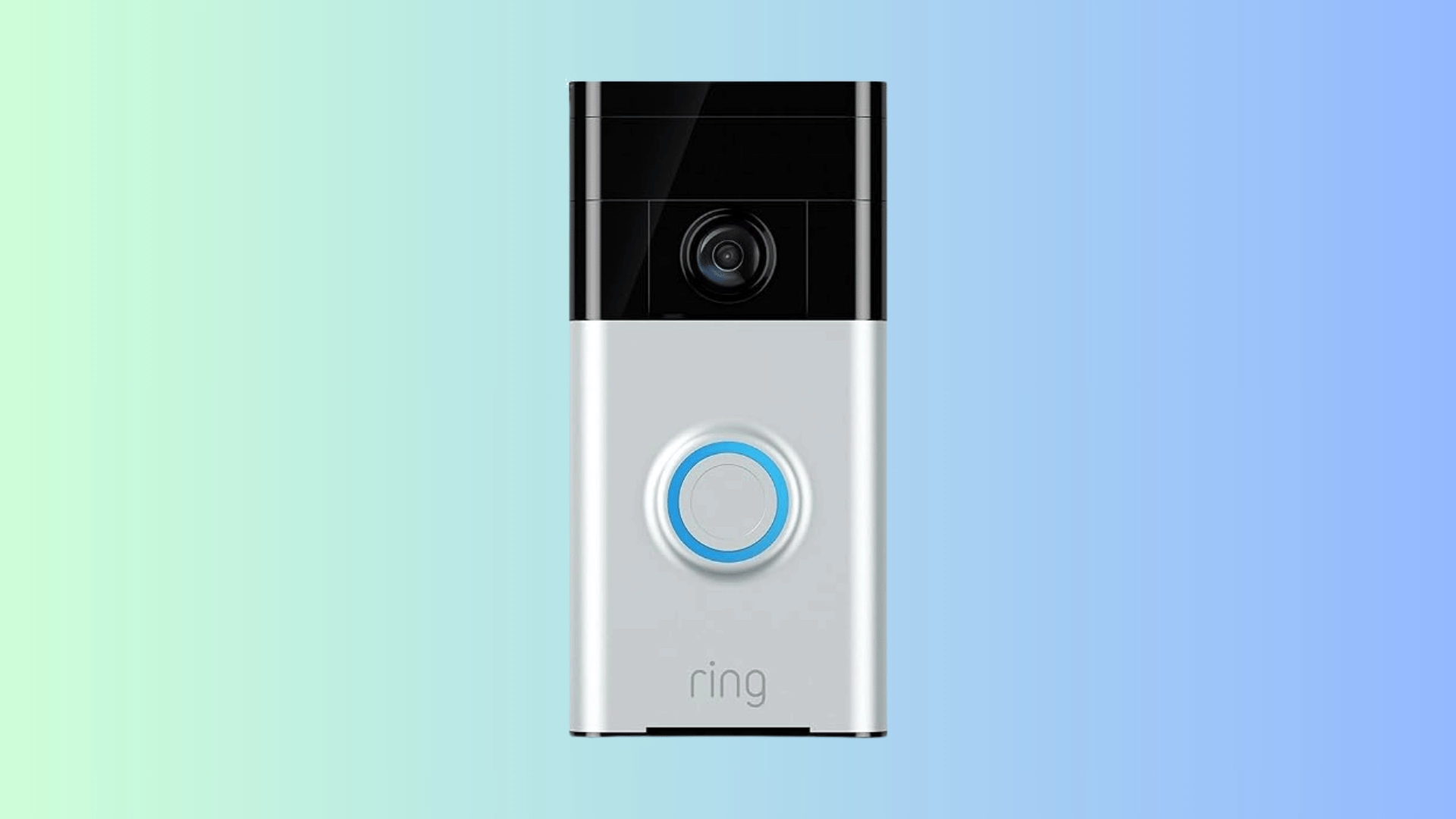
Price: $79.99 (Refurbished)
The Battery Doorbell Plus is the one most households should buy. It threads the needle between price, features, and convenience better than anything else in the Ring lineup.
It earns the “best overall” label because it solves the two biggest frustrations with the base model: easy battery replacement & complete head-to-toe view.
Head-to-toe video sounds like a marketing term, but it actually matters at your front door.
Installation is battery-powered with an option to hardwire into existing doorbell wiring for a trickle charge. Most people mount it in under 20 minutes.
The main drawback is that it does not support 4K or radar-based 3D motion detection. If you need either of those, you will need to step up to the Pro models.
Key Features:
- 1536p head-to-toe video
- Removable quick-release battery
- Dual-band Wi-Fi
- Color pre-roll
- Package detection
- Customizable motion zones
2. Best Budget Pick: Ring Battery Doorbell (2nd Gen)
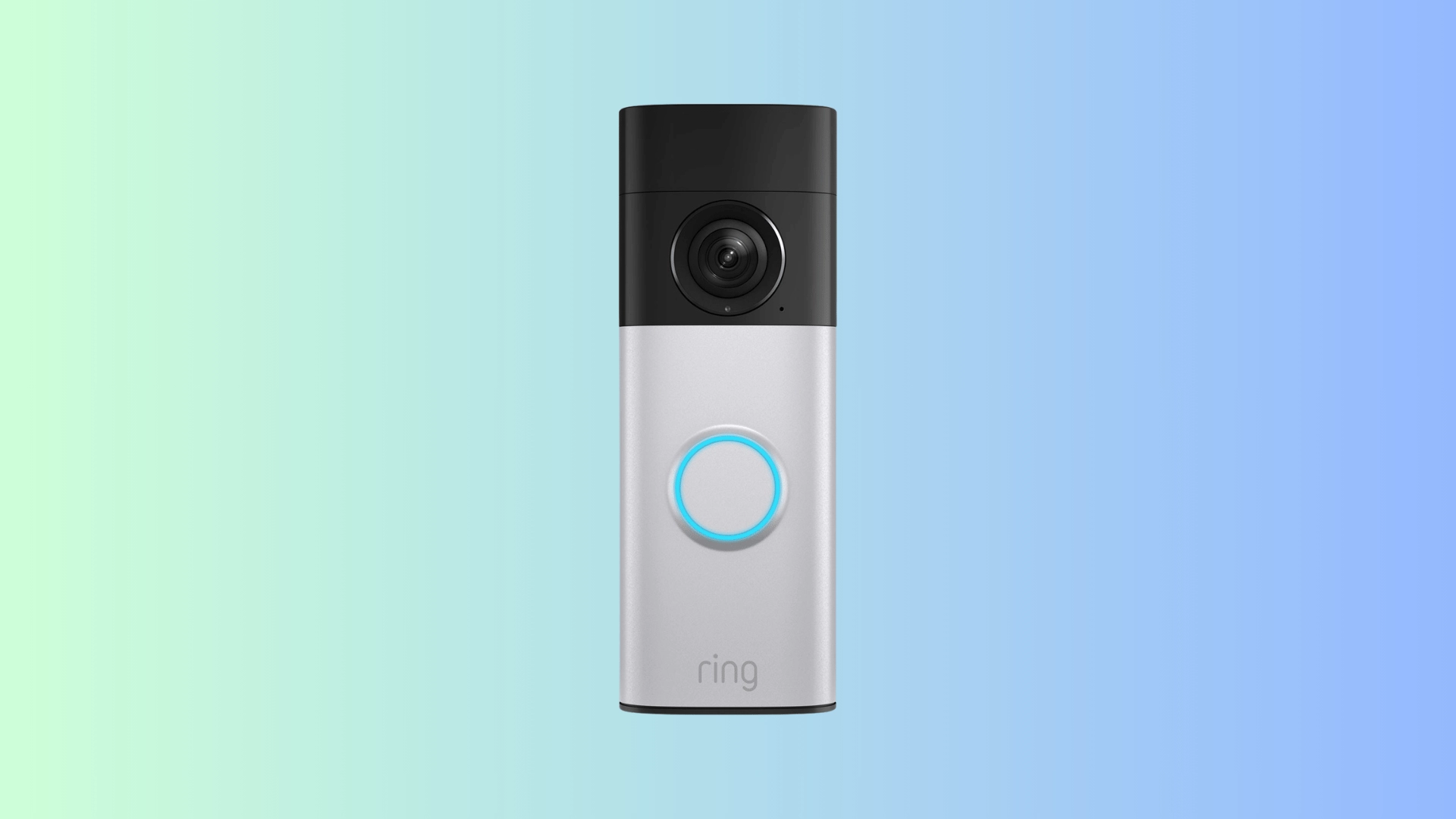
Price: $99.99
If you want Ring without spending a lot, this is where to start. The 2nd Gen Battery Doorbell is the updated version of Ring’s original, now with head-to-toe video at a hard-to-argue-with price.
It fits the budget category because it gives you the core Ring experience, live view, motion alerts, two-way talk, and package detection (with a plan), without costing too much.
Setup is straightforward. Battery-powered with USB-C charging, no existing wiring needed, and the Ring app walks you through it step by step.
The built-in non-removable battery and 2.4GHz-only Wi-Fi are the two limitations worth knowing about before you buy. If your router is far from your front door, connectivity can occasionally be spotty.
Key Features:
- Head-to-toe 1080p+ video
- Built-in rechargeable battery
- USB-C charging
- Two-way talk with noise cancellation
- Motion-activated alerts
- Custom motion zones
3. Best Entry-Level Wired Ring Doorbell: Ring Video Doorbell Wired
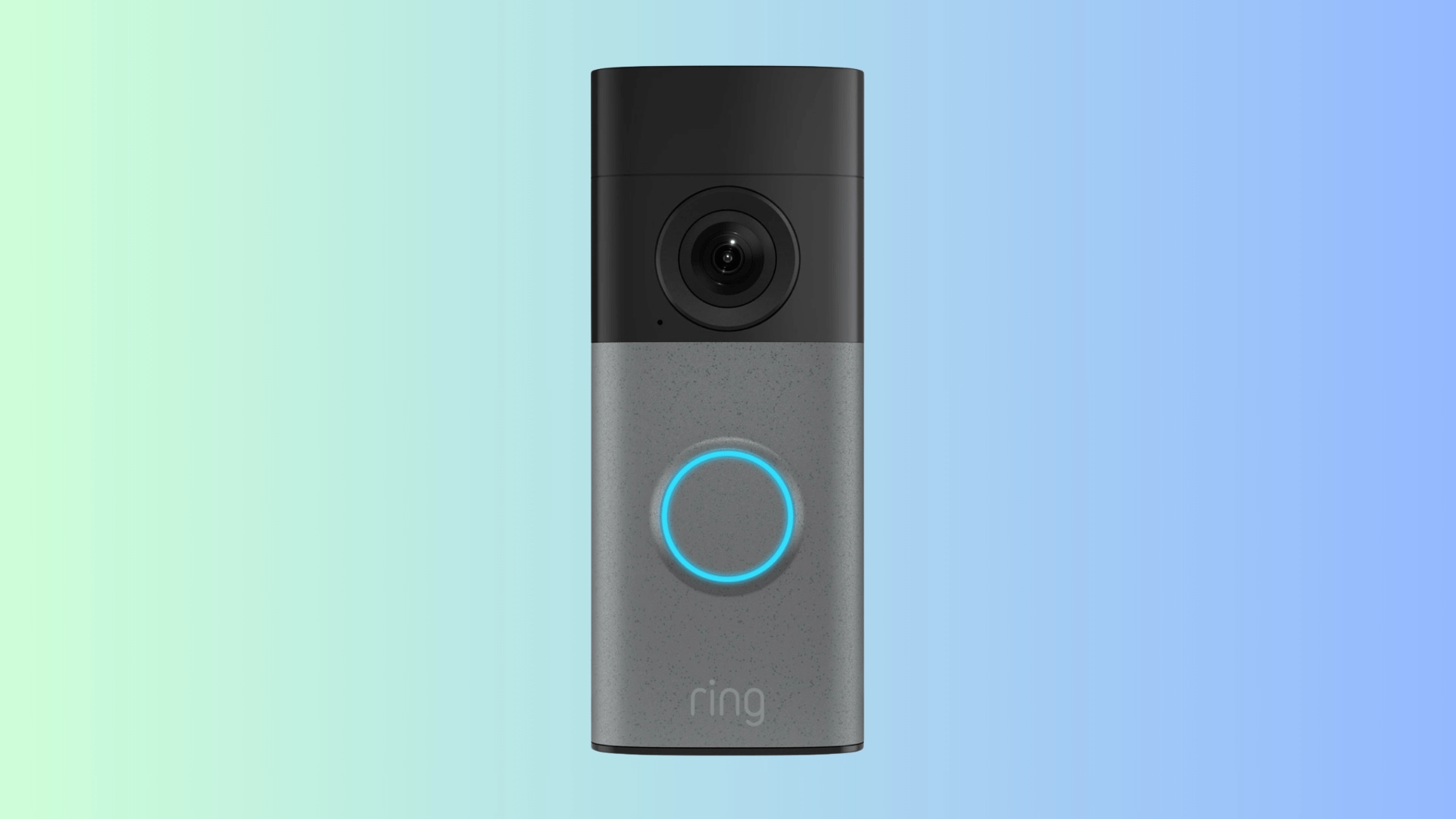
Price: $79.99
The cheapest Ring you can buy, and the right choice for anyone who already has doorbell wiring and does not want to think about charging a battery ever again.
It fits this category because $80 for a Ring device is genuinely unusual. Most of the lineup costs two to four times more. Installation requires existing 8-24V AC doorbell wiring.
It is not a job for renters or anyone without a doorbell transformer already in place, but for homeowners with wiring in place, the setup takes about 15 minutes.
What you give up for the price: this model records 1080p at a standard aspect ratio (not head-to-toe), only supports 2.4GHz Wi-Fi, and lacks 3D motion detection. It is a solid basic camera, not a feature-packed one.
Key Features:
- 1080p HD video
- Hardwired continuous power
- Two-way talk
- Advanced motion detection
- Real-time alerts
- Works with existing Ring Chime
Worth noting: Because it relies entirely on your home wiring, there is no battery backup if the power goes out. A hardwired model goes dark during an outage unless you have a backup power source.
4. Best Mid-Range Wired Ring Doorbell: Ring Wired Doorbell Plus
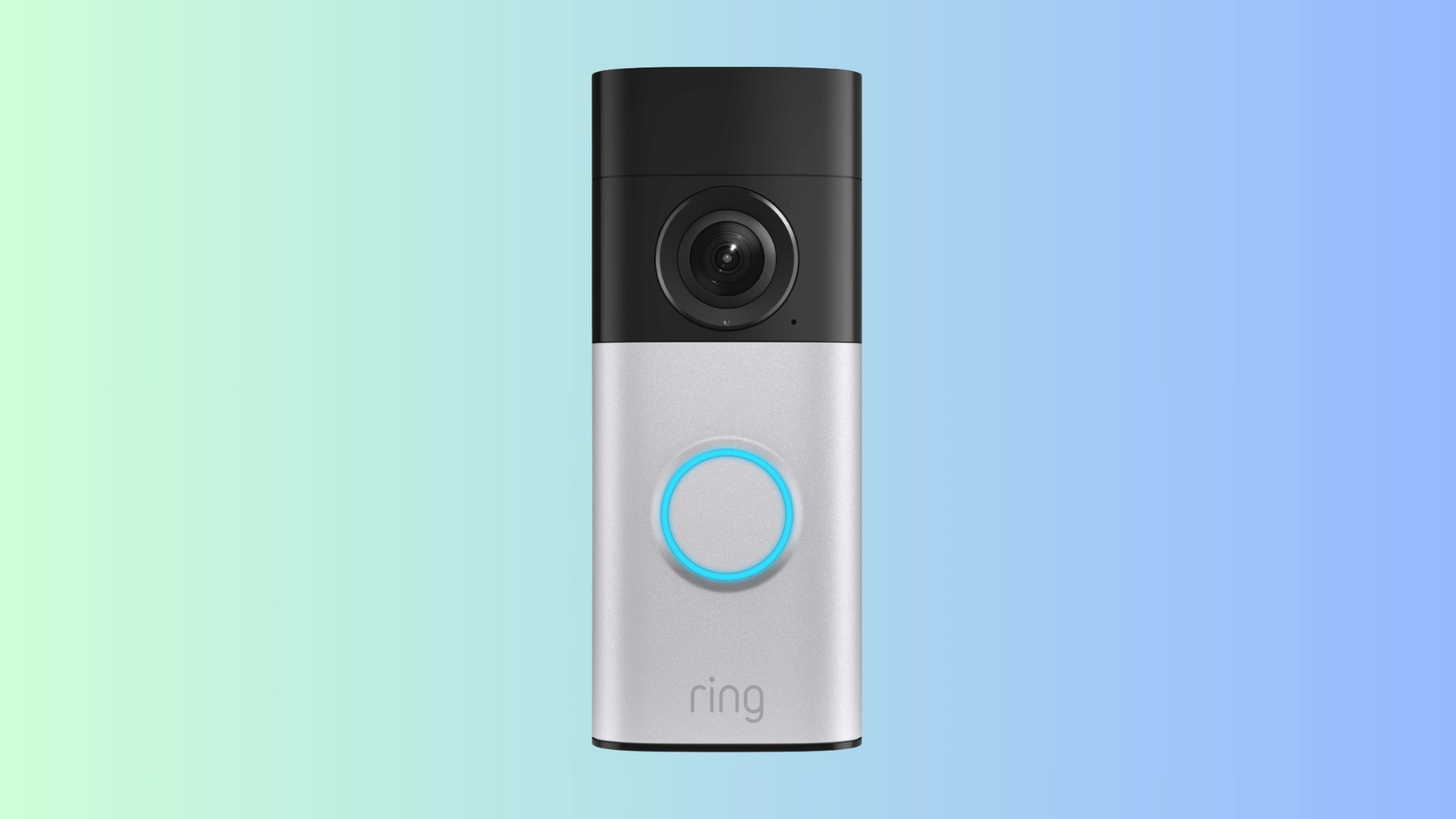
Price: $179.99
The Wired Doorbell Plus sits between the basic wired model and the Pro, and for most wired setups that want better video without paying for 4K, it is the right call.
It earns the mid-range wired spot thanks to the improved video quality and connectivity over the base wired model.
The head-to-toe 1536p frame covers more vertical ground than the standard 16:9 crop, and the 5GHz dual-band Wi-Fi is a meaningful upgrade if your router is near the front of the house.
Like the base wired model, installation requires 8-24V AC existing doorbell wiring. No battery, no charging, just continuous power once it is in. It also shares the same limitation: no battery backup during a power outage.
It does not have radar-based 3D motion detection or 4K video. If those matter to you, step up to the Wired Doorbell Pro. If they do not, you will likely never miss them.
Key Features:
- 1536p head-to-toe video
- Dual-band Wi-Fi
- Hardwired continuous power
- Custom motion zones
- Color pre-roll
- Package detection
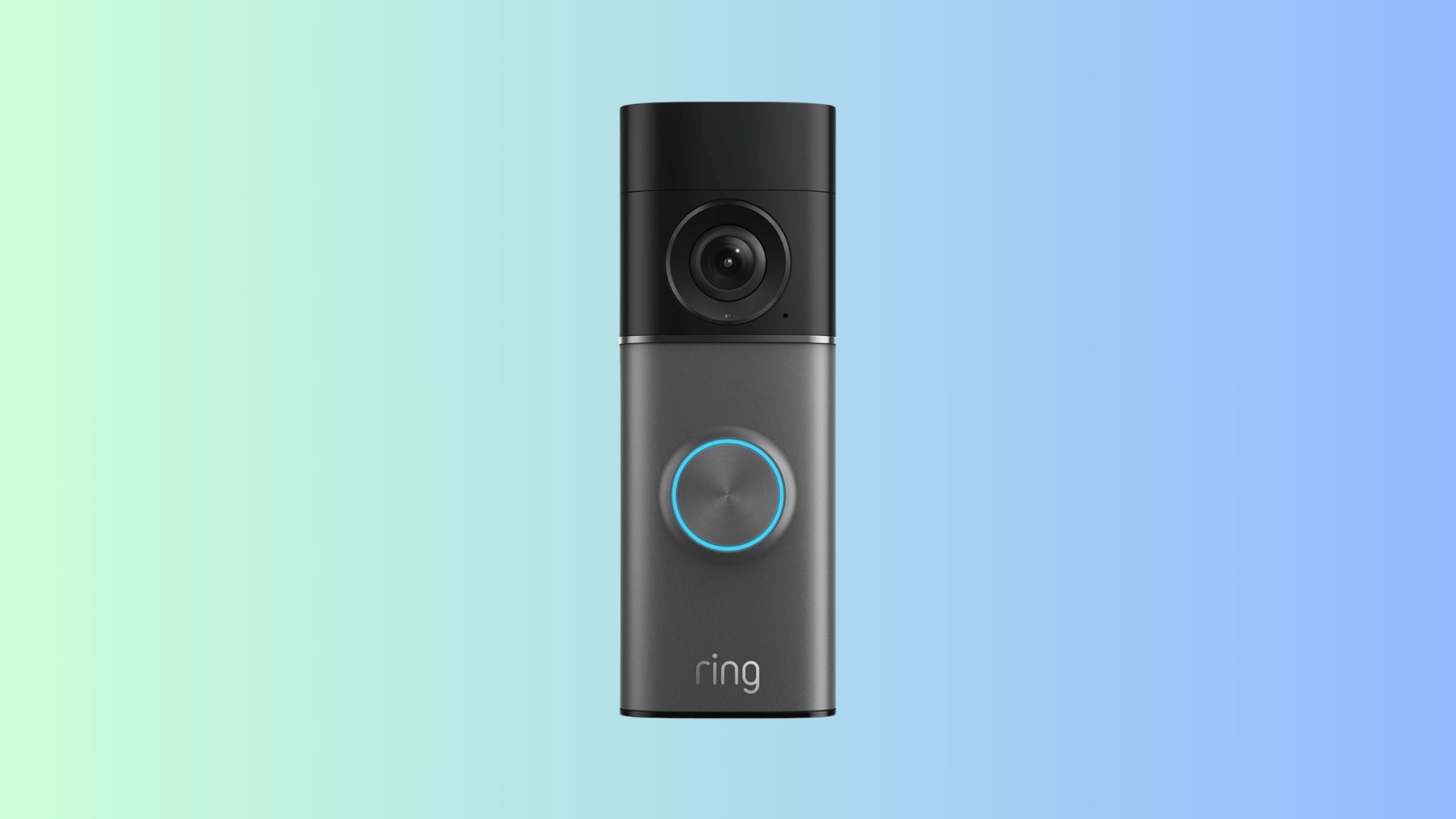
5. Best Ring Doorbell for Video Quality: Ring Wired Doorbell Pro (3rd Gen)
Price: $249.99
This is the sharpest doorbell camera Ring makes. If clarity of footage is the priority, nothing else in the lineup competes.
It earns the video quality title thanks to the 4K Retinal camera platform, Ring’s AI-enhanced image processing system that continuously tunes exposure, sharpness, and color.
Paired with up to 10x zoom and a 140-degree field of view, it can capture license plates, faces, and package labels at a level of detail that the 1080p and 1536p models simply cannot match.
The price is the obvious drawback. At $250, it costs roughly 4 to 6 times as much as the entry-level wired model. The 4K detail is real and noticeable, but for most front doors, it is unnecessary.
Key Features:
- 4K Retinal camera
- Up to 10x zoom
- 140-degree field of view
- Radar-powered 3D motion detection
- Bird’s-eye view tracking
- Dual-band Wi-Fi
Night Vision on the Wired Doorbell Pro
Night vision is where a lot of doorbell cameras fall apart. The Wired Doorbell Pro holds up better than most.
Color footage stays natural as long as there is any ambient light from a porch light or street lamp. When it gets fully dark, the camera switches automatically to black-and-white. The transition is clean, and faces stay readable.
In my experience testing home security cameras, this kind of automatic exposure adjustment is more important in practice than raw megapixel count.
A 4K frame shot in muddy darkness is less useful than a sharp 1080p frame with good exposure.
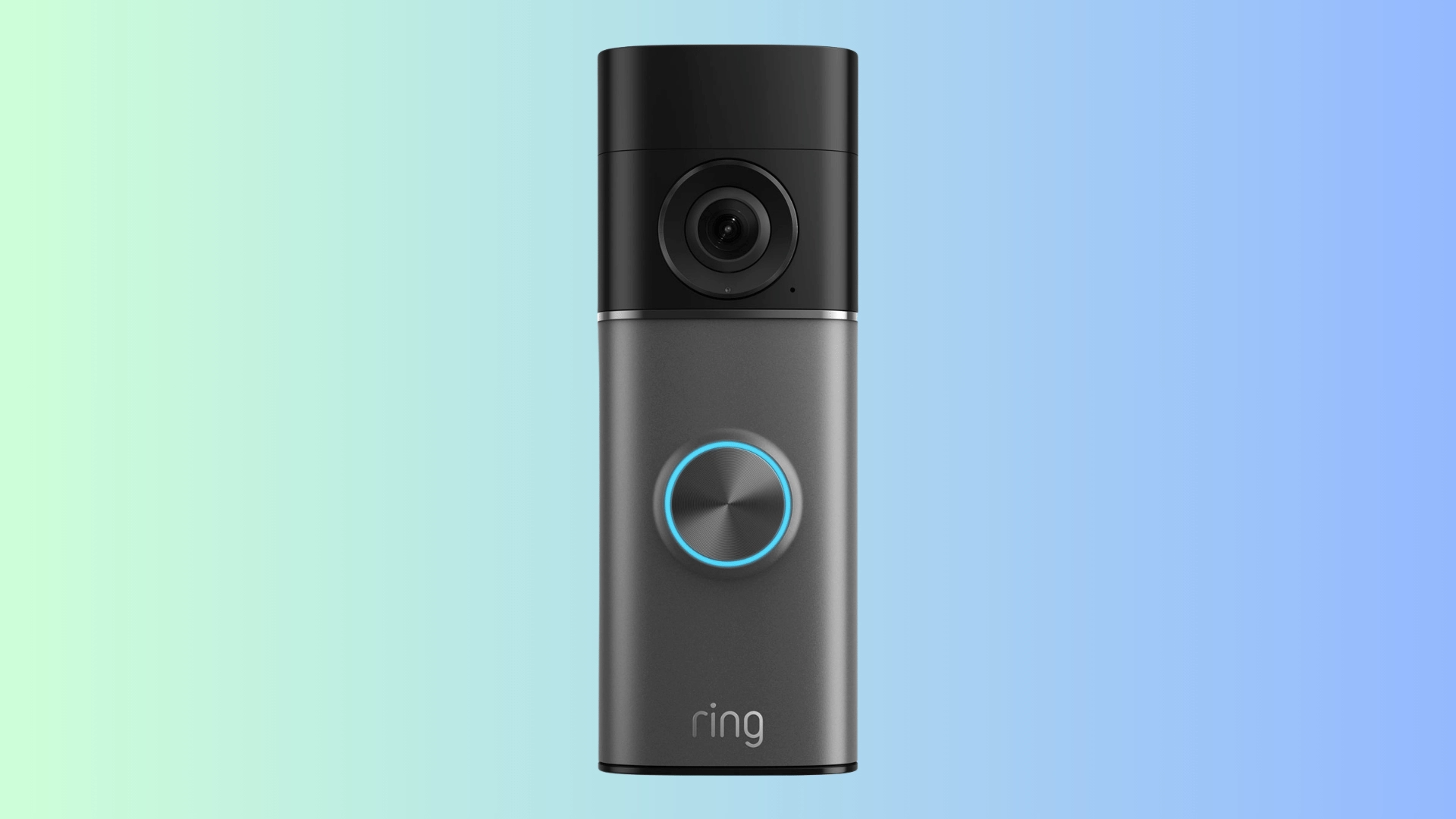
6. Best Ring Doorbell for Power Users: Ring Battery Doorbell Pro (2nd Gen)
Price: $249.99
The Battery Doorbell Pro is what you buy when you want 4K and radar motion detection but cannot or do not want to hardwire your doorbell.
It fits this category because it is the only battery-powered Ring doorbell with a 4K Retina camera, making it the top-tier choice for anyone who needs serious video quality without having to run new wiring.
The removable quick-release battery also means recharging is fast, with no need to take the whole device off the wall. Battery life is the trade-off.
The 4K camera and radar sensors draw more power than lower-spec models, so expect shorter intervals between charges compared to the standard Battery Doorbell Plus, particularly in high-traffic locations.
Key Features:
- 4K Retinal camera
- Removable quick-release battery
- Radar-powered 3D motion detection
- Bird’s-eye view
- Head-to-toe field of view
- Color pre-roll
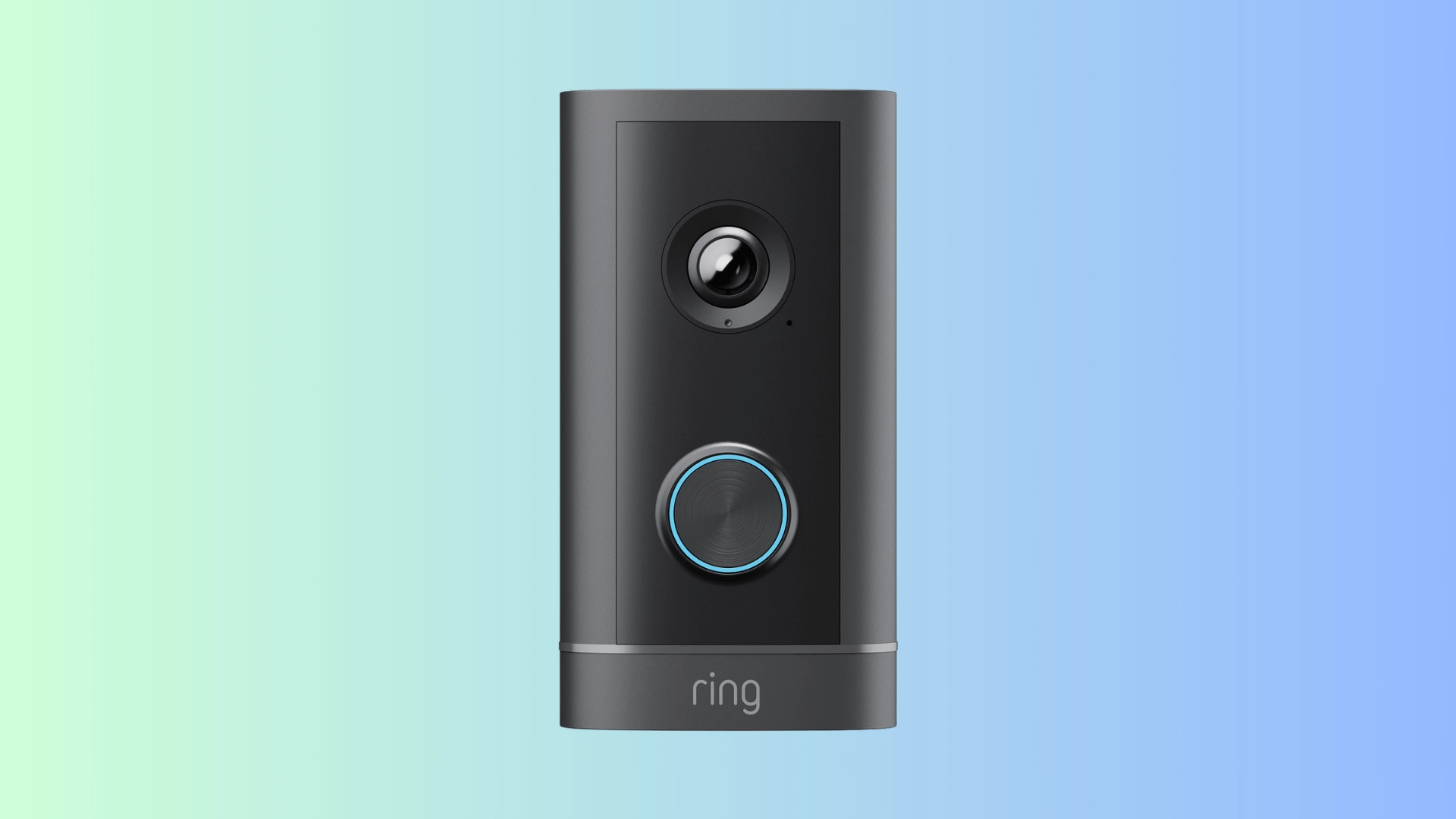
7. Best Premium Ring Doorbell: Ring Doorbell Elite
Price: $499.99
The Doorbell Elite is Ring’s most durable, most permanent doorbell. It is built for situations where you want a device that will stay put, look polished, and never need a battery check.
It earns the premium slot because it is the only Ring doorbell that runs on Power over Ethernet (PoE), which means it draws both power and internet connectivity through a single Ethernet cable.
PoE (Power over Ethernet) is a networking standard that delivers both electrical power and data over a single cable, eliminating the need for Wi-Fi entirely.
It is the most stable connection type available for any networked device, including doorbells.
No Wi-Fi dependency, no batteries, no charging cycles. The metal housing and swappable faceplates also give it a build quality that the plastic-bodied models do not match.
The price and installation complexity put it out of reach for most residential buyers. It makes the most sense for high-end homes, rental properties, or small commercial entryways where reliability and appearance both matter.
Key Features:
- Power over Ethernet
- Metal housing
- Swappable faceplates
- 1536p head-to-toe video
- Always-on connectivity
- Advanced Motion Detection
What to Consider Before Choosing a Ring Doorbell?
The Ring lineup covers a lot of ground, which is exactly what makes it confusing. The right model almost always comes down to a small set of practical factors about your home, not just the spec sheet.
Before buying, work through these:
- Wired or battery: If you have existing low-voltage doorbell wiring, a wired or hardwire-compatible model avoids charging entirely. If you rent or do not have wiring, a battery is your only real option.
- Video resolution: For most front doors, 1536p is more than enough to identify a person or read a package label. 4K matters most if you have a long driveway, a wide entryway, or need to capture license plates reliably.
- Motion detection type: Standard PIR sensors work well for close-range detection. Radar-based 3D motion gives you bird’s-eye tracking and significantly fewer false alerts from cars or tree movement.
- Wi-Fi band: If your router is close to your front door, 2.4GHz is fine. If there is distance or interference, choose a model with 5GHz dual-band support. A choppy connection is the single most common cause of missed alerts.
- Ring Protect subscription: Live view and basic motion alerts are free. But video history, package alerts, and person detection all require a Ring Protect plan, starting at $4.99/month per device or $9.99/month for unlimited devices at one address. Factor that into your total cost.
- Power over Ethernet: PoE (available only on the Elite) runs both power and internet through one cable. It is the most reliable setup but requires a PoE switch or injector and a wired Ethernet run to the door. Worth it for commercial or high-end permanent installs; overkill for most houses.
One more thing worth noting: Ring doorbells do not support local video storage. Everything goes to the cloud, and without a Ring Protect plan, footage is not saved at all.
If local storage is a firm requirement, home security technology trends are moving in that direction across other brands, but Ring is not there yet.
Conclusion
A good Ring doorbell should match your door setup, not just the most expensive model on the page.
For most homes, I would start with the Ring Battery Doorbell Plus because it gives strong video, easy battery swaps, and simple setup.
You should choose a wired Ring doorbell if charging sounds annoying and your home already has working doorbell wiring.
The Pro models make sense when you need 4K video, better motion tracking, or fewer false alerts near a busy street.
Budget models are still useful for renters, side doors, garages, or anyone testing Ring for the first time. This ring doorbell comparison should make the choice feel clearer before you spend money.
Which Ring doorbell are you using at your front door? Tell us, share with us in the comments below.
Frequently Asked Questions
Do Ring Doorbells Work without a Subscription?
Yes, but you only get live view and real-time motion alerts. Ring will not save video history without Ring Protect.
If you miss an alert, you cannot review it later. A plan adds saved footage, package alerts, and person alerts.
Can You Install a Ring Doorbell without an Existing Doorbell?
Yes, Ring battery doorbells do not need existing wiring. You mount the device, charge the battery, and connect it through the Ring app.
Wired Ring models need an 8 to 24V AC doorbell transformer already installed at your door.
How Long Does a Ring Doorbell Battery Last on One Charge?
Ring battery life depends on traffic, alerts, weather, and video settings. Some homes may get several months, while busy doors may need charging much sooner.
Cold weather can also reduce battery life. Pro battery models usually drain faster because they use more advanced sensors.
Does Ring Work with Google Home or Only Amazon Alexa?
Ring works best with Amazon Alexa because both are in the same ecosystem. You can use live view, announcements, and routines with Alexa devices.
Google Home support is limited, especially for live view on displays. Google users should check compatibility before buying.
What Happens to Ring Footage if the Device is Stolen or Damaged?
Ring stores saved footage in the cloud when you have Ring Protect, not inside the doorbell itself.
If the device is stolen or damaged, earlier recordings can still be viewed and downloaded. That is one useful benefit of Ring cloud storage.
What is the Difference Between 1536p and 4K on a Ring Doorbell?
1536p is Ring’s mid-range resolution, sometimes called 2K. It is enough to clearly identify a person’s face and read a package label at a standard front-door distance.
4K offers roughly four times the pixel count of 1080p and is most useful when you need to capture fine details like license plates from a distance or when you have a wider entryway where zooming in on a specific area of the frame matters.
For most front doors under 10 to 15 feet, the difference between 1536p and 4K is visible but not decisive.