A sudden smoke alarm beeping can be frustrating, especially when there is no sign of smoke or fire. The good news is that most alarms are trying to tell you about a maintenance issue rather than an emergency.
I know how confusing the different beeps and chirps can be, and finding the real cause is not always obvious.
Working through the problem using a clear troubleshooting methodology makes it much easier to land on the right fix rather than guessing.
In this guide, you will learn why your smoke alarm may be beeping or chirping, what each sound could mean, and how to fix the problem safely.
You will also find tips for replacing batteries, cleaning the alarm, resetting it correctly, and knowing when it is time to replace it.
By the end, you will have the information you need to stop the noise and keep your home protected with confidence.
What Does It Mean when a Smoke Alarm Beeps?
A smoke alarm beeping usually means the alarm needs attention rather than indicating an active fire.
The beeping pattern often signals a low battery, end of service life, maintenance issue, power problem, or an internal fault, depending on the model.
Most smoke alarms use different sound patterns to communicate specific conditions.
A single chirp every 30 to 60 seconds commonly indicates a low battery or, in hardwired models, a depleted backup battery.
Some alarms also beep when they have reached their recommended replacement age, typically around 10 years, or when the sensing chamber needs cleaning because of dust or insects.
Hardwired alarms may chirp after power issues or loose wiring, while a loud continuous alarm usually means smoke or fire.
Checking the user manual helps identify the exact meaning of the beeping pattern for a specific alarm model.
Key Features of a Smoke Alarm
Modern smoke alarms include several built-in features that improve fire detection, reliability, and everyday safety.
- Smoke Detection Technology: Uses photoelectric, ionization, or dual sensors to detect different types of fires and provide early warning before conditions worsen.
- Loud Audible Alarm: Produces a high-volume warning sound, typically around 85 decibels, to alert occupants throughout the home during emergencies.
- Test Button: Allows regular testing of the alarm’s electronics and sounder to confirm the unit is functioning correctly.
- Battery Backup: Keeps the alarm operating during power outages, ensuring continuous protection even if household electricity is interrupted.
- Low Battery Warning: Emits a periodic chirp to notify when the battery needs replacement before the alarm stops working.
- Interconnect Capability: Connects multiple compatible alarms so every unit sounds simultaneously when one detects smoke, improving whole-home notification.
- Hush or Silence Feature: Temporarily silences nuisance alarms from cooking or steam without permanently disabling the smoke detection system.
- End of Life Indicator: Alerts when the alarm has reached its recommended service life and should be replaced for reliable protection.
How to Stop a Smoke Alarm Chirping?
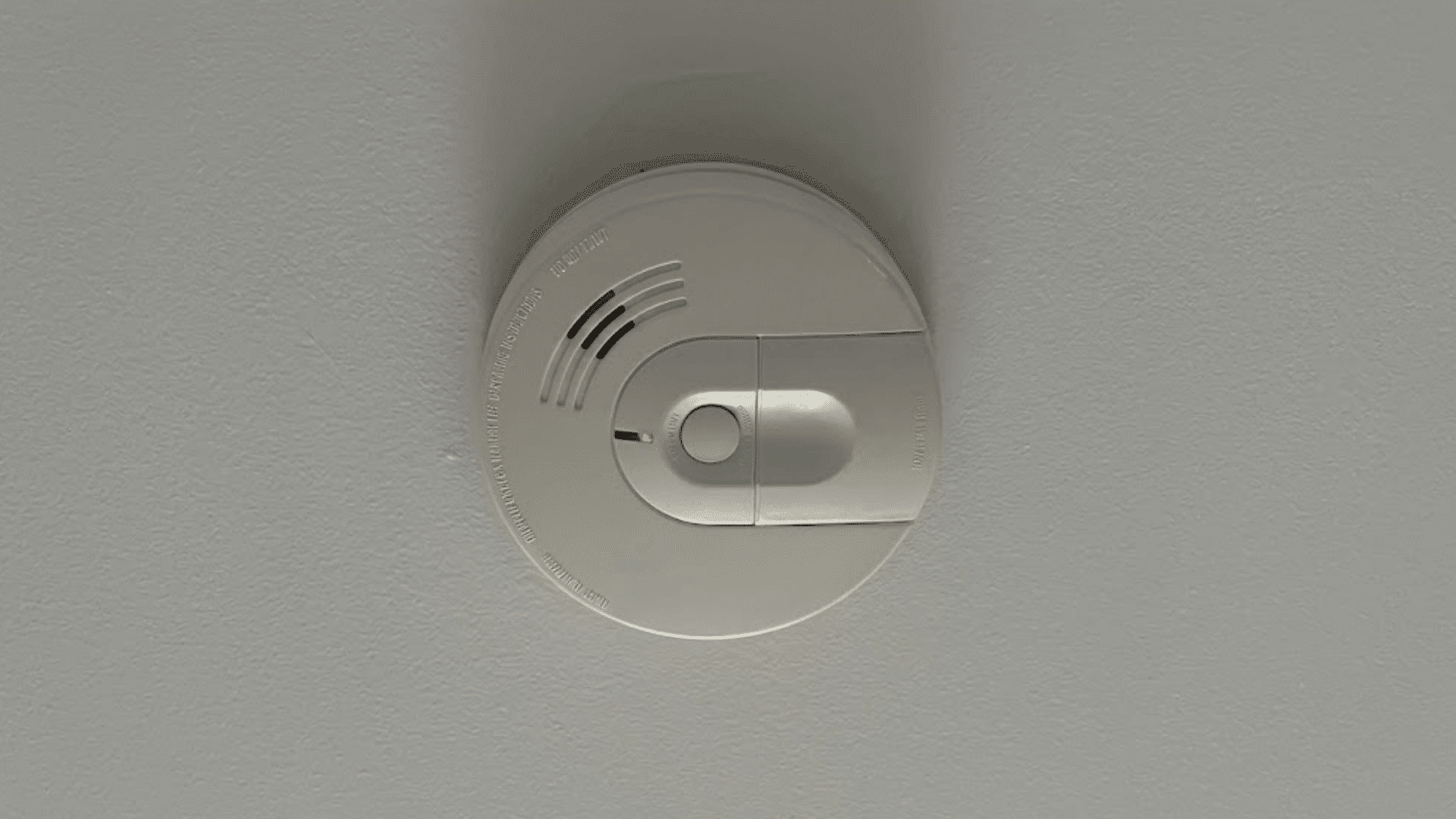
Most smoke alarm chirping can stop once you find the cause and check the battery, power, cleaning, and age.
1. Identify Which Alarm Is Chirping
If you have more than one smoke alarm, start by finding the one making the sound. Chirps can echo through a home, making them difficult to locate.
Listen closely or have someone stand near different alarms while you wait for the next chirp.
Once you identify the correct unit, check if it is battery-powered or hardwired, as the troubleshooting steps may differ slightly.
2. Replace the Battery Correctly
A low battery is the most common reason a smoke alarm chirps. Replace it with a fresh battery of the exact type recommended by the manufacturer.
Make sure the battery terminals line up correctly and the battery drawer closes completely. If the alarm has a battery pull tab, remove it before use.
Avoid mixing old and new batteries or using rechargeable batteries unless the manufacturer specifically approves them.
3. Reset the Smoke Alarm
Many smoke alarms need to be reset after a battery change or power interruption.
Remove the battery and, for hardwired models, switch off the power at the circuit breaker if instructed by the manufacturer.
Press and hold the test button for about 15 to 30 seconds to discharge any remaining electrical charge.
Reinstall the battery, restore power if needed, and test the alarm to confirm the chirping has stopped.
4. Clean the Sensor Chamber
Dust, cobwebs, and small insects can collect inside the sensor chamber and trigger unwanted chirping. Use a vacuum cleaner with a soft brush attachment or compressed air to remove debris from the vents.
Avoid using water, cleaning sprays, or harsh chemicals, as they may damage the sensor.
Cleaning the alarm every few months can help prevent nuisance chirps and improve overall performance.
5. Check the Power Connection
For hardwired smoke alarms, a loose power connection or a recent power outage can cause intermittent chirping.
Confirm that the alarm is securely attached to its mounting bracket and that household power has been restored.
Some models also include a backup battery that should be replaced if it is weak. If the chirping continues after checking the power supply, inspect the circuit or consult a qualified electrician.
6. Replace the Alarm If It Has Reached End of Life
Most smoke alarms are designed to last about 10 years from the date of manufacture.
When the internal sensor reaches the end of its service life, the alarm often produces a regular chirping pattern that cannot be stopped by replacing the battery.
Check the date printed on the back of the unit. If it has expired, replace the entire alarm with a new model that meets current safety standards.
Smoke Alarm Sound Meanings
Provide a simple introduction explaining that beep patterns vary by manufacturer, but most alarms follow similar warning signals. Mention that checking the user manual is always recommended.
| Smoke Alarm Sound | What It Usually Means | Recommended Action |
| Continuous loud alarm | Smoke or fire detected | Evacuate immediately and call emergency services |
| One chirp every 30–60 seconds | Low battery | Replace battery |
| Chirping after battery replacement | Reset required or battery not seated properly | Reset the alarm and reinstall the battery |
| Multiple chirps | Fault or end-of-life warning | Check the manual or replace the alarm |
| Random intermittent chirps | Dust, insects, humidity, loose wiring | Clean and inspect the unit |
Does Alarm Placement Cause False Chirping?
Yes, improper alarm placement can contribute to false chirping or nuisance alerts by exposing the alarm to environmental conditions that affect its sensors or power supply.
Installing a smoke alarm too close to kitchens, bathrooms, HVAC vents, windows, or uninsulated spaces increases the risk that moisture, dust, temperature fluctuations, or electrical interference can cause intermittent chirping.
Smoke alarms are designed to operate within specific environmental conditions.
Steam from showers, cooking vapors, condensation, and high humidity can enter the sensing chamber, triggering nuisance chirping.
Drafts can carry dust or insects into the alarm, while sudden temperature changes may cause condensation inside.
For hardwired models, unstable electrical connections or brief power interruptions may also cause chirping.
Why Does a Smoke Alarm Chirp in the Middle of the Night?
Nighttime chirping often has simple causes that become more noticeable when temperatures drop and the home is quieter.
| Possible Cause | Why It Happens at Night |
| Low battery | Cooler nighttime temperatures can reduce battery voltage, triggering the low battery warning. |
| Temperature changes | Rapid cooling may affect the alarm’s electronics or sensing chamber. |
| Humidity or condensation | Moisture can form inside the alarm and interfere with the sensor. |
| End of service life | Aging alarms may chirp intermittently, regardless of the time of day, but it is easier to notice at night. |
| Dust or insects | Debris inside the sensing chamber can cause intermittent chirping. |
| Power interruption (hardwired alarms) | A brief overnight power fluctuation may cause the backup battery warning to chirp. |
| Loose battery or battery drawer | A poor battery connection may become more noticeable as temperatures change. |
| System fault | Some alarms chirp to indicate an internal malfunction that requires troubleshooting or replacement. |
When Should a Smoke Alarm Be Replaced?
Replacing a smoke alarm at the right time helps ensure it continues to detect smoke accurately and provides reliable protection.
- It Is More Than 10 Years Old: Most smoke alarms should be replaced after 10 years because their sensors become less reliable with age.
- It gives an End-of-Life Warning: Repeated chirping after troubleshooting often signals the alarm has reached the end of its designed service life.
- It Fails the Test Button Check: If the alarm does not sound during testing after fresh batteries, replace the entire unit immediately.
- It Has Physical Damage: Cracks, discoloration, water damage, or broken parts can affect performance and reduce the alarm’s ability to detect smoke.
- It Keeps False Alarming: Frequent nuisance alarms after cleaning and proper placement may indicate a failing sensor that needs replacement.
- It Continues Beeping After Troubleshooting: If resetting, cleaning, and replacing the battery do not resolve the issue, the alarm may have an internal fault that requires replacement.
- It is a Sealed 10-Year Unit That Chirps: Sealed alarms with a non-replaceable battery cannot be fixed by swapping a battery. A chirp from one of these means the entire unit needs to be replaced.
Can a Smoke Alarm Be Beeping Even After Changing the Battery?
Yes, a smoke alarm can keep beeping even after you replace the battery. In many cases, the problem is not the new battery but another issue that still needs attention.
A smoke alarm may continue beeping if it was not reset after the battery change, the battery is installed incorrectly, or the battery drawer is not fully closed.
Hardwired alarms can also chirp after a power interruption if the backup battery is weak. Another common cause is an end-of-life warning, which means the alarm’s internal sensor has reached the end of its service life, typically after about 10 years.
Dust or insects inside the sensing chamber may also trigger occasional chirps.
If you have checked these issues and the beeping continues, consult the manufacturer’s instructions and replace the alarm if it has expired or is not operating properly.
Common Smoke Alarm Troubleshooting Mistakes to Avoid
Avoiding a few common mistakes can help you resolve smoke alarm problems more quickly and keep the device working properly.
| Common Mistake | Why to Avoid It |
| Ignoring repeated chirping | It may indicate a low battery, fault, or end-of-life warning. |
| Using the wrong battery type | An incorrect battery may not power the alarm properly. |
| Forgetting to reset the alarm | Some alarms continue chirping until they are reset after a battery change. |
| Leaving dust inside the alarm | Dust and insects can interfere with the sensor and cause false alerts. |
| Removing the battery permanently | A disabled smoke alarm cannot warn you during a fire. |
| Painting over the smoke alarm | Paint can block the sensor and reduce detection accuracy. |
| Installing the alarm near steam or cooking areas | Steam and cooking fumes can trigger unnecessary alarms. |
| Keeping an expired smoke alarm | Older alarms may no longer detect smoke reliably and should be replaced. |
When to Call an Electrician or Replace the Alarm?
Call an electrician for persistent hardwired alarm beeping, or replace the smoke alarm if it is damaged, expired, or malfunctioning.
Start by replacing the battery, cleaning the alarm, and resetting it. If the beeping continues, check the manufacturing date.
Most smoke alarms should be replaced after about 10 years. For hardwired models, repeated chirping may point to loose wiring, power supply issues, or problems within the interconnected system that require a qualified electrician.
You should also replace the alarm immediately if it fails the test button, shows visible damage, or continues to display fault warnings after troubleshooting.
Never ignore persistent beeping, as it may mean the alarm cannot provide reliable fire detection when you need it most.
Conclusion
A smoke alarm beeping can be annoying, but it is usually a sign that your alarm needs attention rather than a reason to panic.
Taking a few minutes to identify the cause, replace the battery, clean the unit, or reset it can often solve the problem. If the alarm has reached the end of its lifespan, replacing it is the safest choice for your home.
I always believe that a working smoke alarm is one of the simplest ways to protect the people and things that matter most.
I hope this guide has made troubleshooting easier and helped you understand what each alarm sound means.
If you have dealt with a smoke alarm that would not stop beeping or found another helpful solution, share your experience in the comments below. Your advice could help other readers facing the same problem.
Frequently Asked Questions
Are 3 Beeps Smoke or Carbon Monoxide?
Three repeating beeps usually indicate a smoke alarm. Many carbon monoxide alarms use four beeps followed by a pause, but always check your manufacturer’s manual.
What Are Two Warning Signs of Carbon Monoxide Poisoning in a House?
Two common warning signs are headaches and dizziness. Other symptoms include nausea, weakness, confusion, and unusual fatigue.
Why Is a Hardwired Smoke Alarm Beeping Every 30 Seconds?
A chirp every 30 seconds usually indicates a low backup battery, a power interruption, or an end-of-life warning. Check the battery, reset the alarm, and inspect its age.
What Do 5 Short Beeps Mean?
Five short beeps commonly indicate an end-of-life warning. The smoke alarm has reached the end of its service life and should be replaced.