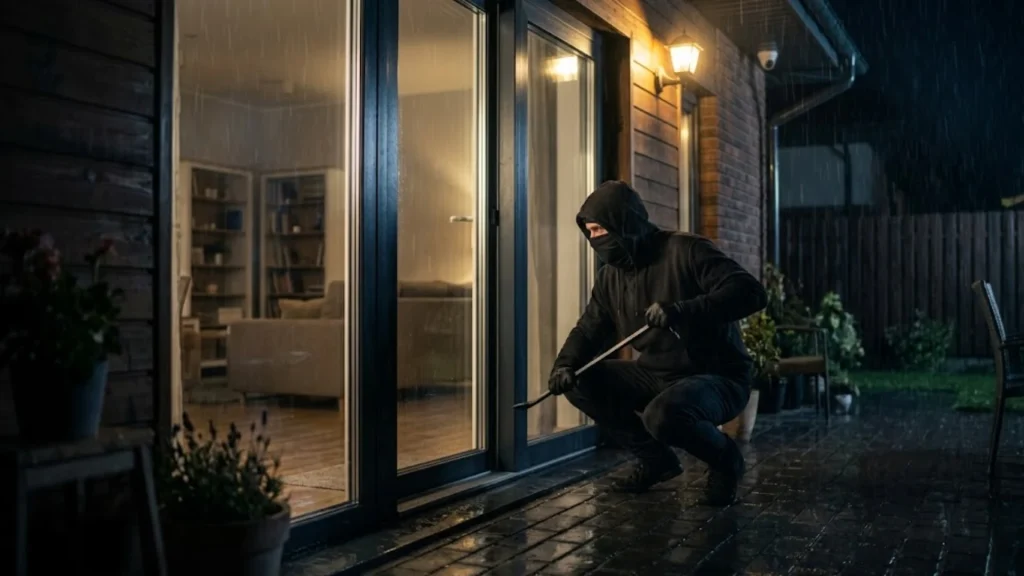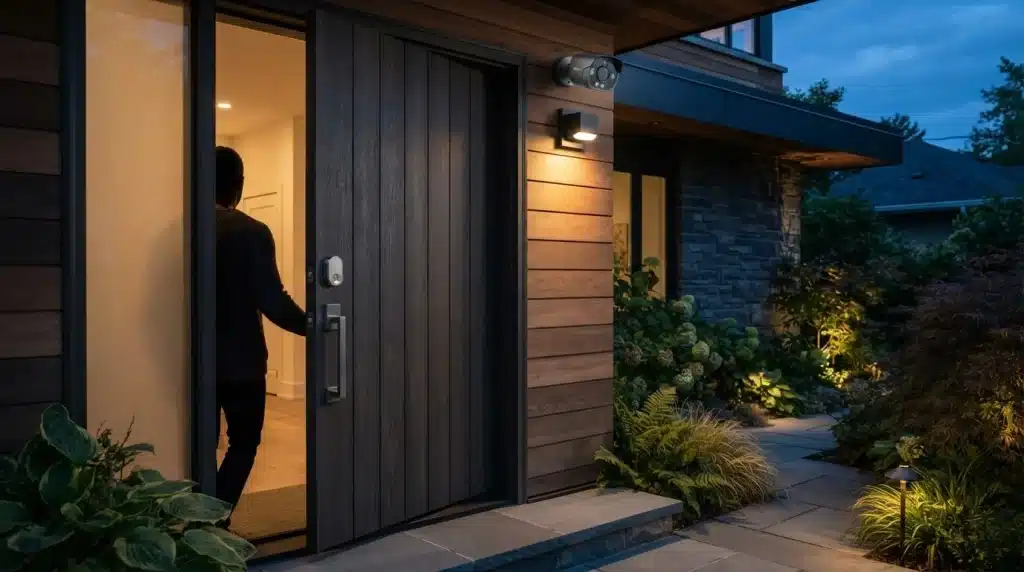
Have you ever checked your home security and noticed small areas that could be improved? An unlocked window, poor outdoor lighting, or a weak entry point can create unnecessary risks if left unaddressed.
If you are searching for home security tips, the answer starts with simple steps that strengthen everyday protection. You do not always need expensive systems or major upgrades to make your home safer.
From improving entry point security to building better daily habits, these practical tips can help protect your property and create a more secure living environment.
What Makes a Home Secure?
A secure home depends on three layers working together, not just one solution. Good protection reduces weak points, improves visibility, and supports daily habits that help keep the property safer.
Prevention aims to stop problems before they happen. It includes strong locks, secure doors and windows, outdoor lighting, removing easy access points, and avoiding unsafe key storage.
Detection helps identify unusual activity through cameras, alarms, motion sensors, and security alerts placed around entryways and other important areas.
Awareness also plays an important role. Regular safety checks, attention to nearby activity, and communication with trusted neighbors can provide added support.
Start with simple changes that fix the weakest areas first. Security tools can then be added based on the home’s layout, daily routine, safety needs, and available budget.
Practical Home Security Tips that Work
Most home security improvements come from reducing simple weaknesses and creating better daily habits. These tips focus on affordable steps that can help protect your home without making security complicated.
1. Lock Doors and Windows Every Time
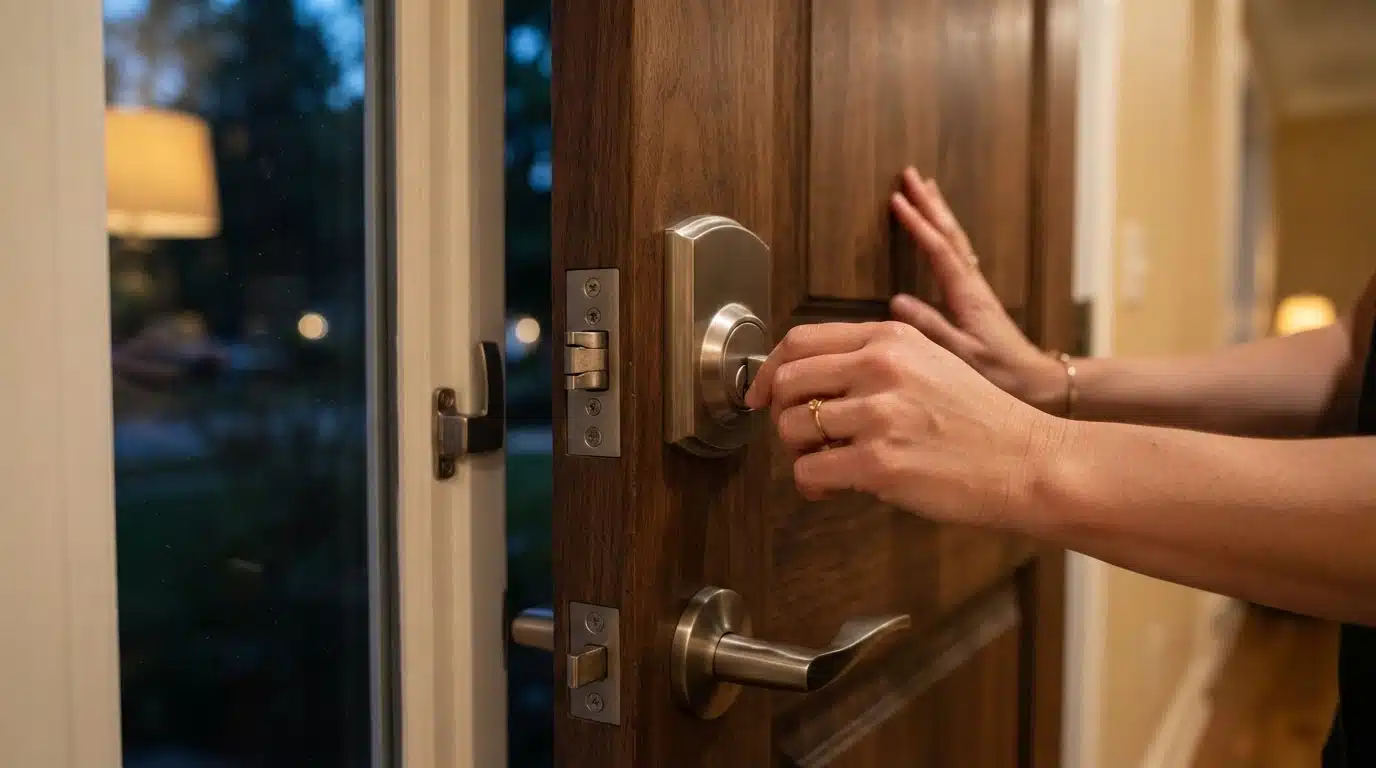
Unlocked doors and windows are among the most common security weaknesses in homes. A simple locking habit can prevent avoidable mistakes and protect often-overlooked entry points.
- Routine: Check all doors and windows before leaving home and before going to sleep.
- Coverage: Pay attention to basement windows, garage doors, and side entrances that are used less often.
- Deadbolts: Use deadbolt locks on exterior doors for stronger protection compared with standard latch locks.
- Upgrade: Add stronger locks, window sensors, or additional security features where needed.
A few seconds spent checking entry points can become one of the easiest and most effective home security habits.
2. Strengthen Weak Entry Points
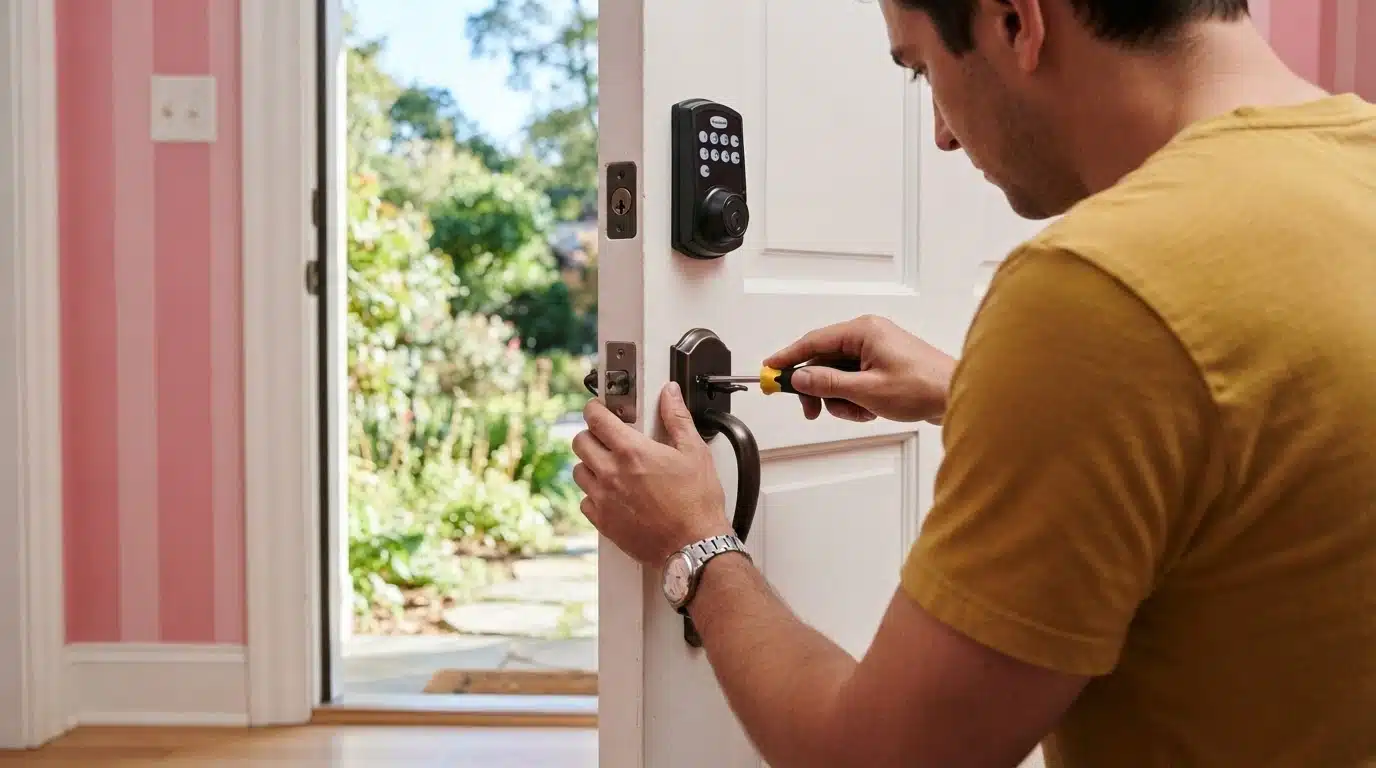
Doors and windows create the first barrier between your home and the outside. If these areas are weak, improving the hardware can make your property more secure.
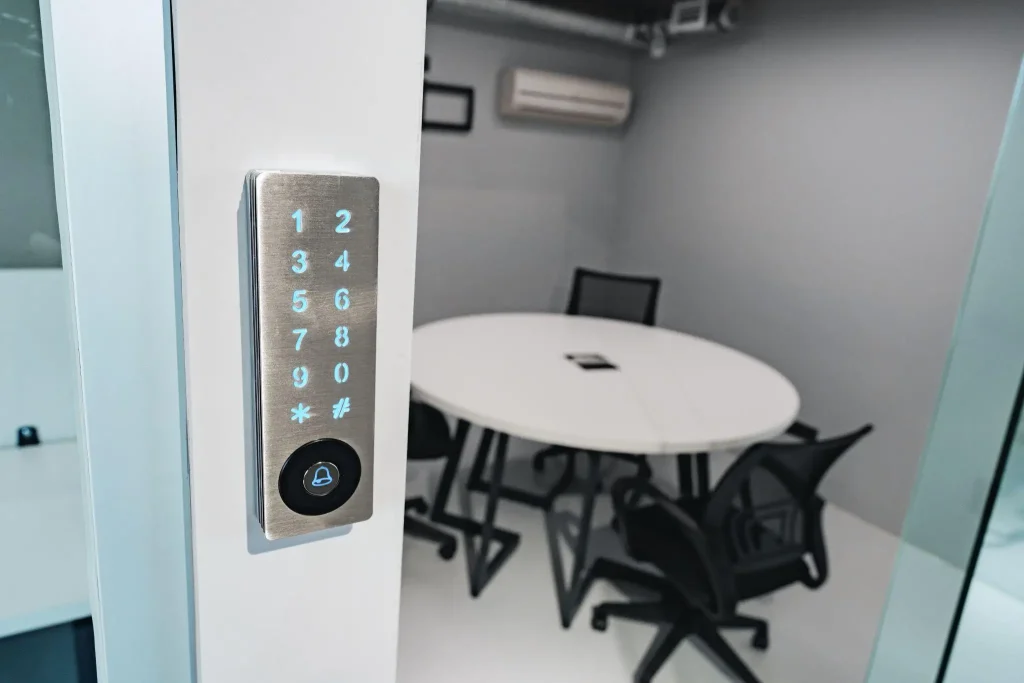
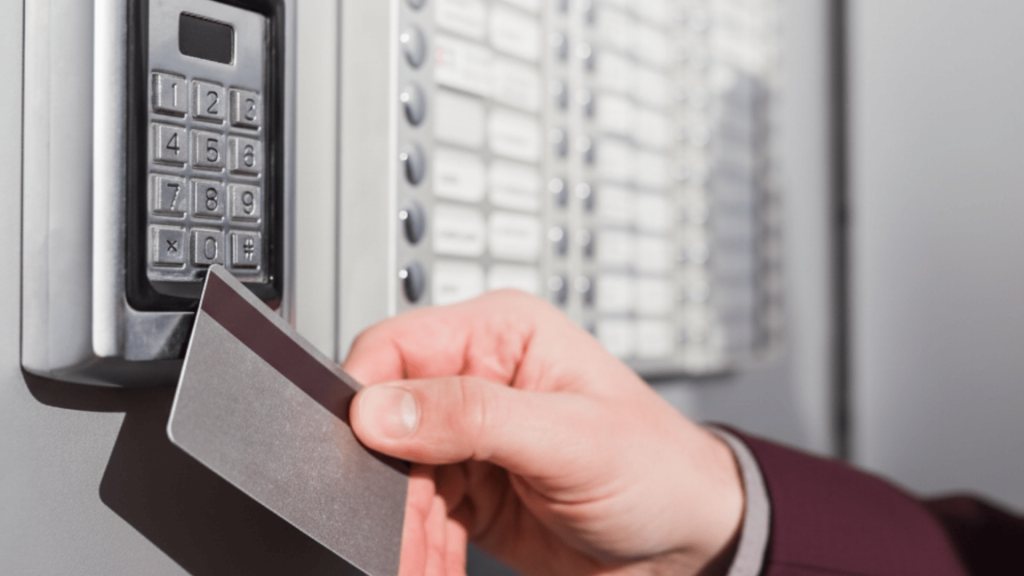
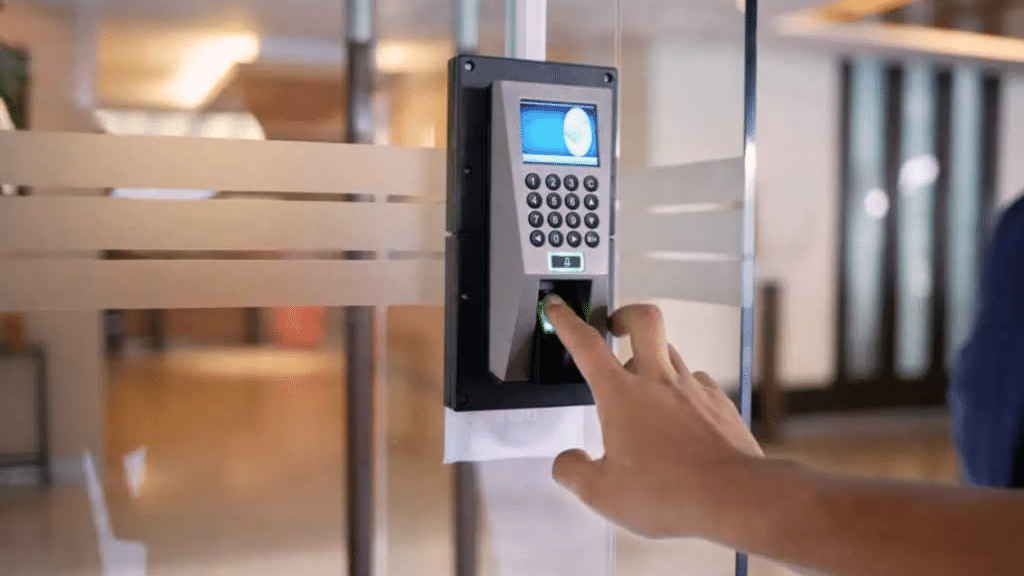
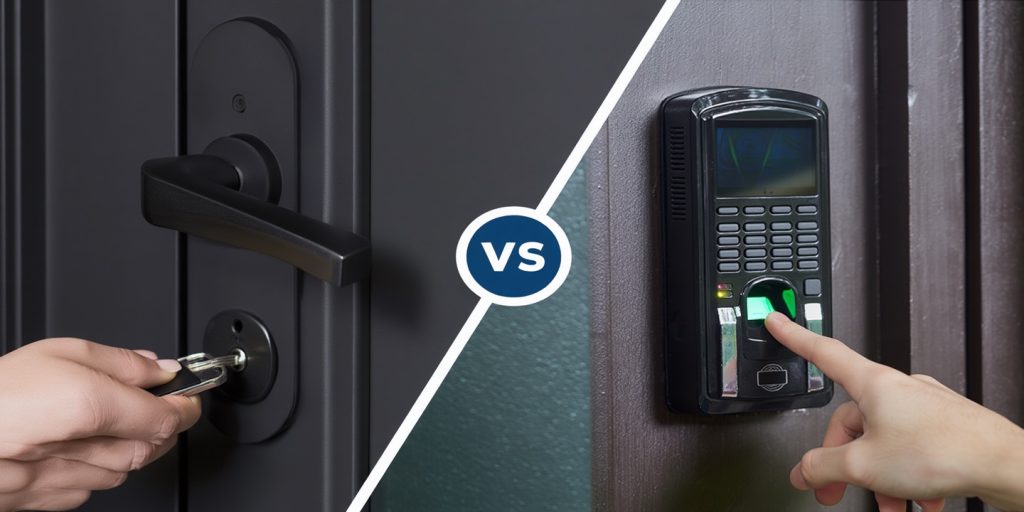
- Smart Locks: Consider smart locks with access codes or remote control features for better control over home entry
- Frames: Add reinforced strike plates to support the door frame.
- Hardware: Use stronger screws and durable materials for better support.
- Sensors: Install smart home sensors on doors and windows to receive alerts when an entry point opens unexpectedly.
- Motion Detection: Use motion detectors near entrances, garages, and other vulnerable areas to detect unusual activity and trigger alerts or lighting.
A secure entry point depends on the entire setup, including the door, lock, frame, and surrounding hardware.
3. Improve Outdoor Lighting
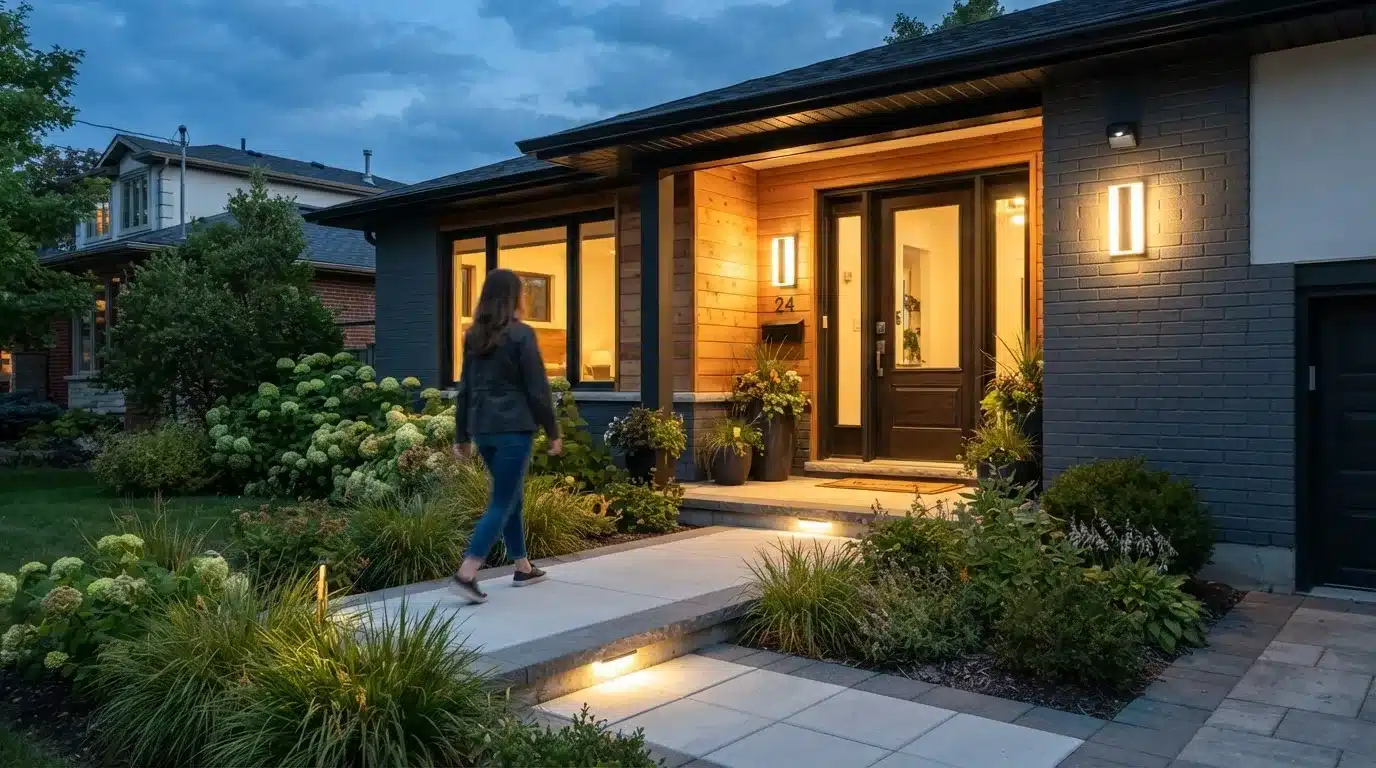
Good outdoor lighting helps create a safer environment by making important areas around your property easier to see. Proper placement and regular maintenance can reduce dark spots and improve awareness around entrances and pathways.
- Placement: Install lights near entrances, garages, pathways, and driveways.
- Sensors: Use motion-activated lights that turn on when movement is detected.
- Maintenance: Replace damaged bulbs and check areas that remain poorly lit.
- Cost: Basic outdoor security lights typically range from $20–$100, while motion-sensor models may cost more depending on features and installation needs.
A well-lit exterior can support better security habits by making it easier to identify activity and maintain visibility around your home.
4. Keep Your Yard Easy To See
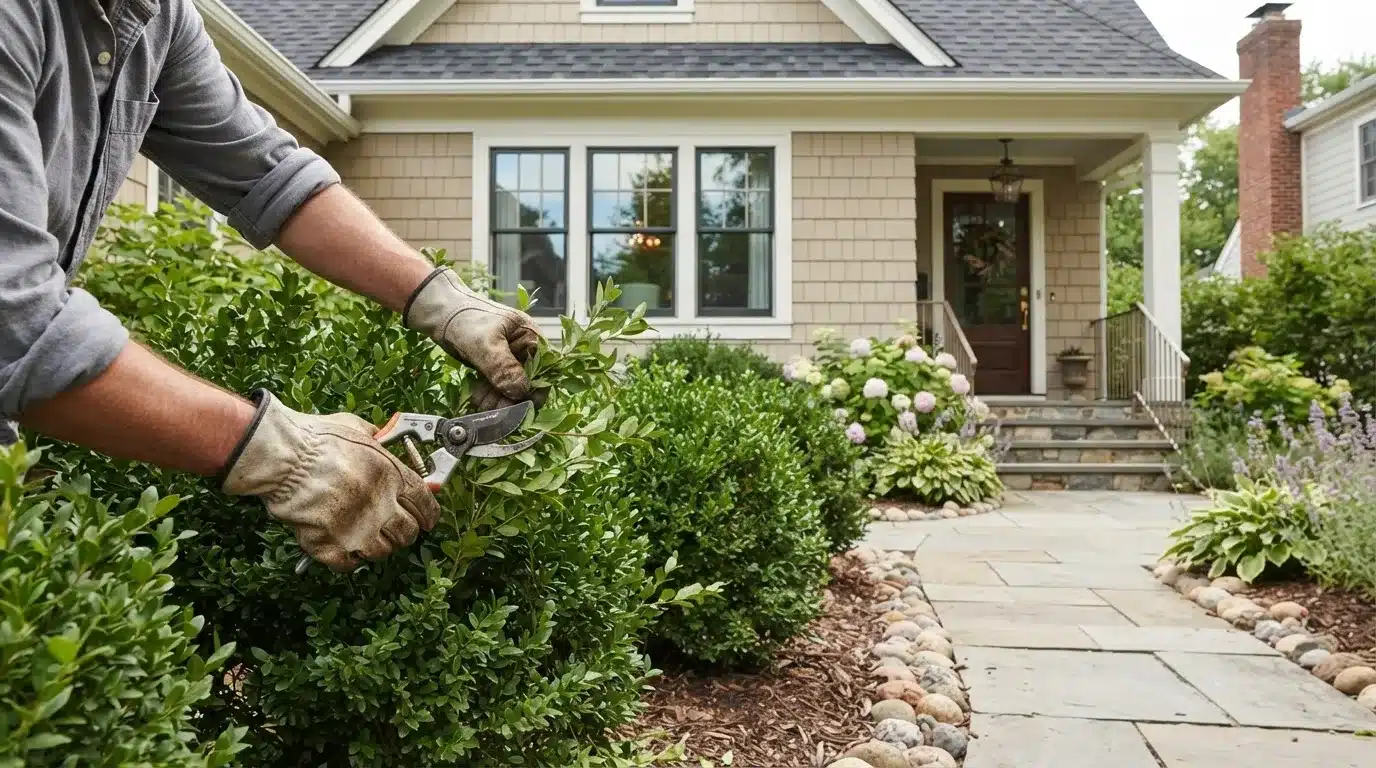
A clear outdoor space improves visibility and removes areas where someone could remain unnoticed. Regular yard maintenance can support better home security.
- Plants: Trim bushes and trees near doors, windows, and walkways.
- Visibility: Keep entrances and pathways open and easy to view.
- Storage: Place outdoor equipment and large items out of sightlines.
A well-maintained yard helps you stay more aware of what is happening around your property.
5. Avoid Hiding Spare Keys Outside
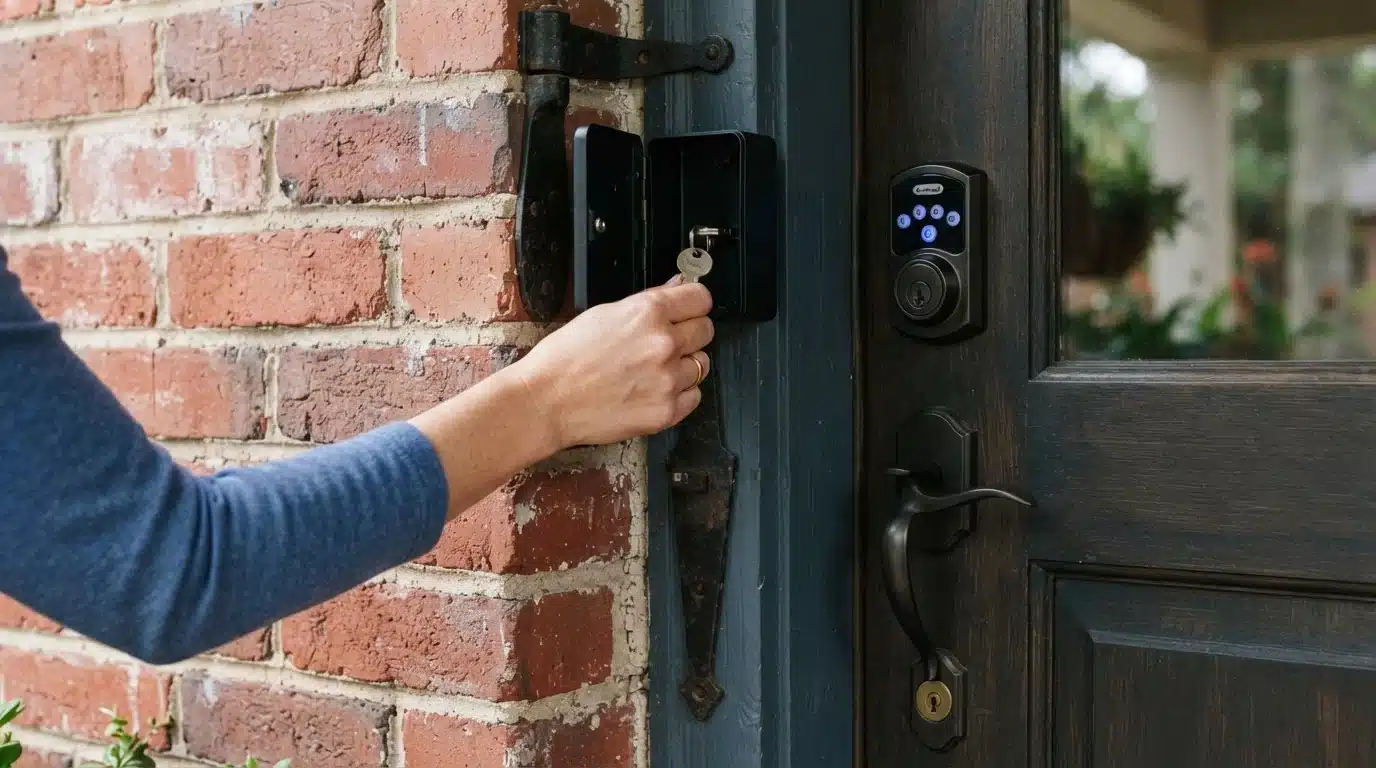
Keeping spare keys outside may seem useful in an emergency, but common hiding spots are often easy to spot. A safer backup plan reduces unnecessary risks.
- Avoid: Places like under mats, inside pots, or near outdoor decorations.
- Better option: Leave spare keys with trusted family members or neighbors.
- Alternative: Use smart locks with secure access codes.
Choosing a safer backup option for spare keys can prevent unnecessary risks while still keeping access convenient when needed.
6. Secure Your Garage and Outdoor Areas
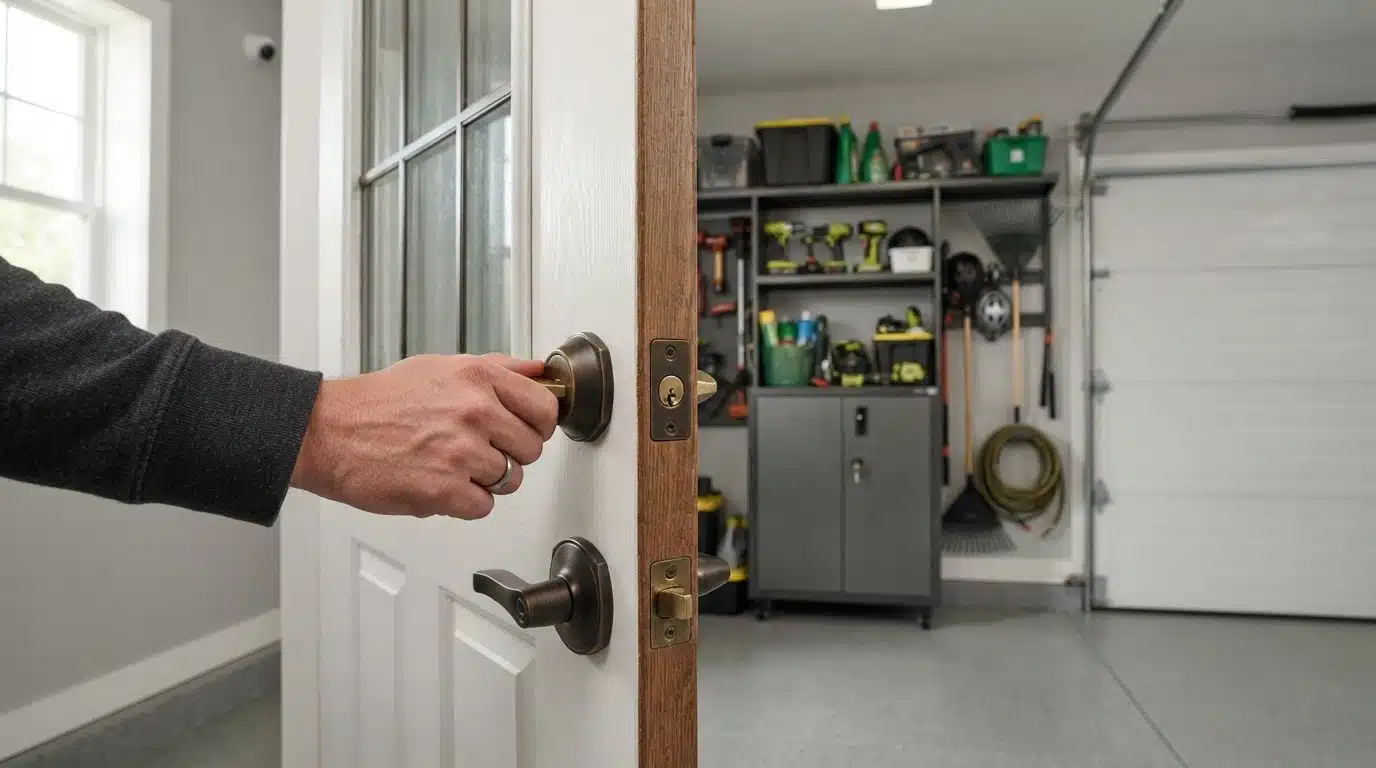
Garages, sheds, and outdoor storage spaces often contain valuable items and may connect to your home. These areas should receive the same attention as your main entrances.
- Garage: Keep the garage doors closed when not in use, and check the automatic openers.
- Storage: Lock tools, equipment, and valuable items properly.
- Checks: Inspect side doors, windows, and outdoor access points regularly.
Protecting garages and outdoor spaces closes additional gaps that are often overlooked during regular home security checks.
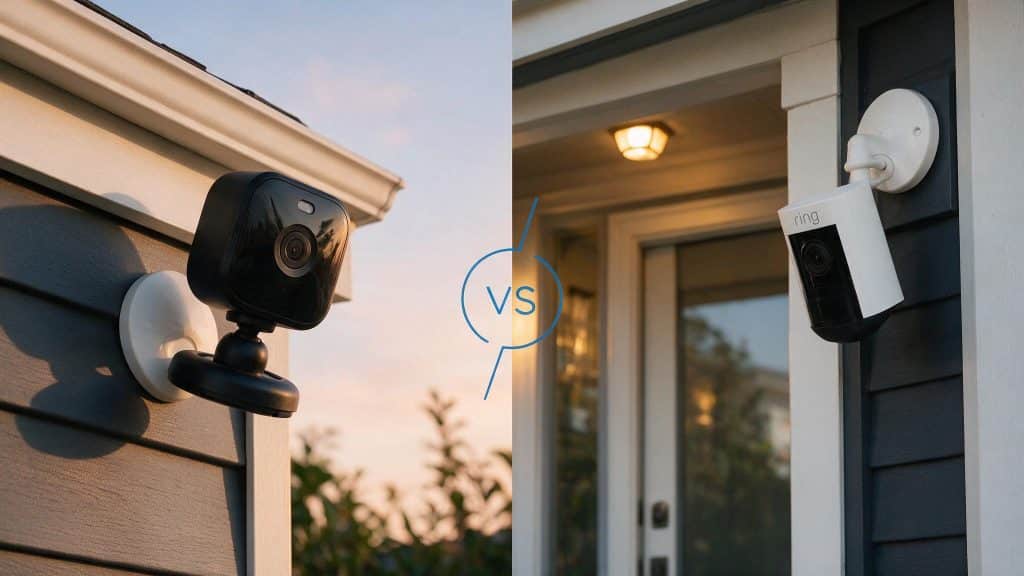
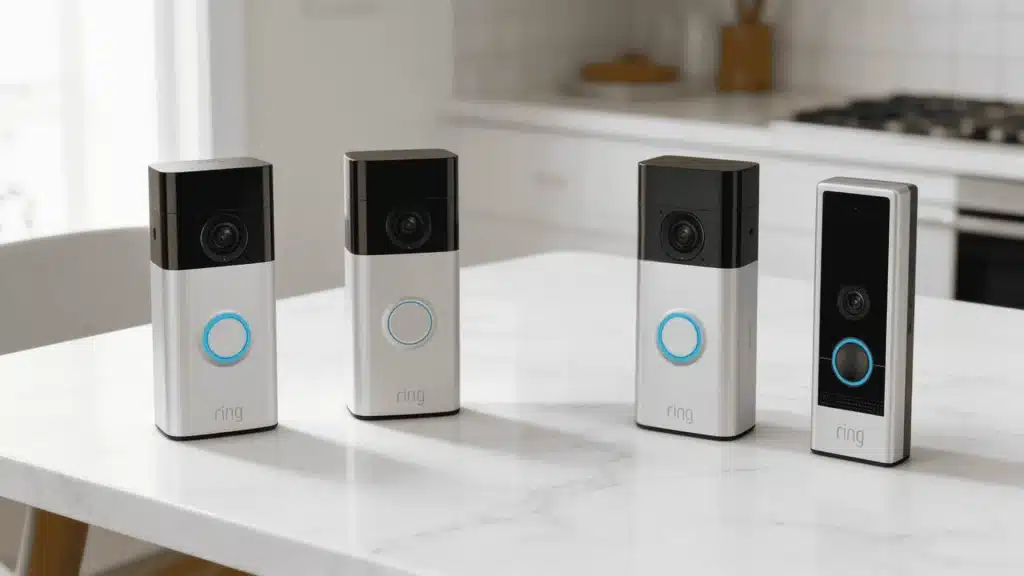
7. Use Cameras and Video Doorbells
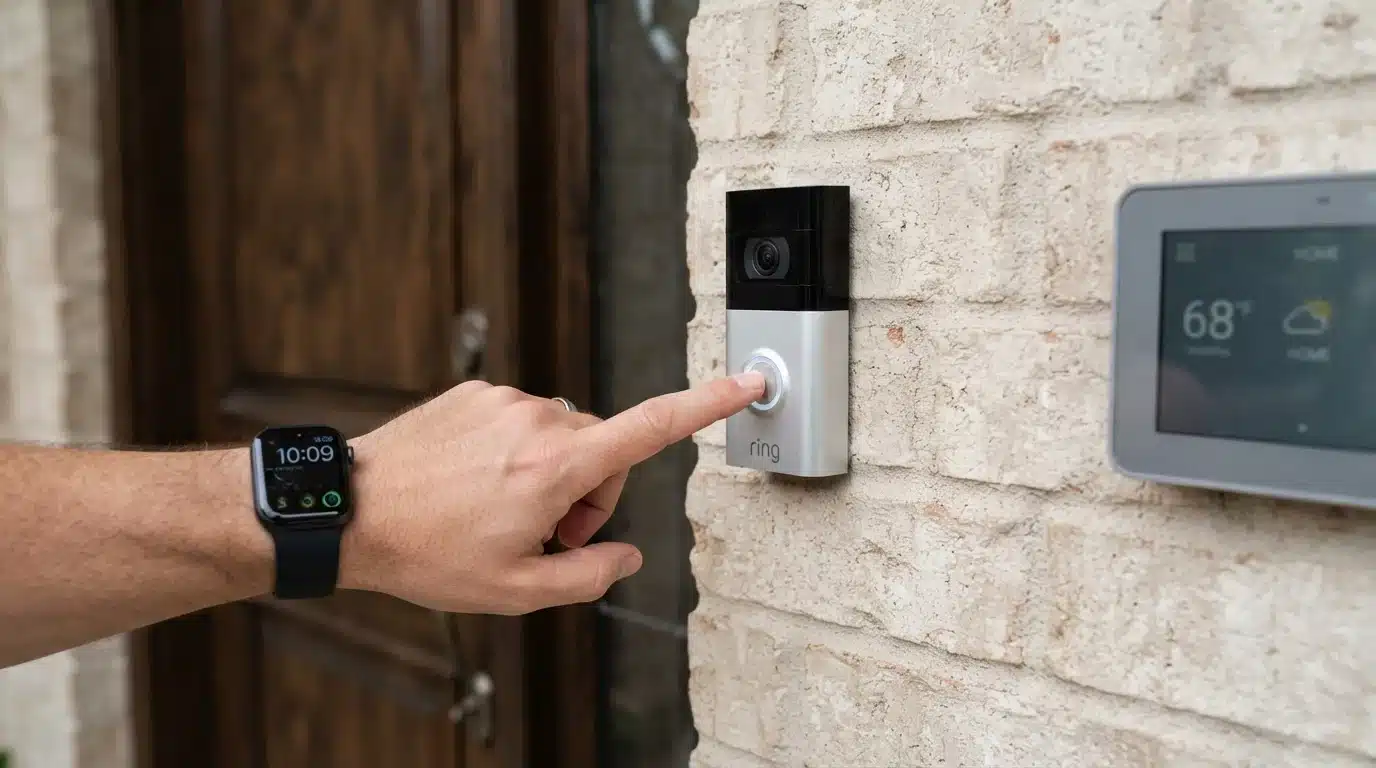
Security cameras and video doorbells can help monitor activity around important areas of your home. They provide alerts and recorded footage that can be useful when checking unusual events.
The overall security camera installation cost depends on the number of cameras, equipment type, property size, wiring, and professional labor required.
- Placement: Install cameras near front doors, driveways, and areas with limited visibility.
- Features: Choose devices with clear video, reliable alerts, and suitable storage options.
- Maintenance: Keep cameras clean and review settings regularly.
- Installation Time: Most wireless cameras can be set up within 30 minutes to 2 hours.
- Estimated Cost: Basic cameras and video doorbells usually cost around $30–$100 per device.
These devices work best when combined with strong locks, proper lighting, and regular security habits.
Advisory Tip: Do not depend on one security device alone. Combine cameras with strong locks, lighting, and regular checks for better protection.
8. Protect Smart Devices and Wi-Fi
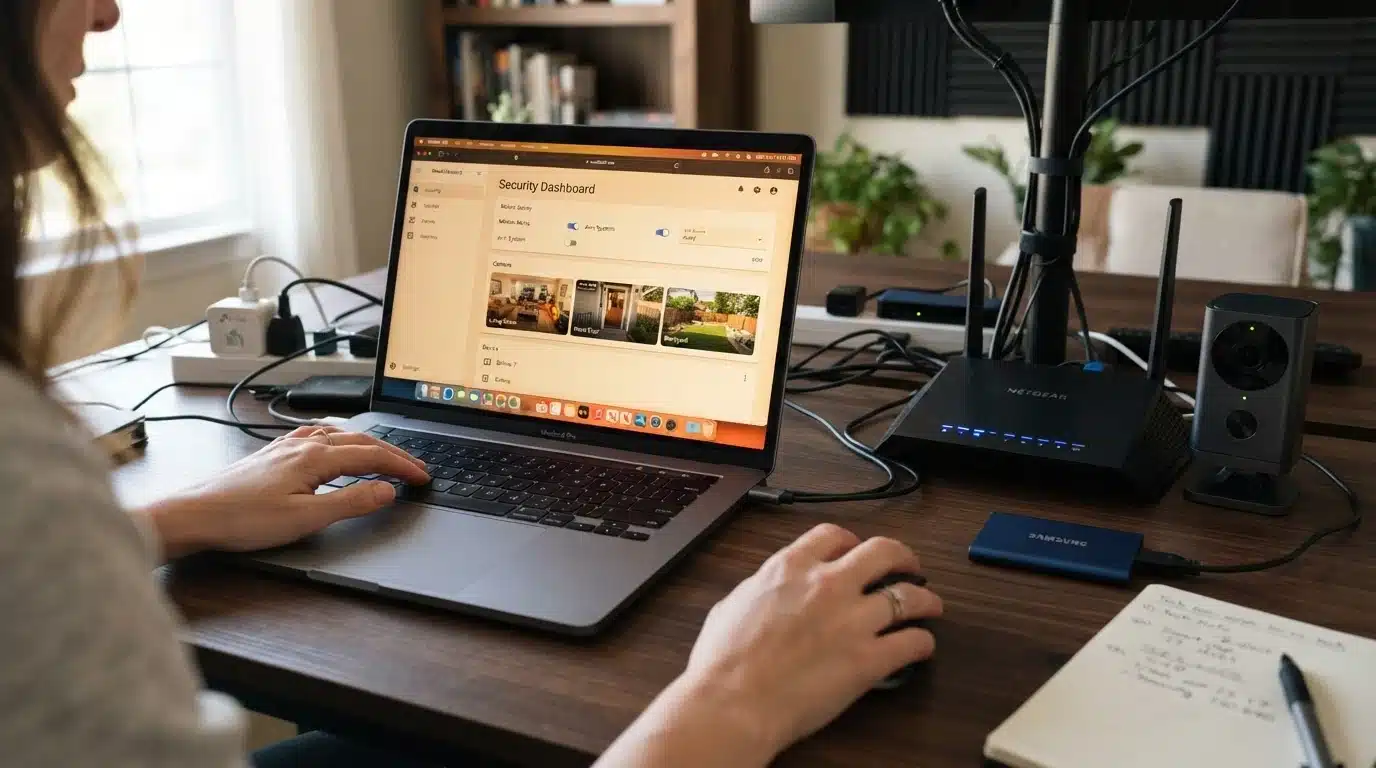
Smart cameras, locks, and alarms depend on the home network to function properly. Strong Wi-Fi security for smart security devices helps protect account access, device information, and remote controls.
- Router Password: Change the default router administrator password to a strong, unique one.
- Encryption: EnableWPA2 or WPA3 encryption to protect your wireless network.
- Updates: Install router and device firmware updates regularly to fix security issues.
- Two-Factor Authentication: Enable two-factor authentication on smart home apps for extra account protection.
- Guest Network: Place smart security devices on a separate guest network where possible to reduce access risks.
Protecting your Wi-Fi adds another layer of security for connected devices. The Federal Trade Commission’s Wi-Fi security recommendations offer additional steps to keep your home network safer.
Keeping connected devices secure helps maintain reliable protection and prevents digital weaknesses from affecting your security setup.
9. Secure Sliding Doors and Patio Entrances
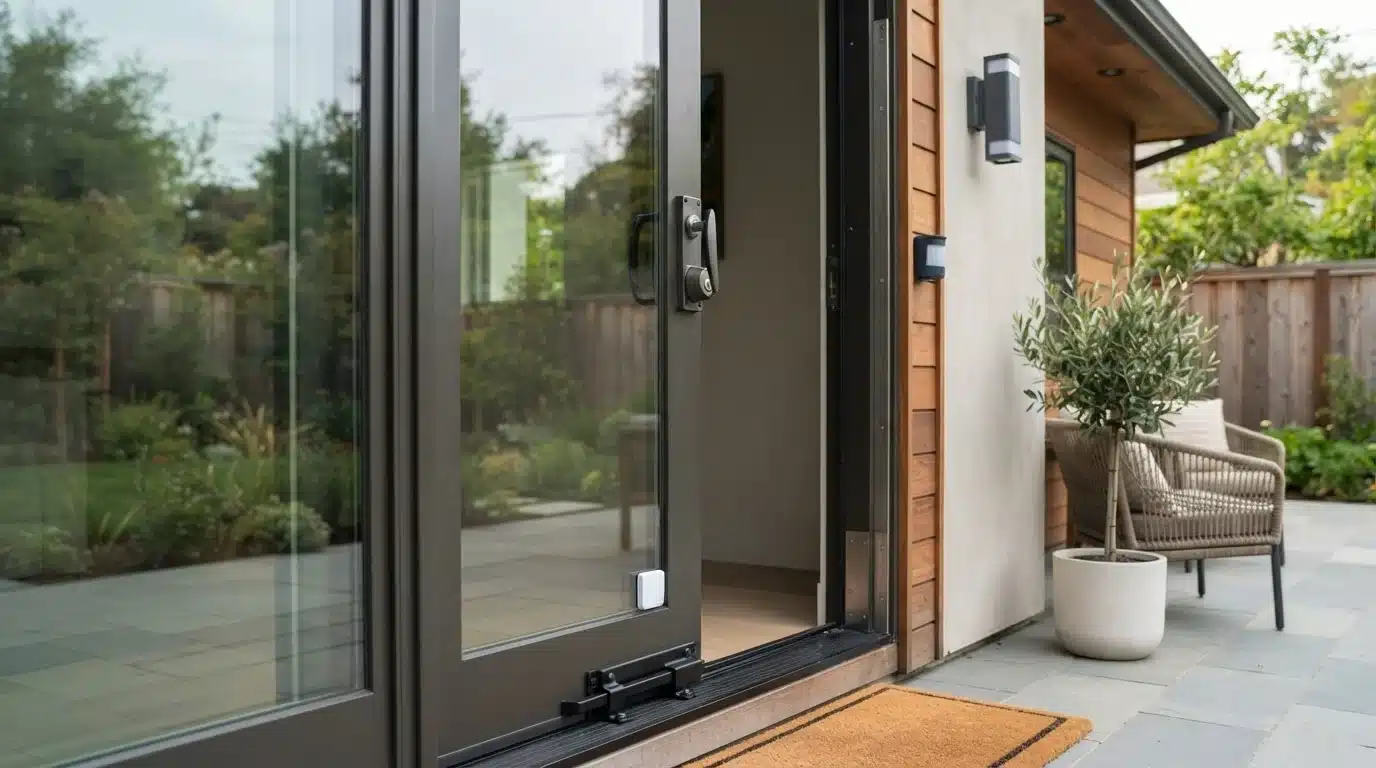
Sliding doors and patio entrances can become weak points if their locks, tracks, or frames are not properly maintained. Strengthening these areas can improve protection around less noticeable access points.
- Track Locks: Add security locks or bars to prevent sliding doors from being forced open.
- Latches: Check that existing latches work properly and replace damaged or weak hardware.
- Security Bars: Use removable security bars or rods for additional support when needed.
- Glass Sensors: Install glass break sensors or door alarms to receive alerts if the glass is damaged.
- Maintenance: Inspect tracks, frames, and locking mechanisms regularly to fix problems before they become security gaps.
Securing sliding doors and patio entrances helps protect overlooked areas of your home and adds another layer of defense beyond standard entry locks.
10. Stay Connected with Neighbors
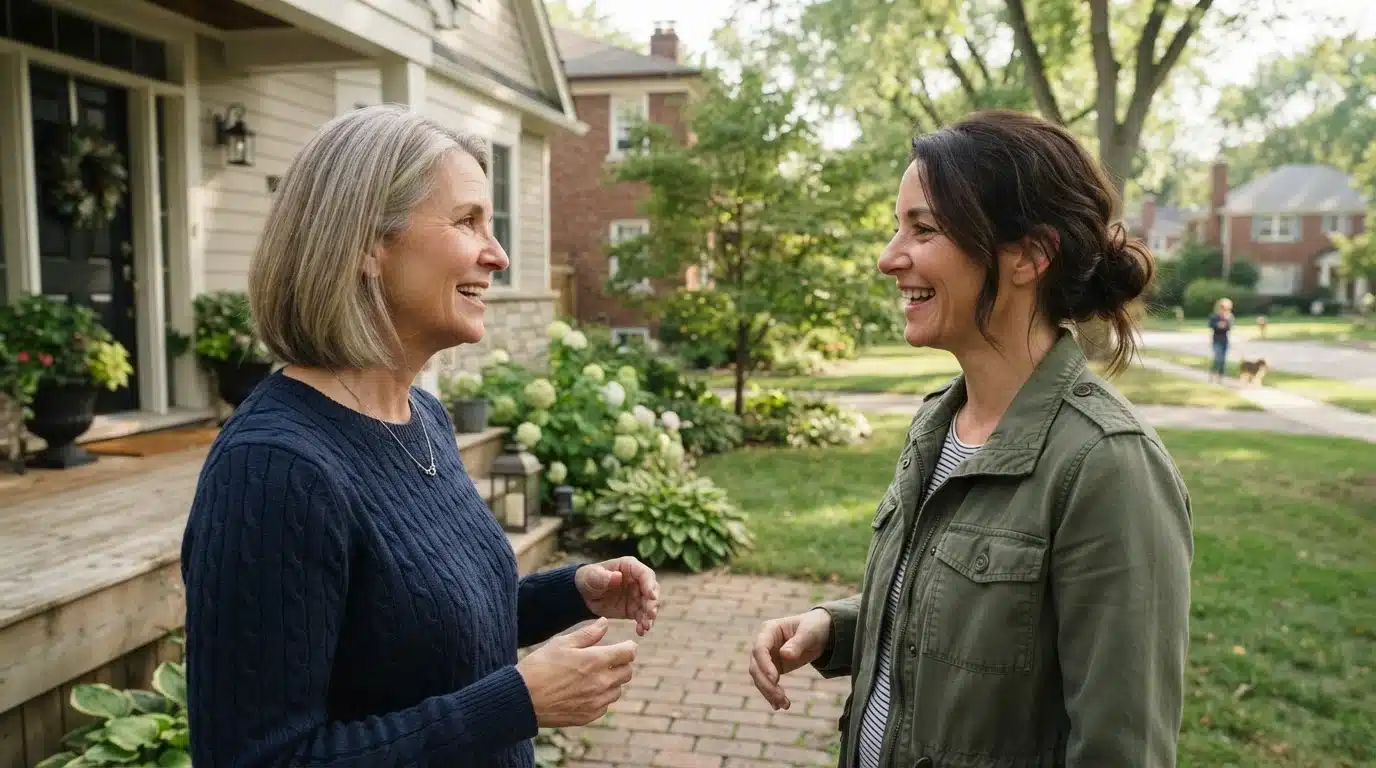
Trusted neighbors can provide extra awareness by sharing information about unusual activity and helping build a safer community. Good communication can become a useful part of your overall home security plan.
- Communication: Exchange contact details with reliable neighbors so you can share important updates quickly.
- Awareness: Inform one another of any unusual activity, suspicious behavior, or security concerns in the area.
- Community Groups: Join local neighborhood watch groups or community safety networks to stay updated about nearby issues.
- Package Alerts: Notify trusted neighbors about expected deliveries or use package alerts to reduce the risk of missed or unattended items.
Strong neighborhood connections can improve awareness and help residents respond faster when something unusual happens nearby.
11. Create a Simple Security Routine
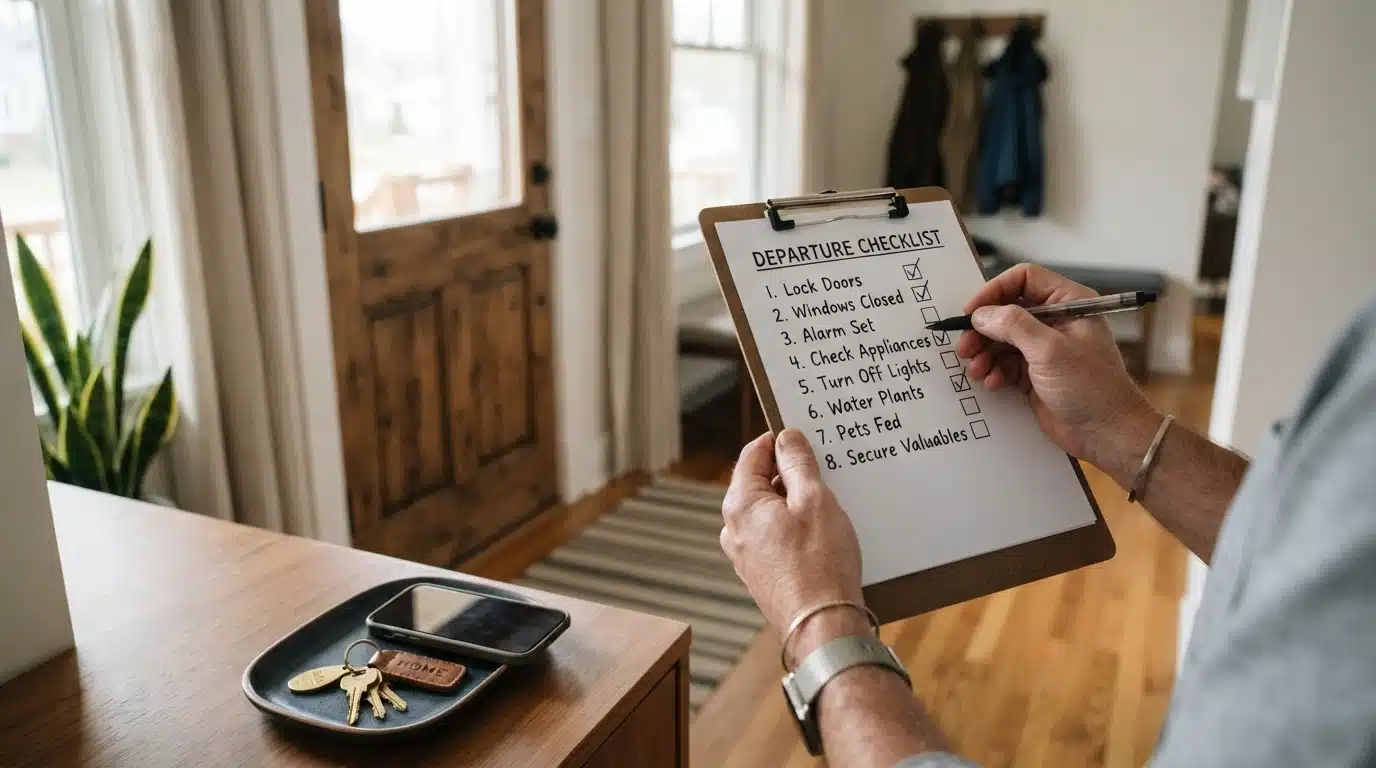
Security becomes more effective when it turns into a regular habit. A quick daily check can help prevent small oversights, such as unlocked doors, open windows, or missed safety steps.
- Leaving home: Check doors, windows, garage areas, and outdoor entrances before heading out.
- Night routine: Confirm important entry points are secured before going to bed.
- Family habits: Make sure everyone follows the same basic security steps.
A simple checklist can make these tasks easier to remember. Thehome security tips checklist from the City of Corning also highlights basic safety practices that homeowners can follow to improve daily security.
Real Home Security Tips Shared By Reddit Users
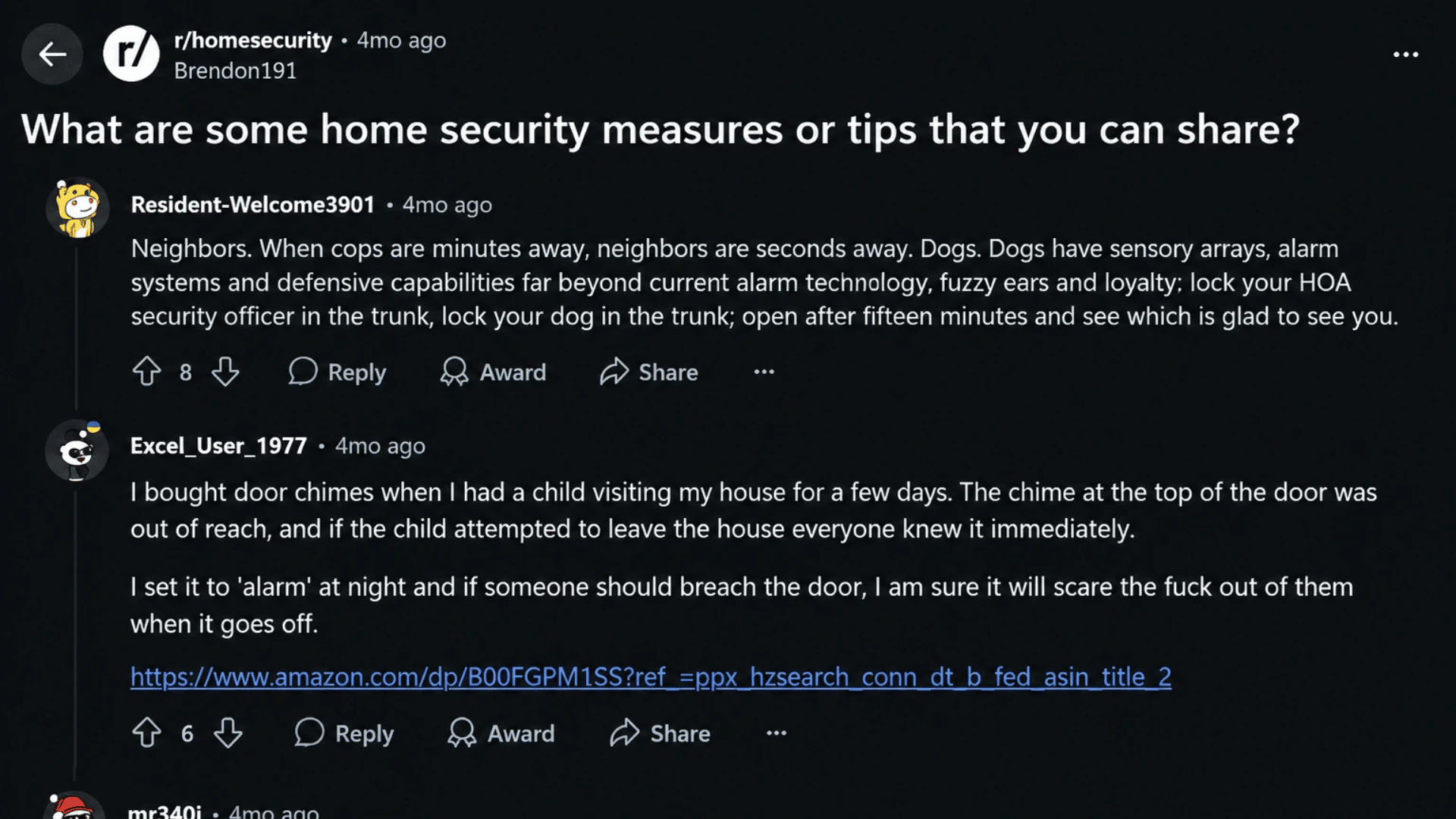
Homeowners often share practical security ideas based on their own experiences, and Reddit discussions can provide insight into how people approach everyday safety. These comments are personal experiences and should not be treated as verified security recommendations.
Users commonly mention simple measures such as door chimes, alerts, and community awareness to stay informed about activity around their homes. Some also discuss window security film as an affordable option to provide extra support for vulnerable glass areas.
However, window film may help delay glass breakage, but it does not replace strong locks, alarms, secure window hardware, or other proper security measures.
These discussions highlight how small improvements and daily habits can support home safety, while professional security solutions and proper equipment remain important for stronger protection.
The Reddit discussion is included only to show community experiences and different homeowner perspectives.
How to Secure Your Home While Traveling
Before leaving for a trip, a few simple preparations can help protect your home and reduce security risks while it is unattended. These steps focus on maintaining protection, limiting risks, and keeping important systems ready while you are away.
1. Secure Smart Devices: Check that security cameras, smart locks, and alarms are working properly before leaving. Ensure batteries are charged, notifications are enabled, and remote access is available.
2. Check Entry Points: Confirm that doors, windows, garage access points, and other entrances are properly locked and secured before leaving.
3. Manage Deliveries: Pause scheduled deliveries, enable package alerts, or arrange collection to prevent items from being left unattended outside your home.
4. Protect Your Privacy: Avoid sharing travel details publicly before or during your trip. Limiting updates about your absence can reduce unnecessary security risks.
Taking a few minutes to prepare before traveling can help maintain better protection and reduce potential security concerns while your home is unattended.
Common Home Security Mistakes To Avoid
Many security problems arise from small habits that are easy to overlook. Fixing these mistakes can improve your home’s safety without requiring major changes.
| Mistake | Why It Matters |
|---|---|
| Unlocked doors and windows | Creates easy access points, even when leaving home for a short time. |
| Visible valuables | Items near windows can attract unwanted attention. |
| Sharing travel plans | Public updates can reveal that your home is empty. |
| Damaged locks or lights | Broken security features can leave weak areas unprotected. |
| Blocked camera views | Plants or objects can reduce camera visibility and coverage. |
| Open garage doors | May provide easy access and expose stored belongings. |
A quick daily security check can help prevent these common mistakes by making it easier to notice unlocked doors, damaged equipment, poor lighting, or other issues before they create bigger security concerns.
Final Thoughts
Home security starts with building reliable routines and creating a safer environment around your property.
Strong entry protection, better visibility, and the right security tools can work together to reduce possible risks. You do not need expensive systems to follow effective home security tips and protect your home.
Start by identifying the areas that need attention and choose improvements that match your property, lifestyle, and budget.
Staying consistent with security practices can help protect your belongings and give you greater confidence at home or away. Share your own experiences or additional tips in the comments below.
Frequently Asked Questions
Can a Dog Improve Home Security?
Dogs can provide extra awareness by alerting homeowners to unfamiliar sounds or activity. However, they should be considered an additional support measure and not a replacement for proper security practices.
Where Should Security Cameras Not Be Placed?
Avoid placing cameras where they invade private areas, unnecessarily face neighboring properties, or capture sensitive spaces. Choose locations that monitor important entry points while respecting privacy.
How Do I Secure a Home During a Power Outage?
Use battery backups for important devices, keep flashlights available, check manual locks, and consider security equipment with backup power options to maintain protection during outages.
How Often Should Home Access Codes Be Changed?
Change access codes regularly, especially after sharing them with others. Remove unused codes and update permissions to maintain better control over who can enter your home.
Are Fake Security Cameras Effective?
Fake cameras may discourage some people, but they do not provide real monitoring or alerts. Real cameras, proper lighting, and robust entry protection provide more reliable security.