Garmin Forerunner 265 review starts in a familiar place. Garmin keeps its lineup simple, offering basic watches for beginners. You get premium ones for serious athletes.
Then there is the middle space for people who train often but do not want to spend too much. This watch fits right into that middle.
It sits above the Forerunner 165 and below the 955. It is made for runners and multi-sport users who want more data without paying flagship prices.
The first thing that stands out is the AMOLED screen. It looks bright and sharp. This is a big change for this price range in the Forerunner series. At the same time, you still get Garmin’s full set of training tools.
This breakdown covers everything that matters. Design, display, tracking accuracy, GPS performance, battery life, and smart features. By the end, it should be clear if this watch fits your needs.
About Garmin Forerunner 265
The Forerunner 265 launched in March 2023 alongside the 965 and quickly became one of the most affordable Garmin watches with an AMOLED display, which makes it stand out in this price range.
It comes in two sizes: a 46mm standard version and a smaller 265S at 42mm, both priced at $449.99 and including built-in music storage, so there is no need to pay extra for that feature.
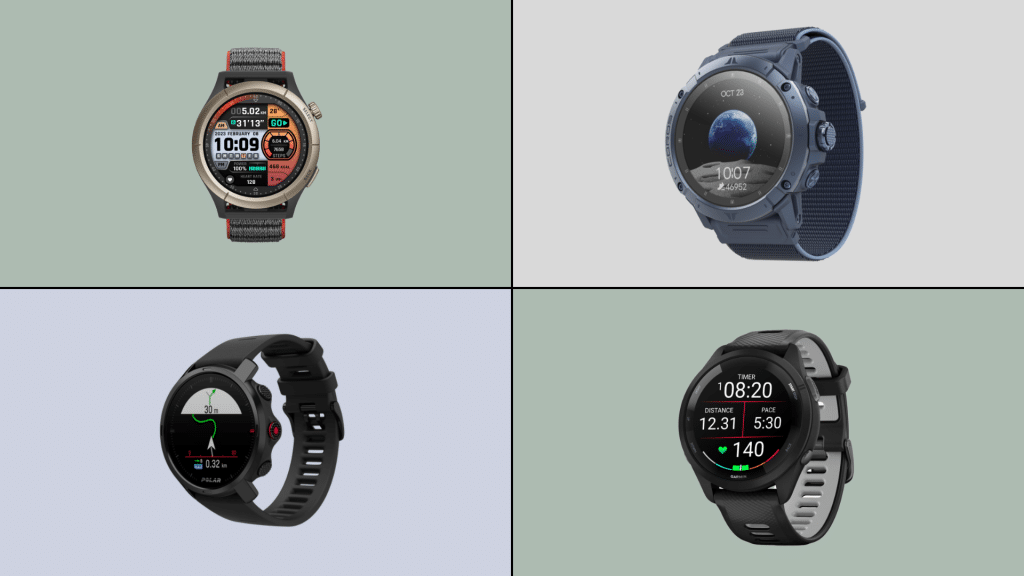
If you are still comparing options, our roundup of the best running watches breaks down the top picks across different price ranges.
Under the hood, it runs on Garmin’s well-known fitness platform, offering multiband GPS for better accuracy, along with features like wrist-based running dynamics, Training Readiness, HRV Status, sleep tracking, and Daily Suggested Workouts, all designed for people who take their training seriously.
The watch also supports more than 30 activity modes, meaning it is not limited to running and can handle cycling, swimming, gym sessions, and other workouts without issue.
In Garmin’s lineup, this sits right in the middle, offering more detailed insights than the Venu series while costing less than the Fenix or Epix, making it a solid option for anyone who wants a serious training watch that still works for daily use.
Garmin Forerunner 265: Design and Build Quality
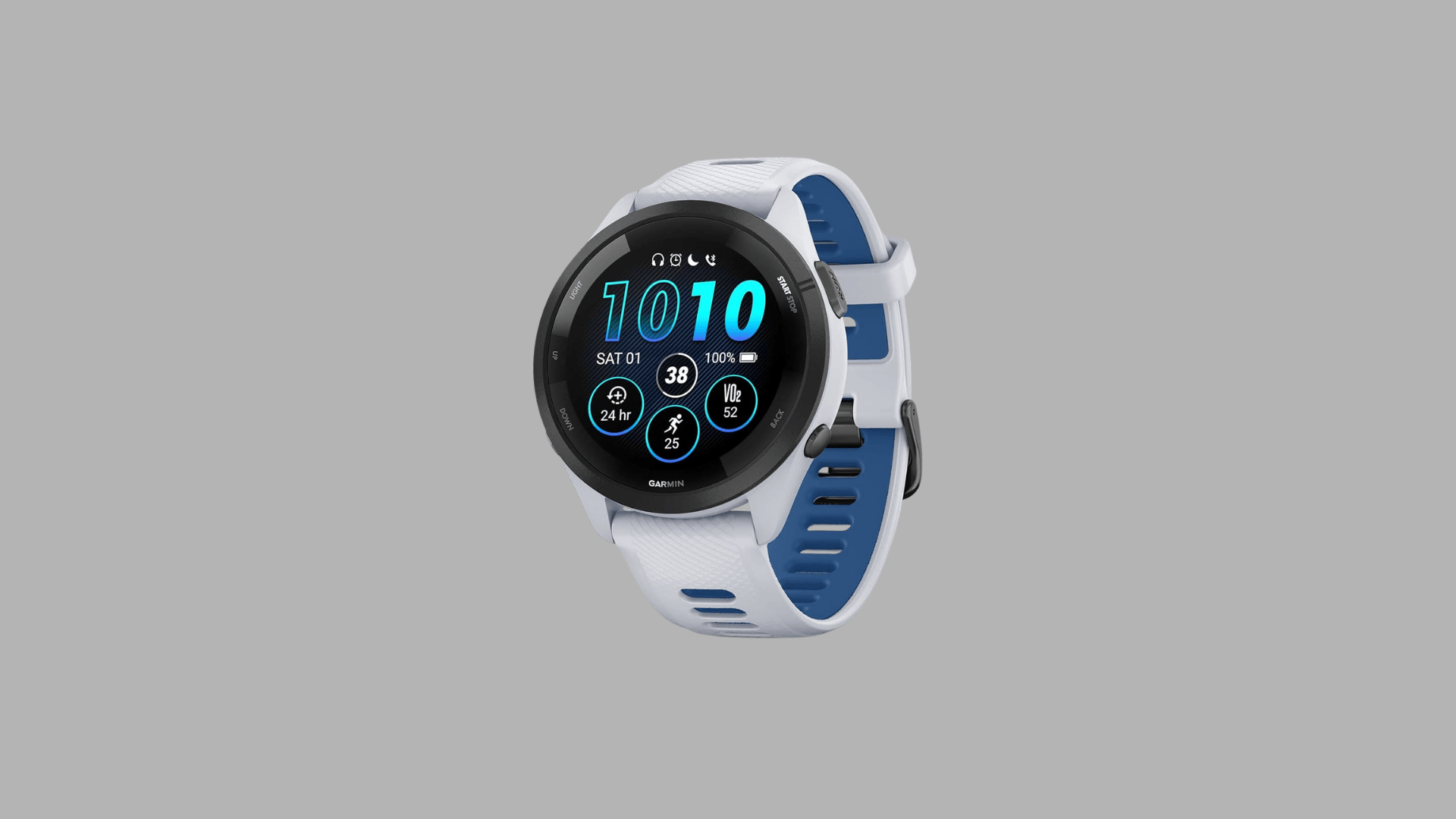
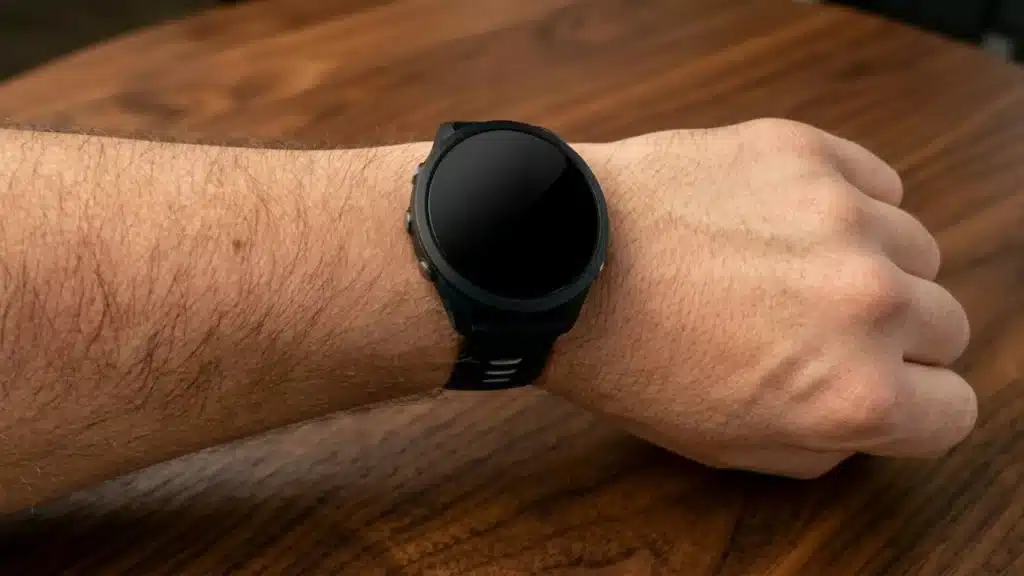
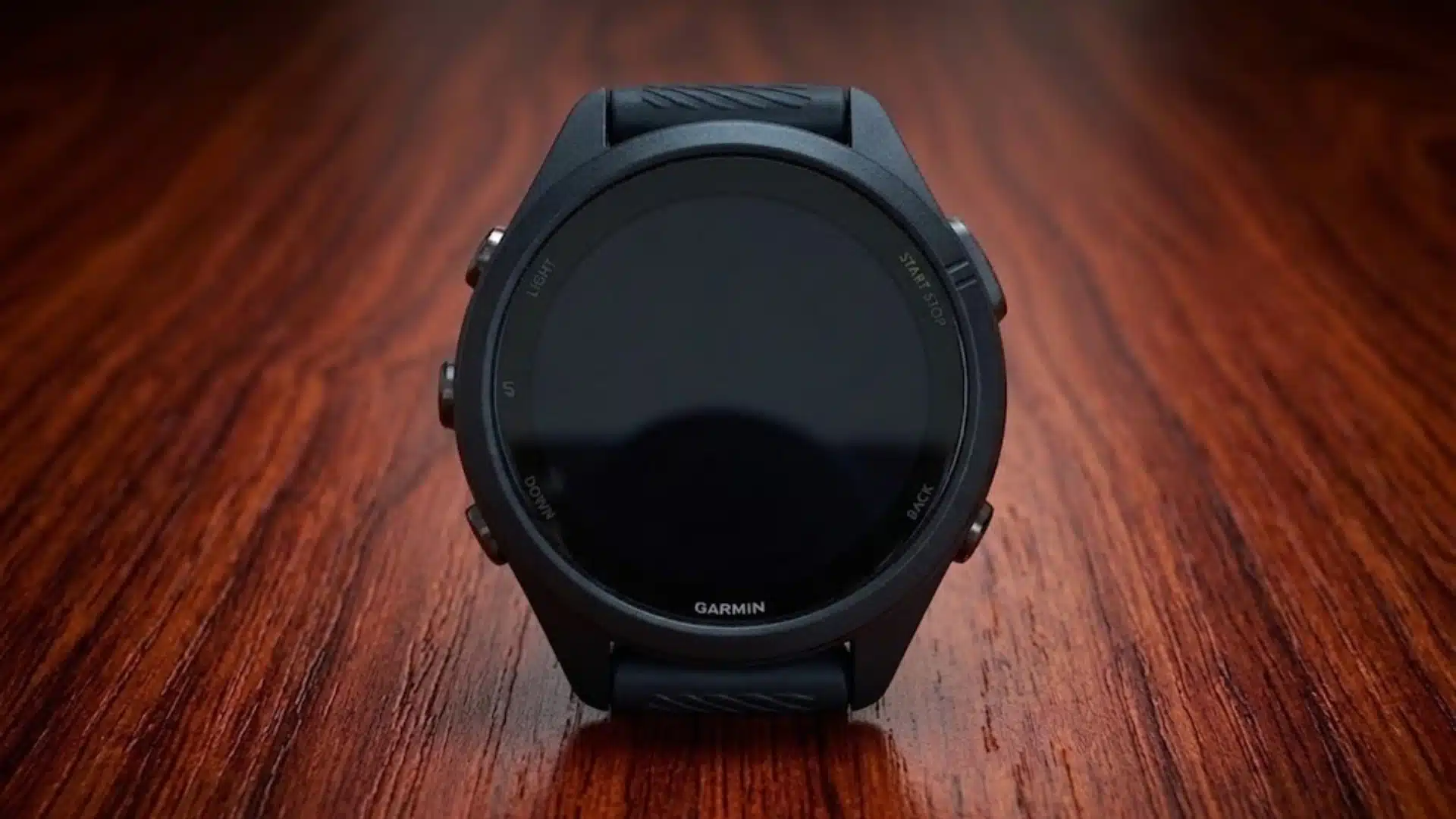
The Forerunner 265 feels light the moment you wear it, with the 46mm model at 47g and the smaller 265S at 39g, which makes it easy to forget during long runs or daily use.
The case uses fiber-reinforced polymer to keep the weight low, though it does feel a bit plasticky, especially when compared to something like the Venu 2 with its metal bezel, so the look and feel may not suit everyone.
On top, you get Gorilla Glass 3, which holds up well against everyday scratches but isn’t the most advanced protection available right now.
The control setup is a mix of 5 physical buttons and a touchscreen, and this combination works well in real use.
The buttons stay reliable during sweaty workouts or rainy runs, while the touchscreen feels better when you are just scrolling through menus.
The silicone strap is comfortable for workouts and stays secure, but wearing it tightly for better heart rate tracking can leave marks on the wrist after long hours, so keep that in mind.
If comfort matters for all-day wear, there are plenty of third-party bands available, including softer and more breathable options that can make a noticeable difference.
Garmin Forerunner 265: AMOLED Display Experience
This is where the 265 clearly sets itself apart from the previous model, because the older Forerunner 255 used a memory-in-pixel display that worked well outdoors but looked dull indoors and in low light.
The 265 moves to a 1.3-inch AMOLED touchscreen with a 416-by-416 resolution on the 46mm version, and the difference shows right away: brighter colors, sharper text, and smoother transitions when moving through widgets.
Outdoor visibility is still strong, even in direct sunlight, and the brightness holds up well, which means it does not struggle in typical outdoor conditions.
The main thing to keep in mind is battery impact: using the always-on display can reduce battery life by more than half, so it becomes a trade-off based on how you use the watch.
For most training use, turning off the always-on display and relying on gesture-based waking is the better approach.
It adds several days of battery life without any loss in functionality, and the screen still responds quickly when you raise your wrist during a run.
With this upgrade, the watch feels closer to a regular smartwatch in terms of looks, while still keeping its focus on fitness, and that shift alone makes it a clear step up from the 255.
Garmin Forerunner 265: Fitness and Health Tracking Feature
The fitness tracking on the 265 is reliable for most use cases, especially during steady workouts like easy runs or long sessions, though it can lag a bit when your intensity changes quickly, which is common with wrist-based heart rate sensors.
One limitation worth noting is that the optical sensor can struggle on heavily tattooed skin, so some users may need to wear it on the inner wrist for better accuracy.
Sleep tracking is detailed and useful, showing sleep stages, HRV, and overall rest quality, all of which feed into the Body Battery score you see each morning.
The Training Readiness score pulls together sleep, recovery, stress, and recent activity to give you a clearer idea of how prepared your body is for the day.
In practice, the Training Readiness score is one of the more useful features on this watch.
It provides a clear signal to hold back on a planned hard session when recovery data points to fatigue, and that kind of data-driven guidance takes a full training cycle to fully appreciate but becomes genuinely valuable over time.
Stress tracking runs in the background using HRV and sends alerts when levels are high, along with simple breathing prompts that can actually help during busy days.
Garmin Forerunner 265: Running and Sports Performance
The 265 performs well in GPS accuracy, one of its strongest areas, staying within 1 to 2% of a calibrated footpod across city routes and trails.
The multiband GNSS mode also helps improve accuracy in dense areas like tall buildings or tree cover.
You also get a good set of running metrics, including cadence, estimated ground contact time, and vertical oscillation, though the last two work best with a chest strap, while wrist-based data is still useful for regular training.
VO2 max tracking is consistent and updates in a way that actually reflects progress over time, rather than jumping around.
The “Daily Suggested Workouts” feature stands out, as it adjusts based on your fitness level, recovery, and recent activity, making it feel more like a guided system than a fixed plan.
It also supports cycling, swimming, triathlon mode, strength workouts, yoga, and many other activities, though it lacks onboard navigation maps.
For runners considering whether to invest more, a look at higher-end Garmin models like the Epix and Fenix helps clarify exactly where the 265 ends and where the step up in features begins.
Garmin Forerunner 265: Smart Features and Connectivity
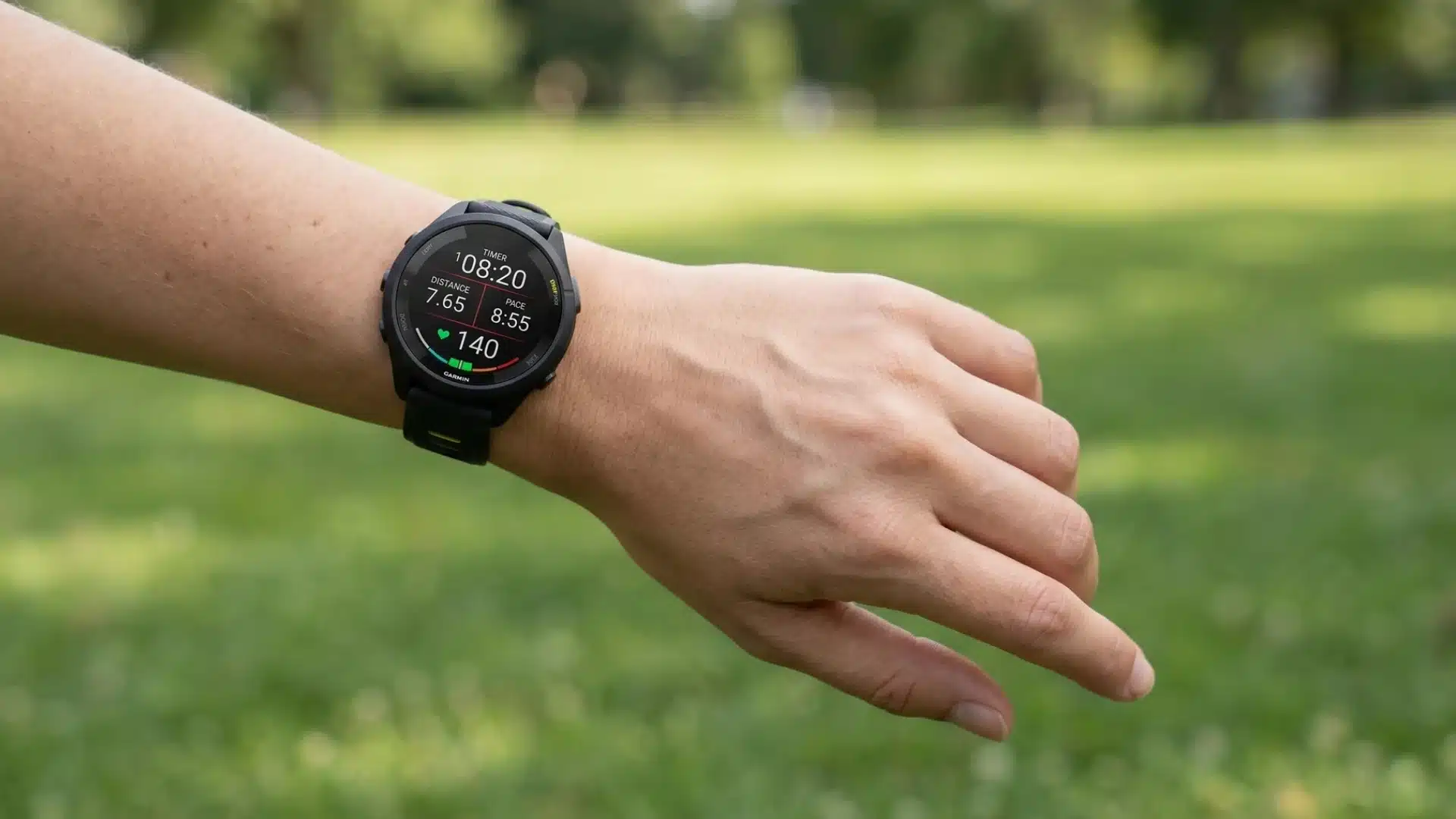
The 265 covers the basics well, handling smart features, notifications, call alerts, and calendar reminders smoothly, helping you stay updated without needing to check your phone during a run.
Music support is a strong point, since it stores up to 500 songs and supports Spotify, Amazon Music, and Deezer for offline listening over WiFi, making it much more convenient than older models, where this feature was limited.
Garmin Pay is also included, allowing quick contactless payments, which come in handy for small purchases when you are out without your phone or wallet.
You also get access to Connect IQ for extra watch faces and apps, though the selection is smaller than on Apple Watch or Wear OS.
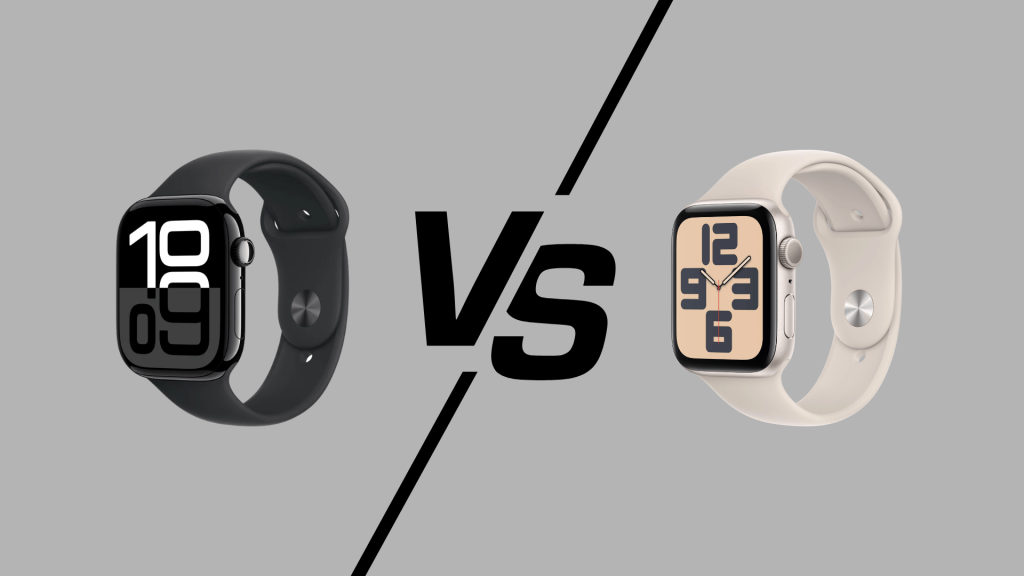
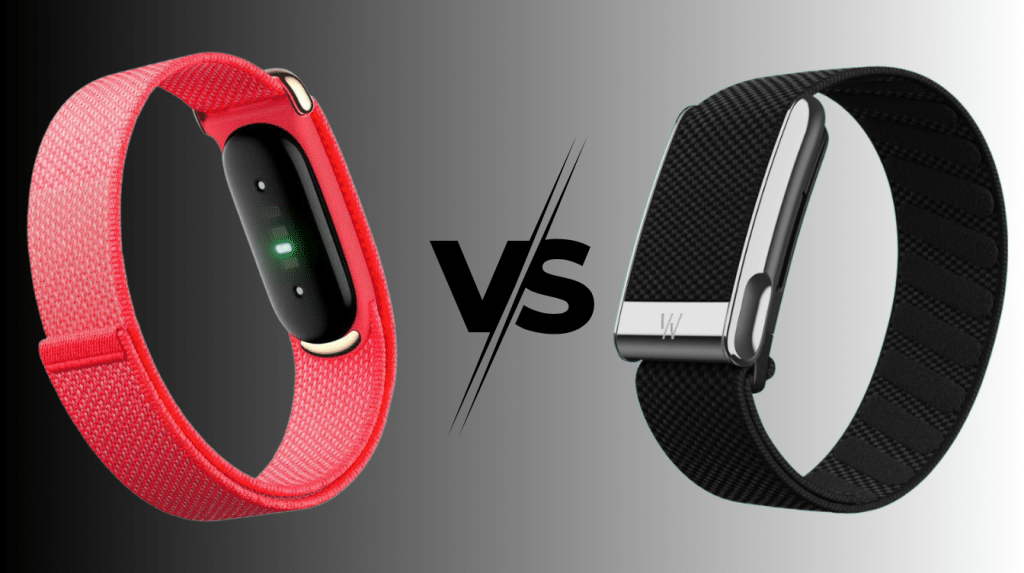
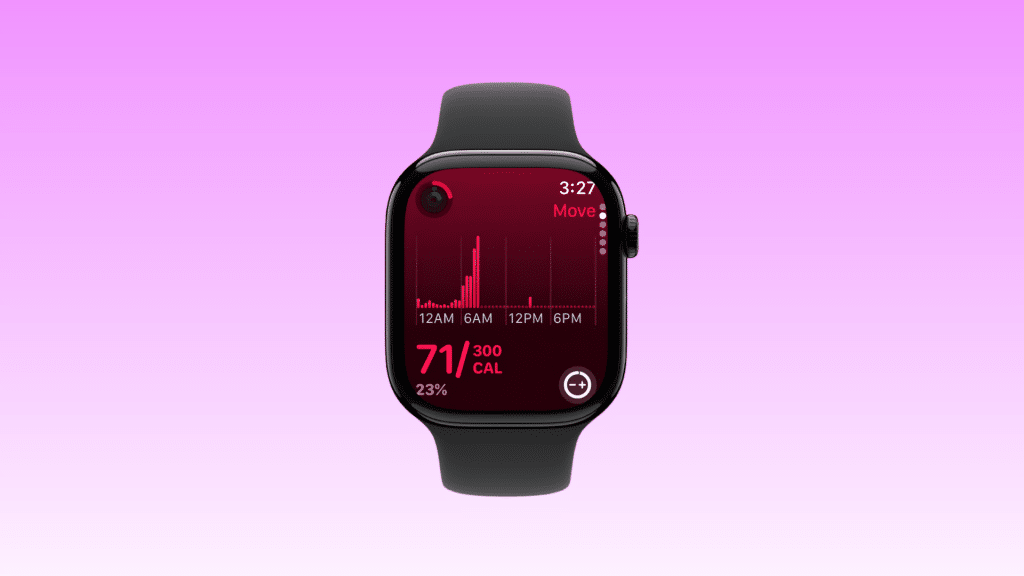
For runners deciding between a dedicated fitness watch and a full smartwatch, fitness watch comparisons covering the Apple Watch and WHOOP can help clarify which direction fits your priorities.
There is no microphone or speaker here, so you cannot take calls or use voice assistants directly on the watch, which makes it clear that this is built more as a fitness-focused device with smart features.
Garmin Forerunner 265: Battery Life in Real Use
Garmin claims up to 13 days in smartwatch mode and around 20 hours with GPS, but real-world use feels a bit different: most people see closer to 7 to 10 days with normal settings and about 10 to 13 hours in continuous GPS mode.
The exact numbers depend on how you use it, since turning on multiband GPS along with the always-on display will drain the battery faster and push it toward the lower end.
The AMOLED screen plays a big role here, as it uses more power than the older MIP display on the 255, though many people will find the better visuals worth that trade-off.
Charging is quick and simple with Garmin’s cable, and it takes about an hour to go from low to full, making short top-ups easy before a workout.
In daily use, charging every few days works better than waiting for it to drop too low, as it helps avoid situations where the watch runs out during an activity.
Garmin Forerunner 265 Review: Real User Feedback
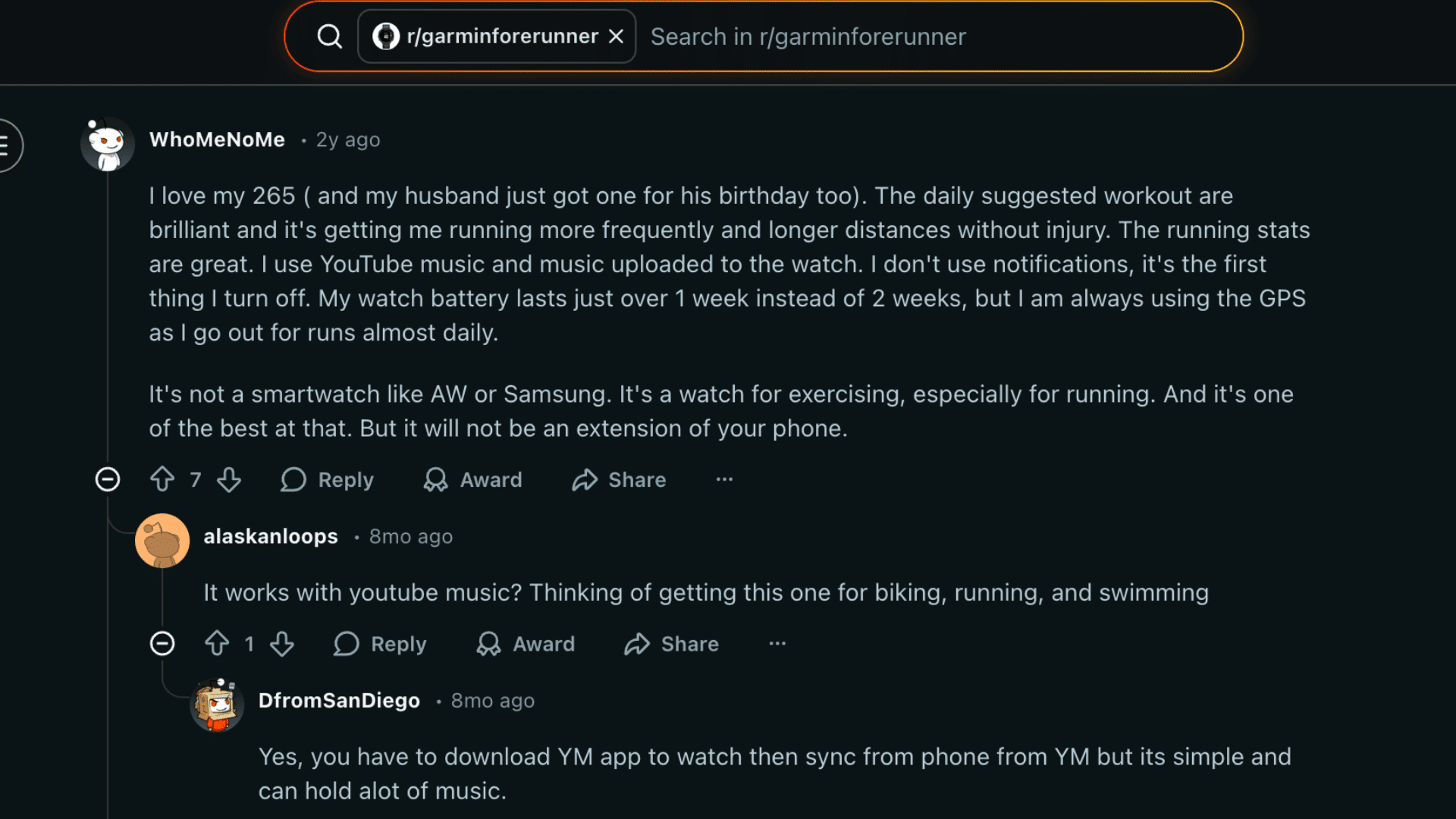
Garmin Forerunner 265 review feedback from Reddit users shows a clear pattern, as most people highlight how useful the training features feel in daily life.
The daily suggested workouts help build consistency, with many noticing better progress and fewer injuries over time.
Running stats are detailed and easy to rely on, while music support lets you leave your phone at home without missing anything important.
Some users even turn off notifications completely and still find the watch more than enough.
Health tracking is another strong point, especially for sleep, stress, and body battery, which feel accurate and responsive compared to older Garmin models.
Battery life usually lasts around a week with regular GPS use, which still holds up well. Overall, users describe it as a reliable running watch that looks good and keeps improving with updates.
Pros and Cons of Garmin Forerunner 265
A quick look at what stands out and what feels limited, so you can decide if it fits your training style and daily use.
| Pros | Cons |
|---|---|
| Vivid AMOLED display with sharp colors that feel like a clear upgrade over MIP screens | No onboard navigation maps, so it is not ideal for unknown routes |
| Advanced training tools like Training Readiness, HRV Status, and adaptive workouts | Always-on display drains battery much faster |
| Accurate multiband GPS that works well in cities and trails | No microphone or speaker for calls or voice features |
| Built-in music support with Spotify, Amazon Music, and Deezer included | Plastic build feels less premium at this price |
| Safety features like incident detection and live location sharing | Heart rate tracking can struggle with tattoos or quick intensity changes |
Who Should Buy the Garmin Forerunner 265?
This watch makes the most sense for people who want strong training insights, reliable tracking, and a balance between performance features and everyday usability.
- Regular runners: Great for those who train often and want detailed stats without stepping into very expensive models
- Data-focused users: Ideal if you care about metrics like HRV, Training Readiness, and structured workout guidance
- Multi-sport users: Works well for cycling, swimming, gym sessions, and more, beyond just running
- Music-first runners: Perfect if you want to run without your phone while still having access to playlists
- Garmin ecosystem users: A strong fit if you already use Garmin and want a mid-range upgrade with better display and features
Who May Not Like This Watch?
The Forerunner 265 is not ideal for users who need onboard maps for trail running or hiking in unfamiliar areas, since the Fenix 7 or Epix Gen 2 handles that better.
It may also feel less premium if you want a metal casing, where the Venu 2 Plus or Forerunner 965 can feel more satisfying in hand.
If full smartwatch features matter more than training tools, such as taking calls, using a voice assistant, or managing apps, an Apple Watch or Wear OS device may serve you better.
Conclusion
After spending time with it across daily use and longer training sessions, the overall impression is clear, as this watch delivers a well-rounded experience for its price.
The AMOLED display improves how it feels on the wrist every day, while the training tools add real value instead of just filling space with extra features.
GPS accuracy remains consistent across different conditions, making it reliable for everyday use.
Garmin Forerunner 265 review discussions often point out a few gaps, including the lack of onboard maps, the plastic build, and the missing mic and speaker, which can matter depending on what you expect.
Still, for runners who care more about training data than smartwatch extras, it offers features that were once limited to higher-priced models.
If you are comparing options, think about what matters more to you. Drop your thoughts in the comments and share how it fits your training.
Frequently Asked Questions
Can the Garmin Forerunner 265 be Used Without a Phone?
Yes, most core features work without a phone, including GPS tracking, workouts, and music playback, but syncing data and updates still require the Garmin Connect app.
Is the Garmin Forerunner 265 Good for Beginners?
It can work for beginners, but the amount of data and features might feel overwhelming at first, especially if you only need basic tracking.
Does the Garmin Forerunner 265 Support External Sensors?
Yes, it supports external devices like heart rate chest straps, cycling sensors, and foot pods, which can improve accuracy during training.
How Durable is the Garmin Forerunner 265 for Rough Use?
It handles regular workouts and outdoor use well, but the polymer build is not as tough as higher-end models designed for extreme conditions.
Can You Customize Workouts on the Garmin Forerunner 265?
Yes, you can create and sync custom workouts through Garmin Connect, which makes it useful for structured training plans and specific goals.