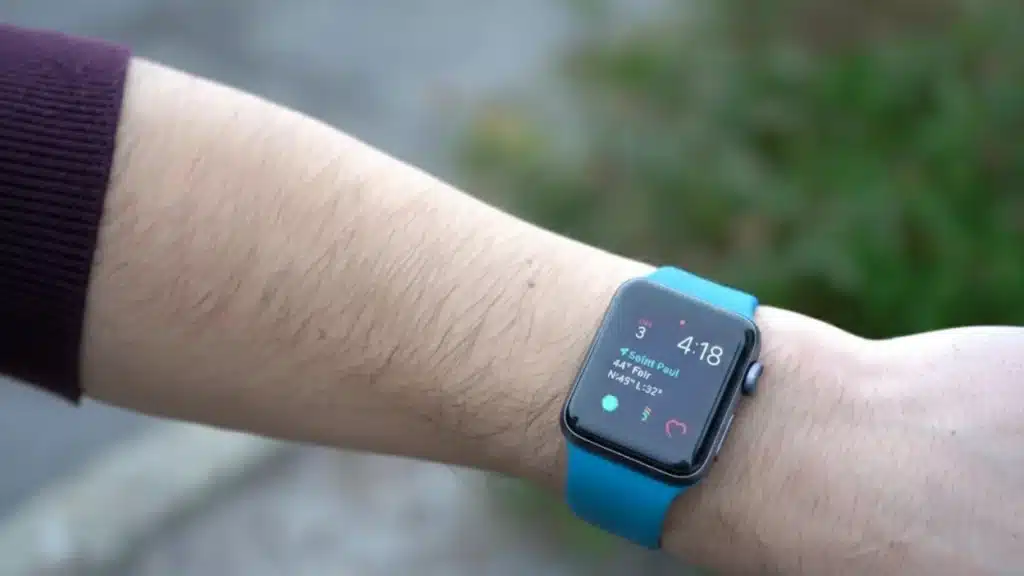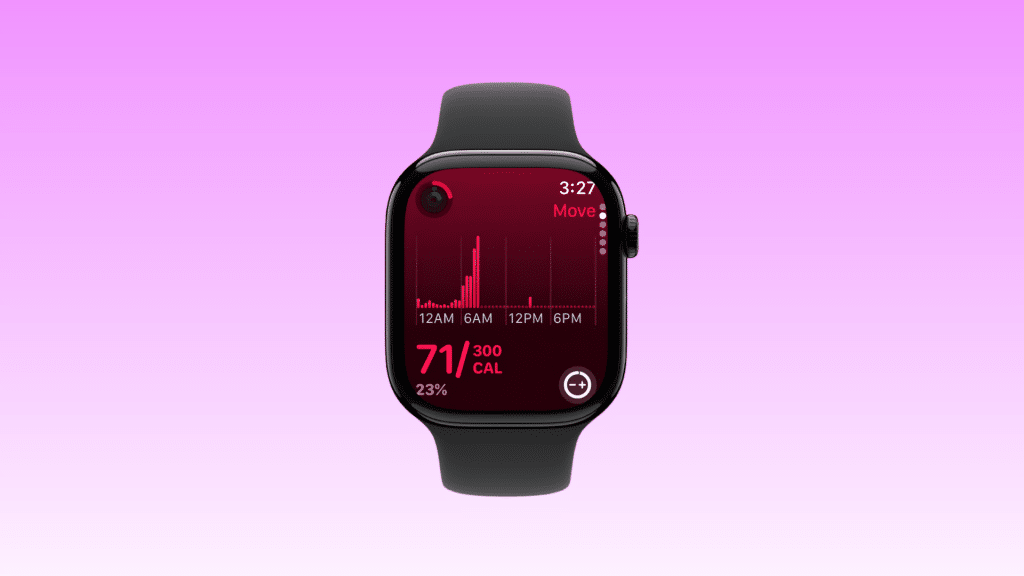
Fitness smartwatches have become very common now, and most people want quick health data without pulling out their phone.
It helps during walks, workouts, and even sleep, but the market is crowded with too many options, which makes choosing the right one harder than it should be.
After wearing the Fitbit Versa 4 for four weeks of runs, gym sessions, strength workouts, and daily tracking, this review reflects what it actually feels like to live with the device, not just a spec comparison.
A period without the Premium plan was also included to understand what the free experience really feels like, since that is how many users will first encounter the watch.
The result is a watch that performs well as a fitness tracker but has stepped back from several smartwatch capabilities the Versa 3 offered, which is worth understanding before purchasing.
This Fitbit Versa review covers display quality, fitness tracking, battery life, and sleep data, so it becomes easier to decide if the Versa 4 fits your needs today.
About Fitbit Versa 4
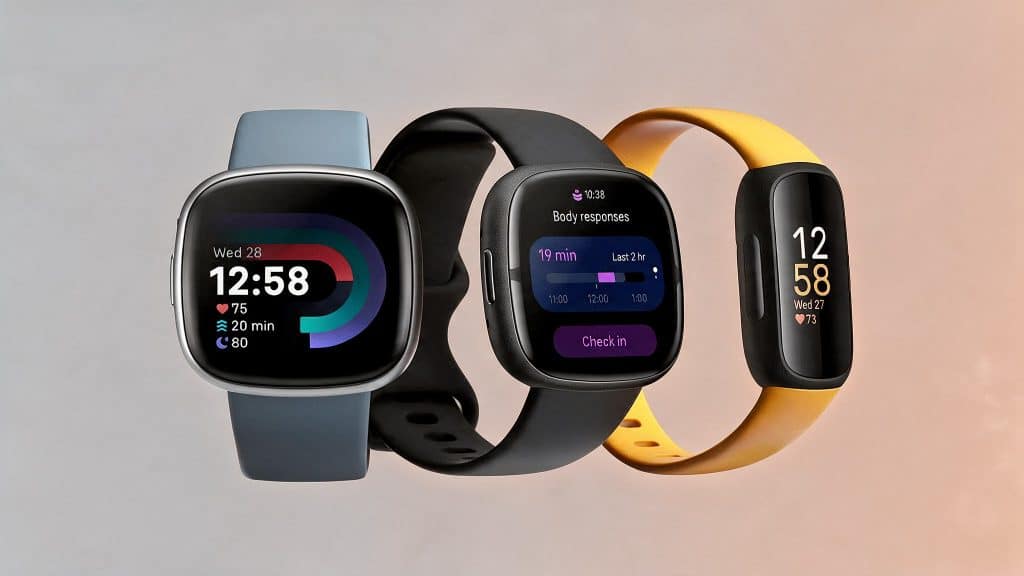
The Fitbit Versa 4 sits in the middle of Fitbit’s lineup, placed below the Sense 2 and above the simpler Inspire and Charge series.
It is made for users who want solid fitness tracking without spending too much, especially when compared to something like the Apple Watch.
The price has dropped since launch, which makes it feel like a better value now.
This watch targets beginners and casual users who care more about fitness and battery life than extra apps. I noticed it focuses more on daily tracking and wellness instead of trying to act like a full smartwatch.
Key highlights include a bright AMOLED display, built-in GPS, over 40 exercise modes, and battery life that can last up to 6 days.
It also offers 50-meter water resistance, Alexa support, Google Wallet, Google Maps, and strong sleep tracking. There are trade-offs, though.
Third-party apps and music storage are missing, which limits its smartwatch feel. If upgrading from a Versa 3, the changes are small, but for new users, it still feels like a solid starting point.
Having tested wearables across various price points for nearly 8 years, the Versa 4 punches noticeably above its current street price for daily health and wellness tracking.
The Fitbit app experience is genuinely more beginner-friendly than what Garmin or Samsung offers, which is a real advantage for users who do not want to learn a new ecosystem.
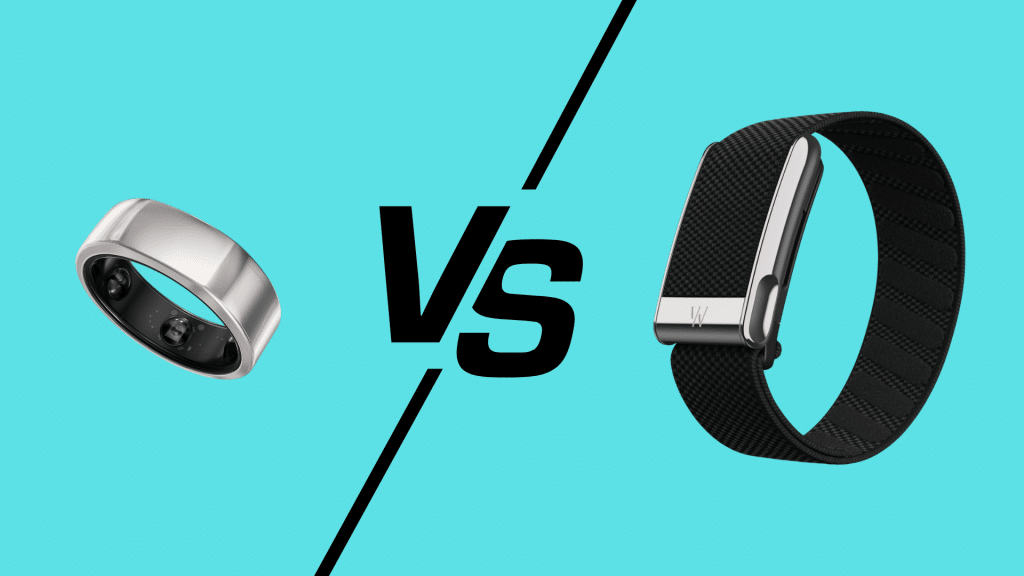
If you’re still deciding between this and other wearables, it helps to see how it compares to options like the Whoop band, which skips the screen entirely and focuses only on recovery data, a very different approach to fitness tracking.
Fitbit Versa 4 Design and Build Quality
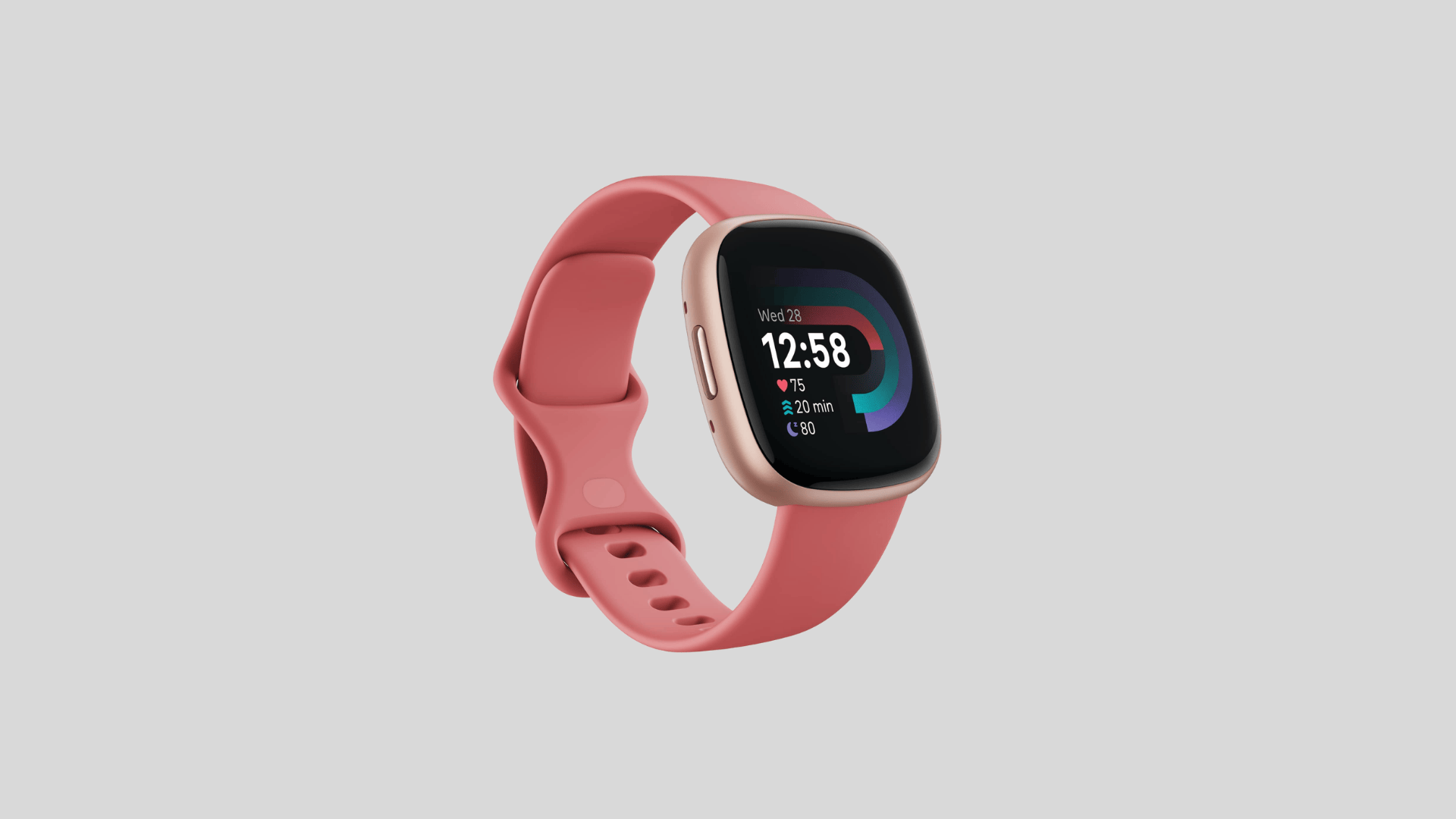
The Fitbit Versa 4 keeps the familiar square design that looks clean and simple, and it feels comfortable for all-day use without drawing too much attention.
It is very light at around 24 grams, which makes a clear difference during long wear, especially while sleeping or during workouts, where wrist fatigue is barely noticeable.
The silicone band feels soft and does not trap sweat easily, even in humid conditions, and it can be swapped with other 24mm Fitbit bands if a different style is needed.
I found it comfortable even during longer sessions, which adds to its everyday usability. The 1.58-inch AMOLED display looks sharp and bright, and it stays readable outdoors with little effort.
The physical side button is a useful addition, though its glossy finish stands out slightly from the rest of the build.
With 50-meter water resistance and multiple color options, the overall build feels practical and well-suited for fitness use.
Fitbit Versa 4 Smart Features and Everyday Experience
The Fitbit Versa 4 covers basic smart features well, but a few limitations stand out in daily use.
Notifications for calls, texts, and apps are clear, and calls can be answered on the watch, though sound quality is best in quiet settings.
Music control is limited because there is no onboard storage, so the phone needs to stay nearby during workouts.
On longer outdoor runs, this was the feature that caused the most friction, especially on routes without reliable pockets for a phone.
Alexa support is useful for quick tasks, but it requires a connected phone, so it does not work independently.
Google Maps adds simple turn-by-turn directions, which helps during walks or runs without checking the phone often.
The biggest drawback is the lack of third-party apps, as the app gallery has been removed, making it feel less like a full smartwatch and more like a fitness-focused device with a few smart extras.
Fitbit Versa 4 Fitness Tracking Features
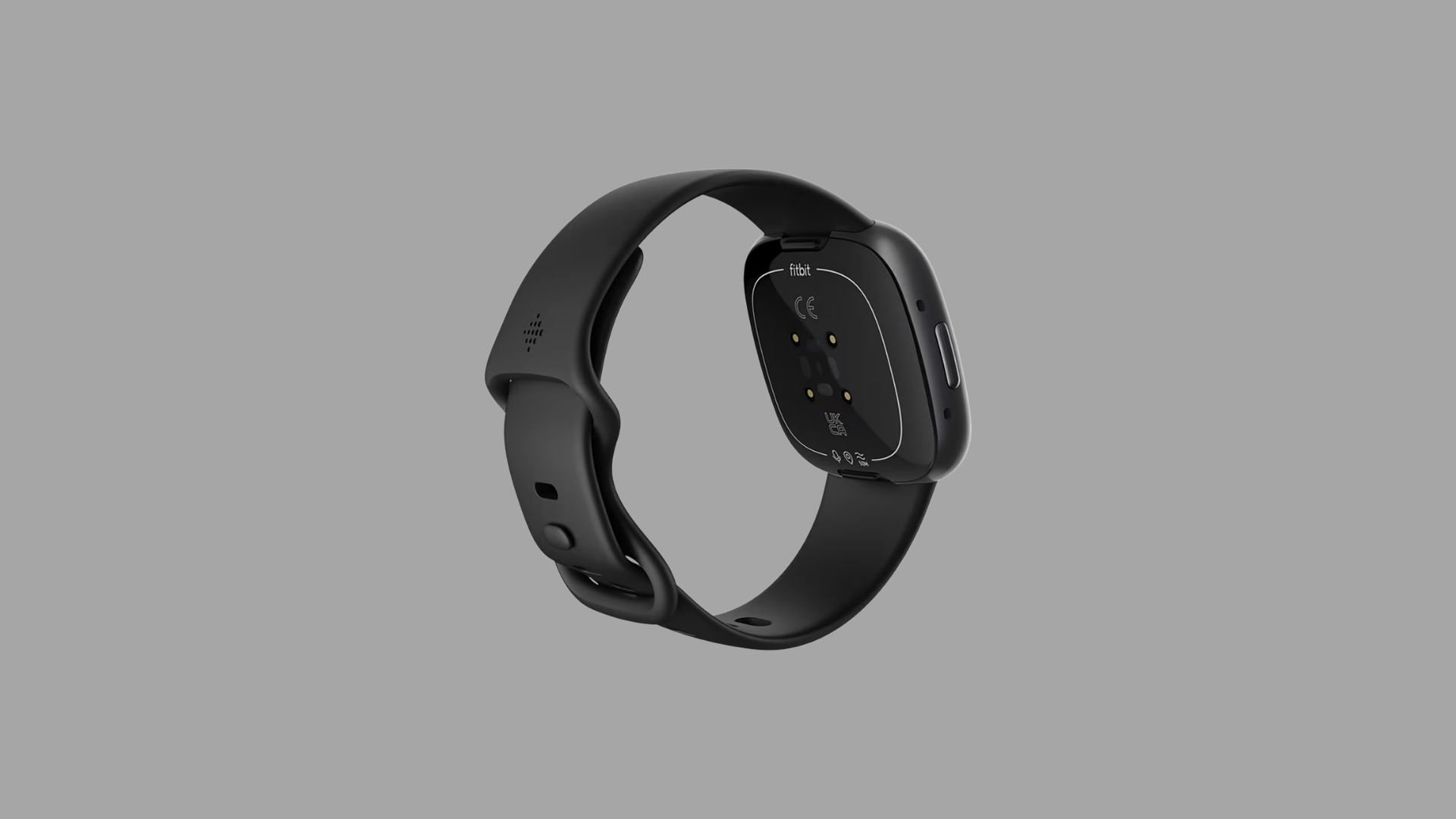
The Fitbit Versa 4 offers reliable fitness tracking with useful features, though a few accuracy limits and trade-offs may matter depending on how you train.
1. Step Tracking and Activity Tracking
Step tracking on the Versa 4 is mostly consistent, but it can slightly undercount steps during slow walks or treadmill sessions where wrist movement is limited.
During a treadmill session compared against a foot pod sensor, the Versa 4 tracked roughly 3 to 4 percent fewer steps, a small gap that is acceptable for a wrist-based tracker, but worth knowing for users who rely on precise daily step targets.
I noticed it stays accurate enough for daily use, with only small differences during longer walks. It also auto-detects activities like walking and cycling, which makes things easier.
Active Zone Minutes help track effort levels, but they depend on heart rate accuracy, so results can sometimes feel off during intense workouts.
The Versa 4 also calculates a Daily Readiness Score, which factors in recent activity, sleep quality, and heart rate variability to suggest whether to push hard or rest.
It is a useful planning tool for anyone building a consistent fitness routine, though it sits behind the Fitbit Premium paywall.
2. Heart Rate Monitoring Accuracy
The heart rate sensor works well during steady activities like walking or running at a constant pace, where readings stay stable and reliable.
However, during fast changes in intensity like HIIT or sprinting, there is a delay before it catches up.
In a 20-minute interval session, there was a consistent 10-15-second lag during sprint efforts before the reading caught up to the actual exertion.
For steady-state cardio, the sensor tracked closely against a chest strap. For zone-based interval training, though, that lag makes real-time feedback less reliable.
For casual use, it is fine, but serious training may need a chest strap for better accuracy.
3. Sleep Tracking Insights
Sleep tracking is one of the strongest parts of the Versa 4, as it tracks sleep stages, breathing rate, HRV, and blood oxygen levels.
It also detects naps, which many devices miss. Over several weeks of testing, the HRV data proved genuinely useful for spotting a stretch of lower-quality recovery that aligned with a heavier training block.
The app made it easy to connect sleep patterns to performance trends, which is a real value-add compared to simpler trackers.
The sleep score is easy to understand, but it can sometimes feel higher than expected, so checking the detailed data gives a more accurate picture of sleep quality.
4. Workout Modes and Tracking
The Versa 4 supports over 40 workout modes, including running, swimming, yoga, and HIIT, which makes it flexible for different routines.
Built-in GPS allows tracking outdoor activities without a phone, which is convenient. I noticed GPS accuracy is good once connected, but it can take time to lock in, especially if not used recently.
GPS accuracy is solid once connected, but after several days without an outdoor session, the lock can take noticeably longer, around 30 to 45 seconds more than expected on a cold morning run.
It is not a dealbreaker, but leaving extra time at the start of a workout is a habit worth building.
If running is a big part of your routine, it’s worth checking out a dedicated guide on the best running watches to see how the Versa 4 fits alongside more running-focused options.
Fitbit Versa 4 Battery Life and Charging Performance
Battery life is one of the strongest parts of the Fitbit Versa 4, and it mostly delivers what it promises in real use.
Without always-on display and with moderate GPS use, it can last around 5 to 6 days on a single charge, which is better than most smartwatches in this range.
During a three-day trip with GPS running daily for outdoor sessions, the watch came in around 2.5 days before needing a charge, well below the six-day claim but still better than an Apple Watch or Samsung Galaxy Watch on a similar routine.
Turning on the always-on display further accelerates drain, so most users will want to leave that off by default.
Fast charging makes a noticeable difference in daily use, as a short 12-minute charge can give about a full day of battery, which is useful before workouts or travel.
A full charge takes around an hour, which feels reasonable.
The proprietary charging cable is the one genuinely frustrating design choice. On a recent trip, it was left behind, and finding a replacement locally proved difficult.
Given how unique the connector is, losing it means waiting for a replacement rather than grabbing something off a shelf.
Compared to Apple and Samsung watches, the battery life here clearly lasts longer across all usage types.
Fitbit Versa Review: Real User Opinions That Matter
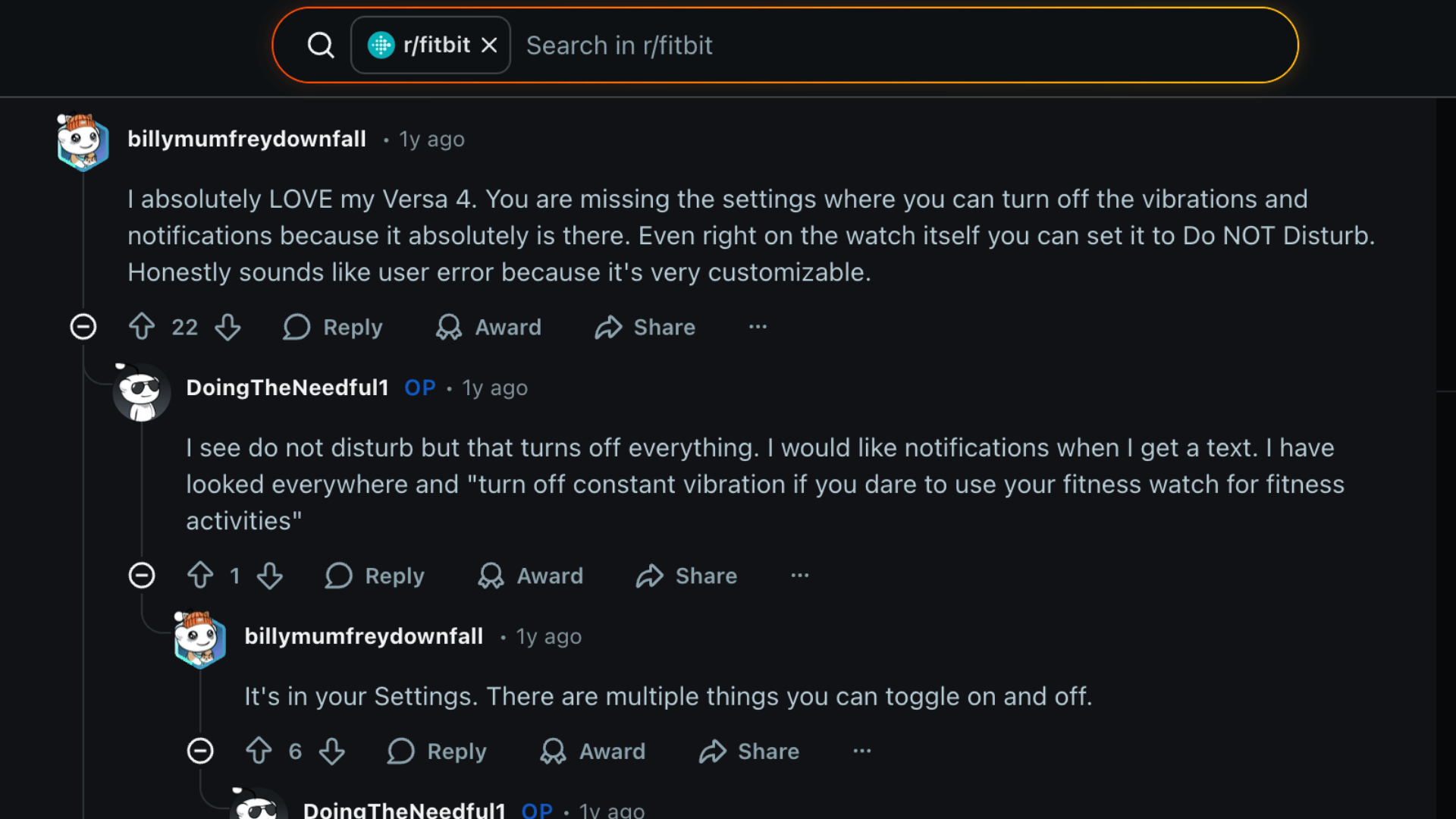
Reddit user feedback around the Fitbit Versa review shows a mix of strong loyalty and a few practical concerns.
Many users prefer sticking with Fitbit even after trying alternatives like Garmin, mainly because of its simple fitness focus and familiar experience.
Recent updates have added features like YouTube Music remote control, which improves daily usability.
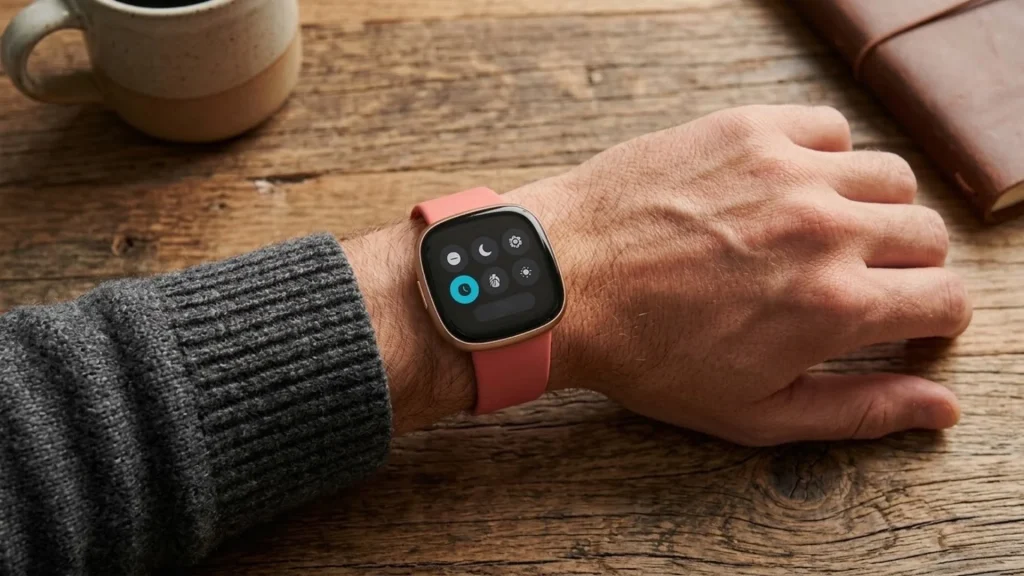
Some users highlight that customization options, like turning off vibrations or enabling Do Not Disturb, are easy to access directly on the watch, making it more flexible than it may seem at first.
On the other hand, a few concerns stand out, especially around alarm strength. For users who depend on strong vibration alerts, the newer models feel less intense, which can impact usability in specific cases.
A recurring theme across user discussions is satisfaction with the sleep and wellness tracking, alongside frustration with the paywall behind advanced features.
Fitbit Premium costs $9.99 per month or $79.99 per year.
Features like the Daily Readiness Score, advanced sleep analysis, and guided programs are included with that subscription, which is an important factor when comparing overall value with competitors like Garmin, where most tracking data is accessible for free.
Overall, the Fitbit Versa review reflects a product that works well for most users but may need small improvements for specific needs.
Fitbit Versa 4 Performance and Accuracy
Day-to-day performance on the Fitbit Versa 4 feels smooth, with a clean interface that is easy to navigate, free of lag or confusion.
The system responds quickly, and syncing with the Fitbit app is fast, with data usually updating within seconds.
The app presents sleep, activity, and health trends in a clear, simple way, making it easy to understand overall progress at a glance.
Accuracy remains consistent across most daily activities, especially during steady workouts, where tracking feels reliable and stable.
The watch brings together heart rate, activity levels, and overall health data into one connected system, which helps create a complete picture of daily performance.
For regular use, the data feels dependable enough to track progress and build better habits over time.
Fitbit Versa 4 vs Other Smartwatches Comparison
This quick comparison shows how the Versa 4 stacks up against popular options based on price, battery life, features, and overall use case.
| Device | Price Range | Battery | GPS | Apps | Best For |
|---|---|---|---|---|---|
| Fitbit Versa 4 | $149-$199 | ~6 days | Built-in | No | Casual fitness + sleep |
| Apple Watch SE | $249-$279 | ~18 hours | Built-in | Yes (App Store) | iPhone users, smartwatch depth |
| Garmin Venu Sq 2 | $199-$250 | ~11 days | Built-in | No | Serious fitness + GPS accuracy |
| Samsung Galaxy Watch 6 | $200-$280 | ~2 days | Built-in | Yes (Wear OS) | Android smartwatch + fitness |
| Google Pixel Watch 3 | $299-$349 | ~24 hours | Built-in | Yes (Wear OS) | Fitbit health + full smartwatch |
| Amazfit Band 7 | $35-$50 | ~18 days | No | No | Budget step/sleep only |
Important note on value: Most advanced health features on the Fitbit Versa 4, including the Daily Readiness Score, detailed sleep analysis, and guided programs, require a Fitbit Premium subscription ($9.99/month or $79.99/year). Garmin Venu Sq 2 includes most of its tracking data for free, which affects the true cost comparison between these two devices.
Who Should Buy the Fitbit Versa?
The Fitbit Versa 4 is best suited for users who want simple fitness tracking, long battery life, and an easy experience without dealing with complex smartwatch features.
- Casual fitness users: Great for tracking steps, workouts, and daily activity with enough accuracy, without needing advanced or technical fitness metrics
- Sleep-focused users: Ideal for those who want detailed sleep insights, including stages and patterns, along with easy-to-read reports in the app
- Battery-conscious buyers: Perfect for people who do not want to charge their watch every day and prefer longer usage between charges
- First-time smartwatch users: A simple and clean interface makes it easy to start using without much setup or a steep learning curve
- Budget-conscious buyers: Offers solid value for fitness tracking features when compared to more expensive smartwatches in the same category
Fitbit Versa 4 Pros and Cons Breakdown
A quick look at the main strengths and limitations so you can decide if it matches your expectations and daily usage needs.
| Pros | Cons |
|---|---|
| Outstanding 6-day battery life compared to most competitors | No third-party apps or music storage, which limits smartwatch features |
| Detailed sleep tracking with HRV, SpO2, stages, and nap detection | Heart rate delay during intense workouts can affect related metrics |
| Built-in GPS allows phone-free outdoor tracking | GPS can take time to connect and drains battery faster |
| Lightweight design that feels comfortable for all-day wear | Many advanced insights require a Fitbit Premium subscription |
| Google Wallet and Alexa add everyday convenience | No Google Assistant support despite Google ownership |
| Fitbit app includes a food journal and a barcode scanner | A proprietary charging cable can be easy to misplace |
Conclusion
The Fitbit Versa 4 makes its position clear by focusing on what it does well.
It is built as a simple, comfortable fitness watch that handles daily tracking, sleep insights, and battery life really well without adding too much complexity.
For users who want something easy to use with reliable basics, it fits the bill.
In this Fitbit Versa review, the watch stands out for its strong sleep tracking, long battery life, and clean app experience, while keeping things simple for everyday use.
One factor worth keeping in mind: with Google likely shifting future Fitbit development toward the Pixel Watch platform, the Versa 4 is probably the last of its kind.
For users focused on today’s experience and current-gen pricing, that does not diminish what the watch delivers.
But for those thinking several years ahead about software updates and ecosystem continuity, the Google Pixel Watch is the more future-oriented choice within the Fitbit health ecosystem.
If the price stays in a reasonable range, it offers good value for what it delivers, but users expecting deeper smartwatch features may want to look at other options.
Staying on top of your fitness is easier when the rest of your schedule is just as organized.
If active outings, work events, and group gatherings are part of your routine, taking time to plan active, memorable events can help you stay energized and prepared for the days your watch tells you you’re ready to push.
What has your experience been with fitness trackers so far? Share your thoughts in the comments and let others know what worked best for you.