The ultrahuman ban and lawsuit are one of those situations that caught a lot of people off guard. If you already own the ring or were planning to buy one, things are probably a bit unclear right now.
Here is the quick update. The Ring AIR is currently banned, and the newer Ring Pro has cleared U.S. Customs. Pre-orders are live, and shipping is expected to begin soon.
At the same time, the patent case in Texas is still ongoing, and that is the short version. But there is more going on behind the scenes.
This guide breaks it down simply. What actually happened, where things stand today, what it means for your device, and what options you have next.
What Is the Ultrahuman Ring AIR?
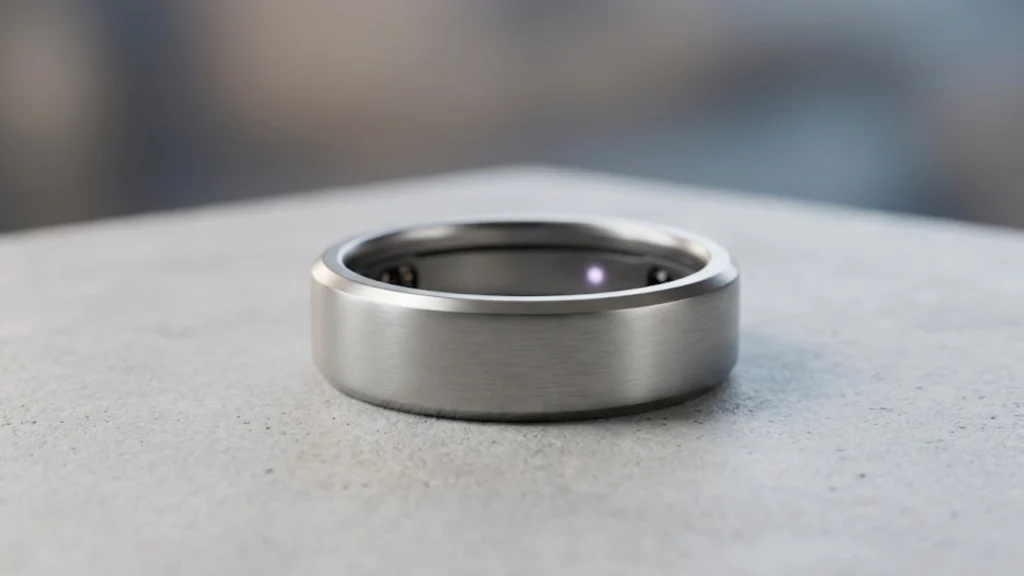
Ultrahuman is a Bengaluru-based health tech brand focused on wearables. The Ring AIR is its main product, built to track your health without feeling like a typical gadget.
It is a small smart ring that you can wear all the time. There is no screen, no extra bulk, and nothing flashy. It quietly tracks things in the background while you go about your day.
The ring monitors sleep, recovery, heart signals, and overall movement. All of this is shown inside the app in a simple way, so you get a clear idea of how your body is doing without overthinking it.
Another thing that made it stand out is how you pay for it; there is no ongoing fee. You buy it once and keep using it, which makes it appealing to people who want something simple without long-term costs.
If you want a deeper look at how it performs day to day, the Ultrahuman Ring AIR review covers the full experience.
What Went Wrong?
Things got messy when Oura filed a patent infringement complaint against Ultrahuman, accusing them of copying the internal design of Oura’s ring.
The issue was not about the outer look, but how key components like sensors and batteries were arranged inside the device.
The dispute reached the U.S. International Trade Commission, where the Commission ruled in Oura’s favor. As a result, the Ring AIR was banned from importation and sale in the U.S.
Following the ruling, the product quickly vanished from major retailers. Whatever inventory was left got sold, and no fresh units were allowed into the market.
The situation became more serious due to concerns around some of the evidence presented by Ultrahuman, which added weight to the ruling. Oura considered it a clear victory, while Ultrahuman indicated that the legal battle is not over yet.
Current Status: Where Things Stand Right Now
Things split in two directions after the ban. RingConn settled early and stayed available in the U.S., while Ultrahuman chose to fight back. It filed an appeal in the U.S. and a counterclaim in India, which remains active after being reinstated.
At the same time, there are two legal tracks. The ITC ban focuses on imports, while a separate patent case in Texas is still ongoing. That keeps uncertainty in place.
In the middle of the Ultrahuman ban and lawsuit, the company launched the Ring Pro. It was redesigned to work around the patent issues and has already cleared U.S. customs, with pre-orders now open.
It also introduced a new AI system for health insights across devices. Oura, however, pushed back, saying this clearance is limited and does not settle the broader case. So Ultrahuman is back, but the situation is far from resolved.
What This Means for Existing Ring AIR Owners
If you already have a Ring AIR from before the ban, you are mostly in the clear. Full app access stays. Health data, updates, and warranty support are still there. Nothing gets cut off suddenly.
If you bought it after the ban, things are slightly different. Support is still available, but it is more limited. You can reach out for help, but coverage is not as strong as before.
The bigger shift is around availability. The Ring AIR is no longer being imported or restocked. Whatever was left in stores has already been sold. No new units are coming in now.
Your data remains safe, and the ring continues to work without issues. Even the newer AI features are supported, so older devices still get useful updates.
Just one thing to keep in mind. If the ring breaks, getting a replacement might no longer be an option. Ring size often shifts after weight loss or weight gain, so a quick sizing check and finding the right finger before buying anything new is a smart move.
The Ring Experience: Still Worth It
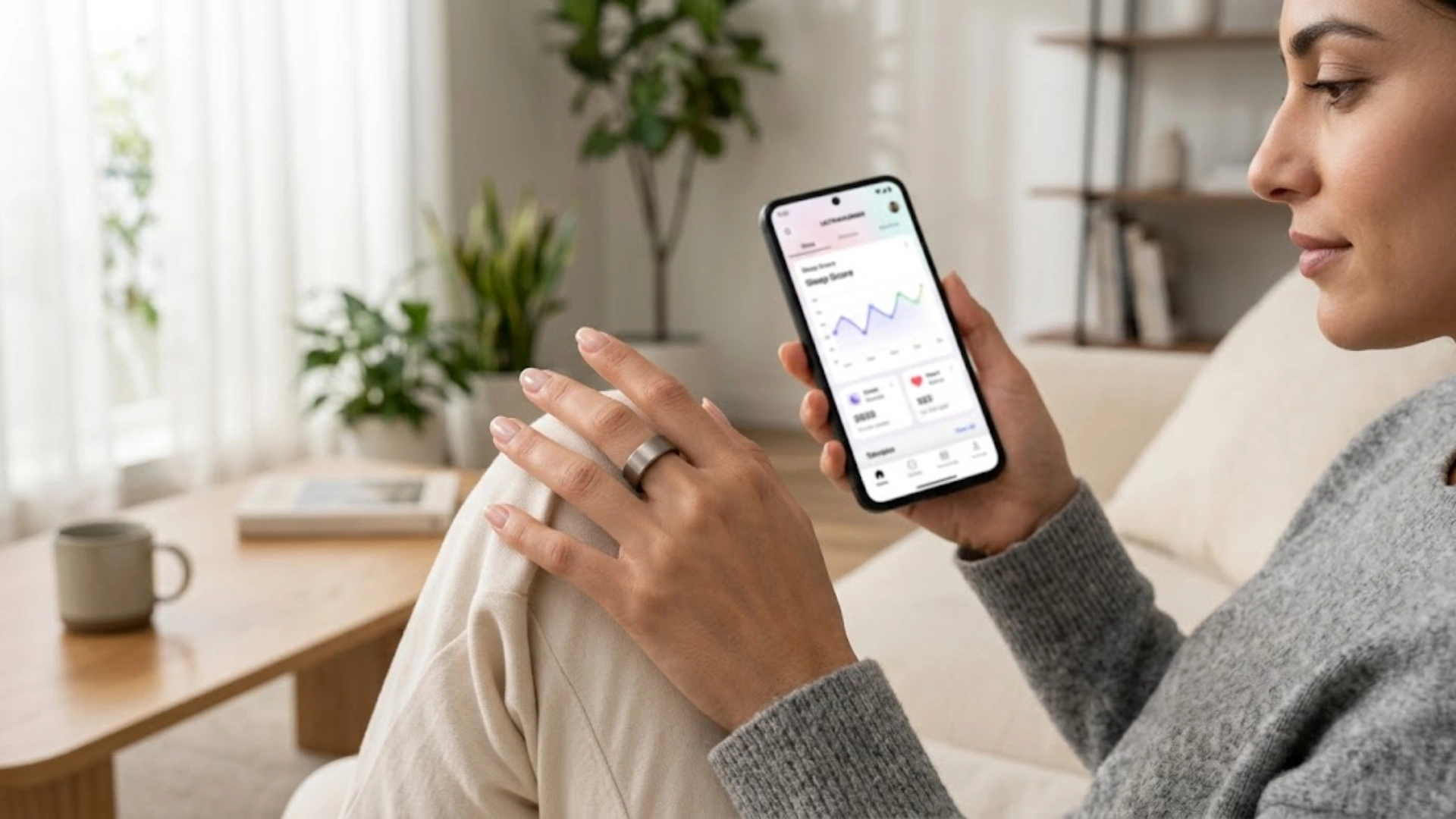
The main thing people liked about the Ring AIR was how easy it was to wear. You put it on and forget about it. That matters a lot, especially for sleep tracking, since you are not taking it off like a smartwatch at night.
The ring itself felt light and comfortable. It did not get in the way during the day. Battery life was solid too, lasting a few days on a single charge, and even more with power-saving modes.
Sleep tracking was where it really stood out. It tracked sleep stages, recovery, and body signals, then showed everything as simple scores in the morning. That daily feedback kept people coming back.
Another big plus was no subscription. You pay once and get access to core features without extra monthly costs.
That said, it was not perfect. Heart rate tracking during intense workouts could be off at times, and the ring could pick up scratches more easily than expected.
Conclusion
Things have changed quickly, but the situation is not as confusing once you break it down. The Ring AIR is no longer available, but it still works fine for existing users. A new model is already in place, and alternatives have also grown stronger over time.
The main thing to understand is that the Ultrahuman ban and lawsuit are still ongoing, so there is some uncertainty about what will happen next. At the same time, the company has found a way to stay in the market with a redesigned product.
If you already own the ring, you are in a safe spot for now. If you are planning to buy, it makes sense to think carefully and not rush.
Would you still consider buying a smart ring right now, or wait for things to settle? Drop your thoughts in the comments below.