Fitness tracking itself has changed a lot over the past few years, and smartbands vs smartwatches now sit at the center of that shift.
Scroll through any fitness forum, and the same debate keeps showing up again and again. Some people stand by bands, while others prefer smartwatches.
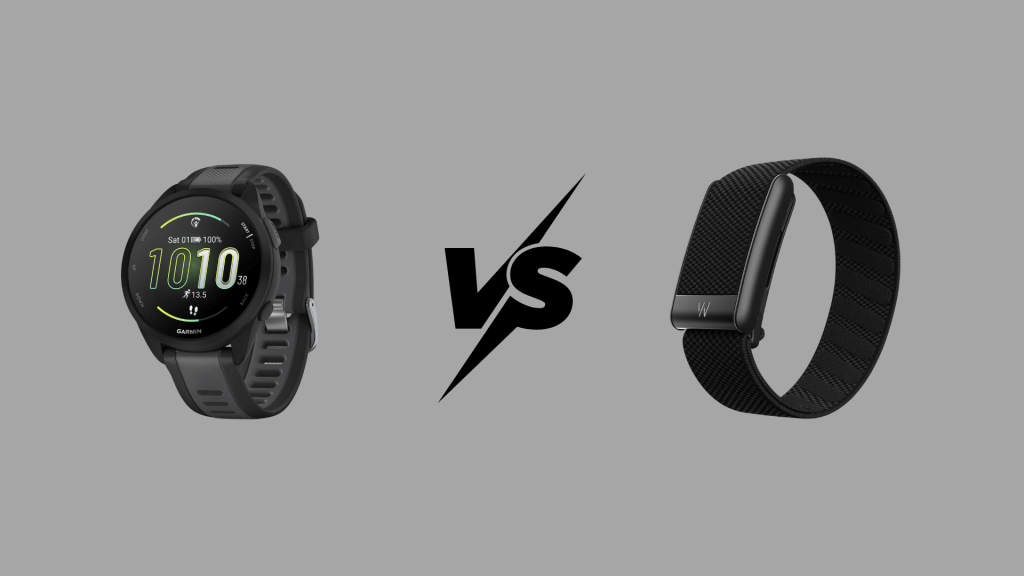
In this segment, top brands such as Whoop and Apple are discussed, with Whoop featuring their 5.0 model and Apple featuring their watch.
Both sides have strong opinions, which makes choosing between them harder than it should be. They represent very different approaches to health, which is why the comparison keeps coming up so often.
The real difference becomes clear once you look beyond features and focus on how each device fits into daily life.
One is built around tracking your body and helping you adjust your routine, while the other is designed to handle notifications, apps, and everything else throughout the day.
This breakdown covers design, tracking accuracy, recovery insights, battery life, cost, and which one actually makes sense for you.
Quick Overview: Whoop vs Apple Watch
Whoop takes a focused approach by building everything around recovery and performance tracking.
It is a screenless band that quietly runs in the background, tracking heart rate all day, measuring HRV, and monitoring sleep stages without interruptions.
All the data is pushed into the app, where it is turned into clear metrics like Recovery Score and Strain Score. The idea is simple: help you understand how your body is handling stress and when to push or pull back.
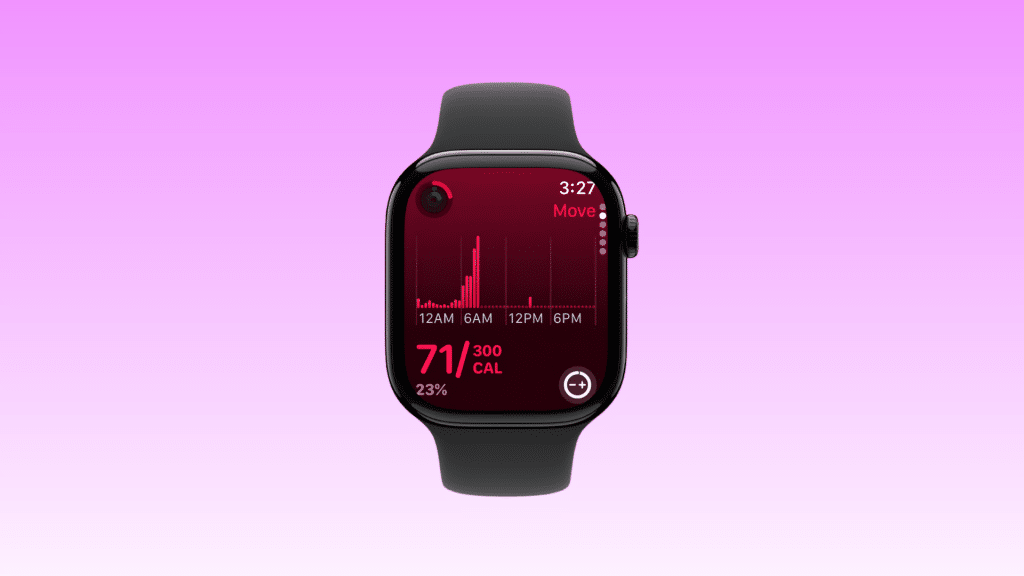
Apple Watch comes from a very different angle. It is a full smartwatch first, with fitness tracking built in alongside features like notifications, apps, payments, and calls.
It handles workouts well, but it is not built only for that purpose. The key difference comes down to intent.
Whoop focuses on improving performance through deeper data, while Apple Watch is designed to keep you active, connected, and consistent throughout the day.
Whoop vs Apple Watch: Design and Comfort
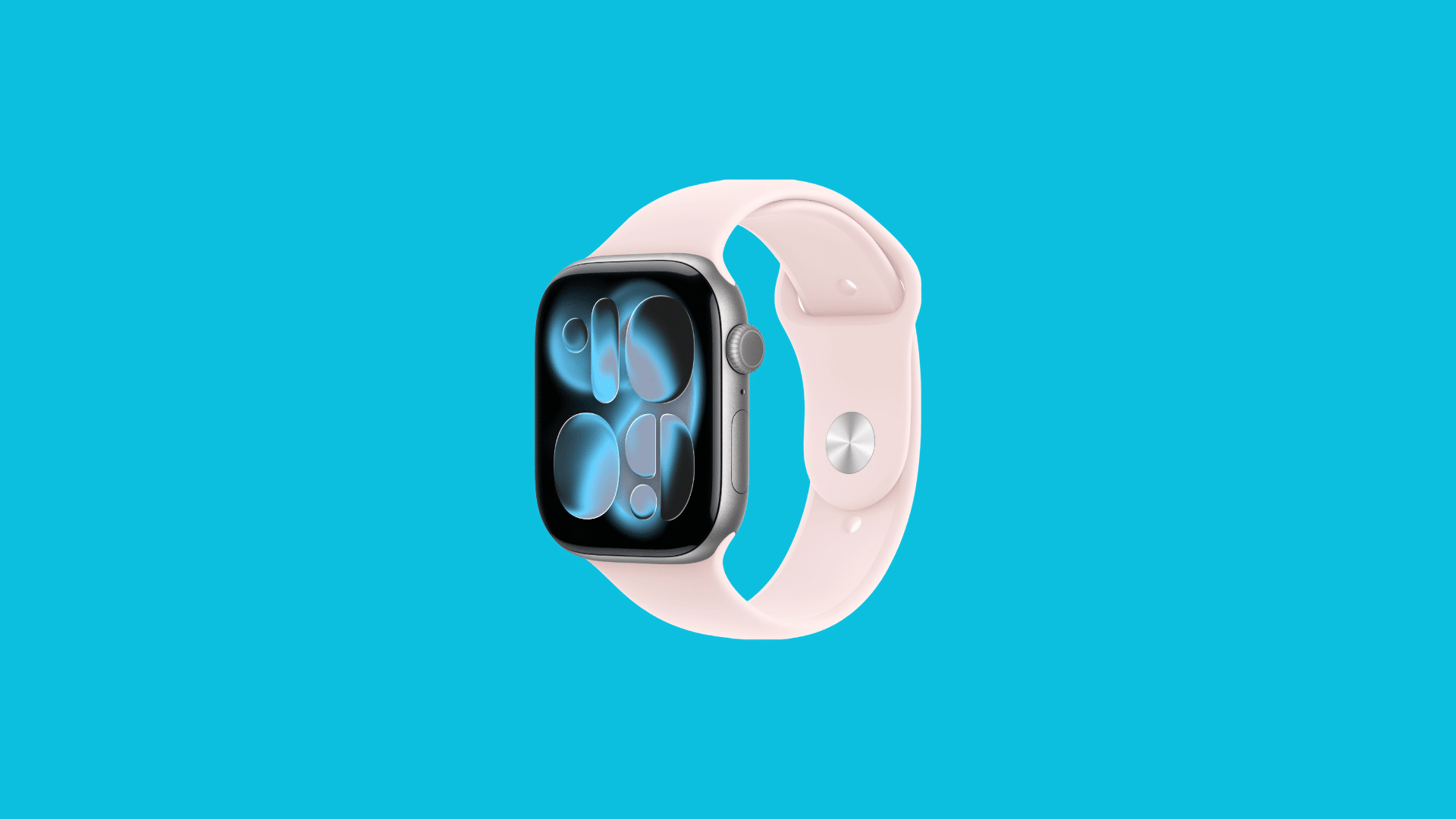
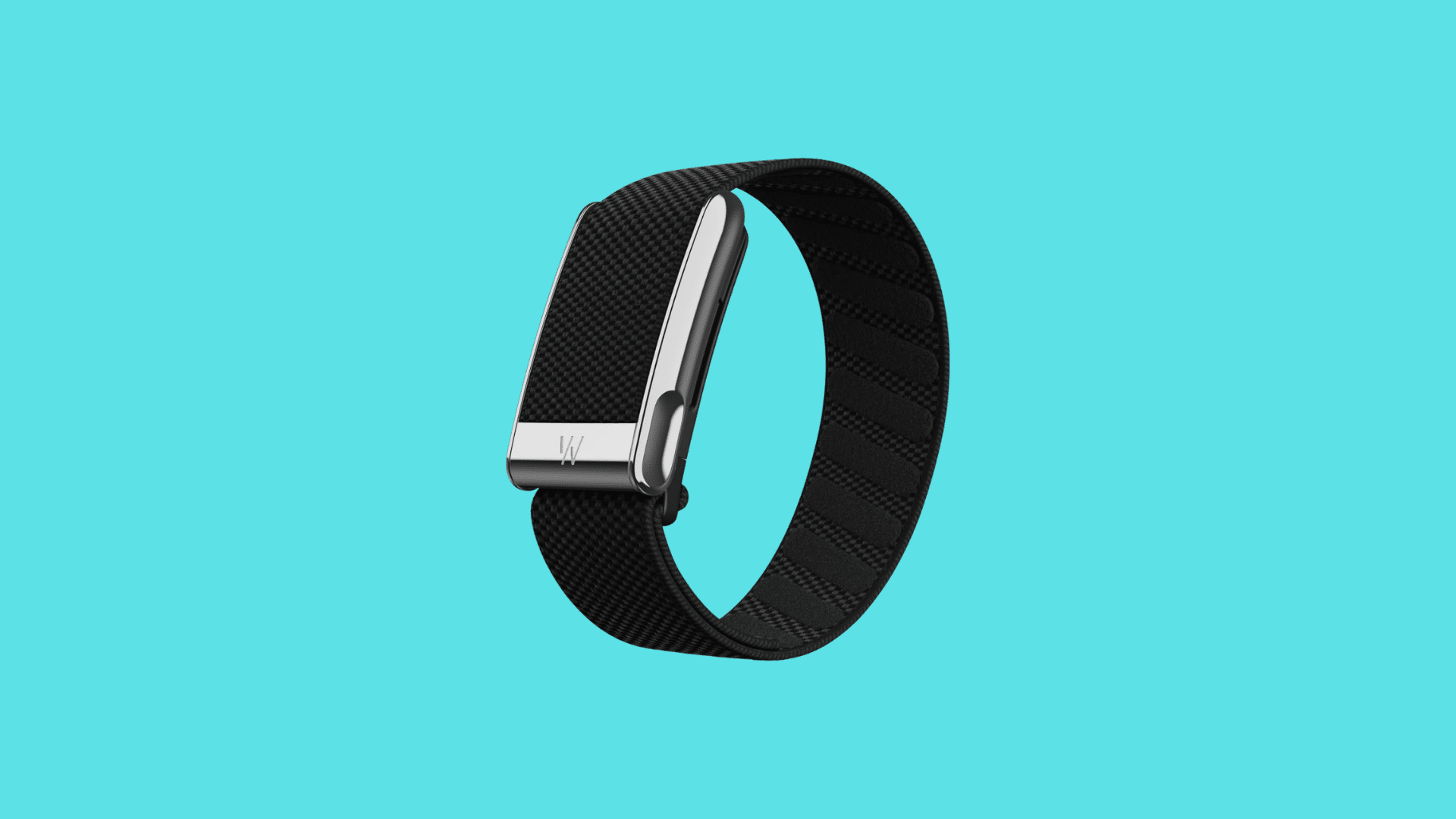
Whoop keeps things minimal with a soft strap and no screen, which makes it easy to wear all day without drawing attention.
The lightweight build helps during workouts and sleep, and the option to wear it on the bicep or inside clothing adds flexibility when a wrist device is not ideal.
Charging also feels easy since it happens on the wrist, so tracking continues without breaks.
The clasp can feel slightly tricky to take off, especially if you switch outfits often, but it becomes manageable with regular use.
Apple Watch takes a more traditional approach with a visible display and a premium build that feels closer to a regular watch.
It stands out more and fits well in daily settings, especially if you prefer something that looks like a proper accessory.
One thing worth getting right before committing to daily wear is fit. Choosing the correct Apple Watch band size makes a real difference in both comfort and how accurately the sensors read during workouts.
The downside shows up during sleep and charging, where the bulk is more noticeable, and the device needs to come off daily. I found that this small break in usage can interrupt tracking if not planned ahead.
Whoop vs Apple Watch: Health and Fitness Tracking Accuracy
Both devices track heart rate, sleep, and activity, but they approach it in very different ways.
Whoop focuses on continuous data collection, which helps build a more detailed picture of recovery, especially through HRV and sleep tracking.
It also includes additional metrics, such as skin temperature, blood oxygen, and respiratory rate, which work together to highlight shifts from your normal baseline.
I found that these early signals can sometimes show stress or fatigue before it is actually felt.
Apple Watch takes a more activity-focused approach, tracking heart rate at intervals while offering strong workout detection and built-in GPS support.
While it does not go as deep into recovery tracking, it still covers the basics well and supports a wide range of fitness activities.
The difference comes down to depth versus versatility, where one leans into detailed body insights, and the other focuses on keeping you active and consistent.
Whoop vs Apple Watch: Recovery and Performance Insights
This is where the difference between the two becomes more noticeable, especially if recovery plays a role in your routine.
Whoop is built around recovery, giving you a daily score based on your personal baseline rather than a generic range.
It breaks readiness into zones and pairs it with a suggested strain target, helping guide how hard you should train. It also provides real-time feedback during workouts, so effort stays aligned with your recovery.
I noticed that this system often flags fatigue early, making it easier to adjust before performance drops.
Apple Watch approaches this differently by focusing more on activity trends and post-workout feedback. Its training load feature depends on user input after each session, making it more reflective than predictive.
It still provides a clear view of effort and consistency, but leaves decision-making to the user.
The difference comes down to guidance versus interpretation: one directs your training, and the other supports your tracking.
If you want a deeper look at how Whoop specifically handles this, the full Whoop review breaks down the recovery system in detail.
Whoop vs Apple Watch: Smart Features and Daily Use Experience
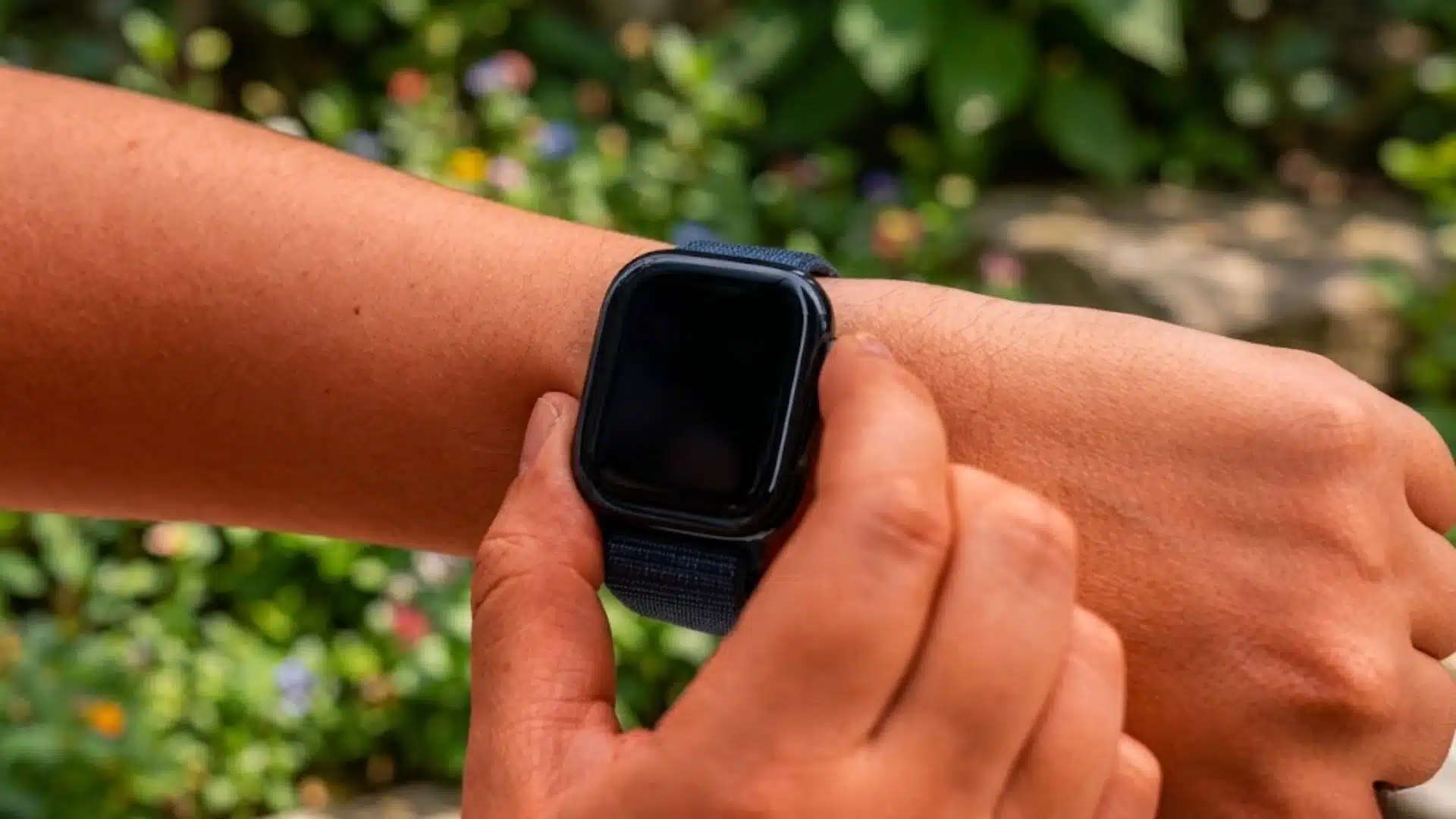
This is where the gap becomes very clear, since both devices are built with completely different priorities in mind.
Apple Watch is designed to handle everyday tasks beyond fitness, offering calls, messages, app notifications, payments, navigation, and music controls all from the wrist.
It works as an extension of your phone, and the built-in GPS lets you run or cycle without carrying anything else.
Safety features like fall detection, emergency alerts, and health tools add another layer of usefulness, especially for people who train alone or stay active outdoors.
Whoop takes the opposite approach, removing all smart features and focusing solely on tracking your body.
There are no notifications or apps, which keeps the experience distraction-free and more intentional.
I noticed that this shift changes how often you check your wrist, making interactions feel more controlled. The difference is clear: one supports daily tasks, while the other stays focused on pure tracking.
Whoop vs Apple Watch: Battery Life and Charging Experience
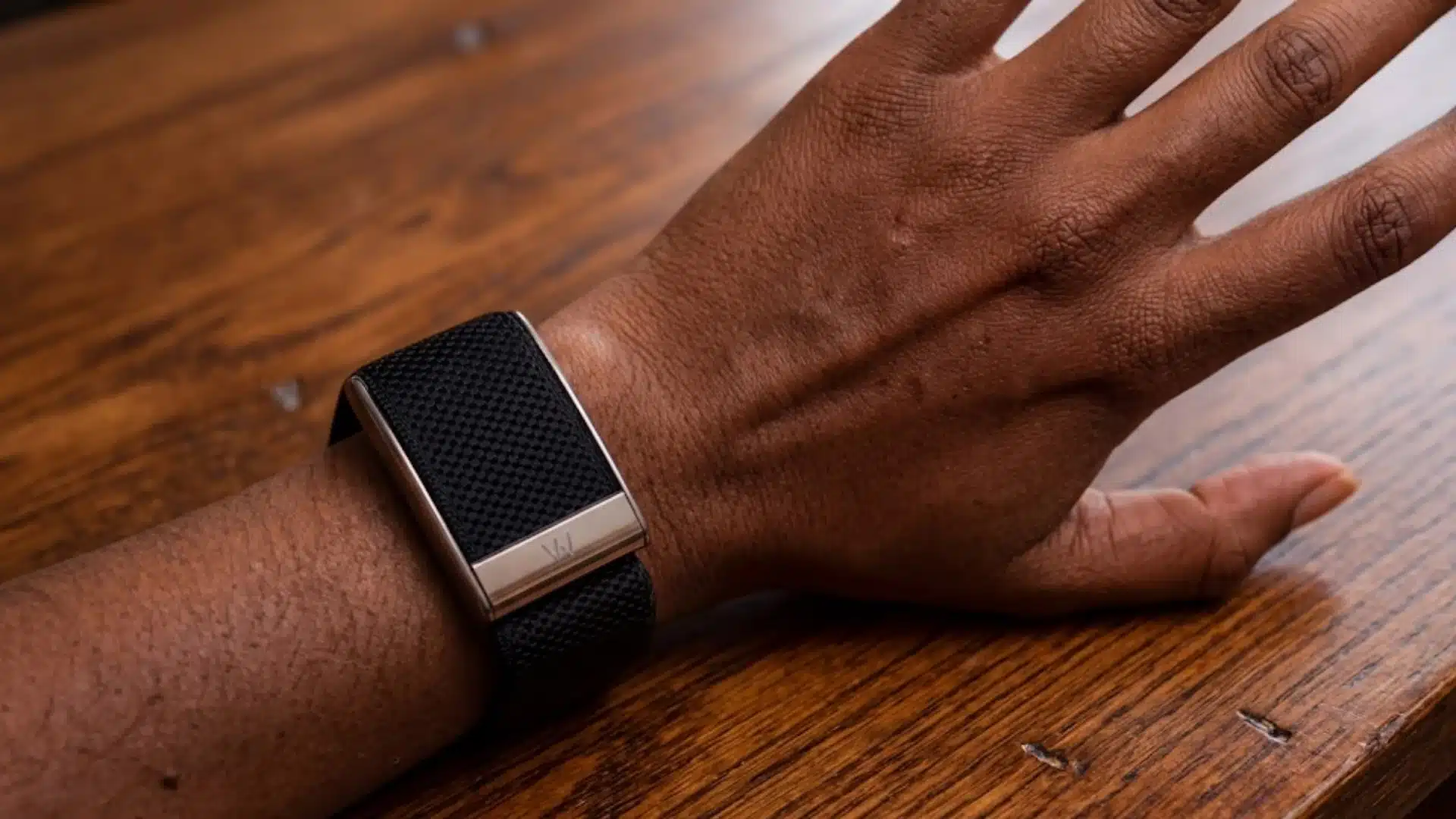
Battery life plays a bigger role than it seems, especially when it affects how consistently your data gets tracked over time. Whoop offers strong battery performance, lasting close to two weeks in most real-world use.
The biggest advantage is its on-wrist charging system, which keeps the device running without removal.
This means tracking continues through workouts, daily activity, and sleep without any gaps. Even during short water exposure, the charger holds up well, though it is better to remove it for longer sessions.
I found this setup makes it easier to maintain consistent data without planning around charging. Apple Watch works on a much shorter cycle, usually needing a charge every day or so, depending on usage.
This creates small breaks in tracking, especially for sleep, since charging has to fit somewhere into your routine. While it is manageable, it does require more planning to avoid missing key data.
Whoop vs Apple Watch: Real User Opinions
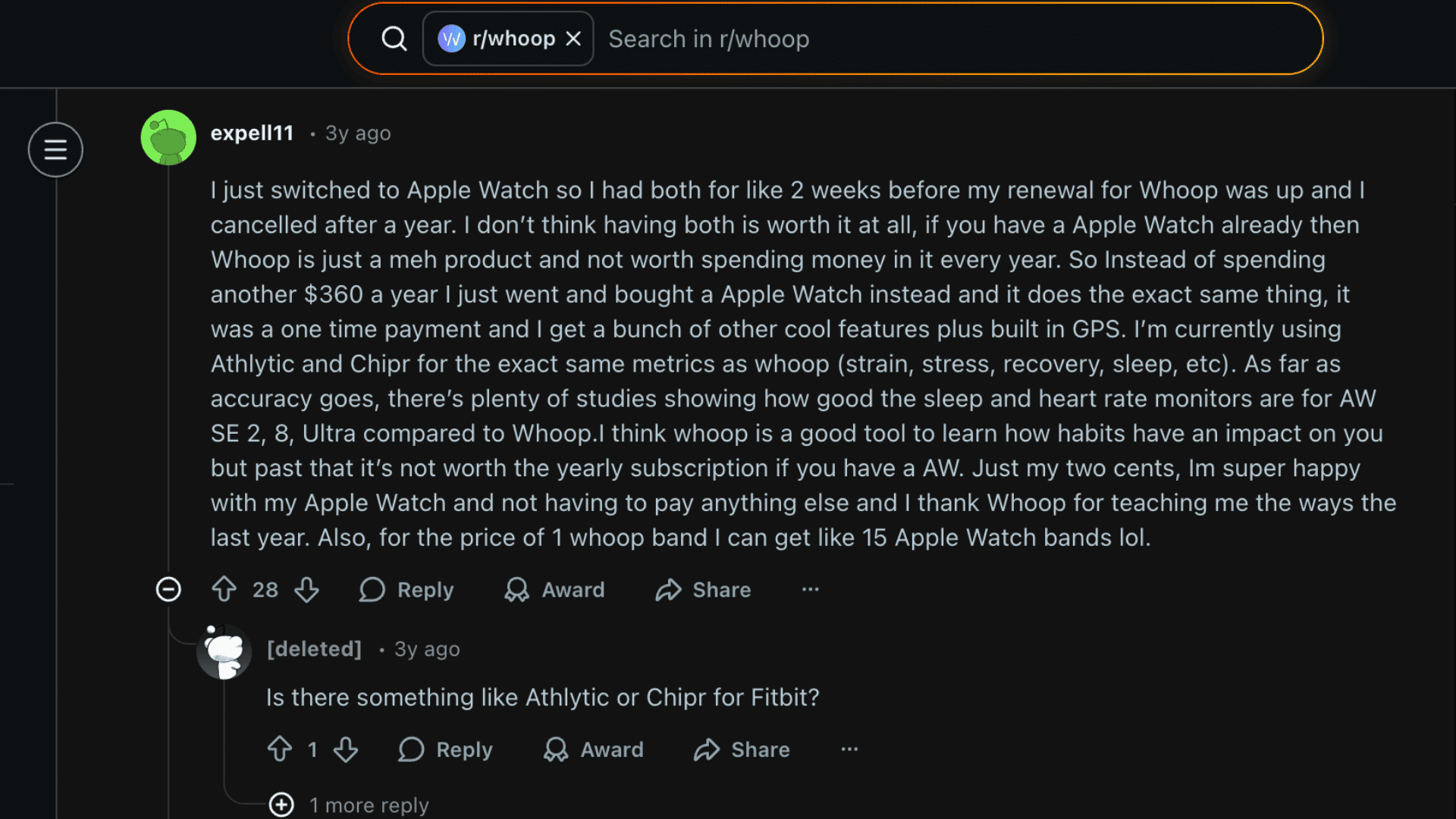
Reddit user feedback in the Whoop vs Apple Watch discussion often comes down to cost, convenience, and how each device fits into daily habits.
Some users feel Apple Watch paired with apps can deliver similar insights at a much lower cost, making Whoop harder to justify long term.
At the same time, Whoop still stands out for how it presents recovery, sleep, and training data in a way that feels easier to follow.
Apple Watch is often valued for its everyday usefulness, handling calls, texts, and reminders that help during work hours.
Features like activity rings and hourly stand alerts also keep people moving without needing deeper analysis.
For those using both, the combination works well, but many admit it is not necessary. The choice usually depends on whether deeper recovery tracking or daily convenience matters more.
Whoop vs Apple Watch Pricing: Subscription vs One-Time Cost
Pricing works very differently here: one spreads the cost over time through membership, while the other asks for a higher upfront payment with no ongoing fees.
| Factor | Whoop 5.0 | Apple Watch Series 11 |
|---|---|---|
| Entry cost | $0 (hardware included) | $249 (SE 3) or $399 (Series 11) |
| Annual cost | $199 to $359 per year (3 tiers) | $0 |
| 12-month total | Around $199 to $359 | Around $399 one time |
| 24 months total | Around $338 to $718 | Around $399, no change |
| Data access after cancel | Limited or locked | Full access always |
| Medical grade option | Whoop MG with ECG and AFib | Available on Ultra models |
| Free trial | 1-month trial available | No trial |
Who Should Choose Whoop?
Whoop makes more sense for people who care about recovery, performance trends, and using body data daily to guide training and lifestyle decisions.
- Serious training focus: Best suited for users following structured workout plans who want recovery data to guide daily intensity and rest decisions
- Data-driven approach: Works well if you prefer using consistent metrics and trends to adjust habits instead of relying on guesswork
- Recovery priority: Ideal for those who want detailed insights into sleep, HRV, and strain to improve long term performance
- No distraction setup: Designed for users who want to avoid notifications and stay focused without constantly checking a screen
- Consistency matters: On wrist charging allows uninterrupted tracking, making it easier to build reliable data over weeks and months
Who Should Choose an Apple Watch?
Apple Watch fits users who want a mix of fitness tracking and everyday convenience, without needing to focus deeply on recovery or detailed body metrics.
- All-in-one device: Ideal for users who want fitness tracking, notifications, calls, and apps combined into a single wearable
- Ease of use: Works best for people who prefer simple insights and quick access without diving into detailed data analysis
- Activity motivation: Great for users who stay consistent through reminders, rings, and daily movement goals rather than recovery scores
- Smart features focus: Perfect if you rely on your watch for payments, navigation, music control, and staying connected throughout the day
- iPhone ecosystem: Strong choice for users already using Apple devices who want smooth syncing and a connected experience across apps and services
Conclusion
There is no single winner here, and that becomes clear once you understand that both devices are built for completely different purposes.
Whoop focuses on recovery, deeper body insights, and helping guide training decisions through consistent data.
It works best for people who want to understand how their body responds to stress, sleep, and effort, and then adjust their routine based on that.
Right in the middle of the whoop vs apple watch discussion, the difference comes down to what role you expect the device to play in your daily life.
Apple Watch is built to handle everything in one place, from fitness tracking to notifications, apps, and safety features, making it a more flexible everyday device.
It keeps you active, connected, and consistent without needing deep analysis. The real choice is simple: whether you want to train smarter or stay connected throughout the day.
If you are still weighing your options, this guide on how wearables are improving health tracking is a good next read.
If you have used either one, share your experience in the comments and let us know what worked better for you.
Frequently Asked Questions
Can You Use Whoop and Apple Watch Together?
Yes, many users combine both, using Apple Watch for workouts and daily tasks, and Whoop for recovery and sleep insights.
Why Does Whoop Not Have a Screen?
Whoop avoids a screen to reduce distractions and focus only on collecting and analyzing health data through the app.
Is Whoop Worth It Without Serious Training?
Whoop is more useful for structured training and recovery tracking, and may feel excessive for casual users.
How Does Charging Affect Sleep Tracking on Both Devices?
Whoop allows continuous tracking while charging, while Apple Watch needs to be removed, which can interrupt sleep data.
Does Apple Watch Need Extra Apps for Recovery Tracking?
Yes, many users rely on third-party apps to get recovery-style insights that are not fully built into the default system.