Most people still picture smart homes through doorbells, speakers, lights, and thermostats.
The bathroom rarely gets the spotlight, even though it is where the day begins, where routines get rushed, and where small problems like leaks, poor lighting, and excess moisture can quietly become expensive.
That is why smart bathroom upgrades are starting to feel less like luxury extras and more like practical improvements.
The right setup can warm the floor before sunrise, adjust the shower temperature before you step in, brighten the mirror without glare, and warn you before a hidden leak causes damage.
This guide covers upgrades organized from easiest to install to most involved, with practical guidance on where to start based on your budget, space, and renovation timeline.
Why Smart Bathroom Upgrades Are More Practical Now?
Smart bathroom upgrades are gaining attention because they now solve real everyday problems, not just design wishes.
The Houzz 2025 Bathroom Trends Study found that 36% of renovated bathrooms now include wellness features, showing how comfort and daily routine have become bigger priorities.
Water savings add another reason to upgrade, since smart fixtures can help reduce waste and lower utility costs.
According to EPA WaterSense guidelines, smart toilets with qualifying labels can reduce water consumption by up to 20% compared to standard models.
Digital faucets with motion sensors also reduce waste by eliminating water left running unintentionally
Homeowners can now start small, improve comfort, manage moisture, save water, and make the bathroom feel more modern without turning the project into a complete renovation.
Smart Bathroom Upgrades Worth Considering
These upgrades are organized roughly from easiest to install to most involved. Each one stands on its own, so pick what fits your space, budget, and priorities rather than treating the list as a to-do sequence.
1. Smart Bathroom Mirror
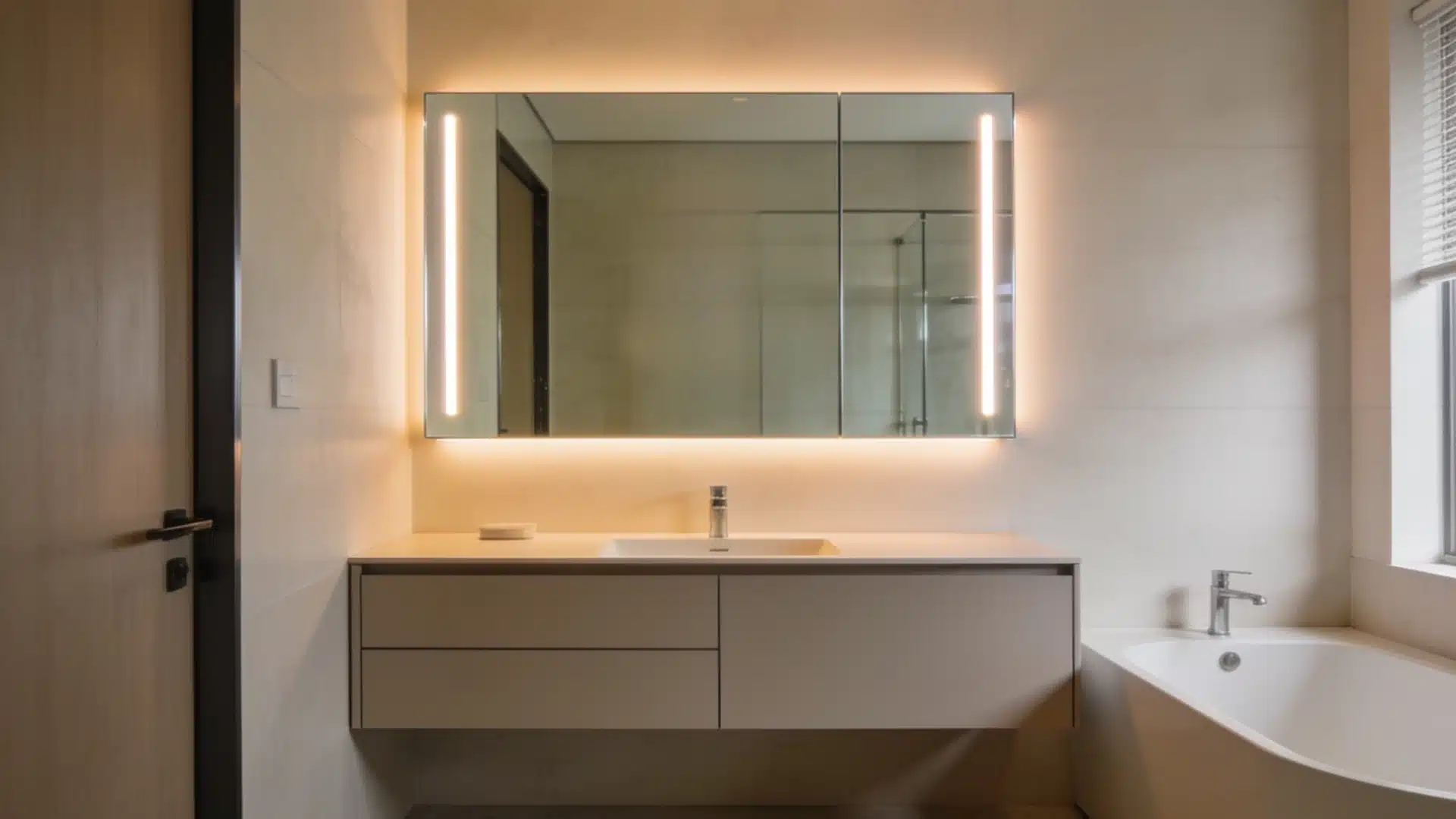
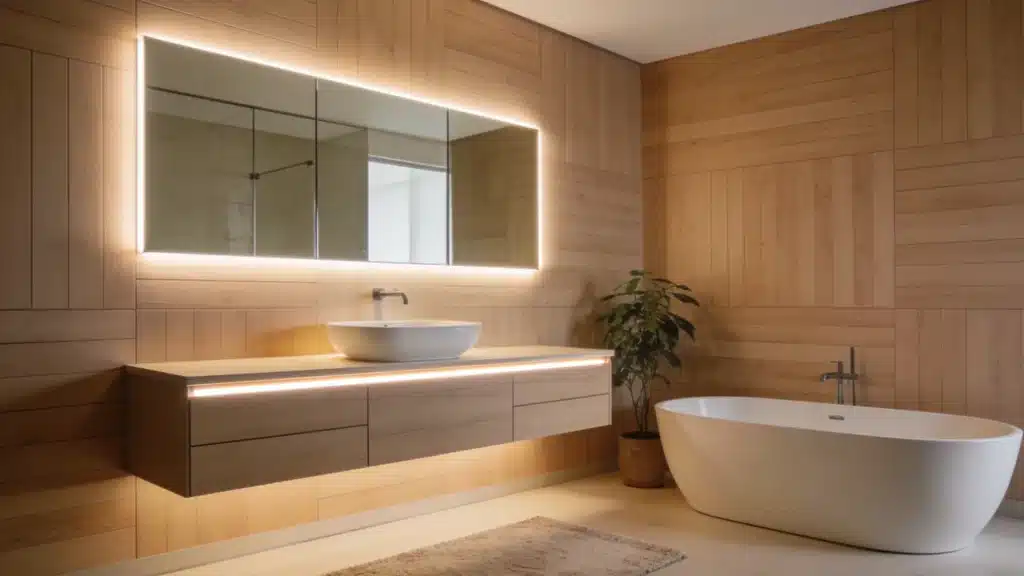
A smart mirror gives the bathroom an instant upgrade without any plumbing work.
Most models include fog control, adjustable LED lighting, color temperature settings, touchscreen time and weather, Bluetooth audio, and skincare lighting presets.
In my experience testing these setups, the color temperature adjustment alone is worth the price.
Switching from warm to cool light depending on the time of day makes a noticeable difference in how well the mirror works for both grooming and general use.
Premium options may add skin tracking features for complexion changes.
For a visible smart bathroom upgrade that feels modern, practical, and easy to install, the mirror is usually the best place to start for many homeowners today.
2. Digital Shower System
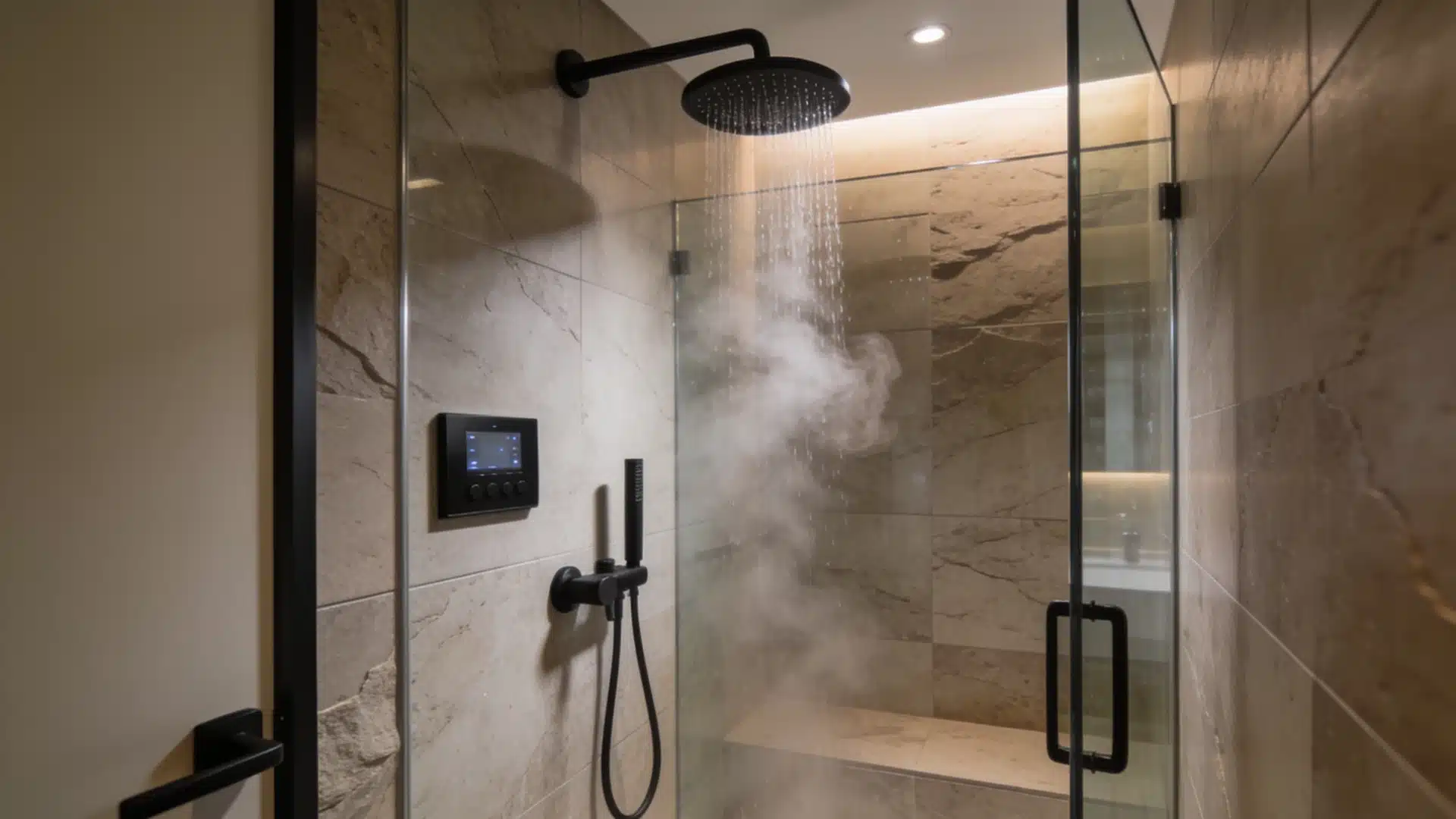
A digital shower system lets users set water temperature, spray pattern, and timer before stepping in.
Control usually works through a wall panel, app, or voice assistant. Kohler (DTV Prompt) and Moen (ioDigital) are among the better-known names in this space.
Thermostatic control keeps water close to the preferred temperature, making showers more comfortable and consistent.
Since full systems need plumbing and electrical work, professional installation is usually recommended.
If you are retrofitting an existing bathroom, getting your home automation system sorted first will help you choose a shower system that works within your existing ecosystem rather than adding a separate app.
3. Smart Showerhead
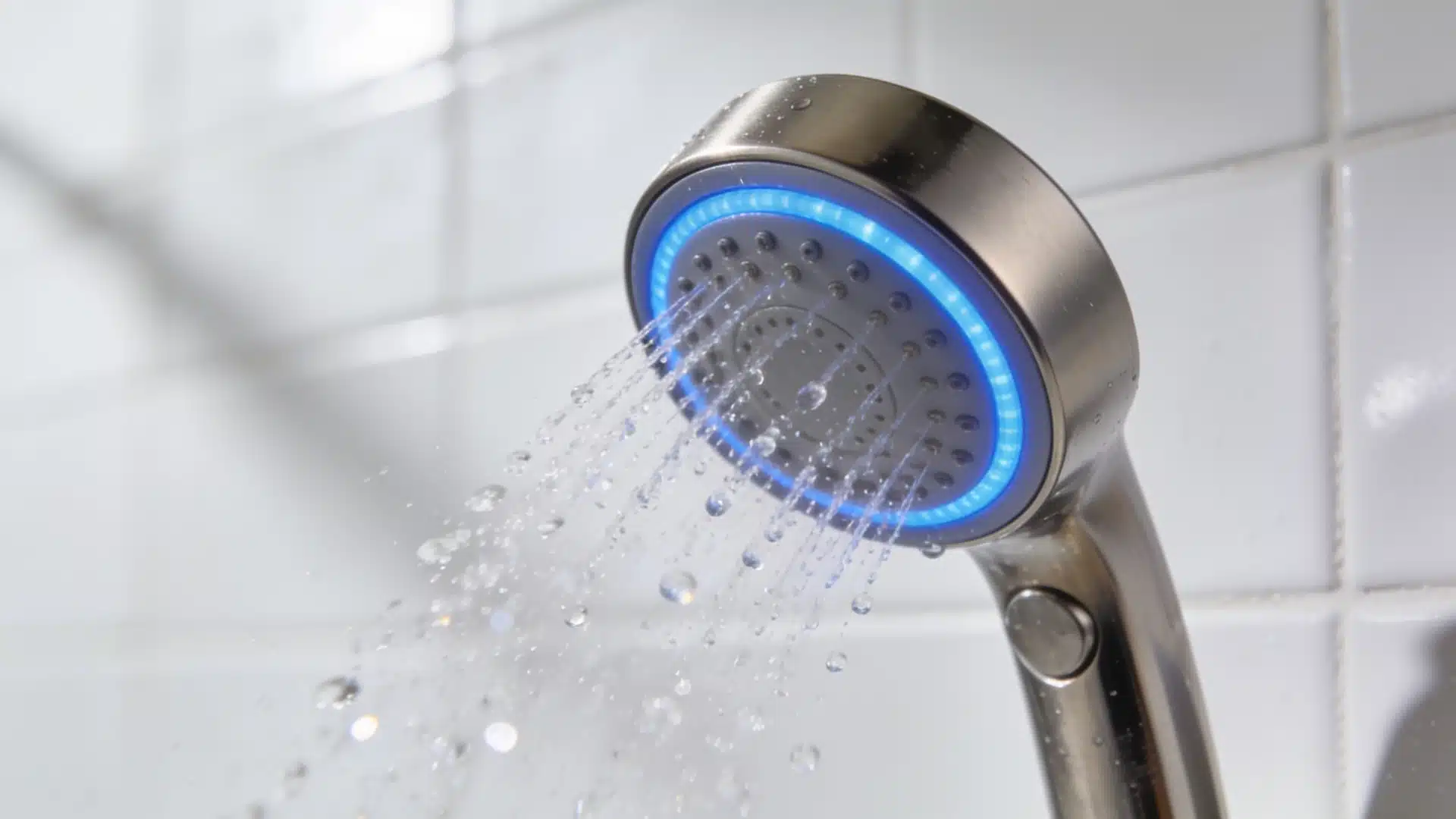
A smart showerhead is a budget-friendly alternative to a full digital shower system.
It usually replaces the existing showerhead with simple tools and adds useful features like LED temperature alerts, water use tracking, flow control, and sometimes Bluetooth audio.
This upgrade helps with temperature awareness and water waste without major plumbing work. For homeowners who want smarter showers without a large remodel, it is a practical first step.
4. Smart Toilet
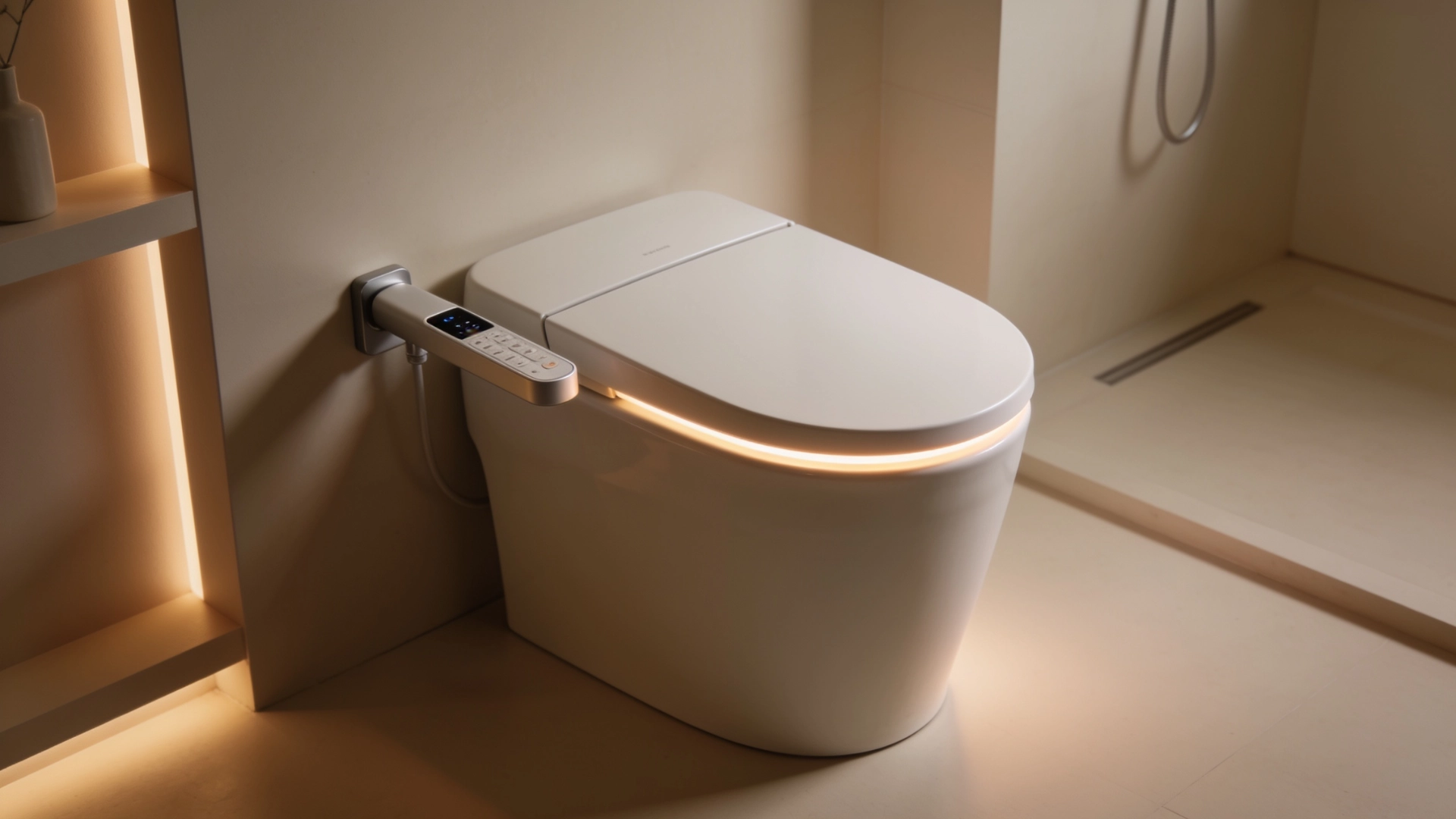
Smart toilets combine comfort, hygiene, and water-saving features in one fixture.
Common options include bidet wash, heated seats, motion-sensing lids, warm air drying, deodorizing, night lights, and dual flush settings.
Popular models from Kohler show how advanced this category has become.
Full smart toilets cost more and may need professional installation, while add-on bidet seats offer many similar benefits at a lower price.
For homeowners not ready to replace the full fixture, an add-on bidet seat delivers many of the same benefits at a fraction of the cost.
5. Smart Bidet Seat
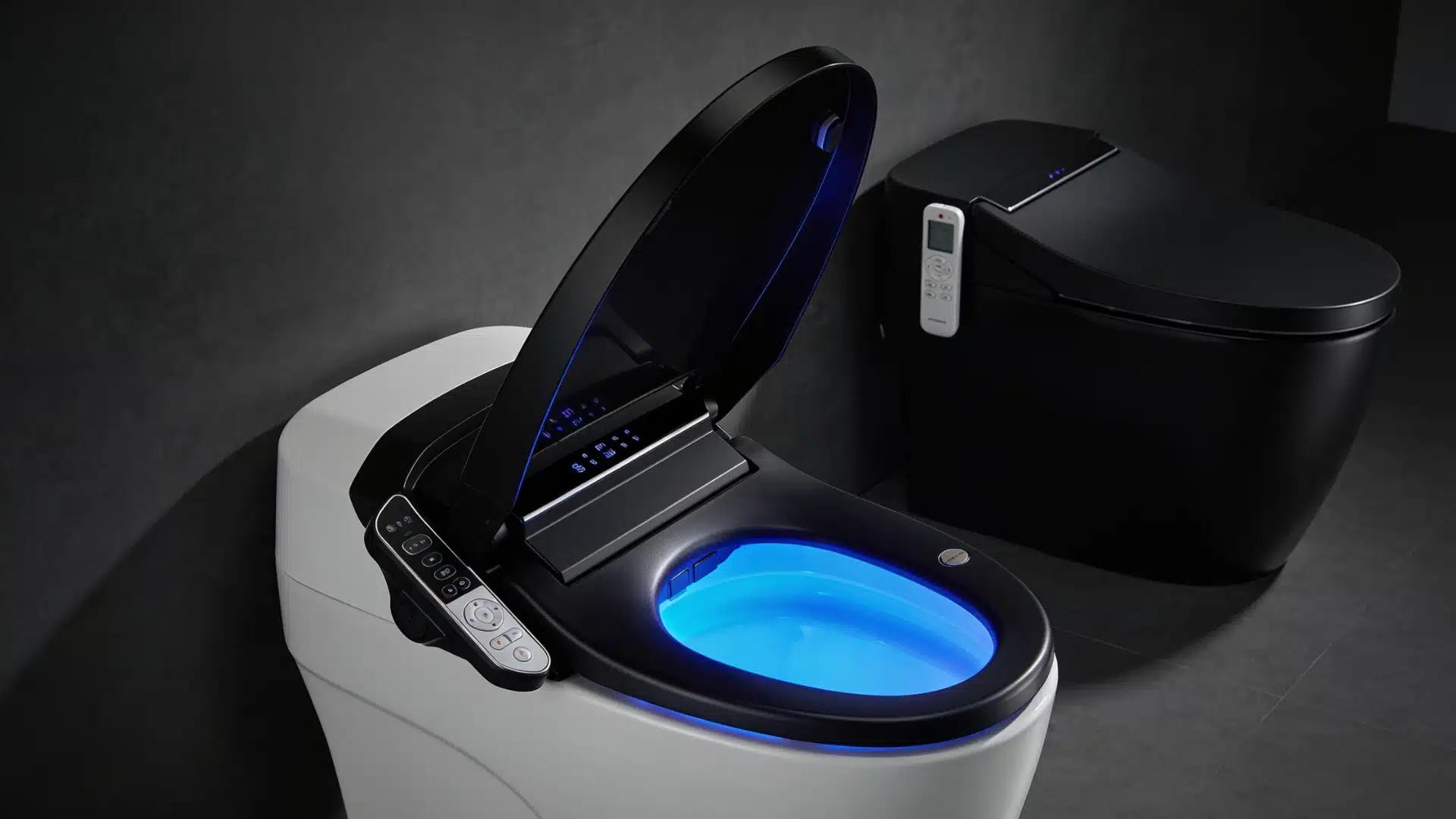
A bidet seat upgrades an existing toilet with warm water wash, adjustable pressure, heated seating, self-cleaning nozzle, and remote controls.
TOTO Washlet is one of the best-known names in this category.
Many homeowners can install one by replacing the seat, connecting the water line, and using a nearby outlet.
This is one of the most cost-effective smart bathroom upgrades available; it delivers most of the benefits of a full smart toilet without a fixture replacement or major plumbing work.
6. Touchless Bathroom Faucet
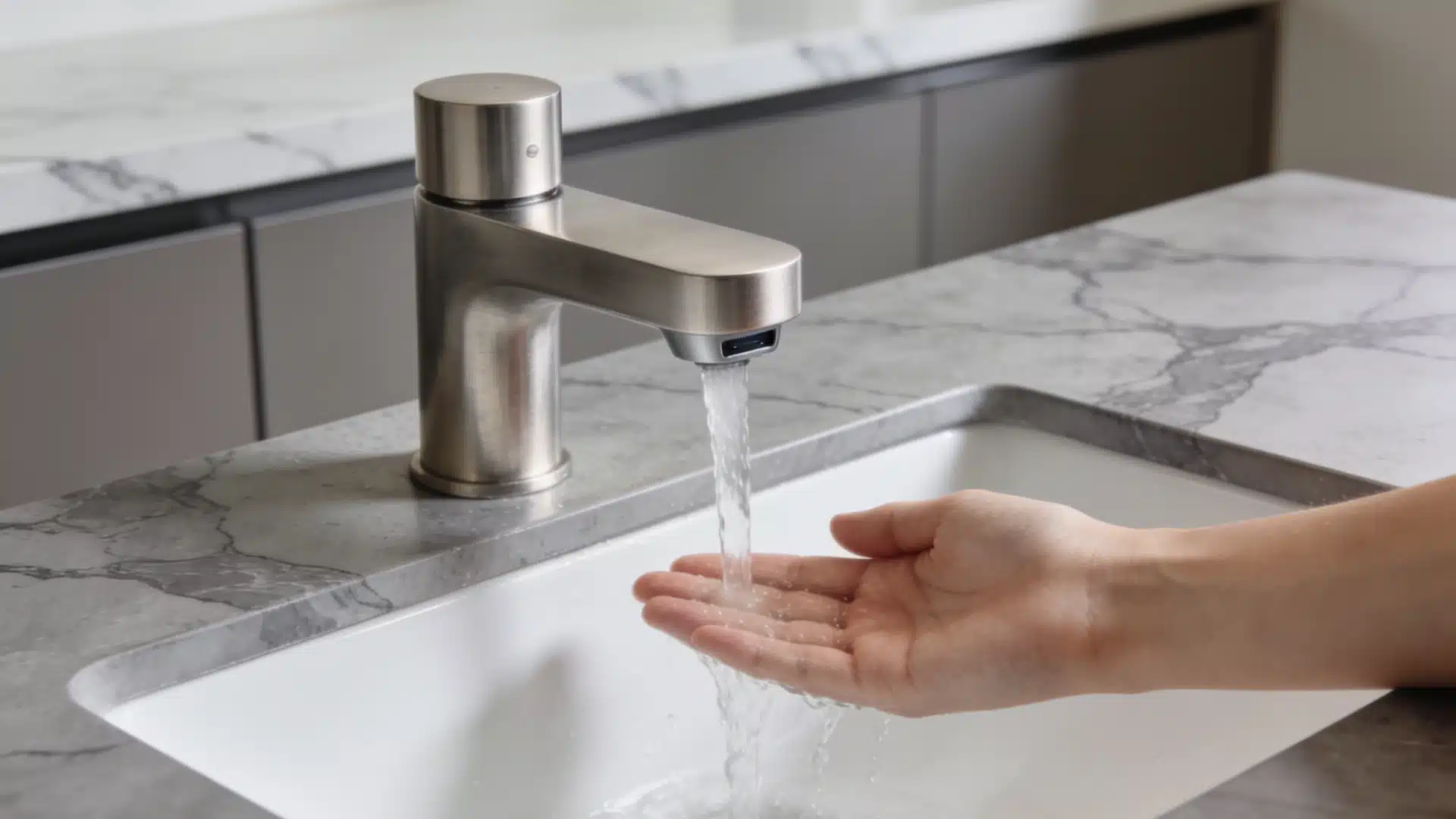
Touchless faucets use motion sensors to turn water on and off automatically, reducing surface contact and everyday mess.
For better water efficiency, look for EPA WaterSense-labeled faucets with a flow rate of 1.5 gallons per minute or lower.
Most touchless bathroom faucets are designed to fit standard fixture openings, so replacement usually does not require a plumber.
7. Smart Leak Detector
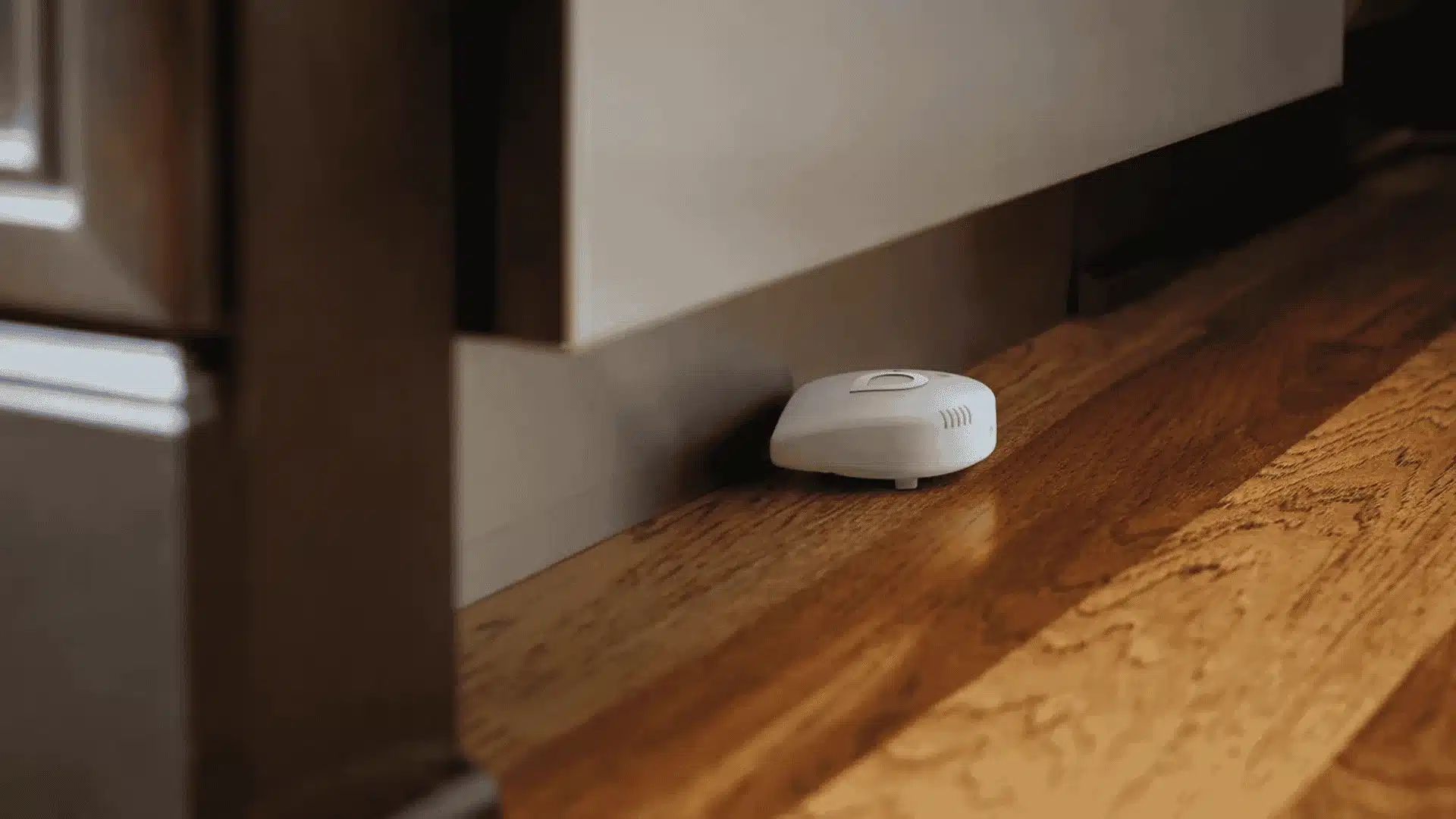
A smart leak detector is a small sensor placed under a sink, behind a toilet, or near a shower base.
When it detects moisture, it sends a phone alert quickly, helping catch slow leaks before they damage walls, flooring, or cabinets.
Companies like Moen sell packs according to your requirements.
This one does not look exciting sitting on the floor, but after seeing how quickly a slow leak under a vanity can quietly rot out a subfloor, it is one of the upgrades I consistently recommend installing early.
8. Smart Water Shutoff Valve
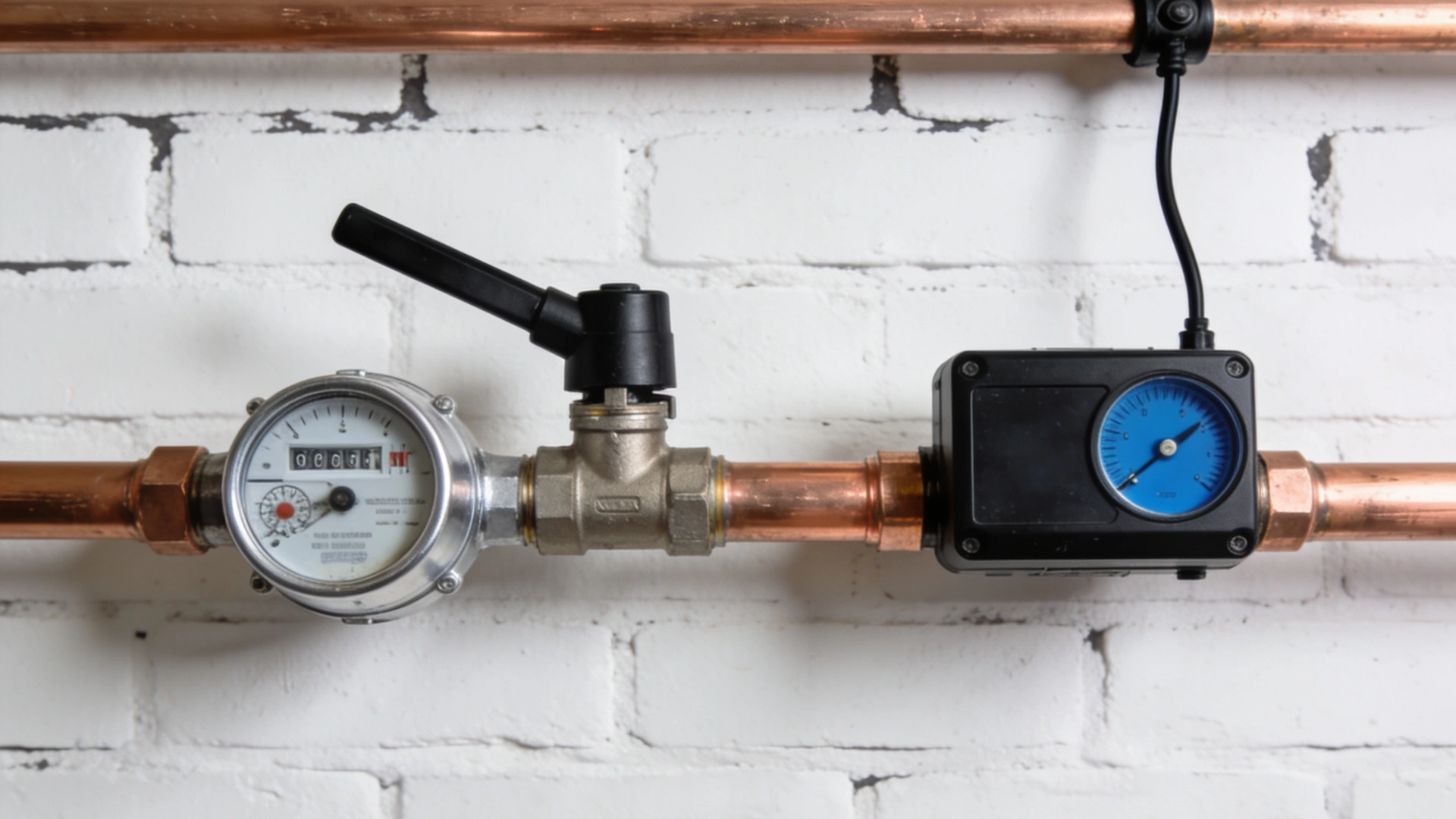
A smart shutoff valve connects to the main water line or individual fixture lines and turns water off when paired leak sensors detect moisture.
It is especially useful for frequent travelers, second homes, or anyone worried about hidden leaks. Some models also learn normal water use and flag unusual activity.
Installation usually requires a plumber, but the upgrade can prevent serious water damage before it spreads.
9. Smart Bathroom Lighting
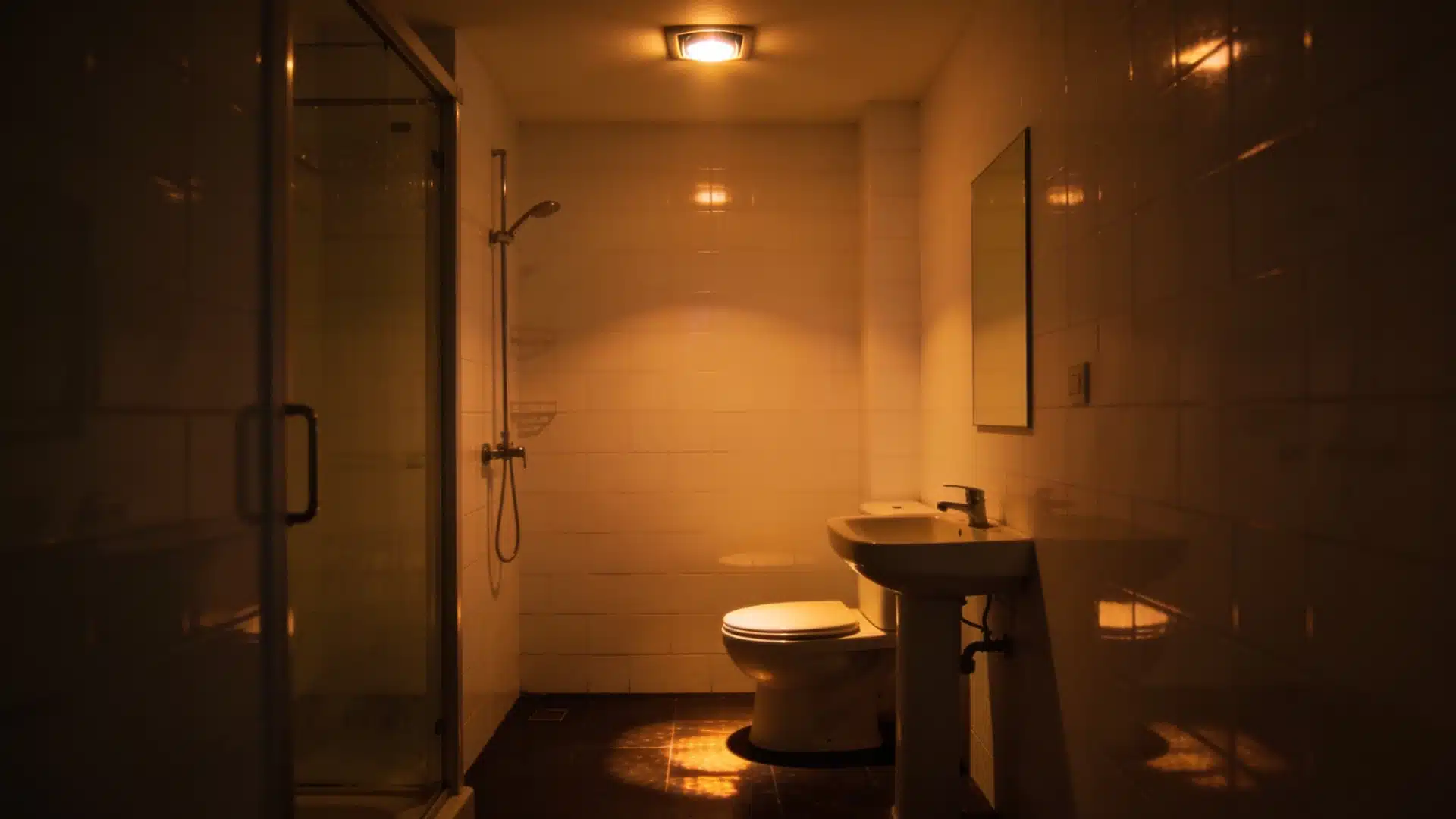
Smart bathroom lighting includes dimmable LED bulbs, motion-activated overhead lights, and voice-controlled vanity strips.
Motion sensors are practical at night; lights turn on softly at 20–30% brightness instead of flooding the room, which is easier on your eyes and avoids disrupting sleep.
Scene presets let you switch between morning prep, bath time, and wind-down settings without any manual adjustments.
Most smart bulbs fit existing fixtures without rewiring.
For whole-home coordination, pairing bathroom lighting with your broader smart home lighting ideas setup makes scene scheduling and automation significantly easier to manage from a single app.
10. Circadian Rhythm Lighting
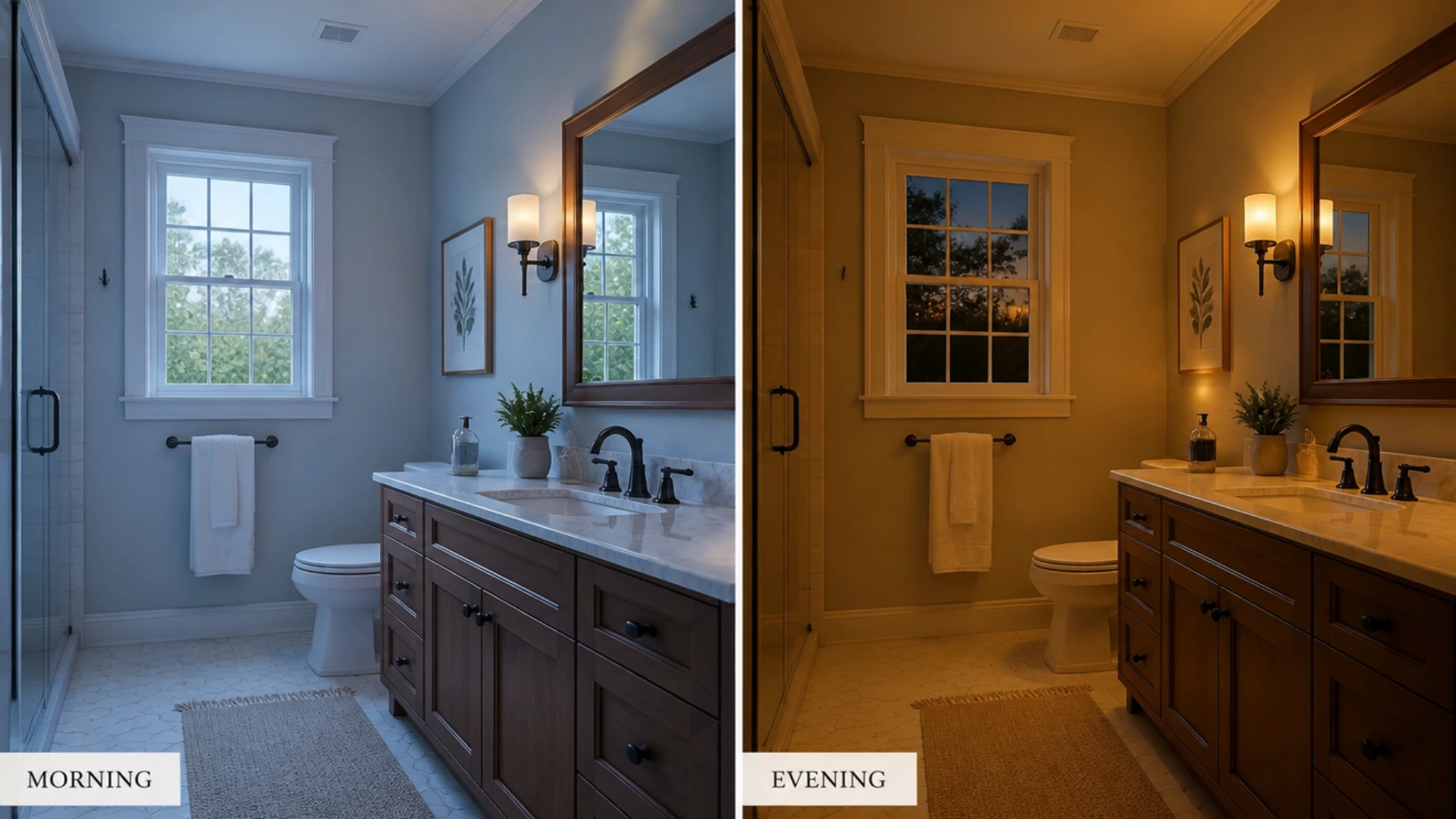
Circadian lighting adjusts bathroom light color throughout the day.
Cool morning light supports alertness, while warmer evening tones create a softer setting that feels easier on the eyes before bed.
This matters in bathrooms used early in the morning and late at night. Systems from Philips Hue, LIFX, and Lutron can run on schedules after setup.
11. Heated Floors with Smart Thermostat Control
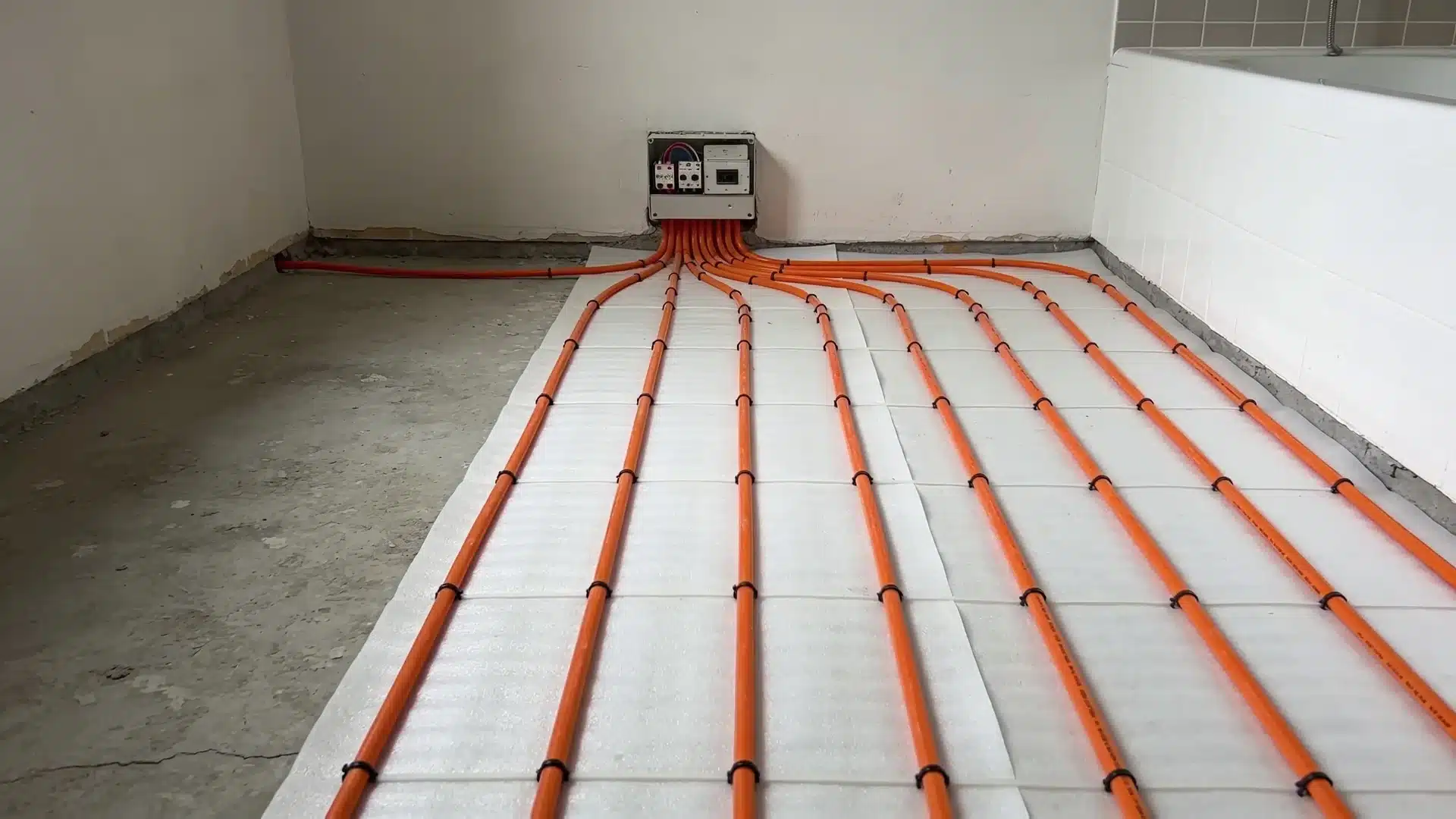
Radiant floor heating uses electric mats under tile or stone, controlled by a programmable thermostat.
Smart versions connect to an app or voice assistant, so the floor can warm up before the morning routine starts. This upgrade works best during a remodel or flooring change because the mats sit below the finished surface.
Once installed, it adds steady comfort without needing to heat the entire bathroom for long periods.
12. Smart Towel Warmer
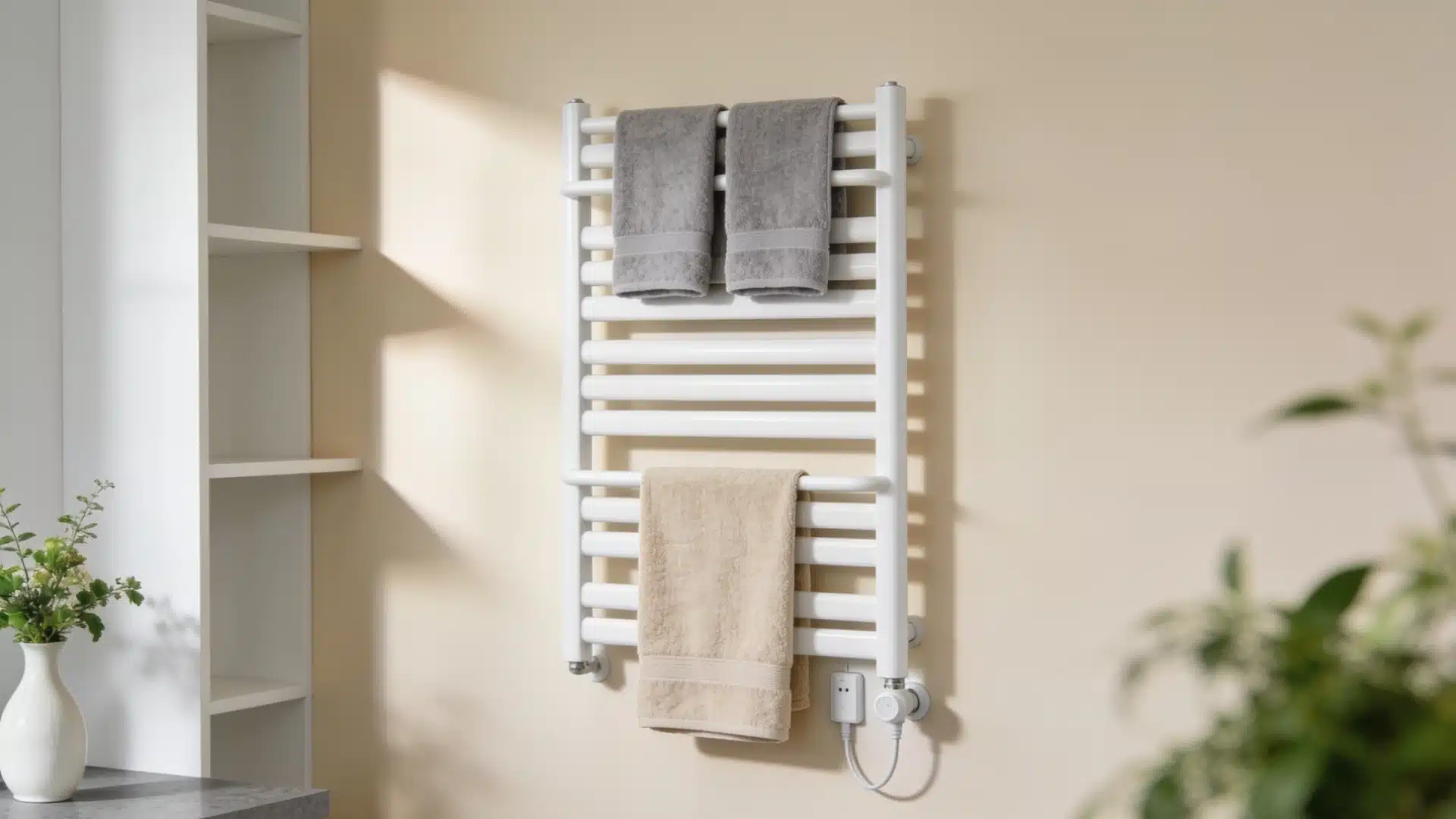
A smart towel warmer is a heated rail that warms towels and also reduces moisture in the room.
App-controlled models let you schedule them to run for 30 minutes before a shower so your towel is ready when you need it.
Some freestanding plug-in versions require no installation at all. It is a smaller luxury upgrade
It is also one of the most consistently loved additions in bathrooms because the payoff is immediate and tactile every single day.
13. Humidity-Sensing Exhaust Fan
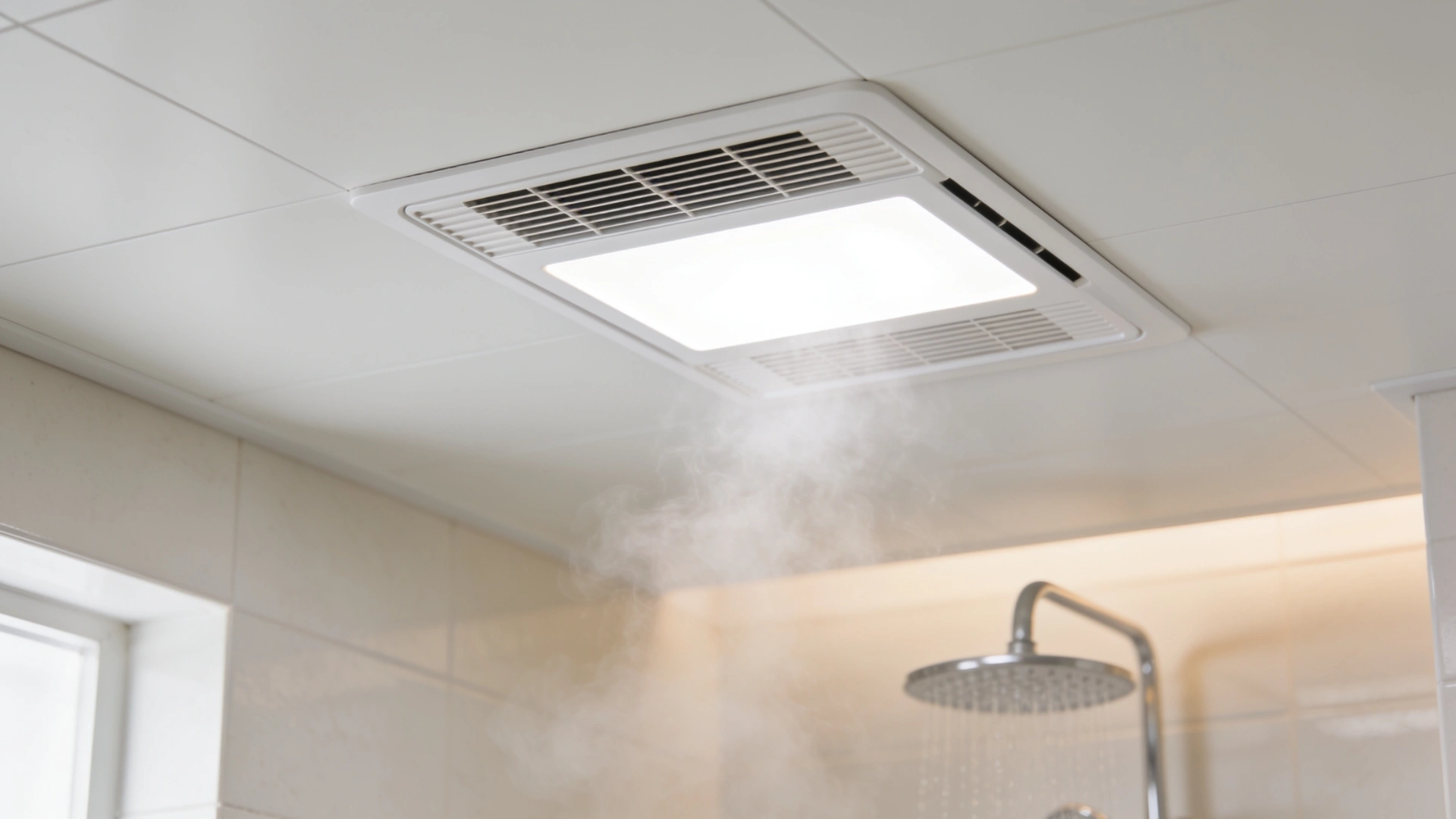
A humidity-sensing exhaust fan activates when shower steam raises moisture levels and shuts off automatically once the room returns to normal humidity.
It prevents the mold growth and ceiling staining that come from manual fans that are forgotten or left running too long.
Models from Panasonic WhisperSense offer quiet operation, adjustable sensitivity, and optional audio. Many replace existing fans directly, though electrical work should be handled by a licensed electrician.
This is one of the most overlooked smart bathroom upgrades, but it protects walls, ceilings, and air quality more reliably than any manual fan schedule.
14. Bathroom Air Quality Monitor
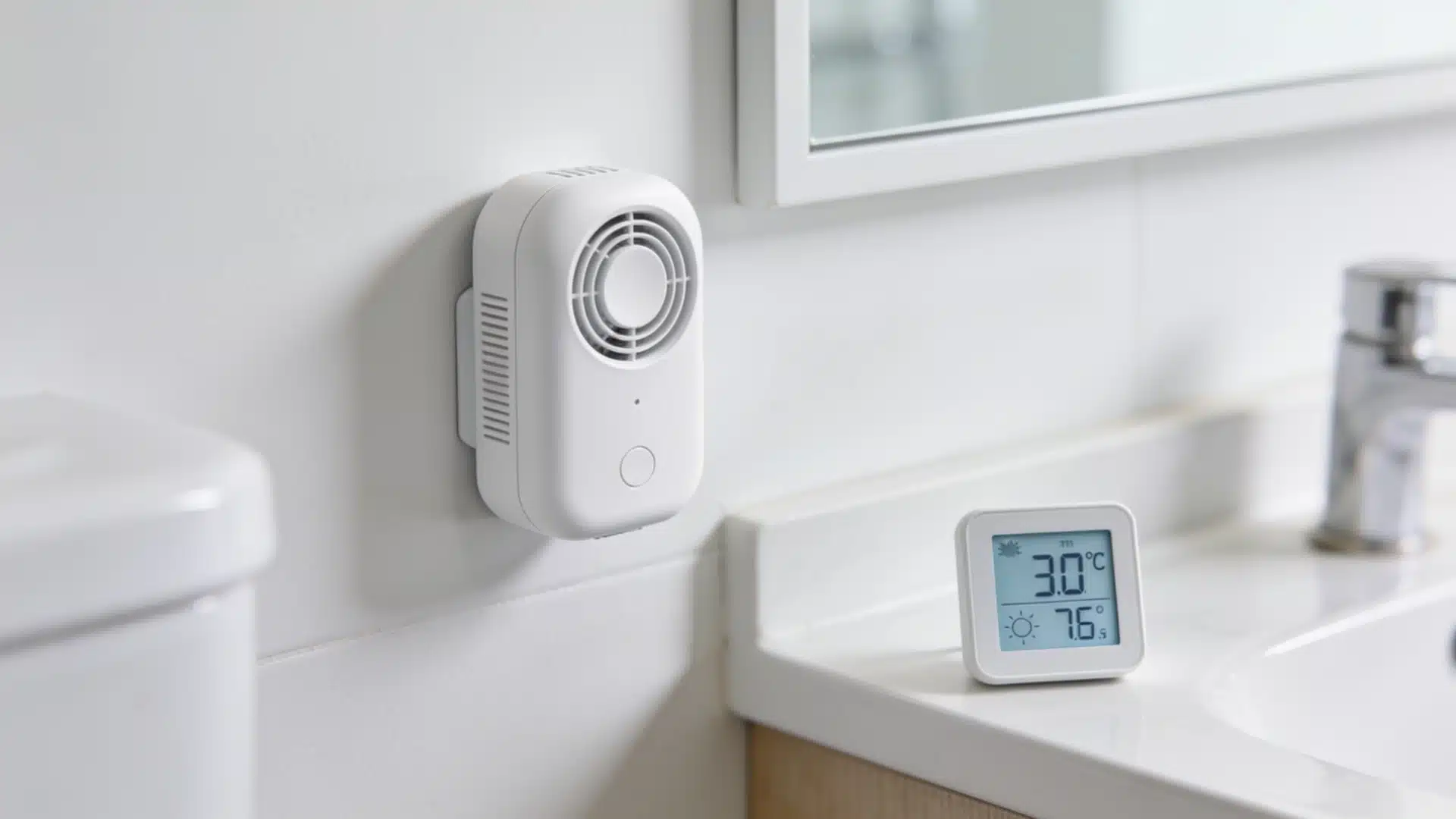
An air quality monitor tracks humidity, temperature, VOCs from cleaning products, and particulate levels.
When paired with a smart exhaust fan, it can trigger ventilation when moisture or air quality changes.
Compact monitors from Airthings and Eve Room show readings in an app and help keep the bathroom fresher with less manual effort.
This upgrade works best when connected to your smart home ecosystem for coordinated climate control.
15. Smart Scale
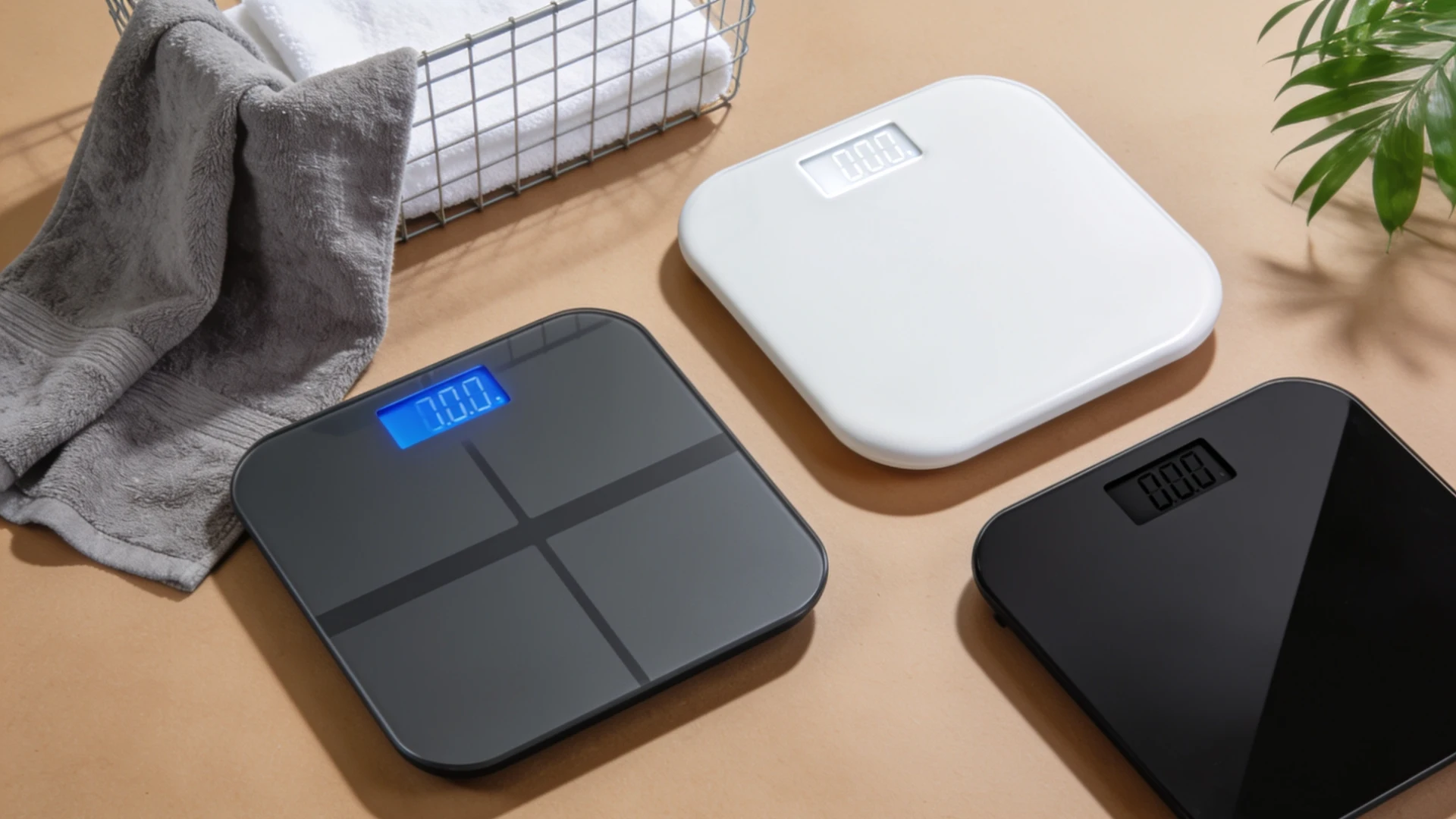
A smart scale tracks body weight and, depending on the model, body fat, muscle mass, bone density, and hydration through bioelectrical impedance.
Results sync to an app, support multiple user profiles, and show trends over time. That long-term view matters because daily weight can fluctuate.
Brands like Withings and Garmin connect with health platforms, making progress easier to follow without manual entry.
16. Smart Glass Privacy Panel
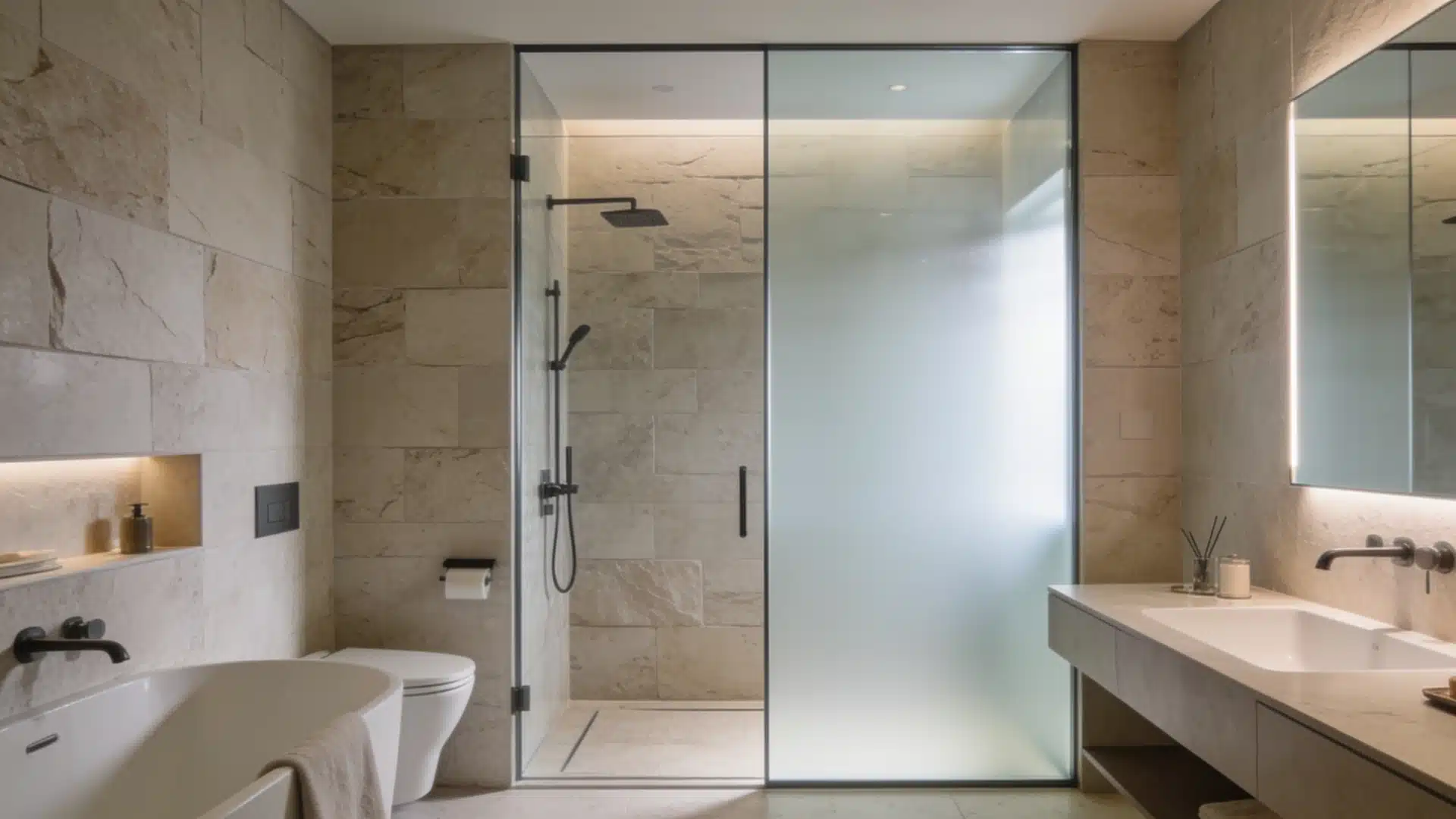
Electrochromic smart glass switches between transparent and opaque with a single tap or a voice command.
In bathrooms, it replaces frosted glass panels, shower curtains, and traditional privacy windows.
The glass is easier to clean than textured alternatives, offers better privacy control than a curtain or blind, and gives the space a cleaner architectural look.
This remains the most forward-looking upgrade on this list and carries the highest price tag of any option here.
It is best planned into a remodel from the start rather than retrofitted later, when installation becomes significantly more disruptive and costly.
17. Waterproof Bathroom Speaker
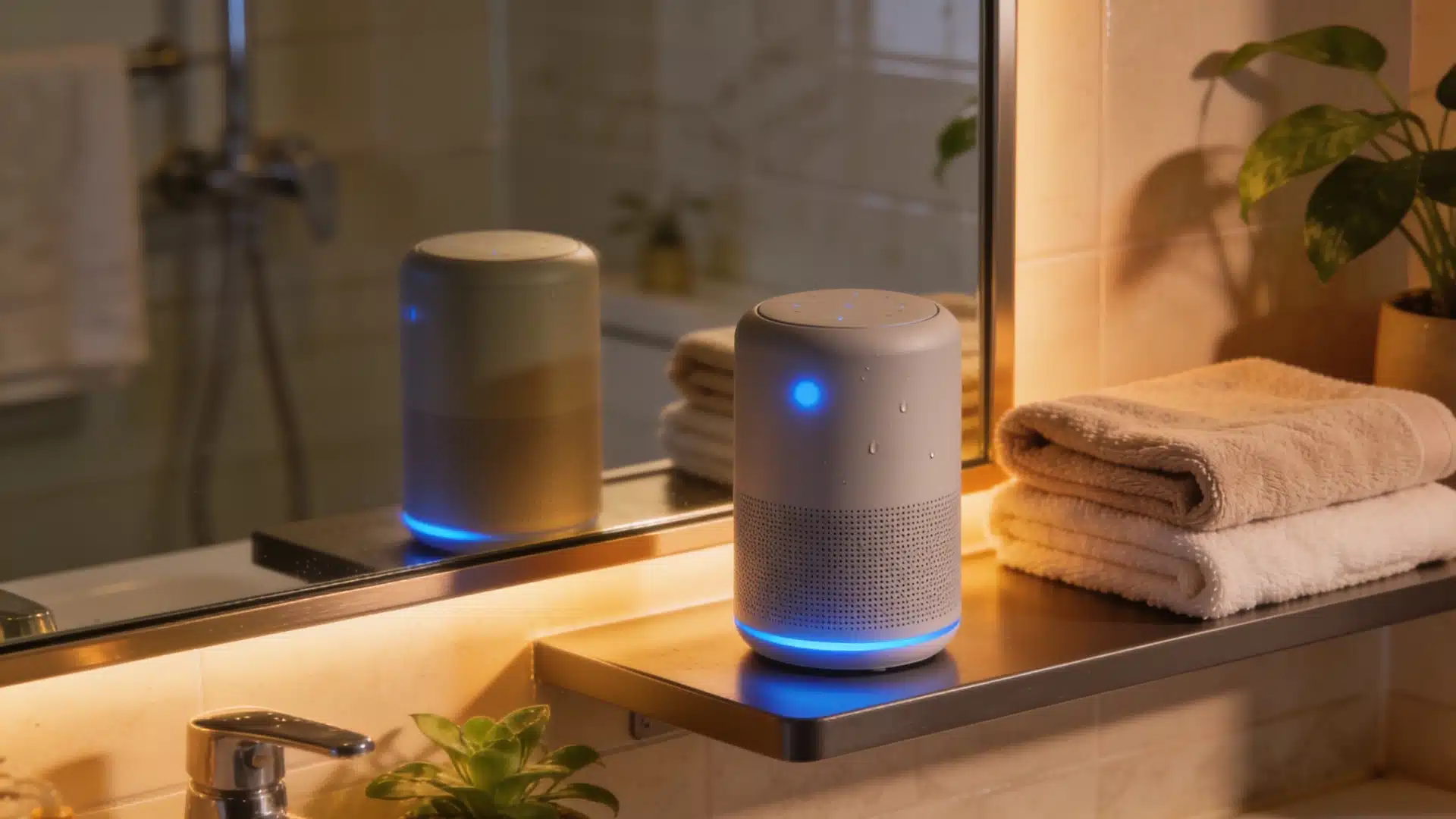
A bathroom-rated smart speaker can play music, set timers, read reminders, and control lighting or shower settings through voice commands.
Choose an IP-rated model made for steamy spaces, since standard speakers can wear out faster in moisture. Brands like Sonos, Bose, and JBL offer bathroom-safe options. B
Before buying, connect this choice with your must-have smart home gadgets plan for better whole-home control.
Check the IP rating before buying: IPX4 is the minimum for a bathroom environment, while IPX7 covers full submersion and is worth considering for speakers placed near a shower or tub.
Plan Smart Bathroom Upgrades Wisely
A smart bathroom works best when every upgrade solves a clear problem. Start with simple swaps, then move toward wired or plumbing-based projects later.
- Start with no plumbing upgrades first: Smart mirrors, showerheads, bidet seats, lights, and speakers usually fit existing setups and reduce contractor costs.
- Pick one app ecosystem early: Choose Google Home, Amazon Alexa, or Apple HomeKit before buying devices so controls feel simple, not scattered. If your home already uses Matter-certified devices, prioritize Matter-compatible upgrades for the bathroom; cross-brand reliability has improved significantly since the protocol launched in 2022.
- Check bathroom WiFi strength before ordering: Tile, mirrors, and plumbing can weaken signals, so test coverage or add a mesh node nearby.
- Proper water resistance ratings: Bathroom devices need moisture protection, especially speakers, lights, fans, and anything near showers or tubs.
- Call a professional when needed: Heated floors, digital showers, smart valves, and fan wiring should be handled by licensed plumbers or electricians.
- Match finishes across smart fixtures: Choose one finish, such as matte black, chrome, or brushed nickel, so the bathroom looks planned.
- Phase costs over time: For larger projects, planning smart ways to fund home improvements before you start helps spread upgrade costs without forcing a single expensive remodel.
Common Mistakes to Avoid for Smart Bathrooms
Smart bathroom upgrades work best with careful planning. Check WiFi, moisture ratings, app compatibility, finish choices, and installation needs before buying.
| Mistake | Why It Matters | Better Choice |
|---|---|---|
| Skipping the WiFi check | Tile can weaken the signal. | Test the signal before buying WiFi devices. |
| Mixing app ecosystems | Too many apps make control harder. | Choose compatible devices. |
| Ignoring IP ratings | Steam and water can damage devices. | Use bathroom-rated products. |
| DIY heated floor prep | Poor setup can damage the system. | Hire a qualified installer. |
| Mixing too many finishes | The bathroom can look cluttered. | Pick one finish palette first. |
| Retrofitting smart glass | It can be costly and messy later. | Plan it during renovation. |
Are Smart Bathroom Upgrades Worth It?
The honest answer depends on which upgrades you choose.
Smart bathroom upgrades earn their cost when they improve something you use every day: how you manage water, the quality of your lighting, hygiene, or the room’s ability to protect itself from moisture damage.
A bidet seat, a smart mirror, a touchless faucet, and a humidity-sensing fan are all things a household interacts with daily. The value is real and shows up quickly.
The upgrades that do not earn their cost are the ones that complicate the experience rather than improving it, a shower system so complex that guests cannot figure out how to get hot water, or a scale that requires a WiFi connection before it will show a reading.
The best smart bathroom upgrades are the ones you stop thinking about after a week because they simply work.
Conclusion
Smart bathroom upgrades work best when they feel invisible in the best way.
They should remove small daily annoyances, add comfort without confusion, and make the space feel more thoughtful each time someone uses it.
The goal is not to chase every new device or turn the bathroom into a tech showroom.
The better approach is to choose upgrades that fit the home, the routine, and the budget. Start small, notice what actually improves daily life, then build from there when the space or renovation plan allows.
A smart bathroom should feel calm, useful, and easy to live with, not complicated.
Which smart bathroom upgrade would you add first? Drop your pick in the comments below, or explore more smart home guides on the site to plan your next move.
Frequently Asked Questions
Can Smart Bathroom Upgrades Work in a Rental?
Yes. Renters can use removable options like smart showerheads, bidet seats, bulbs, speakers, and plug-in towel warmers, but check lease rules first.
Do Smart Bathroom Upgrades Increase Home Resale Value?
Smart bathroom upgrades can support resale value when they feel useful, clean, and move-in-ready, especially touchless faucets, bidet seats, and heated floors.
Do Smart Bathroom Upgrades Use a Lot of Electricity?
Most small upgrades use very little power. Speakers, mirrors, sensors, and lights draw modest energy, while heated floors and towel warmers use more during active heating.