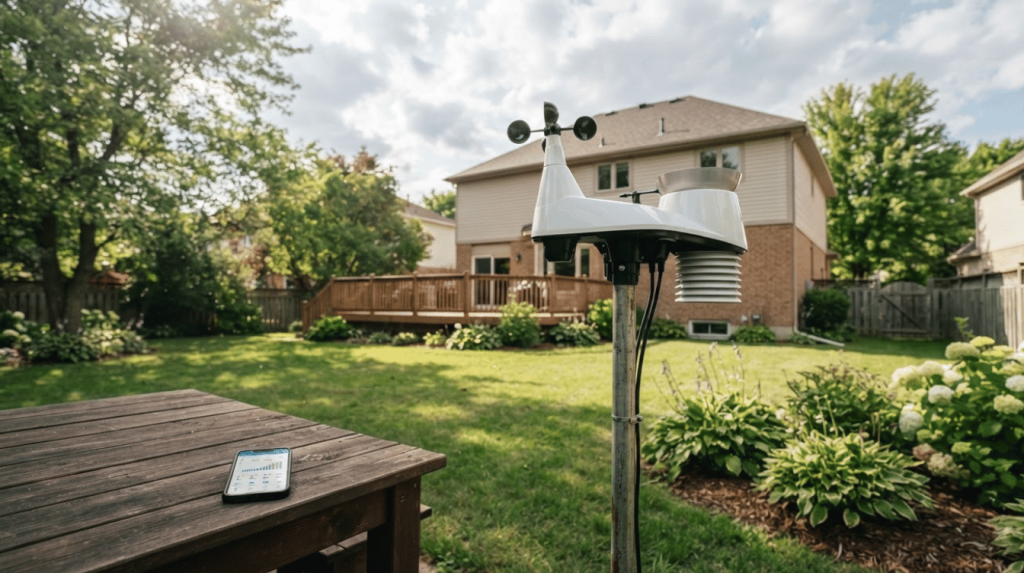
A sunny forecast does not always mean your yard is seeing the same conditions. That happens because most weather apps use a sensor that might sit ten miles from your house.
A personal weather station fixes this. It reports temperature, wind, rain, and pressure straight from your yard, updating as conditions change.
Weather stations differ in sensor quality, connectivity, durability, and cost. Understanding these differences helps you avoid buying a model that does not match your yard, climate, or the weather information you want to track.
Factors like installation space, app support, and long-term reliability also affect how useful a station will be for your home.
What a Home Weather Station Does
A home weather station is a set of outdoor sensors paired with an indoor display or app, designed to track conditions at your exact address rather than your whole region. Most models report:
-
Temperature, humidity, and wind speed at your property
-
Rainfall measured directly, not estimated from a distant gauge
-
Barometric pressure trends that hint at changing weather ahead
-
A live feed to your phone or a home console, updated every few seconds to a few minutes
The appeal is simple: gardeners time watering around real rainfall, homeowners get an early read on storms rolling in, and weather enthusiasts finally get data worth logging. That accuracy is also why this category has a loyal, vocal online owner base, which we’ll cover below.
How We Researched These Stations
Instead of relying on marketing copy alone, we cross-checked each station’s specs and current pricing directly against manufacturer listings, then weighed that against long-term owner reports pulled from forums and Reddit threads where people discuss units they have run for years, not weeks.
We also looked at how often specific complaints repeated across independent threads, since a single bad review says little, but the same complaint showing up across dozens of unrelated owners usually points to a real pattern worth flagging.
Pricing below reflects current 2026 listings and can shift with sales or bundle changes, so treat the ranges as a starting point rather than a fixed number, and always check the manufacturer’s page before you buy.
The Best Home Weather Stations for Every Need
Each of these four stations earned its spot for one reason. Real owners still recommend it months or years later, not just after the first week. That matters more than any launch-day review.
1. Ambient Weather WS-2902C
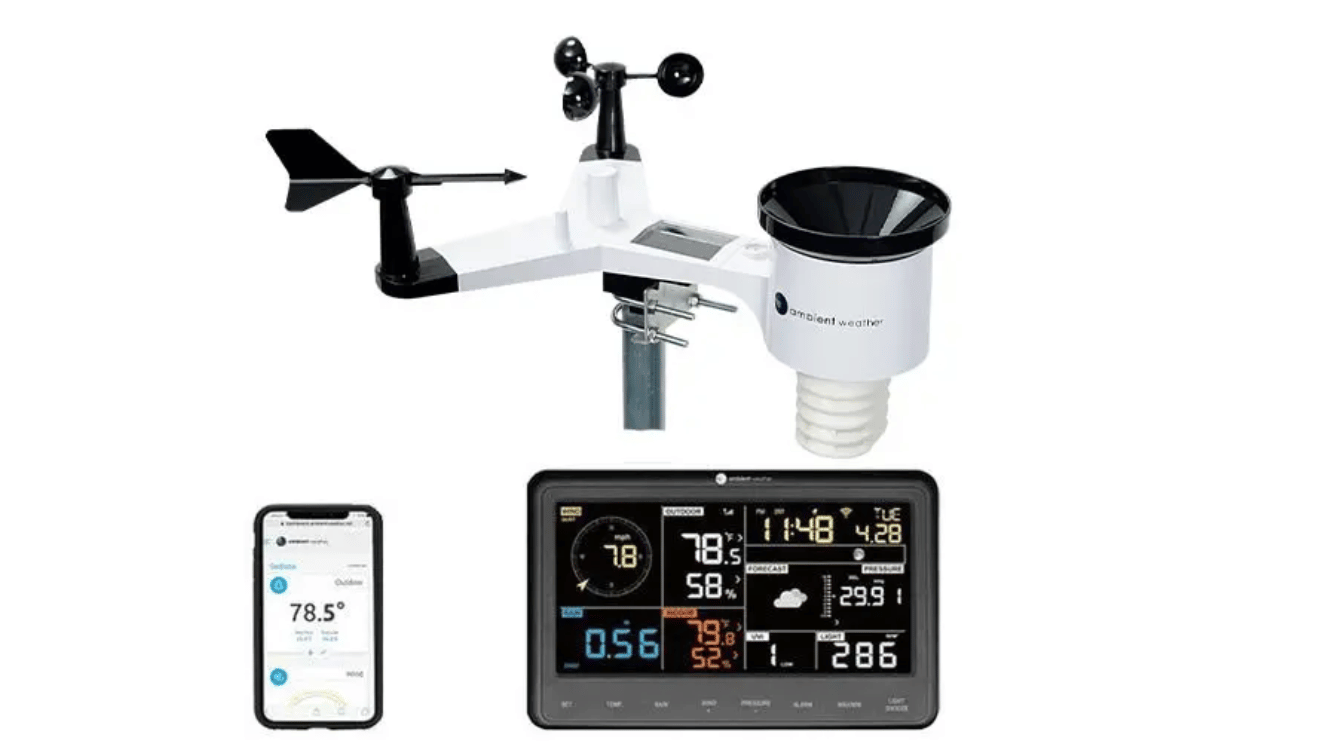
The WS-2902C is the station people say they would buy again without hesitation. Owners commonly report two or more years without a failed sensor.
Independent side-by-side testing against professional-grade equipment shows its readings track closely with pricier stations. The main friction point is the initial Wi-Fi setup, which takes more patience than it should, though it pairs easily with voice-controlled smart devices once connected.
-
Full sensor suite: temperature, humidity, wind, rain, and UV
-
Connects to Weather Underground, Alexa, and Google Assistant
-
Price runs $150 to $200, with street pricing typically landing near $189
2. WeatherFlow Tempest
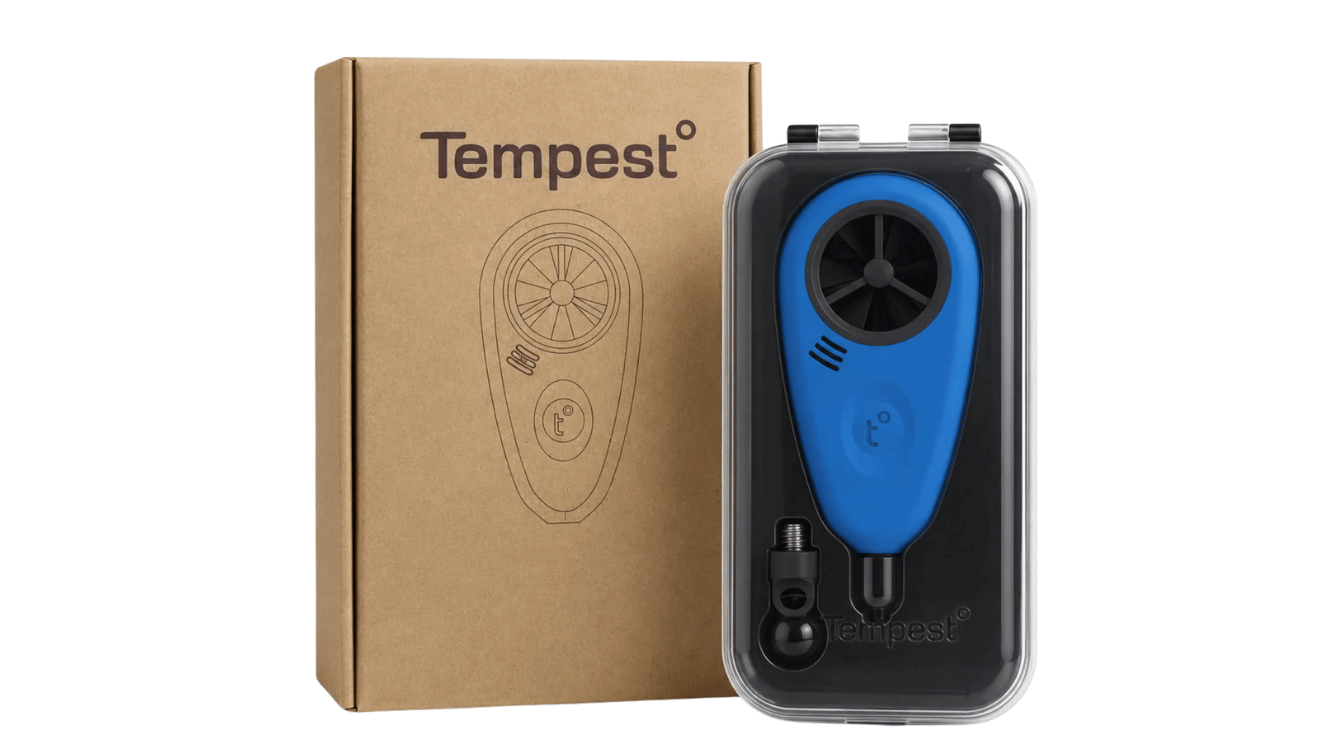
The Tempest replaces the usual spinning wind cups and tipping-bucket rain gauge with a solar-powered sensor with no moving parts to wear out.
Owners with open, unobstructed yards report steady, reliable readings, while a few in heavily wooded lots say their numbers drift from nearby stations, since sky visibility affects the sensor, though the station folds neatly into a smart home ecosystem once it’s set up.
-
Built-in lightning and UV detection; no indoor console required
-
Works through the WeatherFlow app and smart home platforms
-
Price runs $300 to $400; current retail sits at $349
3. Davis Vantage Vue
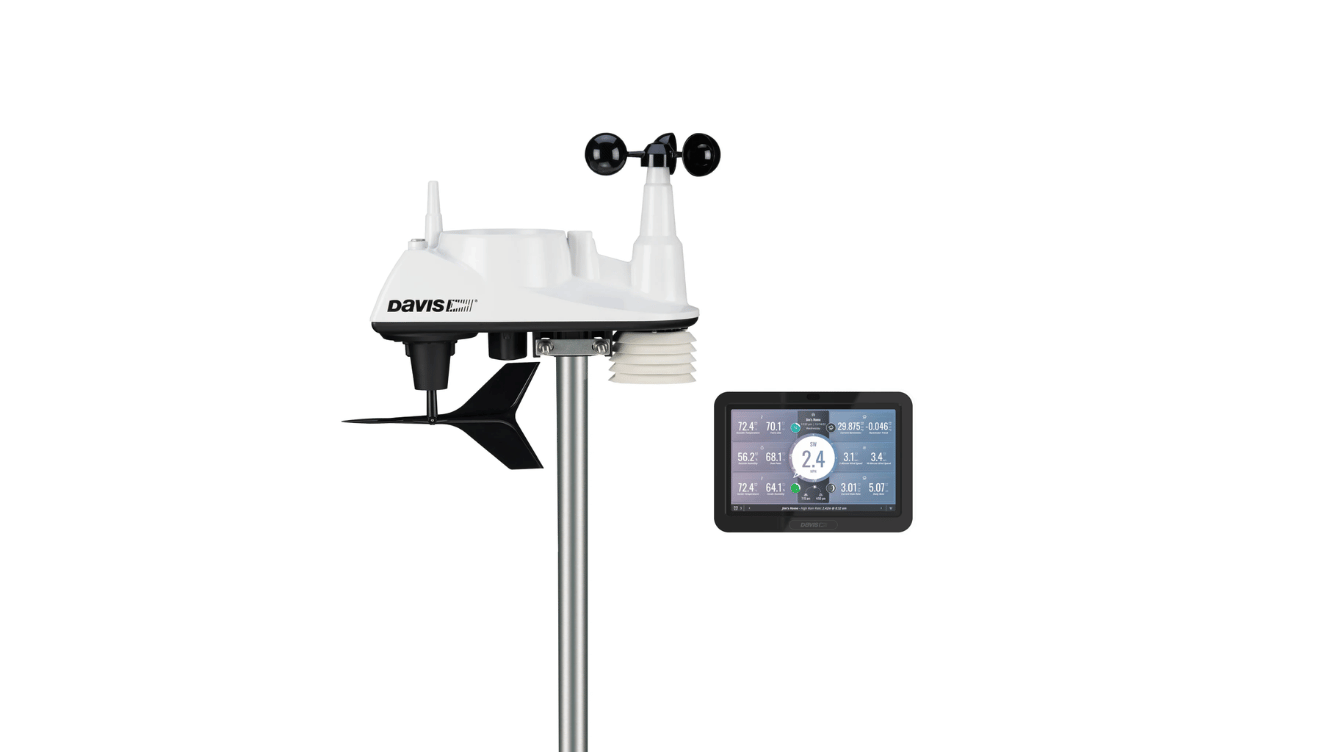
Davis built its reputation on stations that keep running long after cheaper ones have been replaced twice over. It is common to find owners on weather forums describing units still logging accurate data after ten, fifteen, even seventeen years outside, through hard freezes and storms, sometimes with nothing more than a battery swap.
-
Shares its core sensor accuracy with the pricier Vantage Pro2
-
Needs the WeatherLink console (sold separately or bundled) for full connectivity
-
Sensor suite only: $400 to $450; with console: $700 to $750
4. AcuRite Iris 5-in-1
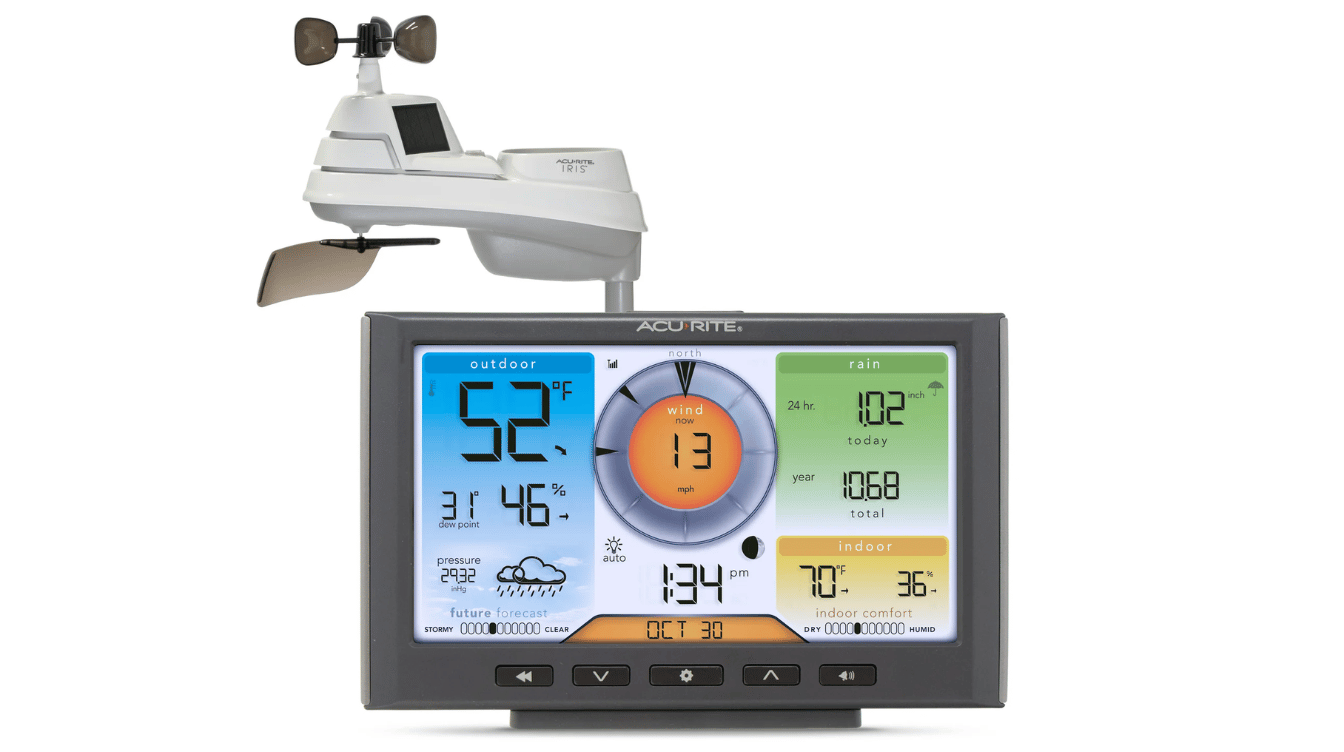
The Iris covers the basics through a solar-powered sensor that self-adjusts with minimal setup. It is a common first pick for people who just want reliable numbers without a learning curve, and the price reflects that.
Some owners in colder, snow-heavy climates report it struggling once temperatures drop hard, so it suits milder regions better than harsh winters.
-
Base kit skips Wi-Fi; a connected version costs more
-
Measures temperature, humidity, wind, and rain
-
Price runs $90 to $130
No single station wins on every count. Weigh price, climate limits, and how long you actually want the unit to last before picking the one that fits your yard.
Where to Place Your Station for Accurate Readings
Placement affects accuracy as much as the sensor itself, and it is the detail most buying guides skip. Federal siting standards outline placement rules for professional-grade instruments, and a few of those rules hold across every brand on this list:
-
Keep the rain gauge at least 4 to 6 feet above ground and away from anything that could deflect wind or splash-back
-
Mount the anemometer (wind sensor) in open air, away from roof turbulence, ideally at roof height or higher
-
Avoid placing any sensor directly under trees or close to a wall that radiates heat back onto the temperature sensor
-
Check the manufacturer’s stated wireless range before deciding how far the display or hub can sit from the outdoor sensor
Owners who complain about “inaccurate” readings online most often turn out to have a placement issue rather than a faulty unit, so this is worth getting right before assuming the station is at fault.
Home Weather Station vs Weather App
Here is how a phone forecast stacks up against a sensor sitting in your own yard.
|
Feature |
Weather App |
Home Weather Station |
|---|---|---|
|
Data source |
Regional airport or public sensor |
Your own property |
|
Rainfall reading |
Estimated for your area |
Measured directly at your home |
|
Wind reading |
Nearest public station, often miles away |
Your yard, in real time |
|
Historical data |
Limited or none |
Stored and exportable |
For quick daily plans, an app usually works fine on its own. For gardening, storm prep, or a yard with its own microclimate, a personal weather station shows what an app cannot.
What Reddit Users Say About Home Weather Stations
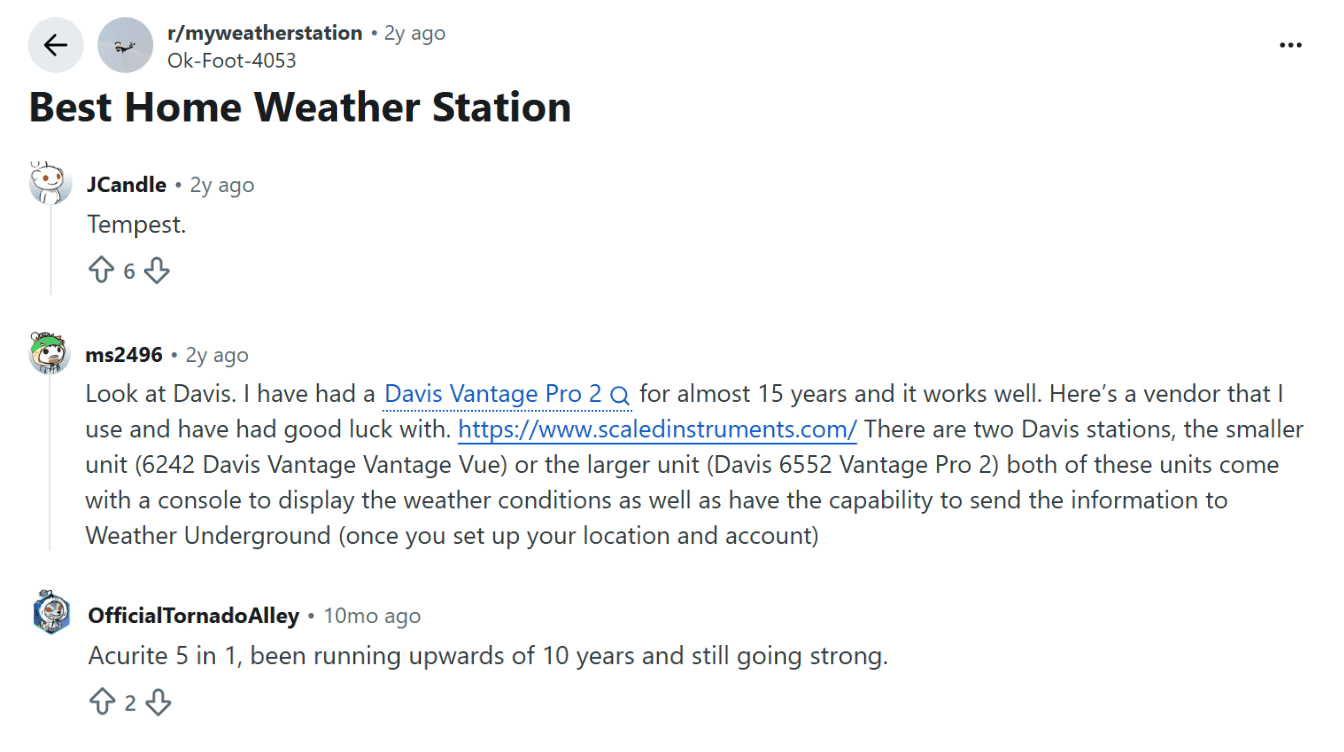
Weather station forums are full of blunt, unfiltered feedback, making them one of the most useful places to check before buying.In a Reddit discussion on r/myweatherstation, several users pointed to the Tempest for simple, low-maintenance tracking, while others favored the Davis Vantage Pro2 for its long-term reliability after years of daily use.
Similar threads on gear forums like TractorByNet echo that split: one long-time owner described running a Davis Vantage Pro2 for 17 years before sending it in for a factory overhaul, calling the turnaround quick and the cost reasonable for what amounted to a refreshed unit.
Another owner who switched from a spinning-cup AcuRite to a Tempest cited the tipping rain gauge needing regular cleaning as the deciding factor, since the Tempest has nothing that can jam or collect debris.
Across these discussions, three things come up again and again: durability over the first two years, how much the rain gauge needs cleaning, and whether Wi-Fi setup was painless or a headache. Those three factors matter more to long-term satisfaction than any single spec on a box.
Maintenance and Care Tips
A station that is easy to buy is not always easy to keep running well. A few habits extend the life of any model on this list:
-
Rinse tipping-bucket rain gauges every few months to clear pollen, dust, and insect debris that throws off readings
-
Check battery or solar charge before storm season, when you need the station working most
-
Wipe down solar panels on solar-powered units like the Tempest and Iris, since dust buildup reduces charging efficiency
-
Re-level the unit after major storms, since high winds can shift a pole-mounted sensor slightly off true
These are small five-minute checks, but skipping them is the most common reason a station’s readings drift over its first year.
What to Check Before You Buy
A few details matter more once a station has spent a full season outside than they do on the spec sheet at checkout.
-
Accuracy for temperature, humidity, and rain: look for plus or minus 0.5°C or better
-
Sensor range, and whether trees or buildings could block the signal
-
Power source: solar, batteries, or a wired connection
-
Whether the app shares data with Weather Underground or a similar network
Get these details right before you order. A station that reads well in reviews but does not fit your yard or climate will not perform the way its glowing ratings suggest.
Final Verdict
Picking the right personal weather station comes down to your yard, your climate, and your budget, not just the highest star rating on a listing page.
The WS-2902C remains the safest all-around pick for most homes, the Tempest suits households already tied into smart-home gear and anyone tired of cleaning a rain bucket, and the Vantage Vue rewards buyers who want a station built to outlast a decade of storms, as long as the console cost is factored in upfront.
The Iris keeps the entry cost low for first-time buyers in milder climates. Together, these four cover most budgets among the best home weather stations available right now, and the right pick is simply the one that matches your yard rather than the longest spec sheet.
Do you already own one of these, or a model we did not cover here? Share what has worked, or what has not, in the comments below.
Frequently Asked Questions
How Long Do Home Weather Station Sensors Typically Last?
Most outdoor sensors last three to seven years before parts like the rain gauge need replacing, depending on climate exposure. Solar-powered sensors with no moving parts tend to last longest since nothing mechanical wears down.
Can I Add More Sensors to My Home Weather Station Later?
Yes, on most modern systems. Ambient Weather and Tempest both support add-on sensors like extra temperature probes, soil moisture sensors, or leak detectors that pair with the same console or app, which is worth checking if you plan to expand later rather than buy a second unit.
Do Home Weather Stations Come With a Warranty?
Most stations come with a one- to two-year warranty on the sensor and display, and extending it costs extra. Warranty length varies a lot between budget and premium models, so check the manufacturer’s page before buying.
How Much Clearance Does a Home Weather Station Need from Buildings and Trees?
As a general rule, keep sensors at least 10 feet from the nearest wall or tree line to avoid heat radiation and wind blockage that can skew readings. Rooftop mounts often solve this in tighter yards where ground clearance is not an option.
Is Professional Installation Necessary for a Home Weather Station?
Most stations can be set up with basic tools, just a mounting pole and a few screws. You rarely need a professional unless the sensor is going somewhere that requires a tall ladder or roof access.