LG vs Samsung is the question that almost every TV buyer runs into right before hitting “buy.”
You’ve already done the research, picked your screen size, and narrowed things down, but this is the point where the decision suddenly feels harder than expected, because choosing between these two is not as straightforward as it seems.
This comparison has been around for years, but in 2025, things feel a bit different, since both brands have improved a lot while still focusing on very different viewing experiences.
This blog is based on hands-on testing across multiple living rooms and home setups, along with detailed spec comparisons and patterns from real user feedback, so it is not just surface-level information.
It covers picture quality, smart features, gaming performance, sound, and pricing, while also highlighting the situations where one brand clearly makes more sense than the other.
By the end, the choice should feel much clearer based on your room setup, how you watch content, and the budget you are working with.
Quick Brand Overview
LG built its TV reputation almost entirely on OLED technology, and that focus shows in how its TVs handle contrast and detail, especially in darker scenes where every pixel lights up on its own to create a more cinematic look.
Its OLED lineup, led by the C-series and G-series, has set a standard that many other brands still try to match.
Samsung takes a different path by focusing on QLED and its newer Neo QLED Mini LED technology, which is designed to deliver much higher brightness and better visibility in well-lit rooms.
Samsung also offers a third type of panel called QD-OLED, seen in models like the S95F series, which blends quantum dot color with OLED technology to push brightness higher than traditional OLED while still keeping strong contrast and color performance.
In simple terms, LG leans toward better contrast and more accurate colors, while Samsung pushes higher brightness, with its top Neo QLED models.
The main difference comes down to approach: LG is built for a more immersive experience in controlled lighting, while Samsung is built to stay clear and bright in almost any lighting condition. That single difference shapes how both brands perform across the board.
LG vs Samsung: Picture Quality Comparison
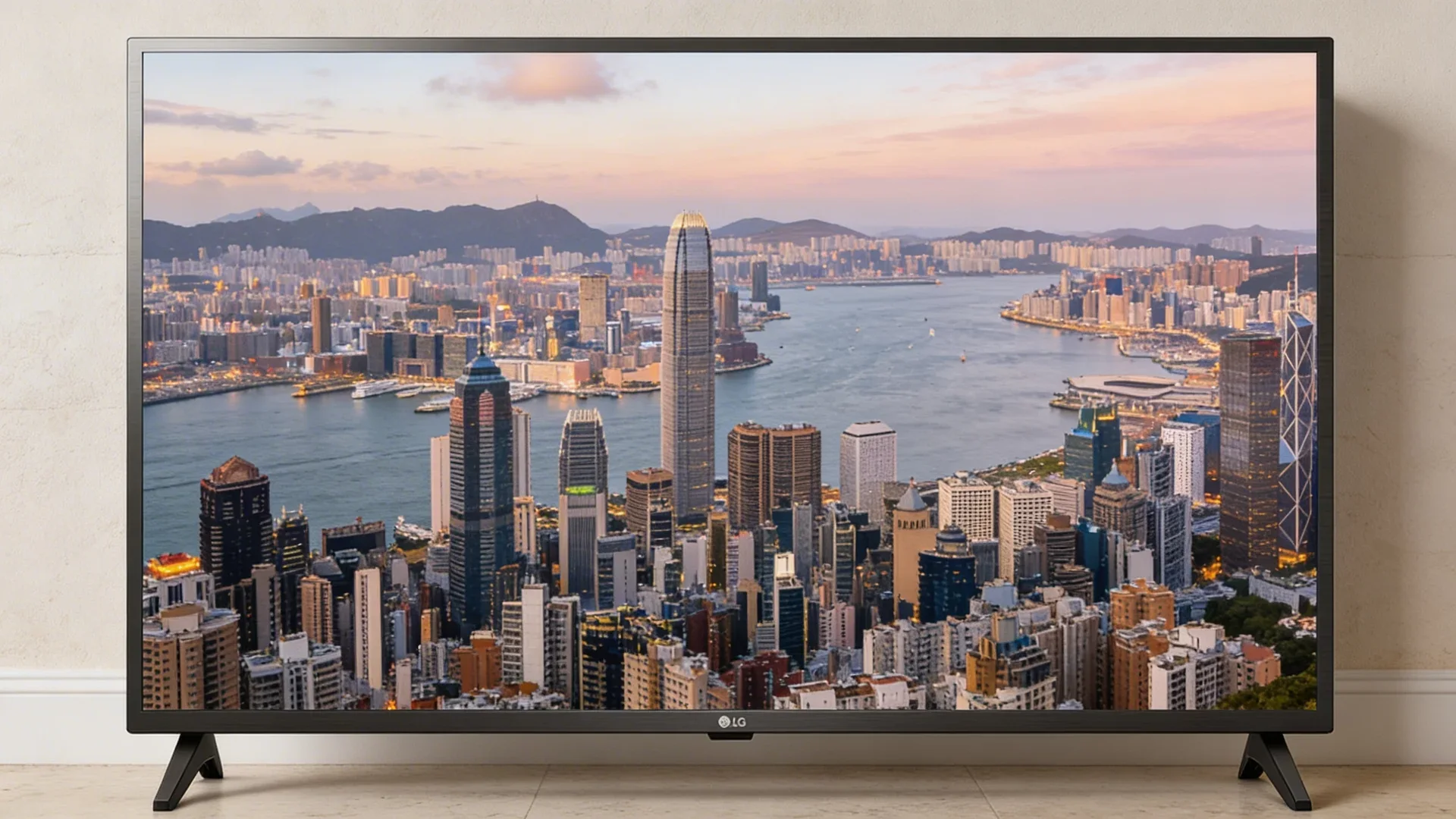
OLED panels on LG TVs allow each pixel to control its own light, and I have seen how that leads to perfect black levels and stronger contrast, especially in darker scenes where details look cleaner and more natural.
Samsung’s QLED and Neo QLED use a backlight, but they push much higher brightness, which I find works better in rooms with a lot of natural light.
In darker rooms, LG clearly delivers a more cinematic feel, with better shadow detail and smoother color transitions that stand out during movies.
In brighter spaces, Samsung’s Neo QLED performs better since it can reach around 2,000 to 4,000 nits, compared to LG OLED’s roughly 1,300 to 1,500 nits, even with newer brightness improvements.
If you want to go deeper on exactly how these two panel types work and where each pulls ahead, this QLED vs OLED breakdown covers the pros and cons of each technology in detail.
LG also supports Dolby Vision along with HDR10 and HLG, which gives it an advantage on platforms like Netflix and Apple TV+, while Samsung sticks with HDR10+, and I feel that difference matters for streaming.
Viewing angles are another strong point for LG, since its OLED panels hold contrast better from the sides, which helps when multiple people are watching from different positions.
Samsung vs LG: Design and Build Quality
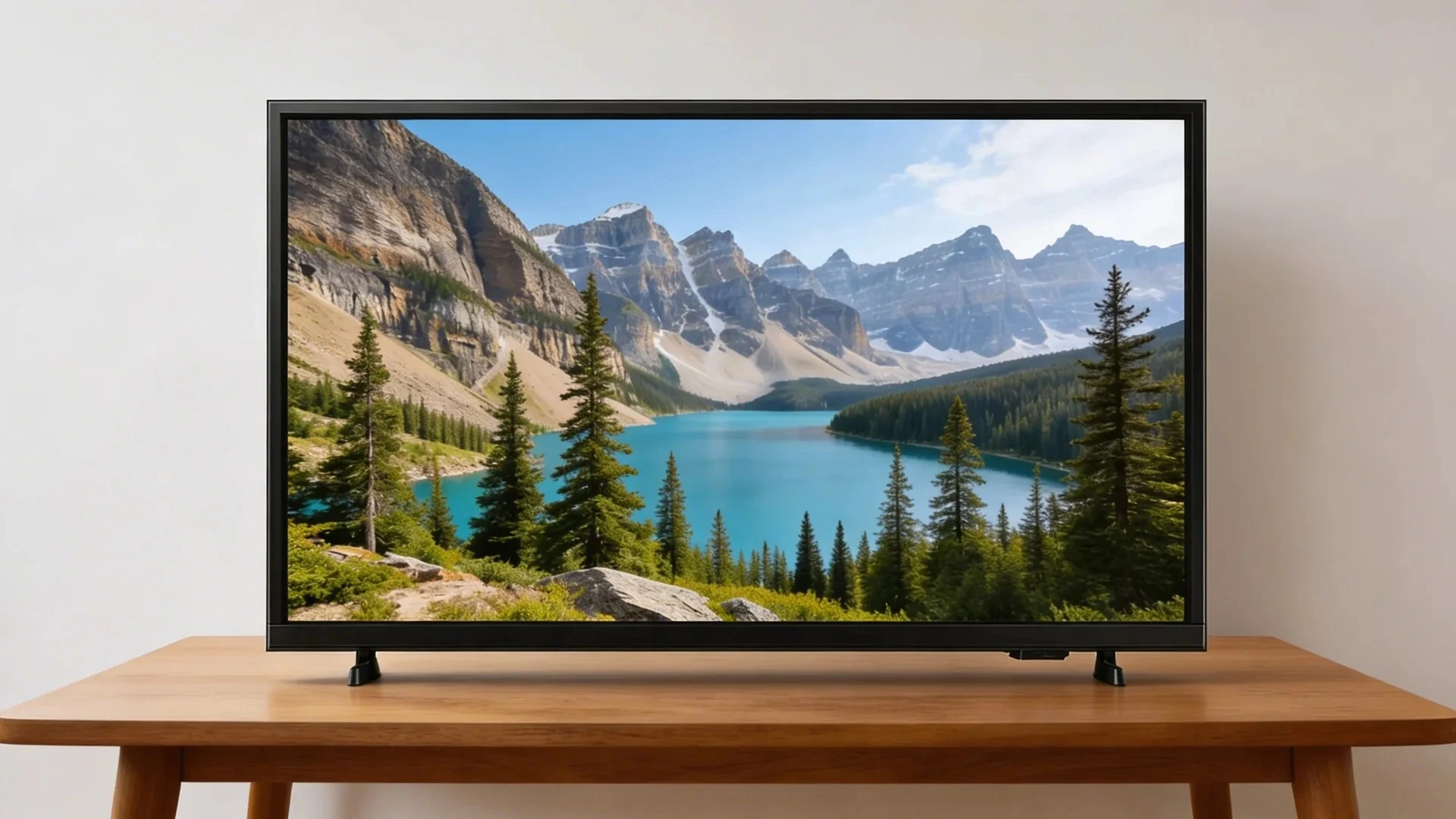
Both brands now focus heavily on slim and modern designs, but I have noticed that LG has a natural advantage here.
As their OLED panels do not require a backlight, this allows models like the G-series to sit almost flush against the wall, with a very thin, clean profile that feels more premium in a real home setup.
Samsung takes a different direction by blending design with decor, offering models like The Frame and Serif that are meant to look like part of the room rather than just a screen, which makes more sense if aesthetics matter just as much as performance.
Stand designs also differ in approach, since LG usually offers a central pedestal or wider stands for better balance.
Samsung leans toward slimmer blade-style stands that take up less visual space, which I find looks cleaner but may feel less sturdy to some users.
When it comes to remotes, both brands now use minimal solar-charging designs, but I feel usability has taken a step back.
The reduced buttons and flatter layout make navigation harder by feel, especially in dark rooms where users rely more on touch than sight.
LG vs Samsung: Smart Features and OS
LG uses webOS, which feels clean and easy to navigate without much effort, since apps are arranged clearly and the interface does not feel crowded even after installing multiple services.
It also loads quickly, so switching between apps, inputs, or settings feels smooth in everyday use.
One feature that stands out is the Magic Remote, which lets you point and move across the screen like a mouse, and I have found it genuinely useful once you get comfortable with it.
Samsung runs Tizen OS, which has been refined over many years and is now used across a huge number of TVs, so it feels stable and consistent in real-world use.
It works especially well if you already use Samsung products, since it connects seamlessly with Galaxy phones and SmartThings devices, making the TV feel more integrated into your setup.
Both platforms support Alexa, Google Assistant, and their own voice controls, and app support is quite similar across the board.
Tizen has a slight edge in smart home integration, while webOS feels simpler and less distracting to use on a daily basis.
LG vs Samsung: Gaming Performance
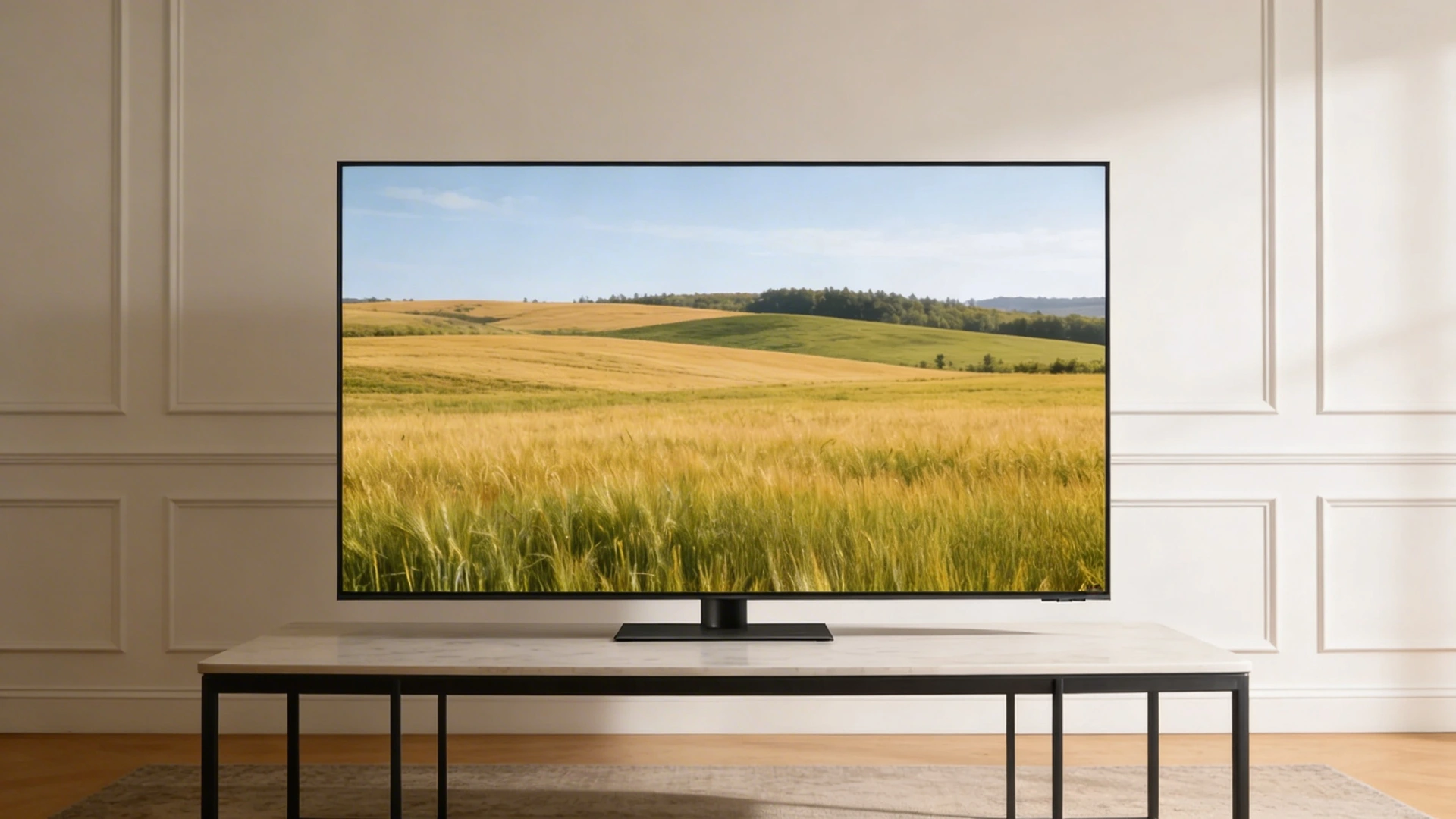
Both brands have stepped up in gaming performance, and the difference is now more about preference than capability.
LG’s OLED models, especially the C5 and G5 series, deliver extremely low input lag, going as low as 1ms in game mode, which makes gameplay feel very responsive and smooth.
Both LG and Samsung support HDMI 2.1 on their premium models, allowing 4K at 120 fps, along with features like VRR, FreeSync Premium, and G-Sync, so console and PC gamers are well covered on either side.
Samsung does push higher refresh rates on some Neo QLED models, going up to 144Hz and even 240Hz, which can matter for competitive PC gaming where higher frame rates give a slight edge.
In darker rooms and story-driven games, LG’s OLED panels create a more immersive experience thanks to better contrast and deeper blacks.
Samsung works better in brighter setups, where higher brightness helps highlights stand out more clearly.
LG also supports Dolby Vision Gaming, which can improve HDR in supported titles, while Samsung does not offer this feature.
One thing to keep in mind is that OLED panels can develop burn-in over time with static elements like HUDs, so using built-in protection features is important for long gaming sessions.
LG vs Samsung: Sound Quality
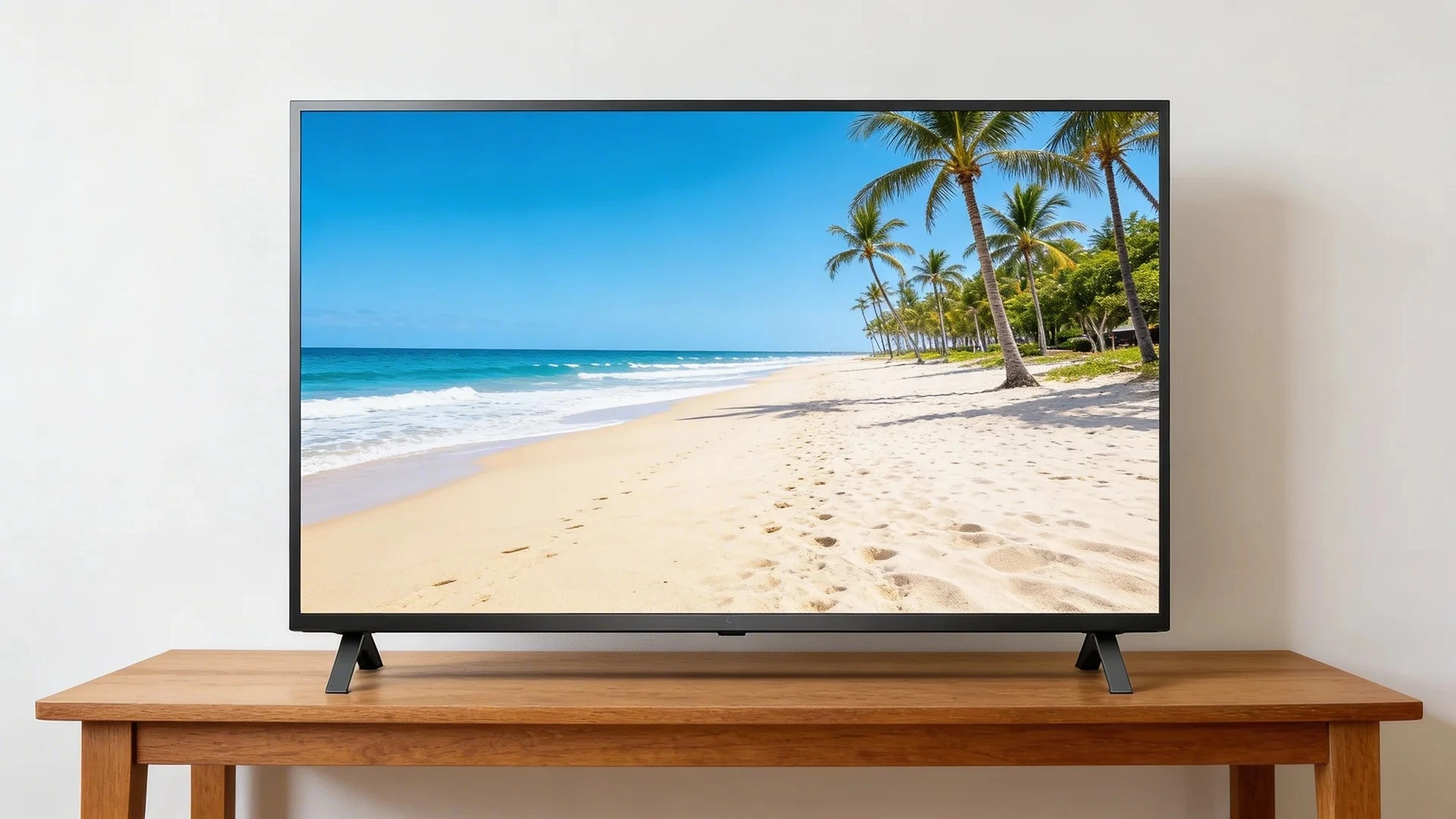
Neither LG nor Samsung stands out much when it comes to built-in audio, and I will be honest here, both feel quite average for the price you pay.
Most mid-range models from both brands come with 20 to 40W speaker systems, which handle dialogue fine for daily use, but they start to feel flat during action scenes or bass-heavy content.
LG includes Dolby Atmos support across most of its 2025 lineup, and its AI Sound Pro feature does a decent job of improving basic audio, especially when watching regular TV or streaming content.
Samsung takes a different approach with its Object Tracking Sound system, which tries to align audio with what is happening on screen, though I have noticed that the effect is not always very clear on built-in speakers.
From what I have seen, the bigger upgrade comes from adding a soundbar rather than choosing between these two.
Both brands connect smoothly with their own soundbars, and that setup makes a much more noticeable difference in overall sound quality.
LG vs Samsung: Pricing and Value for Money
At the entry level, both brands offer solid TVs in the budget range, but from what I have seen, Samsung usually has a slight edge with better brightness and contrast, while LG focuses more on wider viewing angles and more natural-looking colors.
In the mid-range segment, LG starts to stand out with its OLED C-series, which delivers a level of picture quality that used to cost much more just a few years ago.
Samsung competes well here with its Neo QLED models, offering higher brightness and strong HDR performance, especially in brighter rooms.
At the premium end, both brands go in different directions. LG focuses on OLED models built for cinematic viewing and clean wall-mounted setups.
On the other hand, Samsung pushes higher brightness and more advanced display tech for those who want top-end specs.
When it comes to long-term value, I would lean slightly toward LG for its consistent software support and generally lower power consumption, while Samsung’s brighter models can consume more electricity over time.
One smart move I often suggest is looking at last year’s flagship models, since they usually offer very similar performance at a much better price.
LG vs Samsung: Real User Opinions and Experiences
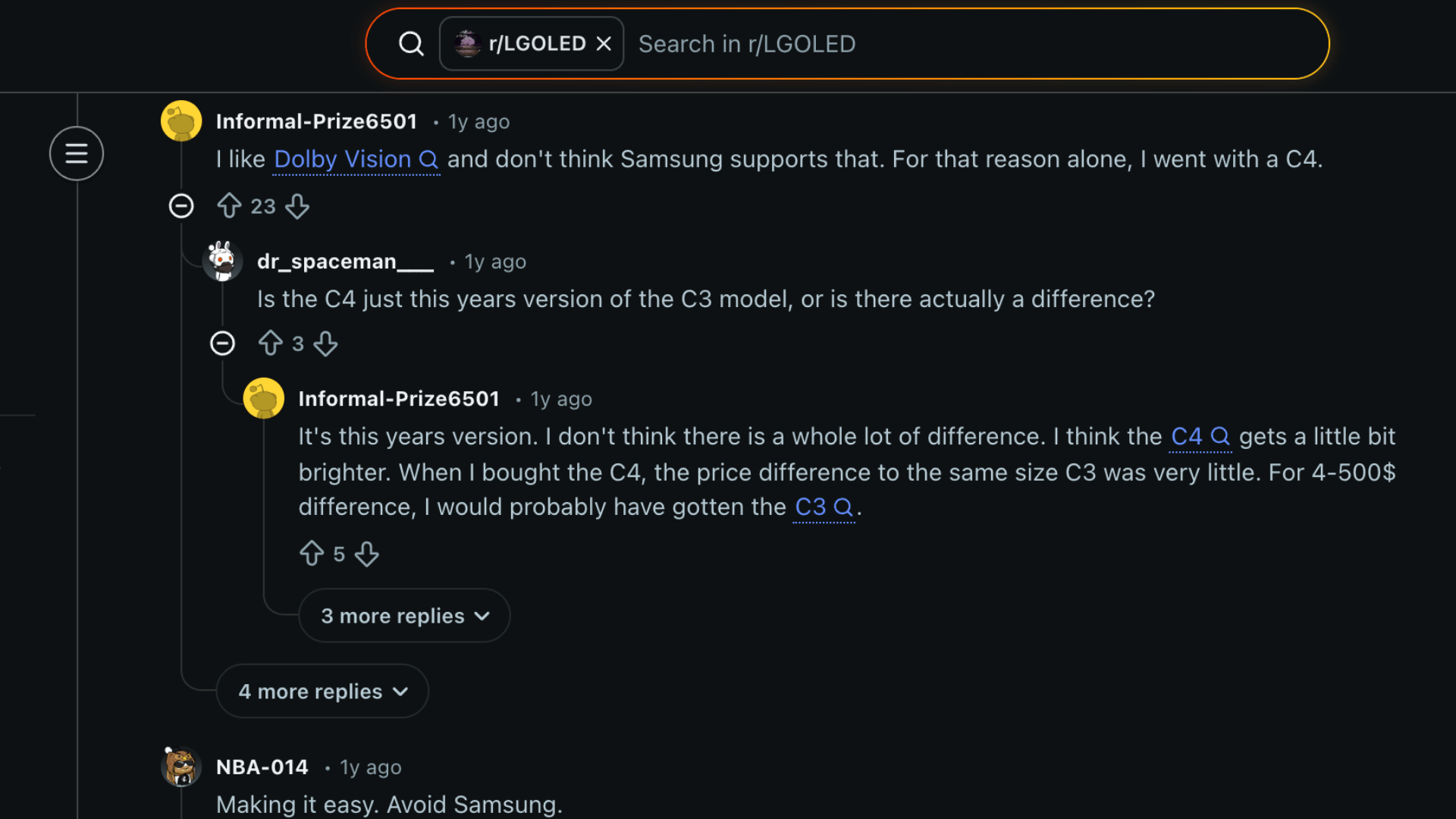
Reddit users often highlight how personal preference plays a big role in the LG vs Samsung choice, especially based on usage and room setup.
Many users prefer LG for Dolby Vision support, which Samsung does not offer, making LG TVs a better fit for streaming and movies.
Some users who own both LG and Samsung models say Samsung performs better in very bright rooms and stands out in gaming with smoother and faster performance.
At the same time, LG is often chosen for more natural-looking content, especially when watching people or regular shows, where colors feel more balanced.
Some users also mention that Samsung TVs can feel too bright or slightly oversaturated in certain cases.
There are also users who feel both brands are equally good in daily use, with no major complaints. One added advantage with Samsung is better integration with Galaxy phones, making screen sharing simple and smooth.
LG vs Samsung: Key Differences at a Glance
This quick comparison highlights the core differences in display tech, performance, and real-world usage, helping you understand where each brand stands without going too deep.
| Feature | LG | Samsung |
|---|---|---|
| Display Technology | OLED / OLED Evo (self-emissive) | QLED / Neo QLED / QD-OLED |
| Black Levels and Contrast | Perfect blacks, infinite contrast | Good contrast, not pixel-level |
| Peak Brightness | Up to ~1,500 nits (MLA OLED) | Up to ~4,000 nits (Neo QLED flagship) |
| HDR Format Support | Dolby Vision, HDR10, HLG | HDR10+, HLG (no Dolby Vision on most) |
| Smart OS | webOS (intuitive, less cluttered) | Tizen (better ecosystem integration) |
| Gaming Edge | Dolby Vision Gaming, 1ms input lag | Higher brightness plus up to 240Hz on select models |
| Refresh Rate Max | 120Hz standard; 144Hz on select OLEDs | 144Hz to 240Hz on select Neo QLED and monitors |
| AI Processor | Alpha 9 AI Gen 7 (scene analysis, upscaling) | Neural Quantum Processor (20+ neural networks) |
| Power Efficiency | Lower draw (self-emissive pixels) | 30 to 50% higher draw at peak brightness (Neo QLED) |
Which One Should You Pick?
This comes down to how and where you watch content, since both brands perform well but clearly suit different viewing habits and room conditions.
- Best for movies and dark rooms: LG OLED TVs work better here because of deeper blacks, better contrast, and a more cinematic feel in low-light environments.
- Best for bright rooms and sports: Samsung TVs handle bright spaces better with higher brightness, making fast action and daytime viewing clearer and easier to watch.
- Best for gaming: Both perform well, but LG suits immersive games in darker setups, while Samsung fits competitive gaming with higher brightness and refresh rate options.
- Best for budget buyers: Samsung usually offers better value in lower price ranges with brighter panels, while LG focuses more on balanced color and viewing angles.
- Best overall balance: LG feels more well-rounded for mixed usage, while Samsung stands out if brightness and room lighting are the main concerns.
Conclusion
After testing both brands across different setups, from dark home theater rooms to bright living spaces, the takeaway is simple: neither one is universally better, and the LG vs Samsung choice really depends on how and where the TV will be used.
One thing that often gets ignored is long-term cost, since factors like power usage, added sound setup, and overall lifespan can change the value over time.
In many cases, LG OLED models can turn out to be more economical in the long run.
Both brands offer strong performance, reliable software, and good options across different price ranges, so the real mistake is choosing without thinking about your actual setup and usage.
So, it really comes down to what matters more in your space, better contrast or higher brightness, because that decision will shape your overall experience.
Drop your choice in the comments and share your setup; it could help someone else make a better decision.
Frequently Asked Questions
How Long Do LG and Samsung TVs Typically Last?
Both brands usually last 5 to 7 years with regular use, though usage habits and settings can impact overall lifespan.
Do LG or Samsung TVs Require Special Maintenance?
No special maintenance is needed, but keeping software updated and using screen protection features helps maintain performance over time.
Which Brand Has Better Customer Support and Service?
Both offer solid support, but service quality can vary by region, so local service availability matters more than the brand itself.
Are LG and Samsung TVs Good for Wall Mounting?
Yes, both brands support wall mounting, but LG OLED models are thinner and sit closer to the wall for a cleaner look.
Do LG and Samsung TVs Get Regular Software Updates?
Yes, both brands provide software updates, but LG is often seen as more consistent with updates across multiple model years.
Which Brand Has Better Picture Processing Technology in 2025?
Both brands use capable AI processors in their 2025 flagships.
LG’s Alpha 9 AI Gen 7 focuses on real-time scene analysis, shadow detail, and noise reduction, while Samsung’s Neural Quantum Processor relies on over 20 neural networks to sharpen textures, boost color depth, and handle upscaling.
For most viewers, the difference is subtle in everyday use, but Samsung holds a slight lead in upscaling lower-resolution content on higher-end models, while LG’s processor performs more consistently across dark and mid-tone scenes where shadow accuracy matters most.