Choosing a watch seems easy until the movement type becomes part of the decision. Many people start looking at styles, brands, and prices, but soon notice that watches usually fall into two main categories.
These are quartz and automatic movements, and each one works in a very different way. That is where the quartz vs automatic watch comparison often begins.
Both types are widely used across many brands and price ranges, yet their internal systems are built on completely different ideas.
One depends on a battery and electronic regulation, while the other relies on a mechanical system powered by wrist movement.
Because of these differences, buyers often want a clear comparison before choosing a watch.
This guide explains how each movement works, its advantages and downsides, how they differ in terms of accuracy and maintenance, and what watch enthusiasts typically think when comparing the two.
What is a Quartz Watch?
A quartz watch uses a battery-powered movement to keep time. Inside the watch, a small battery powers a quartz crystal.
This crystal vibrates at a steady frequency when the current passes through it. The movement counts these vibrations and converts them into regular ticks that move the watch hands.
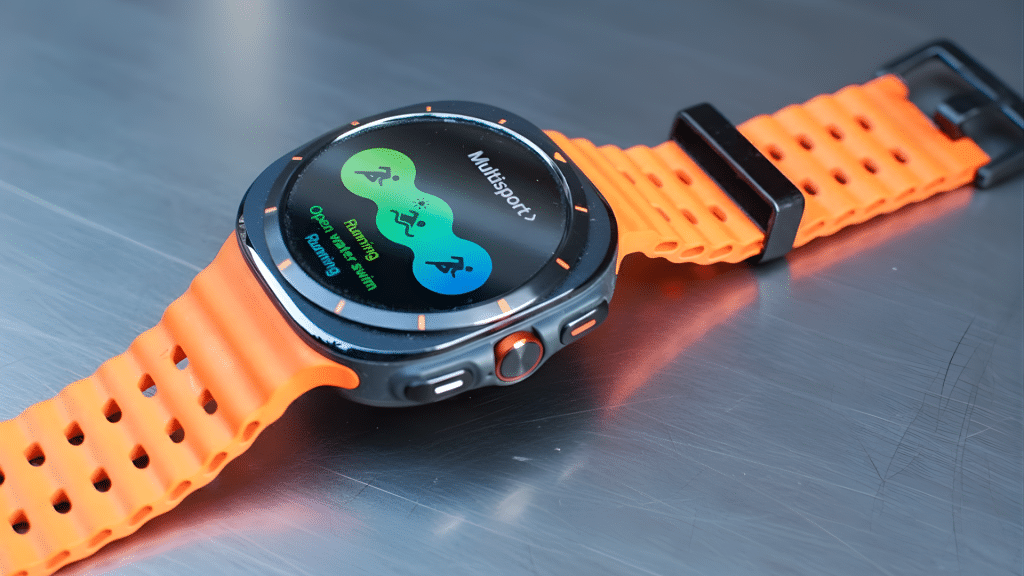
This system allows the watch to maintain a very consistent time. Quartz watches, like the Casio G-Shock 2100 Series, became widely popular during the quartz revolution in the late twentieth century.
Brands started producing watches that were more accurate and easier to maintain than many traditional mechanical models.
Because of this shift, quartz watches quickly became common around the world.
Many people prefer quartz watches for their simplicity and reliability. They are often chosen by users who want accurate timekeeping, low maintenance, and an affordable everyday watch.
What is an Automatic Watch?
An automatic watch uses a mechanical movement that runs without a battery. Inside the watch, a series of gears, springs, and a balance wheel work together to keep time.
The main source of power is a tightly wound mainspring, which slowly releases energy to move the hands of the watch.
The watch stays powered through a small rotating weight called a rotor.
As the wrist moves during the day, the rotor spins and winds the mainspring automatically. This motion keeps the movement running as long as the watch is worn regularly.
Automatic watches are closely tied to traditional mechanical watchmaking. Many watch enthusiasts appreciate the craftsmanship, engineering, and long history behind these movements, such as the Seiko 5 Sports series.
They are often preferred by collectors and people who enjoy the mechanical side of watches rather than purely practical timekeeping.
Quartz vs Automatic Watch: Key Differences
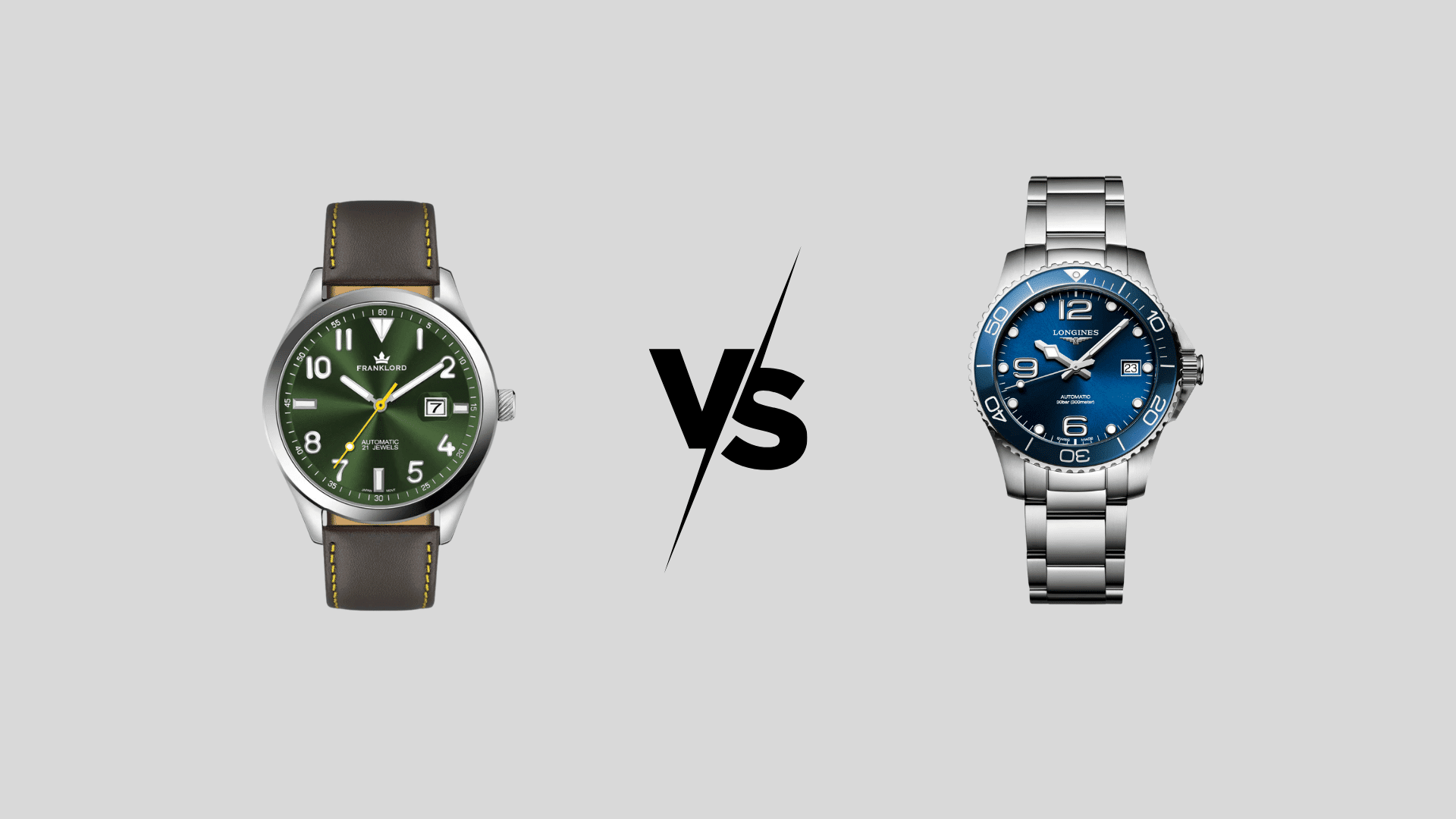
Both movements keep time, but they work in very different ways. Looking at a few key areas makes it easier to see how they compare in daily use.
1. Accuracy
Quartz watches are known for their strong time accuracy. The quartz crystal vibrates at a steady rate when electricity passes through it, which helps the watch keep very precise time.
Most quartz watches only gain or lose a few seconds over an entire month. Automatic watches are mechanical, so their accuracy can vary slightly.
Many models gain or lose a few seconds each day depending on the movement quality and how the watch is worn. This small variation is normal for mechanical watches.
2. Power Source
Quartz watches rely on a small battery to power the movement. The battery sends electricity through the quartz crystal, which controls the ticking of the watch.
Most batteries last between 1 and 3 years before needing replacement.Automatic watches do not use batteries. Instead, they are powered by wrist motion during daily wear.
Inside the case, a rotor rotates as the wrist moves, which winds the mainspring. This stored energy keeps the movement running.
3. Maintenance
Quartz watches require very little maintenance. The main task is replacing the battery when it runs out.
Aside from occasional battery changes and basic care, most quartz watches continue working for long periods without servicing. Automatic watches need more attention over time.
Since they use mechanical parts that constantly move, the movement may require servicing every few years.
During service, watchmakers clean, oil, and adjust the internal components to keep the watch running properly.
4. Durability and Daily Use
Quartz watches are often chosen for daily reliability.
Their electronic movement has fewer delicate mechanical parts, which can make them more resistant to everyday shocks and movement.
Many people use quartz watches as simple, dependable timepieces. Automatic watches can also be used daily, but their mechanical systems can be more sensitive.
Strong shocks, magnetic fields, or irregular wear may affect how the watch performs. Because of this, some owners handle them with a bit more care.
5. Price Range
Quartz watches are usually more affordable across most brands. The movement is simpler to produce, which helps keep manufacturing costs lower.
This allows brands to offer quartz watches at a range of prices, including very budget-friendly options.
Automatic watches, on the other hand, often cost more because of their mechanical construction.
The movement contains many small components that require careful assembly. This level of craftsmanship and traditional watchmaking tends to increase the overall price.
Quartz vs Automatic Watch: What Enthusiasts Often Say

Many Reddit watch fans share interesting views when discussing quartz vs automatic watches. Some say quartz is better in clear, measurable ways.
It is more accurate, practical, and easier to maintain. Even people who enjoy mechanical watches often admit they would still wear quartz if they like the design.
Others describe the comparison using a simple idea. A mechanical watch is like a hand-painted picture. It has character, warmth, and visible craftsmanship.
Quartz, on the other hand, is like a high-resolution photo. It is precise and technically better at showing time.
Because of this, the debate often comes down to preference. Quartz offers practicality and accuracy, while automatic watches attract people who enjoy mechanical engineering, tradition, and the pride of owning a finely assembled movement.
Pros and Cons of Quartz Watches
Quartz watches are widely used because they offer accuracy and convenience. At the same time, they have certain limitations that some watch enthusiasts often point out.
| Pros | Cons |
|---|---|
| Quartz watches usually keep time within a few seconds per month. | The watch stops when the battery runs out and needs to be replaced. |
| Most quartz watches are affordable because their movements the simpler to produce. | Many collectors prefer mechanical movements for their craftsmanship. |
| Aside from battery replacement, they rarely need servicing. | Quartz movements are often seen as less connected to classic watchmaking. |
| Reliable timekeeping makes them suitable for daily wear. | The one-second tick is sometimes seen as less smooth than mechanical movement. |
| Many quartz watches are thinner and easier to wear all day. | Some users believe quartz watches are easier to replace than repair. |
Pros and Cons of Automatic Watches
Automatic watches attract many buyers because of their mechanical design and heritage. At the same time, they come with a few practical limitations compared with quartz watches.
Pros
- Mechanical craftsmanship: Automatic movements contain many small parts assembled with careful watchmaking skill.
- No battery required: The watch runs on wrist motion, which automatically winds the mainspring.
- Strong appeal among enthusiasts: Many collectors appreciate the engineering and history behind automatic movements.
- Smooth second-hand movement: Many automatic watches show a sweeping motion that feels more refined.
- Long-term ownership value: Well-maintained automatic watches can last for decades and may even become collectible pieces.
Cons
- Less accurate than quartz: Automatic watches can gain or lose a few seconds each day.
- Requires servicing: Mechanical parts need cleaning and lubrication after a few years of use.
- Usually more expensive: Mechanical construction often increases the overall price of the watch.
- Sensitive to shocks and magnets: Strong impacts or magnetic exposure can affect performance.
- Needs regular wear or winding: If left unused for long periods, the watch may stop running.
Which Watch Should You Choose?
Choosing between the two usually depends on how the watch will be used and what matters more in daily life.
Quartz watches often make more sense for people who want accuracy, low maintenance, and a simple watch for everyday use.
They work well for busy routines where convenience is important, and the watch is expected to keep time with minimal attention.
Automatic watches are often preferred by people who enjoy the mechanical side of watchmaking.
Many enthusiasts like the idea of a movement powered by wrist motion and appreciate the craftsmanship inside the watch. Lifestyle also plays a big role in the decision.
Quartz watches suit users who want practicality and reliability, while automatic watches appeal to those who value tradition, collecting, and the experience of wearing a mechanical timepiece.
Conclusion
Choosing a watch often comes down to understanding how the movement fits personal needs.
Quartz and automatic watches may look similar from the outside, but the way they work and the experience they offer can be very different.
When people compare a quartz vs automatic watch, the decision usually depends on what matters most. Quartz watches stand out for their accuracy, low maintenance, and affordable pricing.
Automatic watches attract people who enjoy mechanical watchmaking, traditional design, and the idea of a movement powered by wrist motion.
Both types have their place in modern watch collections. The right choice often depends on lifestyle, budget, and personal interest in watches.
Which type do you prefer and why? Share your thoughts in the comments below.