If you’ve been hunting for a smartwatch that doesn’t force you to choose between fitness depth and everyday wearability, the Garmin Venu 3 is likely already on your radar.
After 6 weeks of daily use across runs, gym sessions, and regular workdays, one thing becomes clear: this watch earns its place.
The Garmin Venu 3 delivers accurate health tracking, a battery that outlasts almost every competitor in this price range, and a design comfortable enough for all-day wear without looking out of place at a desk or dinner table.
It sits in a really balanced spot, offering detailed health tracking, a design that fits into daily life without feeling bulky, and battery life that outperforms most watches in this price range.
This Garmin Venu 3 review covers how the watch actually feels in daily use, including design, GPS accuracy, sleep tracking, and whether the $449 price makes sense for your lifestyle.
It also touches on things that often get missed, like what it feels like to switch from an Apple Watch and how long it takes for the sleep data to become consistent and reliable.
Garmin Venu 3: Overview
The Garmin Venu 3 is a well-rounded health and fitness smartwatch that excels at sleep tracking, recovery monitoring, and long battery life.
It suits fitness-minded users and health-conscious wearers more than casual smartwatch shoppers.
At $449.99, it competes directly with the Apple Watch Series 9 and Samsung Galaxy Watch 6, but pulls ahead in battery endurance and depth of health data.
The Garmin Venu 3 is Garmin’s top lifestyle smartwatch, made for people who want detailed health tracking without wearing something that feels too rugged or out of place in daily life.
It is designed to balance fitness and everyday use in a way that feels natural.
This watch targets three main user types. First, people who are serious about fitness and want accurate workout and recovery data.
Second, those who focus more on health metrics like sleep, stress, and heart health. Third, everyday smartwatch users who want features like notifications, calls, and apps right on their wrist.
Some of the key highlights stand out right away. It comes with a bright 1.4-inch AMOLED display that looks sharp in most lighting conditions.
The battery can last up to 14 days, which is far ahead of many competitors. There are more than 30 sport modes, along with advanced sleep tracking that includes a Sleep Coach, HRV monitoring, Body Battery energy tracking, and SpO2 tracking.
It also added a few new features at launch that were not seen in earlier models, such as nap detection, a Morning Report, an Evening Summary, and post-workout Perceived Exertion ratings.
The Garmin Venu 3 also introduced power meter support and wheelchair-specific activity tracking, two additions that push its appeal well beyond a typical lifestyle smartwatch.
These updates make it feel like a bigger step forward than the specs alone might suggest, compared to the Venu 2 Plus.
Garmin Venu 3 Key Specifications at a Glance
| Spec | Garmin Venu 3 | Garmin Venu 3S |
|---|---|---|
| Case Size | 45mm | 41mm |
| Display | 1.4-inch AMOLED, 454×454px | 1.2-inch AMOLED, 390×390px |
| Battery (Smartwatch Mode) | Up to 14 days | Up to 10 days |
| Battery (GPS Mode) | Up to 26 hours | Up to 21 hours |
| Water Resistance | 5 ATM | 5 ATM |
| Heart Rate Sensor | Garmin Elevate Gen 5 | Garmin Elevate Gen 5 |
| GPS | GPS, GLONASS, Galileo | GPS, GLONASS, Galileo |
| Sport Modes | 30+ | 30+ |
| ECG | Yes (via Garmin ECG app, post-launch firmware) | Yes (via Garmin ECG app) |
| Retail Price | $449.99 | $449.99 |
Garmin Venu 3: Design and Build Quality
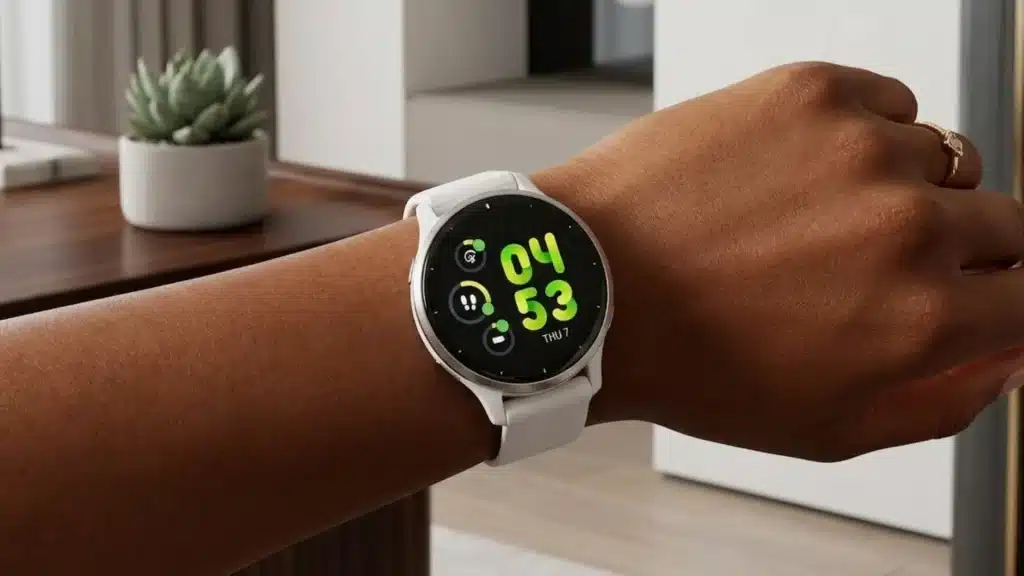
The Garmin Venu 3 features a 45mm case and a stainless steel bezel, giving it a premium feel without being too heavy for daily use.
It also uses Corning Gorilla Glass 3 for protection, so it can withstand regular wear and tear without much worry. With a 5 ATM water-resistance rating, it works well for swimming, intense workouts, and even unexpected rain.
The 1.4-inch AMOLED display has a 454 x 454 resolution and stays clear even under direct sunlight. That makes a real difference when checking stats like pace or heart rate during outdoor runs.
The silicone strap feels comfortable for long hours and does not cause irritation during sweaty sessions, making it ideal for both workouts and daily wear.
One thing I noticed during my testing period: the touchscreen handles daily interactions well, but becomes noticeably less responsive mid-workout when your hands are wet or sweaty.
I accidentally ended a session early during two high-intensity intervals. It’s worth knowing upfront, especially if your workouts involve a lot of hand contact or water.
For smaller wrists, the 41mm Venu 3S is also available and features a slightly smaller 1.2-inch display.
The Venu 3S is also priced identically at $449.99 and is a genuine alternative worth considering if wrist comfort is a priority.
In terms of style, the Venu 3 keeps things simple. It looks clean and modern, but it does not try too hard to stand out.
This can be a good thing if you want something that blends into both casual and work settings, but it may feel less exciting if you prefer a more eye-catching design.
Garmin Venu 3: Features Breakdown
The Garmin Venu 3 combines detailed health tracking, reliable fitness features, and useful smart tools into a well-balanced smartwatch designed for both workouts and everyday life.
1. Health Tracking
The Garmin Venu 3 focuses heavily on health tracking, and I noticed that pretty quickly in daily use.
It runs on the Garmin Elevate Gen 5 optical heart rate sensor, the same hardware found in Garmin’s premium Fenix and Epix models, giving it a meaningful accuracy edge over most watches in this price tier.
The heart rate sensor stays accurate during steady workouts, with only small variations during intense sessions.
For most people, it feels reliable enough without needing extra gear. It also tracks SpO2 and breathing rate, which adds more depth to the overall health picture, especially when checking patterns over time.
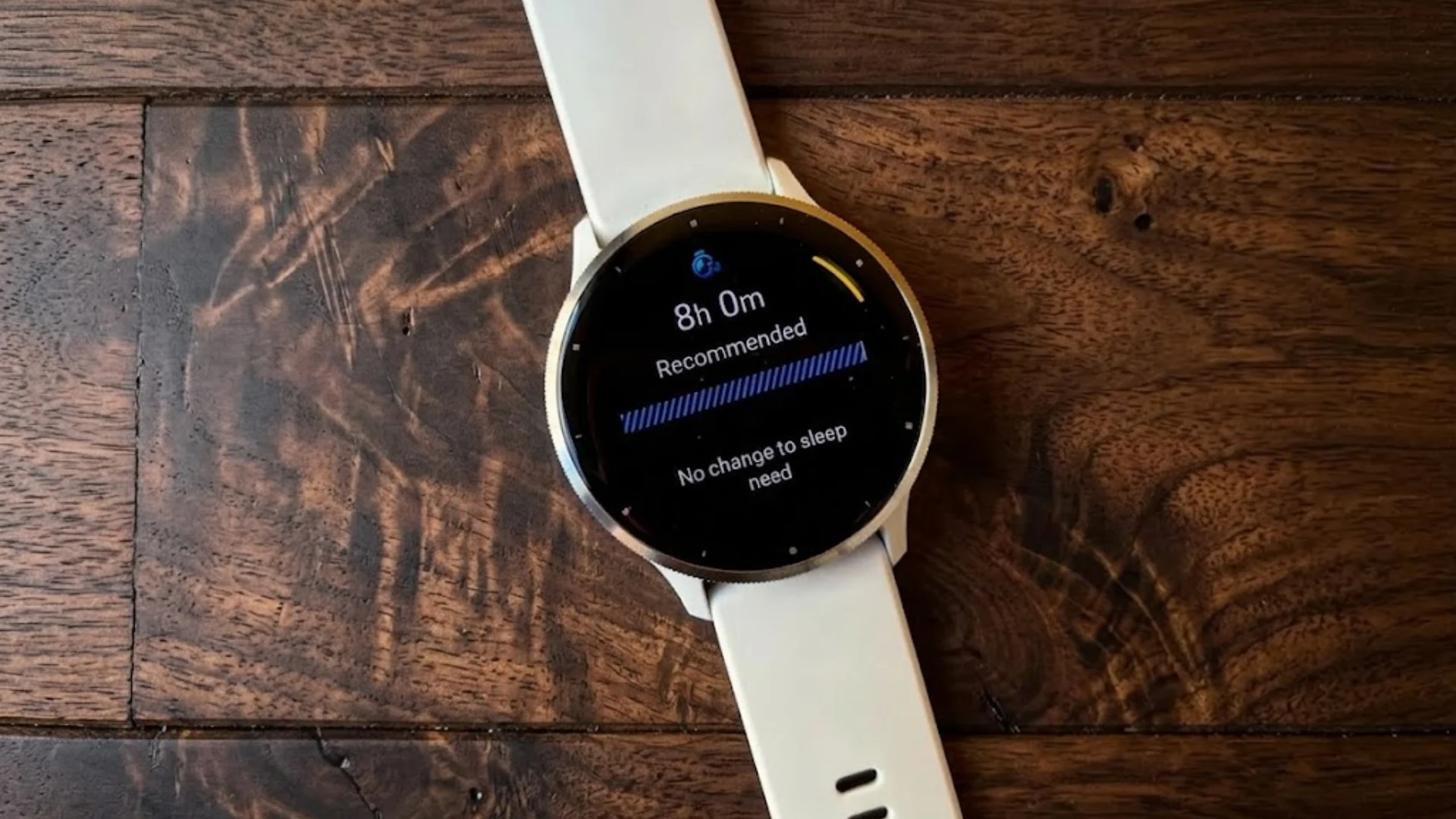
Sleep tracking goes beyond basic stages by adding a Sleep Coach that suggests how much rest you need based on activity and recovery.
One thing most reviews skip: the Sleep Coach baseline starts from your age-group average (around 7 hours 50 minutes for 35-49 year-olds) and only personalizes after about 2 weeks of consistent wear.
If the early recommendations feel generic, give it time; the data genuinely improves.
Body Battery stands out as well, combining sleep, stress, and activity into a single energy score that helps guide how hard to push each day.
On the HRV side, the Venu 3 runs all-day heart rate variability tracking, which feeds into Body Battery and overall recovery scores.
HRV tracking was previously limited to Garmin’s higher-end devices, so having it here adds real clinical depth for users managing training load or stress levels.
The ECG app is also now available on the Venu 3 via a post-launch firmware update.
The Elevate Gen 5 sensor is FDA-approved for ECG recording, and Garmin enabled the feature through the Garmin ECG app after launch.
This was missing at release, but the watch now supports it. Worth updating your firmware if you haven’t already.
2. Fitness Tracking
The Venu 3 supports over 30 sport modes, covering everything from running and cycling to strength training and indoor workouts.
GPS performance locks in quickly and stays accurate during outdoor runs, which I found reliable for tracking distance and pace. It also includes elevation tracking, which adds useful data for hikes and stair-based activities.
That said, the tracking experience stays fairly simple compared to Garmin’s more advanced models. It covers basics like pace, distance, heart rate zones, and cadence, but skips deeper performance insights.
The Garmin Connect app is where a lot of the depth lives.
Post-workout data, health dashboards, trend views, and sleep breakdowns are all accessible there, and the app syncs reliably.
Custom workouts can also be built in Garmin Connect and pushed directly to the watch.
This works well for casual runners and regular fitness users, but more serious training can feel limited after a while.
3. Smart Features
On the smart side, the Venu 3 handles everyday features quite smoothly. It allows calls directly from the watch, and in my experience, the audio quality is clear enough for quick conversations.
Notifications come through consistently, although replying to messages depends on the device, with more flexibility available on Android than on iPhone.
Music support is one of the more useful features here, with onboard storage and offline playback for popular streaming services. I liked being able to run without having to carry my phone.
Garmin Pay is also included for contactless payments, though support depends on your bank. Other small features like voice assistant access, flashlight mode, and alerts add convenience without making things feel complicated.
For anyone switching from an Apple Watch, the adjustment period is real.
The interface is not plug-and-play, it takes a few deliberate sessions to feel intuitive. But once the setup clicks, the daily experience is noticeably smoother and less distracting.
The Venu 3 does far less to pull your attention toward your wrist, which actually ends up being one of its underappreciated strengths.
4. Nap Detection and Recovery Insights
Nap detection is one of the newer additions, and I found it more useful than expected. The watch can automatically detect short sleep sessions during the day without any manual input.
It records the duration and factors that contribute to your recovery metrics. This directly affects Body Battery, which adjusts based on how much rest you actually get, not just overnight sleep.
I noticed that even short naps could improve the energy score, making it easier to decide whether to train or take it easy.
It may sound like a small feature, but during busy or heavy training periods, it becomes genuinely helpful.
Garmin Venu 3: Battery Life and Real Usage
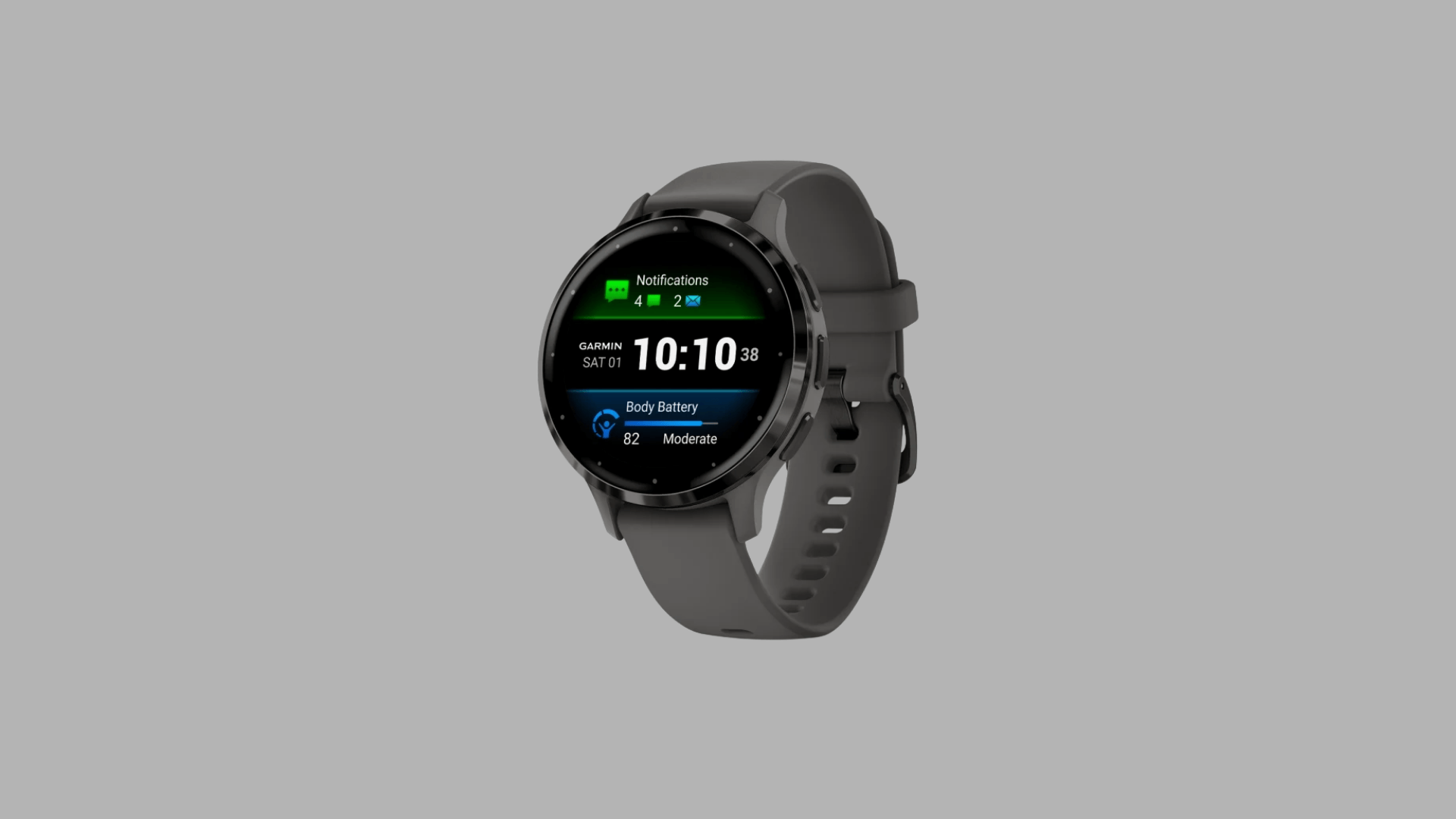
Battery life is one of the biggest strengths of the Garmin Venu 3, and it stands out clearly in daily use.
Garmin claims up to 14 days in smartwatch mode with continuous heart rate tracking, and in my experience, getting around 10 to 12 days is very realistic with regular use.
That includes a mix of workouts and occasional GPS sessions. With GPS running continuously, the watch lasts close to 20 hours, which is more than enough for long runs or even endurance events.
Compared to other smartwatches that often need daily charging, this feels far more reliable and removes the need to constantly check battery levels.
What makes this battery life more valuable is how it changes daily habits. I found myself charging the watch far less often, only a few times over several weeks of use.
This meant no stress about battery before workouts, and I could wear it overnight without worrying about waking up to a low charge.
It also held up well during travel, where carrying a charger did not feel necessary for shorter trips. Charging from zero takes roughly two hours using the included magnetic cable.
With always-on display enabled and over one hour of GPS activity per day, expect closer to four to five days of real world battery, still well ahead of most competitors at this price point.
Over time, this creates a much more relaxed experience than with watches that require constant charging.
Garmin Venu 3 Reviews: Real User Experiences
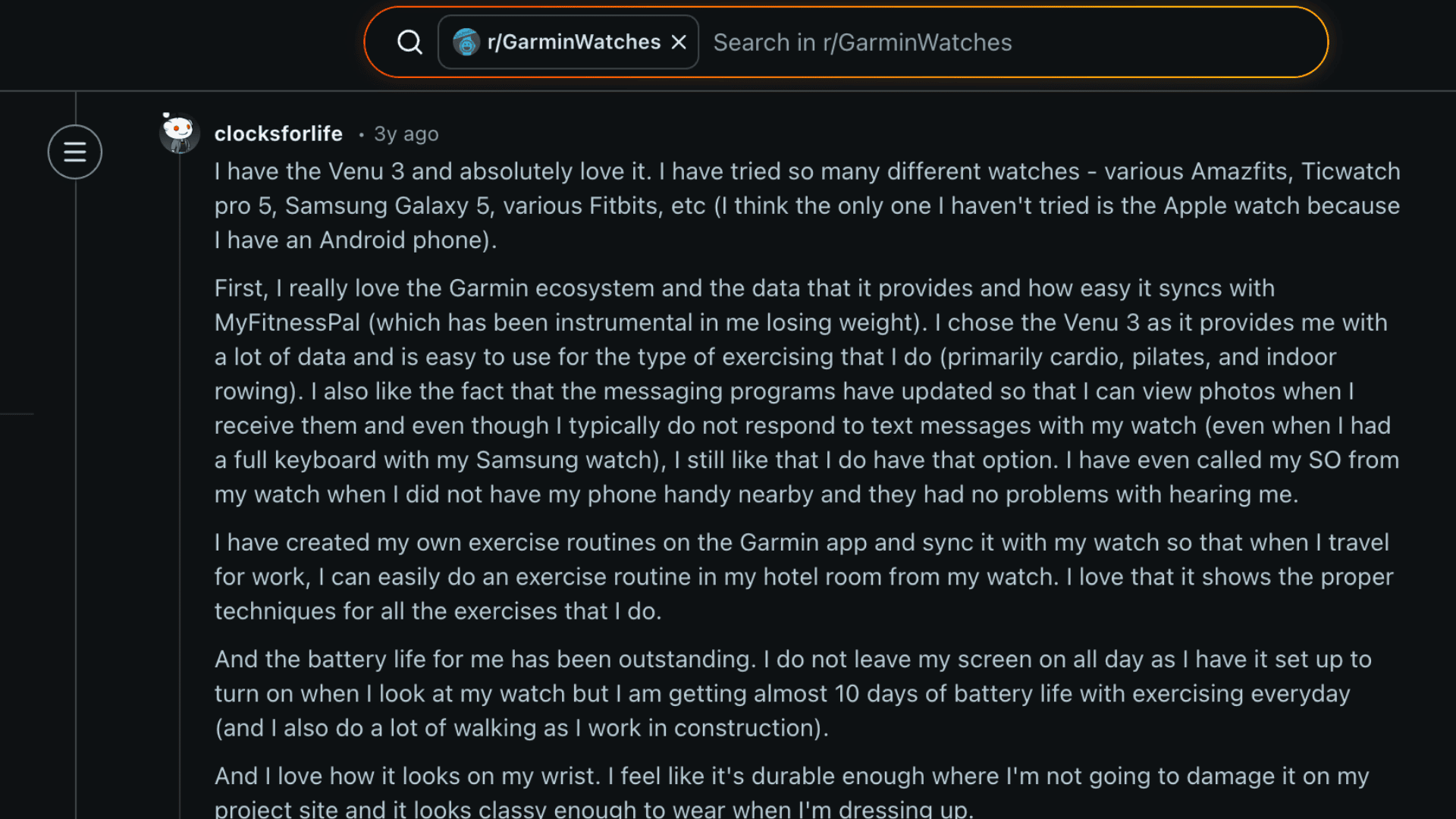
Looking at real Garmin Venu 3 reviews, Reddit feedback has been largely positive.
Many users report that the watch feels smooth and responsive in daily use, with notifications arriving on time and overall performance improving compared to older models.
Sleep tracking and nap detection stand out as highlights, with several users saying it is the first time their sleep data actually feels accurate.
Some users noted that the interface takes a few days to get used to, but once understood, navigation becomes easy.
Others shared that the watch helped motivate them to stay active, especially for activities like cycling and planned running routines.
Overall, these Garmin Venu 3 reviews reflect strong early satisfaction, especially in terms of usability, tracking accuracy, and day-to-day experience.
Garmin Venu 3 vs Competitors Comparison
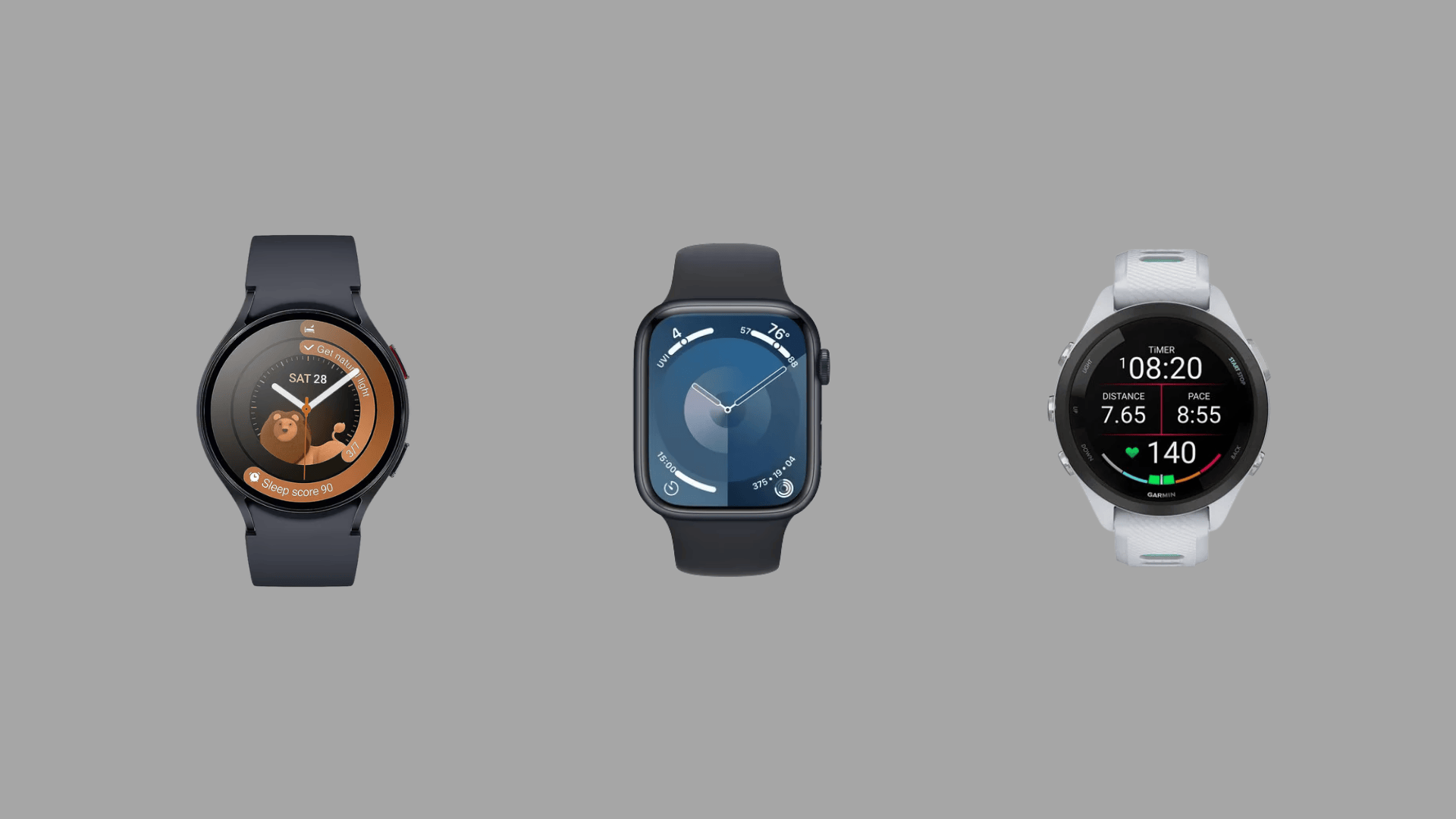
The Garmin Venu 3 stands out against competitors by focusing on better battery life, deeper health tracking, and a more balanced everyday experience over pure smartwatch features.
1. Garmin Venu 3 vs Apple Watch Series 9
When comparing the Garmin Venu 3 with the Apple Watch Series 9, the difference comes down to focus.
The Apple Watch feels more polished as a smartwatch, with better messaging, a stronger app ecosystem, and tighter iPhone integration. The interface is also easier to get used to right away.
However, I noticed the Venu 3 clearly pulls ahead in battery life and depth of health tracking. It lasts several days longer and provides more detailed insights into sleep, recovery, and overall health.
The Apple Watch needs frequent charging, which can interrupt tracking. If the goal is a full smartwatch experience, Apple fits better, but for fitness and long battery life, the Venu 3 makes more sense.
2. Garmin Venu 3 vs Samsung Galaxy Watch 6
The Samsung Galaxy Watch 6 works well as an all-around smartwatch, especially for Android users. It offers a smooth interface, strong app support, and good integration with Google and Samsung services.
I found it easier to navigate at first, and the overall experience feels more familiar if you already use Android devices. That said, the Venu 3 stands out in areas that matter for fitness and long-term use.
The battery lasts much longer, which removes the need for frequent charging. It also delivers more consistent workout tracking and deeper health insights.
While the Galaxy Watch 6 feels more connected, the Venu 3 feels more focused on performance and recovery, which can make a bigger difference over time.
3. Garmin Venu 3 vs Garmin Forerunner 265
This comparison feels more important because both watches come from the same brand and target similar users. The Forerunner 265 is clearly built for runners who want detailed performance data.
It includes advanced features like training readiness, race predictions, and deeper running metrics that are not available on the Venu 3.
At the same time, I found the Venu 3 to be more balanced for everyday use. It looks better for casual wear, feels less focused on running, and offers a wider range of health-tracking features.
If running performance is the main priority, the Forerunner 265 is the better pick. If the goal is a mix of fitness, health, and daily wear, the Venu 3 feels more complete.
Garmin Venu 3 Reviews: Pros and Cons Breakdown
A clear look at the Garmin Venu 3 reviews highlights strong battery life, accurate health tracking, and useful features, along with a few noticeable limitations.
| Pros | Cons |
|---|---|
| Industry-leading 14-day battery life | Price feels high for many users |
| Very accurate health tracking: heart rate, sleep, HRV, SpO2 | Limited texting support; iPhone users cannot reply to messages |
| Detailed sleep insights with Sleep Coach and Morning Report | ECG available via firmware update, not present at launch (update your watch if you need it) |
| 30+ sport modes with nap detection and wheelchair mode | No route navigation despite having GPS |
| Bright AMOLED display with good outdoor visibility | Limited third-party app ecosystem vs Apple and Samsung |
| Onboard music with offline Spotify and Amazon Music | Touchscreen can be inconsistent during intense or wet workouts |
| Garmin Pay support for contactless payments | Running metrics feel basic for serious training needs |
| Garmin Elevate Gen 5 sensor with ECG app support | Vivoactive 5 offers similar core tracking at a lower price point |
| Power meter and smart trainer compatible | Sleep data personalisation takes about two weeks to fully calibrate |
Is the Garmin Venu 3 Worth Buying Today?
The Venu 3 is worth buying if you’re a fitness-minded user who wants a watch that genuinely earns its $449.99 over time.
The battery alone justifies serious consideration; you’ll charge it a fraction as often as any Apple or Samsung alternative.
The health tracking suite is best-in-class for this price range, and the Sleep Coach, Body Battery, and HRV tools give you data that actually influences behavior.
It is also worth noting that the Garmin Venu 4 launched in September 2025 at $549.99 with multi-band GNSS and a full metal case.
If you’re buying new, the Venu 3 is now more widely discounted at various retailers, making the value case even stronger for most users who do not need cutting-edge GPS precision.
Who should skip it: Casual users who just want steps and notifications, the Garmin Vivoactive 5 or Venu Sq 2 delivers most of the core tracking at a lower cost.
Also skip it if you’re a dedicated runner who wants elite performance metrics; the Forerunner 265 is the better tool for that purpose.
Conclusion
After using this watch for weeks across workouts, recovery days, and regular wear, the overall experience feels consistent.
It stands out as one of the more balanced health-focused smartwatches available right now. The Garmin Venu 3 does not try to compete as a full smartphone replacement, and I think that works in its favor.
It focuses more on health insights, long battery life, and fitness tracking that feels complete without being overwhelming.
There are a few things to keep in mind. The interface takes some time to get used to, and the missing ECG feature may matter to some users.
The price can also feel high, especially when there are cheaper alternatives in the same lineup. Still, if health tracking and battery life matter more than extra smart features, this watch fits well into daily use.
After testing many wearables over the years, this is one of the few that I kept wearing long after the formal review period ended, which, in my experience, is the clearest signal of a watch that does its job without getting in the way.
Before deciding, think about what matters most to you: battery endurance, smart features, or in-depth health tracking. The Garmin Venu 3 is built for the third, and it delivers on that consistently
Frequently Asked Questions
Does the Garmin Venu 3 Work with iPhone or Android?
The Garmin Venu 3 works with both iPhone and Android devices, but Android users get more features. You can reply to texts, view photos, and use the on-watch keyboard on Android. iPhone users can still receive notifications and take calls, but interaction options are more limited.
How Accurate is the Garmin Venu 3 Heart Rate Monitor?
The Elevate Gen 5 sensor performs well during steady cardio and closely matches chest strap readings. During high-intensity workouts, slight lag may occur. For most users, the accuracy is reliable enough without needing extra equipment.
How Much Music Storage Does the Garmin Venu 3 Have?
The Garmin Venu 3 includes 8GB of onboard storage for music. It supports offline playback from Spotify, Deezer, and Amazon Music with a subscription. You can listen without your phone and control music directly from the watch.
Does the Garmin Venu 3 Track Women’s Health?
Yes, the Garmin Venu 3 supports women’s health tracking through the Garmin Connect app. It includes menstrual cycle tracking, pregnancy tracking, and personalized insights. Data syncs with the app for long-term tracking and analysis.
Can You Swim with the Garmin Venu 3?
Yes, the Garmin Venu 3 has a 5 ATM water resistance rating, making it suitable for swimming. It tracks swim metrics like distance, pace, stroke count, and SWOLF score in both pool and open water modes.