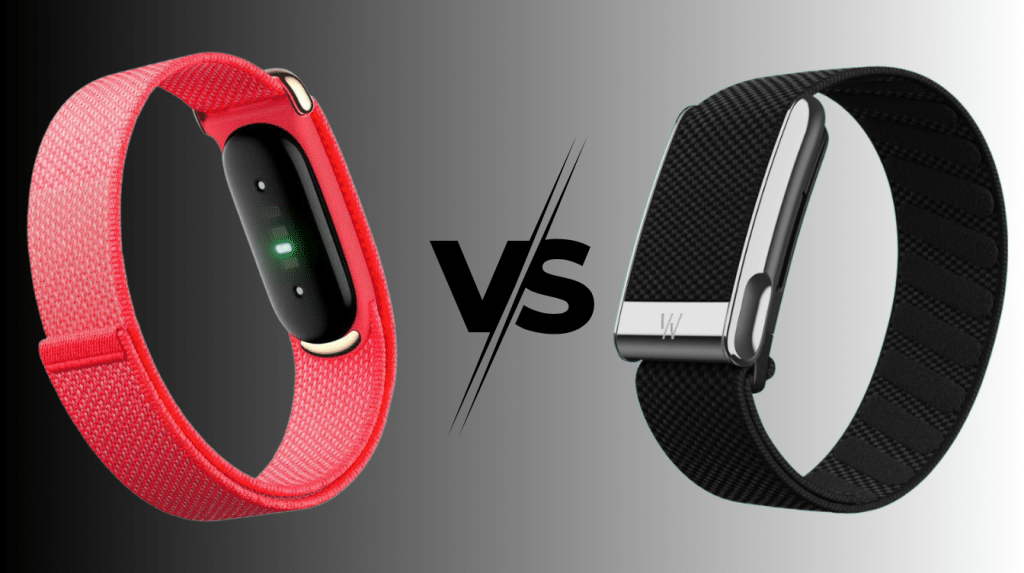
Trying to pick between Whoop and Oura right now feels like stepping into an ongoing argument.
Some prefer Whoop for how it handles recovery and strain, while others stick with Oura for its form factor and sleep tracking, and both sides are convinced they made the better call.
Recovery tracking itself has grown quickly, and the Whoop vs Oura debate has become the center of that larger conversation.
What used to be a niche topic has now moved into everyday fitness discussions, where even casual users are paying attention to things like sleep quality, readiness scores, and daily strain.
These devices are no longer just for athletes, and that shift is exactly why the comparison keeps coming up so often.
So instead of focusing only on specs, this breaks things down in a way that actually matters for daily use, covering design, data accuracy, pricing, battery life, and app experience.
The idea is simple: help you understand what fits into your routine so you can stop second-guessing and just focus on tracking.
Quick Overview of Both Devices
Whoop takes a very different route compared to most wearables. It is a screenless wristband built around a single core idea: recovery before anything else.
There is no display, no notifications, and nothing pulling your attention away during the day.
The latest version, Whoop 5.0, came out in May 2025 with a new subscription setup that includes One, Peak, and Life tiers, along with a stronger 14-day battery life. There is also a Whoop MG version that adds ECG tracking.
The device runs on a subscription model where the hardware is included, and in return, it delivers continuous HRV tracking, strain scores, and sleep guidance to improve training decisions.
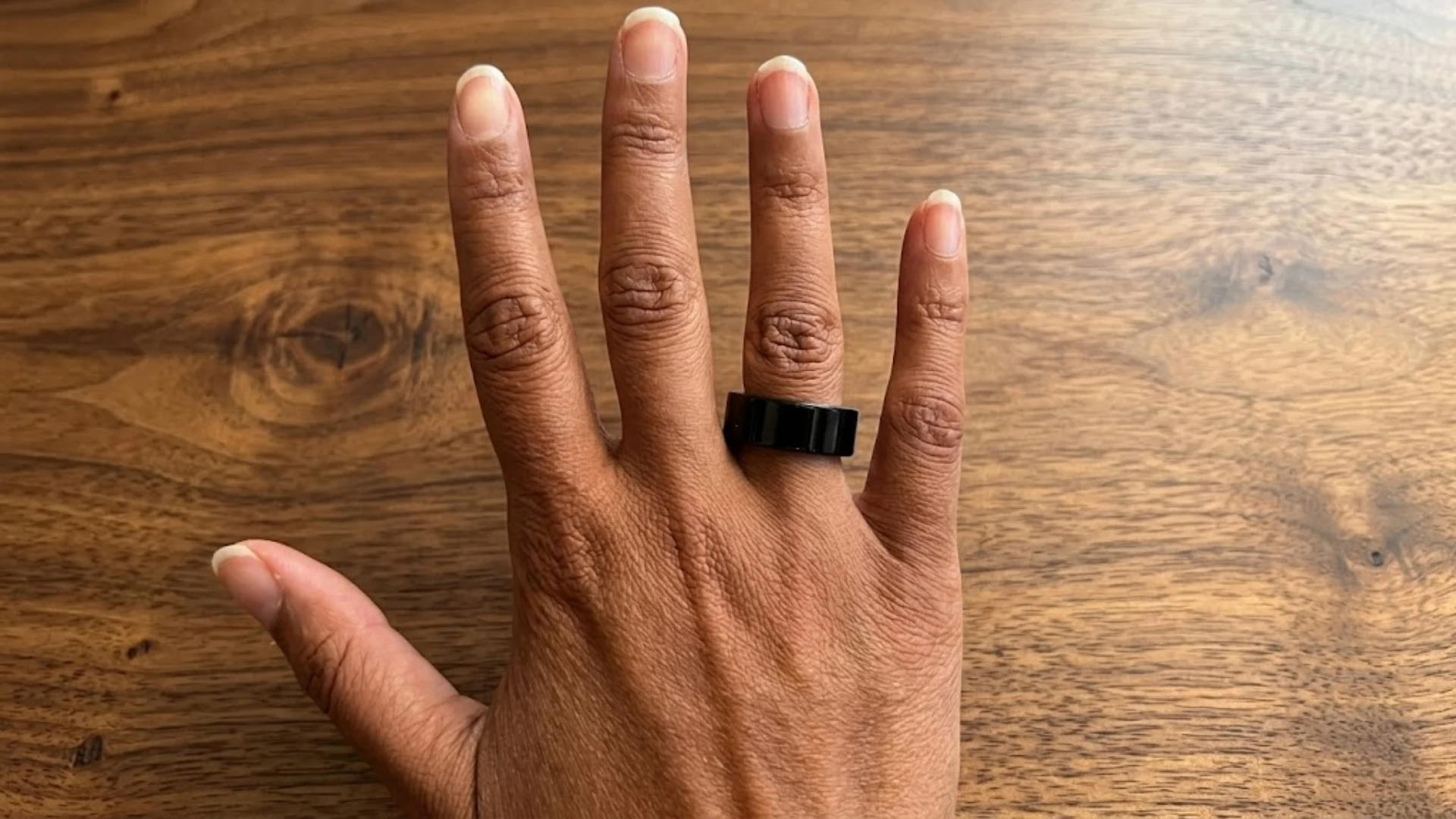
Oura Ring takes a different approach with its slim ring design that sits on your finger and quietly tracks your health throughout the day.
It works with an upfront payment for the ring, followed by a smaller monthly fee for deeper insights.
The focus here is more on overall wellness, including sleep, readiness, stress, and features like cycle tracking and app connections.
Whoop vs Oura: Design and Comfort Comparison
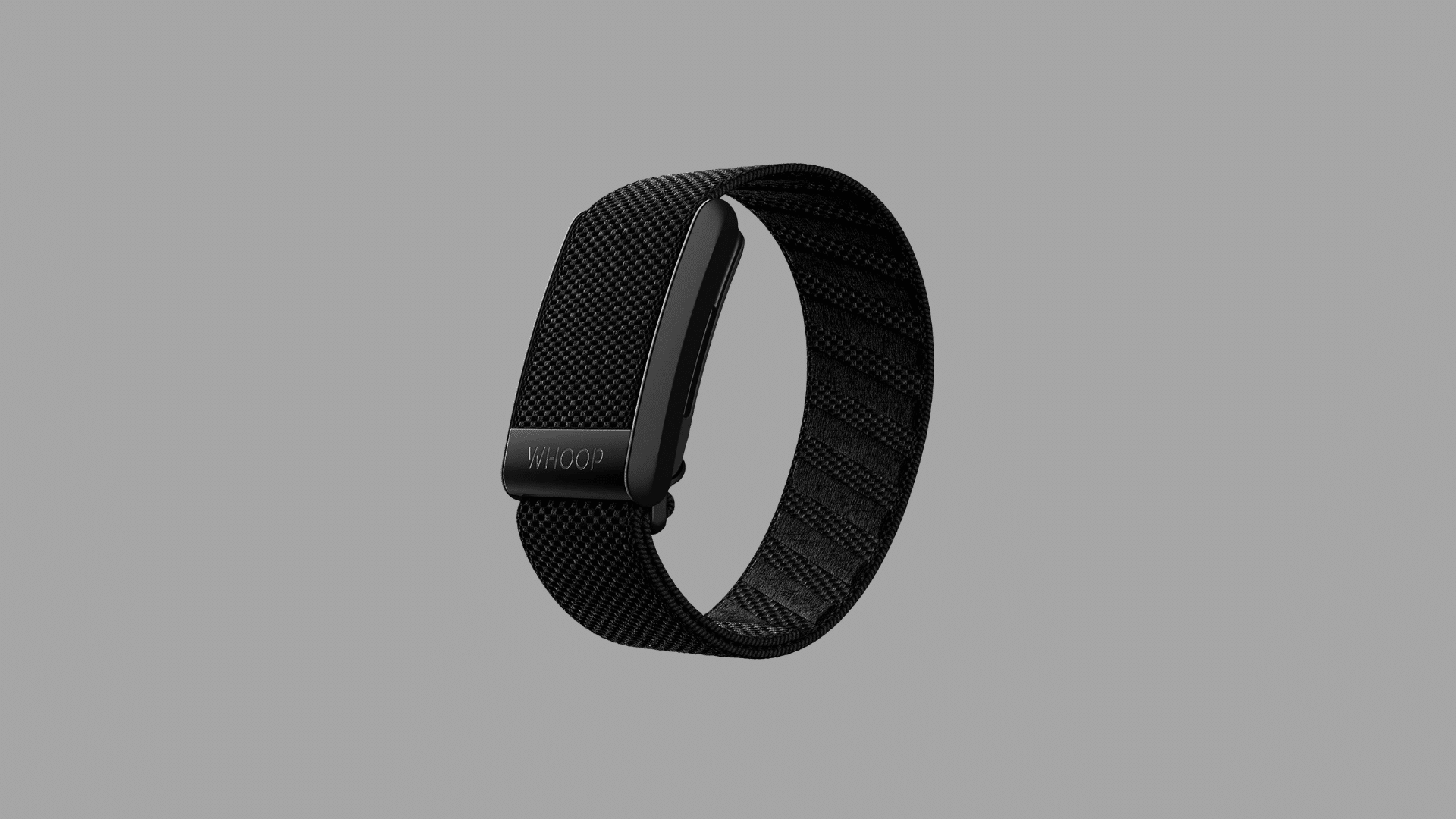
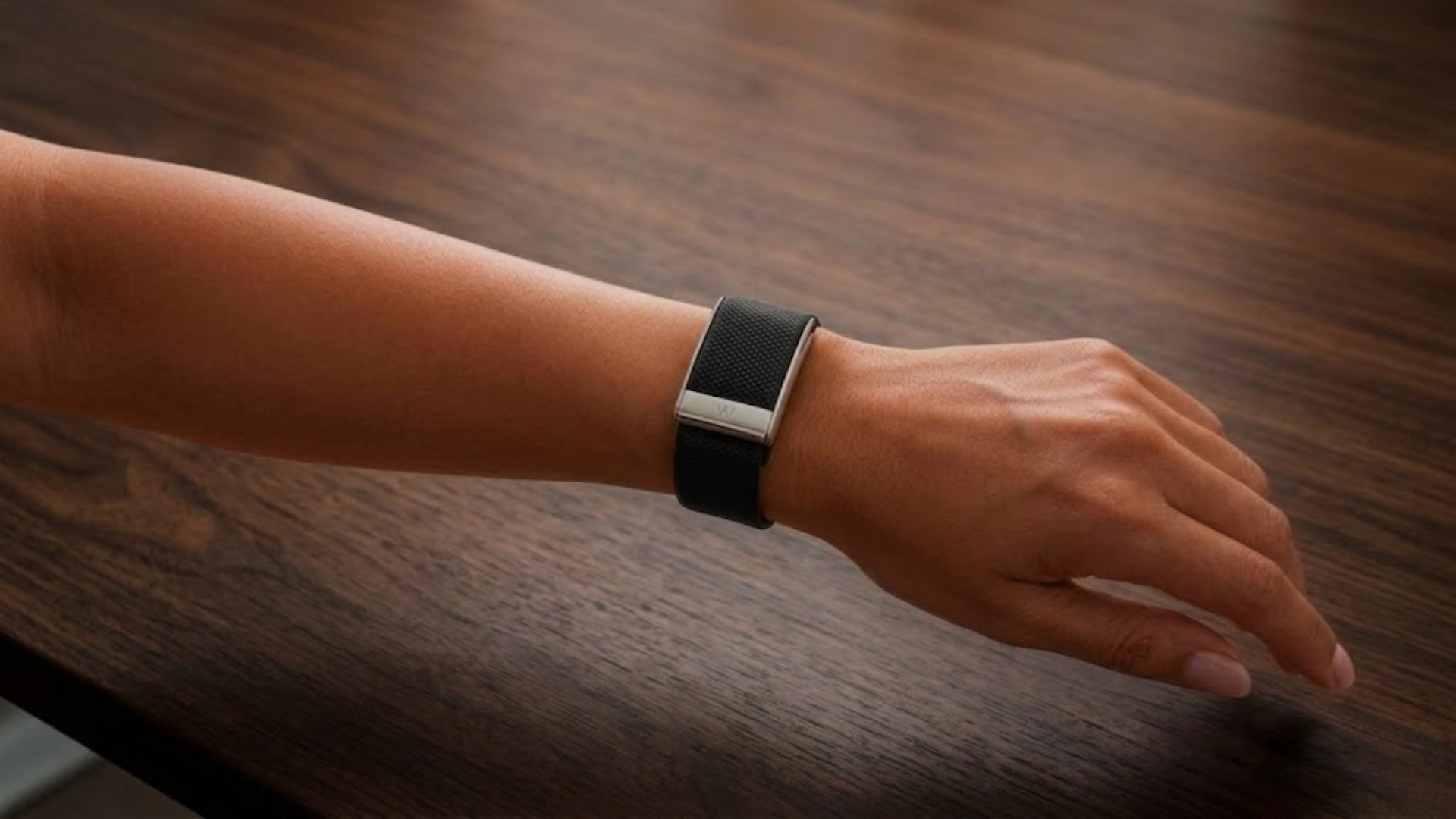
Whoop sticks to a simple, sporty design that sits on the wrist without any screen or extra bulk, which makes it easy to forget during workouts and daily wear.
It is built to stay in place even during intense sessions, and that shows in how athletes use it without interruption.
That said, I noticed that the band can shift slightly during sleep, which sometimes affects comfort or requires a quick adjustment.
Oura Ring takes a different approach with its slim ring design that sits on your finger and quietly tracks your health throughout the day.
It looks subtle and does not stand out, which many people prefer in outside workouts. The catch is sizing: getting the wrong fit affects accuracy, and the sizing kit step adds a few extra days to the setup.
For sleep, both feel comfortable, but the ring offers more freedom without anything on the wrist.
Whoop vs Oura: Health Tracking Accuracy and Metrics Breakdown
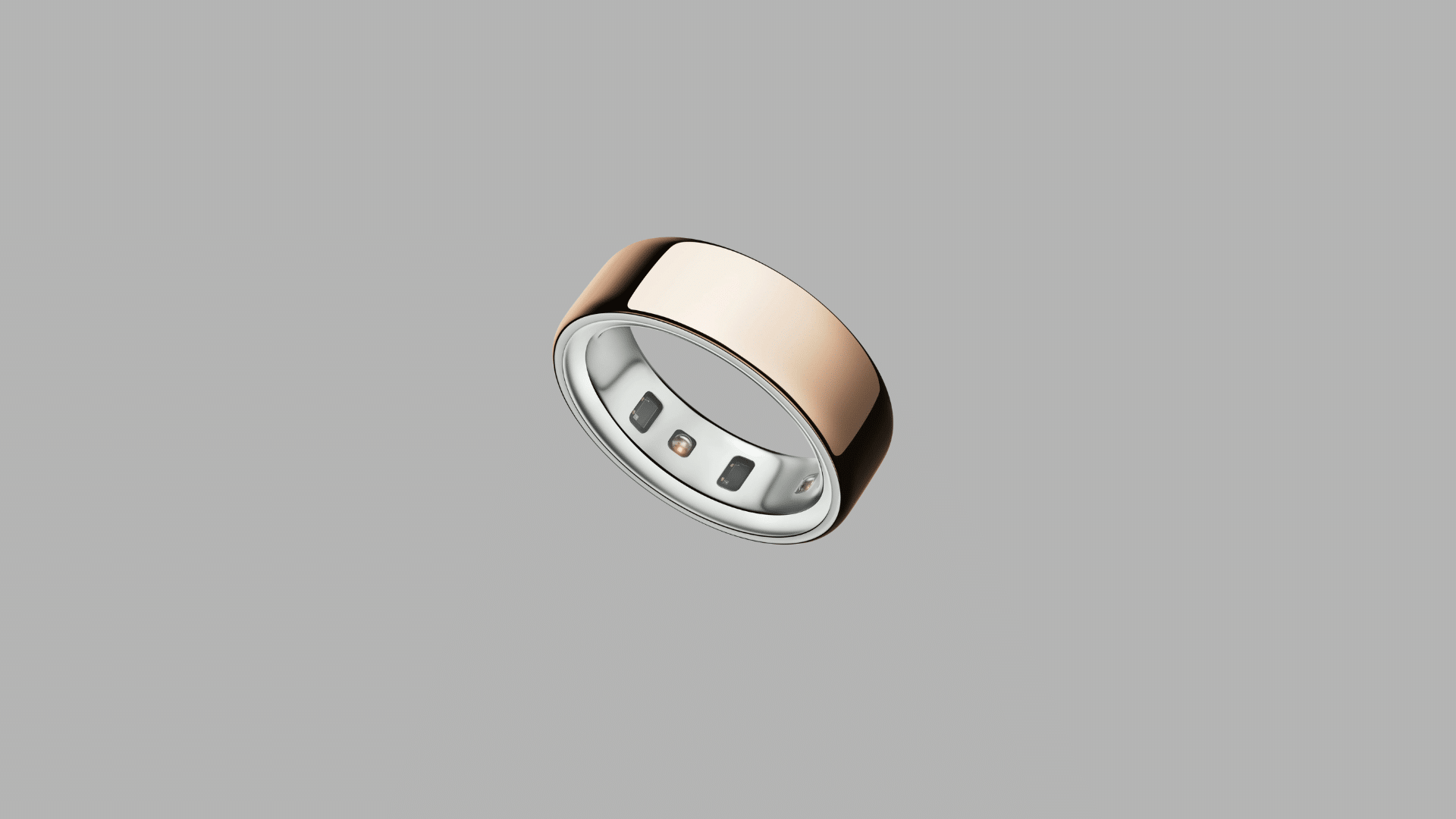
Both devices use Photoplethysmography (PPG) to track heart rate and HRV through blood flow changes.
Whoop uses green LEDs on the wrist, while Oura uses infrared light on the finger, where signals are more stable.
HRV is central, as it reflects recovery and stress. Higher values suggest better recovery, while lower values indicate strain from workouts, poor sleep, or illness.
In terms of accuracy, Oura has an edge in HRV, with studies showing closer agreement with ECG readings. Sleep tracking is similar, with both performing well on total sleep, though stage accuracy varies.
The difference lies in presentation. Whoop focuses on strain and recovery with continuous tracking, while Oura emphasizes overall wellness with readiness scores, sleep insights, and long-term trends.
Whoop vs Oura: Battery Life and Charging Experience
Battery life may seem like a small detail, but it quickly becomes a problem when it interrupts sleep tracking in the middle of the night.
Whoop 5.0 lasts around 14 days on a single charge, which is a big jump from the earlier 4 to 5 day range.
The biggest advantage is its on-wrist charging system, which lets a small battery pack slide over the band to power it without taking it off.
For people who rely on consistent overnight data, this makes a clear difference, and I found it easier to maintain uninterrupted tracking without having to think about charging.
Oura Ring 4 runs for about 5 to 8 days and charges on a dock, but it has to be removed.
Most people manage this during showers or short breaks, though it still depends on building a habit, since missing a charge can mean losing an entire night of sleep data.
Whoop vs Oura: App Experience and Ease of Use
The app is where both devices turn raw data into something useful, and this is where the experience starts to feel very different. Whoop leans heavily into detailed insights and long-term behavior tracking.
The app asks daily questions about habits like sleep timing, stress, and alcohol use, and over time, it builds reports showing how those habits affect recovery.
I noticed that after a few weeks, patterns started to emerge that weren’t obvious at first, like how late workouts affected deep sleep even when total sleep time stayed the same.
Oura focuses more on simplicity and quick access to key insights. The app delivers readiness scores and sleep breakdowns shortly after waking, making it easier to check and move on with the day.
The layout feels cleaner, and the data is easier to understand with minimal effort, making it more approachable for beginners.
It also enables direct data sharing with coaches in the cloud, enhancing convenience for guided training setups.
Whoop vs Oura: What Real Users Are Saying?

Reddit user feedback on the Whoop vs Oura debate shows a clear split based on lifestyle and priorities, not just features.
Some users moved away from Whoop mainly because it was hard to wear with formal outfits, while Oura felt easier to keep on all day without thinking about it.
Comfort and wearability come up often as strong reasons people stick with Oura long term.
At the same time, Whoop still gets credit for better fitness tracking and strain-related insights, especially for workouts and stress monitoring.
Oura is often seen as a better fit for sleep tracking and general health awareness, but not as a complete fitness tracker on its own.
Many users pair it with devices like an Apple Watch for workouts. Cost also plays a role: some leave Whoop due to the subscription, while others accept it for deeper data.
Whoop vs Oura: Subscription vs One-Time Cost Breakdown
Pricing is where opinions split the most, since one focuses on ongoing value while the other leans on upfront cost with lower long-term commitment.
| Plan / Device | Whoop One | Whoop Peak | Whoop Life / MG | Oura Ring 4 |
|---|---|---|---|---|
| Upfront cost | $0 | $0 | $0 | $349 to $499 |
| Annual cost | $199 per year | $239 per year | $359 per year | $69.99 per year |
| Key features | Strain, Sleep, Recovery | Adds Whoop Age, Stress, Health Monitor | Adds ECG and BP insights | Full feature access |
| 3-year cost | Around $597 | Around $717 | Around $1,077 | Around $560 to $710 |
| Hardware coverage | Lifetime replacement | Lifetime replacement | Lifetime replacement | Standard warranty |
Whoop vs Oura: Which One Fits Different Users?
The better pick depends on how you plan to use the device daily, since each one leans toward a different type of user and routine.
- Athletes and performance-focused users: Whoop fits structured training better with its strain system, recovery scoring, and continuous tracking that never breaks during charging.
- Casual fitness users: Oura feels easier to live with if the goal is general health tracking without getting too deep into numbers.
- Sleep-focused users: Oura works well for people who care most about sleep quality and nightly recovery, since it provides clear breakdowns and feels more comfortable overnight without anything on the wrist.
- Style-conscious buyers: Oura blends into daily life better with its ring design, which looks subtle and does not stand out, making it easier to wear in social or professional settings.
- Behavior insights: Whoop tracks daily habits and shows how they impact recovery, helping fine-tune routines over time
Conclusion
There is no clear winner in the debate, and that actually makes the choice easier once you look at how differently they are built.
Whoop is aimed at people who treat recovery as part of their training routine, where daily decisions around workouts, rest, and strain are guided by data.
Right in the middle of the Whoop vs Oura discussion, the difference becomes clear when you think about how each device fits into daily life rather than just what it tracks.
Oura, on the other hand, works better for those who prefer a quieter approach, where health tracking runs in the background without needing constant attention.
The real question comes down to what matters more, pushing performance forward or simply staying aware of your body. Both devices do their job well, but they serve different needs.
If you have tried either one, drop your experience in the comments and share what actually changed for you.
Frequently Asked Questions
Can I Use Whoop or Oura Ring Alongside My Apple Watch?
Yes, many users pair them successfully. The Oura Ring integrates well with Apple Health and allows easy data sharing with other apps or coaches.
If you already use a smartwatch for workouts, Oura works well as a passive tracker, while Whoop is better for deeper performance analysis.
Does Whoop or Oura Offer Better Long-Term Aging?
Whoop has a stronger focus here with features like Whoop Age, Pace of Aging, and Healthspan metrics that show how habits affect biological age.
Oura offers Cardiovascular Age and Resilience scores with trends in sleep and cardio capacity, but these feel more general. If aging insights matter more, Whoop provides deeper and more actionable data.
How Durable is the Oura Ring During Weightlifting or Intense Workout?
The Oura Ring 4 is made of titanium and is water-resistant, making it suitable for daily use. However, heavy lifting can cause scratches from gym equipment.
Whoop bands are more durable for workouts since the sensor sits protected. For frequent lifting, Whoop is safer, while Oura may need a protective cover.
Which Device is Better for Women’s Health Tracking?
Oura Ring offers more detailed tracking for women’s health, including cycle tracking and temperature-based insights.
Whoop has added some cycle-related features, but its focus remains on recovery and strain. For menstrual and hormonal tracking, Oura is usually the better option.
Can I Wear Both Whoop and Oura Ring at The Same Time & Is It Worth It?
Yes, some users wear both to get a more complete view of their health data. Oura focuses on sleep and wellness, while Whoop tracks strain and stress.
The data may differ slightly, but using both can help compare trends. It is useful for advanced users, though it may feel unnecessary for casual tracking.