A fire alarm system does more than make noise during an emergency. It helps warn people early and gives them time to react before a fire spreads.
Still, many systems stop working properly because they are ignored for too long. Dust, weak batteries, damaged wiring, and missed inspections can all lead to false alarms or system failure.
Regular fire alarm maintenance helps keep everything working the way it should and lowers the chances of costly problems later.
In this guide, you will learn how to inspect different parts of a fire alarm system, how often checks should be done, common problems to watch for, and simple safety tips that can help during testing and servicing.
It also covers when professional help may be needed and how a basic maintenance routine can make the system more reliable over time.
What Fire Alarm Maintenance Actually Covers
A fire alarm system is made up of several components that work together. A fault in any one of them can compromise the entire system, which is why every part needs its own inspection routine.
The main components include:
- Control panel: the main unit that monitors the system and displays faults or alerts
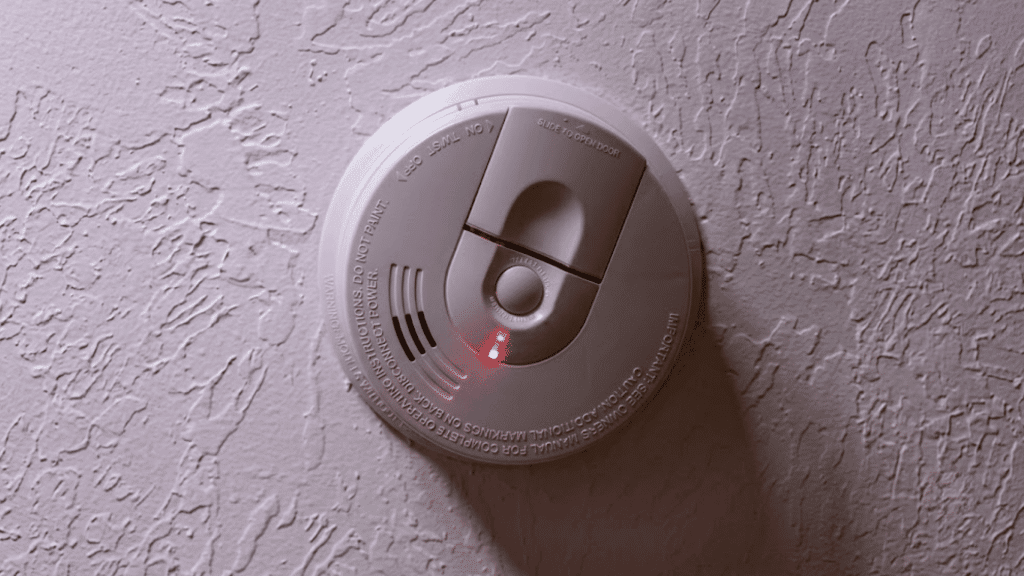
- Smoke detectors: sense smoke particles in the air
- Heat detectors: respond to rapid or sustained temperature rises
- Notification devices: horns, sirens, and strobes that alert occupants
- Pull stations: allow manual alarm activation before detectors respond
- Communication systems: transmit alerts to monitoring centers or fire departments
- Backup power: batteries or generators that keep the system running during outages
Step-by-Step Fire Alarm System Maintenance
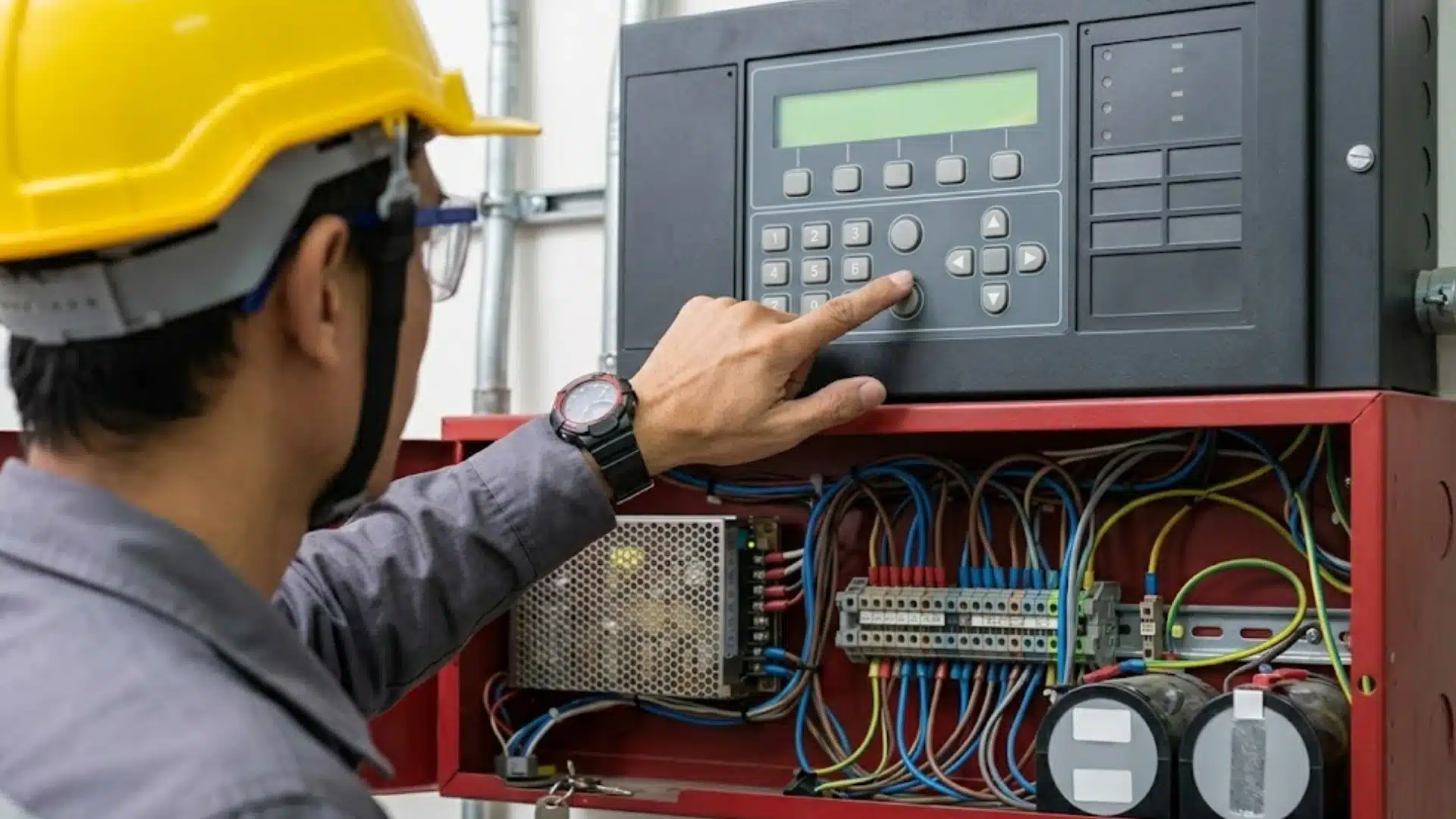
Regular inspections help spot small problems before they turn into larger system failures. Following a proper routine also helps keep alarms accurate and dependable.
1. Check the Control Panel
The control panel is the main part of the system, so it should always be checked first. Look for warning lights, fault messages, or unusual sounds coming from the panel.
Make sure the display screen works properly and shows normal system status. Inspect wiring connections for visible damage or loose parts.
Any trouble signal should be investigated immediately because it may point to a larger issue somewhere in the system.
It is also important to confirm that communication lines and connected devices respond correctly. A quick panel inspection can often reveal problems before they affect the entire alarm system.
2. Inspect Smoke and Heat Detectors
Smoke and heat detectors should be checked carefully to make sure they can detect danger without delay. Look for dirt buildup, paint, cracks, or physical damage around each detector.
Dust can block sensors and reduce accuracy over time. Make sure detectors are placed correctly and have not been moved or covered accidentally.
Testing equipment can help confirm that detectors respond as expected when exposed to smoke or heat simulation.
For context on how detectors are positioned during installation, the fire alarm installation basics guide covers placement and wiring specifics.
If any detector reacts slowly or fails during testing, it may need cleaning or replacement. Regular inspections help reduce false alarms and improve overall system response during emergencies.
3. Test Alarms and Sounders
Alarm horns, sirens, and strobes should be tested to confirm they can alert people clearly during an emergency.
Activate the system according to testing guidelines and check whether every sounder works properly. The alarm should be loud enough to hear across the building without interruptions or weak signals.
Flashing strobes should also be bright and easy to notice. Walk through different areas during testing to confirm that notification devices work in all spaces.
If any alarm stays silent or sounds unclear, it should be repaired quickly. Regular testing helps make sure people receive fast warnings when danger appears.
4. Check Backup Power
Backup batteries help keep the fire alarm system running during power failures. Inspect the batteries for leaks, corrosion, swelling, or loose connections.
Check voltage levels to make sure enough power is available when needed. Weak batteries can prevent alarms from working properly during emergencies, even if the main system seems normal.
It is also important to test whether the system switches smoothly to backup power when electricity is disconnected. Battery replacement schedules should be followed based on the manufacturer’s instructions.
A reliable backup power source helps maintain protection even during unexpected outages or electrical problems.
5. Verify Communication and Remote Monitoring
If your system connects to a central monitoring station or fire department, confirm that communication pathways are active and working. Trigger a test signal and verify receipt with the monitoring center before ending the inspection.
A system that detects a fire but cannot report it externally fails at exactly the moment it matters most. This check is especially important for commercial properties, multi-unit buildings, and any site with an unmanned period.
6. Clean Dust and Dirt
Dust and dirt can affect how detectors and other components respond during an emergency. Smoke detectors are especially sensitive to buildup because blocked sensors may trigger false alarms or fail to react properly.
Use approved cleaning tools or soft brushes to remove dirt from detectors, vents, panels, and surrounding areas.
Avoid using harsh chemicals or excessive moisture during cleaning because they may damage sensitive parts. Cleaning should also include checking for insects or debris inside detector openings.
A clean system usually performs more accurately and stays dependable for a longer time without unnecessary faults or warning signals.
7. Record Every Test
Every inspection, repair, and test should be written down in a maintenance record. These records help track system condition and show whether problems keep returning over time.
Include details such as testing dates, replaced parts, battery checks, and detector inspections. Keeping proper records also helps during safety audits, insurance checks, and building inspections.
Maintenance logs make it easier to spot missed servicing schedules or repeated faults in certain areas.
A complete history of inspections can also help technicians diagnose issues faster in the future. Good documentation supports better system management and long-term safety planning.
Safety Tips Before You Start
Testing a fire alarm system should be done carefully to keep people informed, keep equipment safe, and prevent damage to the system.
- Notify occupants first. Tell everyone in the building before activating the alarm. For buildings with multiple tenants or users, post a notice at entries well before the test starts.
- Avoid live wiring. Do not handle exposed electrical components while the system is powered. Call a qualified technician for any wiring work, this is not a task for general building maintenance.
- Use your system manual. Every fire alarm system has different testing procedures. The manual is the authority on correct steps, not general online guidance.
- Keep exits clear. Confirm hallways and exit routes are unobstructed before the test begins. Testing is also a practical opportunity to check exit access regardless of any other finding.
- Use trained help for repairs. Visual checks and basic cleaning are within reach of most building managers. Wiring, circuit testing, and sensor calibration need qualified technicians.
Note: Fire alarm testing and servicing involves live electrical systems. The tips below are for informational purposes only. Always consult your system manual and, where required, a licensed fire safety professional before performing any tests or repairs.
How Often Should Fire Alarms Be Checked?
Regular inspections help keep the system working properly throughout the year. Different checks should be done at different times to catch problems early.
| Inspection Type | What Should Be Checked | Purpose |
|---|---|---|
| Weekly checks | Test the control panel, alarms, and basic system signals | Helps confirm the system responds correctly and shows no fault warnings |
| Monthly checks | Inspect detectors, backup batteries, pull stations, and notification devices | Helps spot wear, dirt buildup, or damaged parts before they affect performance |
| Yearly inspection | Full system inspection by trained professionals, including wiring and device testing | Helps ensure the entire system meets safety standards and works properly during emergencies |
Common Fire Alarm Problems to Watch For
Small issues can affect how the system responds during an emergency, so these warning signs should not be ignored.
- False alarms: False alarms can happen because of dust, steam, cooking smoke, insects, or faulty sensors. Frequent false alarms should be checked quickly because people may stop taking alerts seriously.
- Low-battery alerts: A low-battery warning indicates the backup power may not support the system during an outage. Batteries should be tested and replaced before they become too weak.
- Dirty detectors: Dust, dirt, and debris can block detector sensors. This may cause slow response, false alarms, or missed smoke detection during a real emergency.
- Panel faults: Fault messages on the control panel can point to wiring issues, device failures, or communication problems. These signals should be checked instead of being cleared without inspection.
- Damaged devices: Cracked detectors, broken pull stations, loose strobes, or damaged horns can stop parts of the system from working properly. Any visible damage should be repaired or replaced quickly.
When to Call a Fire Alarm Professional
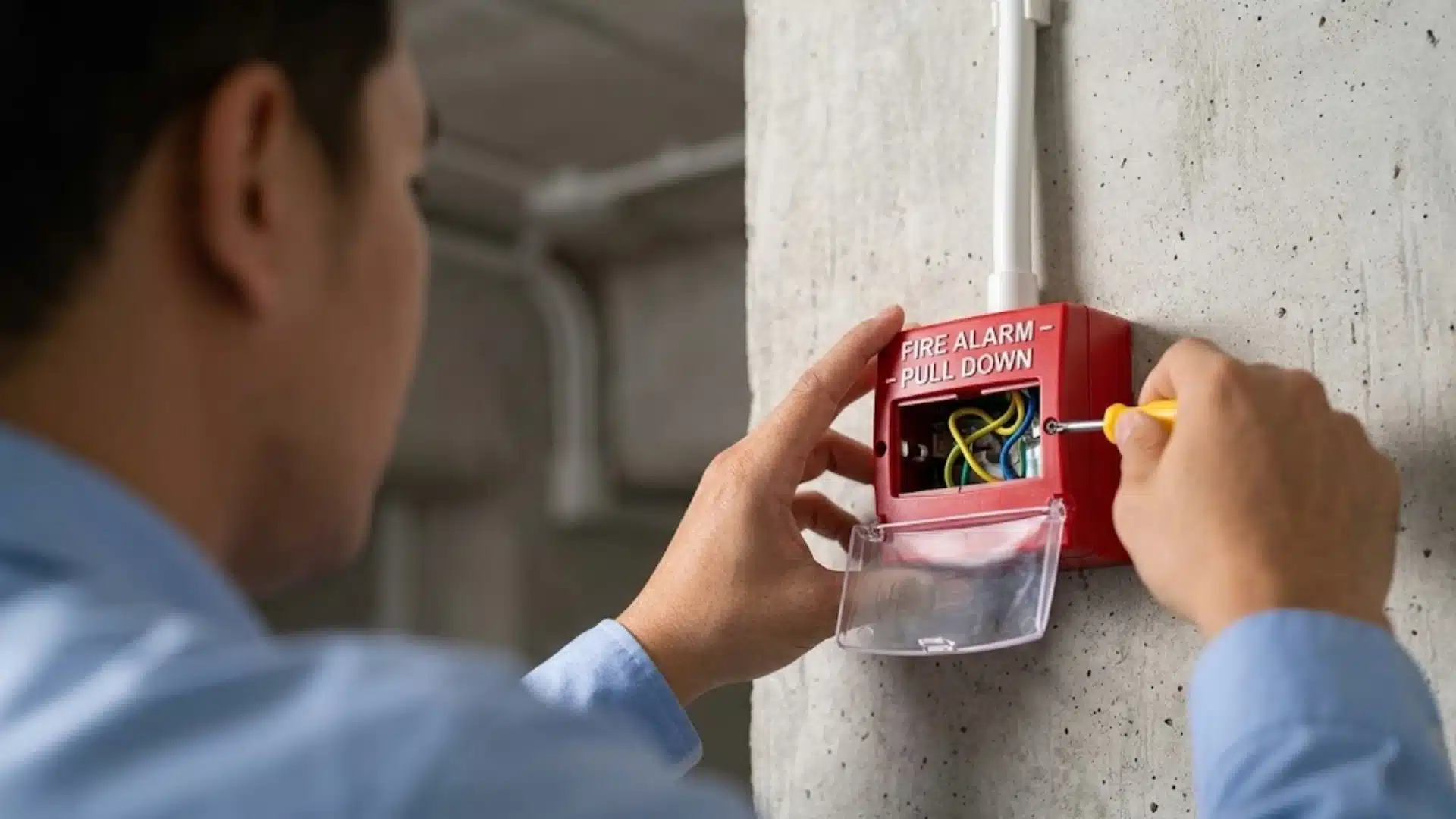
Some fire alarm issues should not be handled without proper training because incorrect repairs can affect the safety of the entire system.
Wiring problems are one of the most common reasons to call a professional. Loose, damaged, or exposed wires can stop detectors and alarms from working properly and may also create electrical risks.
System faults shown on the control panel should also be inspected by trained technicians instead of being ignored or reset without checking the cause.
Professionals can test circuits, devices, and communication lines to find the exact problem. Full servicing is also important for keeping the system up to date with local fire safety codes and inspection rules.
A professional inspection helps confirm that every part of the system works correctly and meets safety requirements for homes, offices, or commercial buildings.
Conclusion
A fire alarm system only works if it is maintained. The checks in this guide, from panel inspection and battery testing to communication verification and professional servicing, are what keep a system reliable rather than just installed.
Small problems found during a routine inspection are inexpensive. The same problems discovered during an emergency are not.
If your last fire alarm maintenance record is blank or overdue, that is the most important thing to fix today.
Have a question about your system or a specific maintenance step? Leave it in the comments below.
Frequently Asked Questions
Can Weather Conditions Affect Fire Alarm Systems?
Yes, extreme heat, humidity, dust storms, and heavy moisture can affect how some detectors and electrical parts perform. Outdoor and industrial systems may need extra protection and more frequent inspections in changing weather conditions.
Do Fire Alarms Expire After a Certain Number of Years?
Most fire alarm devices do not last forever. Smoke detectors, batteries, and control panels can wear out over time and may need replacement based on manufacturer recommendations or local safety rules.
Can Construction Work Affect a Fire Alarm System?
Yes, renovation or construction work can create dust, block detectors, damage wiring, or interfere with alarm signals. Fire alarm systems should always be checked after major building work is completed.