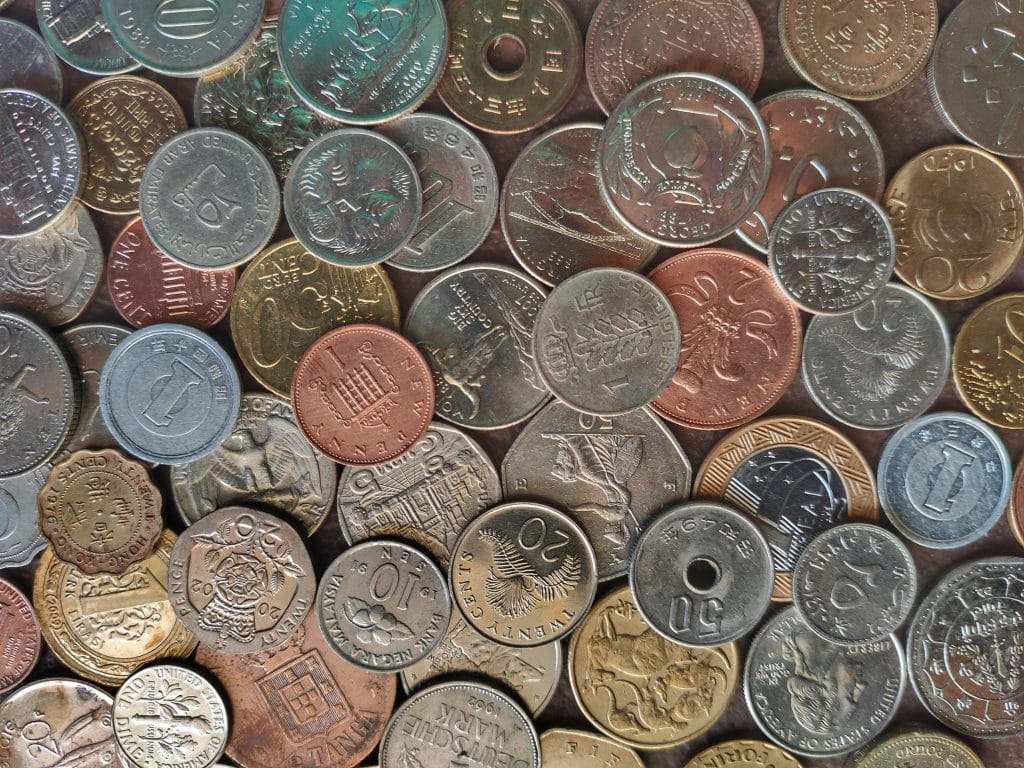
Collecting coins has always attracted people who appreciate history, craftsmanship, and the thrill of finding something uncommon. Some collectors enjoy filling albums with everyday circulation pieces, while others spend years chasing coins that rarely surface outside major auctions or estate collections. The rarest coins often carry stories tied to war, economic shifts, minting mistakes, or short production runs that turned ordinary pocket change into legendary collectibles.
What makes a coin desirable is not always age alone. Condition matters. Mint marks matter. Historical timing matters. Sometimes a tiny detail can separate a coin worth twenty dollars from one worth thousands. For experienced collectors and newcomers alike, certain coins continue to stand above the rest because demand never really fades. These are the coins many enthusiasts still dream about adding to their collections.
Silver Era Favorites
One of the most recognizable collector coins in American history is the Franklin half dollar. Produced from 1948 through 1963, the coin honored Benjamin Franklin and carried a clean, classic design that still appeals to collectors today. While many examples remain affordable, certain dates and mint conditions command serious attention, especially pieces with strong strike details and original luster.
Collectors often search for the 1953-S and 1955 Franklin halves because high-grade examples are tougher to locate than many people realize. Coins featuring what collectors call “Full Bell Lines” are especially desirable because the sharp detail on the Liberty Bell indicates a strong strike from the mint. That one feature can dramatically increase collector interest.
The Franklin series also represents the final era of circulating ninety percent silver half dollars before the Kennedy half dollar entered production after President Kennedy’s assassination. That historical transition adds another layer of appeal. Many collectors see the series as a bridge between classic American coinage and the modern era.
Historic Copper Pennies
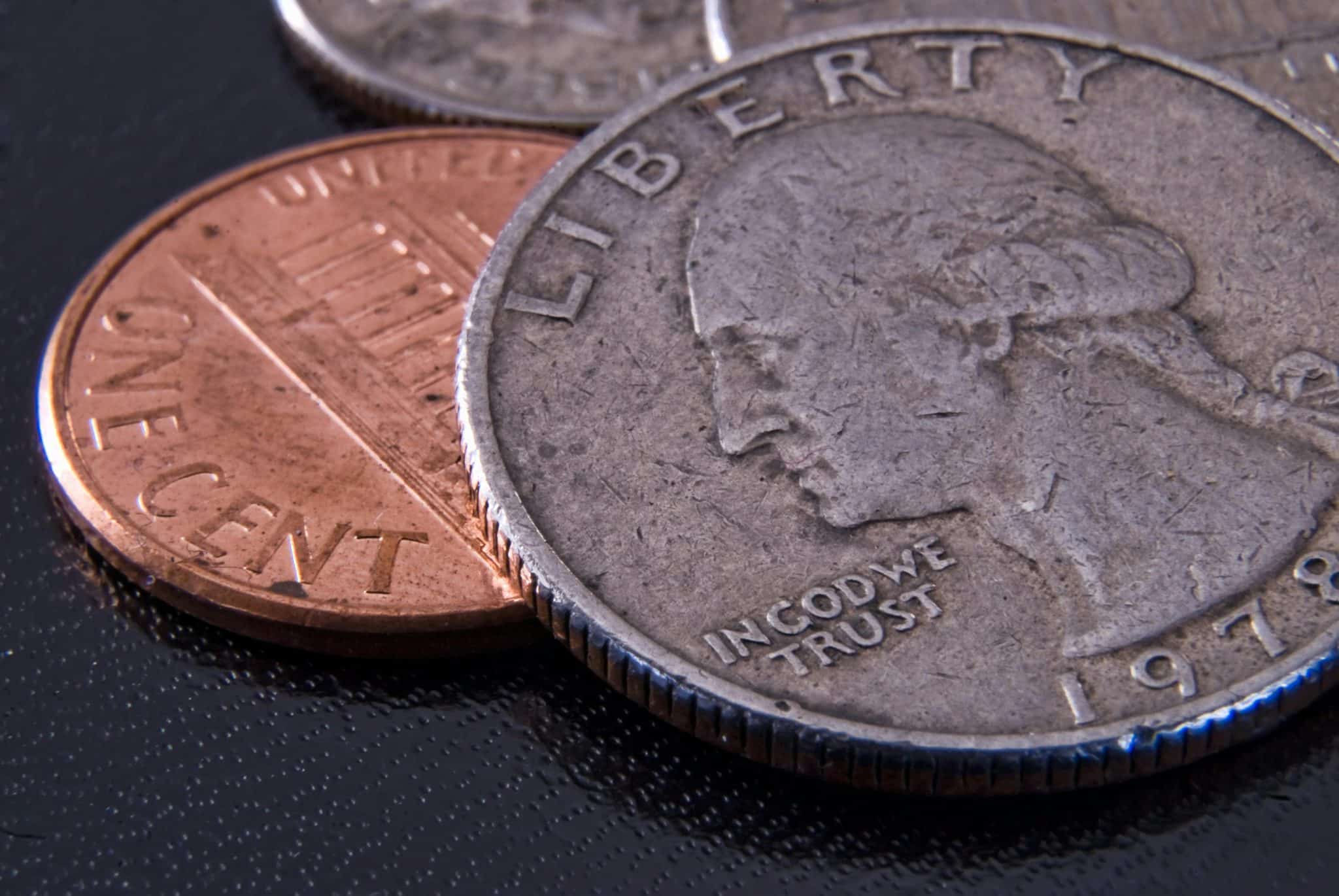
Few coins generate excitement like rare Lincoln cents. Most people have handled thousands of pennies during their lives, which makes discovering a valuable example feel almost unbelievable. Yet some small copper coins have sold for astonishing amounts because of low mintages or unusual production errors.
The 1909-S VDB penny remains one of the most famous key dates in American coin collecting. Minted in San Francisco during the first year of the Lincoln cent series, the coin included designer Victor David Brenner’s initials on the reverse. Public criticism led to the initials being removed shortly afterward, leaving the original version with a limited production run.
Another famous example is the 1943 copper penny. During World War II, the U.S. Mint shifted most penny production to zinc-coated steel to conserve copper for wartime manufacturing. A few copper planchets accidentally remained in the presses, creating one of the hobby’s best-known errors. Authentic examples are incredibly valuable and continue to attract attention whenever they appear for sale.
Even newer collectors recognize these coins because they combine rarity with a strong sense of American history. That combination keeps demand high decade after decade.
Elite Collector Pieces
Some coins exist in a category beyond ordinary collecting. These are the coins displayed at major conventions behind thick glass cases while collectors crowd around for a closer look. They represent the upper tier of rare collectibles because of their scarcity, historical significance, and auction performance.
The 1913 Liberty Head nickel may be the most famous example. Only five are known to exist, and their mysterious origins continue to fuel fascination more than a century later. The coin was technically never authorized for public production, which adds to the intrigue surrounding the surviving pieces.
Another legendary coin is the 1804 silver dollar, often called “The King of American Coins.” Ironically, most examples were actually struck decades later as diplomatic presentation pieces. Still, the rarity and mythology surrounding the coin have turned it into one of the most admired American numismatic treasures.
Collectors also remain obsessed with the 1933 Saint-Gaudens double eagle. Although hundreds of thousands were minted, nearly all were melted after the United States abandoned the gold standard. The few surviving examples became the center of legal disputes, government investigations, and multimillion-dollar auctions. Stories like these help explain why coin collecting continues to attract passionate followers across generations.
Overlooked Mint Errors
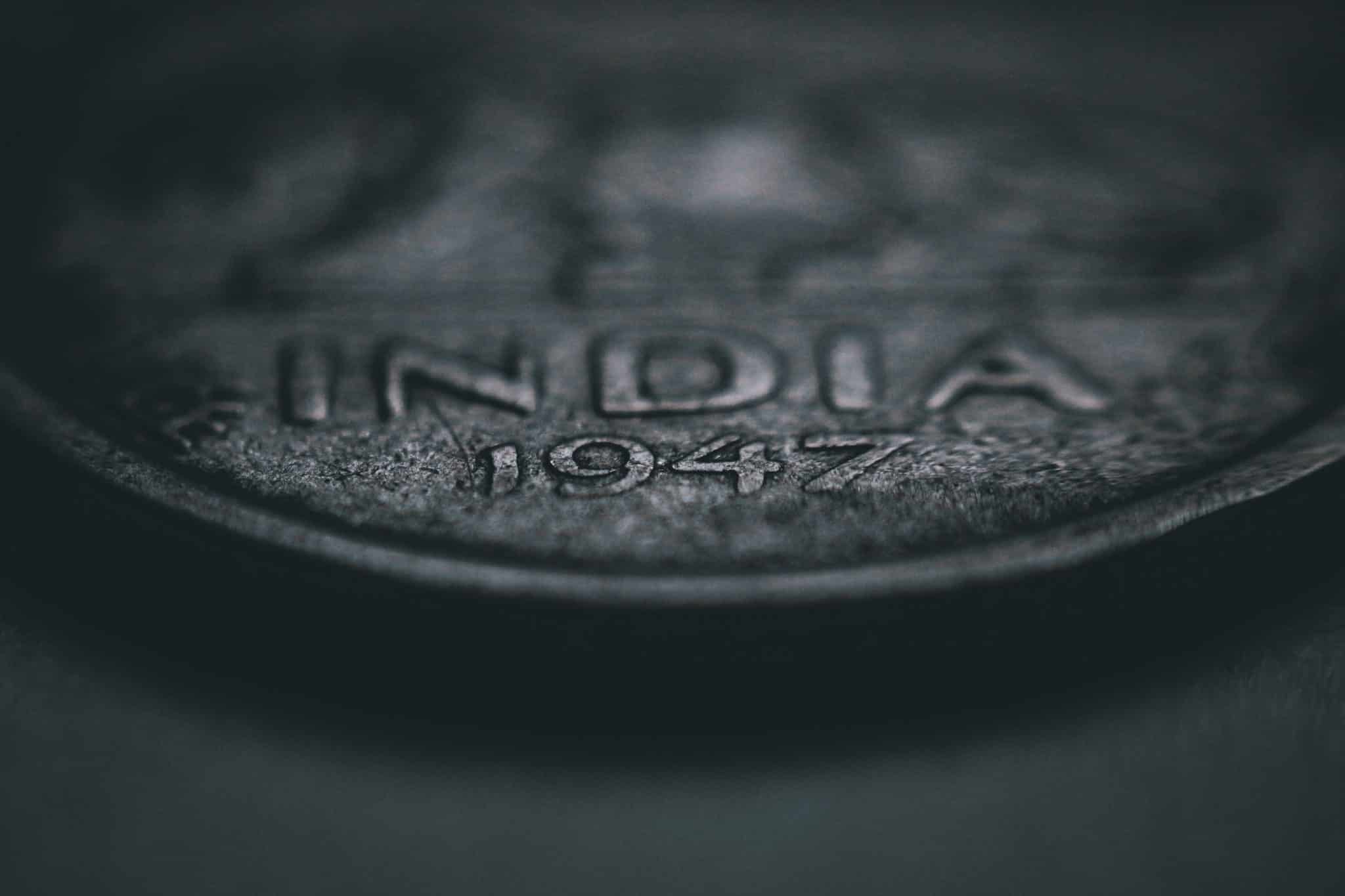
Mint errors hold a special place in the hobby because they represent mistakes that escaped quality control and entered circulation. Some collectors focus entirely on errors because each piece feels unique. No two examples are exactly alike, and the strange imperfections often create strong demand.
Double-die coins remain among the most popular error types. The 1955 doubled-die Lincoln cent is perhaps the most recognizable example because the lettering and date appear dramatically doubled. Even people with minimal coin knowledge can spot the difference without magnification.
Off-center strikes, clipped planchets, and wrong-metal errors also attract serious interest. Some collectors enjoy the unpredictability of error coins because new discoveries still happen today. Unlike many classic rare coins that already sit inside long-established collections, error coins can occasionally surface in circulation, coin rolls, or inherited jars sitting in someone’s attic.
Condition still matters with errors, but rarity and visual impact often matter more. A dramatic mint mistake tends to grab attention immediately, which keeps the market active.
Gold Coin Legends
Classic American gold coins continue to attract collectors who appreciate both rarity and visual beauty. Many feature detailed artwork that modern circulating coins simply do not match. The Saint-Gaudens double eagle is widely considered one of the most beautiful American coins ever produced, thanks to its bold depiction of Liberty and soaring eagle reverse.
Carson City gold coins also remain highly desirable because of their connection to the American West. Coins bearing the “CC” mint mark were produced in Nevada during the mining boom years and often had relatively small mintages. That history gives them a rugged appeal that many collectors love.
The Indian Head eagle and half eagle series also stand out because their designs were unlike anything produced before them. Instead of raising the images above the coin’s surface, the Mint used an incuse design recessed into the metal. The unusual appearance sparked debate at the time but eventually earned lasting admiration.
Gold coins combine artistry, history, and intrinsic metal value, which helps explain why demand remains steady even during changing economic conditions.
Building a Smart Collection
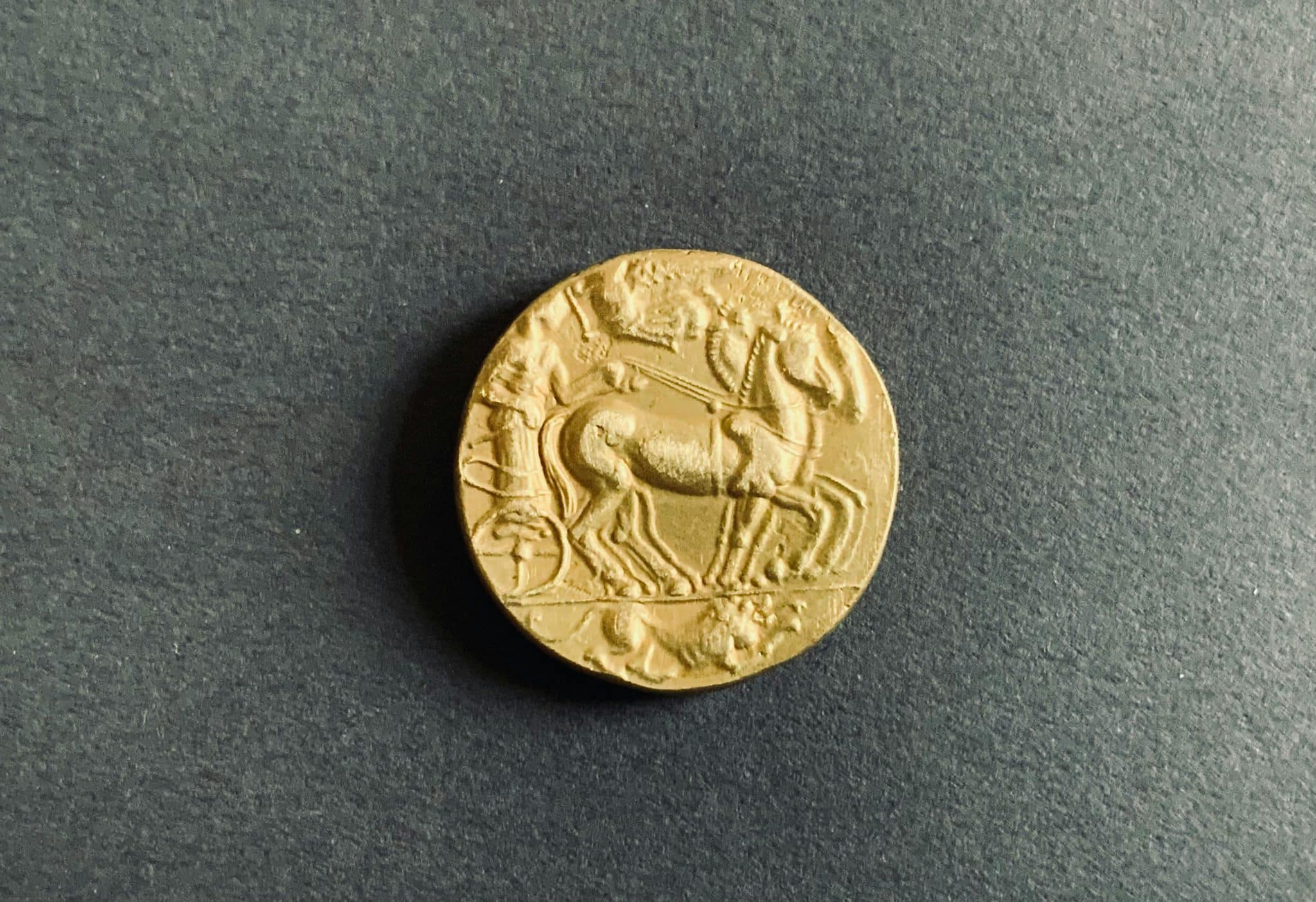
Many experienced collectors recommend focusing on quality instead of quantity. Buying dozens of low-grade coins simply to fill space rarely creates the same satisfaction as owning a few strong examples with lasting collector demand. Research also matters more than impulse purchases. Counterfeits exist, especially for expensive coins, which is why authentication from respected grading services has become increasingly important.
Collectors should also pay attention to storage. Humidity, fingerprints, and improper handling can damage coins permanently. Even a small scratch can reduce value significantly. Proper holders and careful handling go a long way toward preserving condition.
The hobby rewards patience. Some collectors spend years searching for a single coin that completes a set. Others focus on historical themes rather than value alone. There is no perfect way to collect, which is part of the reason the hobby continues to attract people of all ages.