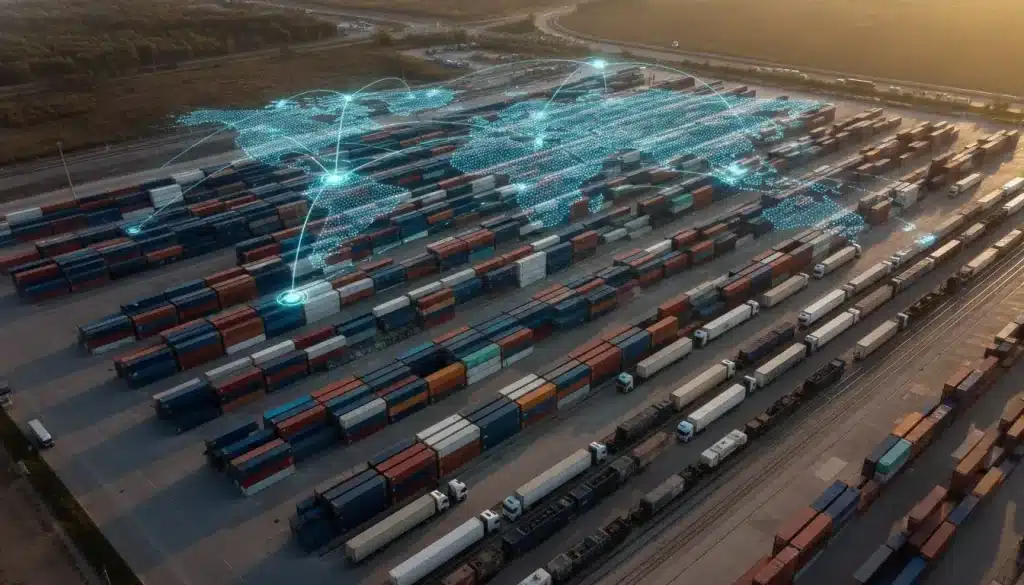
Every shipper eventually hits the same wall. Orders multiply, carriers pile up, and spreadsheets stop being enough to keep track of where freight is and what it costs. This is the point where most supply chain teams start looking seriously at freight management software, and for good reason. The right platform brings order to a process that otherwise runs on guesswork, phone calls, and outdated status updates. It also gives leadership a reliable way to answer the two questions that matter most, where is our freight right now, and what is it actually costing us to move.
Why Freight Management Needs Better Visibility and Cost Control
Shipping freight across multiple carriers, modes, and regions creates a lot of moving parts. Without a clear system in place, teams lose track of shipments, miss exceptions, and pay more than they should for transportation.
Rising freight rates, tighter delivery windows, and customer expectations for real-time updates have made visibility and cost control non-negotiable rather than nice to have. A team that is still relying on phone calls and email threads to find a shipment is already behind competitors who have automated the process.
This is why so many companies are investing in a proper freight management system. It is not just about knowing where a truck is on a map. It is about connecting tracking data, cost data, and carrier performance into one place so decisions can be made quickly and confidently. When that connection exists, small problems get caught early instead of turning into expensive delays or unhappy customers.
What Is Freight Management Software?
Freight management software is a platform that helps shippers plan, execute, track, and analyze freight movements across carriers and transportation modes. Instead of juggling emails, spreadsheets, and separate carrier portals, teams get a single dashboard that pulls everything together, from the moment an order is booked to the moment it is delivered and invoiced.
At its core, a good freight management system combines order management, carrier connections, tracking, and reporting. Some platforms lean toward being a full shipment management system, while others focus more narrowly on rate shopping or freight audit.
The strongest freight management solutions bring all of these functions together instead of forcing teams to stitch together multiple tools, which only recreates the same fragmented process the software was meant to fix.
Companies evaluating freight management solution companies usually look for a few things: how many carriers the platform connects to, how easily it integrates with existing systems such as an ERP or warehouse management tool, and whether it offers real reporting instead of just raw data dumps that still require manual analysis.
Common Problems in Freight Tracking and Cost Management
Before adopting a dedicated platform, most shipping teams run into the same recurring problems.
Limited Shipment Visibility
Without a transportation visibility solution, tracking a shipment often means calling a carrier or checking multiple separate websites. That takes time, and it means problems are usually discovered late, after a delay has already affected the customer. Teams end up spending their day chasing status updates instead of managing exceptions and planning ahead.
Scattered Freight Data
Freight data tends to live in silos. Rate information sits in one file, tracking updates come through email, and invoices arrive separately from the carrier. Without a centralized freight management system, teams spend hours manually reconciling numbers instead of acting on them, and small discrepancies are easy to miss until they add up to a real budget problem.
Difficulty Controlling Freight Spend
Freight costs are hard to manage when there is no easy way to compare rates, catch billing errors, or measure spend against budget. This is one of the biggest reasons companies look into freight cost optimization tools in the first place, since even a small percentage of overbilling can translate into a significant amount of wasted spend over a full year.
- Manual tracking across multiple carrier websites and emails
- Delayed exception alerts that reach teams after the fact
- Invoices that do not match agreed rates
- No single view of total freight spend across the network
How Freight Management Software Improves Shipment Tracking
Once a company adopts freight management software, tracking stops being reactive and starts being proactive.
Centralized Shipment Information
A modern shipment management system pulls tracking data from every carrier into one screen. Instead of logging into five different portals, a team can see every active shipment, its status, and its expected delivery time in a single view. This is the foundation of any real transportation visibility solution, and it turns tracking from a manual chore into something the system does automatically in the background.
Faster Exception Detection
When a shipment is delayed, damaged, or off route, the system flags it automatically. Teams can respond before a customer even notices there is a problem, rather than finding out after a complaint comes in. That extra window of time is often the difference between a minor hiccup and a lost customer.
How Freight Management Software Helps Control Costs
Visibility is only half the story. The other half is making sure freight spend stays under control.
Better Freight Spend Analysis
With all shipment and rate data in one place, freight cost optimization becomes a matter of running a report instead of digging through invoices. Teams can see which lanes, carriers, or shipment types are driving costs up and adjust accordingly, whether that means renegotiating a contract or shifting volume to a more reliable and affordable carrier.
Improved Carrier Performance Tracking
Good carrier management software tracks on-time performance, damage rates, and responsiveness for every carrier in the network. This data makes it much easier to negotiate rates and decide which carriers deserve more volume and which ones need to be replaced. Over time, this turns carrier selection into a data-driven decision rather than a matter of habit or convenience.
Key Benefits for Shippers and Supply Chain Teams
Bringing tracking and cost management together under one platform creates benefits that go beyond day to day convenience.
- One dashboard covering the full shipment lifecycle, from booking to delivery
- Stronger supply chain optimization through better data and fewer manual steps
- More accurate freight budgeting and fewer billing surprises
- A more resilient carrier network built on performance data instead of guesswork
- Faster response times when exceptions occur
Together, these benefits explain why freight management logistics has shifted from a back office task to a strategic function that supply chain leaders track closely.
When Companies Should Consider Freight Management Software
Not every company needs a full platform on day one. That said, a few signs usually mean it is time to look into one.
- Shipment volume has grown past what spreadsheets can reasonably handle
- Multiple carriers are being managed through separate, disconnected systems
- Freight spend is rising without a clear explanation of why
- Customers are asking for tracking updates the team cannot easily provide
If any of these sound familiar, it is a strong sign that a dedicated freight management system would pay for itself quickly.
Final Thoughts on Choosing the Right Freight Management Software
Choosing among freight management solution companies comes down to a few practical questions. How wide is the carrier network the platform supports? How clear is the reporting? And how well does it fit into the systems already in place?
The right platform should make shipment tracking simple and freight cost optimization ongoing rather than occasional. Investing in freight management software is ultimately an investment in visibility, accuracy, and control across the entire supply chain, and it tends to pay dividends well beyond the shipping department.