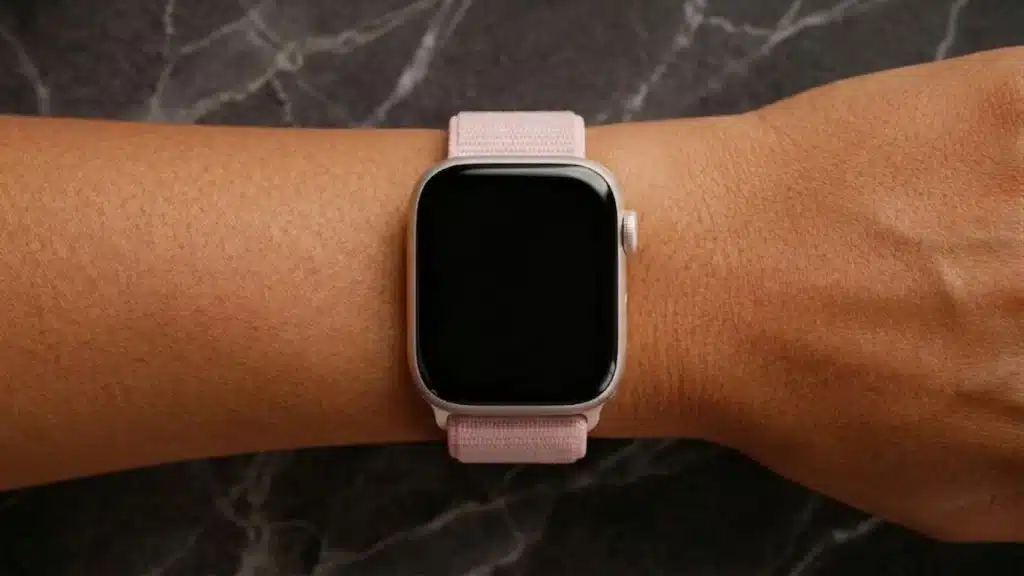
Smartwatches have improved a lot over the years, but not every model feels worth wearing every day. This is where things get interesting with the Apple Watch Series 9 review.
The goal here is simple. You want to know if it still makes sense today, especially now that a newer model is out.
After using it daily, a few things stand out. The S9 chip delivers noticeable speed, and the double-tap feature sounds exciting, but its real value depends on how you use it.
Health tracking is still a big part of the experience, but not everything feels equally useful.
What really matters is whether this watch still feels like a good deal today or if it makes more sense to spend extra on the newer option.
The 45mm aluminum version with cellular was used for this. It stayed on the wrist through workouts, outdoor runs, sleep tracking, and regular day-to-day tasks.
This gives a clear idea of how it performs beyond just features on paper.
A Quick Overview of the Apple Watch Series 9
The Apple Watch Series 9 launched in September 2023 with watchOS 10, and the main highlight this time is the new S9 chip, which delivers faster performance and smoother daily use.
Apple has packed in more transistors, improved the GPU, and added a stronger Neural Engine, which directly affects how the watch feels throughout the day.
In real use, this translates to faster app launches, smoother animations, and a more responsive overall experience.
One noticeable change is that Siri now runs on the device itself, making simple tasks quicker and more reliable, especially when you are not connected to the internet.
The same processing power also enables the new double-tap gesture, which is designed to make one-handed use easier.
The display has also been improved, now reaching up to 2,000 nits of brightness, which makes it much easier to read outdoors in strong sunlight.
Storage has been increased to 64GB, giving more space for apps, music, and offline content without feeling limited. The watch still comes in 41mm and 45mm sizes, with options for aluminum or stainless steel builds.
Apple Watch Series 9: Design and Build Quality
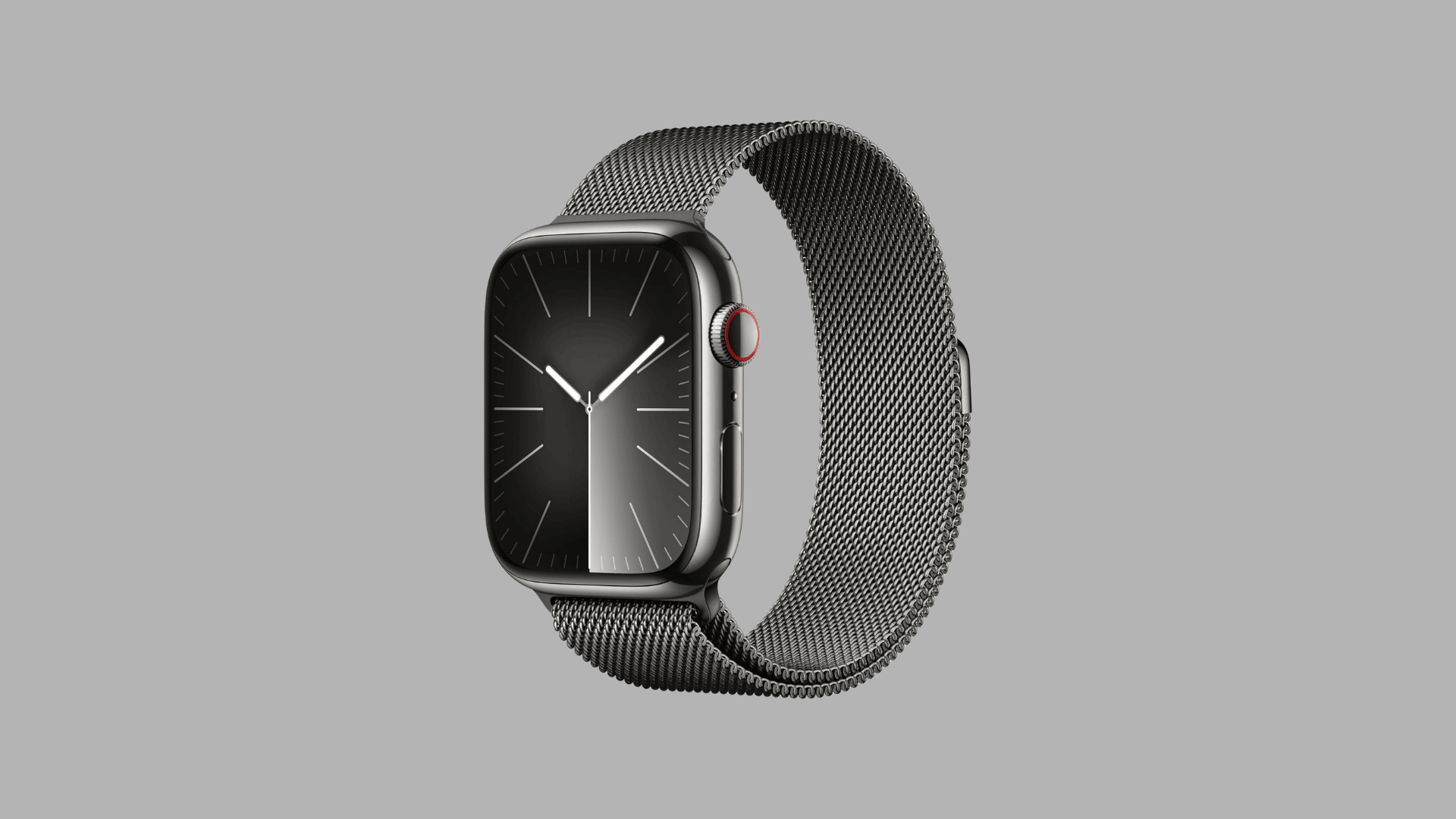
The Apple Watch Series 9 keeps the same design as the Series 7, with a rounded rectangular shape and smooth curved edges that feel familiar right away.
There are no major visual changes here, but that is not always a bad thing, since all older bands still fit perfectly, making upgrading easier.
The aluminum version comes in Midnight, Starlight, Silver, Pink, and Red, while the stainless steel options include Silver, Gold, and Graphite.
After regular use that includes workouts, runs, and daily wear, the aluminum build feels light and comfortable, though it can pick up small scratches over time compared to stainless steel.
The lightweight feel makes a difference, as it sits on the wrist without feeling heavy even after long hours.
Comfort also depends heavily on the band, and the Sport Loop stands out for its soft, breathable feel and all-day use.
If you are still deciding on the right fit, choosing the correct Apple Watch band size can make a bigger difference than most people expect.”
Apple Watch Series 9: Display and Brightness Performance
The display on the Apple Watch Series 9 is one upgrade that actually makes a difference in daily use, especially when you step outdoors, and I noticed the improvement right away.
It now reaches up to 2,000 nits of brightness, which is double what the Series 8 offered, and that boost is clearly visible when checking stats under direct sunlight.
The always-on display stays sharp without draining too much battery, and the 1-nit minimum brightness helps at night without feeling harsh when tracking sleep.
In terms of size, the 41mm model has a resolution of 352 by 430 pixels with 904 square mm of display area, while the 45mm version offers 396 by 484 pixels across 1,143 square mm, giving more room for text and data.
In real use, the larger screen helps reduce scrolling, especially for notifications and health stats. Brightness still peaks when you raise your wrist, but overall visibility remains strong in most conditions.
Apple Watch Series 9: Health and Fitness Tracking Experience
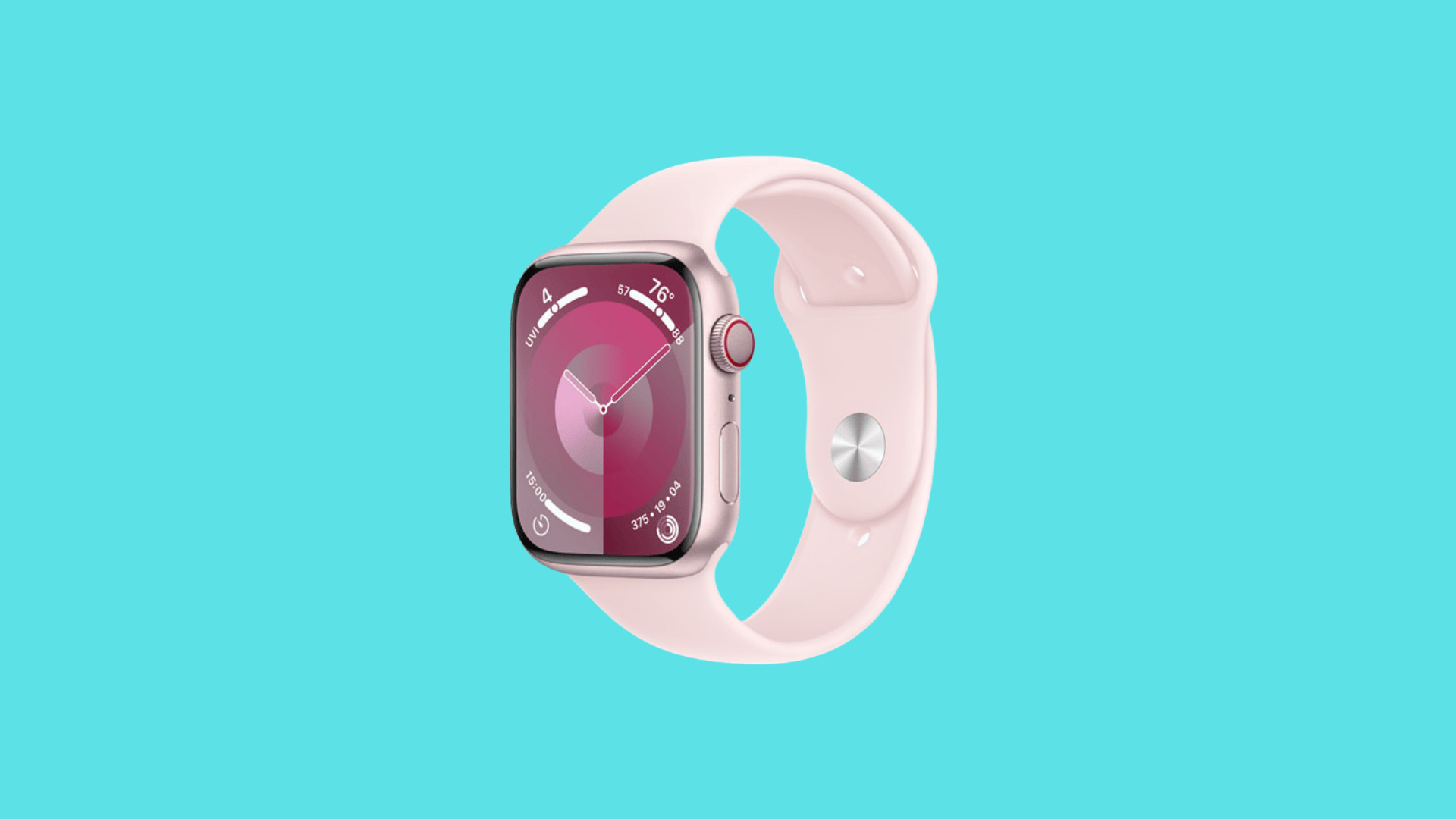
A big part of why people choose this watch comes down to how well it tracks health and fitness in real life, not just on paper.
If you are comparing it against other dedicated fitness trackers, it is worth understanding how wearable technology works across different device types before making a decision.
1. Heart Rate, ECG, and SpO2 Accuracy
The Apple Watch Series 9 uses a third-generation optical heart sensor that delivers over 99 percent accuracy when compared to chest straps in testing.
It also supports ECG, which can record a single-lead electrocardiogram and help flag irregular rhythms, though it is not a medical replacement.
Blood oxygen tracking is another feature, but it is disabled on newer US units due to a patent issue, so buyers should keep that in mind.
2. GPS Accuracy in Daily Workouts
The watch runs on single band GPS, which works well for regular runs and cycling on open roads, where distance tracking stays close to accurate in most conditions.
However, in areas with tall buildings, tunnels, or dense tree cover, the signal can weaken slightly, which leads to small shifts in route tracking.
It may also cut corners on curved paths, which affects precision during complex routes. For general fitness tracking, this is not a major issue, but for structured training, it becomes more noticeable.
3. Treadmill Tracking and Calibration
Indoor tracking depends on the accelerometer, which estimates distance based on wrist movement. This can lead to noticeable gaps, especially when the pace changes often.
A simple fix is to complete a few outdoor runs first, as the watch uses that data to improve indoor estimates.
GymKit support is also available on some machines, which allows direct data syncing and gives more accurate distance and pace readings during workouts.
4. Crash Detection and Temperature Tracking
The watch includes crash detection using advanced motion sensors that can detect a vehicle accident and contact emergency services if needed.
It also tracks wrist temperature changes during sleep, which helps provide insights for cycle tracking and overall health patterns.
These features work quietly in the background but add an extra layer of safety and long-term health awareness for users who want more than basic tracking.
5. Sleep Tracking and Insights
Sleep tracking is reliable once you get used to wearing the watch overnight, and it provides detailed breakdowns of REM, core, and deep sleep stages along with respiratory rate and wrist temperature trends.
It can also detect signs linked to sleep apnea through software updates.
One limitation is that it may log time spent resting in bed as sleep, but over time, the trend data becomes more useful than single-night readings.
Apple Watch Series 9: Performance and S9 Chip Experience
The Apple Watch Series 9 gets its biggest upgrade in years with the new S9 chip, which is built on the same foundation as the iPhone 13’s A15 chip.
In daily use, everything feels faster, from opening apps to switching screens, and the overall experience feels smoother without any lag.
One major improvement is on-device Siri, which now handles tasks like setting timers, logging data, or starting workouts instantly without needing the internet.
This also keeps certain health data more private. Voice dictation has improved as well, with better accuracy compared to the previous version.
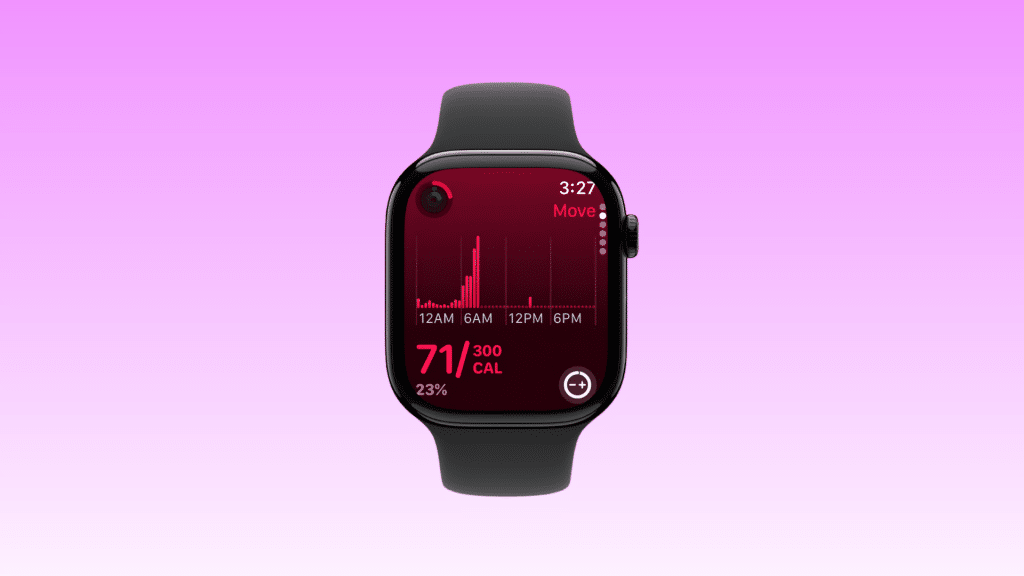
The double-tap gesture lets you control the watch with one hand by tapping your fingers together twice.
It works well for calls, alarms, and simple actions, but it struggles during runs or cycling due to movement, so it feels more useful when you are still.
Apple Watch Series 9 Review: Based on Real User Opinions
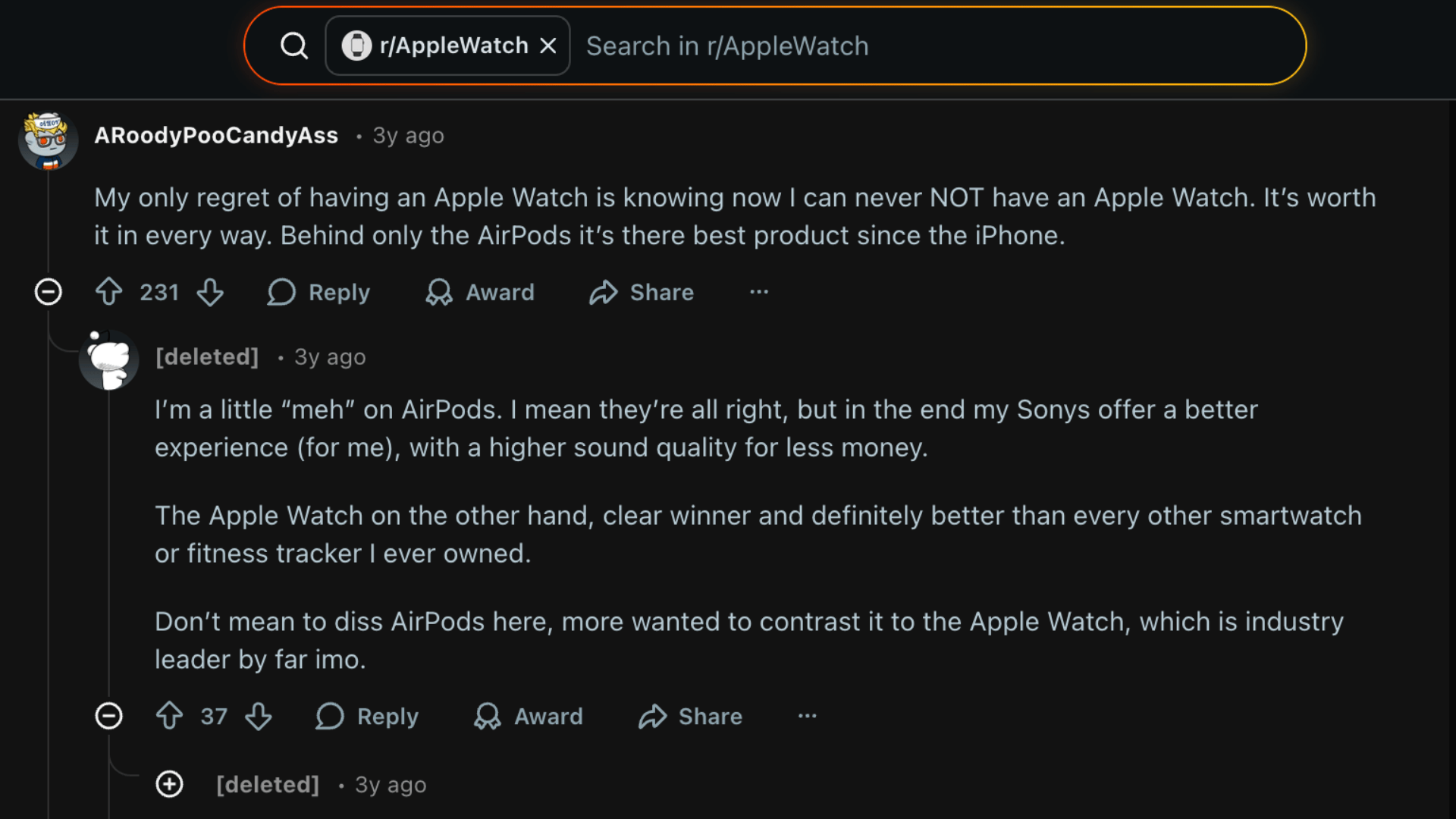
Looking at Reddit user feedback adds more clarity to this Apple Watch Series 9 review, especially when it comes to daily usage.
Many users feel this is still one of the best smartwatch options for most people, mainly because it balances features, ease of use, and overall reliability.
Some who upgraded from Series 8 mention that the experience feels quite similar, but the addition of on-device Siri makes it more appealing, especially for faster and more private interactions.
For new users, the watch fits well into everyday routines. It works well for workouts, navigation while walking or cycling, and controlling music without reaching for the phone.
One noticeable change people mention is reduced phone usage, which makes the watch feel more useful over time.
Apple Watch Series 9: Battery Life and Charging
Battery life is one area where expectations need to stay realistic, especially if you plan to use most of the features daily without holding back.
Apple claims up to 18 hours of typical use, and that figure holds up in regular conditions like checking time, getting notifications, using the always-on display, and tracking one workout.
From what I noticed, that estimate feels accurate as long as usage stays moderate.
Once you push it harder with GPS workouts, frequent Siri use, or LTE calls, battery life drops to around 12 to 14 hours, which means you need to plan charging more carefully.
Low Power Mode helps extend usage up to about 36 hours by turning off certain features and reducing background activity, which is useful during travel or long days.
Charging is fairly quick, reaching about 80 percent in 45 minutes and a full charge in around 75 to 80 minutes.
Apple Watch Series 9 vs Series 10: Key Differences
If you are confused between the two, this quick comparison highlights what actually changes and whether those differences matter in daily use.
| Feature | Series 9 | Series 10 |
|---|---|---|
| Case sizes | 41mm / 45mm | 42mm / 46mm |
| Thickness | 10.7mm | 9.7mm (thinnest yet) |
| Display | LTPO OLED, 2,000 nits | Wide-angle LTPO3 OLED, 40% brighter at angles |
| Chip | S9 SiP | S10 SiP |
| Charge to 80% | Around 45 minutes | Around 30 minutes |
| Case materials | Aluminum / Stainless Steel | Aluminum / Titanium |
| New health sensors | None | Water temperature + depth gauge up to 20 feet |
| Starting price | Around $299 (refurb or clearance) | Starts at $399 |
Apple Watch Series 9 Price and Value Today
The pricing story is where the Apple Watch Series 9 becomes much more interesting, especially now that newer models have pushed its cost down.
At launch, the Series 9 started at around $419 for the base model and went higher depending on size and cellular options.
In 2026, prices have dropped quite a bit, with deals, refurbished units, and clearance sales bringing them closer to the $375 to $399 range in many cases.
This price drop changes how the watch feels overall. You still get the S9 chip, a bright 2,000 nits display, and full health tracking, which keeps it competitive even against newer models.
If you look at value alone, this is where it stands out the most. You are getting features that still feel current, but at a much lower price than what you would pay for the latest version.
Who Should Buy It?
This watch makes sense for certain users more than others, especially if your focus is on daily tracking, ease of use, and staying within a reasonable budget.
- Casual fitness users: Great for tracking steps, workouts, and basic health without needing advanced sports-level accuracy
- iPhone users: Works best inside Apple’s ecosystem with smooth syncing, notifications, and app support
- First-time smartwatch buyers: Easy to use, reliable, and offers a balanced set of features without feeling overwhelming
- Users upgrading from Series 6 or older: Noticeable improvements in speed, display brightness, and overall experience
- Budget-conscious buyers: Lower price in 2026 makes it a strong value compared to newer models
Conclusion
After spending real time with it, the Apple Watch Series 9 proves that small upgrades can still make a solid difference in daily use.
The S9 chip improves speed and makes on-device Siri feel quicker, while the double-tap gesture adds a new way to interact without touching the screen.
The brighter display is one of the most noticeable upgrades, especially outdoors, and the overall health tracking still feels complete for most users at this price.
There are a few limitations, but from what I saw, these are not dealbreakers for most people and can be managed with small adjustments.
If you are using an older model, this is an easy upgrade. If you have a recent version, waiting might make more sense. If you are confused between options, drop your situation below, and I will help you decide.
Frequently Asked Questions
What is the Biggest Upgrade in the Apple Watch Series 9?
The S9 chip is the main upgrade, bringing faster performance, on-device Siri, and support for the double-tap gesture.
Does the Apple Watch Series 9 Support Blood Oxygen Tracking?
Blood oxygen tracking is not available on newer units sold in the US due to a patent issue, but it works in other regions.
Should You Choose Series 9 or Series 10?
Go for Series 9 for better value. Choose Series 10 if you want a thinner design, faster charging, and newer display improvements.