If you bought a car new in 2021, you’re sitting on one of the oddest depreciation stories in years. The market you bought into was nothing like normal, and the way your car has held its value since won’t match the standard curve you might expect. There’s a fair bit to unpack about why that is.
What Made 2021 Such a Strange Year to Buy New
2021 was the year the semiconductor shortage really bit. Carmakers couldn’t get the chips they needed, so factories slowed and new car waiting lists went from a few weeks to well over a year in some cases. The whole market ended the year with just over 1.64 million new cars registered, the second weakest annual total since 1992 according to SMMT figures.
If you ordered a car that year, you probably paid close to full list price. Discounts dried up because dealers had nothing sitting on the forecourt to shift. It’s worth pointing out that you might also have waited months for delivery, which was unusual for buyers used to driving away the same week.
How the Used Market Went Upside Down
With almost no new stock about, buyers flooded into the used market, but there weren’t enough used cars either. Fewer new sales meant fewer part-exchanges feeding through. Prices climbed fast, and by April 2022 the Auto Trader Retail Price Index recorded annual used car price growth of 32.2%, the peak of a run that pushed values more than 40% above their 2019 level.
For a short while, some nearly-new cars were selling for more than their original list price. If you’d bought the right model in 2021, you could have sold it a year later at a profit, which almost never happens with cars.
The Correction Nobody Warned 2021 Buyers About
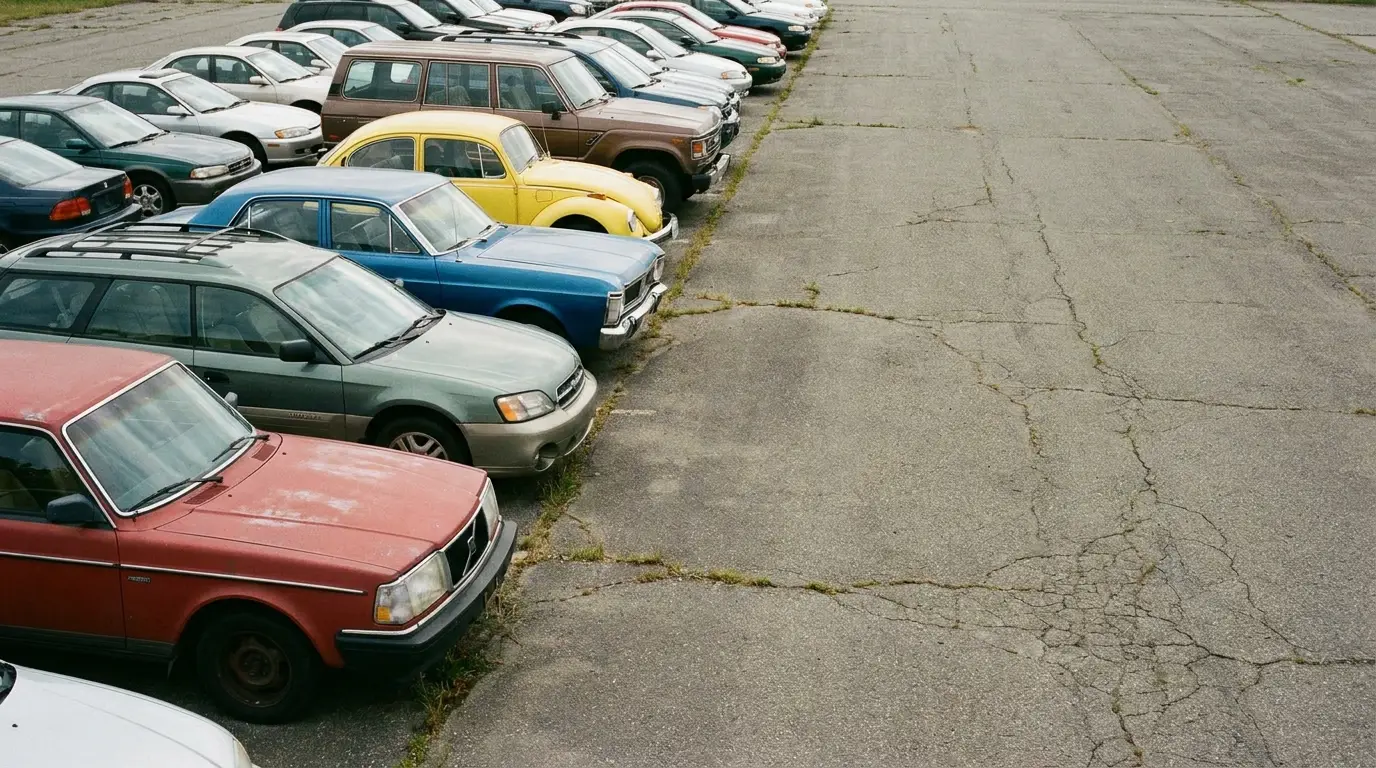
Since that 2022 peak, prices have drifted back down as new stock returned and order backlogs cleared. The 2021 cohort hasn’t followed one neat curve, though. Which direction your car has gone depends heavily on what you bought:
- Petrol and self-charging hybrids from reliable brands have held on well, helped by a real shortage of good three-to-five-year-old cars.
- Early electric cars have taken the hardest hit, as newer models with more range make the older ones look dated fast.
- Older diesels have kept sliding, squeezed by clean air zones and higher road tax.
Three-to-five-year-old stock is still in short supply on UK forecourts, a knock-on effect of the roughly two million new cars that weren’t sold during the pandemic years, and that shortage is still propping up values on the right sort of car.
What This Means When You Come to Sell
The lesson is simple. Don’t assume your 2021 car has lost the “usual” amount. Plenty of owners are caught out in both directions, some finding their car worth far more than expected, others a good deal less. Depreciation tables can’t capture any of this. Most valuation platforms now offer a free and quick ‘check my car price‘ tool that pulls from live market data, and it’s always a good idea to run yours through one before you make any decisions.
This matters most if you’ve still got finance left to settle or you’re weighing up a part-exchange. Knowing the real figure tells you whether you’ve got equity to put towards your next car or a shortfall to cover first.
Your 2021 Car Plays by Different Rules
The cars bought new in 2021 arrived in a broken market and have lived through an unusual few years since. Some have been kind to their owners, others less so, but almost none have behaved the way the textbook says they should.
If you’re thinking about selling or switching this year, treat any old assumption about value with caution. Get a current figure first, then make your decision from there.