Audiophile is not just limited to people who spend huge amounts on audio gear, even though that is what many still believe.
This idea often holds people back and keeps them using basic earbuds that fail to bring out the full depth of their music.
Things have changed a lot in recent years, and getting into a good budget audiophile no longer feels out of reach.
A growing number of dedicated online communities have lowered the entry point, giving newcomers honest advice, real-world impressions, and gear comparisons from people who have already worked through the same decisions.
Even within the $150 to $250 range, it is possible to build a setup that feels like a real step up from everyday listening. This blog focuses on what actually makes a difference instead of overcomplicating things.
This blog focuses on what actually makes a difference instead of overcomplicating things.
It breaks down how to choose gear wisely, how to divide your budget without wasting money, which options are worth considering at each level, and which communities are most useful for ongoing questions and honest feedback.
The goal stays simple throughout: getting better sound without spending more than needed.
What Makes a Budget Audiophile Setup?
A budget audiophile setup comes down to choosing gear based on value for every dollar and knowing which components to prioritize first, rather than defaulting to well-known brands or higher price tags.
The mindset needs to shift away from brand names toward how much sound quality you get for the price.
A well-tuned $60 headphone from a lesser-known brand can easily sound better than a $150 option from a popular lifestyle brand if the tuning and build are done right.
Balance plays a big role in this, as every part of the setup, whether it is the source, DAC, amplifier, or the headphones or speakers, should sit at a similar level.
Spending too much on one piece while ignoring the rest often leads to a setup that feels off and underwhelming.
I have seen setups where one expensive component fails to shine just because the rest of the chain cannot keep up.
It also helps to understand what actually improves sound instead of chasing numbers or trends. In the end, spending smart always comes down to knowing what is worth paying for and what is not.
Budget Audiophile Price Range and Smart Budget Split
Getting into the budget audiophile space doesn’t require a lot, but it does require a clear idea of where your money should go.
The entry level usually starts around $30 to $100 per component, which is enough to pick up an IEM or headphone that sounds noticeably better than regular consumer earbuds.
The real sweet spot sits between $100 and $300 for a full setup. This is where most people start to hear a clear jump in sound quality, especially when pairing a good headphone or IEM with a basic DAC.
Once the total setup goes beyond $500, the upgrades become less noticeable. You start paying much more for smaller changes in sound, which can be hard to justify unless you are very particular about details.
The table below gives a quick overview of what to expect at each price tier:
| Budget Range | Typical Setup | What to Expect |
|---|---|---|
| $30 to $100 | Single IEM or headphone, no external DAC needed | Clear step up from consumer earbuds; solid starting point |
| $100 to $300 | IEM or headphone plus a basic DAC dongle | Noticeable jump in clarity, imaging, and detail retrieval |
| $300 to $500 | Full chain: headphone, DAC, and amplifier | Well-rounded, balanced sound; most rewarding tier for the price |
| $500 and above | High-impedance headphones with a desktop stack | Incremental gains; suited for listeners with specific preferences |
A simple way to split your budget makes things easier. Around 50-60% should go toward your main listening device, such as headphones, IEMs, or speakers.
About 20-25% can go into a DAC or an amplifier if needed. The rest can be used for small upgrades, like better cables or improving your source by switching to a lossless streaming service.
Note: One area many beginners overlook is source quality. Streaming at the highest available resolution through services like Apple Music Lossless, Amazon Music HD, or Tidal costs nothing extra on an existing subscription and can produce a noticeable improvement through even a modest setup
Headphones: Wired Options That Sound Great
Wired headphones are still one of the easiest ways to get clean and detailed sound without spending too much.
If you want a broader look before narrowing down, check out this list of the best audiophile headphones, covering both budget and mid-range options worth considering.
1. Audio-Technica ATH-M40x
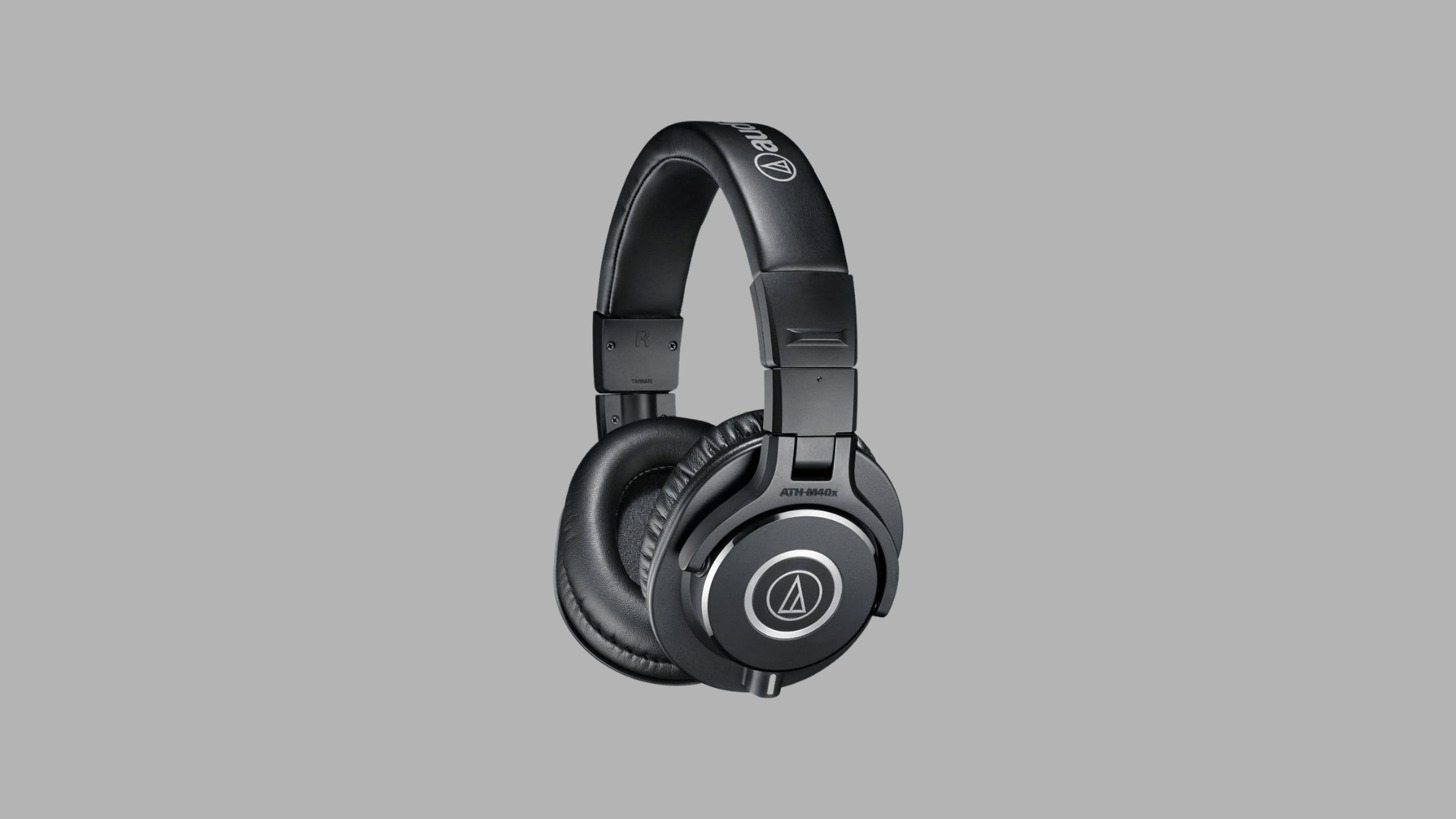
Price:: $109
The ATH-M40x is a closed-back, over-ear headphone known for its flat and accurate sound tuning, which means it does not artificially boost bass or reduce treble.
This makes it a dependable choice for both casual listening and basic audio work like editing or mixing. It features solid build quality, rotating ear cups for easier storage, and a detachable cable, which adds convenience.
Since it is closed-back, it offers good isolation and keeps sound from leaking, making it suitable for shared or noisy environments.
2. Philips SHP9500
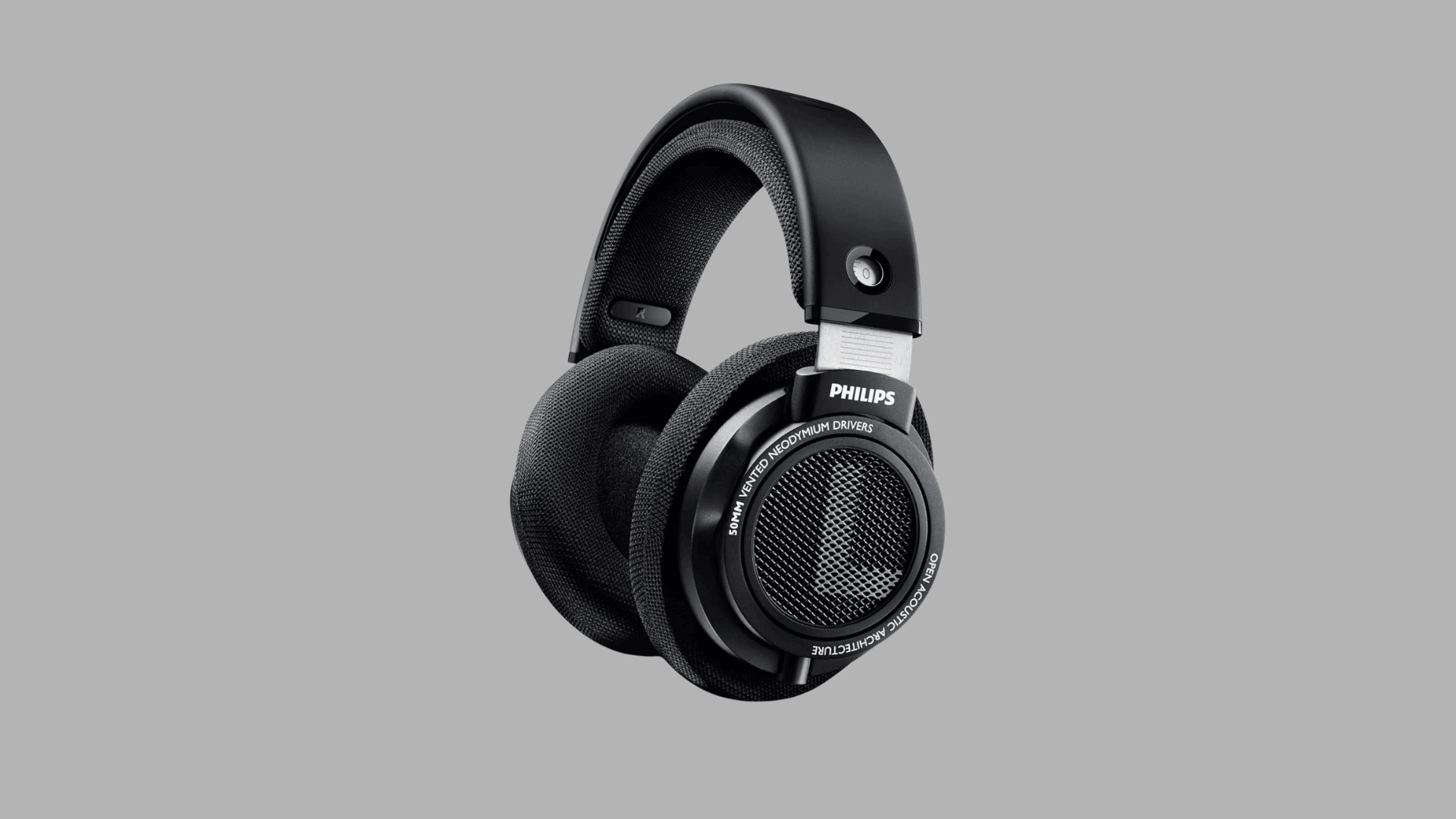
Price: ~$100 (condition dependent)
The SHP9500 is an open-back headphone that focuses on delivering a wide, natural soundstage, helping music feel more spacious and less confined.
Even though its discontinued, it still works as good equipment for a budget audiophile.
This makes it a strong option for genres where separation and space matter, like classical, jazz, and acoustic tracks.
It is lightweight and comes with soft ear pads, allowing long listening sessions without discomfort. The open design means sound leaks in and out, so it is best used in quiet spaces where outside noise is not an issue.
3. Sennheiser HD 560S
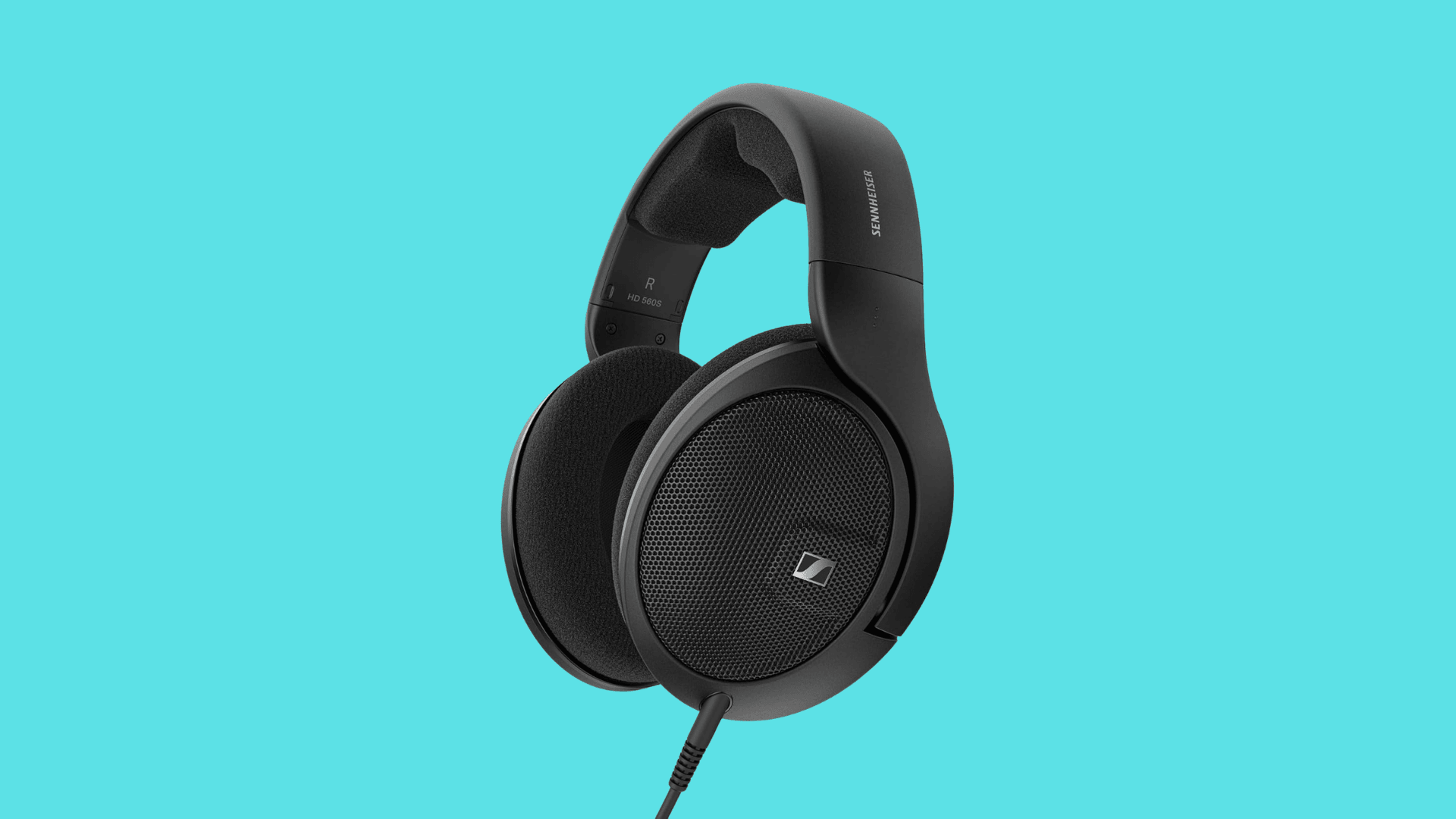
Price: $150
The HD 560S sits at the higher end of the entry-level headphone market and offers a more neutral, detailed sound signature for accurate listening.
It is an open-back design that delivers strong clarity, especially in the mid-range where vocals and instruments are most prominent.
With an impedance of 120 ohms, it benefits from being paired with a DAC or amplifier to reach proper volume and performance. While it costs more, the improvement in detail and balance is clearly noticeable.
IEMs: Small but Powerful Choices
In-ear monitors (IEMs) have improved significantly in recent years, especially in the budget space, where performance per dollar has increased rapidly.
1. Moondrop Aria 2
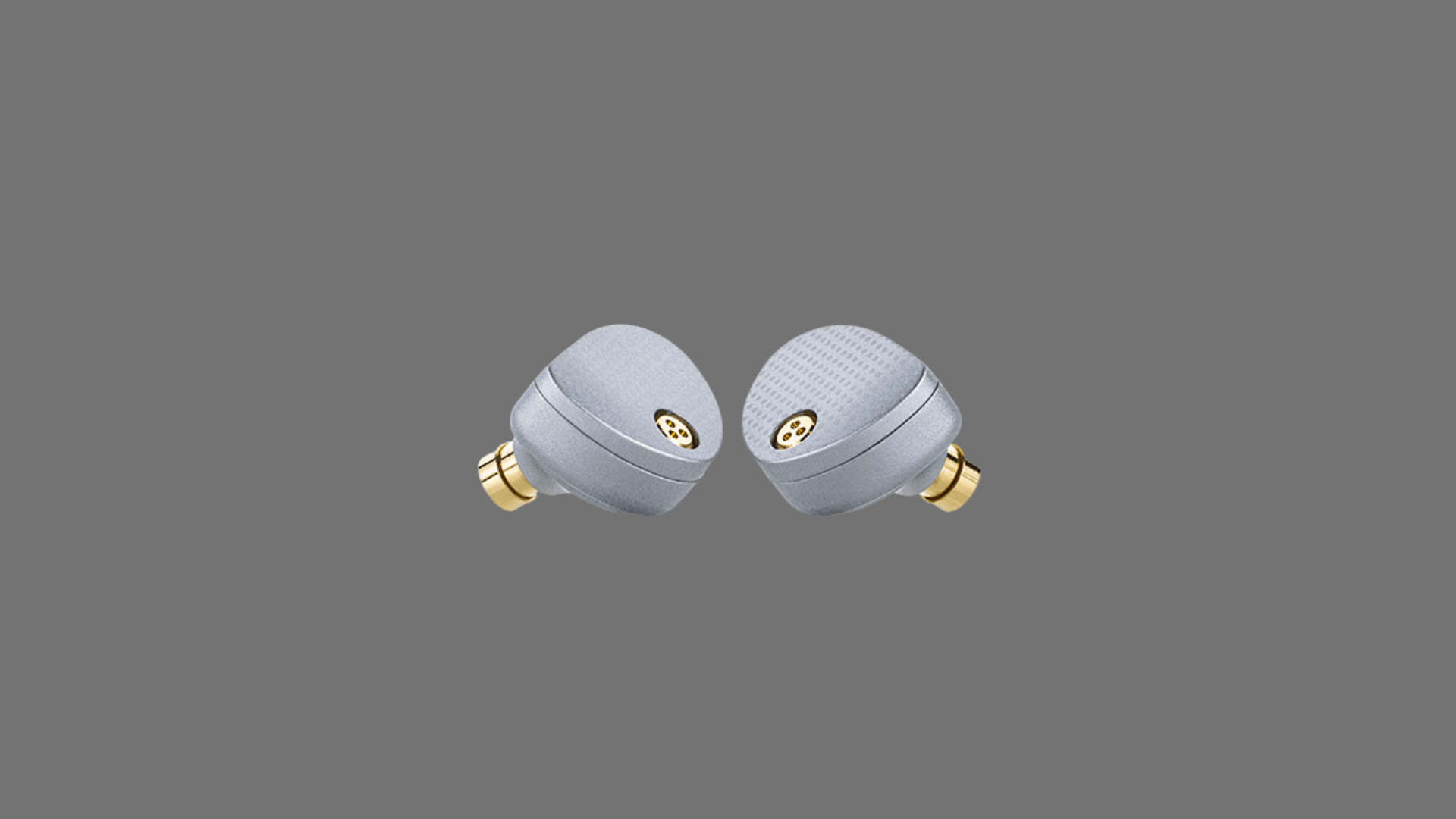
Price: $90
The Moondrop Aria 2 uses a single LCP dynamic driver and follows a Harman-inspired tuning, which is known for being smooth and easy to listen to.
The sound leans slightly warm, making it suitable for long listening sessions without fatigue. The metal shell gives it a more premium feel than expected at this price.
It performs well across most genres, though bass lovers might find the low end a bit controlled. A better ear tip fit can improve both bass response and overall sound.
2. 7Hz Salnotes Zero
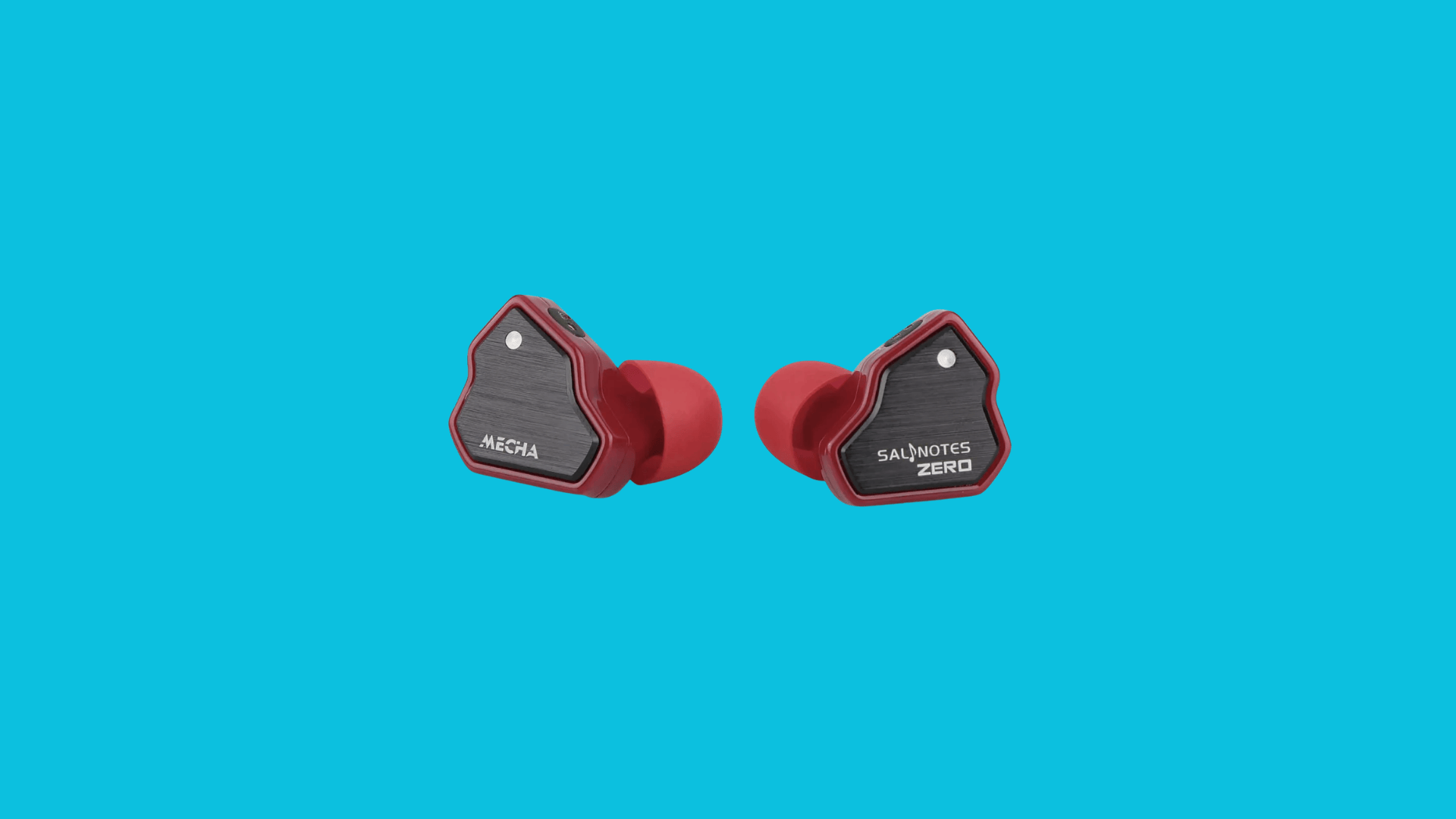
Price: $22.99
The 7Hz Salnotes Zero is one of the strongest options under $30, offering a clean and neutral tuning that focuses on clarity and balance.
It was tuned with input from Crinacle, which helps it stay close to a flat response. Despite the low price, it delivers sound that feels far above its category.
The soundstage is not very wide due to the design, but imaging remains accurate, making it easy to pick out instruments clearly in a track.
3. Truthear Hola
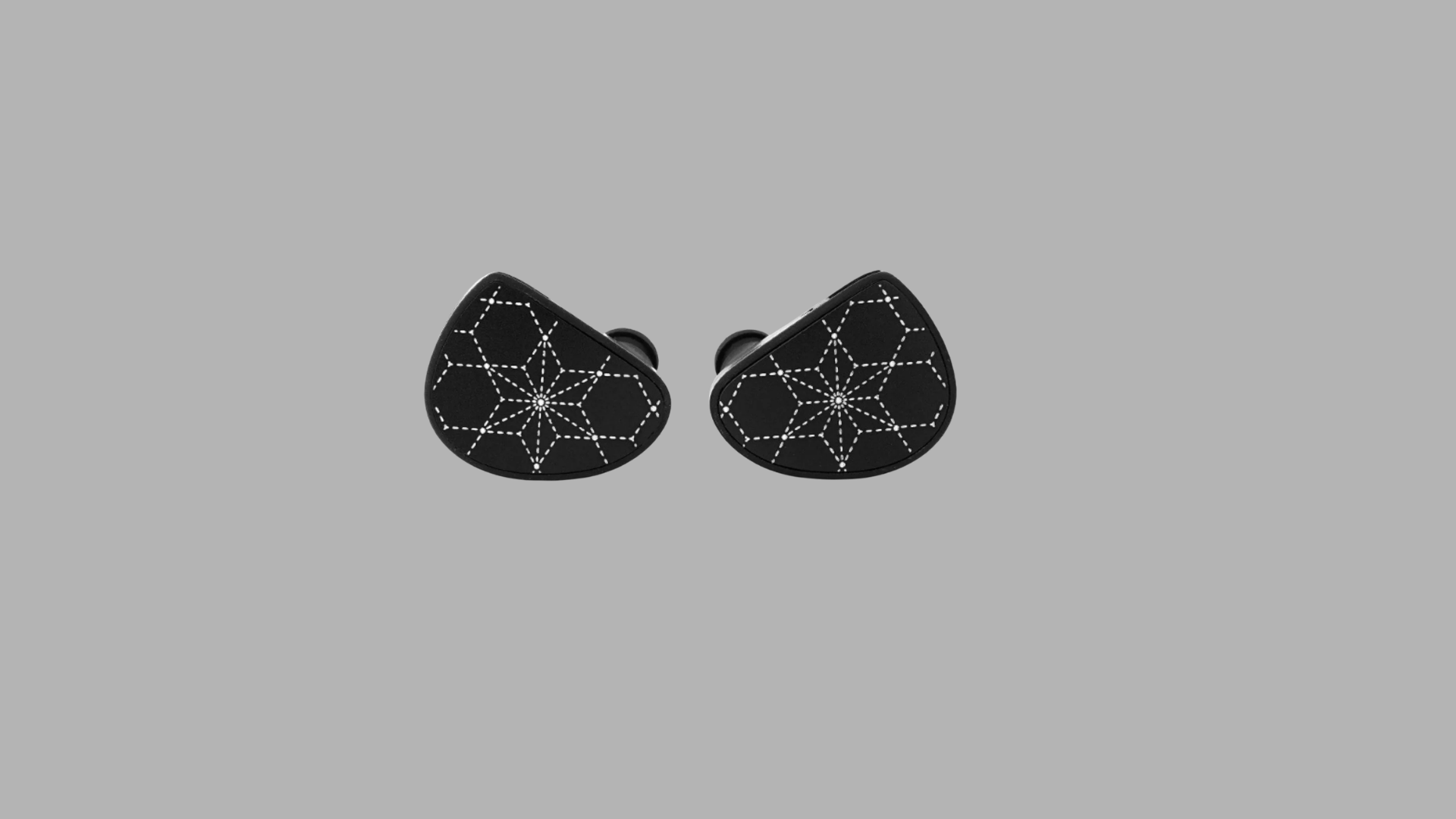
Price: $18.99
The Truthear Hola is tuned for a warmer and more relaxed sound, making it a great option for listeners coming from typical consumer earphones.
The bass is slightly elevated but stays controlled, adding depth without overpowering the rest of the sound. This makes it comfortable for longer sessions and more forgiving with different types of music.
The cable is basic and may need an upgrade over time, but the overall sound quality makes it a strong value pick.
DACs: When You Need One and When You Don’t
A Digital-to-Analog Converter (DAC) converts digital audio from your phone or computer into an analog signal that your headphones can use.
Most devices already have one built in, so you do not always need an external DAC right away.
1. Apple USB-C to 3.5mm
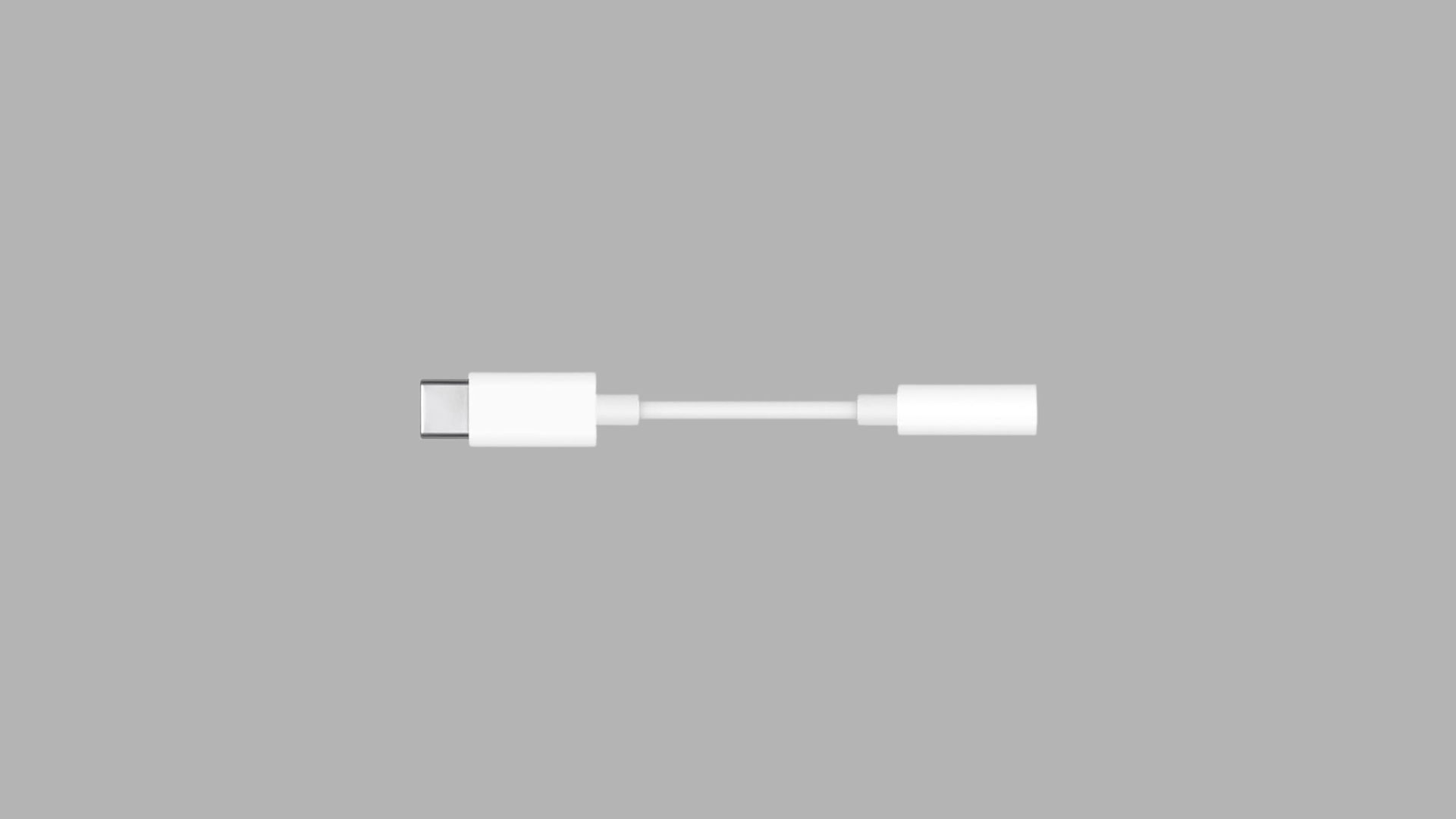
Price: $9
The Apple USB-C to 3.5mm dongle is one of the easiest and most affordable ways to improve sound from a phone.
Despite its small size and low price, it delivers clean output with low noise, making it ideal for IEMs and efficient headphones.
It has enough power for most setups under 80 ohms, but struggles with high-impedance headphones. It remains one of the simplest upgrades that works well without any extra setup.
2. FiiO KA1
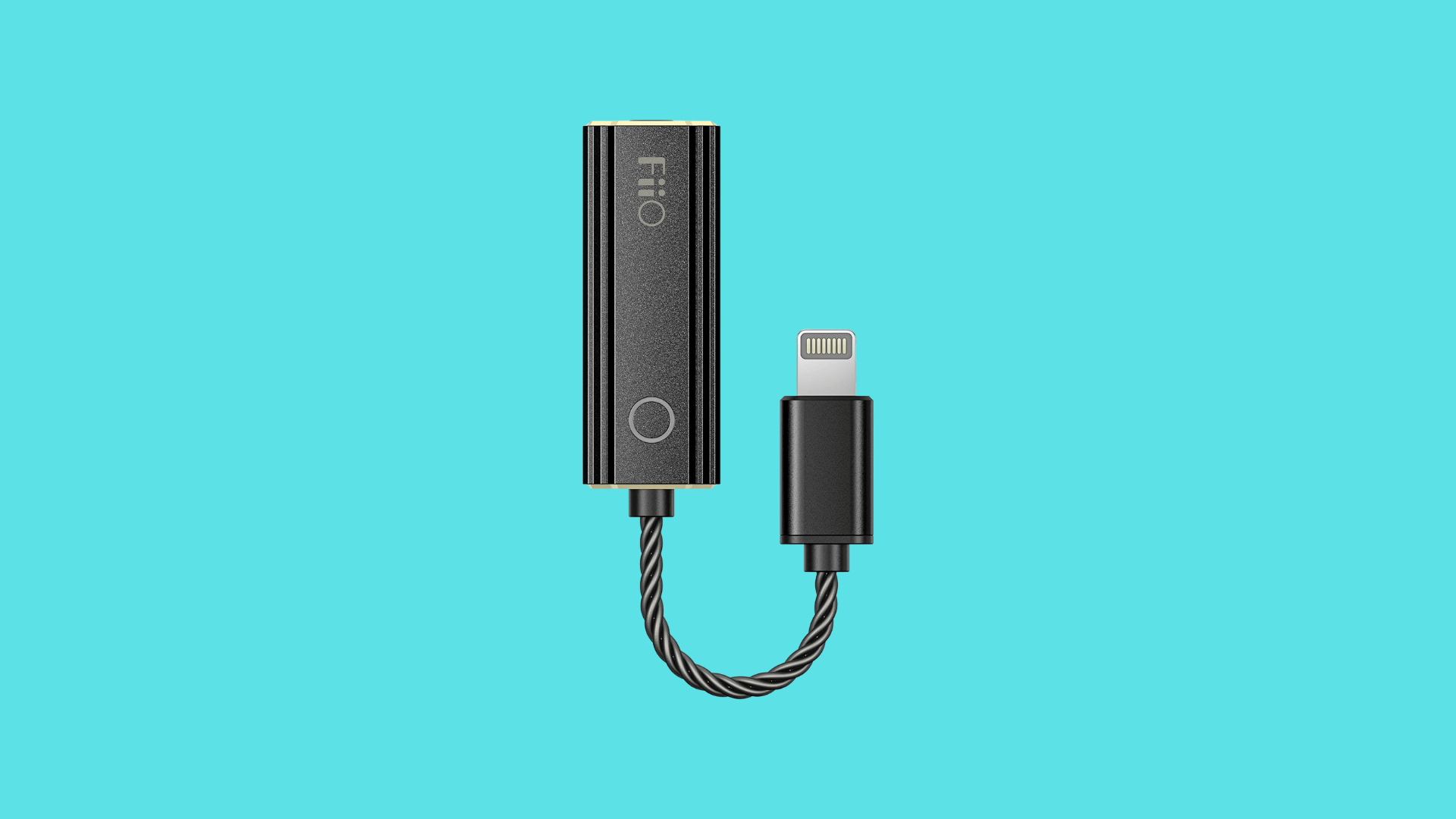
Price: $59.99
The FiiO KA1 is a compact DAC that offers a clear step up from basic adapters. It uses an ESS Sabre DAC chip, which helps reduce distortion and improve overall clarity.
It also provides more output power, making it better suited for slightly demanding headphones. The design is small and portable, and it works across phones, laptops, and PCs without needing extra drivers.
3. iFi Zen DAC V2
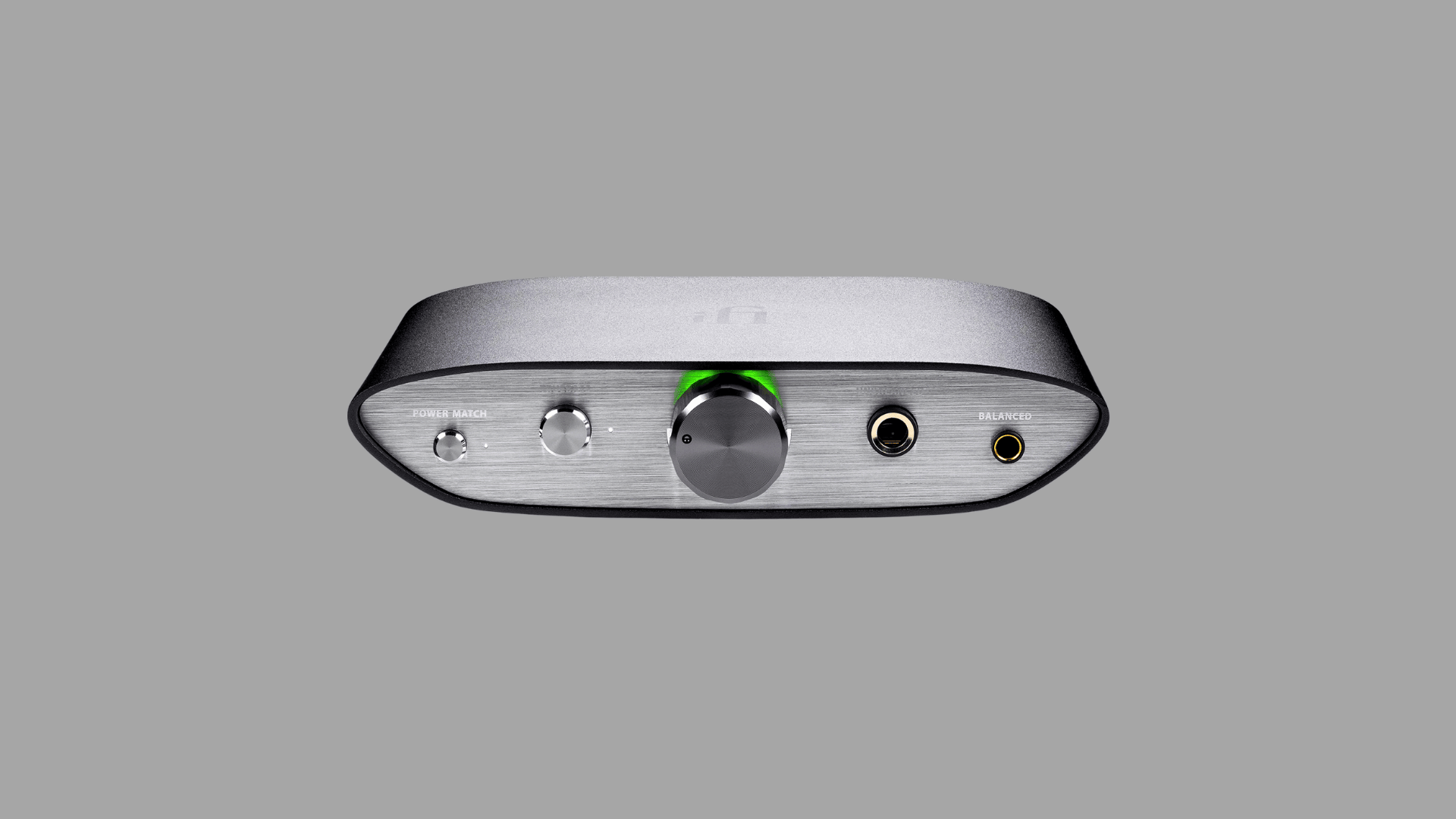
Price: $149
The iFi Zen DAC V2 is a desktop DAC and amplifier combined into one unit, designed for more serious setups. It includes a balanced 4.4mm output and enough power to drive high-impedance headphones up to 600 ohms.
It connects via USB and adds a physical volume knob, making daily use easier and more precise.
It also supports features like MQA decoding. While not necessary for beginners, it becomes a strong upgrade for a dedicated desk setup.
Amplifiers: Simple Setups vs Powered Setups
A headphone amplifier boosts the signal coming from your DAC so your headphones can perform at their full level.
1. FiiO K3
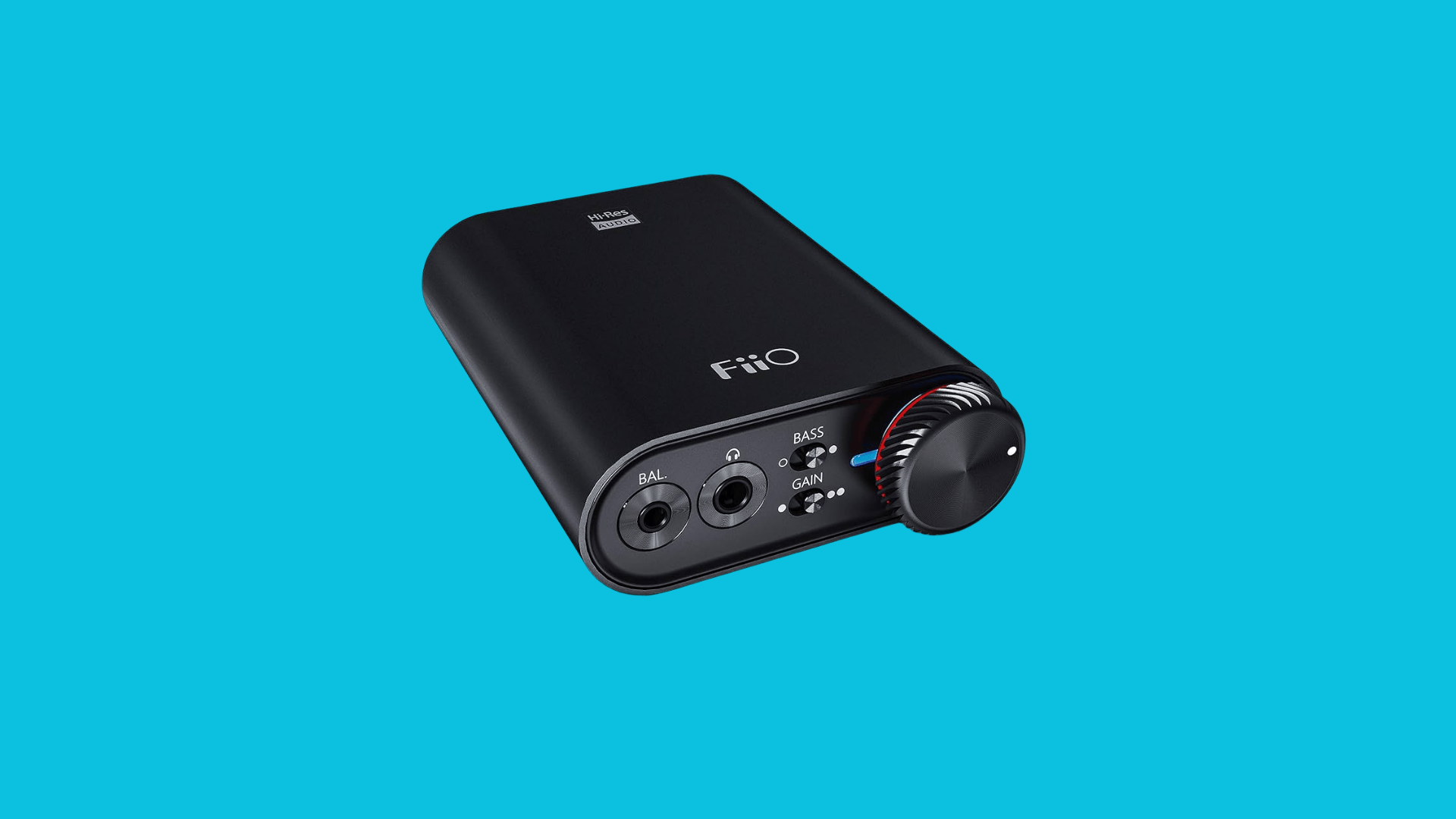
Price: $149-$160
The FiiO K3 is a compact desktop DAC and amplifier combo that works well for beginners moving beyond basic setups.
It connects through USB and provides more power than a standard dongle, making it suitable for headphones in the 16 to 150 ohm range.
It includes both 3.5mm and balanced outputs, along with a gain switch for better control. The sound stays clean and neutral, and its small size makes it easy to fit into any desk setup.
2. JDS Labs Atom Amp+
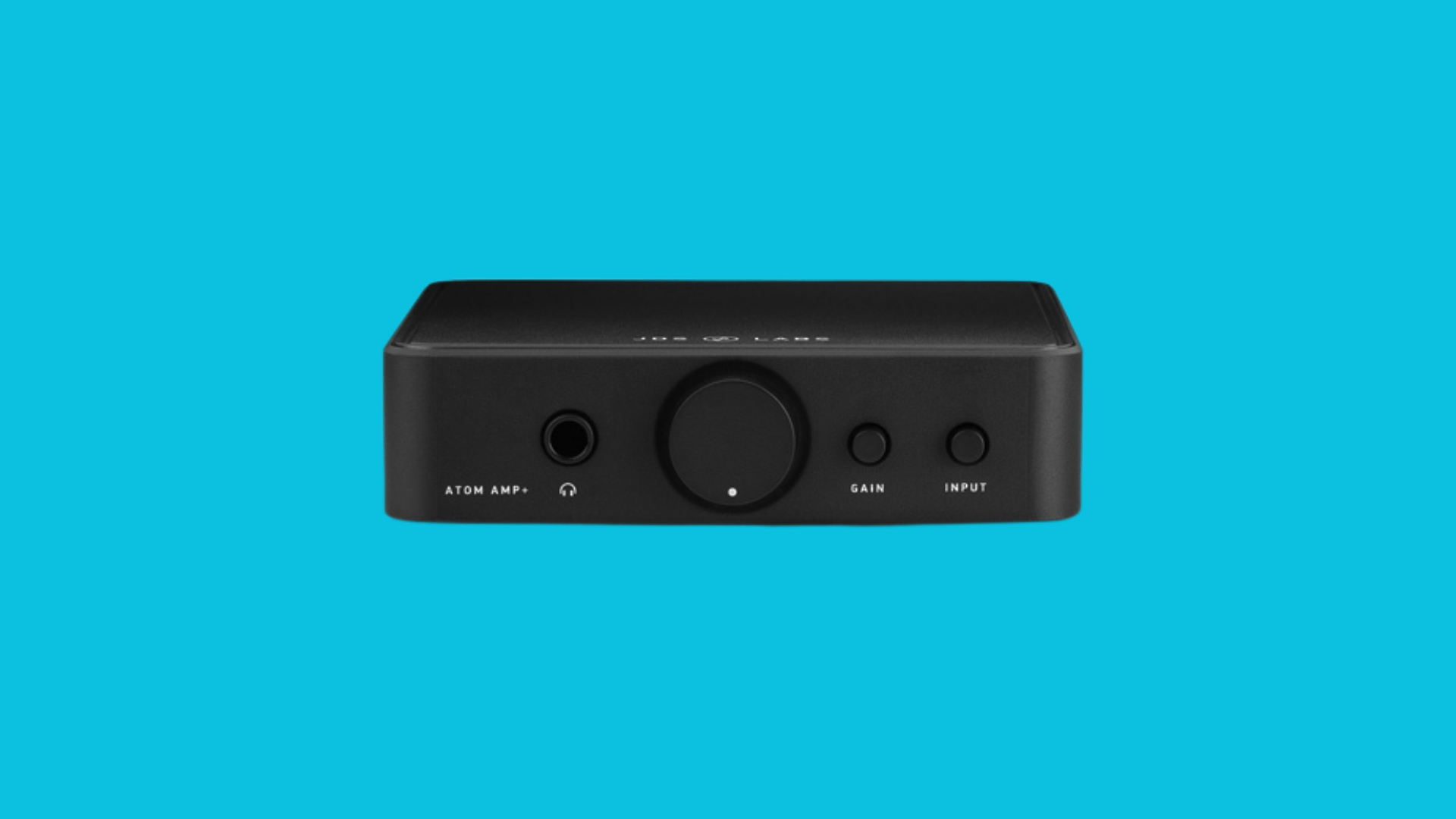
Price: $99
The JDS Labs Atom Amp+ is a desktop amplifier known for its extremely clean output with very low distortion and noise.
It is a strong choice for powering demanding headphones like the HD 560S or DT 770 and 990 series.
It pairs well with most entry-level DACs and does not take up much space on a desk. Many listeners trust it because it performs at a level that matches amps priced much higher.
3. Schiit Magni Unity
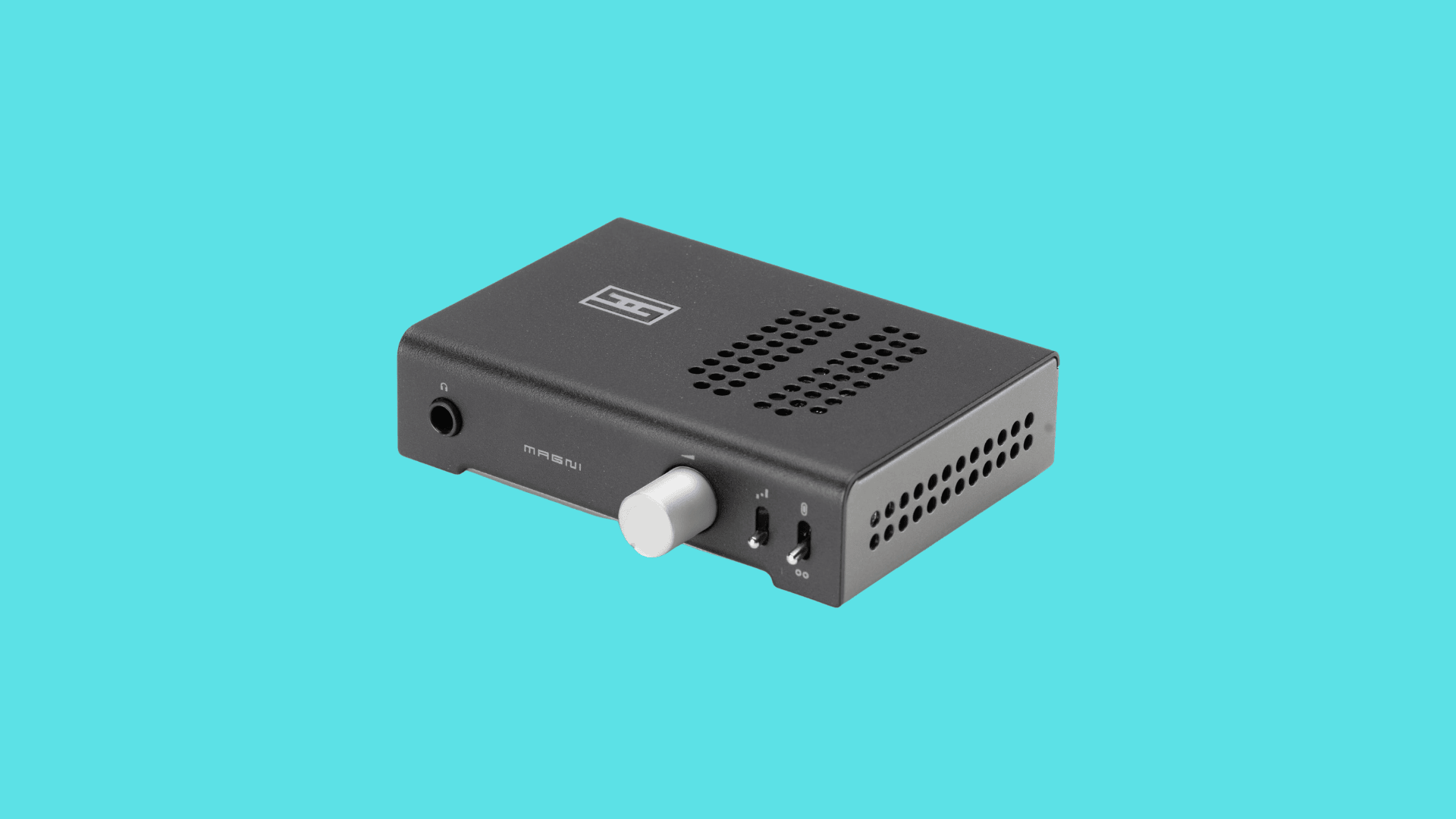
Price: $119
The Schiit Magni offers higher output power, enabling it to drive even more demanding headphones without strain.
It uses a Class A/B design and includes a gain switch, which helps when switching between sensitive IEMs and full-size headphones.
It is built in the US and has a strong reputation for reliability. When paired with the Schiit Modi DAC, it forms a simple and well-matched desktop stack that is widely recommended.
Speakers: Bookshelf Options for Small Rooms
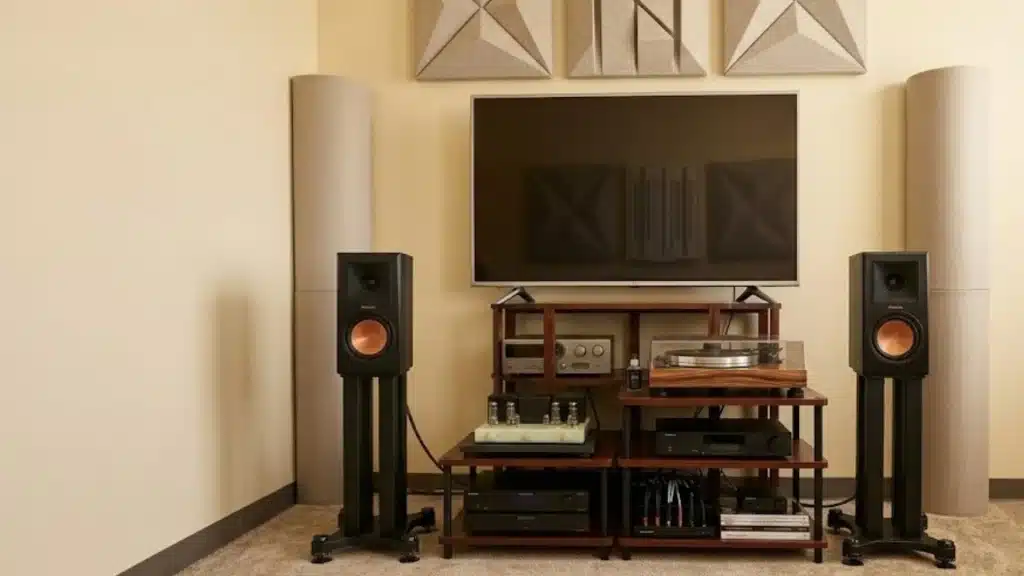
Bookshelf speakers offer a different way to experience sound, as they fill the room instead of being limited to your ears like headphones or IEMs.
1. Edifier R1280DB
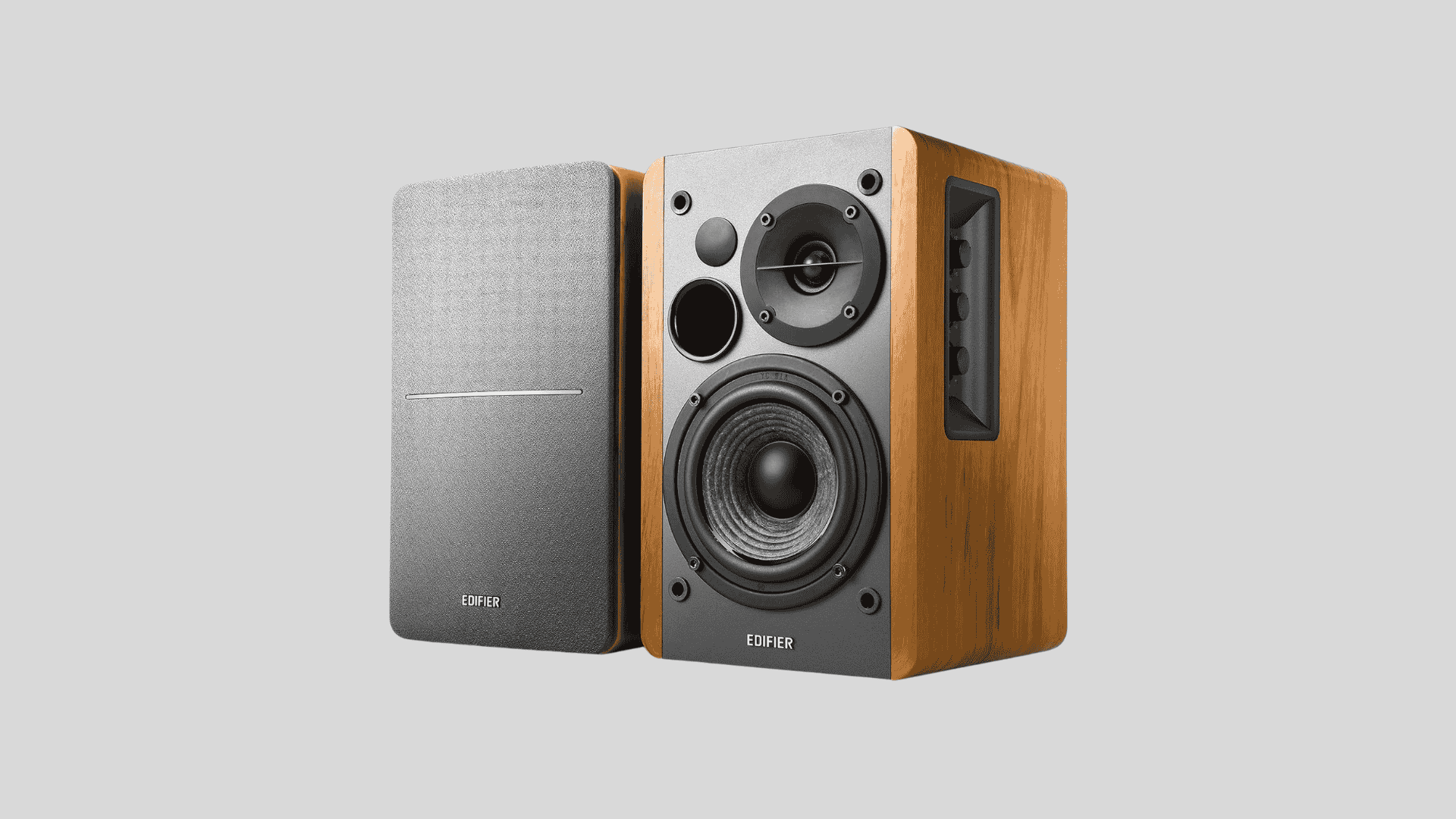
Price: $149.98
The Edifier R1280DB is a powered bookshelf speaker, which means it has a built-in amplifier and does not need extra gear to run.
It supports multiple input types, including Bluetooth, optical, coaxial, and RCA, making it easy to connect to various devices.
The sound is warm and full, with controlled bass and a clear mid-range that works well for vocals. It is a simple plug-and-play option that fits well in small rooms or desktop setups.
2. Micca MB42X
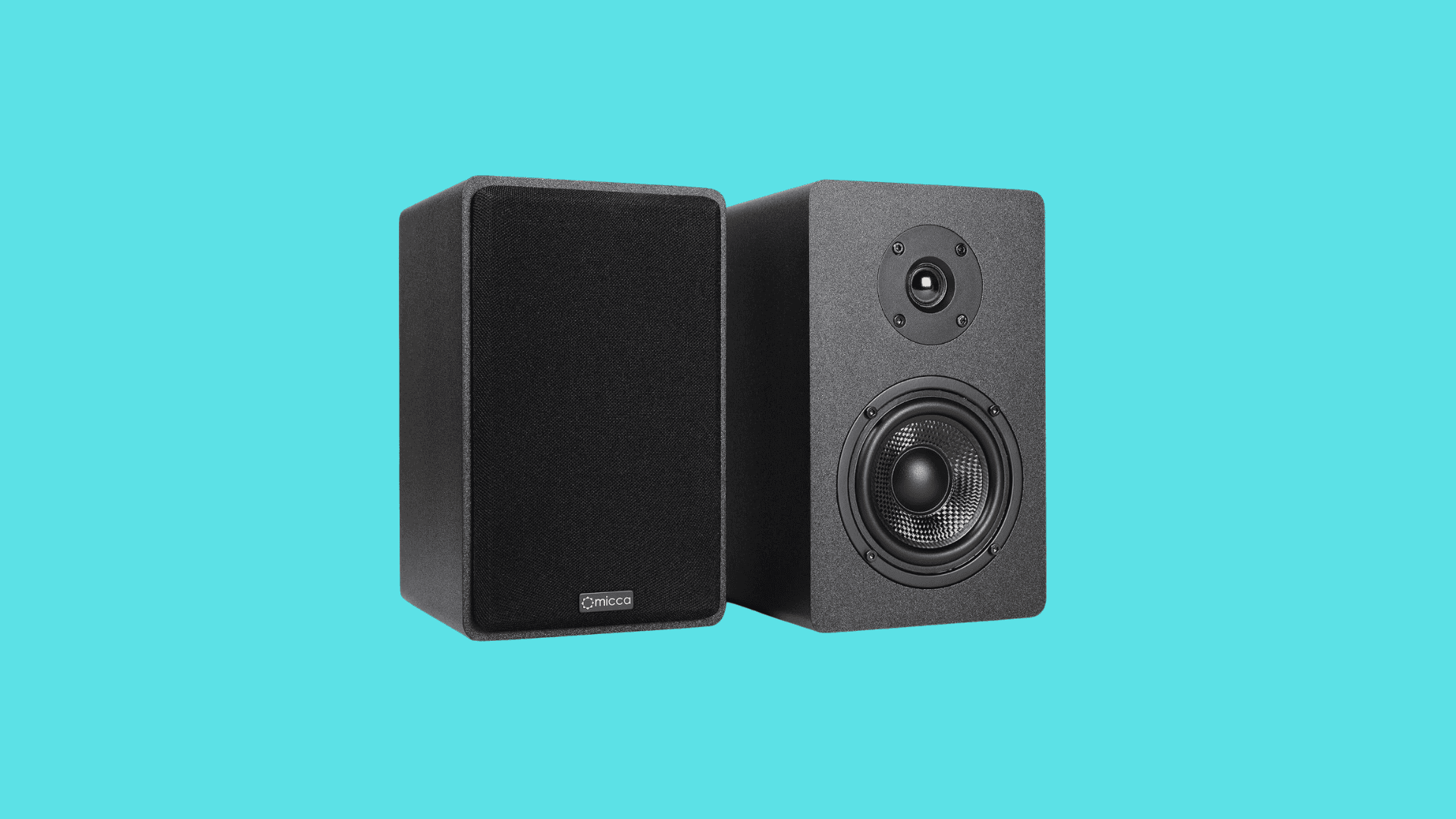
Price: $99.99
The Micca MB42X is a passive speaker, so it needs a separate amplifier or receiver to work. This gives more flexibility in choosing how you want your system to sound.
This same flexibility makes passive bookshelf speakers a popular choice for vinyl setups, too; the best speakers for turntable systems follow a similar pairing approach.
It uses a 4-inch carbon fiber woofer and a silk-dome tweeter, which help produce a clean, balanced output.
Bass is limited due to size, but mids are clear and natural. It pairs well with budget amplifiers and works as a strong base for a low-cost speaker setup.
3. PreSonus Eris E3.5
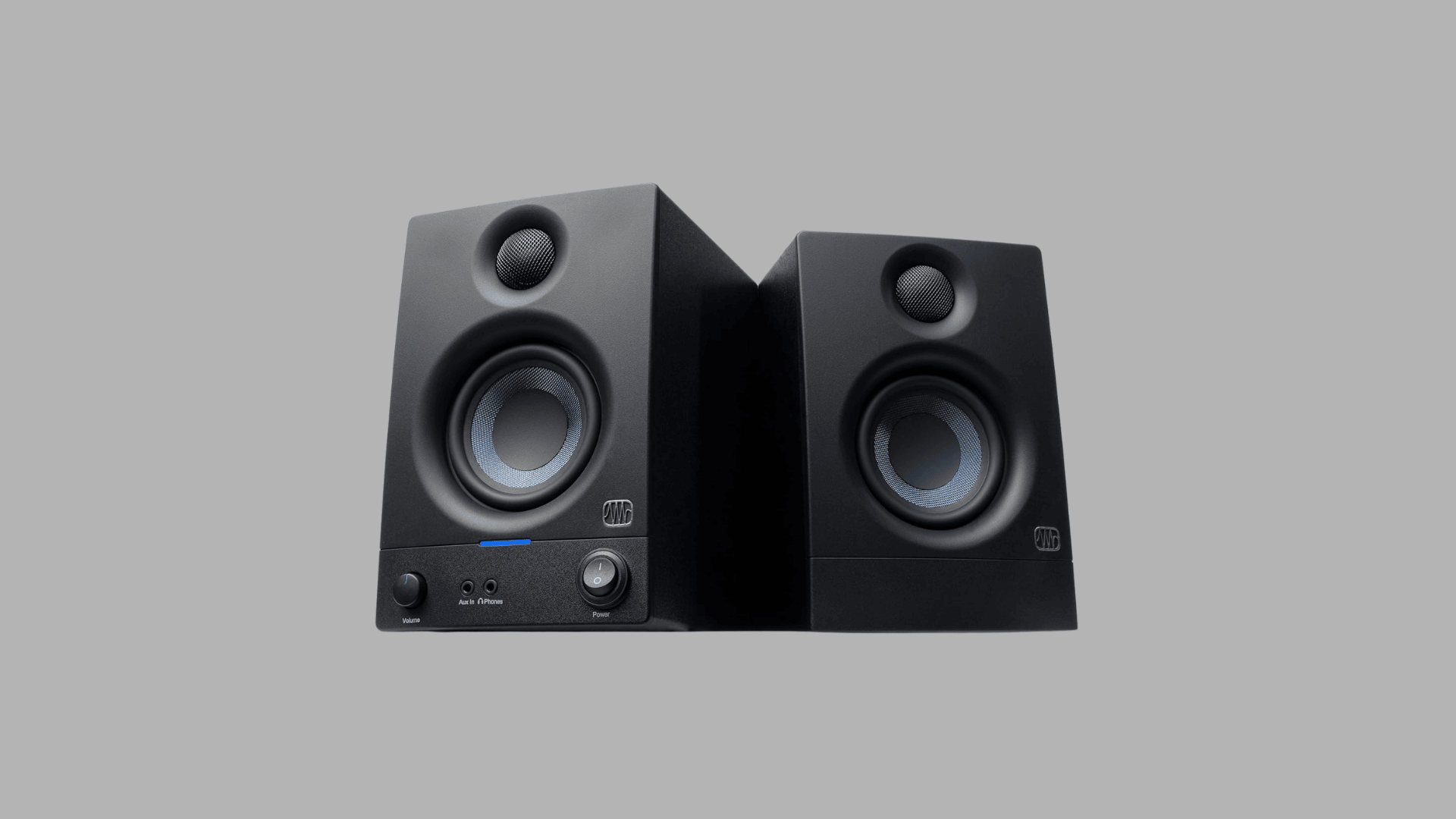
Price: $114.99
The PreSonus Eris E3.5 is a compact studio monitor designed for accurate and flat sound rather than boosted bass or treble.
It uses a 3.5-inch woofer, making it ideal for desk setups with limited space.
It also includes rear tuning controls that allow small adjustments to high and low frequencies, which help adapt the sound based on room conditions. This makes it a useful option for both listening and basic audio work.
Important Note: Speaker placement matters more than expected. Keep speakers at ear level and evenly spaced from your position to improve stereo imaging.
Budget Audiophile Advice from Reddit Users
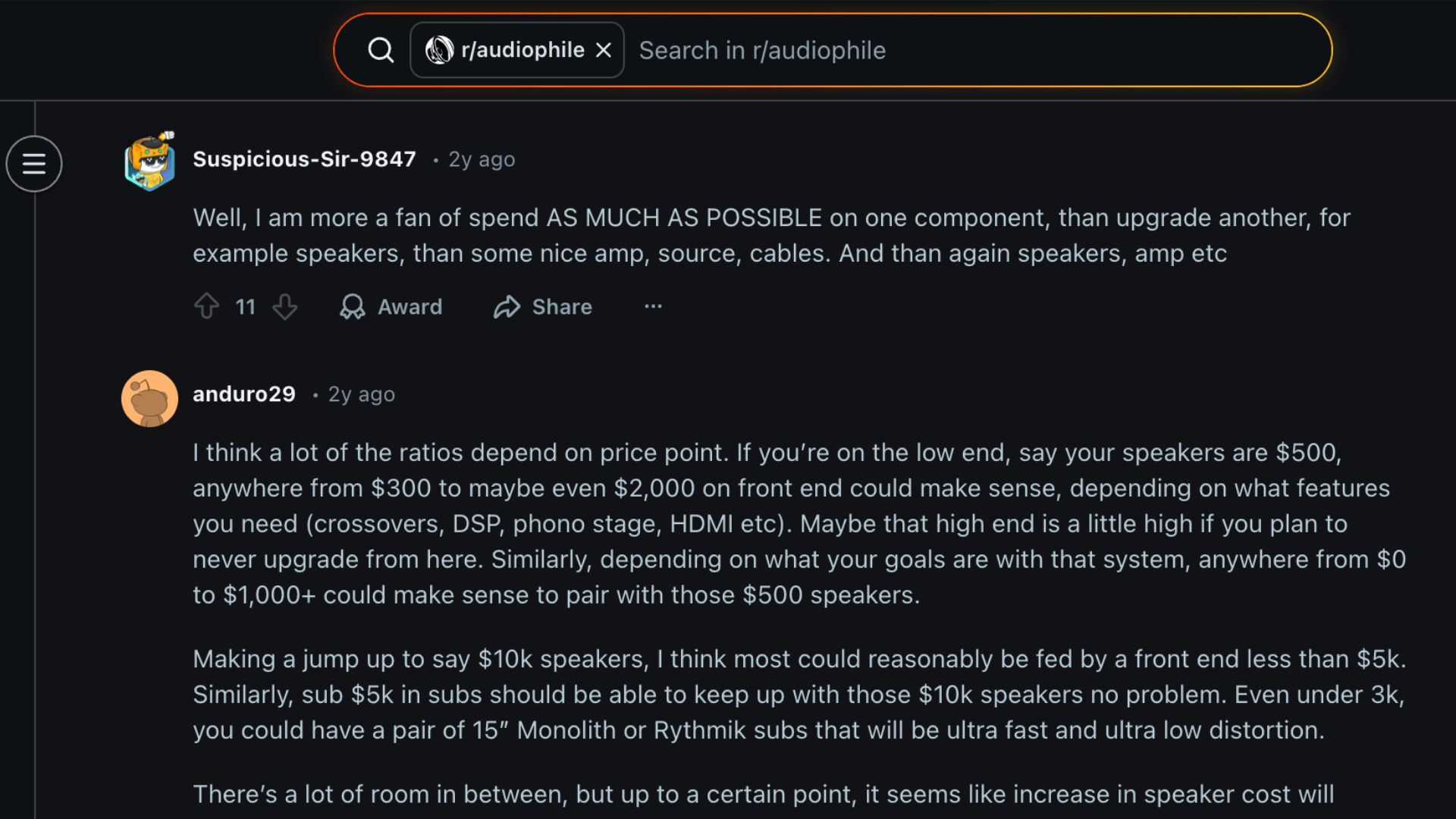
Many Reddit people in the budget audiophile space follow a different approach when building their setup.
Instead of spreading money evenly at the start, some prefer putting as much as possible into one key component, usually speakers, then upgrading the rest step by step.
Speakers matter the most because no amplifier can fix weak or average ones.
The focus should be on choosing speakers that match your taste, then pairing them with the right amplification based on impedance, like 8 ohm or 4-ohm setups.
A common budget split among users is 60 percent for speakers, 15 percent for source gear, 20 percent for room tuning or DSP, and about 5 percent for cables.
For cables, brands like Monoprice, BlueJeans, or Mogami are often suggested since you can wire a full system for close to $100 without overspending.
For more advice, you can join this & other Reddit communities, as well as platforms like Discord, which can help you make a budget for the coolest audiophile setup you’ve ever had.
How to Set Up a Budget Audiophile System?
Setting up your system the right way helps every component perform properly and avoids wasting money on gear that does not work well together.
- Picking the right combination: Match impedance to amplifier power; low-ohm IEMs work with dongles, while high-impedance headphones need dedicated amps.
- Basic connection setup: Follow a clean chain from source to DAC to amp, then connect headphones or speakers using proper cables.
- Placement tips for speakers: Keep speakers at ear level, spaced evenly, and slightly angled inward to improve stereo imaging and clarity.
- Simple sound tuning tips: Use EQ tools like Wavelet or Equalizer APO to fine-tune sound and improve balance based on your setup.
- Testing your setup with music: Play familiar tracks along with acoustic and bass-heavy songs to check clarity, depth, and overall sound balance.
Common Mistakes That Ruin Your Sound Quality
Avoiding a few common mistakes early can save money and help your setup perform better, since small errors often limit sound quality more than people expect.
- Spending too much on one component: Putting most of your budget into headphones while ignoring the source or DAC leads to an unbalanced and weaker overall sound
- Ignoring source quality: Using low-quality streaming settings limits performance, so switching to lossless audio can noticeably improve clarity and detail
- Falling for hype products: New releases often get overhyped, so waiting a few weeks helps avoid paying extra for minimal real improvements
- Overcomplicating the setup: Adding too many components early creates confusion, while a simple and clean setup usually delivers better and more consistent results
- Not using community feedback properly: Asking vague questions gives weak answers, so sharing your setup and preferences leads to more useful and accurate advice
Conclusion
For any budget audiophile, the real skill lies in knowing which purchases actually change how music sounds and which ones can wait.
A strong starting point is always your main listening device, then building around it with a clean source and a simple audiophile setup that does not overreach.
Taking time to understand your gear helps more than rushing upgrades. There are plenty of communities where people share real experiences and honest feedback, which makes learning much easier.
You do not need expensive equipment to enjoy music at a higher level. A well-planned setup in the $150 to $250 range can already feel like a big upgrade.
What part of your setup feels like the weakest link right now? Drop it in the comments and get suggestions.