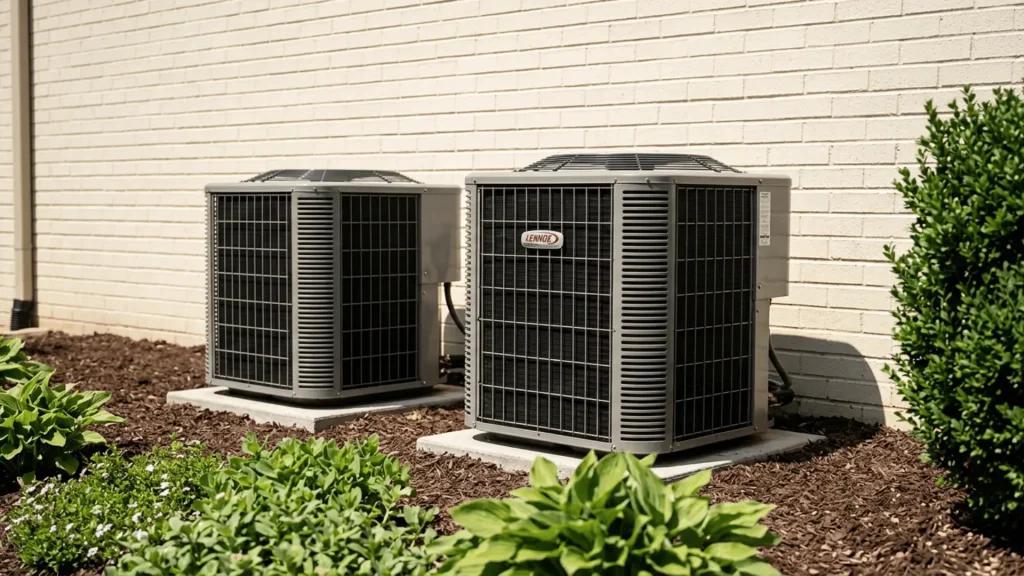
Energy bills have a way of reminding you when your HVAC system is working harder than it should, and when that happens month after month, it becomes hard to ignore.
One room feels too warm, another feels too cold, the unit keeps running, and the monthly bill keeps climbing. That is where energy-efficient HVAC systems start to make sense.
The right system can lower wasted energy, improve comfort, and make your home feel more consistent throughout the year. The best choice depends on your climate, ductwork, fuel prices, insulation, and budget.
Before you upgrade, it helps to understand why your current setup may be wasting energy and which system actually fits your home.
This blog breaks down what each system does, what it costs, and how to choose the one that best fits your home.
What Makes an HVAC System Energy Efficient?
An HVAC system is energy efficient when it delivers steady heating or cooling without wasting energy due to poor equipment design, improper sizing, leaky ducts, or outdated controls.
The main ratings are simple once you know what they mean:
- SEER2: Measures cooling efficiency for air conditioners and heat pumps. A higher SEER2 rating means better cooling output per unit of electricity.
- HSPF2: Measures heating efficiency for air-source heat pumps. A higher HSPF2 rating means lower heating energy use.
- AFUE: Measures how much fuel a furnace turns into usable heat. A 95% AFUE furnace turns 95% of its fuel into heat and loses the remaining 5% through the exhaust.
- COP: Measures heat pump and geothermal performance. A COP of 3 means the system delivers three units of heat for every one unit of electricity used.
The current federal HVAC standards use SEER2, EER2, and HSPF2. The exact minimum depends on equipment type and region, so homeowners should compare the AHRI certificate and local code requirements before buying.
Variable-speed systems run longer at lower output levels, reducing energy waste, temperature swings, noise, and humidity issues. Smart HVAC controls help the system avoid even more waste.
Types of the Most Energy-Efficient HVAC Systems
The best options depend on your home size, climate, ducts, and budget, so compare systems by comfort, energy use, and long-term cost.
1. Air-Source Heat Pumps
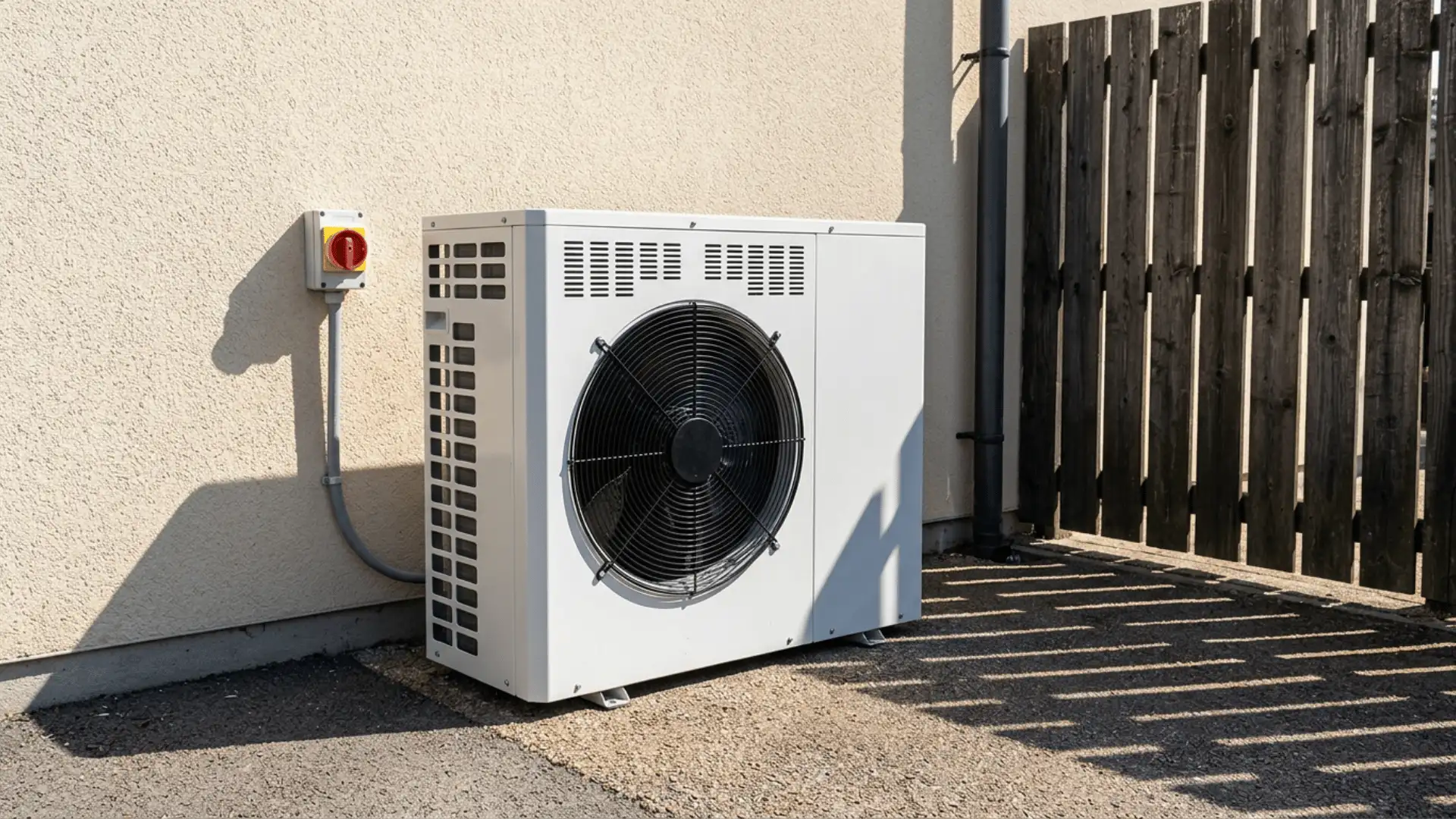
Air-source heat pumps move heat instead of creating it, which helps them use less energy than many older heating and cooling systems.
In summer, they pull heat out of the home. In winter, they bring heat inside from outdoor air. They work best in mild to mixed climates, but many newer models can handle colder weather too.
They are a strong choice for lower bills, steady comfort, and homes that need both heating and cooling.
2. Ductless Mini Split Systems
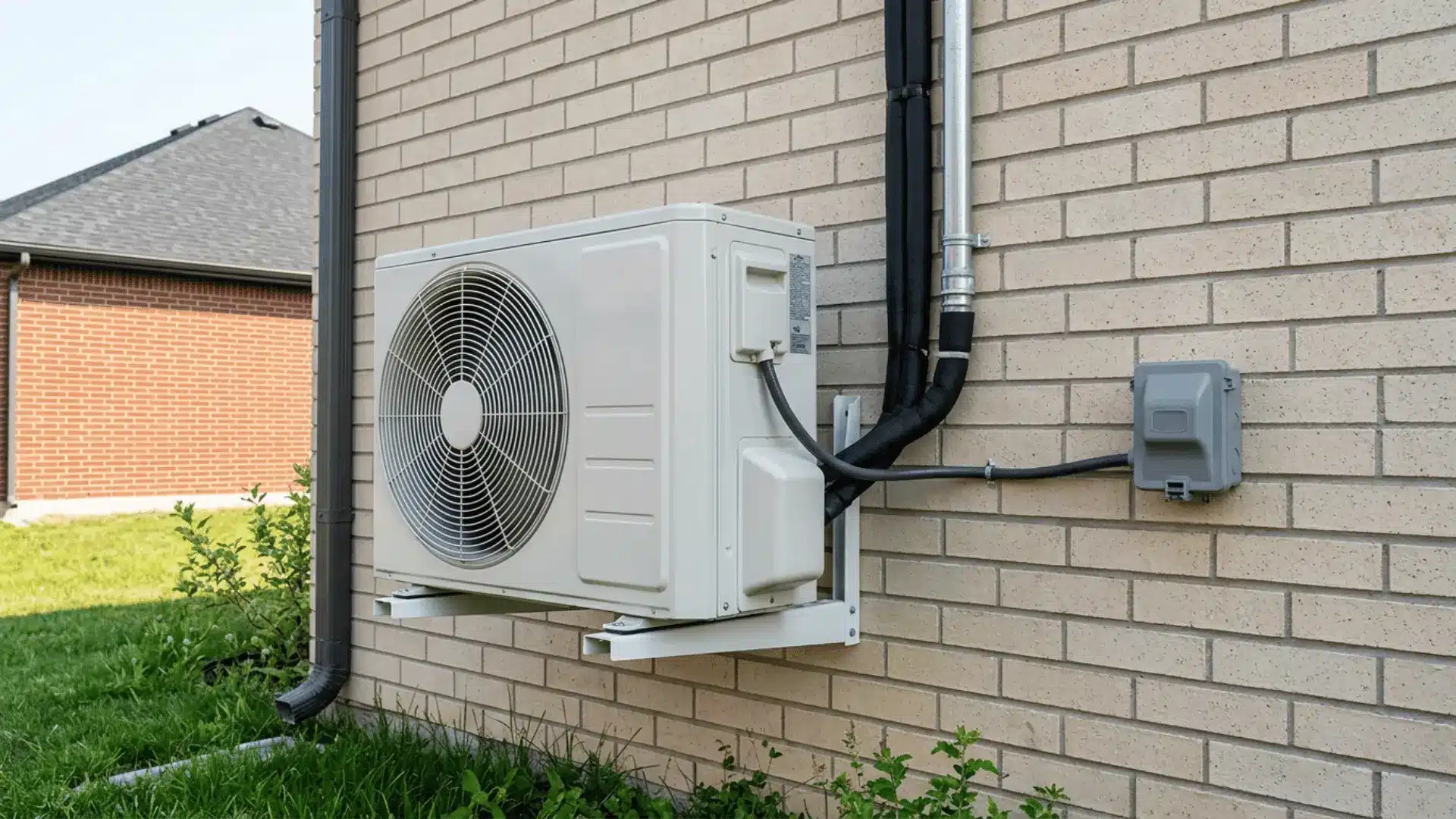
Ductless mini-splits are heat pumps that do not need ductwork. They use an outdoor unit connected to one or more indoor units. Each indoor unit can control a different room or area.
Mini-splits are useful for older homes, garages, additions, attic rooms, home offices, or spaces where adding ductwork would be too expensive. They also help you control the comfort room by room.
For example, you can cool one hot bedroom without cooling the entire house. That can save energy and make the home feel more comfortable.
3. Geothermal Heat Pumps
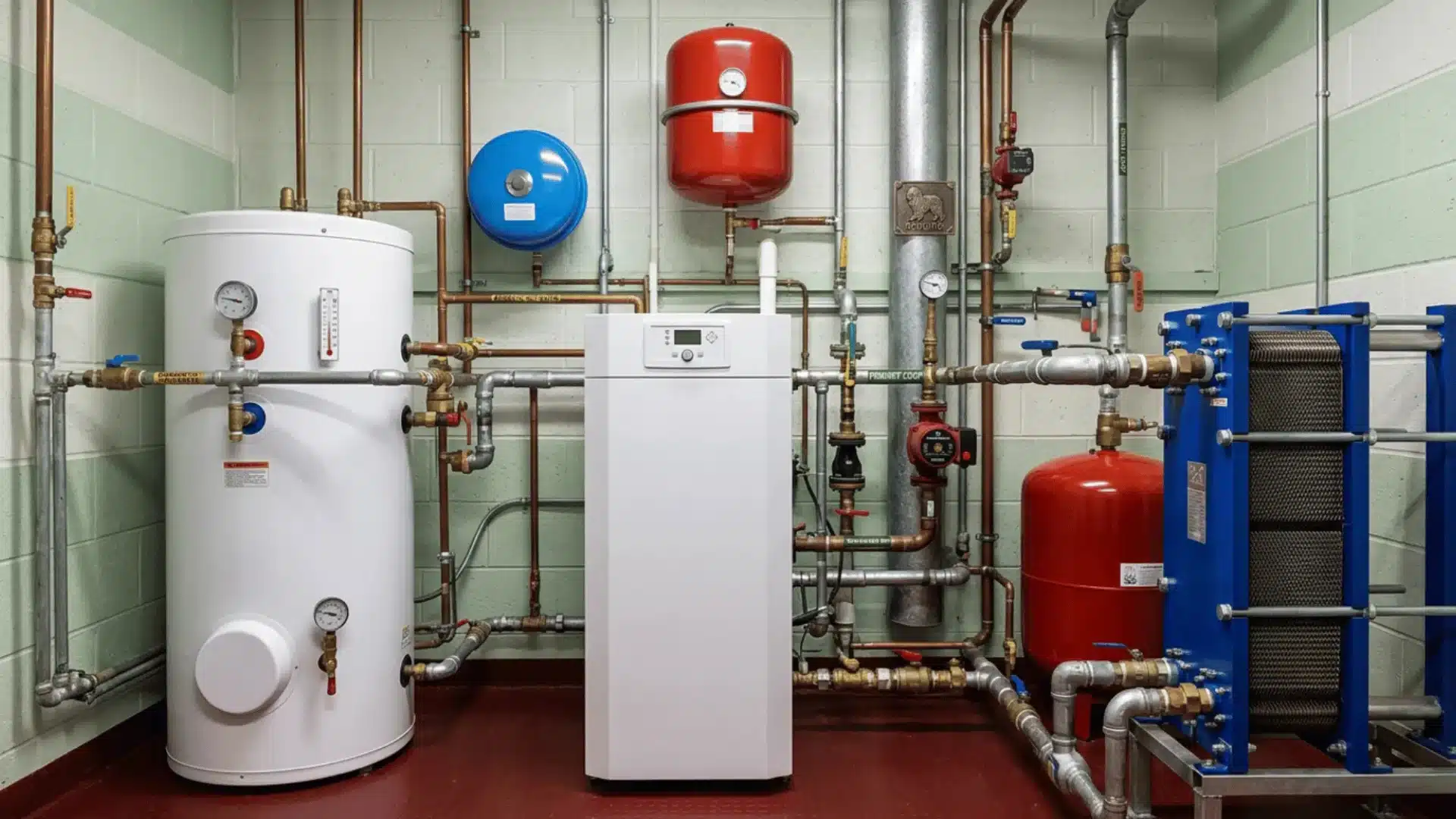
Geothermal heat pumps use the stable temperature underground to heat and cool a home. The system connects to underground loops that help move heat in and out of the house.
The main drawback is the upfront cost. Installing the underground loop can be expensive because it may require digging or drilling. But over time, geothermal systems can reduce energy use and lower monthly costs.
Geothermal makes the most sense if you plan to stay in the home for a long time and have enough space for installation.
4. Hybrid Heating Systems
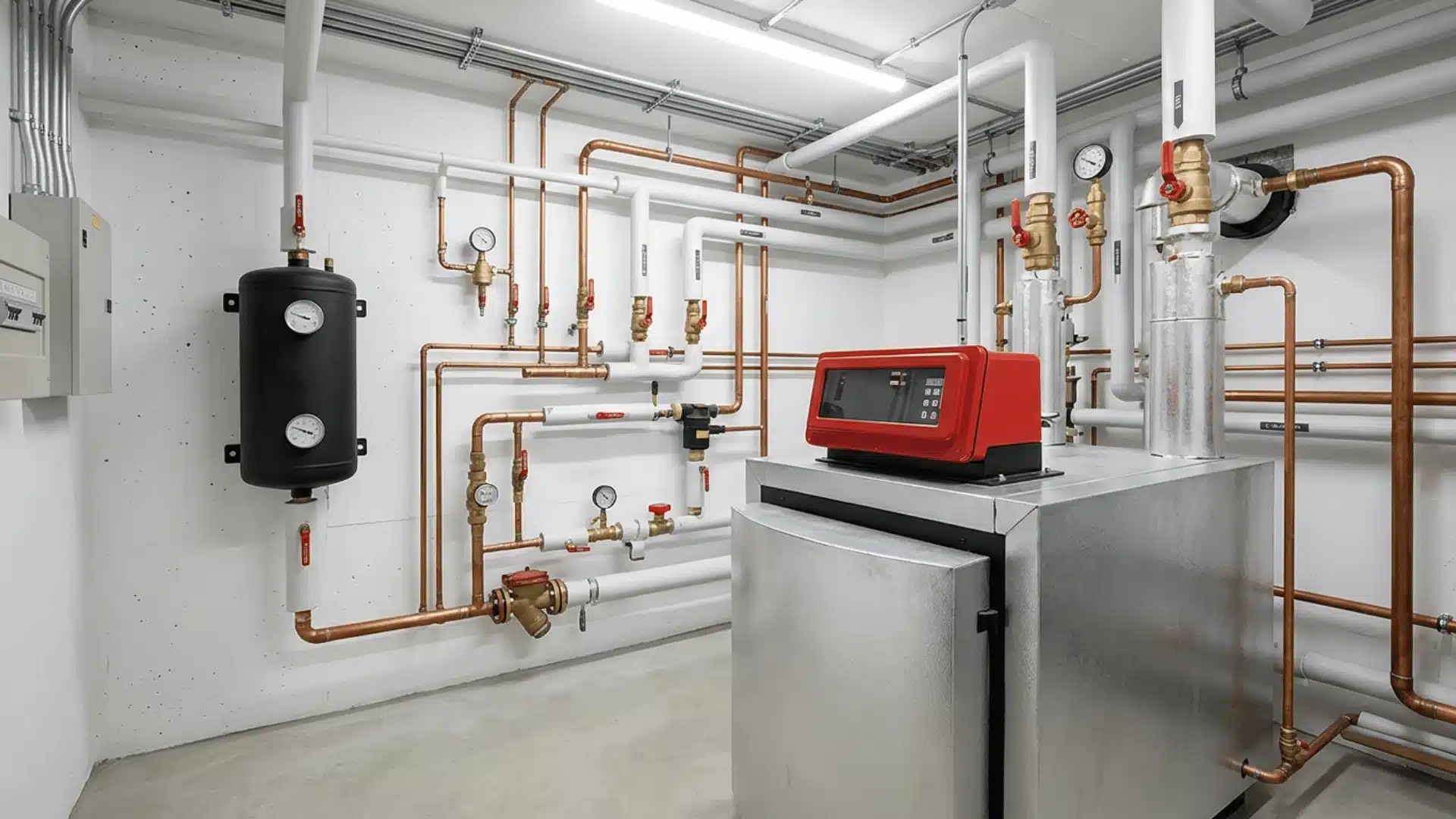
A hybrid heating system uses both an electric heat pump and a gas furnace. The heat pump handles mild and moderate weather, while the furnace takes over when the temperature gets too cold.
A hybrid system can be a good option for colder regions. You get the energy savings of a heat pump when the weather is mild and the extra support of a furnace when winter gets harsh.
The system needs to be set up correctly. A contractor should choose the right switch point, which is the outdoor temperature at which the system changes from heat pump to furnace.
Energy-Efficient HVAC System Comparison by Cost and Savings
Compare each system by upfront cost, energy savings, and climate fit because the best saver is not the same for every home.
| System type | Typical efficiency strength | Best for | Installed cost range | Payback period |
|---|---|---|---|---|
| Air-source heat pump | Up to 3x heat output per electricity input | Mild to moderate climates, many ducted homes | $6,000 to $12,000 | 5 to 10 years |
| Ductless mini split | Up to 60% less energy than electric radiators in some uses | Additions, older homes, and room zoning | $3,000 to $10,000 | 4 to 8 years |
| Geothermal heat pump | Very high COP, stable performance | Long-term homeowners, cold climates, large lots | $15,000 to $30,000+ | 5 to 10 years |
| Hybrid Heating Systems | Heat pump plus furnace backup | Cold regions and variable fuel prices | $10,000 to $20,000 | 7 to 12 years |
The Recent Refrigerant Shift Buyers Need to Know
If you are buying a new HVAC system, ask what refrigerant it uses. This can affect long-term repair costs, future service options, and how current the system really is.
Many older AC and heat pump systems use R-410A. It has been common for years, but it is being phased out in new equipment because it has a higher global warming potential.
Existing R-410A systems can still be serviced, but new buyers should be careful with old-stock units.
Newer systems are moving toward lower-GWP refrigerants like R-32 and R-454B. These are made to meet newer standards while still giving strong heating and cooling.
The simple takeaway is this: do not buy an older system only because it is cheaper upfront. Make sure the system fits current refrigerant standards.
Benefits of Upgrading to an Energy-Efficient HVAC System
The most obvious benefit is lower energy use, but the better upgrades do more than trim the bill.
- Lower monthly costs: Replacing an old, inefficient system can reduce heating and cooling costs, especially if you are moving away from electric resistance heat, propane, or an aging AC unit.
- Better comfort: Variable-speed systems run longer at lower output levels, helping reduce hot and cold spots.
- Quieter operation: Modern compressors and blower motors do not need to slam on and off as often.
- Better humidity control: Longer, lower-speed cooling cycles can pull more moisture from indoor air.
- Cleaner indoor air: Heat pumps avoid on-site combustion, and better filtration can help reduce dust and allergens.
- Longer equipment life: A properly sized system usually cycles less harshly, which can reduce wear.
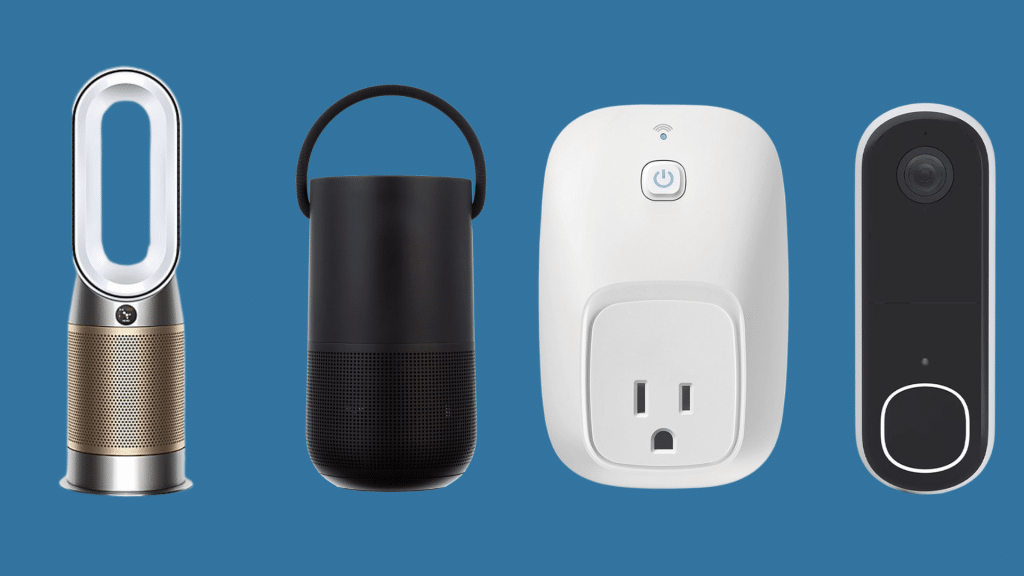
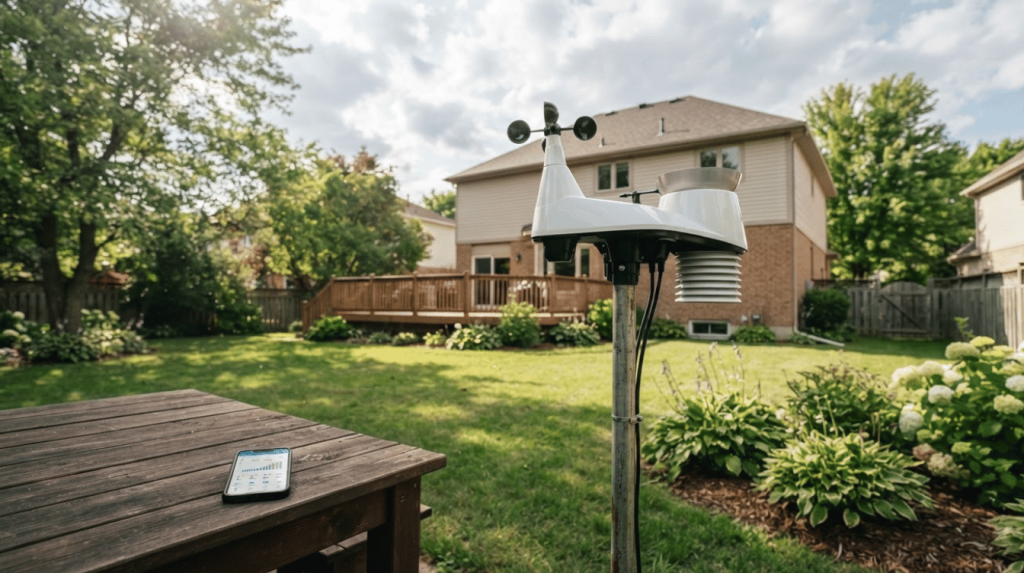
Smart home tools make HVAC performance easier to manage by showing which rooms waste energy, when the system works hardest, and where small changes can improve comfort.
How Smart Controls Reduce HVAC Energy Waste?
A smart thermostat will not turn a bad HVAC system into a good one, but it can help a good system waste less energy. ENERGY STAR-certified smart thermostats use field data to prove energy savings.
The most useful smart thermostat features are practical, not flashy. Scheduling lets the system adjust around your normal routine, so it does not heat or cool the house more than needed.
Geofencing can change the temperature when you leave or come home, while occupancy sensing helps reduce energy use in empty spaces. A remotecontrol also gives you a quick way to fix a bad setting when you are away.
Energyreports make the system easier to understand. Instead of guessing when your HVAC uses the most energy, you can spot patterns and adjust your settings more confidently.
Smart controls work best when they match the HVAC system. Heat pumps usually perform better with steady settings, while furnaces can handle larger temperature changes.
Sensors, insulation, shading, and ventilation also affect comfort, so a connected HVAC system performs better when the home retains conditioned air effectively.
Signs Your Current HVAC System Needs Replacement
Not every issue means replacement, but if several warning signs appear together, your HVAC system may be nearing the end.
- Age: The system is 10 to 15 years old, or older. At that point, parts may wear down more frequently, and efficiency usually starts to drop.
- Rising bills: Energy use keeps climbing, with no clear change in weather or habits. This can mean the system is working longer than it should to reach the same temperature.
- Uneven rooms: Some rooms stay too hot or too cold. That often points to poor airflow, duct issues, or equipment that can no longer balance the whole home.
- Frequent repairs: Service calls are becoming a yearly routine. When repair costs keep adding up, replacing the system may be the smarter long-term move.
- Loud operation: Grinding, rattling, banging, or hard starts keep coming back. These sounds can signal worn parts, loose components, or a system struggling to run properly.
- Humidity issues: The home feels clammy in the cooling season. A weak or oversized system may cool the air without removing enough moisture.
- Poor airflow: Vents feel weak even after filter changes and basic service. This can point to blower issues, duct leaks, or a system losing overall performance.
A common rule of thumb is the 50% repair rule. If a repair costs more than half the value of a replacement and the system is already older than 10 years, replacement deserves serious consideration.
Mistakes to Avoid when Upgrading Your HVAC System
Upgrading your HVAC system can save energy and improve comfort, but only if the system is chosen and installed the right way.
- Wrong size: A system that is too big or too small can waste energy, reduce comfort, and wear out faster than expected.
- Duct leaks: Leaky ducts let cooled or heated air escape before it reaches the rooms, which makes the system work harder.
- Upfront price only: A cheaper system may seem better at first, but it can cost more later through higher bills and repairs.
- Skipped maintenance: Dirty filters, blocked coils, and worn parts can lower performance and make the system use more power than needed.
- Missed rebates: Local rebates can lower the final cost, so skipping them may make a better system seem too expensive.
How to Choose an HVAC System that Fits Your Home?
Use this table to match common home situations with the HVAC setup that makes the most sense for comfort, savings, and installation cost.
| Homeowner Profile | Best Fit | Why it Works |
|---|---|---|
| Mild climate with existing ducts | Air-source heat pump | Efficient heating and cooling from one system |
| Older home with no ducts | Ductless mini split | Avoids costly duct installation |
| Cold climate with gas access | Hybrid dual-fuel system | Heat pump savings with furnace backup |
| Long-term homeowner with a budget | Geothermal heat pump | Higher upfront cost, but strong long-term efficiency |
| Good ducts and cheap gas | High-efficiency AC plus furnace | Practical upgrade without changing the whole setup |
| One problem room | Single-zone mini split | Fixes comfort without replacing the whole system |
Conclusion
A good HVAC upgrade should feel practical, not like another confusing home project. When carefully chosen, your home feels easier to cool and heat, and to live in, throughout different seasons.
The main goal is not to chase the most expensive unit or the biggest efficiency number. It is to choose something that fits how your home actually works and how your family uses the space every day.
At the end of the day, the right HVAC system should bring comfort, control, and peace of mind. Choose the option that makes your home feel better without creating extra stress.
If you are planning to upgrade your HVAC system soon, which option are you considering?
Share your thoughts, questions, or personal experience in the comments so other homeowners can learn from your decision, too.
Frequently Asked Questions
Can I Install an Energy-Efficient Hvac System Myself?
A full HVAC system should not be a DIY project. Installation involves electrical work, refrigerant handling, permits, and proper system setup. A poor installation can reduce efficiency and lead to higher costs later.
Can Solar Panels Work with an Energy-Efficient HVAC System?
Yes, solar panels can help offset the electricity used by an HVAC system, especially heat pumps and mini-splits. The actual benefit depends on your system size, local sunlight, electricity rates, and total home energy use.
Does Home Insulation Affect HVAC Energy Efficiency?
Yes. Better insulation and air sealing reduce the heating and cooling load, helping the HVAC system run less often. In some homes, insulation and duct sealing can improve comfort more than buying a larger system.