Corporate events often look effortless from the outside. Attendees arrive, presentations begin on time, networking flows naturally, and the day seems to unfold without major problems. What most people never see is the enormous amount of planning required to make that experience possible.
The difference between a successful corporate event and a frustrating one rarely comes down to a single mistake. More often, it results from dozens of small decisions made long before guests walk through the door. Scheduling, communication, logistics, technology, staffing, and contingency planning all play important roles.
When these elements work together, attendees focus on the experience itself. When they do not, problems become impossible to ignore. Understanding what separates well-executed events from poorly managed ones can help organizations create experiences that achieve their goals rather than distract from them.
Successful Events Begin Long Before the Event Date
One of the most common mistakes organizations make is underestimating how much preparation is required. A venue reservation and a guest list are only the beginning.
Event planners must coordinate vendors, confirm schedules, manage budgets, communicate with participants, and prepare for unexpected changes. Organizations that already rely on structured planning and operational processes often find these responsibilities easier to manage. Discussions involving tools and workplace systems such as Paychex vs Workday frequently reflect the broader challenge of organizing people, schedules, and resources efficiently across large teams.
The most successful events are usually the result of consistent preparation rather than last-minute problem solving.
Clear Communication Prevents Most Problems
Many event failures can be traced back to communication breakdowns. Guests receive incomplete instructions, speakers misunderstand schedules, vendors miss important details, or staff members operate with conflicting information.
Clear communication reduces confusion before it has an opportunity to create larger problems. Attendees should know where to go, what to expect, and how the event will unfold. Internal teams should understand their responsibilities and know who to contact when issues arise.
Organizations that establish strong communication habits often discover that many potential problems disappear before the event even begins.
Logistics Matter More Than People Realize
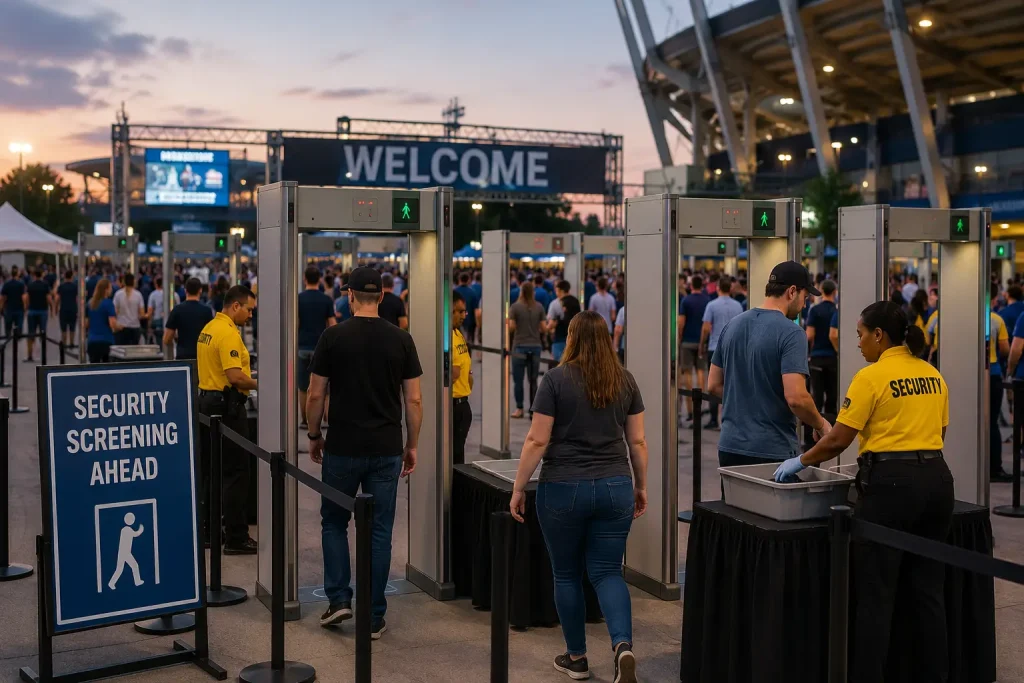
Attendees rarely think about parking arrangements, registration flow, seating plans, equipment delivery schedules, or venue access routes. Yet these details have a major influence on the overall experience.
A minor logistical issue can create delays that affect the entire event. Long registration lines, poorly marked entrances, insufficient seating, or technology setup problems can quickly undermine an otherwise strong program.
The most effective planners spend considerable time evaluating attendee movement and identifying potential bottlenecks. Small adjustments often prevent significant disruptions later.
Technology Should Support the Experience
Modern corporate events rely heavily on technology. Presentation systems, registration software, mobile applications, streaming platforms, and communication tools have become standard components of many events.
Technology works best when it remains largely invisible. Attendees should not spend their time troubleshooting apps, struggling with audio issues, or waiting for systems to load. Reliable equipment, testing procedures, and backup plans help ensure technology enhances the event rather than becoming the center of attention.
Organizations that depend too heavily on untested solutions often discover that even small technical failures can create disproportionate frustration.
People Need Opportunities to Connect
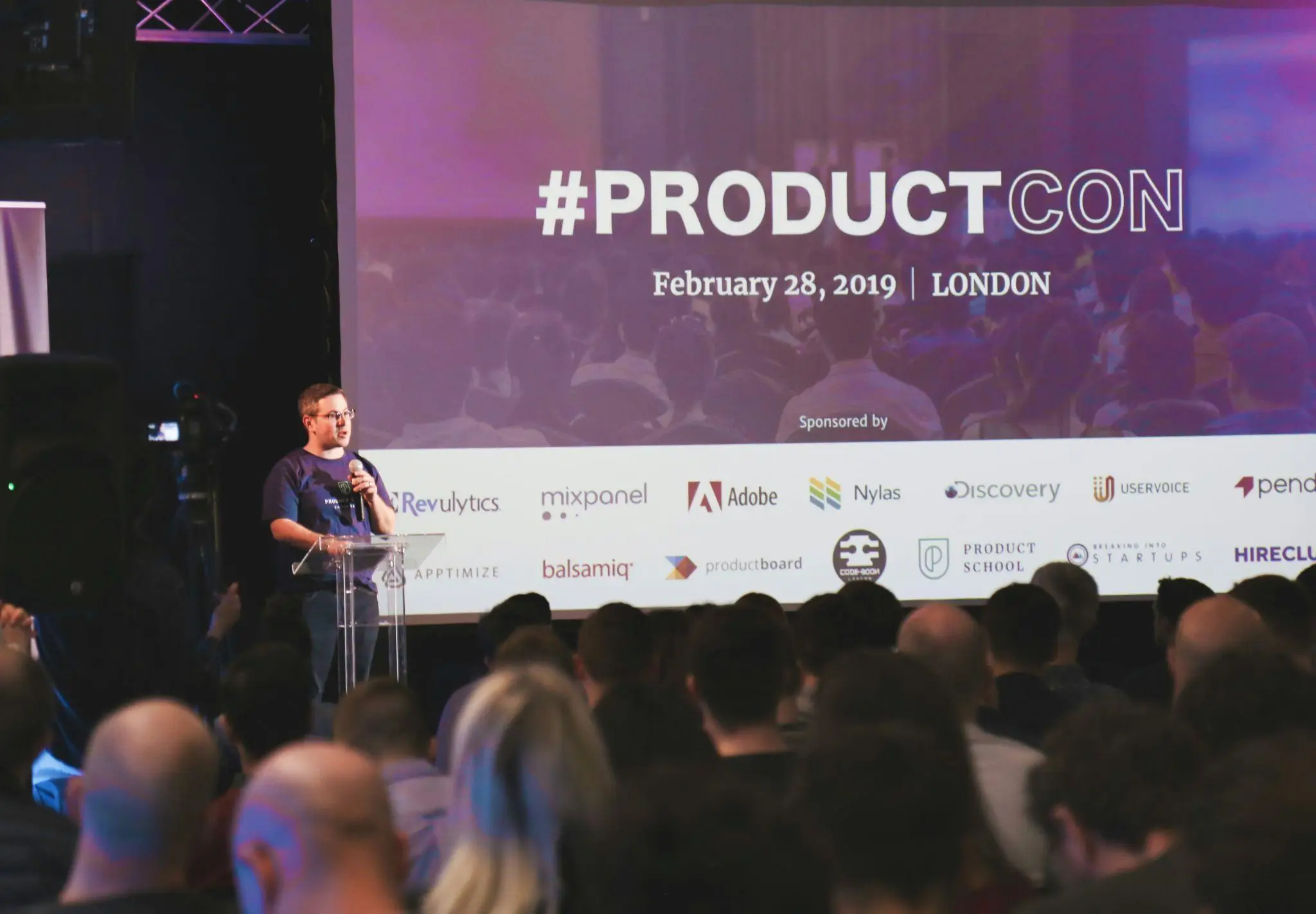
Many corporate events focus heavily on formal presentations while overlooking the value of informal interaction. Yet networking opportunities are often among the most valuable aspects of an event.
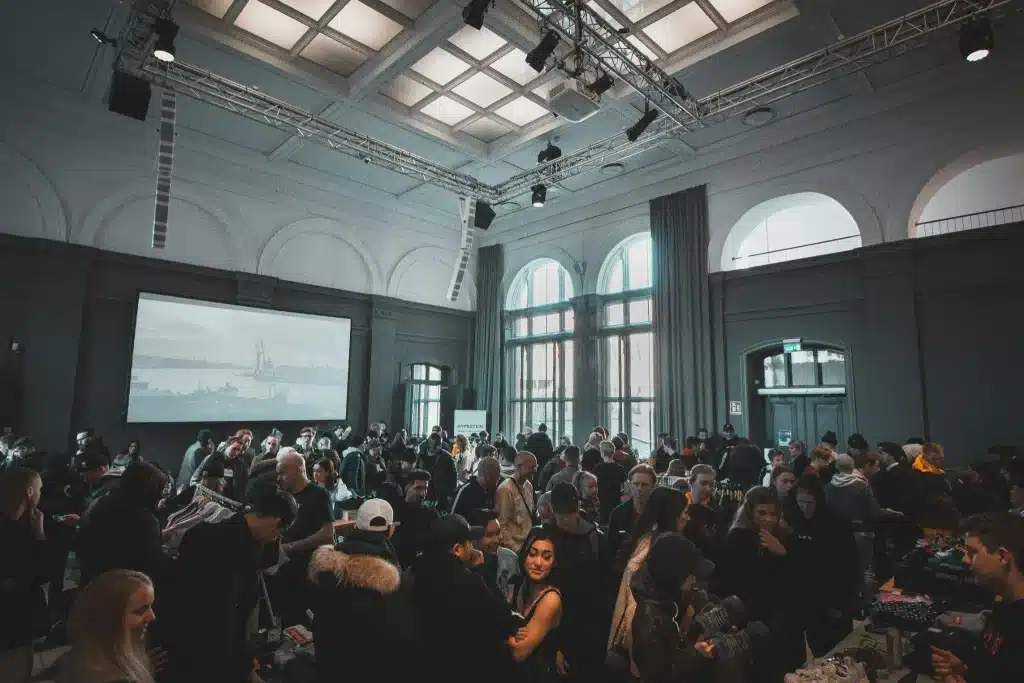
Attendees want opportunities to exchange ideas, build relationships, and have meaningful conversations. Breaks, social activities, and thoughtfully designed gathering spaces encourage these interactions.
Creating those opportunities requires intentional planning. The most memorable events often balance structured content with enough flexibility to allow relationships to develop naturally throughout the day.
The Best Events Anticipate Problems
No event unfolds exactly as planned. Flights are delayed, speakers cancel, equipment fails, and schedules change. The difference is that experienced organizers expect these challenges and prepare for them.
Contingency planning allows teams to respond quickly when unexpected situations occur. Backup speakers, alternative schedules, spare equipment, and clear escalation procedures reduce the impact of unforeseen disruptions.
Participants may never know a problem occurred because the response feels seamless. That is often one of the clearest signs of effective event management.
Environment Influences Attendee Experience
The physical environment shapes how people feel throughout an event. Lighting, seating comfort, room layout, noise levels, and available amenities all contribute to the overall atmosphere.
Organizations increasingly pay attention to how spaces support engagement rather than simply accommodating attendance. Someone evaluating options for recreational spaces, team-building areas, or indoor entertainment facilities may encounter solutions from https://indoorgolfoutlet.com/ while exploring ways to create more engaging environments for employees and guests.
The goal is not simply to fill a room but to create a setting that encourages participation and interaction.
Execution Is Built on Hundreds of Small Decisions
People often search for a single secret behind successful events. In reality, smooth execution usually results from hundreds of small decisions made correctly.
Attention to detail, preparation, communication, logistics, and adaptability all contribute to the final outcome. Organizations that consistently host successful events understand that excellence rarely comes from one dramatic action. Instead, it emerges from a collection of thoughtful choices that work together to create a positive experience.
When attendees leave remembering the conversations they had, the ideas they learned, and the relationships they built rather than the problems they encountered, the event accomplished exactly what it was meant to do.