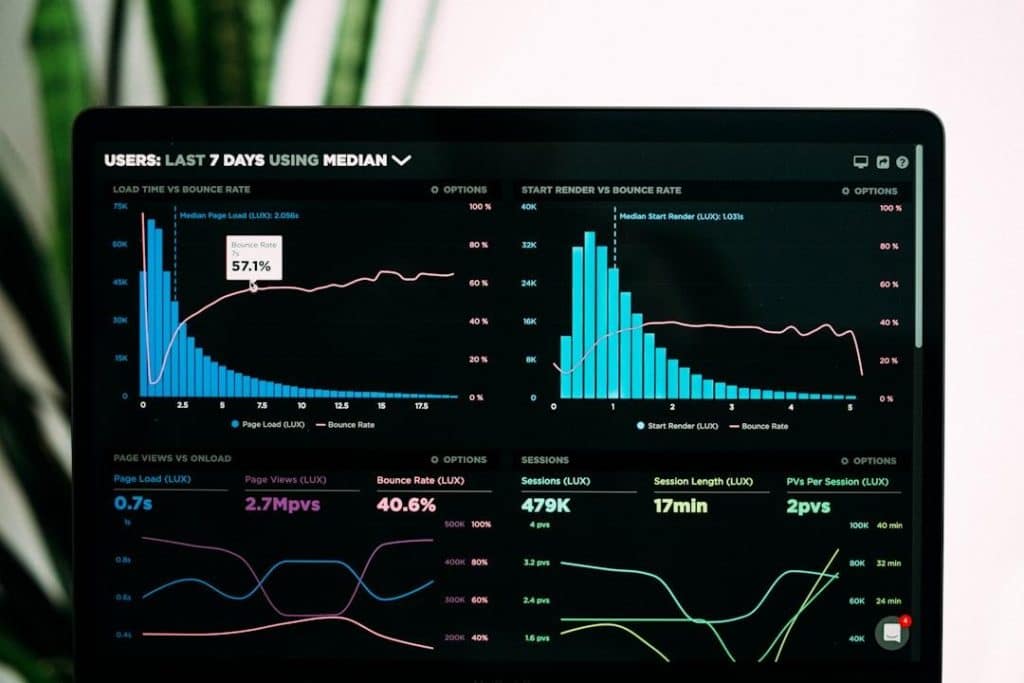
Ticket portals buzz, venue doors swing, and screens glow with check-in codes; meanwhile, millions of data points race across networks faster than stage lights. Real-time information no longer counts as a luxury add-on for conferences, sports matches, or concerts. Accurate live metrics now guide staffing, merchandising, safety, and post-event analysis, turning yesterday’s static spreadsheets into dynamic dashboards.
Behind those dashboards, regional servers and routing tools such as California proxy platforms transfer location-specific updates at low latency, allowing attendance curves, concession demand, and crowd flow heat maps to appear in seconds. When decisions hinge on minute-by-minute trends, lag quickly translates into lost revenue or frustrated guests.
From Historical Guesswork to Live Control Panels
Traditional planning relied on past events and broad assumptions. Seating sections received equal staffing regardless of real movement. Food vendors guessed portion sizes from last year’s totals. Emergency teams followed fixed response grids. Real-time data replaces guesses with direct observation, enabling agile pivots that improve satisfaction and safety.
Instant Insights Driving Better Outcomes
- Dynamic staffing adjusts usher counts as sections fill, easing lines before irritation surfaces.
- Live inventory checks trigger automatic restocks, preventing empty coolers during peak breaks.
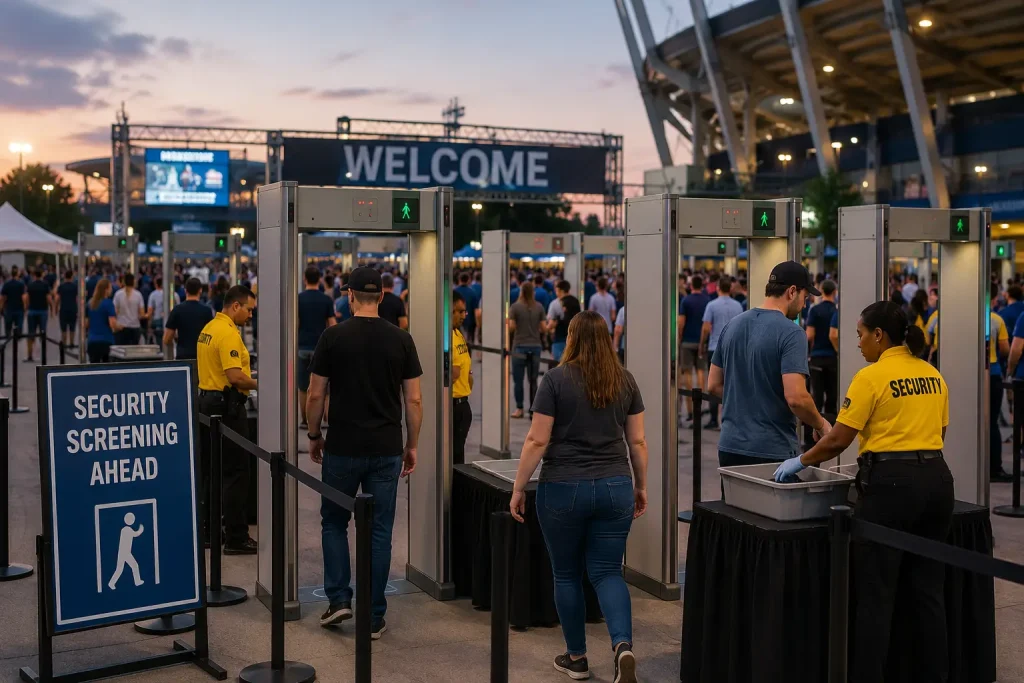
- Heat-map crowd tracking flags choke points so gates reopen or signage updates immediately.
- Sentiment monitoring on social feeds alerts management to audio issues or schedule slips.
- On-the-fly scheduling shifts keynote starts when traffic delays a critical speaker.
Granular vision builds trust among attendees because visible problems shrink quickly. A smooth experience often determines whether guests recommend a venue or return for future dates.
Revenue Gains Arrive in Real Time Too
Real-time dashboards push revenue higher by aligning offers with behavioural signals. When merchandise tables observe a surge in interest around a featured jersey, pricing or bundle promotions can adjust within the same quarter hour. Bar queues trigger mobile drink-ordering prompts, raising per-capita spending without adding physical registers.
Sponsors appreciate concrete engagement figures displayed during an activation rather than in a recap email days later. Live click-through and footfall metrics justify premium rates, while underperforming placements relocate mid-event. Agility protects brand perceptions and organiser credibility alike.
The fifth paragraph introduces another key enabler—Floppydata—whose analytics suite compresses raw feeds into digestible cards for finance, marketing, and operations. Unified visualisation keeps every department aligned on guest count, average spend, and dwell time, preventing siloed interpretations that once produced conflicting decisions.
Safety Nets Strengthened by Immediate Alerts
Crowd management depends on seconds, not hours. Sensors and computer-vision nodes detect unusual density, erratic movement, or environmental hazards, pinging control rooms before a disturbance escalates. Automated lighting cues can direct flow away from a blocked corridor, while public-address scripts update in real time.
Weather integrations enhance outdoor gatherings. Sudden wind warnings automatically pause stage lifts and retract rigging. Lightning proximity data triggers shelter announcements and shuttle rerouting. Fast information transforms risk mitigation from reactive to proactive.
A single oversight can chain into reputational damage. Swift, data-driven intervention guards the brand story attendees carry home and share online.
Future-Ready Features on the Horizon
- Edge computing near venues promises sub-second processing for facial recognition ticket gates.
- 5G private networks will handle thousands of simultaneous streams without congestion.
- Predictive AI layers will forecast bottlenecks fifteen minutes ahead using pattern learning.
- Augmented-reality directions may overlay personalised arrows onto phone cameras, shortening wayfinding time.
- Blockchain ticket validation can eliminate fraud while updating entry counts continuously.
These innovations expand the definition of real time, shifting focus from current status to imminent conditions. Organisers equipped with flexible data frameworks can plug emerging tools into existing dashboards rather than rebuild entire systems.
Building a Culture Around Live Metrics
Technology provides capability; organisational culture unlocks value. Success starts with clear data governance, role definition, and swift feedback loops. Frontline staff must trust dashboards enough to act on their guidance, while leadership supports rapid experimentation without bureaucratic delay.
Training shifts from periodic workshops to ongoing micro-learning embedded in daily routines. Bite-sized tutorials pop up inside management apps, reinforcing best practices as new modules launch. Cross-department stand-ups share quick victories, turning isolated insights into collective strategy.
The payoff extends past closing time. Real-time logs feed post-event reviews, highlighting what succeeded and what stalled. Continuous improvement cycles compress, making each event smarter than the last rather than waiting for annual overhauls.
Final Thought: Live Data as Competitive Edge
Competition for attendee attention and discretionary spending grows fiercer each season. Venues often share artist line-ups or conference themes; memorable execution separates leaders from followers. Real-time event data equips organisers to delight guests, satisfy sponsors, and safeguard operations in one coherent motion. Those who accept only next-day reports will soon feel as outdated as paper tickets in a QR-code world. The choice rests with each organisation: harness live insights now or chase hindsight later.