In today’s rapidly changing event landscape, hybrid events—mixing live, in-person interactions with virtual experiences—are becoming the norm. As these events often require teams to manage tasks remotely, ensuring secure communications becomes vital. Here’s where a VPN can be a game-changer. By using NordVPN with NordVPN discount codes, event teams can safeguard sensitive data and enhance their remote capabilities.
Understanding VPNs: Essential for Modern Event Management
A Virtual Private Network (VPN) is basically a secure tunnel between a device (your laptop, phone, production PC) and the internet. Instead of sending data out “in the clear” through whatever Wi‑Fi you happen to be on, a VPN wraps your connection in encryption and routes it through a VPN server. Two big things happen:
- Your traffic is shielded from snooping. Anyone sitting on the same network—hotel Wi‑Fi, venue guest Wi‑Fi, airport lounge—can’t easily see what you’re doing or steal session data.
- Your IP address is masked. Websites and services see the VPN server’s IP, not your real network’s. That’s useful for privacy, but also for operational consistency (more on that below).
Tom Church, Co-Founder of nordvpn.com, a discount code platform, said: “When teams are working from venues, hotels, and shared networks, a VPN is one of the simplest ways to add a strong layer of protection—encrypting traffic so credentials and sensitive event data are far harder to intercept.”
What a VPN actually does (without the fluff)
- Encrypts data in transit: Logins, admin dashboards, files, chat tools, run-of-show docs—encrypted before they leave the device.
- Prevents casual interception on shared networks: Especially important when staff are bouncing between venues, coworking spaces, and home networks.
- Adds a layer of access control: Many teams pair a VPN with allowlisted IPs or internal-only tools, so only VPN-connected users can reach critical systems.
Why privacy and secure comms matter extra in hybrid events
Hybrid events are a weird mix of high visibility and high sensitivity. You might be streaming to thousands of attendees while simultaneously handling backstage operations that absolutely should not leak—credentials, speaker contracts, attendee exports, sponsor deliverables, unreleased announcements, even internal comms about incidents.
A VPN helps protect:
- Attendee and registration data (names, emails, payment-related metadata, access links)
- Production credentials (stream keys, CDN dashboards, webinar host accounts, venue network details)
- Internal documents (staff schedules, security plans, vendor pricing, run-of-show, contingency plans)
- Real-time comms (crew chat, show calling notes, remote control sessions)
Why VPNs are particularly useful for hybrid event team operations
Hybrid teams don’t sit in one office behind one firewall. You’ve got on-site crew, remote producers, freelancers, agencies, and sometimes speakers logging in from wherever. That sprawl is the risk.
VPNs help hybrid event operations in a few practical ways:
- You can safely run the show from anywhere. If an A/V lead needs to hop into a streaming panel from a hotel, or a remote producer has to access internal tools, a VPN reduces the “public Wi‑Fi roulette” factor.
- You can keep admin tools off the open internet. Instead of exposing production dashboards or file servers publicly, teams can restrict access to “VPN users only,” cutting down the attack surface.
- You get a more consistent security baseline across the team. Not everyone has perfect home network security. A VPN standardizes at least one critical layer: encrypted transport.
- You reduce the chances of account hijacks during crunch time. Events are deadline-driven. People log in quickly, reset passwords on the fly, click links in DMs. A VPN doesn’t fix bad habits, but it makes interception much harder—especially on shared networks.
A simple way to think about it: hybrid events turn your team into a moving target. A VPN makes that target harder to hit.
Advantages of Using a VPN for Hybrid Event Teams
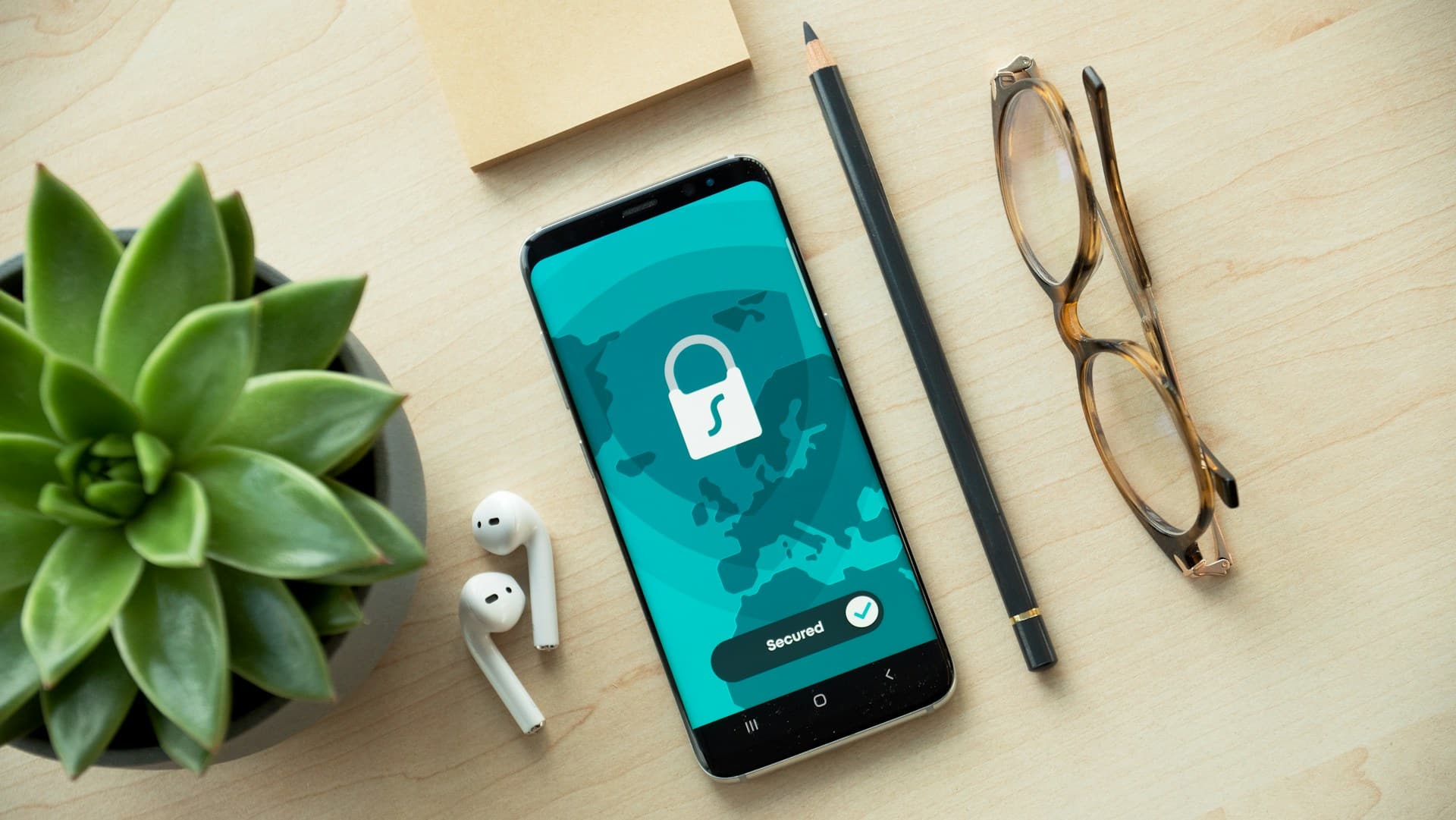
Hybrid events run on a lot of moving parts:
- Livestream dashboards
- Ticketing platforms
- Sponsor assets
- Attendee lists
- Staff comms
- A dozen “quick” logins nobody documented
When parts of that machine are operated from hotel Wi‑Fi, a freelancer’s home router, or a phone hotspot backstage, security and reliability stop being theoretical. A VPN helps you lock down the work without locking down the team.
Enhanced Security
A VPN creates an encrypted tunnel between a team member’s device and the internet (or your company network). In plain terms, it makes your traffic much harder to intercept or alter—especially on public networks.
For hybrid event teams, that matters because you’re handling:
- Attendee and payment-related data
Registrations, ticket scans, badge info, and sometimes partial card data via tools - Private event operations
Run-of-show docs, session links, backstage meeting URLs, streaming keys - Client and sponsor assets
Contracts, creative files, unreleased announcements
What the VPN helps protect against
Without encryption, a bad actor on the same network can potentially:
- Snoop on traffic
- Hijack sessions
- Steal credentials via common tactics, such as:
- Rogue Wi‑Fi access points (e.g., “Free Venue Wi‑Fi”)
- Man-in-the-middle attacks
A VPN doesn’t eliminate every risk, but it meaningfully reduces the easiest wins for attackers—particularly when your team is scattered across unknown networks.
Remote Accessibility
Hybrid events don’t pause because someone isn’t on-site. Producers, techs, and client stakeholders need access to systems from wherever they are—securely.
A VPN helps in two key ways:
- Secure access to internal resources
If your org has tools behind a firewall (internal file servers, staging environments, internal dashboards), a VPN can let approved team members connect without exposing those systems to the public internet. - Safer work from anywhere
Team members can log into event platforms, manage livestream controls, update landing pages, or coordinate comms while traveling—without relying on “hope this Wi‑Fi is fine.”
Region-specific access (when it matters)
A VPN can also help when you need to appear as if you’re in a specific region, such as:
- Accessing a service restricted to certain locations
- Testing what attendees in another country will see
For global hybrid events, this can reduce friction during rehearsals and show days.
Improved Performance
A VPN isn’t a magic “make my internet fast” button—but it can help in real-world event conditions.
- Reduced throttling (sometimes)
Some ISPs or networks throttle certain traffic types (streaming, conferencing, large uploads). A VPN can obscure the traffic type, which may reduce throttling and lead to smoother streams or uploads. - More stable workflows on sketchy networks
Venue or hotel networks can be inconsistent, filtered, or overloaded. A VPN can sometimes provide a more reliable route to your tools—especially if DNS filtering or aggressive network rules are causing random dropouts. - Cleaner collaboration under pressure
When everyone connects through a consistent, secured channel, you reduce:- “I can’t access that link”
- “It works for me”
- “The venue network blocks it”
Bottom Line
Hybrid event teams need speed, control, and calm execution. A VPN supports all three by:
- Keeping access secure
- Making remote work viable
Helping show-critical tools run with fewer surprises
Practical Steps for Implementing a VPN in Your Hybrid Event Strategy
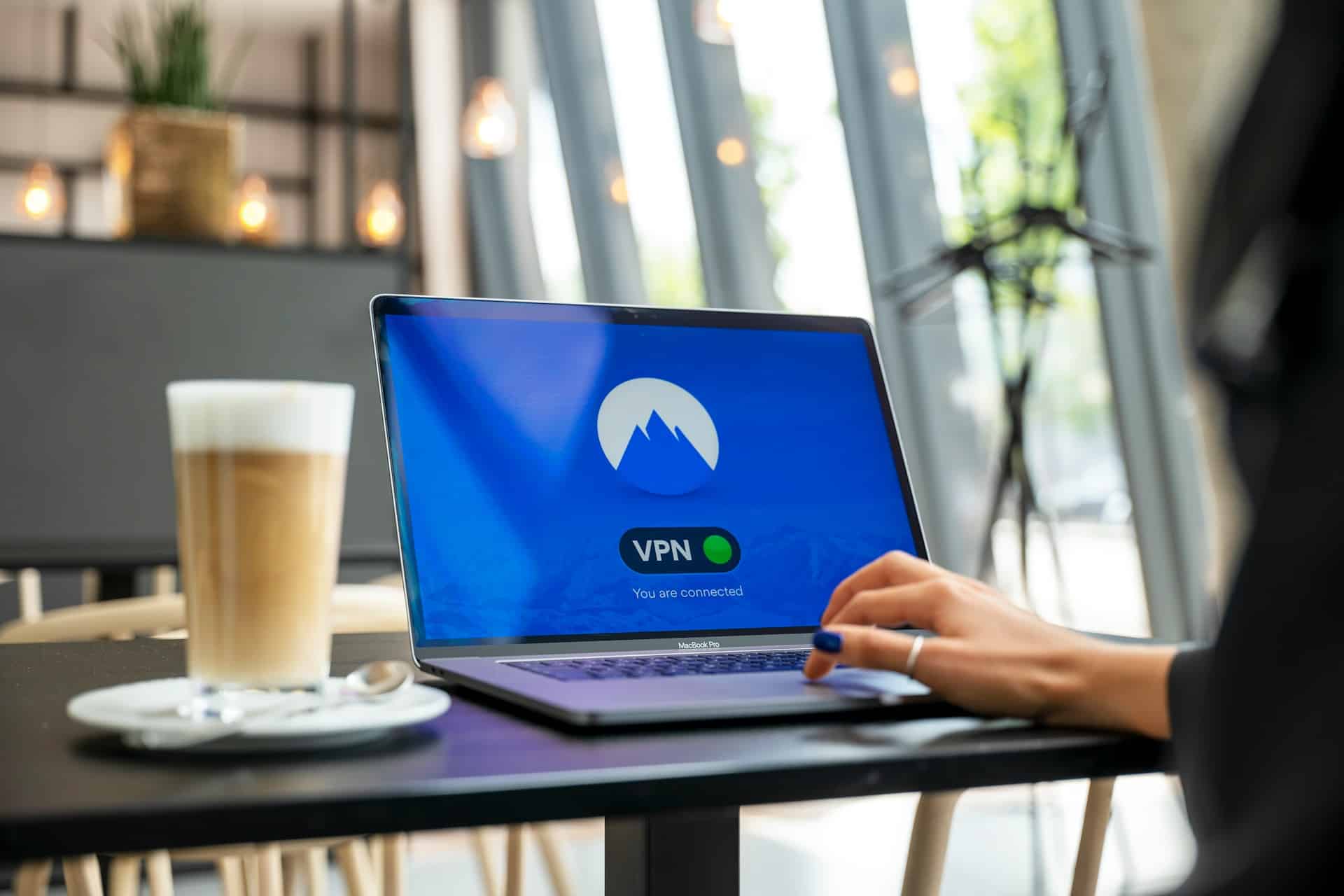
A VPN is only “secure” if it’s boringly consistent: everyone uses it, it’s configured the same way, and it’s on before anyone touches event systems. Here’s how to make that happen without turning your team into IT.
1) Pick the right VPN (use a shortlist, not vibes)
Start with your event realities:
- Do you have staff working from hotels, venues, coworking spaces, and home Wi‑Fi? (You do.)
- Are you accessing ticketing/CRM, streaming dashboards, run-of-show docs, sponsor assets, payment portals, or private staff chat? (Also yes.)
When comparing VPN services, look for:
- Strong encryption + modern protocols (WireGuard-based options are typically fast and stable).
- Reliable global server coverage (for traveling crew and distributed teams).
- Multi-device support (laptops + phones + tablets; production folks switch devices constantly).
- Central admin controls (ideally: team accounts, user management, and policy settings).
- Kill switch + DNS leak protection (so traffic doesn’t “slip out” onto public Wi‑Fi mid-show).
- Business-friendly features like dedicated IP or access controls if you’re whitelisting logins to sensitive platforms.
If your org uses one provider company-wide, use that. Consistency beats “best on paper.”
2) Decide what the VPN is protecting (draw a simple boundary)
Don’t boil the ocean. Define what must be accessed over VPN, such as:
- Admin logins for streaming/CDN platforms
- Event registration and attendee exports
- Payment and finance tools
- Staff credential vaults / password managers
- Internal docs for incident response, security plans, VIP schedules
- Any tool with elevated permissions (producer/admin accounts)
Then define what doesn’t need it (public marketing pages, non-sensitive browsing), so people don’t feel like the VPN is “in the way.”
3) Set a default rule: “VPN on before work starts”
Make it a policy people can actually follow:
- Always-on VPN for anyone with admin access.
- At minimum: VPN required on public Wi‑Fi, at venues, hotels, airports.
- If someone can’t use the VPN for a specific service (rare, but happens), require a quick escalation path (see Step 7).
Pin this rule in your team channel + put it in your show-day checklist. Repetition wins.
4) Deploy it to team members (fast, standardized, no drama)
Do a clean rollout:
- Choose one setup method per device type (Windows/macOS/iOS/Android).
- Publish a one-page “How to connect” guide with screenshots.
- Pre-select recommended server locations (e.g., closest region to your core tools or HQ).
Tighten access for high-risk roles:
- Producers, streaming engineers, finance, CRM admins: require VPN + MFA on everything.
- Temporary staff: restrict access to only what they need (don’t give them the keys to the kingdom).
Do a rehearsal:
48–72 hours before go-live, run a 15-minute “VPN test call” where everyone:
- Connects successfully
- Verifies they can log into critical tools
- Confirms the kill switch behavior (disconnect Wi‑Fi briefly and ensure traffic doesn’t leak)
5) Bring external partners into the plan (without giving them your network)
Hybrid events often involve agencies, AV vendors, freelancers, moderators, and platform support. They need access—but not the same access.
Best practice: separate by role
- External partners: give VPN access only if they truly need to touch internal systems.
- Prefer alternatives when possible:
- Provide vendor accounts inside the platform with limited permissions
- Use shared workspaces (e.g., a specific project folder) rather than full-drive access
- Time-box access (only during build + show window)
If you do give VPN access:
- Use individual accounts (no shared logins, ever)
- Require MFA
- Set an expiration date aligned to contract end
- Document exactly what they can access and who approved it
6) Build a “show mode” profile (because show day is not the day for surprises)
Create a simple operational setup for event week:
- A recommended server/region (stable, low-latency)
- A backup server option (if the first one is slow)
- A “critical tools” checklist: streaming dashboard, comms, ticketing, cloud docs
- A rule for switching: if latency spikes, switch servers—don’t disable the VPN
If you’re managing a live stream, run a quick performance test during rehearsal to ensure the VPN isn’t adding unacceptable latency for any specific workflow.
7) Prepare for the “it’s not connecting” moment (because it will happen)
Have a small, written escalation path:
- Switch server/region
- Switch network (venue Wi‑Fi → hotspot)
- Restart VPN app/device
- Contact internal admin (one named person) or vendor support
And one hard line: “Don’t disable VPN to fix access to admin systems.” If someone needs an exception, handle it explicitly and temporarily.
8) Keep it maintained (set-and-forget is how holes appear)
After the event:
- Remove access for contractors and temporary staff
- Rotate credentials that were widely shared/used (ideally you weren’t sharing—but rotate anyway)
- Review any unusual login activity (especially from unfamiliar regions/devices)
- Update your VPN guide with what confused people this time (your next rollout gets easier)
Done right, a VPN becomes background noise: people connect, work happens, and sensitive event operations stay off the public internet. That’s the goal.
Overcoming Challenges with VPNs in Event Management
VPNs are simple in theory—flip it on, get encrypted, carry on. In real hybrid event life, a few predictable snags show up. The good news: most are boring fixes, not deal-breakers.
1) “The VPN is slowing everything down”
Why it happens:
You’re adding encryption overhead, plus sometimes your team connects to a server that’s far away or overloaded.
Fix it fast:
- Use the nearest server to the event ops location (or to the cloud region you’re working in).
- Standardize the protocol (WireGuard/NordLynx-style protocols are typically faster than older options).
- Split-tunnel non-sensitive traffic where appropriate (e.g., let public livestream viewing stay outside the VPN, but keep admin dashboards, registration exports, and internal comms inside).
- Run a rehearsal with VPN on during peak load (showtime is not the time to discover “VPN + video encoder = pain”).
2) “Someone can’t connect at the venue / hotel / airport Wi‑Fi”
Why it happens:
Some networks block VPN traffic, use aggressive firewalls, or require captive portals (those “accept terms” pages) that break the connection flow.
Fix it fast:
- Captive portal first, VPN second: connect normally, accept terms, then enable VPN.
- Have a fallback connection method: hotspot, secondary ISP, or a pre-approved wired line for critical staff.
- Keep alternate server options handy: if one endpoint is blocked, switching servers (or ports, if your VPN supports it) can restore access quickly.
- Create a simple “Can’t connect?” checklist that anyone can follow in two minutes (and give it to your stage managers, not just IT).
3) “Onboarding is messy—too many devices, too little time”
Why it happens:
Hybrid teams are a mix: internal staff, contractors, agency partners, speakers, volunteers. Everybody shows up with different laptops and very different patience levels.
Fix it without drama:
- Decide who actually needs VPN access. Not everyone does. Limit VPN to roles touching sensitive systems (ticketing admin, CRM exports, finance, show control, internal file shares).
- Use managed accounts + policies for staff and long-term contractors (centralized provisioning beats “here’s a link, good luck”).
- Pre-configure devices when you can (especially for the core show team). If you can’t, provide:
- a one-page setup doc,
- QR codes to install,
- and a dedicated 30-minute “tech check” window before rehearsals.
- Set a hard cutoff: no VPN, no access to critical dashboards. Sounds strict, saves you later.
4) “People forget to turn it on (or turn it off at the wrong time)”
Why it happens:
Event days are chaos. Humans are human.
Fix it with automation:
- Enable auto-connect on untrusted networks (public Wi‑Fi = VPN auto-on).
- Set clear rules: “VPN on when accessing X/Y/Z systems; off is fine for browsing the public site.”
- Add a pre-show checklist item: right next to “comms check” and “backup slides.”
5) “Some tools break when we’re on a VPN”
Why it happens:
Certain services flag VPN IPs, local network devices become unreachable, or internal tools assume you’re on a specific subnet.
Fix it cleanly:
- Whitelist VPN IP ranges for your own admin portals where possible.
- Use split tunneling for apps that must see local devices (e.g., printers, local encoders, Dante/AV control networks)—but keep anything with credentials or customer data inside the tunnel.
- Document exceptions so fixes aren’t reinvented mid-show.
6) “We’re worried a VPN becomes a single point of failure”
Why it happens:
If all remote ops run through one tunnel and it drops, you feel it instantly.
Fix it like you’d fix any show-critical system:
- Redundancy: two viable internet paths for key operators (primary + hotspot/backup ISP).
- Multiple VPN endpoints/servers available to switch quickly.
- Offline or limited-access runbooks: keep essential contact lists, schedules, and emergency procedures available even if the VPN is temporarily down.
The simplest rule: plan VPN like you plan audio
You wouldn’t roll into a hybrid event with one mic and no spare cable. Treat secure connectivity the same way: test early, limit access intelligently, automate what you can, and keep a backup path for show-critical roles.
Ensuring Continued Security Beyond VPNs
A VPN is a solid baseline: it encrypts traffic and helps keep remote work from turning into open-season for attackers. But it’s not a magic cloak. Hybrid event teams still need a few extra layers—especially when you’re juggling attendee data, speaker login links, vendor portals, and last-minute file shares.
As Tom Church, Co-Founder of LatestDeals.co.uk—a discount code platform—puts it: “A VPN is a great start, but it’s only one layer. The real protection comes from combining it with strong passwords, two-factor authentication, and tight access controls.”
Pair your VPN with the basics that actually stop breaches
- Strong, unique passwords (everywhere).
Use a password manager and kill the habit of reusing “that one reliable password” across the registration platform, email, streaming tools, and the CMS. One reused password can domino into everything. - Turn on two-factor authentication (2FA) for all critical accounts.
Prioritize: email, event platform admin, ticketing/CRM, cloud storage, finance tools, and social media accounts. Authenticator apps are better than SMS when available. - Lock down access with least privilege.
Your A/V vendor doesn’t need access to the attendee export. Your social lead doesn’t need billing permissions. Give people only what they need, and remove access immediately after the event. - Use device hygiene, not hope.
Require OS and app updates, full-disk encryption, and screen locks on laptops used for event operations. If a coordinator loses a device in transit, you don’t want that turning into a data incident. - Be picky about where files live and how they’re shared.
Don’t move run-of-show docs and guest lists through random personal emails or open links. Use controlled sharing (expiring links, view-only permissions, audit logs) in a central workspace. - Secure the Wi‑Fi reality of events.
On-site networks are messy. Assume public Wi‑Fi is hostile. VPN on, auto-connect off, and avoid logging into admin dashboards from shared networks unless necessary (and only with 2FA).
Build a lightweight cybersecurity culture (that people will follow)
- Run a 10-minute “security kickoff” before show week.
Cover: how to use the VPN, how to spot phishing, where official files live, and who to contact when something feels off. Keep it practical and fast. - Create a clear “report it now” channel.
A dedicated Slack/Teams channel or hotline for security issues beats silence. Normalize reporting suspicious emails, strange login prompts, or accidental oversharing—no blame, just quick containment. - Use checklists for high-stress moments.
Most mistakes happen during load-in, speaker wrangling, and day-of chaos. A simple checklist like “before you share a link, confirm permissions” prevents the classic overshare. - Plan for offboarding like you plan for load-out.
After the event: revoke vendor access, rotate shared passwords, deactivate temporary accounts, and archive data properly. This is where teams usually get lazy—and where risk lingers.
Bottom line: a VPN helps protect the pipe. Continued security protects the whole operation—accounts, devices, people, and process. That’s what keeps your hybrid event running smoothly without turning into an incident report.
Taking the Next Steps
Hybrid Events Move Fast—Your Data Needs to Move Safely
Hybrid events create constant motion across systems, locations, and devices. If your team is logging into registration dashboards, streaming platforms, sponsor portals, floor-plan tools, or shared drives from hotel Wi‑Fi, venues, or home networks, assume someone’s watching—or trying to.
A VPN is one of the simplest “baseline” security upgrades because it:
- Encrypts traffic on insecure networks
- Reduces the risk of account takeovers (especially on public Wi‑Fi)
- Makes remote work less risky without adding much friction
A Simple Rollout Plan (That Won’t Derail Show Week)
Here’s a clean way to put it into practice:
- Decide what must be protected
- Attendee lists
- Payment/CRM exports
- Speaker contracts
- Run-of-show documents
- Backend streaming controls
- Make VPN use non-optional for admin access
- If someone can change settings, publish content, or download data, they should be on the VPN—every time.
- Roll it out before show week
- Don’t introduce new tools during a live fire
- Run a quick test day covering:
- Logins and permissions
- File access (drives, docs, exports)
- Team communications tools
- Any geo-restricted services
- Set expectations with partners
- Agencies, AV teams, and freelancers often touch sensitive systems
- Give them a simple access path
- Remove access promptly when the event ends
Tooling Option (If You Want Something Straightforward)
If you want a common, easy-to-deploy option for teams, NordVPN is often used. If budget matters, you can reduce cost with NordVPN discount codes.
Bottom Line
Hybrid events are flexible by design—your security setup should be, too. A VPN won’t fix everything, but it’s a strong, practical next step that makes remote event management safer without slowing the team down.