The FBI has issued active warnings about smishing texts, and for good reason. These scams are becoming more common and continue to trick thousands of people every year.
Cybercriminals send fake texts pretending to be banks, delivery services, or government agencies.
In 2023, the FBI’s Internet Crime Complaint Center reported more than $10 billion in losses tied to cyber-enabled fraud. Mobile phishing scams were among the fastest-growing threats.
You may get a text saying your account is locked or a package is delayed. These messages push you to click fake links fast.
This guide explains what smishing is, why the FBI issued alerts about these scams, and the exact steps you should take if you receive a suspicious text message.
Quick Answer: What Does the FBI Say About Smishing Texts?
The FBI says smishing texts are fake messages designed to steal your personal or financial information. These scams often pretend to come from banks, delivery companies, or government agencies to look trustworthy.
Many messages create urgency by saying your account is locked or your package delivery failed.
The goal is to make you click a harmful link or share sensitive details quickly. The FBI advises people not to click suspicious links or reply to unknown texts.
Instead, delete the message and contact the company through its official website or customer service number.
People should also report smishing texts to the FBI’s Internet Crime Complaint Center and their mobile carrier to help reduce these scams and protect other users.
What Is Smishing?
Smishing is a type of SMS phishing scam where cybercriminals send fake text messages to steal personal or financial information.
These texts often pretend to come from trusted sources like banks, delivery companies, or government agencies.
Many messages include fake links, urgent warnings, or account alerts to pressure users into acting quickly.
Once someone clicks the link or shares login details, scammers can gain access to accounts, steal money, or commit identity theft.
The FBI has warned that smishing attacks are growing fast because mobile users are more likely to trust text messages than emails, making these scams highly effective and dangerous.
Why Smishing Attacks Are Increasing?
Cybercriminals are taking advantage of fast communication habits and limited user verification on SMS platforms to launch more convincing fraudulent campaigns.
- Smartphone usage is rising rapidly, making mobile devices a primary target for fraudulent SMS campaigns.
- Digital payment systems like online banking, wallets, and shopping apps increase exposure to cyber threats.
- The convenience of instant messaging leads users to trust SMS alerts without verification.
- Impersonation tactics now mimic banks, courier services, and government notices more convincingly.
- AI-powered tools help attackers craft realistic and personalized scam messages.
- Spoofed numbers make fraudulent texts appear to come from trusted sources.
- Awareness remains low among users, which increases the success rates of smishing attempts flagged in FBI warning smishing text alerts.
Why the FBI Issued a Warning About Smishing Texts?
The Federal Bureau of Investigation has identified smishing as a fast-growing cyber threat. Criminals now use fake SMS messages to target everyday mobile users with convincing scams.
These texts often appear real and copy trusted organizations like banks, delivery services, or government agencies.
Their goal is to steal banking details, login credentials, and payment information. The FBI’s Internet Crime Complaint Center receives thousands of smishing complaints every year.
In many cases, victims lose large amounts of money after scammers gain access to financial accounts.
The agency issued warnings because regular spam filters cannot block every smishing message. Many users are caught off guard since the texts look official and urgent.
The FBI advises users to verify links and sender details before taking any action. This simple step can help reduce the risk of SMS phishing attacks.
FBI Warning Text Message Scams: How Scammers Manipulate Victims
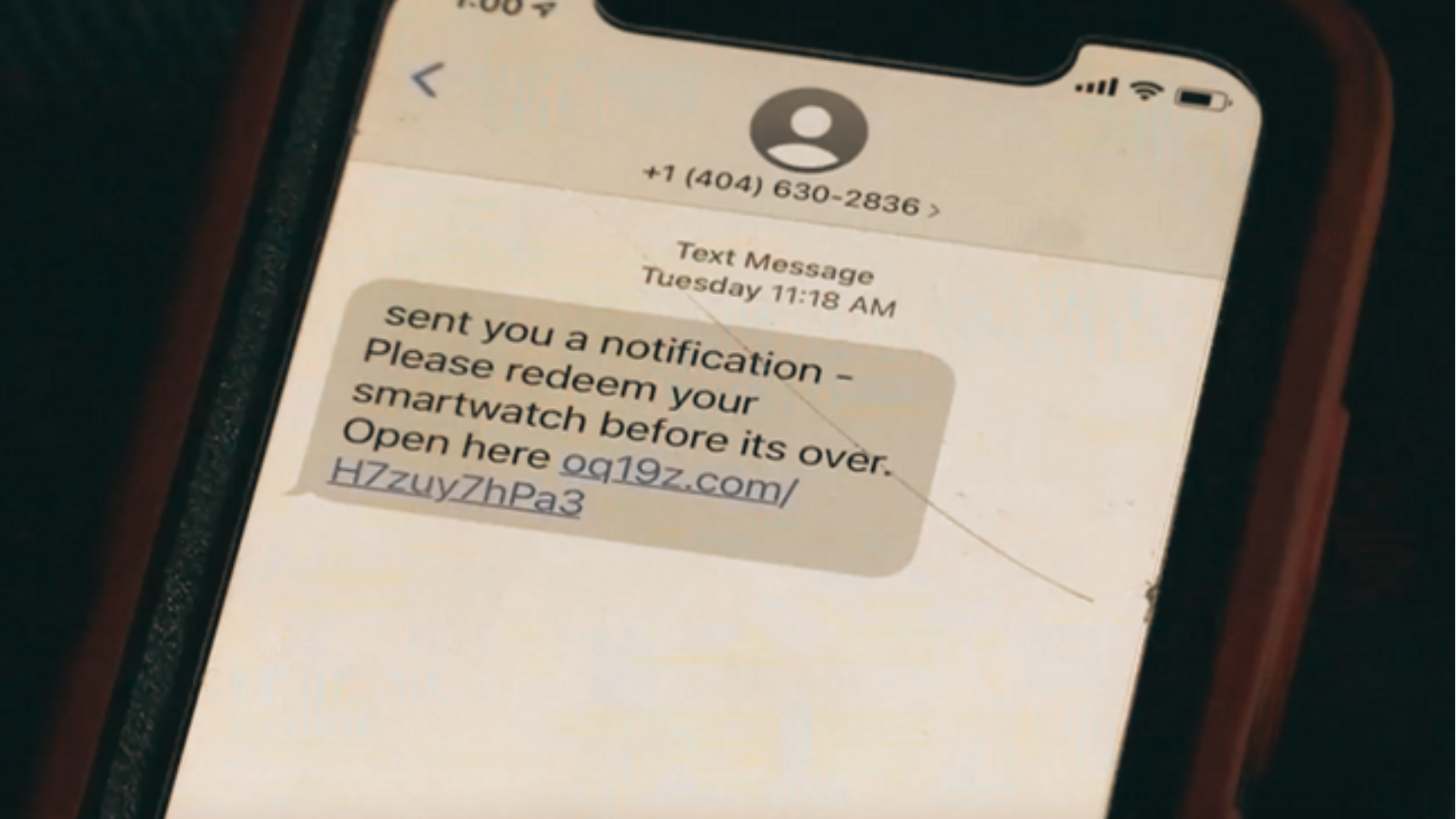
Smishing fraud, highlighted in the FBI warning, often uses deceptive messages that appear to come from trusted sources.
1. Fear-Based Urgency
Messages warn of account suspension, tax penalties, or pending legal action. The goal is panic. When people are frightened, they act fast and skip verification steps.
A message that reads “Your account will be closed in 24 hours” creates exactly the pressure the attacker wants.
Slowing down to check the sender’s number or visit the official website directly is the single most effective counter to this tactic.
2. Impersonation of Trusted Brands
Scammers copy logos, formatting, and language from real banks, shipping carriers like FedEx or UPS, and government agencies.
The sender ID may appear to match a legitimate number due to spoofing.
Banking scam texts claim unauthorized transactions or blocked accounts to force immediate login attempts.
Delivery fraud messages report missed parcels and include tracking links that lead to phishing pages designed to harvest login credentials.
3. Fake Links and Cloned Websites
The link in a smishing message looks close to a real URL but differs by one letter or uses a lookalike domain.
Once clicked, the user lands on a cloned site that captures passwords, card numbers, and one-time passcodes in real time.
Government impersonation texts demand urgent action such as tax payment or identity verification and direct users to these cloned portals.
Prize scams promise cashback or rewards to lure users into submitting personal information.
Smishing Safety: FBI Advisory Overview
The FBI warning smishing texts advisory highlights methods to reduce exposure to SMS-based fraud attempts designed to steal sensitive personal, financial, or login details.
What Makes a Text Message Look Legitimate?
Scammers study real brand communications carefully. They replicate sender names, use official-sounding language, and time messages to coincide with real events like tax season or major shopping periods.
Some smishing campaigns are triggered by data breaches, meaning attackers already know your name, bank, or recent purchase history when they contact you.
That context makes the message feel personal and credible, which raises the response rate significantly.
What to Do if a Smishing Text Arrives?
Suspicious SMS messages should be handled carefully to avoid accidental interaction with harmful content or phishing links.
Quick and careful action helps reduce the risk of loss of financial or personal information linked to mobile-based fraud campaigns.
- Avoid opening or tapping unknown links
- Delete the message without responding
- Block and report the sender to the carrier or cyber authority
- Verify any claim through official websites or apps
How to Strengthen Protection Against Smishing?
Improving device security and awareness significantly reduces the chances of falling victim to SMS-based fraud attempts.
Regularly updating device software, enabling built-in spam protection, and reviewing app permissions further strengthen defense against malicious activity.
- Enable built-in spam and security filters
- Keep the operating system and apps updated regularly
- Share awareness about SMS scams with family members
- Use trusted mobile security applications
The core of the FBI’s guidance is simple: treat any unsolicited text that creates urgency or requests action as suspicious until you verify it through an official channel you control, not a link in the message itself.
This single habit blocks the majority of smishing attempts before they can cause harm.
How to Spot a Smishing Text Before You Click?
Most smishing messages share observable characteristics that separate them from legitimate communications. Recognizing these signals before engaging is the fastest form of protection available.
Red Flags in the Message Itself
Legitimate organizations rarely contact customers via unsolicited SMS to demand account verification or payment.
Watch for generic greetings like “Dear Customer” rather than your name, URLs that don’t match the brand’s official domain, and requests for PINs, passwords, or card numbers over text.
A real bank will never ask for your full card number in a message.
Any text that asks you to act within a narrow time window is using pressure as a manipulation tool.
When the Message Seems to Know You
Personalized smishing messages are harder to spot. Attackers sometimes purchase data from breaches and use your name, recent purchase, or account type to add credibility.
In these cases, the verification step matters more, not less.
Call the organization directly using the number on their official website before taking any action the text requests.
A five-minute call is cheaper than recovering from identity theft, which can take months and significant personal effort to resolve.
Risks and Recovery After Clicking a Scam Link
Immediate corrective steps are essential to minimize potential damage and regain control of affected accounts.
| Risk Area | Impact | Recovery Action |
|---|---|---|
| Personal Data Exposure | Sensitive information may be stolen or misused | Change passwords and secure all linked accounts |
| Financial Threat | Bank accounts or digital wallets may be targeted | Monitor transactions and alert the financial institution |
| Device Security | Malware may affect performance or privacy | Run a full security scan and remove suspicious apps |
| Immediate Response | System or account compromise risk increases | Update credentials and review account activity regularly |
Taking quick and structured action is crucial to limit damage, prevent unauthorized access, and restore digital safety across your accounts and devices.
FBI Official Guidance on Smishing Texts
The Federal Bureau of Investigation provides clear instructions to help users stay protected from SMS-based fraud linked to FBI warning smishing texts.
These recommendations focus on preventing interaction with deceptive messages and reducing the risk of identity theft or financial loss.
- Never open links received from unknown or unexpected SMS messages, as they may lead to phishing pages designed to steal sensitive information.
- Verify any claim directly through official websites or verified mobile applications instead of responding to text instructions.
- Report suspicious messages to the Internet Crime Complaint Center (IC3) for further investigation.
- Treat urgent, threatening, or unusual SMS alerts as potential scams until confirmed through official sources.
FBI Recommendations for Reporting Smishing Scams
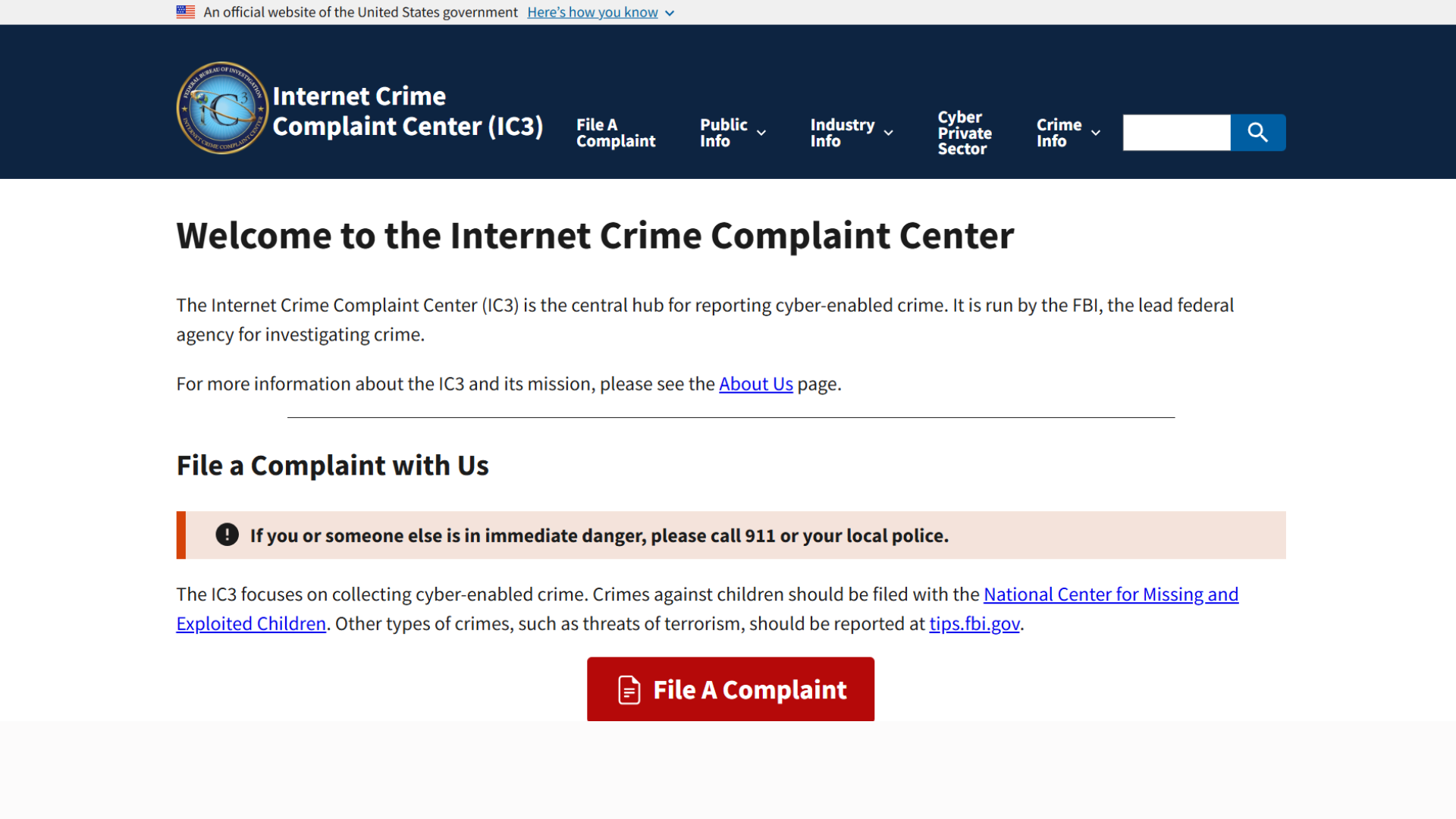
To report suspicious SMS activity linked to FBI warning smishing texts, users should file a complaint at Internet Crime Complaint Center (IC3).
And include the sender’s phone number along with any suspicious links or websites for investigation.
Additionally, forwarding the message to 7726 (SPAM) helps mobile carriers detect and block similar fraudulent texts.
These steps improve tracking of scam networks and support faster action against SMS-based fraud campaigns targeting mobile users.
For consumer guidance, you can also read the official FBI article on their website for more details about smishing scams and mobile phishing threats.
Conclusion
Smishing is one of the more effective scams in circulation right now because it targets the device people trust most and uses fear to short-circuit rational thinking.
The FBI issued this warning because the losses are real and scams keep getting smarter.
The best defense is to slow down, verify details, and avoid clicking links in unexpected texts. If a message creates urgency, treat that urgency as a red flag rather than a reason to act.
Report anything suspicious to IC3 and forward it to 7726. These habits cost almost nothing and reliably prevent the most damaging outcomes.
Strong awareness and consistent digital safety practices remain the most effective defense against SMS-based scams.
Frequently Asked Questions
What Is the Difference Between Smishing and Phishing?
Phishing is a broad online scam using digital messages, while smishing is phishing done through SMS texts. Vishing uses phone calls to steal personal information.
How Can a Smishing Text Message Be Identified?
By warning signs such as unknown senders, urgent wording, fake links, and requests for sensitive information.
Can Smishing Messages Lead to Data Theft or Financial Fraud?
Yes, they may result in identity theft, unauthorized transactions, or compromised accounts.
Where Can Smishing Scams Be Reported in the United States?
Reports can be filed with the Internet Crime Complaint Center at https://www.ic3.gov/ and forwarded to 7726 (SPAM).
Does Clicking a Smishing Link Automatically Install Malware?
Clicking a smishing link does not always install malware, but it can steal your login details or infect unprotected devices. Run a security scan and change passwords afterward.