Cybersecurity threats continue to grow, and many organizations rely on cybersecurity software to help meet specific security and data protection requirements.
If you are trying to understand cybersecurity compliance, knowing what it involves is the first step.
You will learn what cybersecurity compliance means, why it matters, who needs it, the major laws and standards, the key security requirements, common challenges, and practical ways to maintain compliance over time.
I also explain how compliance differs from cybersecurity and what can happen if an organization fails to meet its obligations.
By the end, you will have a clear understanding of how compliance supports stronger security and responsible business practices
What Is Cybersecurity Compliance?
Cybersecurity compliance means adhering to specific laws, regulations, industry standards, or security frameworks designed to protect sensitive information and computer systems.
These requirements help organizations reduce security risks, prevent data breaches, and handle information responsibly.
It is important to understand that cybersecurity and compliance are not the same thing.
Cybersecurity focuses on protecting systems from cyber attacks, while compliance focuses on meeting established security requirements. In practice, the two work together.
Compliance requirements vary by industry, data type, and location but often include access controls, encryption, and employee training.
Cybersecurity compliance strengthens security while meeting legal and business obligations.
Why Does Cybersecurity Compliance Matter?
Cybersecurity compliance helps organizations protect data, meet legal duties, reduce risks, and maintain trust. It also supports smoother operations by creating clear security practices across the business.
- Protects sensitive information: Compliance requires safeguards that help protect customer, employee, financial, and business data from unauthorized access.
- Reduces cybersecurity risks: Security controls such as encryption, monitoring, and regular updates help reduce the likelihood of cyberattacks and data breaches.
- Supports legal compliance: Many industries must follow specific laws and regulations. Meeting these requirements helps organizations operate within legal guidelines.
- Builds customer trust: Customers are more likely to trust organizations that demonstrate a commitment to protecting personal and financial information.
- Helps avoid penalties: Failing to meet required regulations can result in fines, legal action, or other business consequences.
- Improves business continuity: Strong security practices help organizations recover more quickly from security incidents and reduce operational disruptions.
- Creates a stronger security culture: Regular training, documented policies, and ongoing reviews encourage employees to make better security decisions every day.
Who Needs Cybersecurity Compliance?
Any organization that collects, stores, or processes sensitive data must comply with cybersecurity standards, regardless of its size or industry.
Small businesses may need to protect customer, payment, and employee information, while medium-sized and large organizations often follow industry-specific regulations as their operations grow.
Government, healthcare, and financial organizations must follow strict rules to protect sensitive data.
Technology companies and cloud service providers also adhere to recognized security frameworks to safeguard customer information and demonstrate strong security practices.
Common Cybersecurity Laws, Regulations, and Standards
Different laws, regulations, and security frameworks apply to different industries and regions. Some are required by law, while others are voluntary standards that help organizations strengthen their security programs.
|
Law, Regulation, or Standard |
Applies To |
Main Purpose |
|
Organizations handling personal data of people in the European Union |
Protects personal data and privacy rights |
|
|
Healthcare providers, insurers, and related organizations in the United States |
Protects electronic health information |
|
|
Businesses that accept, process, or store payment card data |
Secures payment card information |
|
|
SOC 2 |
Service providers and technology companies |
Demonstrates effective security, availability, and privacy controls |
|
ISO/IEC 27001 |
Organizations of any size |
Provides a framework for managing information security |
|
Public and private organizations |
Helps identify, manage, and reduce cybersecurity risks |
|
|
CCPA/CPRA |
Certain businesses serving California residents |
Gives consumers greater control over their personal information |
Key Requirements of Cybersecurity Compliance
Although each regulation differs, most cybersecurity compliance programs share several core security requirements.
- Risk assessments: Identify security risks, evaluate their impact, and prioritize actions to reduce them.
- Multi-factor authentication (MFA): Add an extra layer of security by requiring more than a password to verify a user’s identity.
- Data encryption: Protect sensitive information by making it unreadable to unauthorized users during storage and transmission.
- Documented security policies: Create clear guidelines for handling data, responding to incidents, and managing security responsibilities.
- Regular software updates: Install security patches promptly to fix known vulnerabilities and reduce exposure to attacks.
- Vulnerability management: Scan systems regularly, identify weaknesses, and fix them before they can be exploited.
- Backup and disaster recovery: Maintain secure backups and tested recovery plans to restore operations following data loss or cyberattacks.
How Does Cybersecurity Compliance Work?
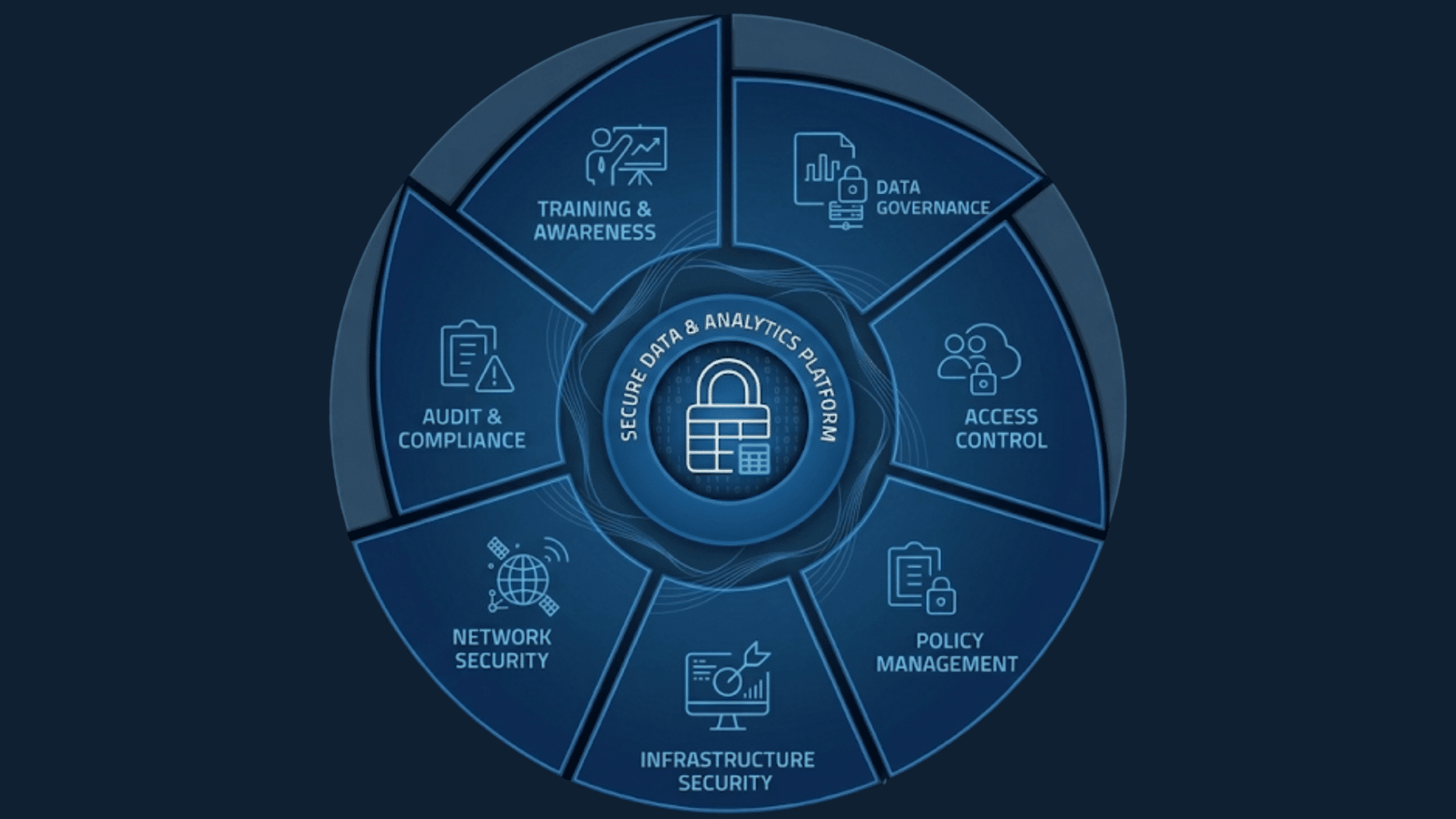
Cybersecurity compliance works through a continuous process of assessing risks, implementing security controls, monitoring systems, and updating practices to meet changing regulations.
1. Identify Applicable Regulations
The first step is finding out which cybersecurity laws, regulations, or standards apply to your organization. This depends on your industry, where you operate, the customers you serve, and the type of data you collect or store.
For example, healthcare, finance, and online retail often have different compliance requirements.
Understanding the right regulations helps organizations focus their security efforts and avoid spending time on requirements that do not apply.
It also provides a clear starting point for building a compliance program that matches business and legal requirements.
2. Assess Current Security Risks
Next, organizations review their systems, devices, networks, and business processes to identify possible security risks.
This assessment helps locate where sensitive information is stored, who has access to it, and whether existing security controls are effective. It also highlights compliance gaps that need attention.
Knowing the current level of security makes it easier to decide which improvements to make first.
Regular risk assessments also help organizations respond to new threats before they become serious security problems.
3. Close Security Gaps
Once security weaknesses are identified, organizations should fix them as quickly as possible.
This may include enabling multi-factor authentication, encrypting sensitive information, updating outdated software, improving access controls, or strengthening network security.
Addressing these gaps helps meet compliance requirements while reducing the risk of cyber attacks.
Taking action early also prevents small security issues from becoming larger problems later. Each improvement strengthens overall security and helps protect sensitive business and customer information.
4. Create Security Policies
Clear security policies help employees understand how to protect company information and use technology safely.
These documents explain rules for creating passwords, handling sensitive data, using company devices, reporting security incidents, and responding to cyber threats.
Well-written policies also ensure everyone follows the same security practices. Keeping these policies up to date helps organizations stay aligned with evolving compliance requirements and business needs.
They also provide employees with clear guidance, reducing confusion and improving consistency across the organization.
5. Train Employees
Employees are one of the most important parts of a successful cybersecurity compliance program.
Regular training teaches them how to recognize phishing emails, create strong passwords, protect sensitive information, and report suspicious activity.
When employees understand common cyber risks and follow security policies, they are less likely to make mistakes that could lead to security incidents or compliance violations.
Ongoing training also keeps employees informed about new threats and reinforces good security habits throughout the organization.
6. Prepare for Compliance Audits
Many cybersecurity regulations require organizations to demonstrate compliance with the required security controls.
Keeping policies, training records, audit logs, risk assessments, and security reports organized makes this process much easier.
Good documentation also helps demonstrate that security practices are consistently followed.
Being prepared for audits reduces stress, saves time, and helps identify any remaining compliance gaps before official reviews.
Regular internal checks can also help organizations correct issues before they become audit findings.
How Do the SEC Cybersecurity Rules Affect Public Companies?
The SEC’s cybersecurity rules require public companies to disclose material cyber incidents and report on cybersecurity risk management. They also strengthen board accountability for cybersecurity governance.
- Material Incident Reporting: Companies must disclose a material cybersecurity incident on Form 8-K, generally within four business days after determining the incident is material.
- Annual Cybersecurity Disclosure: Public companies must explain their cybersecurity risk management, strategy, and governance practices in their annual Form 10-K filing.
- Board Oversight: Boards of directors are expected to oversee cybersecurity risks and ensure governance processes are documented and regularly reviewed.
- Management Responsibilities: Companies must describe how management assesses, monitors, and manages cybersecurity risks across the organization.
- Greater Transparency for Investors: The rules help investors understand how a company manages cyber risks and responds to significant cybersecurity incidents.
- Stronger Compliance Expectations: Public companies need documented cybersecurity policies, clear reporting procedures, and coordination between security, legal, and executive teams to meet SEC requirements.
Cybersecurity Compliance Requirements by Industry
Different industries are subject to different cybersecurity and data protection requirements based on the information they handle and the regulations that govern them.
| Industry | Primary Regulation(s) | Key Recurring Obligation |
|---|---|---|
| Healthcare | HIPAA | Annual risk analysis and workforce training |
| Retail / E-commerce | PCI DSS | Quarterly vulnerability scans and annual assessment |
| Public Companies | SEC disclosure rules, SOX | Ongoing incident materiality review and annual 10-K disclosure |
| Financial Services | GLBA, NYDFS, SOX | Annual risk assessment and board-level reporting |
| Government Contractors | FISMA, CMMC, NIST SP 800-171 | Periodic third-party assessment |
| SaaS / Cloud Providers | SOC 2, ISO/IEC 27001 | Annual independent audit |
| Businesses Serving California or EU Residents | CCPA/CPRA, GDPR | Ongoing data subject request handling |
What Is IT Security Compliance?
IT security compliance is the process of meeting legal, regulatory, and industry requirements designed to protect sensitive data and information systems.
It helps organizations reduce security risks while demonstrating that appropriate safeguards are in place.
IT security compliance means following controls, policies, and procedures aligned with standards such as ISO 27001, NIST, HIPAA, PCI DSS, and GDPR.
The exact requirements depend on the organization’s industry, location, and the type of data it handles.
Compliance is not a one-time task but an ongoing process that includes risk assessments, employee training, access controls, regular audits, and continuous monitoring.
Compliance cannot prevent every cyberattack, but it provides a framework for managing risks and meeting regulations.
Best Practices for Maintaining IT Security Compliance
Cybersecurity compliance is easier to maintain when security is integrated into everyday operations.
- Review user access frequently: Remove unnecessary permissions and ensure employees have only the information they need.
- Perform regular security assessments: Test systems for weaknesses and address risks before they become larger security problems.
- Provide ongoing employee training: Refresh security awareness throughout the year so employees stay alert to new threats and scams.
- Test backup and recovery plans: Regular testing helps ensure that important data can be restored in the event of a cyber incident.
- Maintain clear documentation: Keep policies, procedures, audit records, and security reports up to date to support compliance reviews.
- Evaluate third-party vendors: Confirm that service providers follow appropriate security practices before sharing sensitive information.
Cybersecurity Compliance vs Cybersecurity
Compliance focuses on meeting legal and regulatory requirements and security standards, while cybersecurity focuses on protecting systems, networks, and data from cyber threats.
|
Cybersecurity Compliance |
Cybersecurity |
|
Focuses on meeting legal and industry requirements |
Focuses on protecting systems and data from cyber threats |
|
Based on regulations, standards, and frameworks |
Based on security strategies and risk management |
|
Often verified through audits and assessments |
Measured by how effectively risks are identified and managed |
|
Requires documentation and evidence of controls |
Requires technical, administrative, and physical security controls |
Is Cybersecurity Compliance Enough for Security?
No, Cybersecurity compliance sets a minimum security baseline, but organizations also need ongoing security practices to defend against evolving cyber threats.
Compliance standards set basic security controls, but attackers continually develop techniques that existing regulations may not cover.
Organizations should view compliance as the minimum level of protection rather than the final goal.
Regular risk assessments, continuous monitoring, employee training, timely software updates, and proactive security improvements help strengthen defenses beyond compliance requirements.
Strong cybersecurity and ongoing compliance help organizations protect sensitive data and respond effectively to new threats.
What Happens if an Organization Does Not Comply?
Failure to comply with cybersecurity regulations can result in legal penalties, financial losses, reputational damage, and increased security risks.
- Financial penalties: Some regulations allow regulators to impose fines for failing to meet required security and privacy obligations.
- Legal consequences: Organizations may face investigations, lawsuits, or enforcement actions if they fail to protect regulated data.
- Higher risk of data breaches: Weak security controls increase the likelihood of unauthorized access to sensitive information.
- Business disruption: Security incidents can interrupt daily operations, delay services, and reduce productivity.
- Failed compliance audits: Organizations may struggle to win contracts or maintain certifications if they cannot demonstrate compliance.
- Vendor and contract issues: Some business partners require compliance before sharing data or signing agreements.
Common Challenges in Maintaining Compliance
Maintaining cybersecurity compliance can be challenging because regulations, technology, and cyber threats continue to change.
| Challenge | Why It Happens | Practical Solution |
| Changing regulations | Laws and industry standards are updated regularly. | Review regulatory changes and update policies as needed. |
| Human error |
Employees may accidentally expose sensitive information. |
Provide regular security awareness training and clear procedures. |
| Poor documentation |
Missing records make audits more difficult. |
Keep policies, training records, and audit logs well organized. |
| Rapid business growth |
New systems and users create additional compliance requirements. |
Review compliance whenever major business or technology changes occur. |
Conclusion
Cybersecurity compliance protects data, reduces risks, meets requirements, and builds trust, but it requires continuous updates.
Organizations should regularly update security measures as threats, technologies, and regulations evolve.
By understanding the applicable requirements, implementing appropriate security controls, and maintaining them over time, businesses can better protect their data, reduce security risks, and support long-term operational success.
If you’re unsure where to begin, start by reviewing your current security practices and identifying the regulations or standards that apply to your organization.
Taking small, consistent steps today can help build a stronger and more secure future.
Frequently Asked Questions
Does Cybersecurity Compliance Require Expensive Security Software?
Not always. Many compliance requirements focus on managing risks effectively. The right tools depend on the organization’s size, industry, budget, and the type of data it handles.
How Long Does Cybersecurity Compliance Usually Take?
The timeline varies based on the organization’s current security practices and applicable regulations.
Can Remote Employees Affect Cybersecurity Compliance Requirements?
Yes. Remote workers access company systems and data, so organizations should secure devices, connections, and user accounts while ensuring employees follow approved security policies.