Metal 3D printing has expanded what manufacturers can create, but just because something is possible doesn’t mean it makes business sense. Sometimes a part is ideal for additive manufacturing from an engineering standpoint but is still too expensive to produce that way. The reverse can also happen: a printed part might seem costly based on its unit price, but it could become more appealing when you factor in tooling, assembly, inventory, lead times, and material use. So, the financial case for metal additive manufacturing should start with a bigger question: not just “How much does printing cost?” but “What does it cost us to make and manage this part today?”
Unit Cost Doesn’t Tell the Whole Story
Traditional manufacturing is often very cost-effective, especially for large runs of standard parts. Once the tooling and processes are set up, the cost per part usually drops as you make more.
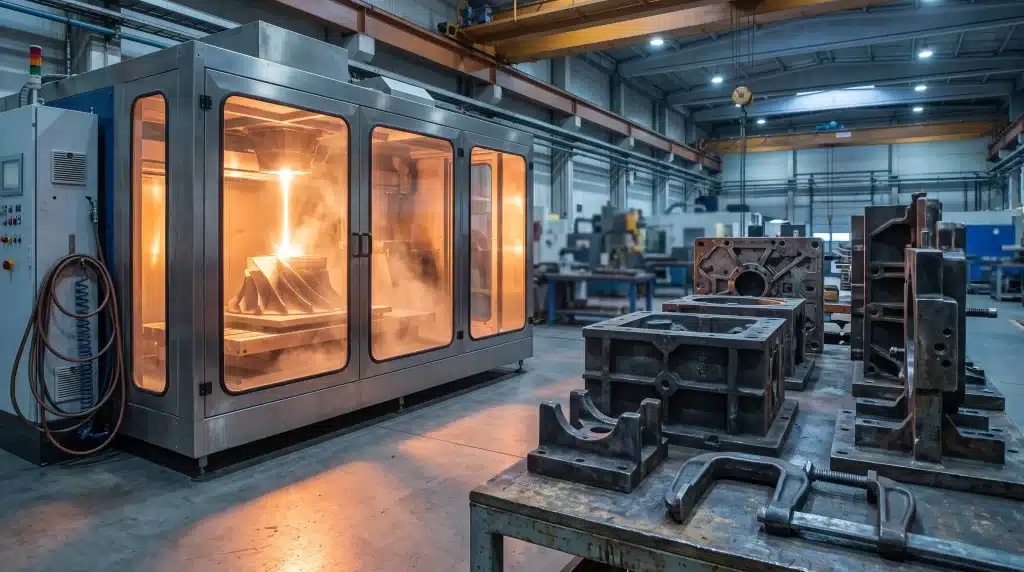
Metal additive manufacturing is different. It can reduce or eliminate some tooling needs, but you still have to account for equipment time, metal powder, energy, labor, post-processing, inspection, and quality checks. If you compare only the final price of two finished parts, you might miss other important process costs.
Low Volumes Can Change the Economics
Production volume is usually one of the first factors to consider. Spending money on molds, dies, fixtures, or other special tooling makes sense when you can spread those costs over thousands of parts. For a short production run, though, the math changes.
This is where metal solutions based on additive manufacturing may become worth evaluating. For appropriate components, producing directly from a digital design can reduce dependence on dedicated tooling and potentially make smaller batches or specialized parts more practical. Whether the economics work still depends on the material, geometry, machine utilization, post-processing, and production requirements involved.
Complexity Can Become Part of the Business Case
In traditional manufacturing, complexity often means higher costs. More machining, tricky tooling, special assembly, and extra parts all add time and expense.
Additive manufacturing changes this because it can make complex shapes without the extra steps traditional methods require. Engineers might also combine several parts into fewer printed pieces.
Combining parts can save money in more ways than just manufacturing. Fewer parts can mean fewer suppliers, less assembly, fewer fasteners, less inventory, and fewer inspections, though these benefits depend on the specific design and use.
Material Efficiency Deserves Attention
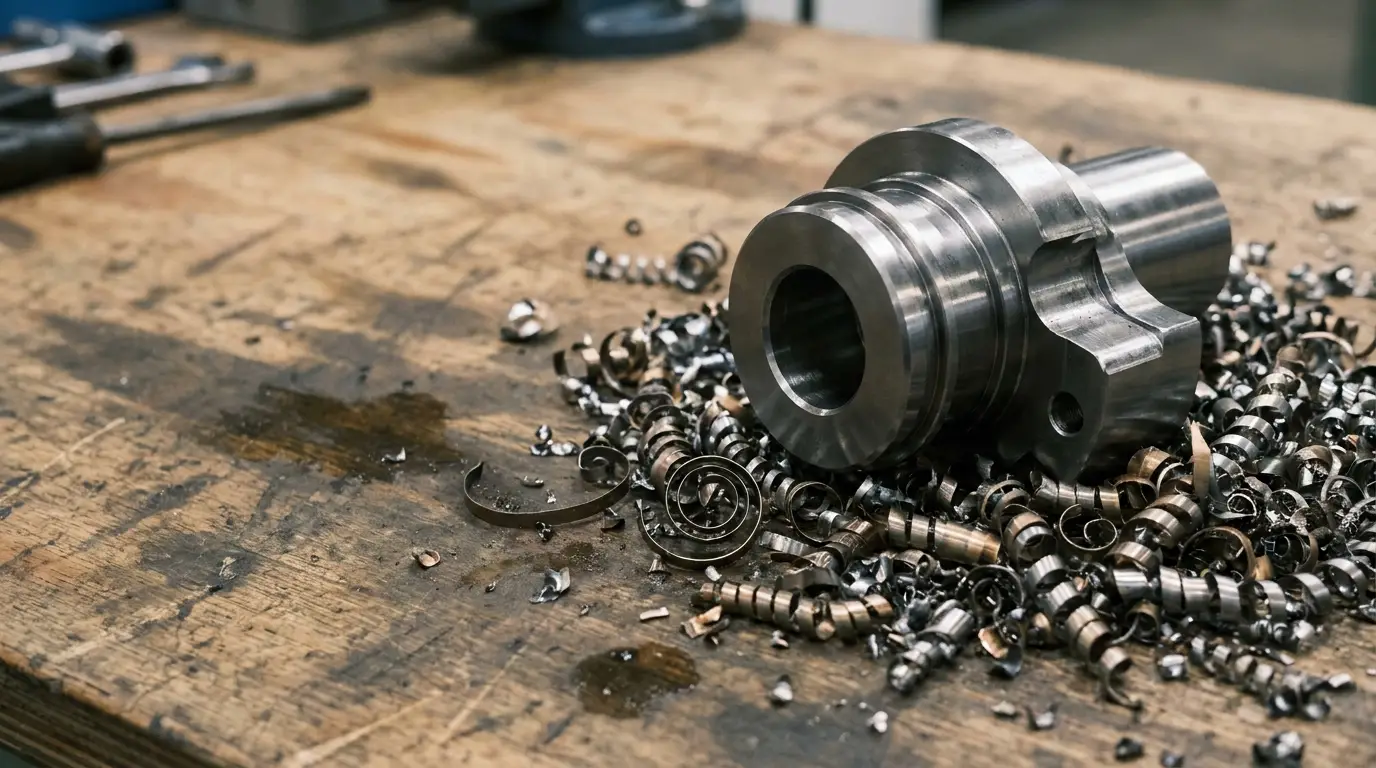
With subtractive manufacturing, metal parts usually start with more material than needed. Machining cuts away the excess until you get the right shape, which can waste a lot of material for some parts.
Additive manufacturing adds material only where the design needs it, but the process still creates some waste. You also have to consider powder handling, support structures, failed builds, and post-processing.
Better material use matters even more with costly alloys. In these cases, compare the total material needed for each method, not just the metal in the finished part.
Calculate the Cost Across the Entire Process
The financial case becomes clearer when manufacturers stop treating printing as an isolated production step. Evaluating metal 3d printing cost can involve looking beyond machine time to consider material consumption, energy, post-processing, labor, tooling, and other factors surrounding the manufacturing process.
The same thinking applies to traditional manufacturing. Tooling, machining time, assembly, scrap, inventory, shipping, supplier needs, and lead times all add to the real cost of making a part.
To compare fairly, examine both processes just as closely.
Inventory Can Quietly Become Expensive
Manufacturing costs keep going even after a part is made. Parts might need to be stored for months or years, especially when companies keep spares for equipment that lasts a long time.
In the right situations, additive manufacturing lets you make parts closer to when they’re needed instead of keeping lots in storage. This can lower storage and inventory costs, but only if production capacity, quality needs, materials, and lead times allow it.
Digital inventory isn’t always the cheaper option. It only makes sense when it costs less to store a design and make parts as needed than to keep physical stock.
The Most Expensive Part Isn’t Always the Wrong Candidate
Some manufacturers think additive manufacturing should only be used for cheap parts to reduce risk. In reality, expensive parts can be good candidates because their traditional manufacturing is already complex or costly.
If a part needs extensive machining, multiple assemblies, special tooling, or long supplier lead times, it may be worth redesigning. Additive manufacturing could simplify things, but the new part still has to meet all technical and quality standards.
The aim isn’t to print a part just because it costs a lot. It’s to understand why it’s expensive and see whether another manufacturing method can solve those issues.
The Right Question Is About Value
Metal 3D printing doesn’t have to outperform traditional manufacturing in every way to be worthwhile. Conventional methods are still hard to beat for high-volume, simple parts, and using additive manufacturing for those can add extra costs.
The best opportunities usually show up when several benefits come together. Low production runs, complex shapes, costly tooling, expensive materials, combining parts, inventory issues, or long lead times can all play a role.
In the end, manufacturers should look at the full economic picture for each part, not just get caught up in the newness of the technology. Metal 3D printing is worth it when it solves real production problems and its total cost makes sense—not just because a part can be printed.