Artificial intelligence in automotive is often reduced to one headline: self-driving cars. Yet much of the technology is already working out of sight, helping design vehicles, inspect them for defects, improve navigation, and detect signs of mechanical problems.
Drivers may use these systems without recognizing them as AI. Looking at where the technology already appears helps separate practical features available today from the promises surrounding broader automotive trends, many of which will take longer to reach the road.
How AI Helps Design and Build Cars
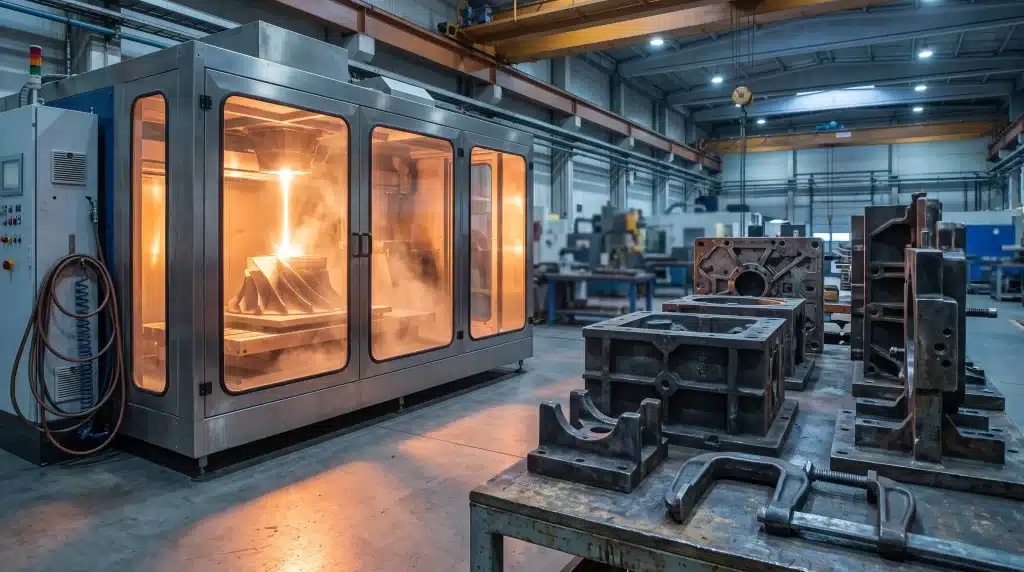
Some automotive AI is used during design and manufacturing, long before the vehicle reaches its owner. Engineers evaluate how different design choices affect safety, weight, fuel consumption, battery range, and performance. AI also retrieves relevant test results and technical documents, reducing the time spent searching through previous work.
Virtual simulations then help teams test how components and driver-assistance functions behave under different road conditions. The results show which designs need closer attention before anyone builds a prototype. Physical testing still follows.
On the production line, camera-based systems inspect paintwork, welds, panels, and interior parts for visible defects. The team reviews anything unusual and decides whether further checks are needed. For drivers, these behind-the-scenes uses contribute to better-tested designs and more consistent build quality.
AI Is Changing How Vehicles Move and Communicate
Drivers most often encounter automotive AI through advanced driver-assistance systems. These features help maintain a safe distance, keep the car within its lane, detect pedestrians, read road signs, and warn of approaching hazards.
To do this, the vehicle gathers information from cameras, radars, ultrasonic sensors, and sometimes lidar. AI interprets those signals, helping the system distinguish another car, a cyclist, a lane marking, or an object on the road.
Connected vehicles combine this information with data from outside the car. Navigation systems already use current traffic conditions to adjust routes, while fleet operators monitor vehicle location and performance remotely.
As vehicle-to-everything communication develops, cars may also receive safety warnings from traffic lights, road infrastructure, and nearby vehicles.
Cars Can Detect Problems Before a Breakdown

Modern vehicles generate a steady stream of data about battery health, engine performance, temperature, vibration, and tire pressure. AI monitors this information for changes that may signal a developing problem.
A single high temperature reading may mean little, while a gradual rise under similar driving conditions can indicate wear. By comparing the pattern with historical data, the system can flag the component for inspection before it fails.
Doing this accurately depends on interpreting vehicle data in real time and in the right context. Cold weather, steep roads, heavy loads, and recently replaced sensors can all change what normal looks like. Without that context, the system may generate unnecessary warnings that drivers and technicians eventually start to ignore.
A useful alert should identify the affected component, explain what changed, and show how urgently someone needs to respond. For drivers, that means fewer unexpected breakdowns and a better chance to arrange repairs before the problem becomes more serious.
AI Can Make Driving More Personal
Automotive AI adjusts the driving experience to individual preferences, from seat position and cabin temperature to regular destinations and charging routines. Interest in these features is already considerable.
According to Deloitte’s 2026 Global Automotive Consumer Study, 46% of US respondents and 42% of UK respondents said they were likely to use AI-enabled vehicle features that make these adjustments automatically. AI can also make more practical recommendations.
In an electric vehicle, for example, it can estimate range using the route, weather, traffic, driving style, and climate control use, then suggest when and where to charge.
This level of personalization requires access to driver data. Owners should know what the vehicle collects, where that information is stored, and whether it is shared. They also need simple controls for disabling features or deleting their data, especially when selling or returning the car.
What Full Autonomy Requires Beyond Driver Assistance
This leaves one obvious question: where are the fully self-driving cars? Many features described this way still require the driver to watch the road and take control when needed. A genuinely autonomous vehicle must handle the entire driving task within its approved conditions. Recognizing cars, pedestrians, and road signs is only part of that task.
The system must also respond safely to construction zones, poor weather, unclear markings, emergency vehicles, and unpredictable human behavior. It also needs backup systems in case a camera, sensor, or other critical component fails.
Proving that a vehicle can handle these situations requires extensive testing. Regulators must also decide where autonomous driving is permitted and who is responsible when something goes wrong. This is why most automotive AI still assists drivers within defined limits and remains far from replacing them entirely.
Conclusion
AI in cars is already useful, even without full autonomy. Its most practical applications improve how vehicles are designed, inspected, driven, and maintained, often without drawing attention to themselves. For drivers, their value comes from clearer warnings, more accurate recommendations, and safer responses.