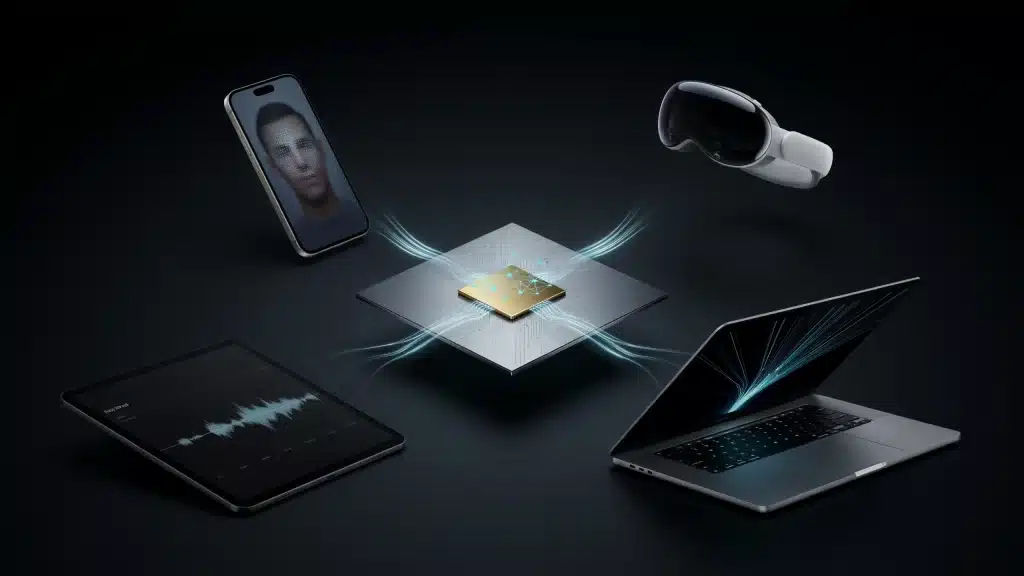
Ever wondered why a smartphone can recognize a face, improve photos, or understand speech almost instantly without every task being handled by the main processor?
I find the technology behind these everyday features fascinating because it shows how much computing has changed. The question of what a neural engine is helps explain the small but powerful hardware behind modern AI experiences.
You will learn how neural engines process information, why Apple Neural Engine is important, which devices use it, and how it supports features like Face ID, photography, and voice recognition.
The explanation focuses on making complex technology easier to understand while answering common questions about AI processing.
What is a Neural Engine?
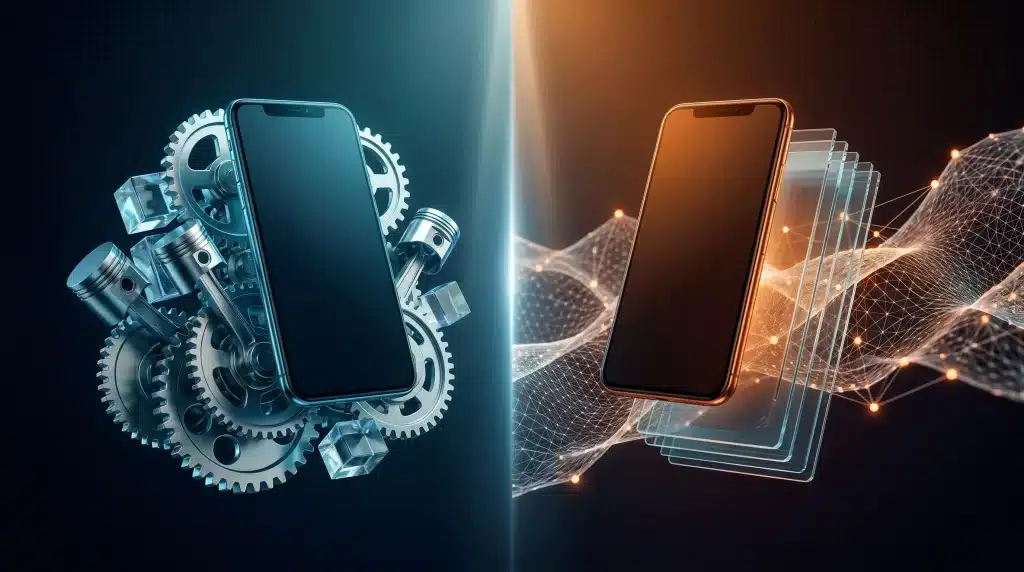
A neural engine is a specialized part of a device’s main chip, built specifically to run artificial intelligence and machine learning tasks.
Instead of handling general computing or graphics, it focuses on one job: processing AI calculations quickly, so features like image recognition and voice processing run faster and use less energy.
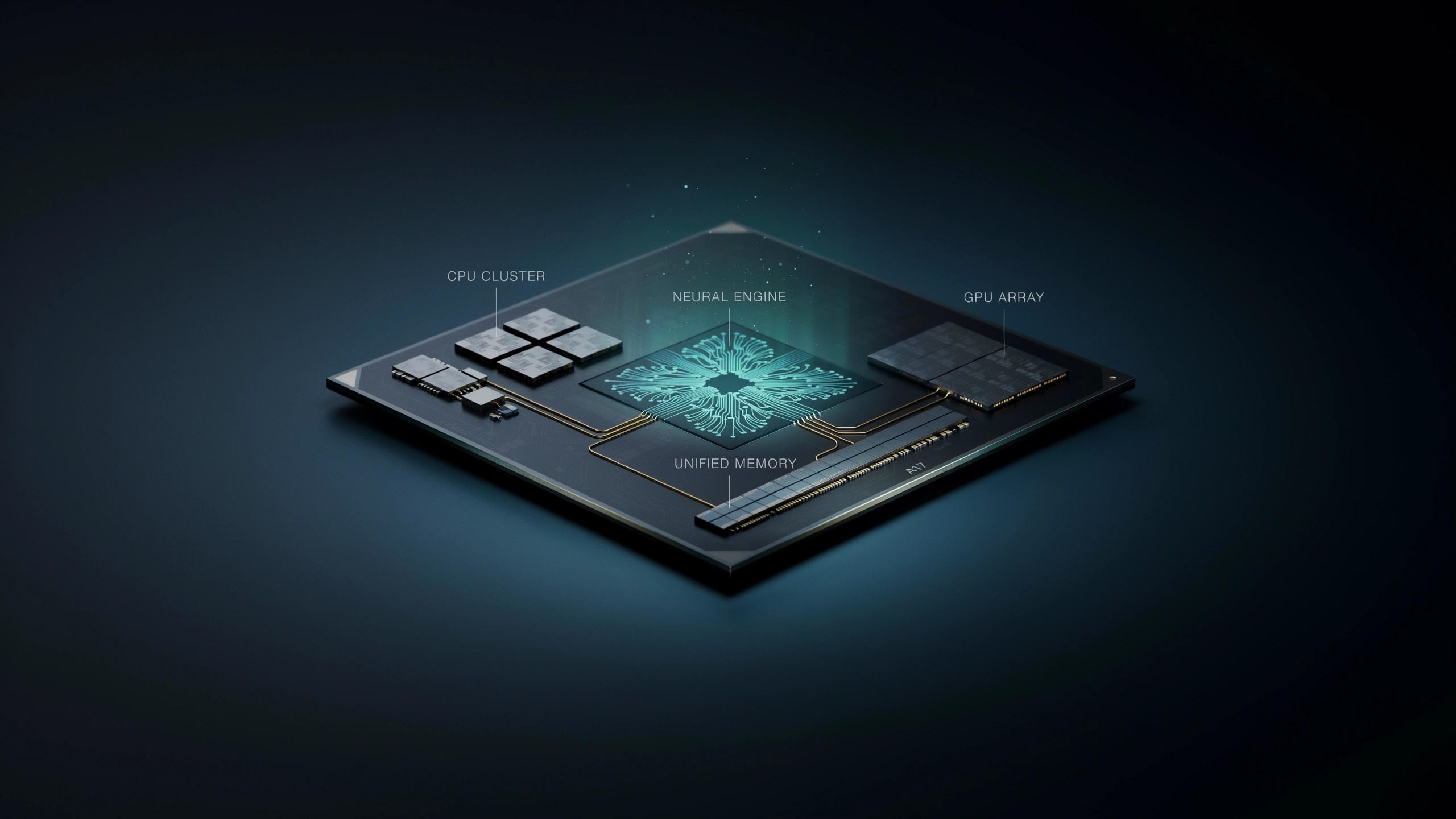
The CPU manages everyday tasks, the GPU handles graphics, and the neural engine handles AI workloads. Each part plays a different role, letting a device run smoothly without overloading any single component.
Apple’s version of this is called the Apple Neural Engine, its dedicated AI processing hardware built directly into Apple silicon. It appears in A-series chips for iPhone and iPad, as well as M-series chips for Mac and iPad,
Working alongside the CPU and GPU rather than as a separate add-on. This close integration is a big part of why AI features on Apple devices feel fast and responsive, often through lesser-known smartphone features most users never notice.
How Does a Neural Engine Work?
A neural engine follows a simple three-step process to turn raw data into useful AI-powered results, reflecting a broader shift toward energy-efficient information processing that makes it easier to see why AI features on modern devices feel so quick and effortless.
- Information Collection: Receives data from device components such as cameras, microphones, user interactions, and AI-powered applications. It can detect details like lighting changes, voice patterns, and movement.
- Machine Learning Processing: Runs trained machine learning models that identify patterns in images, sounds, and text. It compares new data with existing patterns to recognize faces, objects, and spoken words.
- AI Result Generation: Converts processed information into useful features like face recognition, photo enhancement, speech-to-text conversion, and predictive suggestions.
- On-Device Processing: Handles many AI tasks directly on the device, reducing the need to send personal information to cloud servers and improving response speed.
- Better Performance: Helps devices deliver faster and more efficient AI features while reducing the workload on other processors.
Together, these steps allow a neural engine to transform everyday data into practical AI experiences while improving speed, privacy, and overall device performance
What Does Apple’s Neural Engine Do?
Apple’s Neural Engine supports a wide range of everyday features, often without people realizing the hardware behind them. From taking a photo to unlocking a phone, it works quietly in the background, tying together the camera, microphone, and touchscreen so the device responds the moment it’s needed.
1. Camera and Photo Features
It powers computational photography, image improvement, Smart HDR processing, object and scene recognition, and portrait effects, helping photos look better with little extra effort from the user.
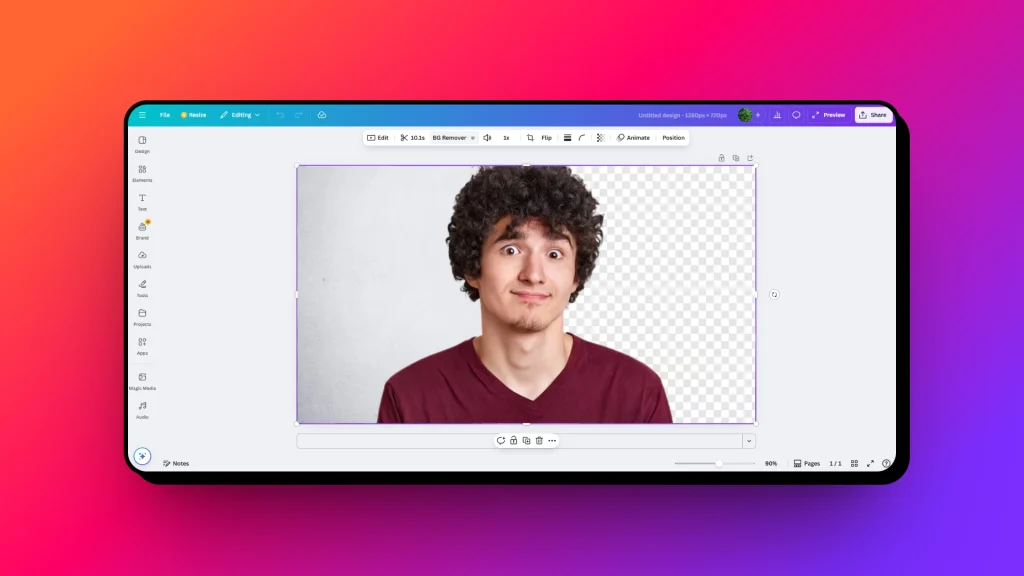
When someone takes a picture, it can separate a subject from the background, balance light and shadow across the frame, and sharpen small details, all within a fraction of a second. It also helps the Photos app recognize people, pets, and objects, making it easy to find a specific picture.
2. Face ID and Security
It handles face recognition and biometric processing, allowing devices to authenticate quickly and securely each time. Rather than comparing a photo to a stored image, it builds and checks a mathematical map of facial features, which makes it harder to fool with a picture or a mask.
This same process also confirms a person’s identity for things like app purchases and password autofill, without sending facial data off the device, addressing consumer privacy concerns that have grown around biometric technologies. It also adapts over time to small changes in appearance, such as glasses or lighting, so recognition stays reliable.
3. Voice and Language Features
It supports Siri, speech recognition, live transcription, and other language processing tasks that rely on accurately understanding spoken words.
It helps break spoken audio into words, filters out background noise, and adjusts to different accents and speaking speeds. This is also what allows live captions and dictation to keep up with normal conversation instead of lagging behind.
4. Smart Device Features
It contributes to search suggestions, predictive typing, and personalized recommendations, helping the device respond to how a person actually uses it. Over time, it can notice patterns in daily habits and use that information to make small, helpful suggestions without any manual setup.
Across all of these areas, Apple’s Neural Engine helps devices understand images, sounds, and language well enough to deliver fast, reliable AI features.
Neural Engine vs NPU: Are they the Same?
These two terms refer to the same basic idea, just with different names. NPU stands for Neural Processing Unit, a general term for hardware designed to speed up AI and machine learning tasks.
Neural Engine is simply Apple’s name for its own version of this technology. Here is a quick side-by-side look at how they relate to each other.
| Term | Meaning | Used By | Where It’s Found | Primary Focus |
|---|---|---|---|---|
| NPU | Neural Processing Unit (generic term) | Industry-wide | Chips from many manufacturers | AI and ML calculations |
| Neural Engine | Apple’s name for its NPU | Apple only | A-series and M-series chips | AI features on iPhone, iPad, Mac |
| Common Ground | Dedicated AI hardware | Hardware makers, AI docs | Alongside the CPU and GPU | Faster, more efficient AI processing |
Other companies use different names for similar hardware, but the underlying purpose is the same: running AI tasks faster and more efficiently than a standard CPU could on its own.
So whether a device advertises an NPU or a Neural Engine, the takeaway for the user is the same: AI features will run quickly, use less battery, and often work without needing an internet connection at all.
Can Third-Party Apps Use Apple Neural Engine?
Developers can use Apple’s Neural Engine in third-party apps through frameworks like Core ML, allowing applications to run machine learning models directly on Apple devices.
Instead of relying only on the CPU or GPU, apps can use the Neural Engine to handle AI-related tasks more efficiently. This helps improve speed, reduce power consumption, and deliver smoother performance for AI-powered features.
Examples include apps that use artificial intelligence for image editing, object detection, text processing, voice recognition, and other machine learning functions.
By accessing the Neural Engine, developers can create smarter apps that provide faster results while using device resources more effectively.
Which Apple Devices Have a Neural Engine?
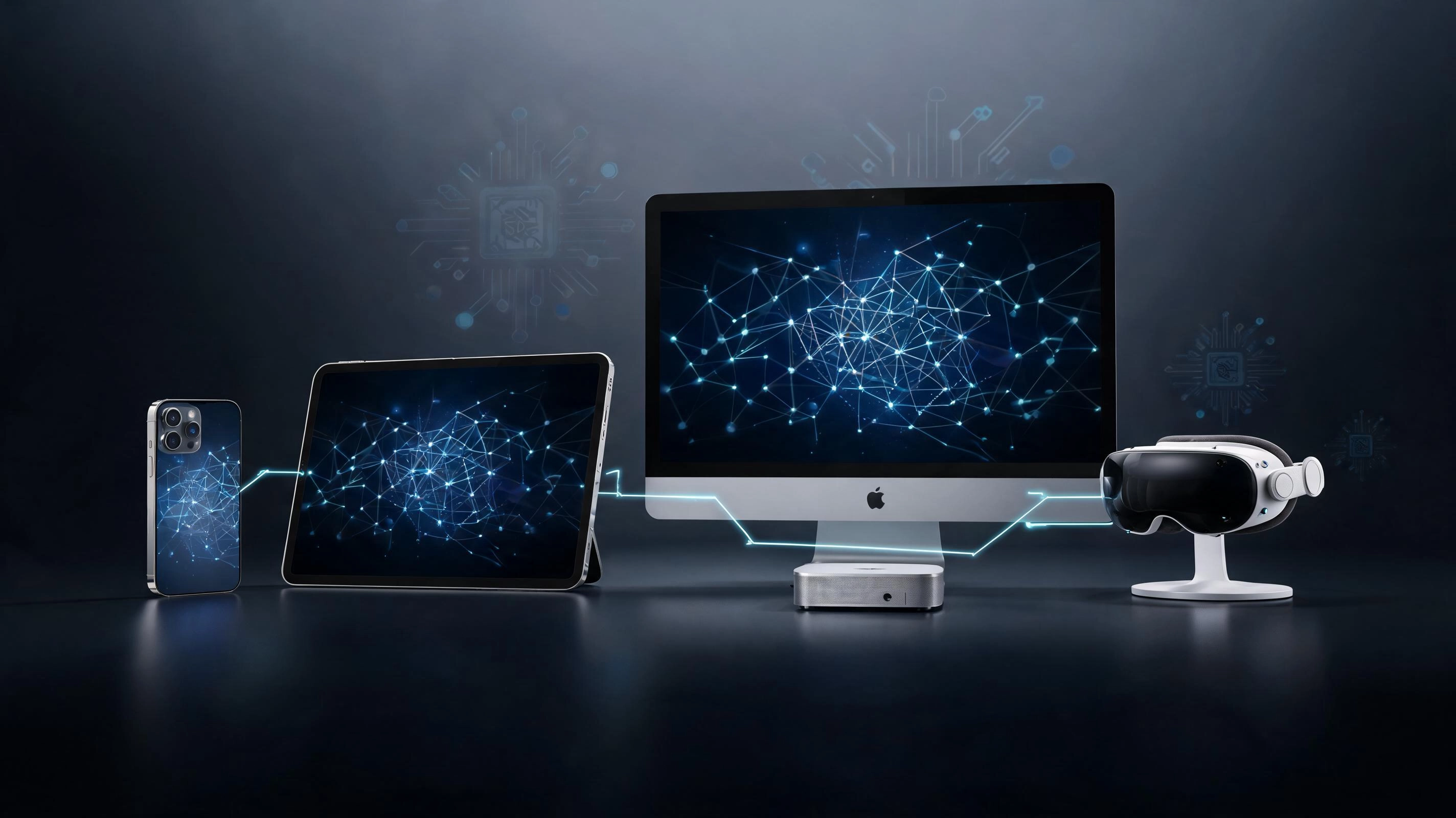
Apple’s Neural Engine has expanded across most of its product line since it was first introduced.
| Device | Neural Engine Availability |
|---|---|
| iPhone | Available from iPhone X with A11 Bionic and newer supported chips |
| iPad | Available in supported A-series and M-series models |
| Mac | Included in Apple silicon Macs using M-series chips |
| Apple Vision Pro | Used for computer vision and spatial computing features |
Across these devices, the same underlying hardware is doing similar work: recognizing patterns, processing sensor data, and turning it into features that feel fast and natural to use, regardless of which product a person owns.
Why Does a Neural Engine Matter for Everyday Users?
A neural engine affects daily device experiences by making AI-powered features faster, more efficient, and more reliable without adding extra complexity for users.
- Faster AI Features: Processes tasks like face recognition and speech transcription quickly using dedicated hardware designed for AI calculations.
- Better Power Efficiency: Reduces the workload on the CPU and GPU, helping devices run AI features while using less battery power.
- Improved Privacy: Processes more data directly on the device, reducing the need to send personal information like photos or voice data to external servers.
- Smoother Experience: Helps everyday features like photo search, Face ID, and voice commands respond faster with less delay.
A neural engine may work quietly in the background, but it plays an important role in making modern devices feel faster, smarter, and more efficient.
The Future of Neural Engine Technology
As artificial intelligence becomes more common in everyday devices, dedicated AI processors like the Neural Engine will play an even bigger role in improving how devices understand and respond to users.
Future advancements may bring more AI features that can run directly on devices, reducing dependence on cloud-based processing. This can lead to faster responses, better privacy, and more reliable performance.
Improvements in real-time image and video processing could make cameras smarter, while advanced AI assistants may become more personalized and helpful.
The growth of generative AI will also increase the need for powerful on-device processing. Instead of sending every request to external servers, future devices will handle more AI tasks locally.
The Neural Engine represents this move toward faster, more private, and more efficient AI experiences.
Final Thoughts
A neural engine has become an important part of how modern devices handle AI features in everyday use. I now see it as more than just a technical component because it helps make tasks feel faster and smoother.
You can better understand the role of what is a neural engine by looking at how it supports Face ID, camera improvements, voice features, and on-device processing.
It works alongside other processors to improve speed, privacy, and power efficiency without replacing them.
Knowing how this technology works helps you make better sense of the AI features already present in your devices. Share your thoughts or experiences with AI-powered features in the comments.
Frequently Asked Questions
Is the Neural Engine Faster Than a GPU for AI Tasks?
For AI-specific work, yes. A neural engine is built only for machine learning calculations, so it can complete tasks like image recognition far faster than a GPU, while also using noticeably less power for the same job.
How Many Trillion Operations Can a Neural Engine Perform?
This varies by chip generation. Early versions handled a few hundred billion operations per second, while newer Apple silicon chips now perform tens of trillions of operations per second, reflecting rapid year-over-year improvement.
Does a Neural Engine Improve Gaming Performance?
Not directly. Gaming relies mainly on the GPU for rendering graphics. However, the neural engine can support AI-based features within games, such as upscaling or character behavior, while leaving the GPU free to focus on visuals.