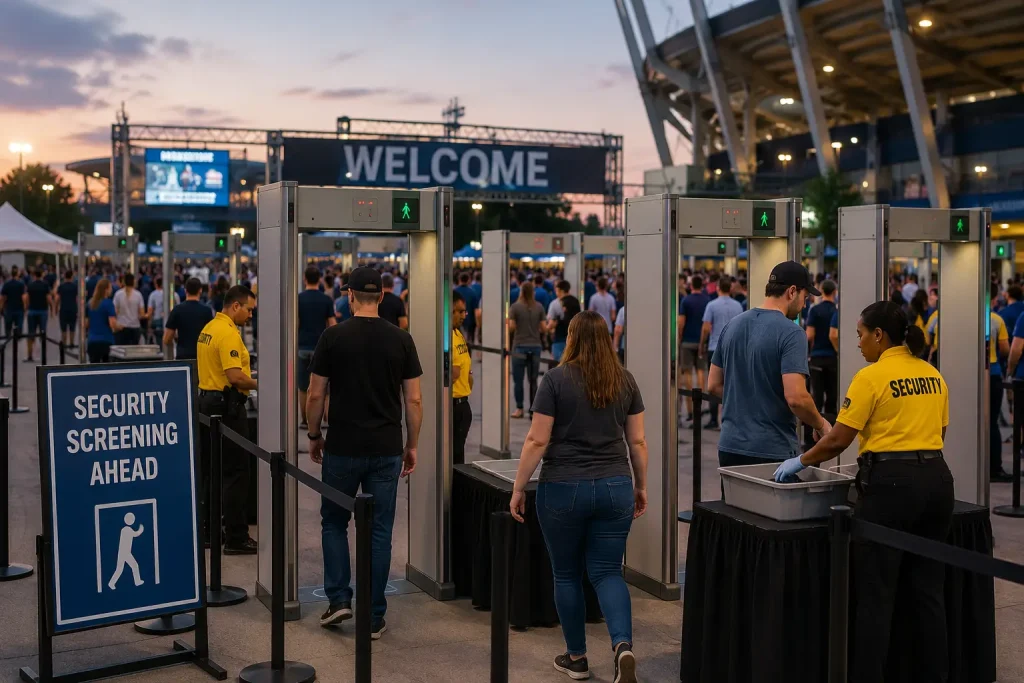
Manufacturing companies invest meaningfully in trade shows. The IMTS, FABTECH, and Hannover Messe events draw thousands of exhibitors and tens of thousands of attendees each year. The booth budgets, the floor time, and the executive travel all add up. Yet many manufacturing brands still run their trade-show calendar with the 2014 playbook. The audience expectation, the booking tech, and the lead-capture standards have moved on substantially.
The shift matters because trade-show ROI depends on tight execution. Manufacturers selling complex equipment or services often direct attendees to a cnc automation guide or similar long-form educational content as the first follow-up after the booth conversation.
That handoff between the live event and the post-event resource shapes how many leads actually convert. The same event-strategy discipline surfaces in the complete guide to mastering event strategy, and the framework below adapts it specifically for manufacturing audiences.
Why Do Manufacturing Trade Shows Need a Different Approach?
Three structural realities shape manufacturing-event strategy.
The first is the buying-cycle length. Manufacturing equipment purchases run 6 to 36 months from first contact to signed contract. The trade-show conversation is one early touchpoint, not a closing event. The booth setup should reflect that reality.
The second is the technical-buyer mix. Manufacturing audiences combine end users (operators, engineers), buyers (procurement, ops leaders), and influencers (consultants, integrators). Each group needs different conversations and different follow-up materials.
The third is the demo-and-data dependency. Manufacturing attendees expect to see equipment running, touch the components, and walk through technical specifications. Static booths underperform meaningfully against live-demonstration booths.
What Should Manufacturing Marketers Verify Before the Show?
Six items belong on every pre-event checklist.
- Booth demo plan. Live-equipment schedule and operator coverage
- Lead-capture technology. Badge-scan, NFC, or app-based capture
- Educational asset library. Long-form guides, spec sheets, case studies
- Post-event follow-up sequence. Email, sales-call, and content cadence
- Executive availability windows. When senior team members will be on the booth
- Competitor monitoring plan. What to track on the show floor
A manufacturer with these six items in place captures 2-3x more qualified leads than peers who improvise. The US National Institute of Standards and Technology manufacturing programs hub covers the broader industrial-policy framework manufacturers should reference.
What Are the Highest-Impact Booth Tactics?
Five tactics recur across well-run manufacturing trade shows.
- Live equipment demonstrations on a fixed schedule rather than continuous run-time
- Engineer-led conversations rather than sales-led for technical audiences
- Long-form content handoffs to convert booth interest into post-event reading
- VIP scheduling for pre-qualified buyer meetings outside the open-floor traffic
- Lead-scoring at capture to prioritize the post-event follow-up workflow
Each tactic compounds the others. A manufacturer that runs all five usually converts 30 to 50 percent more booth contacts into sales-qualified leads than peers who run just one or two.
How Should Lead Capture and Follow-Up Be Designed?
Lead capture has moved well beyond business-card scans. Modern manufacturing events expect digital capture, real-time CRM sync, and personalised follow-up within 48 hours of the show closing. The follow-up sequence usually runs:
| Day | Action |
|---|---|
| 0 (event day) | Same-day thank-you with primary content asset |
| 2 to 3 | Personalised email referencing the booth conversation |
| 7 to 10 | Sales-call request for qualified leads |
| 14 to 21 | Long-form educational content delivery |
| 30 | Webinar or demo follow-up |
| 60 to 90 | Re-engagement for non-responders |
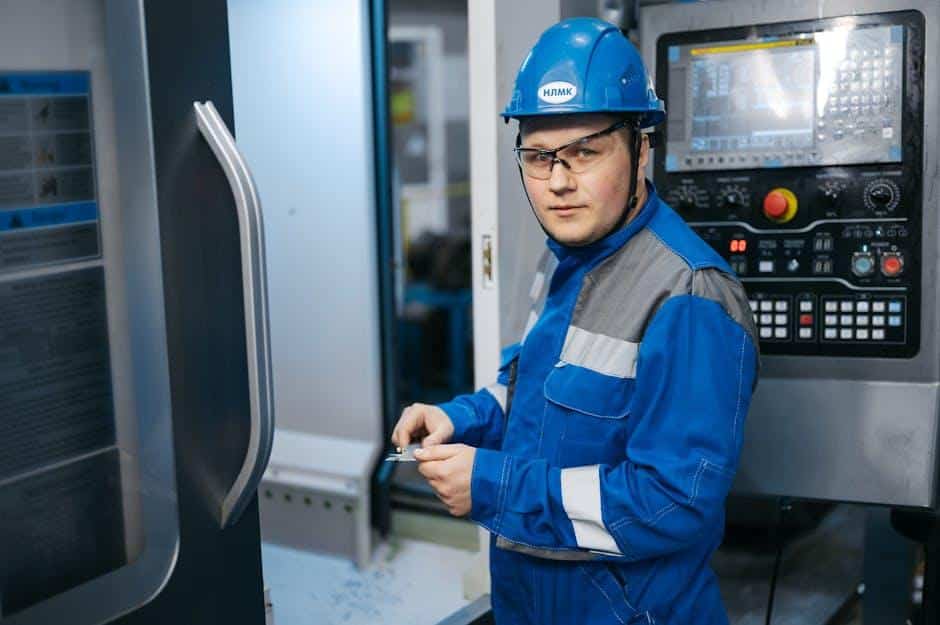
Manufacturers who run this cadence systematically convert booth contacts into pipeline at a meaningfully higher rate. The US Occupational Safety and Health Administration’s machine-guarding standards cover the regulatory context that often comes up in manufacturer-event follow-up conversations.
What Errors Surface in Manufacturer Trade-Show Planning?
Five errors recur across the industry.
The first is treating the booth as a destination rather than a conversation starter. Manufacturers who measure success by booth foot-traffic alone miss the actual lead-quality picture.
The second is over-spending on booth aesthetics versus operational systems. A beautiful booth with broken lead-capture costs more than a simple booth with tight systems.
The third is under-staffing the educational handoff. Manufacturers who don’t have post-event content ready to hand to interested attendees lose the lead between the booth and the follow-up email.
The fourth is the executive-availability gap. Senior team availability on the booth often differs from what the marketing team committed to in the planning phase.
The fifth is the post-event silence. A manufacturer who waits two weeks to follow up usually loses the lead to competitors who responded within 48 hours. The 9 tech trends transforming the events industry cover the broader pattern.
Quick Reference: Typical Manufacturing Trade-Show Budget Bands
| Show Profile | Typical Investment (USD) |
|---|---|
| Regional show, 10×10 booth | $25,000 to $60,000 |
| National show, 20×20 booth | $80,000 to $250,000 |
| Major show, 40×40 booth with equipment | $300,000 to $900,000 |
| Flagship show, custom build | $800,000 to $2.5M+ |
| Hannover Messe full participation | $500,000 to $3M+ |
The bands reflect real-firm averages across mid-market and upper-mid-market manufacturers. The variance reflects booth size, equipment transport, and executive-attendance level.
Pre-Show Checklist for Manufacturing Marketers
- Confirm the live-demo schedule with engineering team commitment
- Stage the educational content library with quick-handoff formats
- Set the lead-capture standard before show floor opens
- Train the booth team on engineer-led conversation flow
- Schedule executive presence in committed time blocks
- Plan the 48-hour post-event response before show day
The Bottom Line for Manufacturing Marketers
A manufacturing trade-show investment compounds across years when the operational discipline is in place. Manufacturers who run the live-demo schedule, the content handoff, and the structured follow-up typically see 30 to 50 percent more pipeline than peers who improvise.
The marginal effort is modest. The operational systems are repeatable across the trade-show calendar. The pattern rewards the planning discipline applied consistently rather than treated as a per-show scramble.
Frequently Asked Questions
How Far in Advance Should Manufacturers Plan a Trade Show?
Most manufacturers benefit from a 9 to 12 month planning horizon for major national or international shows. Equipment transport, booth design, and executive scheduling all need the runway. Smaller regional shows can run on a 4 to 6 month cycle.
What’s the Realistic Lead-Conversion Rate from a Trade Show?
Most manufacturers see 5 to 15 percent of booth contacts convert to sales-qualified leads, with 1 to 4 percent ultimately becoming pipeline opportunities. The variance reflects the booth-execution discipline more than the show choice.
Should Manufacturers Track Booth Visitors or Lead Quality?
Lead quality matters more than visitor count for almost every B2B manufacturer. A booth with 200 well-qualified conversations outperforms a booth with 2,000 unfocused interactions. The capture and follow-up discipline drives this.
How Should Trade-Show Investment Be Allocated?
Most manufacturers benefit from a 40-30-20-10 allocation: 40 percent on booth and equipment, 30 percent on staffing and travel, 20 percent on content and follow-up systems, 10 percent on contingency. Brands that under-fund the content and follow-up usually underperform on conversion.