Not unless for the professional agitator who is after a viral moment, the sight of a heated confrontation at a crowded festival is something most organizers dread. High-tension moments here can quickly spiral, and a celebration could turn into a liability nightmare. But that’s rarely the case if your frontline team is equipped with de-escalation skills.
Well-trained event staff turn potential disasters into manageable conversations. They ensure every guest stays safe while maintaining the intended atmosphere of the gathering. And that’s largely about prioritizing verbal agility over physical force.
The Foundation of Conflict Awareness
Situational awareness is the first line of defense in any busy environment. Staff must learn to identify the physical cues of agitation, like clenched fists or rapid breathing even before a shout is heard. With this proactive stance, team members can intervene while the emotional temperature is still manageable.
Listen more, talk less, see as tension drops faster.
Building deep empathy and crisis response foundations is essential for those overseeing large crowds. For managers and aspiring coordinators looking to deepen their people skills and formalize their expertise, an advanced course enriches your career. An option likeGMC’s online degree in social work can be a structured way to understand the psychological drivers behind human behavior and conflict.
Designing Realistic Training Scenarios
Role playing is practically the best way to build the muscle memory needed for high-pressure situations. Trainees should practice the “interview stance”, which is about maintaining a safe distance with their hands visible and open. Such a non-threatening posture communicates a desire to help rather than a need to control or dominate.
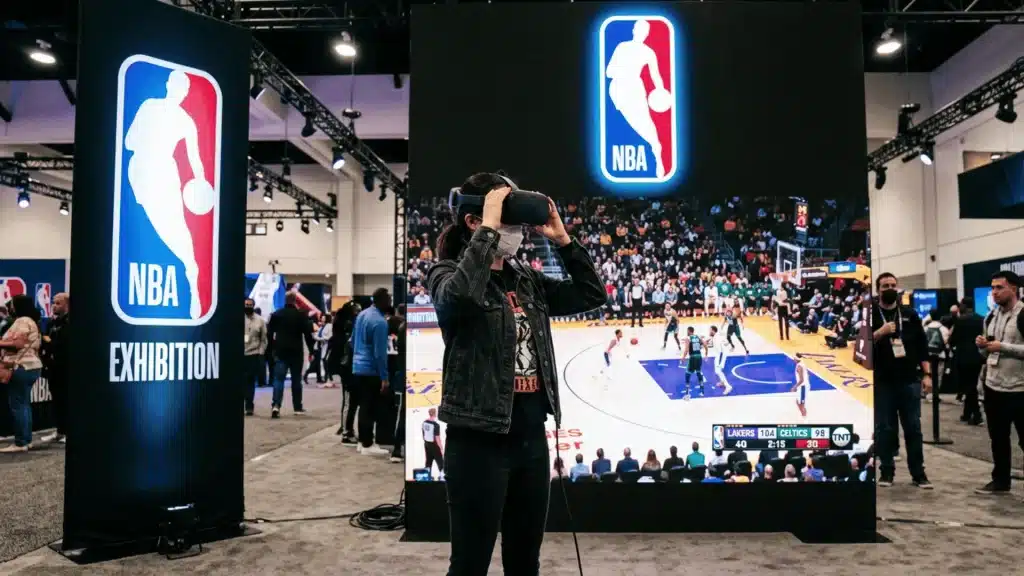
It also takes acknowledging that conflict looks different depending on the medium. Let’s considera virtual event, where digital aggression replaces physical proximity. The ability to stay calm matters greatly, but the event can stop before it even begins if staffers do not keep things under control quickly.
The main goal in both is to validate the guest’s feelings without necessarily agreeing with their behavior. For physical events, teams should learn to:
- Establish clear radio codes for different levels of escalation
- Assign a dedicated “floater” to monitor crowd density
- Designate a quiet room for removing agitated individuals from public view
Practical Communication Techniques
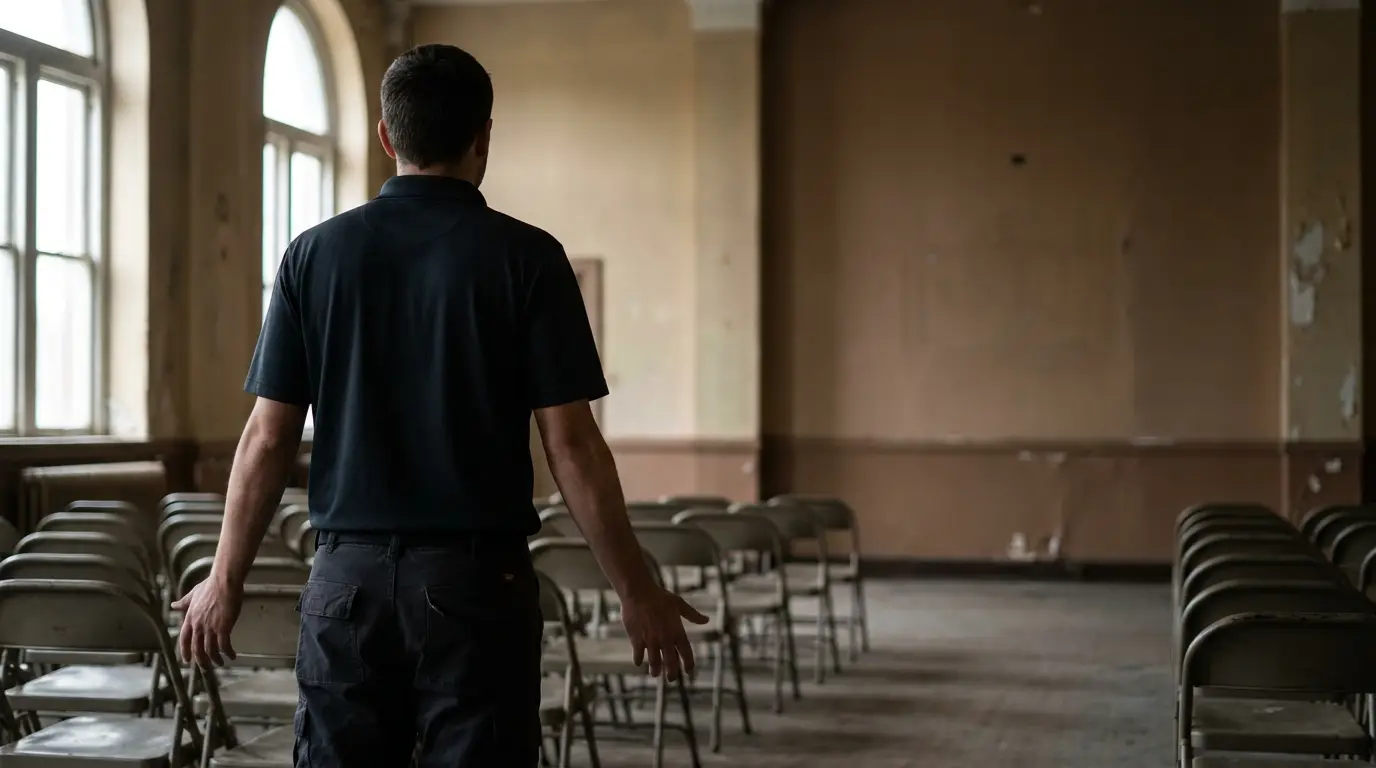
Verbal de-escalation relies heavily on paraverbal communication, which involves watching the tone, volume, and cadence of speech. Speaking slowly and keeping your voice at a consistently low volume often forces the agitated person to mirror your calmness. It feels awkward for someone to continue screaming furiously when the person they are addressing remains whisper quiet.
Using When-Then Statements
Using “when-then” phrasing provides a clear path forward for a guest who is feeling out of control. For example, telling a guest that “when you step back, then we can discuss the refund” offers a positive outcome for a specific behavior change.
The Power of Active Listening
Active listening involves more than just hearing words. It requires reflecting the speaker’s emotions back to them to prove they are understood. When a staffer says “I can see that you are frustrated about the wait time,” it dissolves the need for the guest to keep yelling to be heard.
The verybasics of de-escalation center on this ability to lower the emotional temperature through genuine engagement and “I” statements.
Legal Considerations and Safety Boundaries
The legal landscape surrounding event security in 2026 emphasizes the duty of care and the avoidance of unnecessary force. Staff should be trained to recognize the exact moment a situation moves from a verbal dispute to a physical threat.
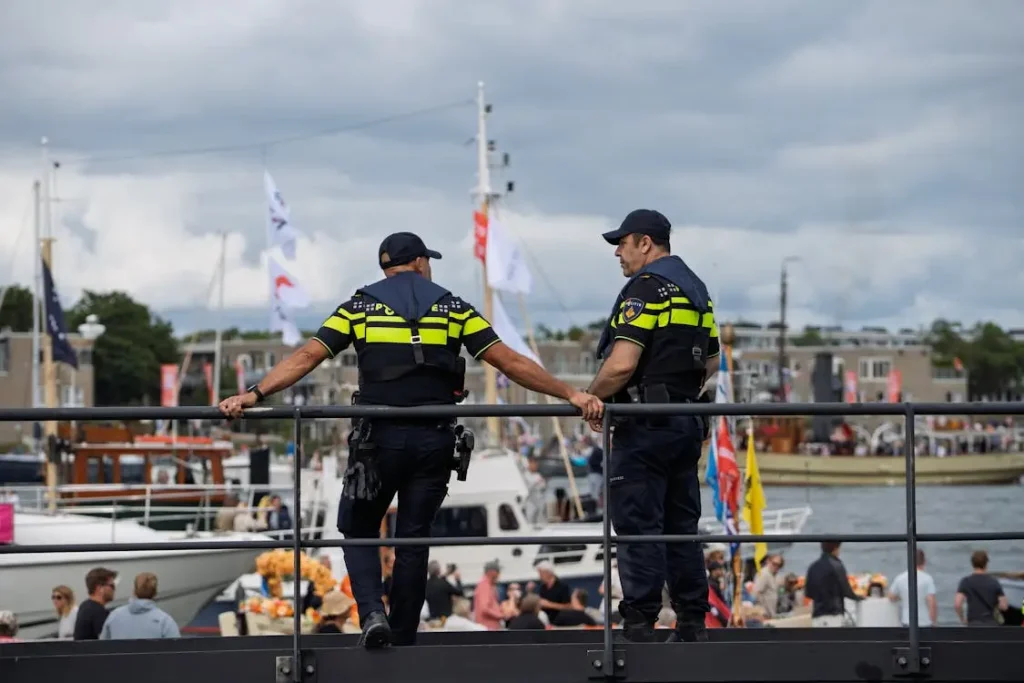
Knowing when to disengage and call for law enforcement is just as important as knowing how to talk someone down. Stay calm, follow protocol, safety improves significantly.
Measuring Training Success Through KPIs
You cannot improve what you do not measure, so tracking incident reduction is vital for long-term success. You want to monitor the ratio of verbal interventions to physical removals to see if your training is taking hold. High de-escalation success rates usually correlate with higher guest satisfaction scores and lower insurance premiums for the venue.
There arecountless physical assaults and threats occurring every day against frontline workers that remain undocumented without a formal reporting structure. Such a staggering reality highlights why event leads must move beyond generic briefings and toward active competence.
Implementing incident reporting apps allows for real-time data collection on where friction points occur most frequently. Track data, adjust your training, see incidents decrease monthly.
Building a Culture of Resilience
Handling conflict is emotionally taxing. So, for the staff members involved in confrontations, the final piece of the puzzle is providing post-incident support. Teams that debrief together are less likely to experience burnout or secondary trauma.
When staff feel supported by leadership, confidence grows, and frontline presence becomes more effective. Cultivating this culture also teaches members to support their juniors once they become team leads or managers.
Elevating Your Event Strategy
Developing a robust training program is an ongoing process. It takes continuous refinement and practice. New challenges will always arise, yes, but a well-prepared team is your best asset for any scenario.
Browse our other articles for more insights on event management and planning.