
There’s a version of running an electrical business where every month starts from zero. No calls on the books. No jobs lined up. Just you, your phone, and the hope that Google, Nextdoor, or a referral sends something your way.
And then there’s a version where Monday morning starts with three calls from people you’ve worked for before. They already trust you. They already have your number saved. They don’t need convincing, a quote comparison, or a sales pitch. They just need you to come back.
The difference between these two businesses isn’t marketing spend. It’s what happens after the job is done.
The Client You Already Have Is Worth Five You Don’t
Most electricians spend their marketing energy chasing new clients. Understandable. New clients feel like growth. But the economics tell a different story.
Landing a new residential electrical client costs somewhere between $75 and $250, depending on your market. That includes your Google Business Profile, maybe some paid ads, the time you spend on the phone quoting, and the jobs you quote but don’t win. For every client who says yes, two or three said no. You paid for all of them.
A returning client costs you almost nothing. They call you directly. They don’t shop around. They approve your price faster because they’ve already seen your work. And they tend to spend more per visit, because trust removes the hesitation that makes new clients start with the smallest possible job.
If you retain just 10 more clients per year who each call you back once, at an average ticket of $350, that’s $3,500 in revenue you didn’t spend a dollar to acquire. Do that for five years and your returning client base becomes the most profitable asset your business owns.
Why Electrical Clients Don’t Come Back (When the Work Was Fine)
Here’s the uncomfortable part. Most of the clients you lose aren’t unhappy. They’re just not connected to you anymore.
Electrical work has a specific retention challenge that plumbers and HVAC techs don’t face as acutely: the gap between jobs can be long. A homeowner might need an electrician once every two or three years. That’s a lot of time to forget a name, lose a business card, or simply default to whoever pops up first on a Google search.
You’re not competing against bad reviews or a lower price. You’re competing against time and forgetting. And the only way to beat that is to stay present in your client’s world without being annoying about it.
The Strategies That Actually Work
Send something after the job that isn’t an invoice. A follow-up message two days after the work is done, something as simple as “Hey, just checking that everything’s working well with the new panel. Let me know if anything comes up.” It takes 30 seconds. It costs nothing. And it’s the single most effective retention move in the service trades, because almost nobody does it. The bar is on the floor.
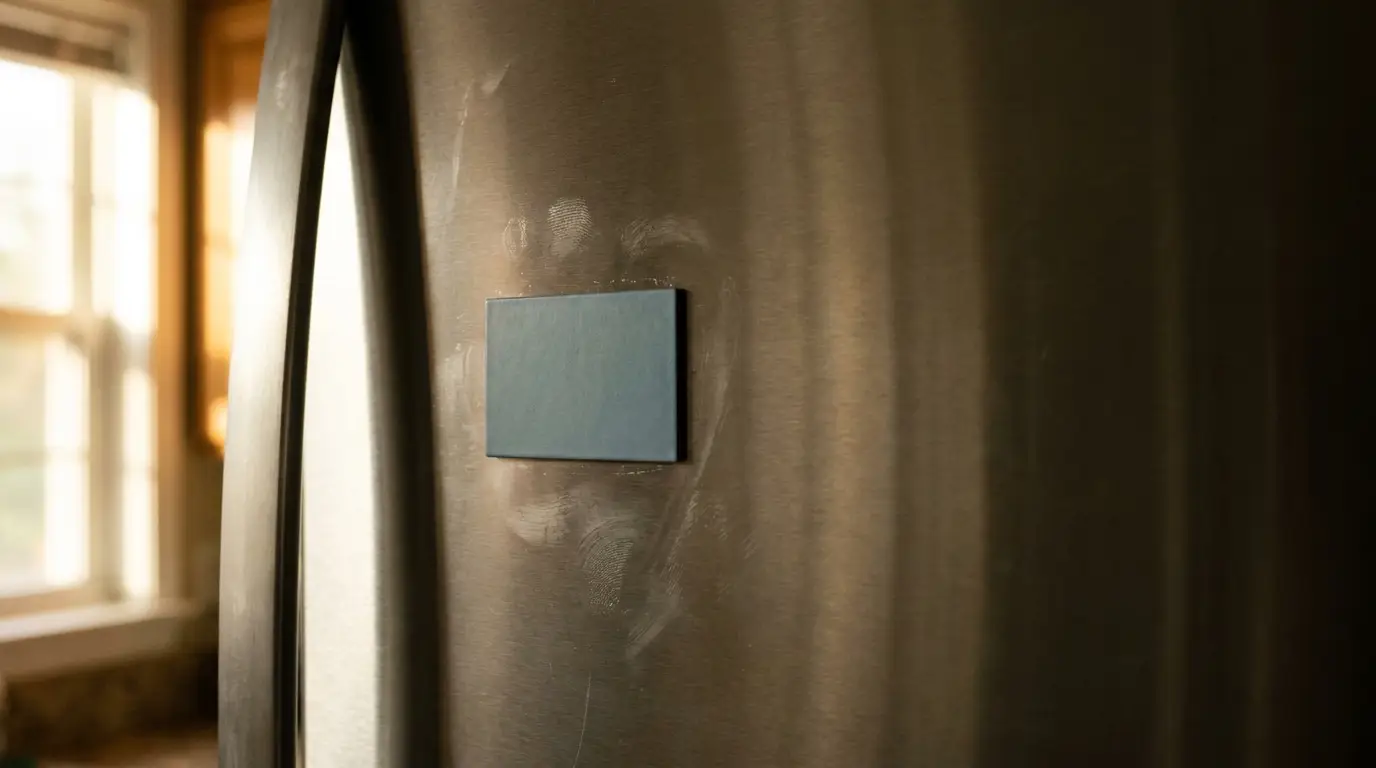
Leave behind something physical. A fridge magnet, a sticker for the panel box with your name and number, a branded card tucked into the breaker panel. Physical reminders outlast digital ones. When something trips at 10 PM and the homeowner opens the panel, your name should be the first thing they see. Not Google. Yours.
Create a reason to come back. Electrical systems need periodic attention, but homeowners don’t think about it until something fails. You can change that by offering a simple annual safety check or surge protection review. It doesn’t need to be a formal maintenance plan. Even a text once a year saying “It’s been 12 months since we installed your panel. Want me to swing by for a quick check?” gives people a reason to call and a reminder that you exist.
Keep notes on every job. This is the one that separates the electricians who get repeat business from the ones who don’t. When a client calls back two years later and you can say “Right, you’re at the house on Oak Street, we upgraded the 100-amp panel to 200 and added a dedicated circuit in the garage,” that client feels known. They feel like they’re working with a real business, not a random contractor.
The opposite is equally powerful in the wrong direction. If they call and you ask “remind me what we did last time?” you’ve told them they’re forgettable. They won’t say it, but they’ll feel it.
Make paying and rebooking effortless. The last moment of every client interaction is either a reason to come back or a reason to look elsewhere. If paying you is awkward (hunting for a checkbook, waiting for a Venmo request, getting a vague text with a number), the memory of that friction sticks. If it’s seamless (a clean invoice on their phone, one tap to pay, a “thanks, we’ll be here when you need us” confirmation), the memory that sticks is ease.
The System Behind Staying Memorable
Every strategy above has something in common: it requires knowing who your clients are, what you did for them, and when to reach back out. That’s not a marketing skill. It’s an organizational one.
And this is where most solo electricians and small shops hit the wall. You can absolutely send follow-up texts, keep job notes, and track client history. But doing it manually, for every client, across hundreds of jobs, is the kind of task that works for a month and then quietly dies when you get busy.
The electricians who sustain retention habits long-term aren’t doing it on willpower. They’re using electrician service software that stores the client’s address, job history, and photos from every visit, and makes it trivially easy to pull up that information the next time they call. The follow-up isn’t a task you remember to do. It’s a step the system handles.
That’s not automation for automation’s sake. It’s the difference between a business where clients come back because you built a relationship, and a business where they don’t because you forgot to.
The Best Marketing Strategy Is the One You Already Paid For
You’ve already done the hardest part. You found the client, you earned their trust, you did great work. All of that cost you time, energy, and money.
The only question is whether that investment pays off once, or whether it keeps paying off every time that client’s lights flicker, their panel buzzes, or their neighbor asks “do you know a good electrician?”
Retention isn’t a campaign. It’s not a funnel. It’s just consistently being the easiest person to call back. And that starts with remembering who called you in the first place.