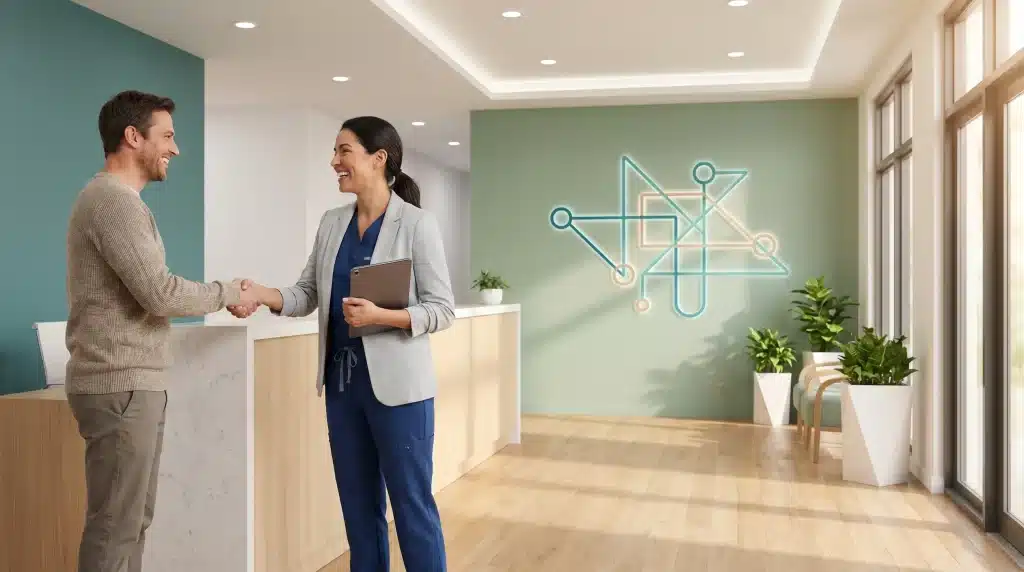
Modern healthcare is no longer measured only by clinical outcomes. Patients now evaluate providers by the full experience they receive, from scheduling an appointment to receiving follow-up guidance after treatment.
Long wait times, confusing communication, missed reminders, and disconnected service can quickly damage trust. As expectations rise, healthcare organizations are recognizing that patient engagement is not a side priority. It is central to retention, satisfaction, and long-term health outcomes.
To meet these demands, many providers are investing in smarter customer relationship management systems built specifically for healthcare.
These platforms help organizations organize patient interactions, improve communication, and create more personalized care journeys. Instead of relying on scattered spreadsheets, manual calls, or outdated systems, providers are using technology to build stronger and more responsive relationships with the people they serve.
Patient Expectations Have Changed
Patients are used to seamless digital experiences in banking, retail, and travel, and they increasingly expect the same convenience from healthcare providers. They want easy appointment booking, timely reminders, clear updates, and access to information without unnecessary delays. When healthcare systems fail to deliver these basics, frustration grows, and patients may begin looking elsewhere for care.
Healthcare organizations are also dealing with larger patient volumes, staffing pressures, and rising administrative complexity. Front desk teams often manage calls, scheduling requests, insurance questions, and follow-up tasks all at once. Without better systems, important patient touchpoints can be missed. Even highly skilled teams struggle when processes depend too heavily on manual coordination.
Smarter CRM platforms help close this gap by centralizing communication and automating routine interactions. With tools such as appointment reminders, intake workflows, and personalized outreach, providers can respond faster and more consistently. Many organizations are turning to specialized solutions like healthcare crm software to improve service while reducing operational strain.
Better Communication Leads to Better Care
Communication is one of the strongest drivers of patient engagement. When patients understand the next steps, feel informed, and know someone is paying attention to their needs, they are more likely to stay involved in their care plans. This matters across every specialty, from primary care and dental offices to hospitals and specialty clinics.
A smart CRM system can automate messages for appointment confirmations, medication reminders, wellness campaigns, preventive screenings, and post-visit follow-ups. Instead of generic outreach, providers can segment communication based on patient history, demographics, or care needs. That level of personalization makes messages more relevant and increases the chance that patients will respond.
Healthcare leaders and patient experience experts consistently emphasize the value of proactive communication. Missed appointments, delayed follow-up care, and low treatment adherence often improve when outreach becomes timely and organized. By using CRM tools to keep communication active and meaningful, providers can create a stronger connection that supports both satisfaction and health outcomes.
Smarter Systems Help Staff Work More Efficiently
Patient engagement depends on staff capacity as much as technology. If employees are overwhelmed by repetitive administrative tasks, they have less time for empathy, problem-solving, and direct patient support. Many healthcare teams still spend hours every week manually calling patients, updating records, or tracking leads from referrals and inquiries.
Modern CRM systems reduce that burden through automation and shared visibility. Staff can view communication history, task status, appointment activity, and patient preferences in one place. This helps prevent duplicate work, missed handoffs, and confusion between departments. When reception teams, care coordinators, and marketing staff all work from accurate information, operations become smoother.
Efficiency gains also support revenue stability. Faster response times for inquiries can improve conversion for elective procedures or new patient bookings. Better recall systems can encourage returning visits. Stronger follow-up can reduce no-shows and abandoned appointments. While the primary goal is better service, the financial benefits often make CRM adoption an even stronger business decision.
Data-Driven Personalization Is Becoming Essential
Healthcare organizations collect valuable information through every patient interaction, but many struggle to use it effectively. Data may sit inside separate scheduling systems, call logs, email tools, and electronic records. When insights remain disconnected, providers miss opportunities to better understand patient needs and behaviors.
A smarter CRM can bring together engagement data to reveal patterns that matter. Providers may identify patients who frequently cancel appointments, respond better to text reminders, or need follow-up after specific treatments. Marketing teams may learn which outreach campaigns attract new patients. Administrators may see where delays are happening in the patient journey.
This kind of visibility allows organizations to improve continuously. Rather than guessing what patients want, they can make informed changes based on real behavior. Personalized communication, more convenient workflows, and targeted retention strategies become easier to build. In a competitive healthcare environment, that intelligence can set patient-centered providers apart.
Conclusion
Healthcare providers are turning to smarter CRM systems because patient engagement now influences every part of success. It affects loyalty, online reputation, treatment adherence, scheduling efficiency, and long-term growth. Patients want communication that feels clear, convenient, and personal, and providers need tools that make delivering that experience realistic at scale.
The shift toward healthcare-focused CRM technology is not just about software. It reflects a broader move toward more connected and responsive care. Organizations that invest in better engagement systems today are positioning themselves to serve patients more effectively tomorrow, with stronger relationships, better workflows, and experiences people genuinely trust.