Picking a home internet connection used to be simple. You called your local cable company, got whatever plan they offered, and called it a day. Now you have two genuinely different technologies competing for your attention, and the differences between them matter a lot depending on how you use your connection.
Fiber runs physical cables straight to your home and converts light signals into data, while 5G home internet pulls a wireless signal from a nearby cell tower. Both promise fast speeds, but the way they deliver those speeds tells a very different story about day-to-day performance.
How Fiber and 5G Home Internet Actually Work
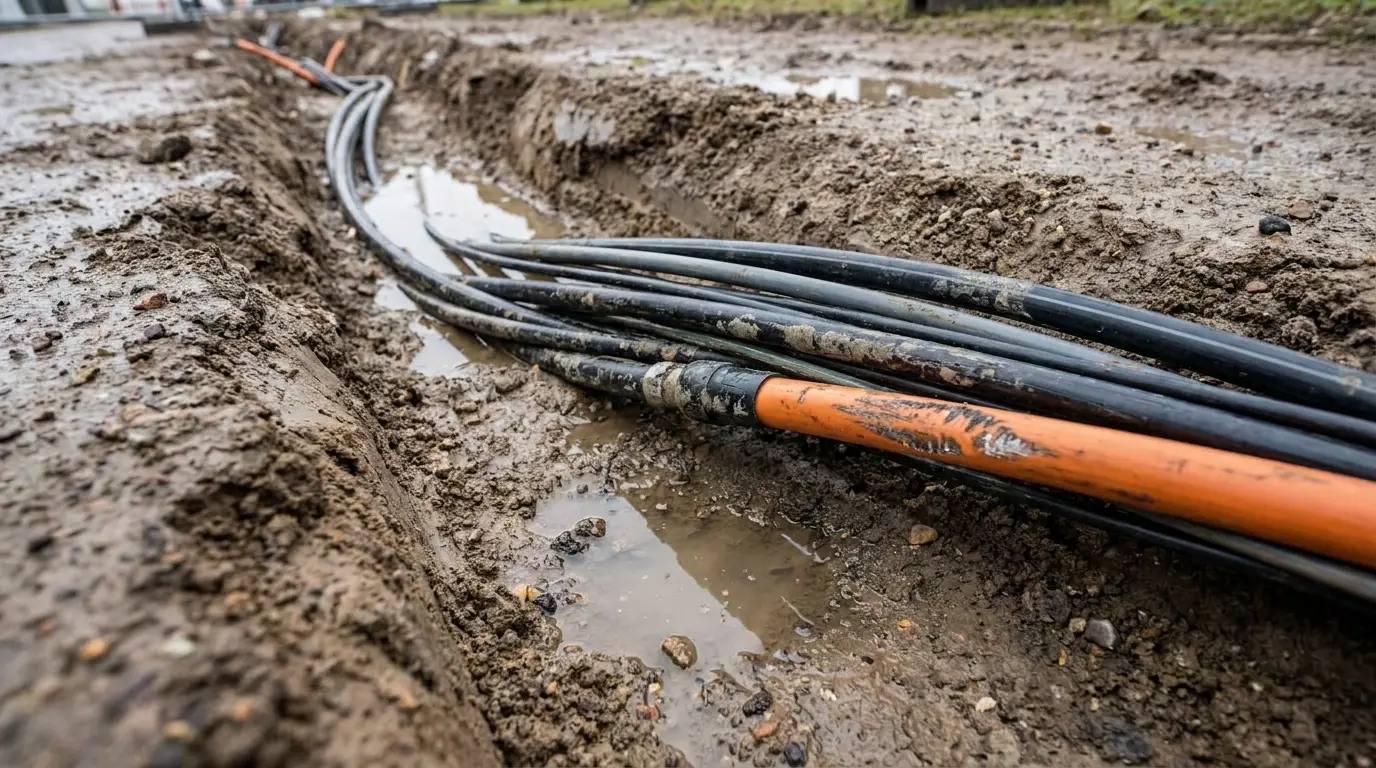
Fiber infrastructure works by sending pulses of light through glass or plastic cables, which get converted into the data that loads your pages, streams your shows, and handles your video calls. The physical cable going directly into your home is what makes the whole thing work so consistently. When you look at what fiber internet providers actually build and maintain, you start to see why the technology earns its reputation. The investment in physical infrastructure pays off in a way that wireless alternatives struggle to match.
5G home internet skips the cable entirely. Your router connects to a cell tower using the same radio frequencies that power your phone’s mobile data, just with a dedicated home device and a plan designed for stationary use. You see, this setup makes installation genuinely easy, since there’s no technician running cable through your walls. You plug in the router, point it toward the tower, and you’re online.
In practice, this difference in delivery method means that fiber remains immune to most environmental interference. Rain, building materials, distance from a tower, and neighborhood traffic patterns simply don’t affect a cable buried underground. 5G has more moving parts in its signal chain, and each one introduces a possible weak point.
The two technologies also carry data differently at a structural level. Fiber uses dedicated bandwidth per household, so your connection doesn’t compete with your neighbors. 5G shares cell tower capacity across everyone in range, which works fine when few people are online, but gets noticeably slower during peak hours.
Speed and Bandwidth Compared
Fiber’s biggest technical advantage is symmetrical speeds. You get the same upload rate as your download rate, which matters far more than most people realize until they try to upload a large file, join a video call, or back up to cloud storage. Asymmetrical connections, which deliver fast downloads but slow uploads, were built around a time when most internet use was passive consumption. Fiber was designed without that limitation baked in.
5G speeds look impressive on paper, but shift around considerably depending on your distance from the tower and how many people nearby are using the same network. On a good day, with a strong signal and low tower traffic, 5G home internet can be genuinely fast. The problem is that “good day” comes with conditions attached, and those conditions aren’t always in your control.
Multi-gigabit speeds are available on fiber plans from most major providers, and the connection maintains those speeds during peak household hours with minimal degradation. You can have four people streaming, gaming, and working from home simultaneously without everyone’s connection suffering. Fiber infrastructure was built to carry that kind of load without the service slipping.
5G using millimeter wave frequencies can deliver very high speeds across short distances, but the range is short enough that walls and trees can block the signal. The more widely deployed sub-6GHz 5G covers more ground and penetrates buildings better, though at lower peak speeds. What you actually get depends heavily on which frequency your provider uses in your area, and that’s worth checking before you commit.
Reliability and Consistency Under Real Conditions
Fiber’s response time sits well under 10 milliseconds for most providers, and it stays there. That consistency matters most to people who game competitively, work over remote desktop connections, or make frequent video calls. A connection that averages fast but spikes unpredictably creates more problems than one that delivers moderate speeds with rock-solid consistency. Fiber tends to deliver both.
5G response times have gotten better as the technology has matured, and some 5G home plans now advertise response times competitive with cable. The catch is that wireless signals fluctuate by nature. Tower congestion during evening hours, interference from other devices, and even changes in weather can all push those numbers around in ways that a buried cable simply doesn’t experience.
Also worth thinking about is what happens when conditions change. If a storm rolls through, a buried fiber cable keeps working. A 5G signal can degrade when heavy rain or dense cloud cover affects radio propagation, especially in higher-frequency bands. It’s not catastrophic, but it’s a variable that fiber customers don’t deal with.
Service guarantees work differently across both options, too. Fiber providers more commonly offer SLA-backed reliability commitments, particularly on higher-tier plans. These give you documented recourse when things go wrong. 5G home internet plans are generally consumer-grade products with standard terms, meaning outages and slowdowns fall within the provider’s acceptable range more often than customers expect.
Availability, Cost, and Who Should Choose What
Fiber rollout has been expanding steadily, but it still leaves plenty of addresses unserved, especially outside major metro areas. If your neighborhood has fiber available, you’re in luck. If you’re in a rural area or a lower-density suburb, fiber may not be an option at all, regardless of how much you’d prefer it. Coverage maps from providers are worth checking before you get too attached to either option.
5G home internet has been growing faster geographically, partly because adding a cell tower or upgrading an existing one is less expensive and time-consuming than laying physical cable across miles of new territory. Carriers like T-Mobile and Verizon have leaned into home internet to fill coverage gaps and compete in markets where cable companies dominate. For people in areas where fiber hasn’t arrived yet, 5G home internet often fills the gap reasonably well.
You see, the cost structures are also worth comparing honestly. Fiber plans often involve an installation visit and sometimes upfront equipment fees, though many providers roll those costs into a promotional offer. 5G home internet setups are almost always plug-and-play, with a router shipped to your door and no technician required. Month-to-month pricing is competitive across both, though fiber’s higher-tier plans can get more expensive as speeds increase.
The right call comes down to what you actually need from your connection. If you have fiber available and work from home, stream in high resolution, game online, or share bandwidth across several people, fiber wins on consistency and upload performance. If fiber isn’t available in your area, or you want a no-installation-hassle option and your usage is moderate, 5G home internet is a reasonable choice that has improved significantly over the past couple of years.
Wrap Up
Fiber and 5G home internet both represent real steps forward from older cable and DSL technology. Fiber edges ahead on raw consistency, upload speeds, and long-term reliability, while 5G home internet wins on ease of setup and geographic availability in areas where fiber hasn’t reached yet.
The best option is the one that’s actually available where you live and matches how your household uses the internet. Check what’s offered at your address, compare the pricing tiers honestly, and lean toward fiber if it’s accessible. If it’s not, 5G home internet has matured enough to be a legitimate alternative rather than a stopgap.