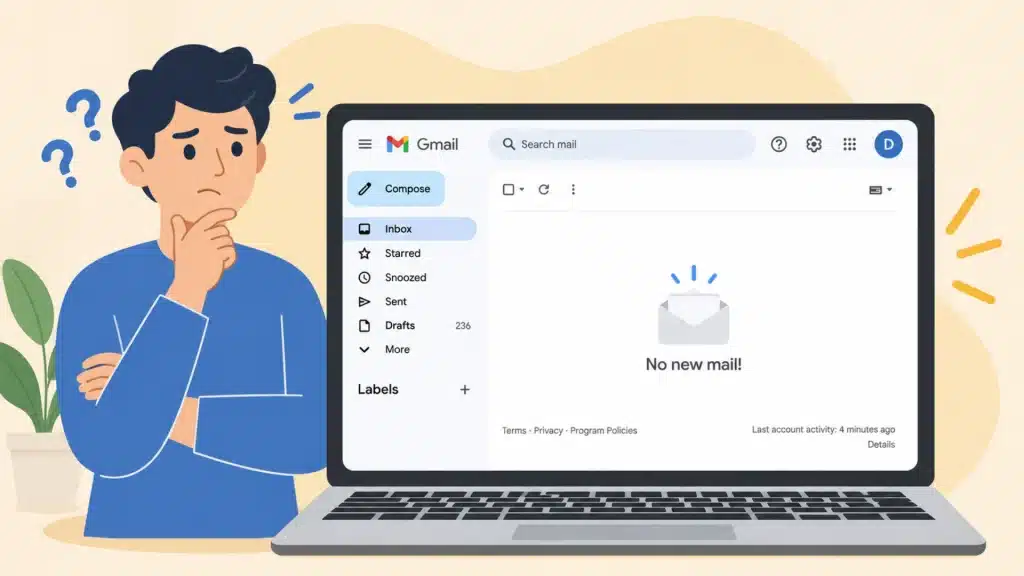
A lot of hiring teams assume candidates ignore their outreach because they are uninterested. Sometimes that is true. But very often, the real issue is visibility. The email may never really reach them. It lands in spam. It gets buried in promotions. Or it quietly disappears under dozens of other recruiter messages arriving the same morning.
That is where email deliverability becomes a serious hiring concern. Strong candidate response rates depend on more than persuasive copy or competitive salaries. Good inbox placement and healthy sender reputation now play a direct role in hiring success.
Why Email Deliverability Matters in Recruitment?
Most hiring conversations start in an inbox now. Recruiters send cold outreach, schedule interviews, share skill tests, follow up after calls, and handle offers through email every single day.
But “delivered” does not always mean “seen,” and that’s where the trouble starts.
Email providers like Gmail and Outlook sort messages automatically. Some land exactly where you want them. Others get pushed into promotions tabs or spam folders without anyone noticing. Candidates may never even realize the message arrived.
That can create a surprising amount of friction during the hiring process. A recruiter thinks a candidate is ignoring an assessment link. The candidate assumes the company lost interest. Meanwhile, the email itself was sitting in the junk folder the whole time.
In fast-moving industries, that delay matters. Qualified candidates rarely wait around for one company anymore. If communication feels inconsistent or slow, they usually move on.
Understanding Inbox Placement and Its Impact
Inbox placement refers to where your email lands after delivery. And you want your outreach to appear in the primary inbox, not spam.
But many inbox providers like Gmail and Outlook constantly evaluate incoming messages. They look at patterns. Are recipients opening your emails? Are people replying? Are candidates deleting messages immediately or marking them as spam? Those signals influence whether future emails are trusted.
This is why recruiters need to focus on improving inbox placement rather than only on writing templates. Even a strong message loses value when it lands in the email spam folder.
Several things affect recruitment email deliverability. Sender history matters a lot. Engagement rates matter too. Sending behavior, email formatting, and content quality all contribute to whether mailbox providers trust your outreach.
For example, blasting hundreds of identical emails within minutes often looks suspicious. So does using generic subject lines that resemble marketing spam.
The Importance of Sender Trust in Recruitment Outreach
Every recruiting domain develops a reputation over time. Mailbox providers assign trust levels based on how your emails perform. That trust influences future inbox placement. A strong sender reputation improves visibility, while poor engagement damages it.
Recruiters sometimes hurt their reputation without realizing it. Sending too many emails too quickly is one common issue. Ignoring bounce rates is another. High spam complaints also weaken your sender score and overall domain reputation.
Trust matters even more now because spam filtering systems have become far more aggressive in 2026. Providers no longer judge emails only by keywords. They study behavior patterns and engagement history.
Why Personalization Improves Deliverability and Engagement?
Candidates recognize mass outreach immediately. The wording feels generic. The compliments sound copied. Sometimes the message barely relates to the candidate’s background at all.
Most people skim those emails for two seconds before ignoring them. Messages with some real personalization behind them tend to perform better for a simple reason: people respond when something feels relevant.
The good news is that personalization does not have to become a huge writing project. A few small details go a long way. Mention the candidate’s actual background. Explain why the role fits their experience. Even a subject line tied to the position instead of a generic hiring pitch can change how the email is received.
How Warm Up Strategies Improve Recruitment Email Performance?

New recruiting domains often struggle because mailbox providers do not trust them yet. The same problem appears when teams suddenly scale outreach campaigns too aggressively.
An email warm-up process gradually builds trust by increasing sending activity over time. Many teams now use automated email warmup systems to create natural engagement patterns before launching campaigns.
This approach supports inbox placement, stronger replies, and fewer spam issues. Many recruiting teams use automated email warmup strategies before scaling outreach campaigns to improve sender reputation and email performance. This type of email warm-up strategy supports inbox placement optimization and recruitment outreach scaling.
Why Outreach Timing Affects Candidate Response Rates?
Timing influences how candidates interact with messages. Wrong timing could mean your emails get buried beneath newsletters and recruiter outreach.
That’s why improving email outreach timing can increase visibility and strengthen recruitment email engagement. Many hiring teams see better results during mid-morning or early afternoon hours.
Testing matters. Different industries respond differently, so ongoing email send optimization helps you identify the best engagement windows for your target candidates. Consistency also helps mailbox providers recognize healthy sending patterns. That helps you build a positive reputation and improves your inbox placement.
Common Deliverability Mistakes Hiring Teams Make
Some recruiting mistakes quietly damage deliverability over time. Avoiding these recruitment email mistakes protects both your deliverability and your hiring efficiency.
Sending huge batches too quickly is a major one. It makes your domain look suspicious and could affect the chances of your emails landing in the primary inbox. Using outdated candidate databases also creates unnecessary email bounce rates that, in turn, hurt your sender reputation. Ignoring negative engagement signals weakens domain trust even further.
Authentication problems also hurt visibility. If your domain is not configured properly, inbox providers may question whether your emails are legitimate. Generic templates create another issue. Candidates are more likely to ignore or flag repetitive messages, which increases the spam complaint rate.
Why Deliverability Monitoring Tools Matter?
Most deliverability problems build slowly before becoming obvious. That is why monitoring matters.
Recruiting teams need visibility into what’s happening behind the scenes. Metrics like bounce rates, spam complaints, and reply activity can tell you a lot before the situation becomes obvious enough to hurt hiring results.
Many recruiters also rely on a high deliverability email tool to monitor outreach health and maintain stronger inbox visibility. Others compare different email deliverability tools to identify platforms that support long-term sender trust.
Best Practices for Improving Candidate Response Rates
1. Warm Up Domains Before Large Campaigns
Mailbox providers trust consistent behavior. Gradually increasing outreach volume helps establish credibility and reduces spam placement. Many recruiters use automated email warmup systems before launching larger hiring campaigns to protect sender trust and improve long-term inbox visibility.
2. Personalize Outreach Messages
Personalized emails feel more relevant and human. Mentioning a candidate’s experience, recent projects, or career direction improves engagement naturally. Better engagement signals also strengthen your overall recruitment email best practices and improve long-term inbox placement.
3. Optimize Send Timing
Candidates are more likely to engage when emails arrive during active hours. Testing different sending windows helps improve visibility and response rates. Consistent timing also supports stronger email outreach optimization and healthier sending patterns over time.
4. Maintain Clean Email Lists
Old or invalid contact lists damage deliverability quickly. Removing inactive addresses reduces bounce rates and protects sender trust. Clean databases also help you improve email response rates because your outreach reaches active candidates who are more likely to engage.
5. Monitor Deliverability Metrics Continuously
Tracking performance helps you identify issues before campaigns decline. Watch open rates, spam complaints, replies, and bounce rates regularly. Many recruiters rely on email deliverability tools to maintain healthy outreach performance and stronger candidate communication.
Conclusion
Recruitment success depends heavily on visibility now. Great opportunities mean very little if candidates never actually see your emails.
Better visibility leads to stronger engagement, more interview participation, and a more efficient hiring process overall. As hiring competition continues to increase in 2026, recruiters who prioritize deliverability gain a real advantage.