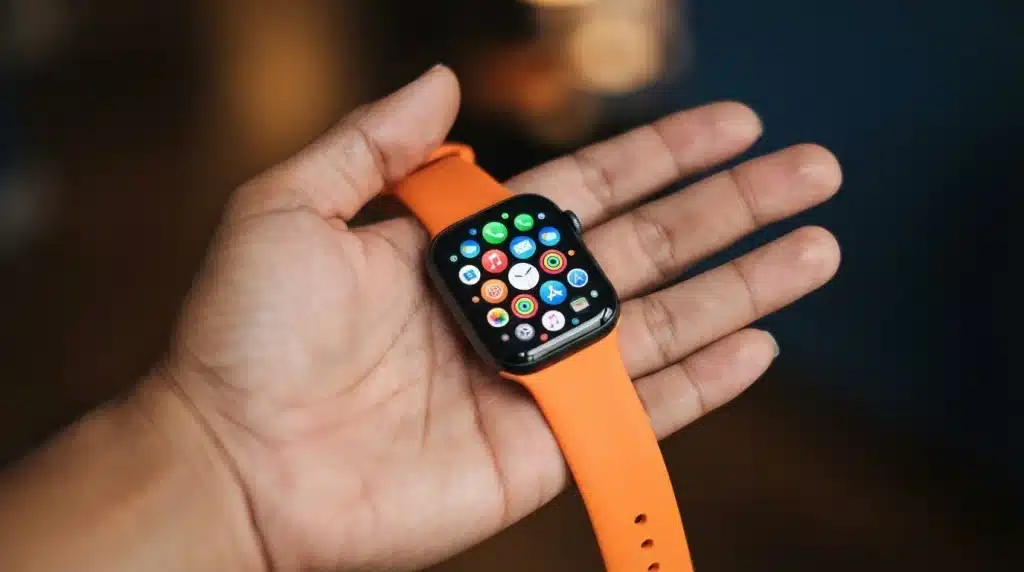
Picking an Apple Watch feels simple at first, but things get confusing once you start comparing models with different prices and features.
If you are buying your first watch, tracking your workouts, or upgrading from an older model, you will most likely end up choosing between two popular options.
The Apple Watch 10 vs SE comparison is where many people pause and start second-guessing. Both watches look similar and run on the same software, so at a glance, they feel almost identical.
The difference shows up when you look deeper at what each one offers and how it fits into your daily use.
One leans more towards advanced health tracking and a better display, while the other focuses on the basics and keeps the price lower.
This comparison breaks down the key differences in design, features, battery, and pricing, so you can decide without overthinking it.
Note that both the Series 10 and SE (2nd gen) are now previous-generation models.
Apple has since released the Series 11 and SE 3, but both remain widely available and are a popular choice for buyers shopping for new, refurbished, or on sale.
Apple Watch 10 vs SE: Quick Overview
The Apple Watch Series 10, launched in 2024, sits at the top of Apple’s lineup and is made for people who want access to every feature, along with advanced health tracking and a slimmer design.
It is clearly positioned as the premium option, and the pricing reflects that. On the other side, the Apple Watch SE keeps things simple and focuses on what most people actually use day to day.
It skips the extra features and brings the price down, making it easier to get into the Apple ecosystem without spending too much.
The Series 10 fits users who care about detailed health data, better hardware, and a more complete experience, while the SE works well for students, casual fitness users, or anyone buying their first smartwatch.
Both watches handle daily tasks without any issues, but the difference between them goes beyond just the price and shows up clearly once you look at what each one offers.
Apple Watch 10 vs SE: Design and Build Quality Comparison

The Series 10 is the thinnest Apple Watch so far, measuring 9.7mm, which makes it feel noticeably slimmer than older models.
It comes in 42mm and 46mm sizes and offers both aluminum and titanium finishes, giving you a choice between a light feel or a more premium look.
Colors like Jet Black, Rose Gold, and Silver add more variety, along with plenty of band options. The back uses ceramic and sapphire crystal, which feels smoother and more refined than the SE’s plastic composite.
The SE keeps things simple with 40mm and 44mm sizes and an aluminum-only build. It comes in basic shades like Midnight and Starlight.
Both watches share the same overall shape, but the Series 10 feels slimmer and more polished on the wrist.
The 1mm thickness difference sounds negligible on paper, but after switching between both for a few weeks, the Series 10 genuinely disappears on your wrist in a way the SE doesn’t quite manage, especially if you’re active and wearing it through a full workout.
The SE still feels solid, but it leans more towards a slightly thicker and less premium finish.
Apple Watch 10 vs SE: Display Breakdown

The Series 10 comes with a larger LTPO OLED display that reaches up to 2,000 nits, making it much easier to read outdoors, even in bright sunlight.
It also supports a wide-angle view, so you can check the screen without fully lifting your wrist, which feels more natural during workouts or quick glances.
The always-on display keeps the time and key details visible at all times, adding a level of convenience that you start to notice in daily use.
If you’ve ever had to do the awkward wrist-twist to wake your watch mid-run, you’ll understand why always-on matters more than it sounds.
Understanding how display technology fits into the broader category of how wearables improve health tracking can help set the right expectations before you commit to a model.
The SE uses a standard OLED panel that turns off when your wrist is down, which helps save battery but adds an extra step every time you want to check the screen.
Its brightness reaches 1,000 nits, which works well indoors but feels dimmer outside. The bezels are also thicker, and the overall screen area is smaller.
The display still looks sharp, but the difference becomes clear once you use both side by side.
Apple Watch 10 vs SE: Performance and Chip Differences
The Series 10 runs on Apple’s newer S10 SiP, which improves speed, efficiency, and how quickly the watch handles health data.
The SE uses the older S8 chip, which still performs well but is a step behind in terms of overall capability. In daily use, both watches feel smooth when checking notifications, switching apps, or tracking workouts, so you will not notice a big gap right away.
The difference becomes apparent in areas such as app loading, Siri responses, and processing detailed health data.
The Series 10 handles these tasks faster and more efficiently, especially with on-device Siri, which works without needing your phone nearby, useful during workouts when your phone stays home.
Storage is another practical gap: the Series 10 comes with 64GB, while the SE offers 32GB, which matters if you download a lot of music or podcasts directly to your watch.
The newer chip in the Series 10 also means it is likely to receive software updates for longer, while the SE 2 is already on an older processor and closer to its update ceiling.
Apple Watch 10 vs SE: Health and Fitness Features
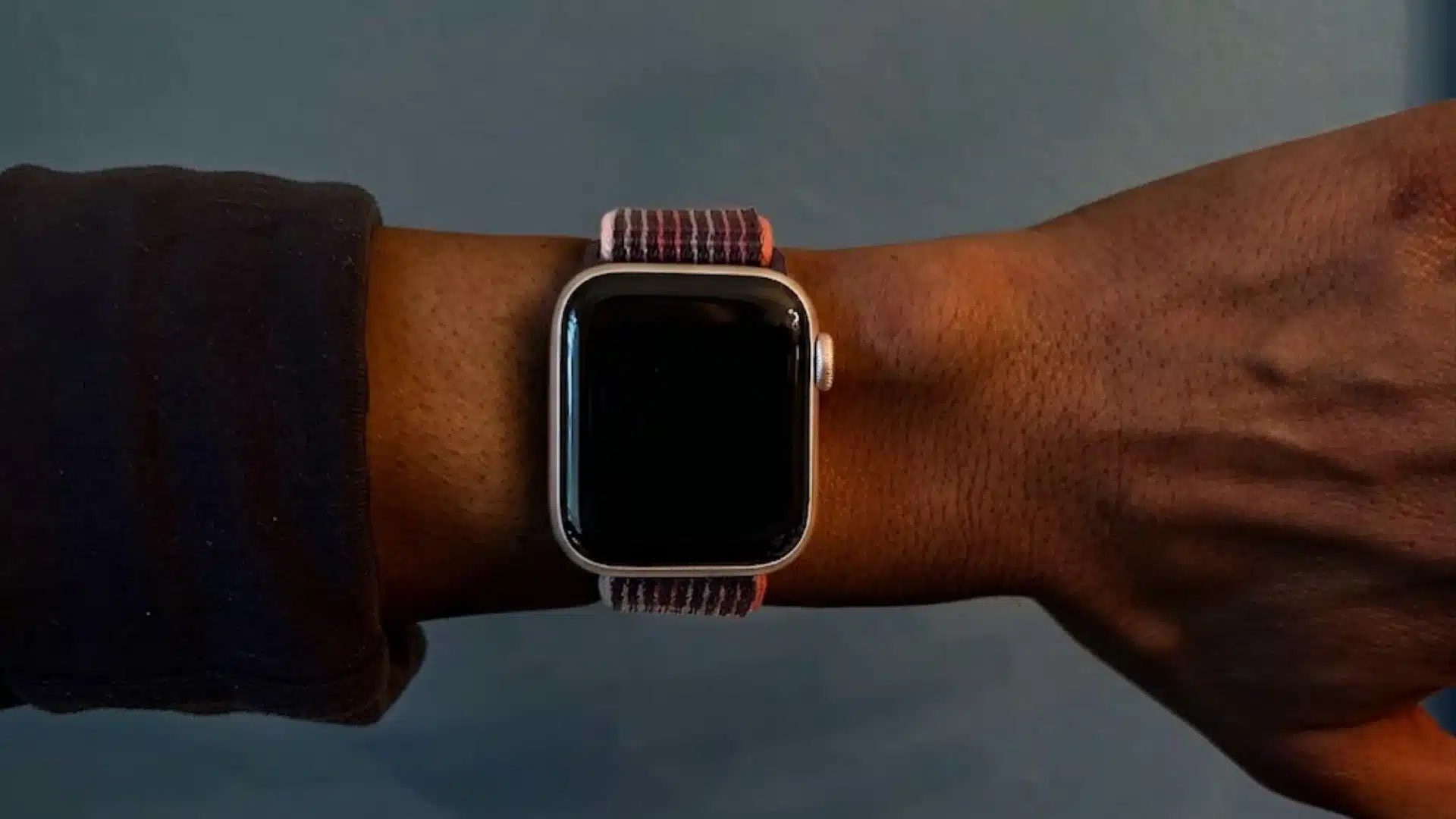
This is where the gap between the two watches becomes the most noticeable, especially if you care about tracking your health in detail.
The Series 10 offers a full set of features, including heart rate tracking, ECG for irregular rhythms (not intended to replace medical devices), blood oxygen monitoring (available on US units via an iPhone Health app workaround as of August 2025), and advanced sleep tracking with different sleep stages.
It also adds temperature sensing and sleep apnea detection, which works by analyzing breathing patterns over time to give more reliable alerts.
If you use sleep tracking on Apple Watch as part of a broader recovery routine, the Series 10’s multi-stage sleep data is meaningfully more useful than what the SE provides.
For water use, it includes a depth gauge and a water temperature sensor that activate automatically during submersion. These features are missing on the SE.
The SE focuses on basics like heart rate tracking, workouts, and simple sleep data. It does the job for casual use, but it lacks the deeper insights that the Series 10 provides.
Athletes who depend on wearables for structured training can get more from the Series 10’s sensor stack.
Apple Watch 10 vs SE: Safety Features and Health Alerts
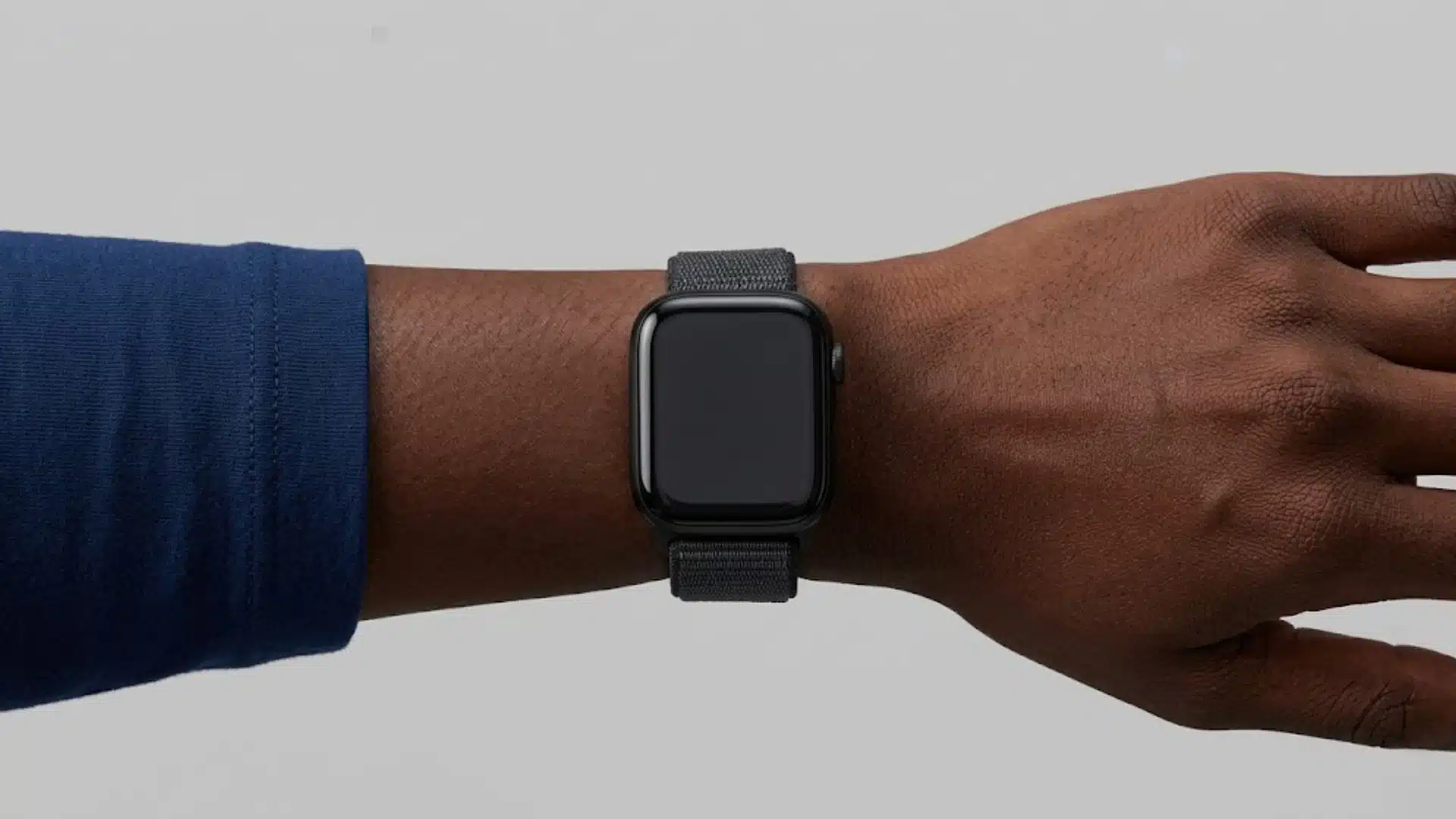
Both the Series 10 and SE include key safety features like fall detection, crash detection, and Emergency SOS, all of which can be critical in real situations.
Fall detection can sense a hard impact and alert emergency services if there is no response, while crash detection does the same during a serious car accident.
Emergency SOS lets you quickly call for help with a long press, making it easy to reach assistance when needed. These features are available on both watches, so choosing the SE does not mean giving up on safety.
Where the Series 10 goes further is in ongoing health alerts. It can notify you about irregular heart rhythms through ECG and also detect signs of sleep apnea over time.
It is also worth noting that the SE supports Family Setup, which lets the watch run independently without being paired to its own iPhone, a useful feature for kids or elderly family members who do not have a smartphone.
Apple Watch 10 vs SE: Battery Life and Charging Experience
Both the Series 10 and SE are rated for up to 18 hours of regular use, which is enough to get through a full day without stress.
In actual use, both can stretch to a full day or more, depending on settings and usage.
When tested under similar conditions, the Series 10 can even last longer if features like the always-on display are turned off, showing better efficiency overall. The bigger difference shows up in charging.
The Series 10 supports fast charging and can reach around 80 percent in about 30 minutes, which makes quick top-ups easy during a short break or while getting ready.
This makes it much easier to keep the watch charged if you plan to use sleep tracking regularly. If you track sleep, this is the feature that makes the difference in your daily routine.
With the Series 10, a 30-minute charge while you shower and get ready in the morning is enough to get through a full day before you need to charge again overnight.
With the SE, that same window gets you significantly less, and the math stops working as cleanly.
The SE uses a slower charging system and takes much longer to reach the same level, which can interrupt your routine if you wear the watch overnight.
Apple Watch 10 vs SE: Real User Opinions

When you look at Reddit user feedback, the Apple Watch 10 vs SE discussion often comes down to small but noticeable differences in daily use.
One of the most common points is charging speed, where the SE takes longer to power up, which can feel inconvenient if you wear your watch overnight.
Another clear difference is the lack of an always-on display on the SE, which some users miss once they try it on the Series 10. It adds a level of ease when checking the time without moving your wrist.
At the same time, many users still prefer the SE because of its lower price and the fact that it delivers most of the core features.
The Series 10 does look better in certain lighting, but whether that matters depends on what you value more.
Apple Watch 10 vs SE: Price and Overall Value
The Apple Watch SE starts at around $249 for the GPS model, while the Series 10 begins closer to $399, creating a noticeable price gap that increases further with titanium builds or cellular options.
That price difference buys you several concrete upgrades: an always-on display, ECG, blood oxygen monitoring, sleep apnea detection, wrist temperature sensing, a newer chip, fast charging, and 64GB of storage instead of 32GB.
You also get a slimmer design and better material options. If you plan to use these features regularly, the higher price of the Series 10 makes sense.
It offers a more complete experience that goes beyond basic tracking. On the other hand, if your needs are simple, like checking notifications, tracking steps, or making payments, the SE covers most of that at a lower cost.
From a long-term perspective, the Series 10 also has an advantage due to its newer hardware, which means it is likely to receive updates for longer than the SE.
Who Should Buy Which Apple Watch
A quick breakdown to help you decide based on your needs, usage, and budget, so you can pick the model that actually fits your lifestyle.
| Buy Series 10 If You Are… | Buy Apple Watch SE If You Are… |
|---|---|
| Focused on advanced health tracking like ECG and SpO2 | A first-time Apple Watch buyer |
| Upgrading from Series 6 or older | Buying for a child or teenager |
| Want an always-on display for daily use | A casual fitness and notification user |
| Planning to use the watch for 4 to 5 years | On a strict budget under $280 |
| An athlete using sleep and HRV data | Gifting someone an Apple Watch |
| Willing to pay more for a premium build | Replacing an older SE or Series 3 or 4 |
Conclusion
After looking at design, health features, display, performance, and long-term value, the answer becomes clear, but it depends on what you actually need.
The Apple Watch 10 vs SE choice is not about picking the better product overall, but about picking the right fit for your lifestyle.
The Series 10 stands out in almost every area, offering a slimmer build, brighter display, more advanced health tracking, a faster chip, and quicker charging.
If you want your watch to do more than just track steps and notifications, it makes the extra cost feel justified.
The SE, on the other hand, keeps things simple and practical. It covers everyday needs well and remains a solid option for anyone who does not need advanced health data or premium features.
In the end, both are good picks, and your decision should come down to how you plan to use the watch and how much you want to spend.
Which one are you leaning towards right now, the Series 10 or the SE, and what matters most in your decision? The answer is usually somewhere in how you already train.
Frequently Asked Questions
Does Apple Watch SE Support Third-Party Apps Like Series 10?
Yes, both models support the same App Store apps, so you get access to fitness, productivity, and lifestyle apps on both.
Can You Reply to Messages on the Apple Watch SE?
Yes, you can reply using voice dictation, quick replies, emojis, and the built-in QWERTY keyboard available on watchOS 9 and later, which the SE 2 supports.
The typing experience is limited by screen size, but all standard reply options are available.
Is There a Difference in GPS Accuracy Between Series 10 and SE?
Both offer reliable GPS tracking, but the Series 10 may perform slightly better in dense areas due to improved sensors.
Do Both Watches Support Apple Pay?
Yes, both Series 10 and SE support Apple Pay, allowing you to make contactless payments directly from your wrist.
Are Watch Bands Interchangeable Between Series 10 and SE?
Yes, Apple Watch bands are interchangeable as long as you match the correct case size, so you can use the same bands on both.