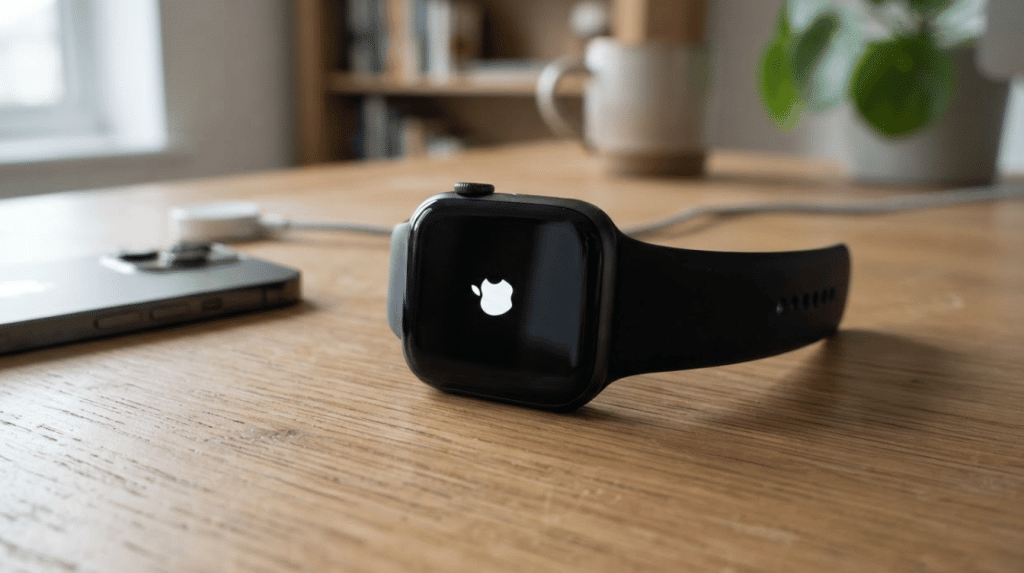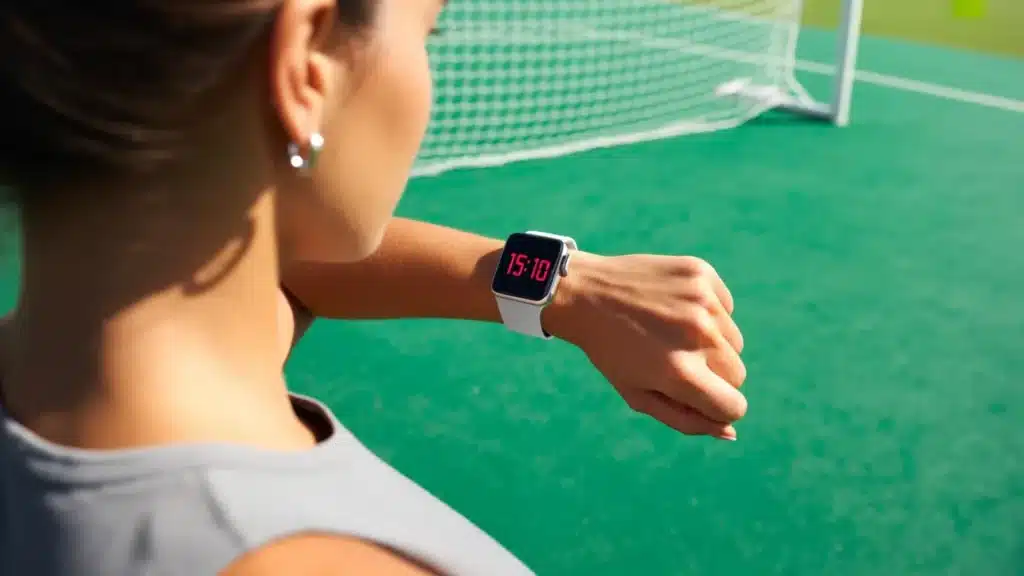
A small device resting on your wrist can quietly track your steps, monitor your sleep, and remind you to stay active during a busy day.
It feels simple, almost effortless, yet it represents something much bigger.
A wearable is not just another piece of technology; rather, it is a shift in how digital tools blend into everyday life.
Many people use wearable technology without stopping to think about what it truly does behind the scenes.
Smartwatches, fitness bands, and even smart glasses collect data, respond in real time, and adapt to personal habits. This technology stays with you, learning from your daily routine.
That moment of realizing how connected and personal these devices have become often sparks a deeper interest in understanding: what is a wearable and why it matters.
What is a Wearable?
Wearable technology refers to smart electronic devices designed to be worn on the body, either as accessories, clothing, or even embedded into fabric.
These devices use sensors, software, and wireless connectivity to collect, analyze, and share data in real time.
Most wearables connect to a phone or another device, which allows the information they collect to be viewed clearly and quickly.
Wearables are built for convenience and continuous use, making technology more personal and accessible.
As innovation grows, wearable technology continues to blend smoothly into everyday life, offering practical benefits across health, sports, work, and entertainment.
Key Features of Wearable Technology
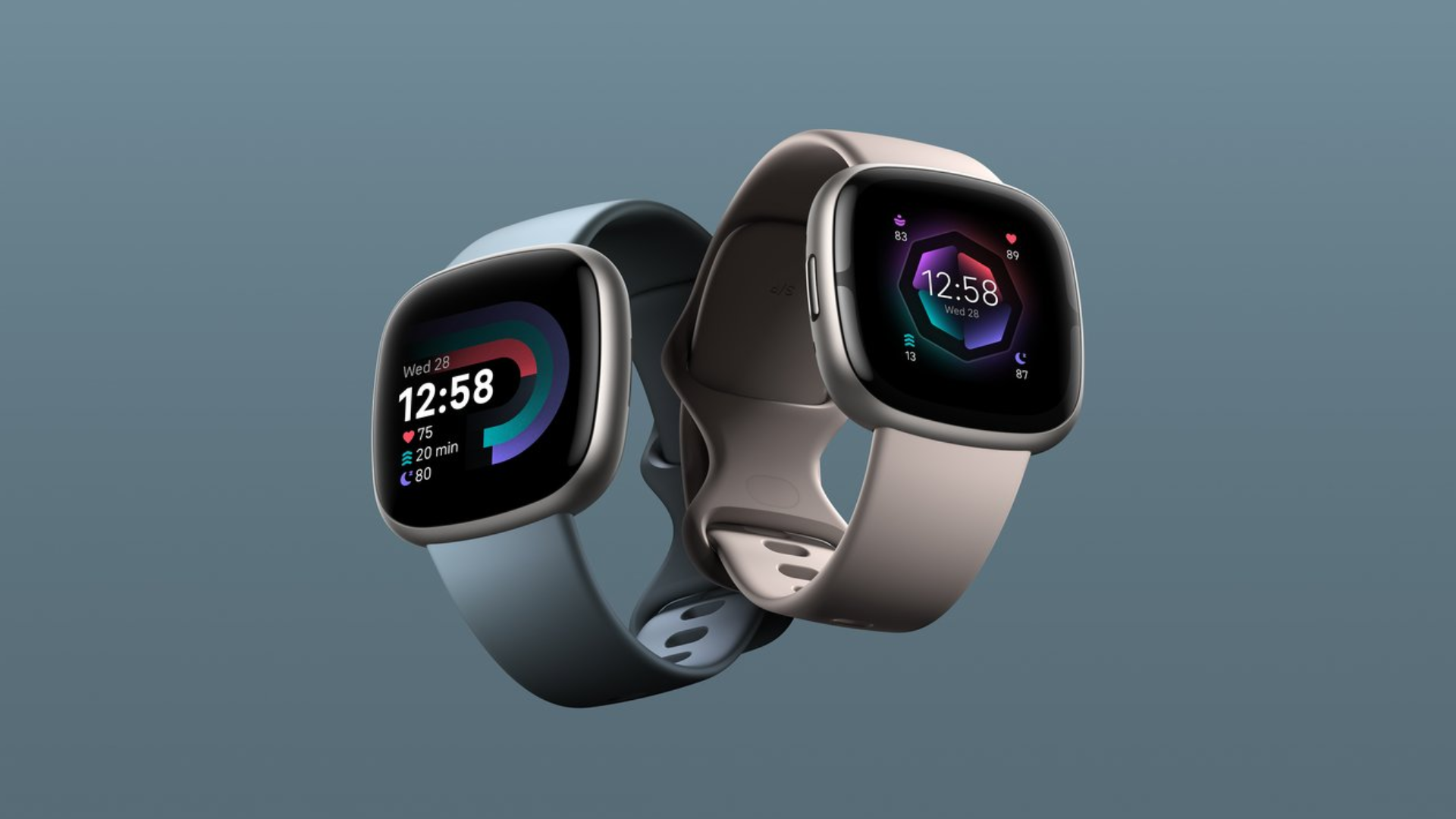
Wearable technology is designed to be practical, personal, and easy to use. Unlike regular gadgets that stay in a pocket, wearable devices stay on your body and work throughout the day.
1. Built-In Sensors
Sensors act like tiny readers that track what the body is doing throughout the day.
They measure important details such as movement, heart rate, sleep patterns, and body temperature using small components built into the device.
These sensors work continuously in the background and collect data without requiring any effort from the user.
The information is then sent to a connected app, where it is displayed in a clear and simple way. This makes it easier to understand daily habits and apply the results to everyday routines.
2. Constant Connectivity
Wearables stay useful because they connect smoothly to a phone or another device.
This connection makes it easy to check progress, view alerts, and understand patterns without learning complex steps.
It also helps keep the device updated and accurate throughout the day. Because the process feels reliable and straightforward, wearables fit naturally into daily routines.
The steady flow of information supports better decisions and helps users stay aware of their habits without needing extra time or effort.
3. Comfort and Design
Wearables are popular largely because they are comfortable to wear throughout the day.
These devices are small, lightweight, and designed to sit naturally on the body without causing distraction or discomfort.
This makes them easy to use during work, exercise, or rest. Because they feel natural and unobtrusive, wearables often become part of daily routines without extra effort.
This comfort helps build trust, as a device that feels good to wear is more likely to be used consistently over time.
4. Real-Time Feedback and Alerts
Wearable technology provides instant feedback based on the data it collects.
Instead of waiting to review information later, users can see updates as they happen.
For example, a smartwatch can alert someone when their heart rate is too high, remind them to stand up after sitting too long, or notify them about incoming calls and messages.
These real-time alerts help users stay aware and take quick action when needed. This feature makes wearable devices more interactive and useful in everyday situations.
5. Personalization and Smart Insights
Many wearable devices offer personalized insights based on user data. Over time, the device learns patterns related to activity levels, sleep habits, and overall health.
It can then suggest goals, workout plans, or lifestyle adjustments that match individual needs.
Some wearables even adjust settings automatically based on behavior. Personalization makes the experience more meaningful because the device feels tailored to the user.
Instead of providing generic information, it delivers insights that support specific health, fitness, or productivity goals.
Popular Types of Wearable Technology
Wearable technology comes in many forms, each designed to serve different needs such as health tracking, communication, entertainment, and even medical support.
1. Smartwatches
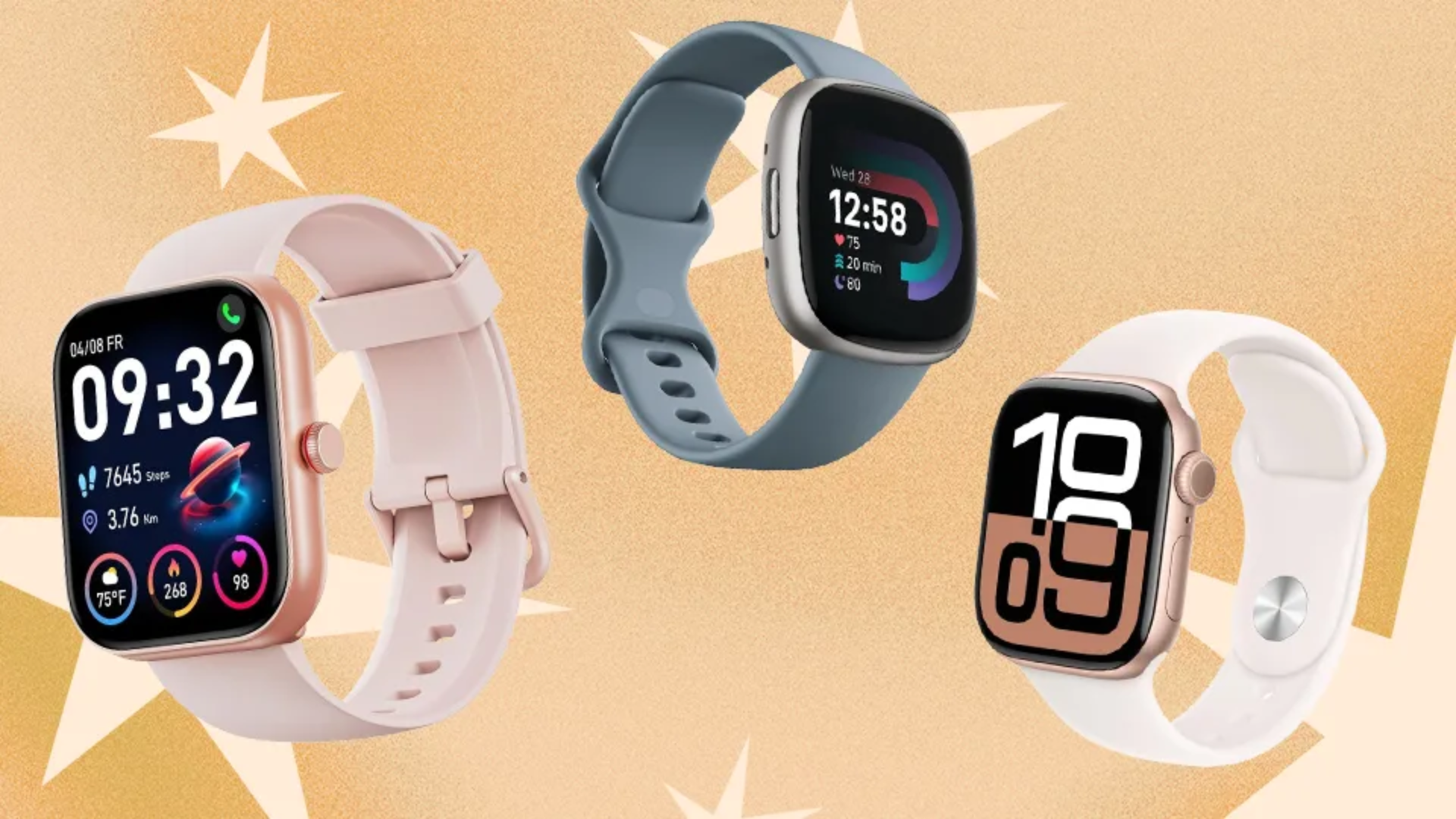
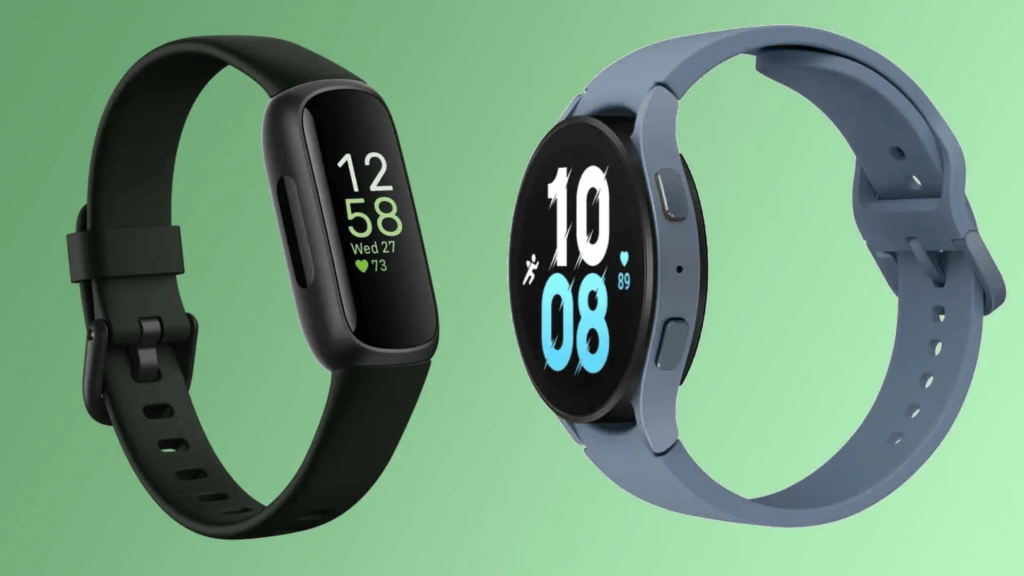
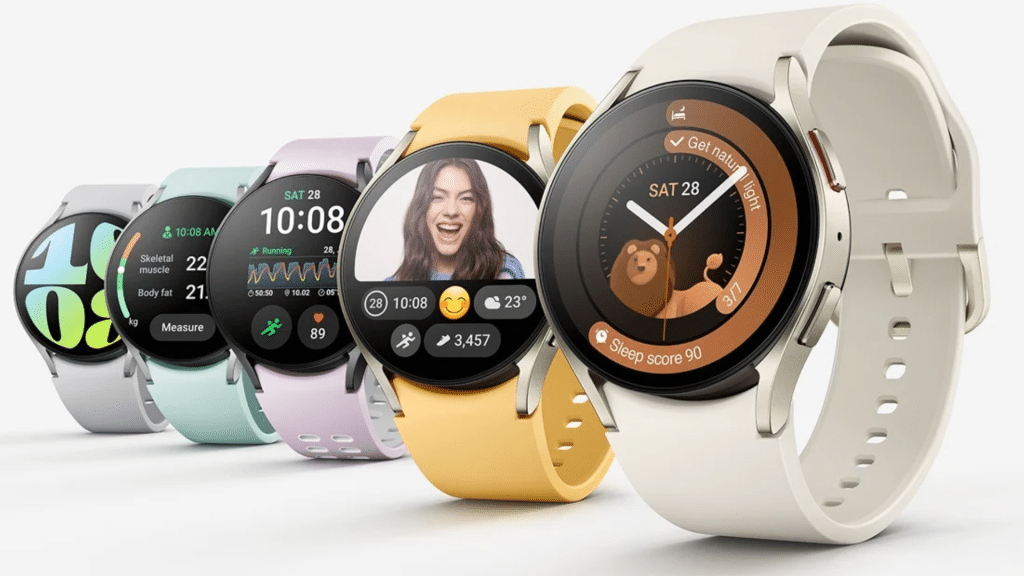
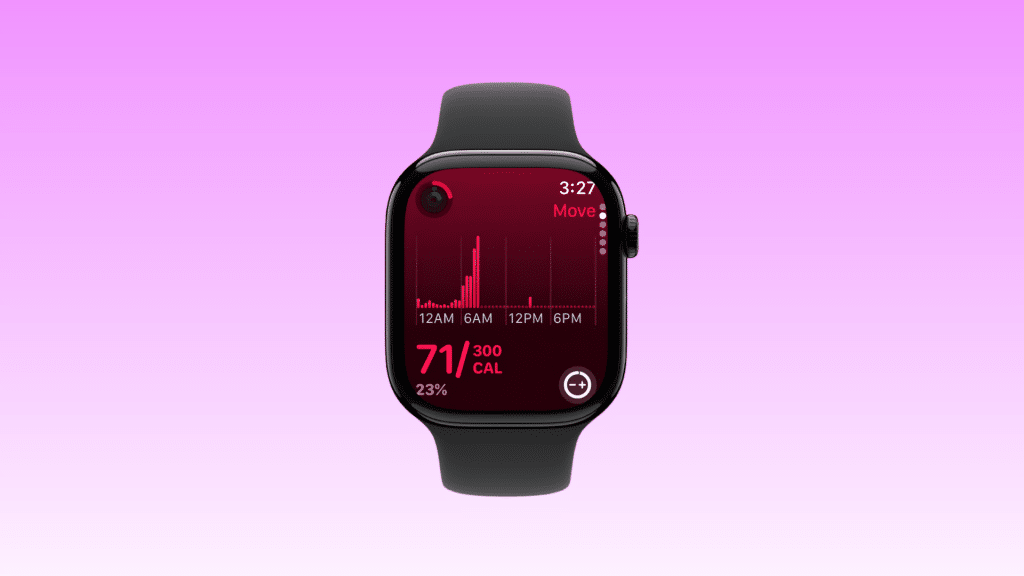
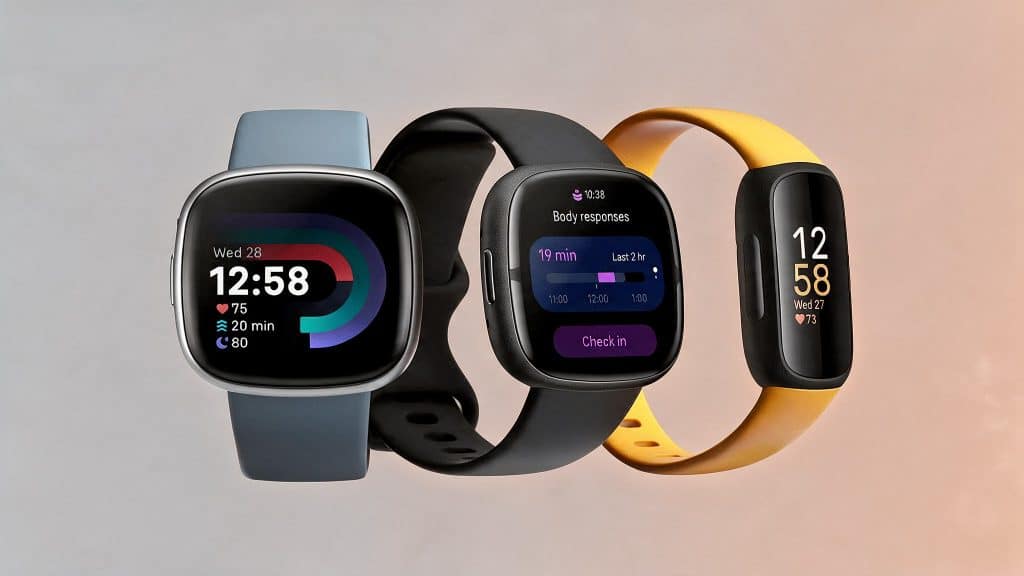
Smartwatches are often described as small computers worn on the wrist that track steps, heart rate, sleep, and daily movement.
This combination of health tracking and communication makes smartwatches one of the most trusted wearable devices today.
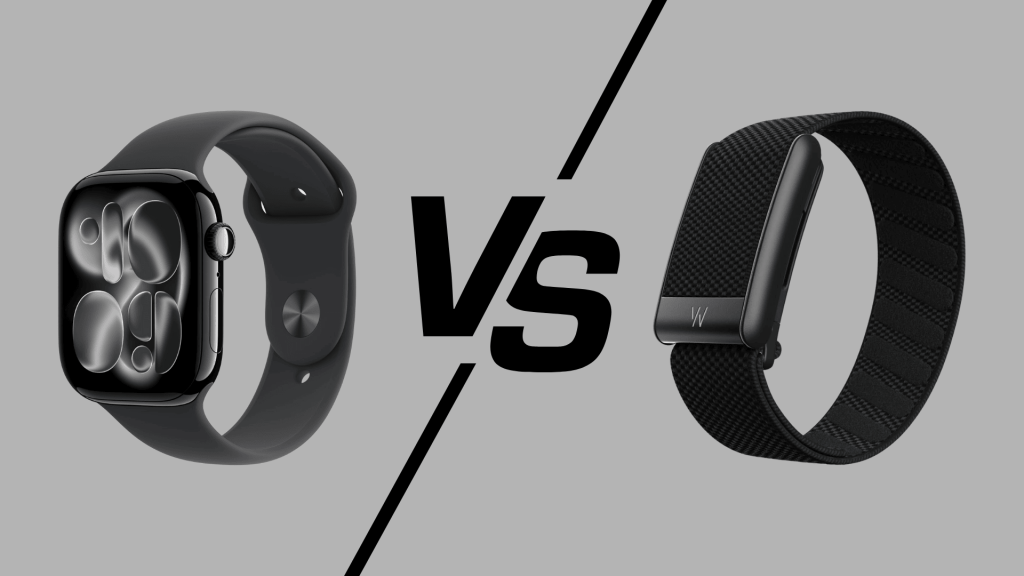
Devices like the Apple Watch Series 8 and Samsung Galaxy Watch 5 showcase the blend of health tracking, communication, and convenience that has made smartwatches a go-to wearable.
Smartwatches combine fitness, wellness, and notifications, making wearable technology easy to understand.
2. Fitness Trackers
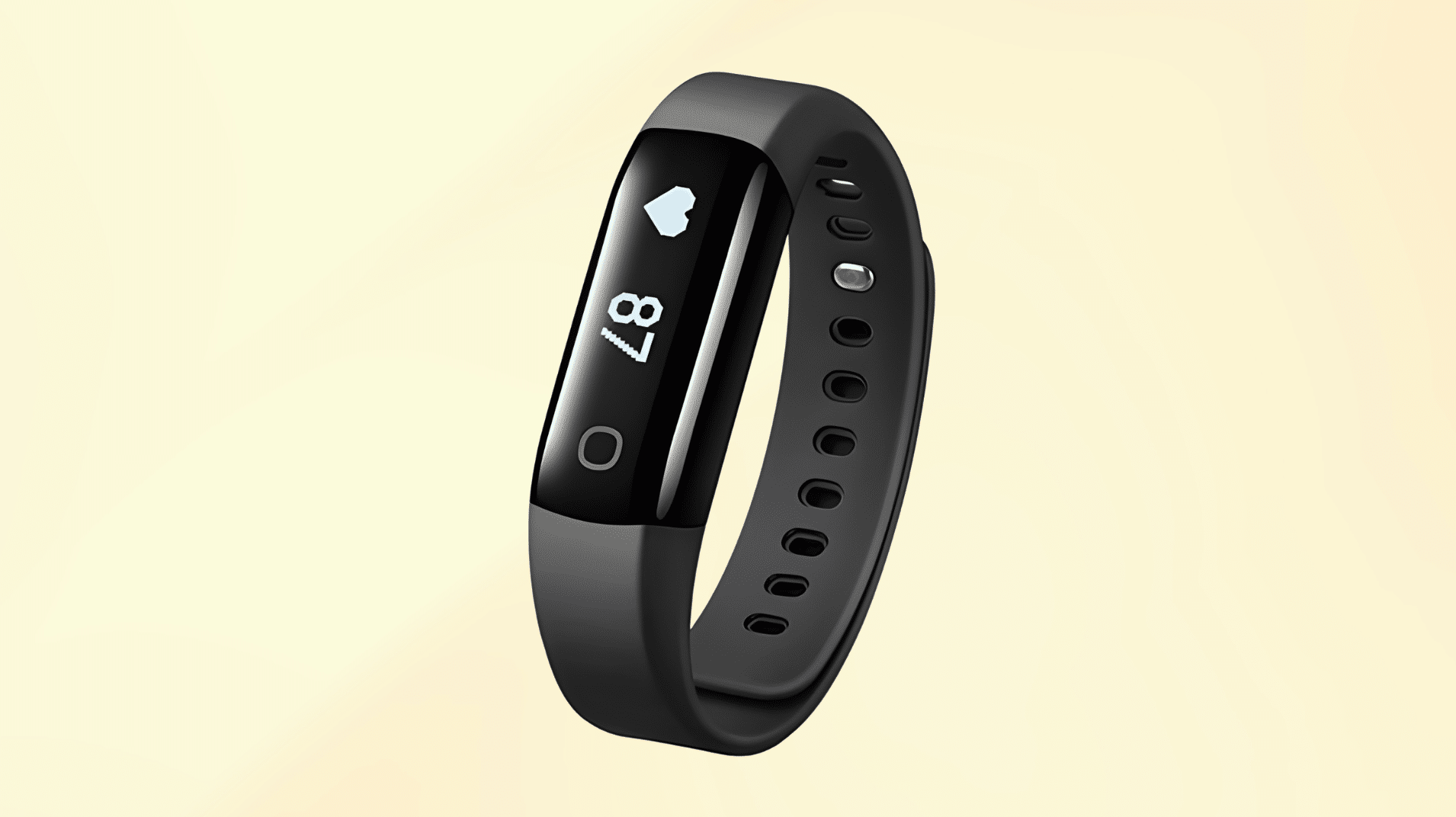
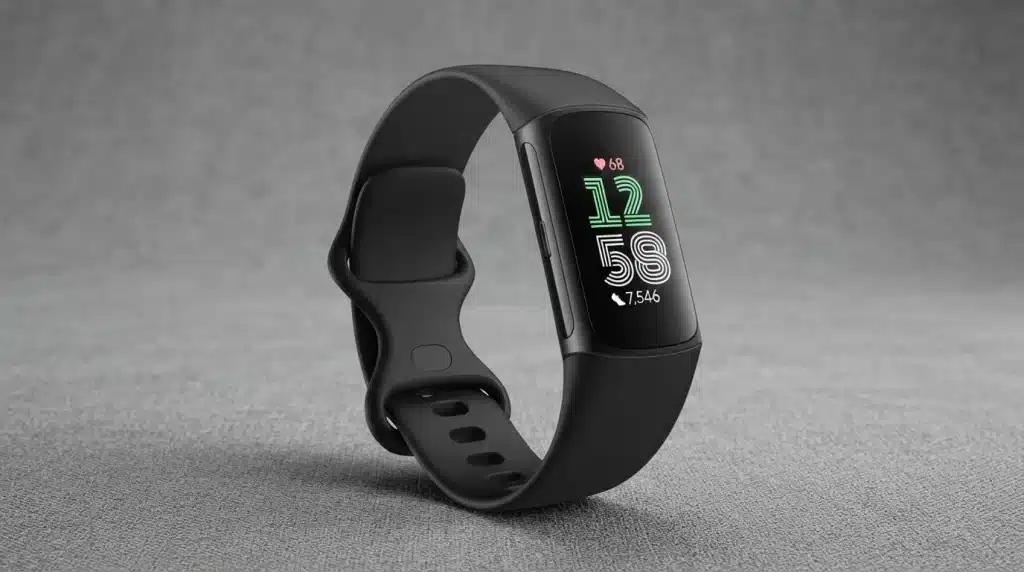
Fitness trackers are lightweight bands designed to monitor steps, heart rate, calories burned, and sleep patterns.
Many beginners choose fitness trackers since they provide clear numbers that support healthy habits.
Models like the Fitbit Charge 5 and Garmin Vivosmart 5 are great examples of fitness trackers that provide clear data to support healthy habits.
These devices make it easy to check progress throughout the day, which is why fitness trackers continue to be one of the most common and trusted wearables for everyday activity.
3. Smart Glasses
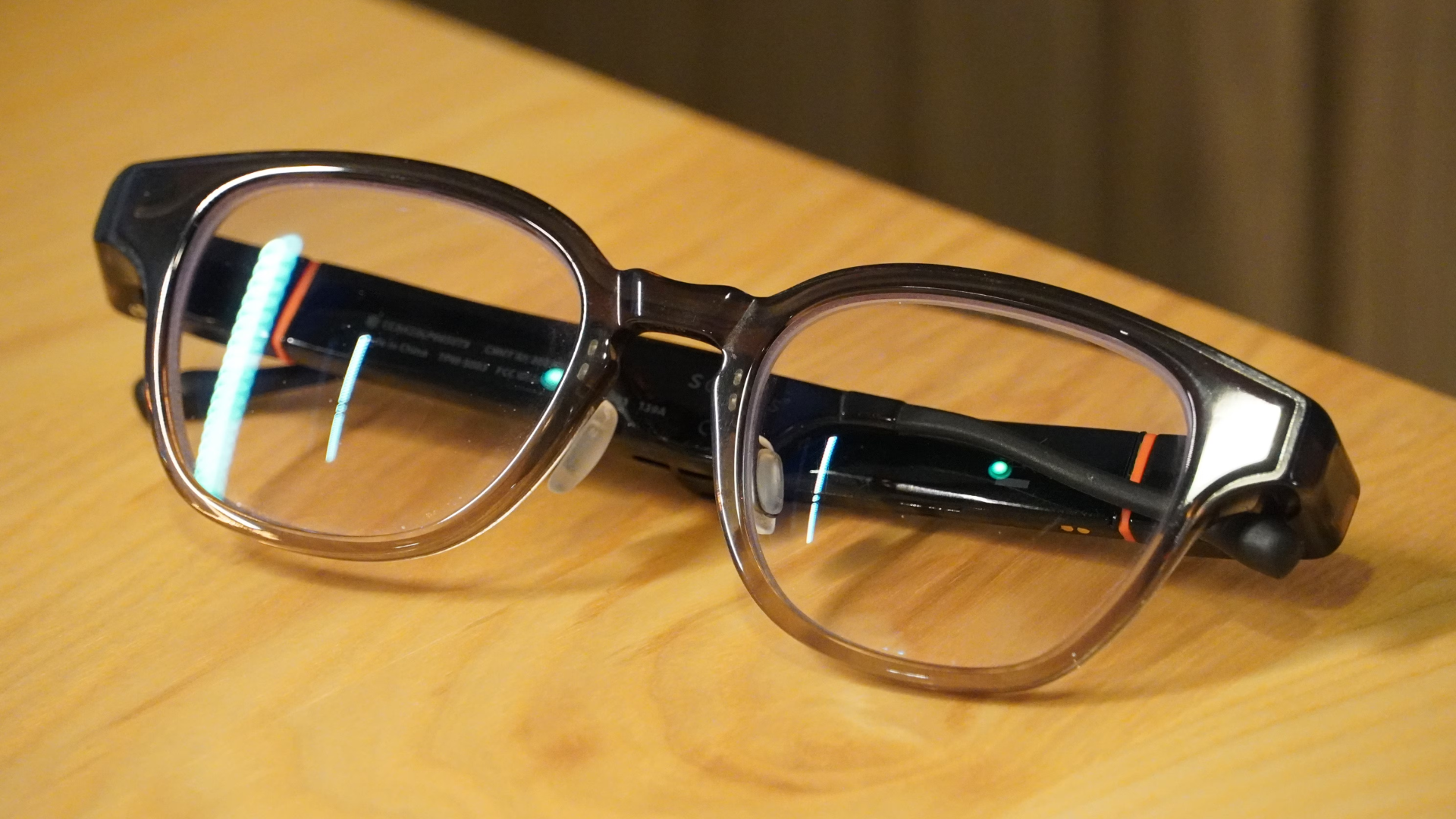
Smart glasses act like a small screen that appears in your line of sight, allowing information to be seen without looking down at a phone.
Although smart glasses are still growing in use, they are already helpful in roles that need fast access to information.
Devices like the Microsoft HoloLens 2 and Google Glass Enterprise Edition 2 are prime examples of smart glasses that enhance productivity and provide quick access to information.
They are commonly used for training, repairs, navigation, and tasks where staying focused and hands-free is essential.
4. Smart Rings
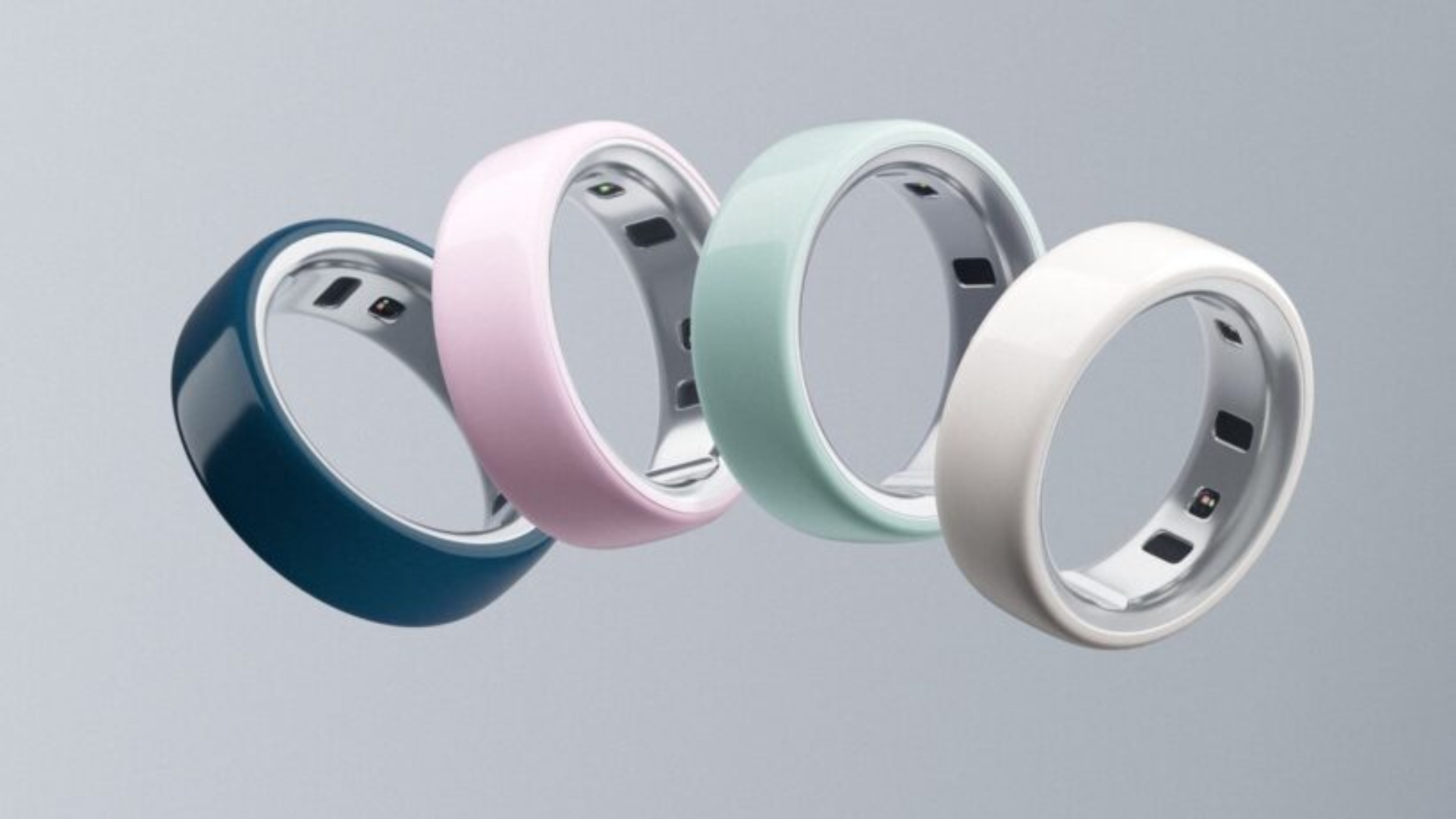
Smart rings are tiny wearable devices designed to track sleep, heart rate, steps, and stress levels without feeling bulky.
Many people like them because they look like regular jewelry while still collecting useful data throughout the day.
These rings appeal to those who prefer quiet tracking without screens or constant alerts. Popular examples include the Oura Ring and the Motiv Ring.
Their small size and comfortable design make them easy to wear at all times, which is why smart rings are becoming a popular choice for daily, low-key health monitoring.
5. Medical Wearables
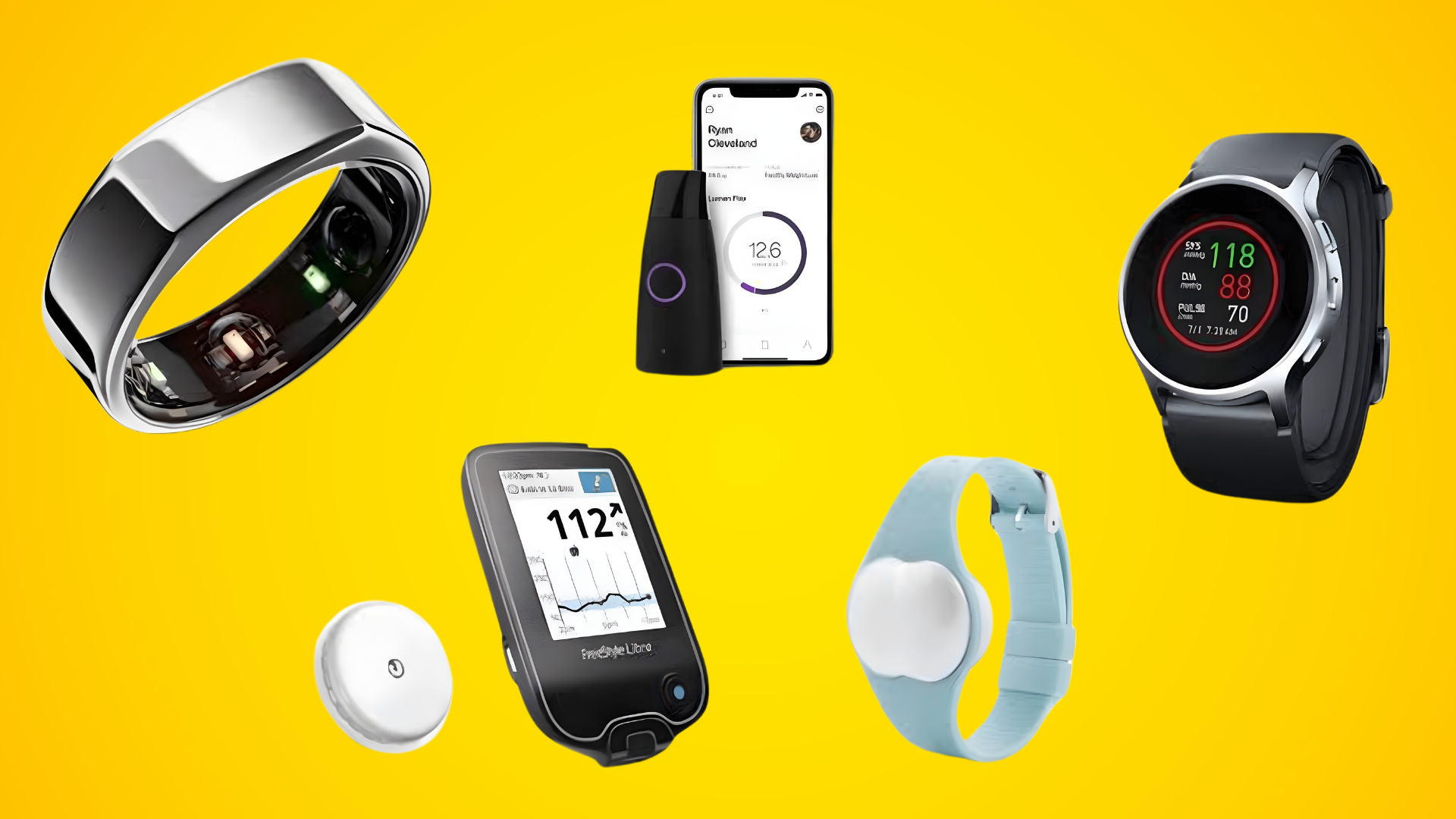
Medical wearables are devices designed to monitor health conditions in real time. They track essential details.
Many people find these devices helpful because the data can be shared with doctors, and alerts are sent when something needs attention.
For example, the Abbott Freestyle Lite Meter offers continuous glucose monitoring, while the Apple Watch Series 8 provides ECG and blood oxygen level tracking.
By keeping vital health information easy to access, medical wearables support daily care and make managing ongoing health needs simpler and more reliable.
6. AR/VR Devices
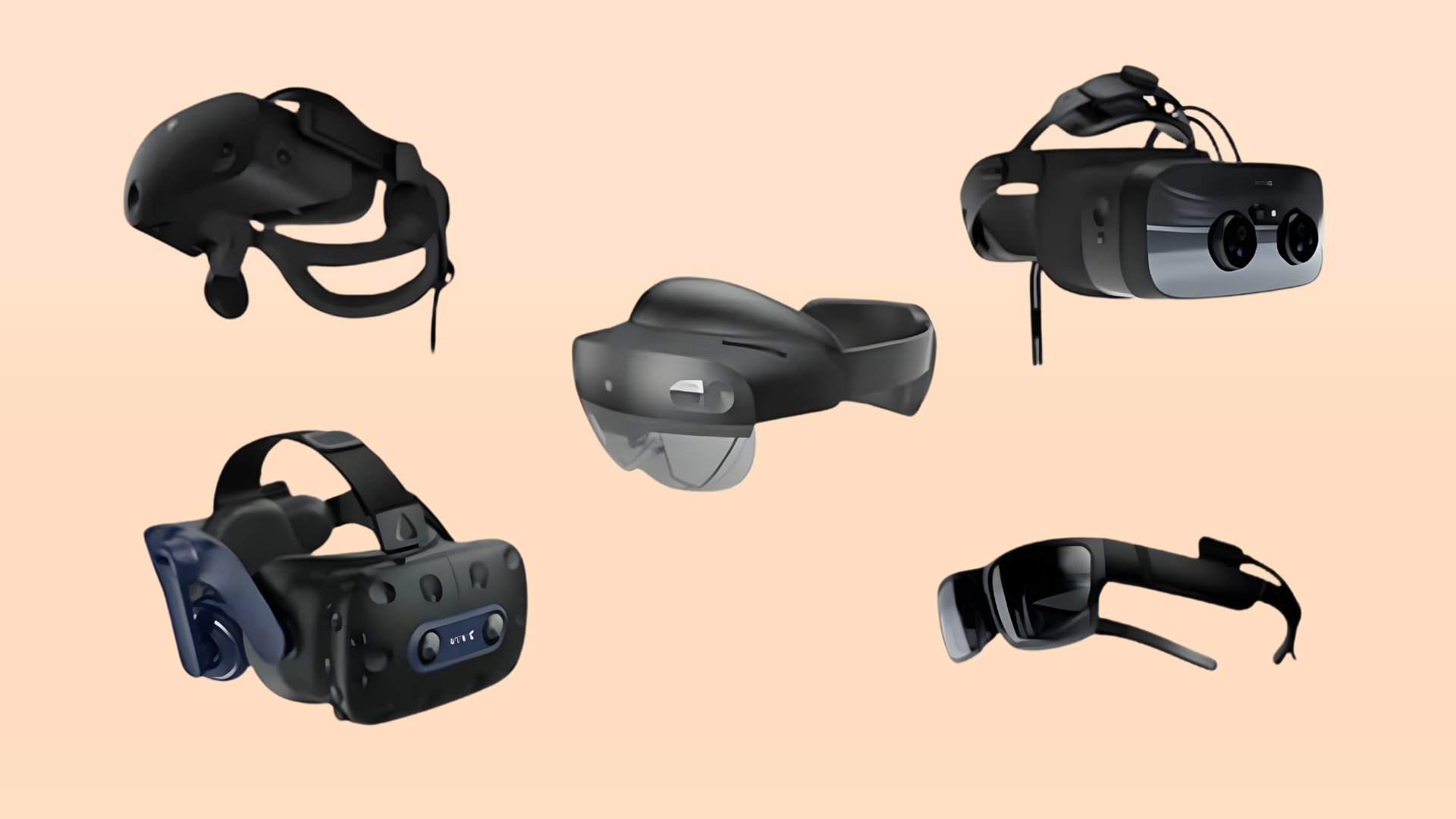
AR and VR devices are wearable headsets that create digital experiences users can see and interact with.
Virtual reality places the user inside a fully digital world, while augmented reality adds digital elements to the real environment.
For instance, the Oculus Quest 2 (VR) offers immersive VR experiences, while the Microsoft HoloLens 2 (AR) enhances real-world interactions with an AR feature.
AR and VR headsets are becoming more common in schools, sports programs, and workplaces that benefit from interactive practice and visual learning.
Real-World Applications of Wearables
Wearable technology is no longer limited to fitness tracking. Today, it plays an important role in healthcare, workplaces, sports, and everyday communication.
- Healthcare Monitoring: Wearables track heart rate, sleep, glucose levels, and other vital signs, enabling remote patient monitoring.
- Fitness and Sports Training: Athletes use wearables to measure performance, track workouts, monitor recovery, and lower injury risk.
- Workplace Safety: Smart gear tracks fatigue, body temperature, and location to help reduce accidents in demanding jobs.
- Communication and Convenience: Smartwatches allow users to receive calls, texts, directions, and make payments quickly.
- Entertainment and Virtual Experiences: Smart glasses and VR headsets support gaming, training simulations, and interactive learning.
Why Wearable Technology Matters Today?
Wearables matter today because they make daily life easier and more manageable.
These devices provide quick updates, simple alerts, and steady health tracking without adding extra steps to a routine.
Many people wear wearables to stay aware of things like steps, sleep, stress, and activity levels, which can be difficult to track on their own.
People need to better understand their habits and make small changes over time. For those managing long-term health needs, real-time data offers ongoing support and peace of mind.
Wearables are also becoming more common in learning environments and job training, where they help build skills through hands-on guidance.
This growing use shows how wearable technology is becoming a practical tool for health, learning, and everyday life.
Conclusion
Wearable technology has changed the way people interact with devices in daily life, making it natural to ask, what is a wearable, and why has it become so common?
From tracking health and fitness to improving workplace safety and communication, wearables offer practical benefits that fit naturally into everyday routines.
These devices are designed to be personal, portable, and easy to use.
As technology continues to improve, wearable devices are becoming smarter, more accurate, and more connected.
They are not just accessories but tools that support better decisions, stronger habits, and greater convenience for health monitoring, sports training, or staying connected.
Wearable technology continues to grow in importance across different industries.
Have thoughts about wearable technology or personal experience using one? Share your opinion in the comments below.