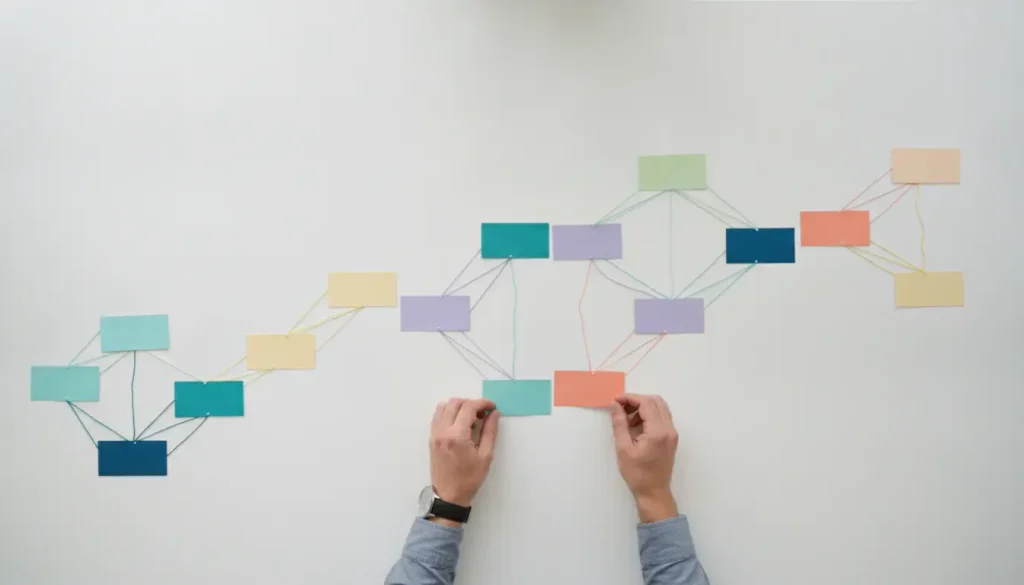
Product teams rarely design important user journeys without first studying how similar problems are already handled. A signup flow, checkout sequence, account upgrade, or search experience contains many small decisions that are difficult to understand from a single screenshot.
UX flow libraries make those decisions easier to inspect by preserving screens inside a sequence. This gives designers and product teams a practical reference before they begin shaping their own journeys.
PageFlows is a UI and UX inspiration library built around recorded user flows, app screens, and interface patterns from real digital products. It covers experiences across iOS, Android, web, and email, which allows research to move between different product environments.
At https://pageflows.com/, flows can be explored around common tasks rather than only around individual visual screens. This makes the service useful when a team needs to understand what happens before and after a particular interface state. The result is a broader view of product behavior.
What PageFlows Actually Shows
PageFlows organizes real product experiences into recordings and related screens. Instead of presenting an isolated login page, for example, a flow can show the sequence a user follows while completing the task. This makes navigation, prompts, transitions, and intermediate states easier to study. It also helps reveal how much information a product asks for at each stage.
Research can focus on areas including:
- onboarding and account creation
- search and discovery
- checkout and purchasing
- account upgrades
- common UI patterns and screen types
This distinction matters because interface design is rarely about one screen. A strong screen can still belong to a confusing journey. Reviewing the complete flow makes it easier to evaluate how individual decisions work together. That is the main role a UX flow library can play in product research.
Why Product Teams Research Existing User Flows
The first reason is speed. Teams often face problems that have already been addressed by many established products. Looking at several real implementations can reveal common approaches before time is spent exploring every possibility from scratch. The goal is not to reproduce one competitor’s solution. It is to understand the range of decisions already being used.
A second reason is context. Screenshots can show hierarchy, typography, buttons, and content, but they cannot always explain sequence.
A flow shows when information appears, what users need to do next, and how a product responds to previous actions. These details are especially useful when mapping onboarding, conversion, or account management journeys. They help research stay focused on behavior rather than appearance.
Teams can use this research to answer questions including:
- How many steps does a comparable task usually require?
- When are optional choices introduced?
- Where do products explain value or request commitment?
- What happens after an important action is completed?
How UX Flow Libraries Fit Into Competitor Research
A UX flow library should not replace direct competitor research. It can make that research more efficient by helping teams identify patterns before deciding which products deserve closer inspection. A designer may first compare several onboarding flows and then open selected products to test those experiences directly. This creates a useful path from broad research toward detailed evaluation.
From Flow Research to Better User Journeys
The next step is turning observations into design questions. If several products divide registration into short stages, the useful finding is not that the same screens should be copied. The stronger question is why those products separate the information. It may reduce the amount of work presented at once, or it may allow users to reach useful product areas earlier. That reasoning can then be tested against the needs of the current project.
Different products can solve the same task in very different ways. That variation is valuable because it prevents a common pattern from being mistaken for a rule.
Product teams can compare which decisions appear consistently and which depend on audience, business model, or product complexity. The research then becomes evidence rather than a collection of visual references.
A practical workflow can follow this order:
- define the user task being researched
- review several complete real product flows
- record repeated patterns and important differences
- compare those findings with user needs
- create a new journey based on the current product context
The final design still requires testing. Existing flows show what other teams have chosen, not what will automatically work for every audience. Their real value is reducing uninformed decisions at the beginning of the process. They give teams something concrete to question.
What UX Flow Libraries Change About Product Research
The less obvious benefit of UX flow libraries is that they change the unit of comparison. Instead of comparing screen against screen, teams can compare decision against decision. One product may request payment early while another delays it. One may explain a feature before asking for action, while another lets the interface teach through use. Those differences reveal product strategy as much as interface design.
PageFlows fits into this process as a reference for examining how real products structure interactions across multiple screens. Its value is strongest when it is combined with competitor testing, user research, analytics, and usability findings.
No flow library can determine the correct journey on its own. What it can do is replace an empty starting point with evidence about how comparable tasks are already being handled.
That leads to a useful conclusion. UX inspiration becomes more valuable when the object of research changes from appearance to sequence. Screens still matter, but the order of decisions often explains more about the experience than the styling of any individual page.
Product teams that study flows this way are not searching for interfaces to copy. They are collecting better questions before they begin designing their own.