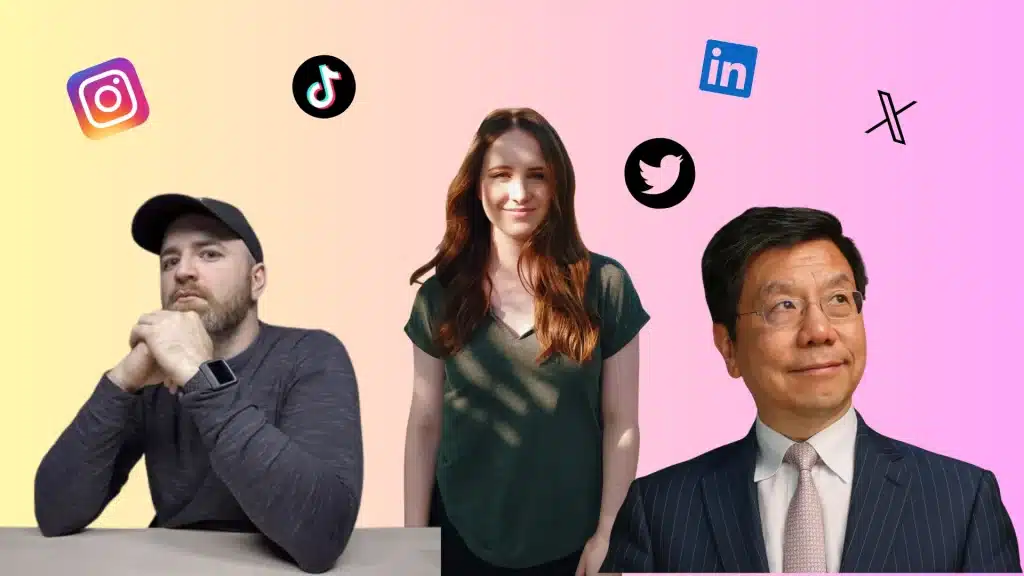
Technology moves fast, and yesterday’s trusted advice can feel outdated within weeks.
Sorting through news feeds, launch pages, reviews, and social posts takes time most professionals do not have. That is why following the right voices matters.
The top tech influencers test products, explain trends, question hype, and make complex topics easier to understand before they reach the mainstream.
This guide brings together trusted creators and experts across YouTube, LinkedIn, Twitter/X, AI, cybersecurity, TikTok, and Instagram.
You will see who to follow, what each influencer is known for, and how their content can help with smarter tech choices.
What Makes Someone a Top Tech Influencer?
The word “influencer” is used loosely, but in the tech space, authority has to be earned over time. A top tech influencer is not simply someone with a large audience.
They are someone whose content helps people understand products, compare options, make buying decisions, or stay current in a field that changes monthly.
The strongest tech voices share these qualities:
- Subject-matter depth: They speak from hands-on experience, not press-release summaries.
- Consistent publishing: Their audience can rely on fresh, current content.
- Decision-focused content: They help followers make real choices, not just react to news.
- Clear communication: Complex ideas like AI models or cybersecurity threats are explained in accessible language.
- Real-world impact: Their reviews, tutorials, or opinions produce outcomes for readers.
- Transparent sponsorships: Paid partnerships are disclosed, and independent opinions stay separate from ads.
- Current relevance: They engage with today’s tech conversations, not last year’s.
Tracking how AI is reshaping everyday life has become one of the clearest signals of whether a tech voice is genuinely current. The creators below have passed that bar.
Top Tech Influencers on YouTube
YouTube remains the dominant platform for tech content. For product decisions in particular, a video walkthrough covers what a written spec sheet cannot.
The creators below have built some of the most trusted channels in consumer and professional tech, and between them, they reach more than 150 million subscribers.
1. Marques Brownlee (MKBHD)
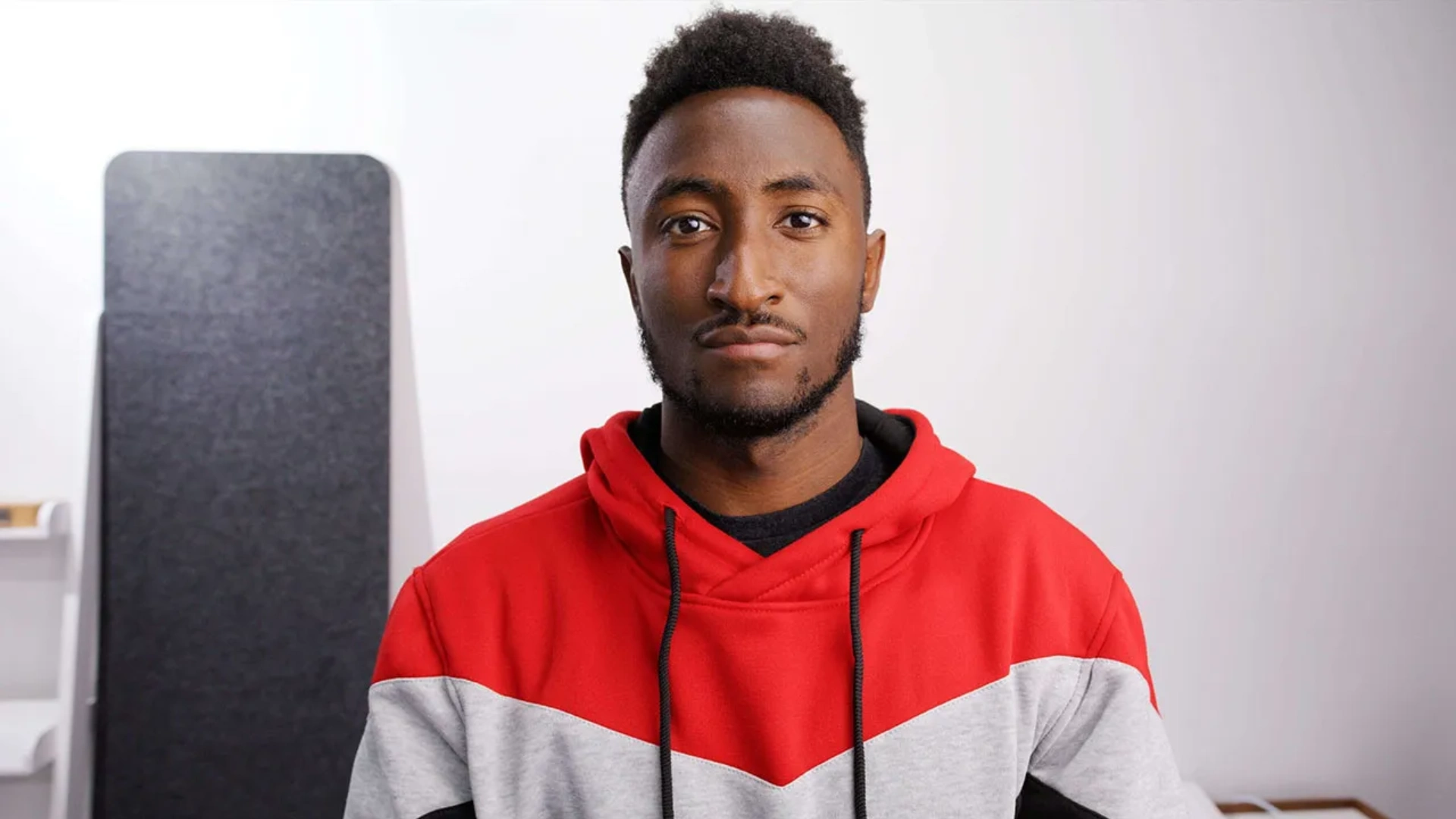
Subscribers: 21M
Source: The Hollywood Reporter
Marques Brownlee is one of the most trusted names in consumer tech.
His channel covers smartphones, electric vehicles, cameras, and new gadgets with clean production and sharp analysis.
What sets him apart is his willingness to be direct when a product underdelivers. Viewers follow him because his reviews feel balanced and useful before major purchases, not after.
His opinions often shape how buyers and brands think about flagship phones, premium gadgets, and future-facing technology.
2. Linus Sebastian (Linus Tech Tips)
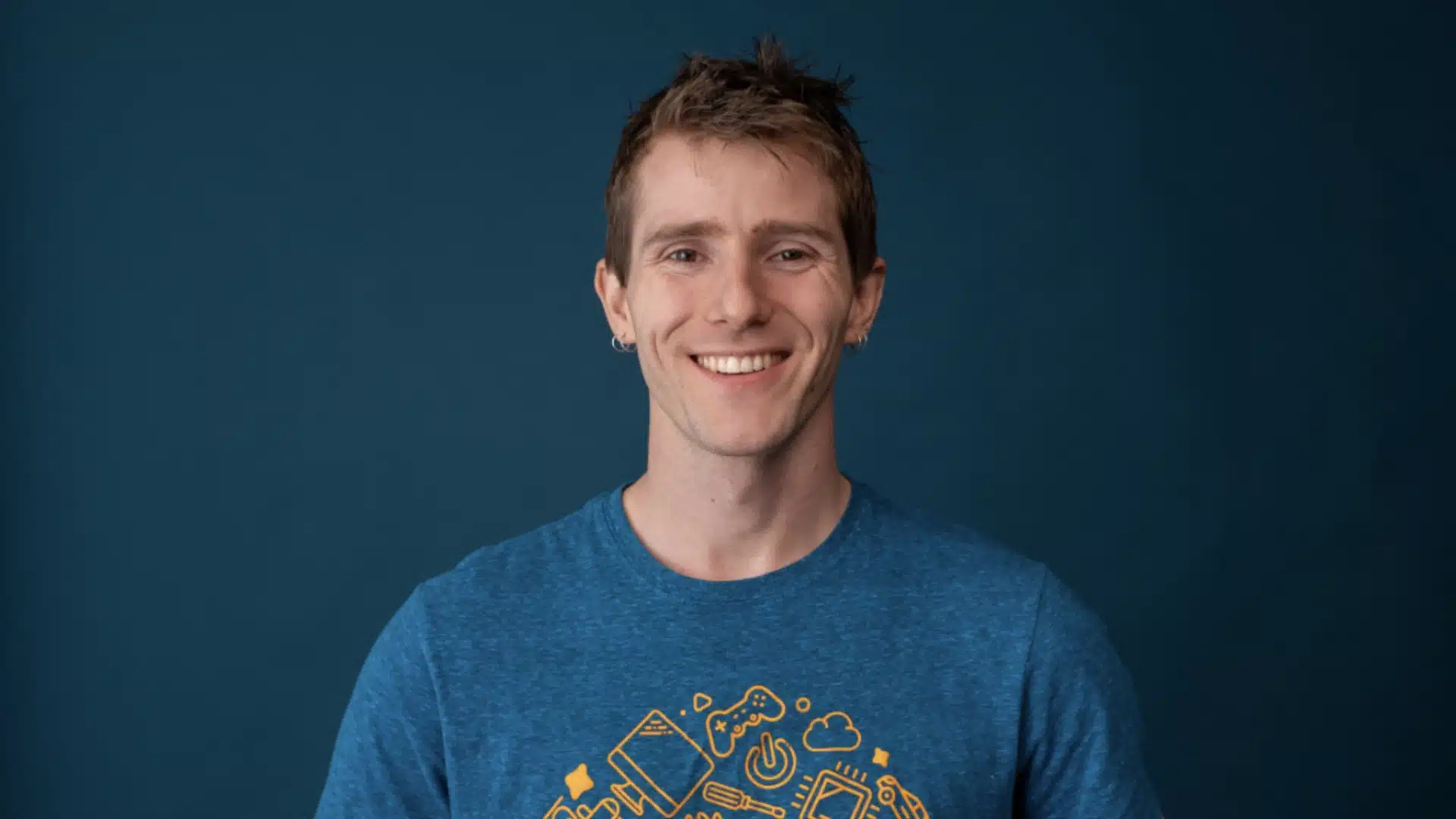
Subscribers: 16.8M
Source: ExtremeTech
Linus Sebastian built Linus Tech Tips into a major name in PC hardware and performance testing.
His content covers gaming setups, custom builds, GPUs, storage, cooling, and product comparisons.
Viewers follow him for practical testing rather than surface-level impressions.
His channel is useful for anyone who wants to understand how hardware performs before spending money on computers, parts, or accessories.
3. Arun Maini (Mrwhosetheboss)
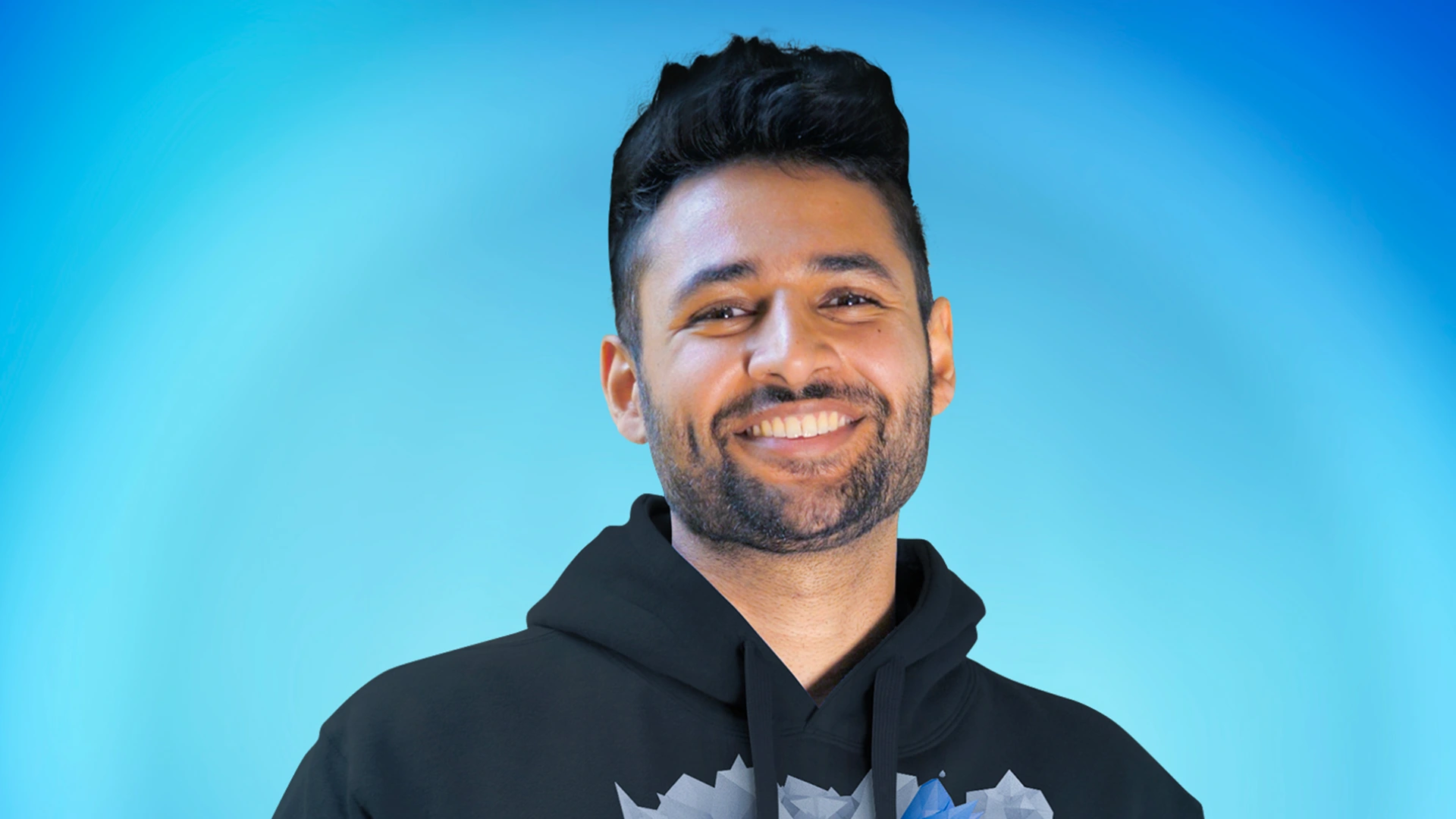
Subscribers: 22.6M
Source: tubefilter
Arun Maini is known for smartphone comparisons, gadget rankings, and easy-to-follow tech videos.
His channel, Mrwhosetheboss, blends clear storytelling with product testing, making complex details feel simple for regular viewers.
He covers phones, AI devices, unusual gadgets, and major tech trends.
His content works well for readers who want useful buying advice without getting lost in heavy technical language.
4. Lewis Hilsenteger (Unbox Therapy)
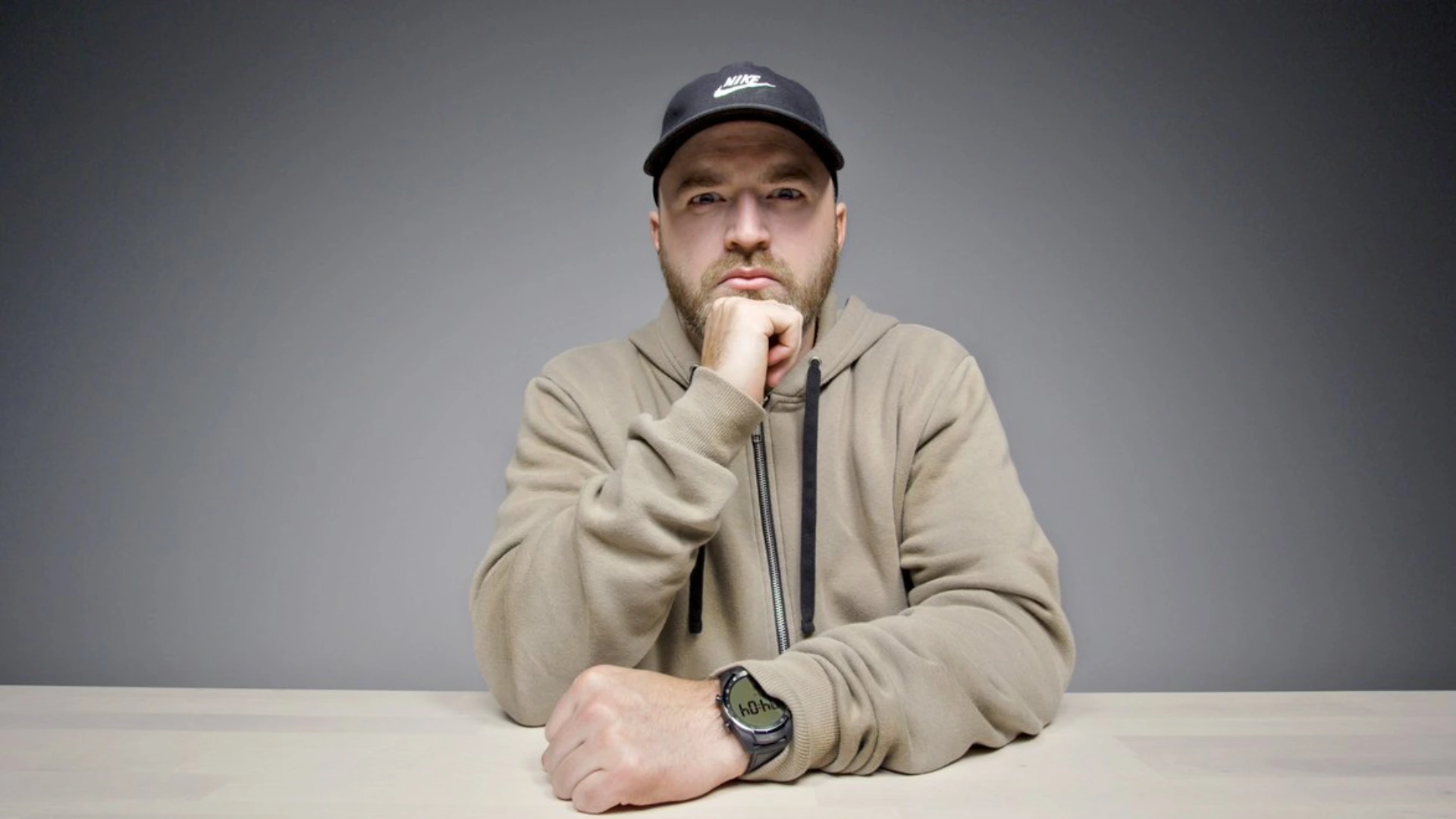
Subscribers: 25.4M
Source: Twitter
Lewis Hilsenteger runs Unbox Therapy, a channel built around first impressions, product reveals, and consumer tech reactions.
His videos show how devices look, feel, and work straight out of the box.
That makes his content useful for people who want a quick sense of whether a product is exciting, practical, or worth a closer look before buying.
5. Justine Ezarik (iJustine)

Subscribers: 7.06M
Source: Teen Vogue
Justine Ezarik covers Apple products, creator gear, lifestyle tech, and everyday gadgets with a friendly and personal style.
Her content feels accessible because she connects technology with real use, not just technical specs.
Viewers follow her for Apple updates, camera gear, smart devices, and creator-focused tools. She is especially useful for people who want tech advice that feels practical and relatable.
6. Dave Lee (Dave2D)
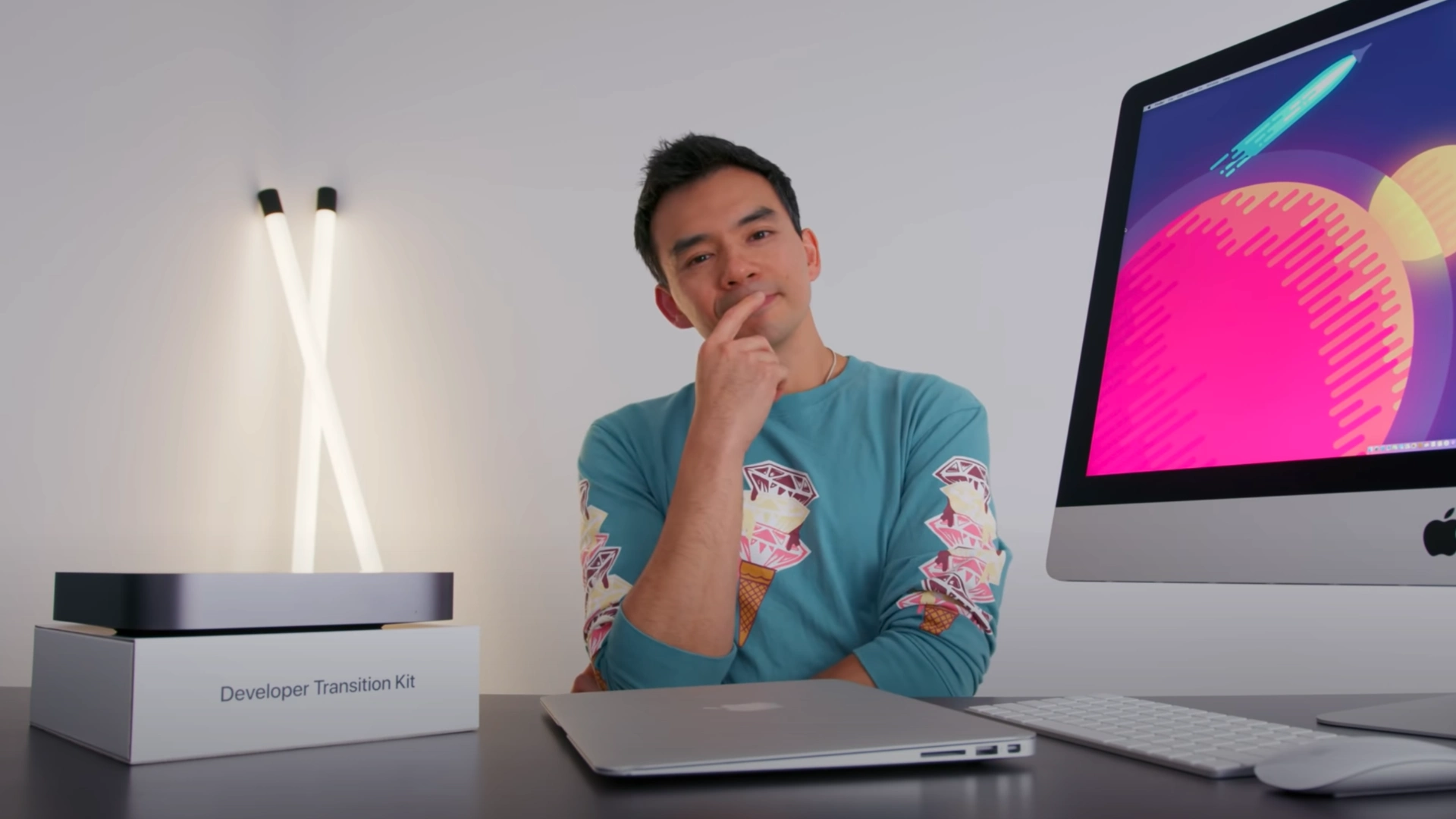
Subscribers: 3.69M
Source: McCann Tech
Dave Lee focuses on laptops, smartphones, productivity devices, and practical buying decisions.
His reviews are simple, calm, and centered on whether a device is useful for real work. Instead of only listing specs, he explains design, battery life, performance, and price in a clear way.
Instead of leading with specs, he walks through design, battery life, performance, and price in plain terms. His channel is especially useful for professionals and students comparing everyday work tools.
7. Sara Dietschy
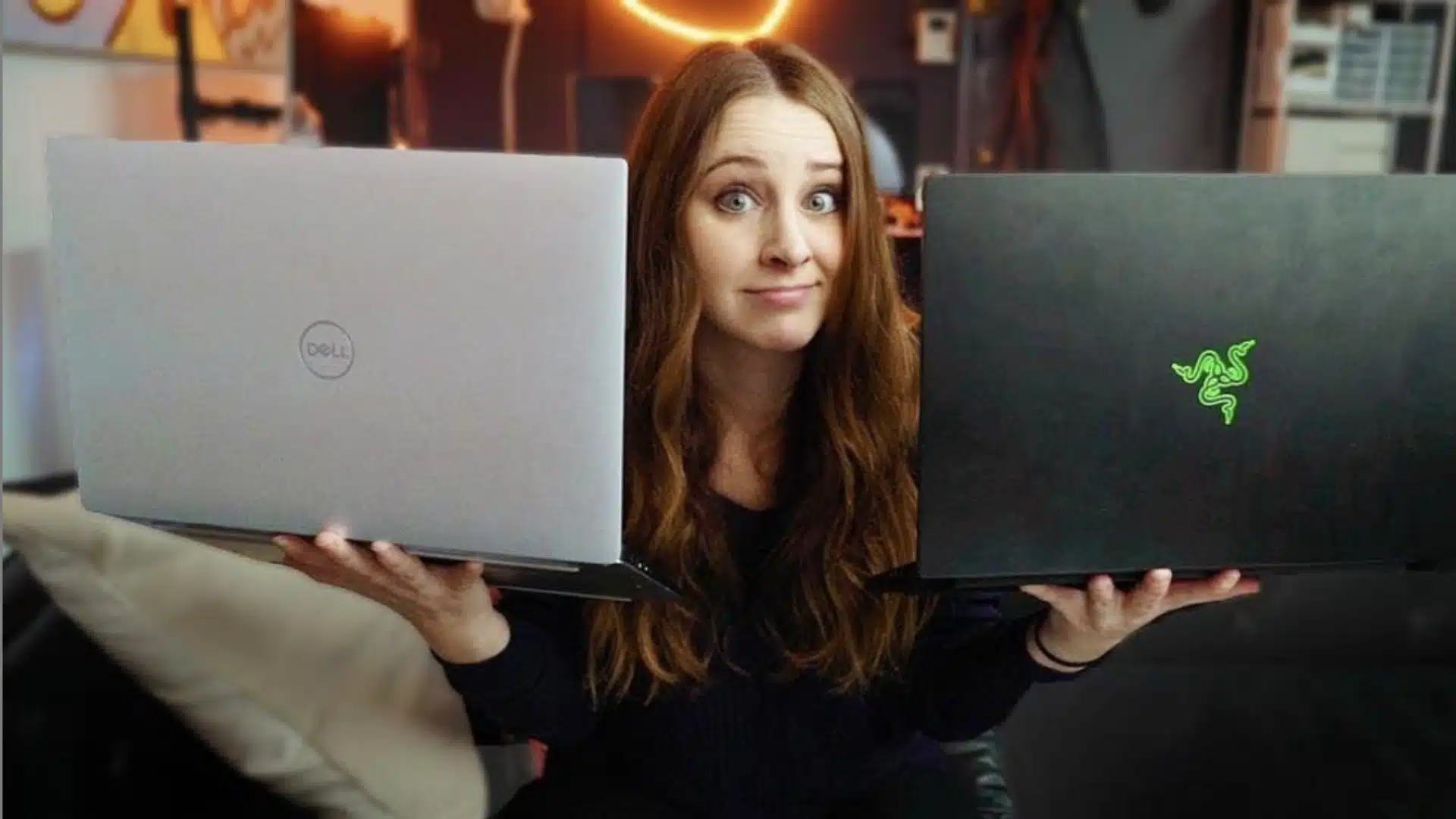
Sara Dietschy sits between technology, creativity, and digital work. Her content covers camera setups, creator tools, software, desk setups, and devices used by modern creators.
Viewers follow her because she shows how technology fits into real creative workflows.
Her channel is useful for photographers, video creators, freelancers, and professionals who use tech to make content, organize work, and improve productivity.
Top Tech Influencers on LinkedIn and Twitter/X
Not every tech conversation happens in video format. Professional strategy, AI research, software engineering culture, and market analysis live primarily on LinkedIn and Twitter/X.
The voices below are among the most followed in those spaces.
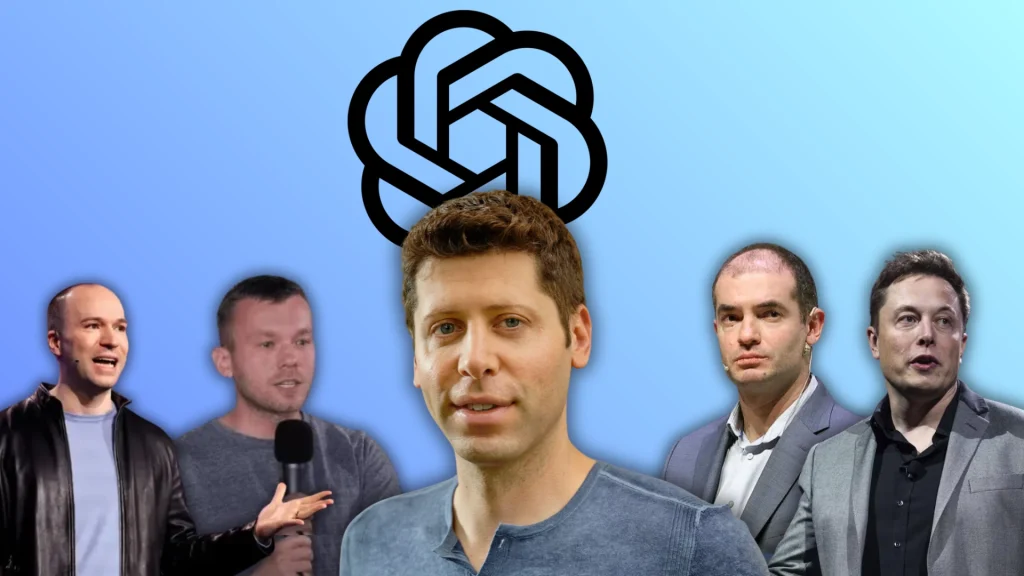
8. Greg Brockman
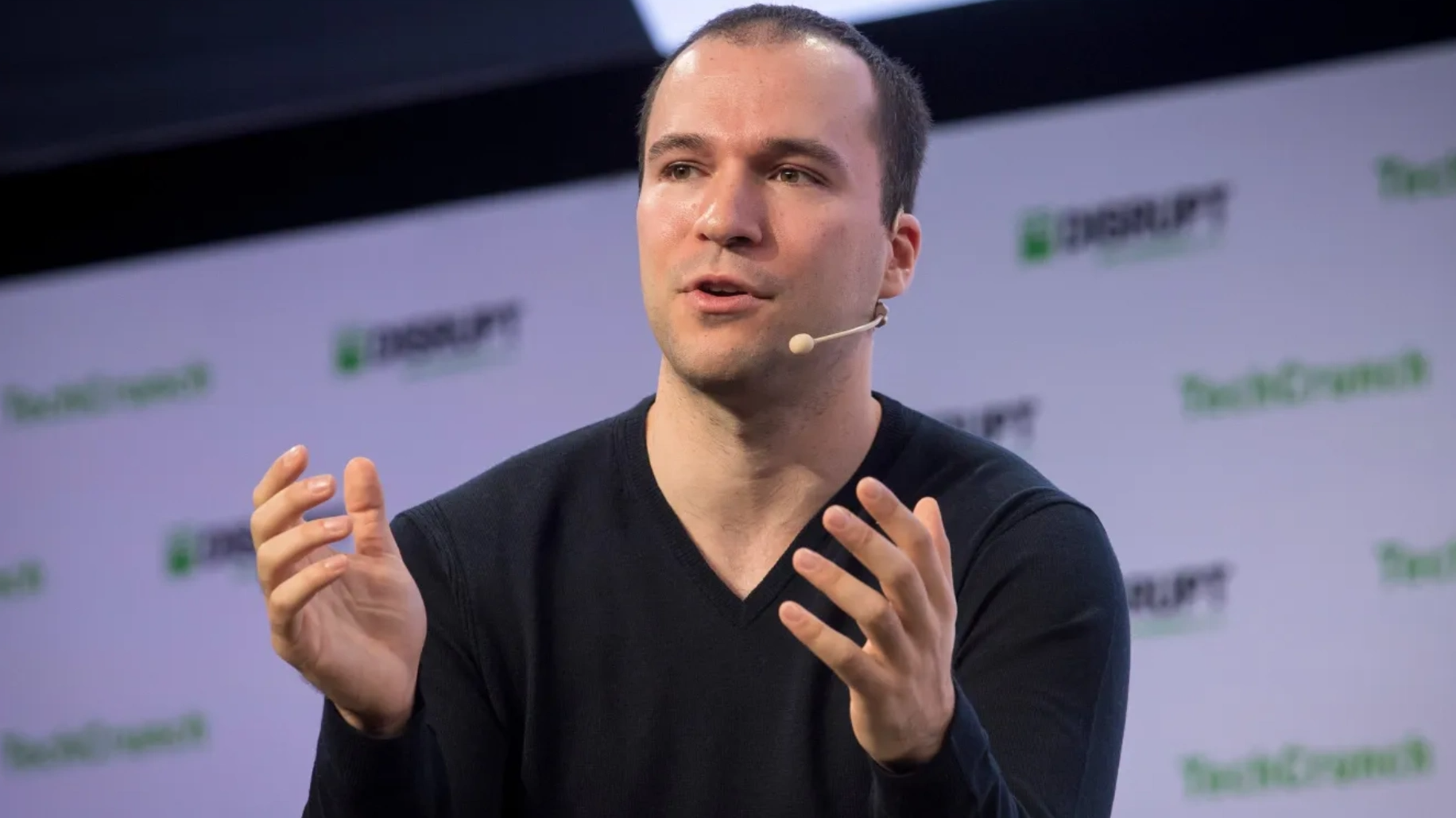
Platform: Twitter/X
Greg Brockman is one of the most-followed voices on OpenAI updates, AI product thinking, and the future of advanced machine intelligence.
His posts often give readers a closer look at how AI tools are being built, tested, and improved.
For professionals tracking AI adoption, his content is useful because it connects technical progress with real products people may soon use at work.
9. Kai-Fu Lee
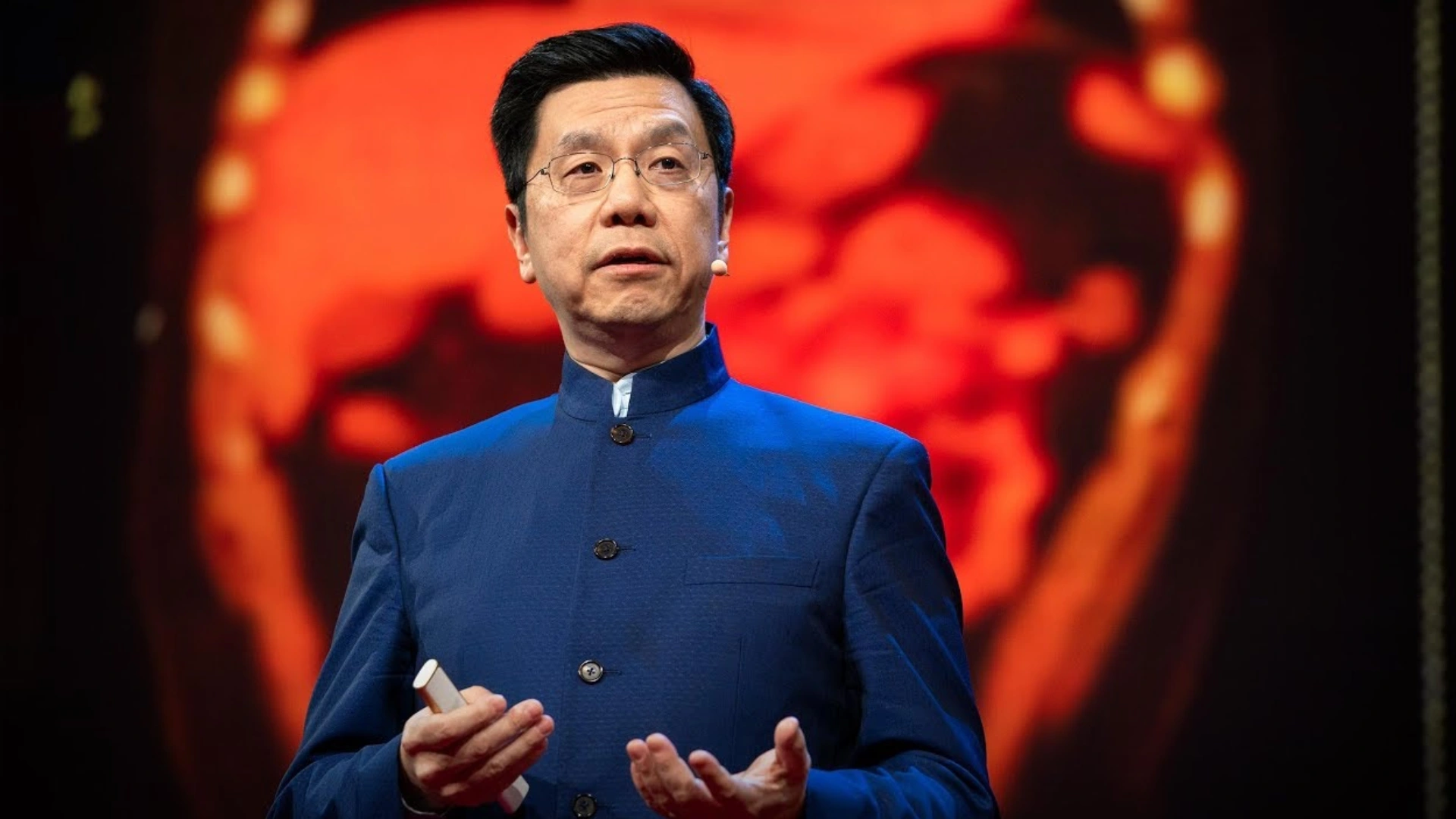
Platform: Twitter/X and LinkedIn
Kai-Fu Lee is the CEO of 01.AI and a former Google China president.
His content connects artificial intelligence with business growth, investment, education, and the shifting balance between US and Chinese tech markets.
Readers follow him for grounded views on where AI strategy is heading and how companies can position for the next stage of digital change.
10. Marc Andreessen

Platform: Twitter/X
Marc Andreessen is known for strong opinions on startups, software, venture capital, AI policy, and technology markets.
His posts often spark wider conversations because he looks at technology through the lens of business, culture, and long-term market shifts.
For readers interested in how investors think about innovation, growth, and disruption, his Twitter/X presence offers frequent signals worth watching.
11. Benedict Evans

Platform: Newsletter
Benedict Evans is one of the clearest voices for understanding tech market patterns.
His content focuses on platform shifts, mobile trends, AI, consumer behavior, and the business models behind major technology changes.
Readers follow him because he explains where the industry is likely heading without amplifying every trend into a moment of crisis or revolution.
His newsletter gives deeper context for professionals who want sharper analysis and less noise.
12. Andrew Ng
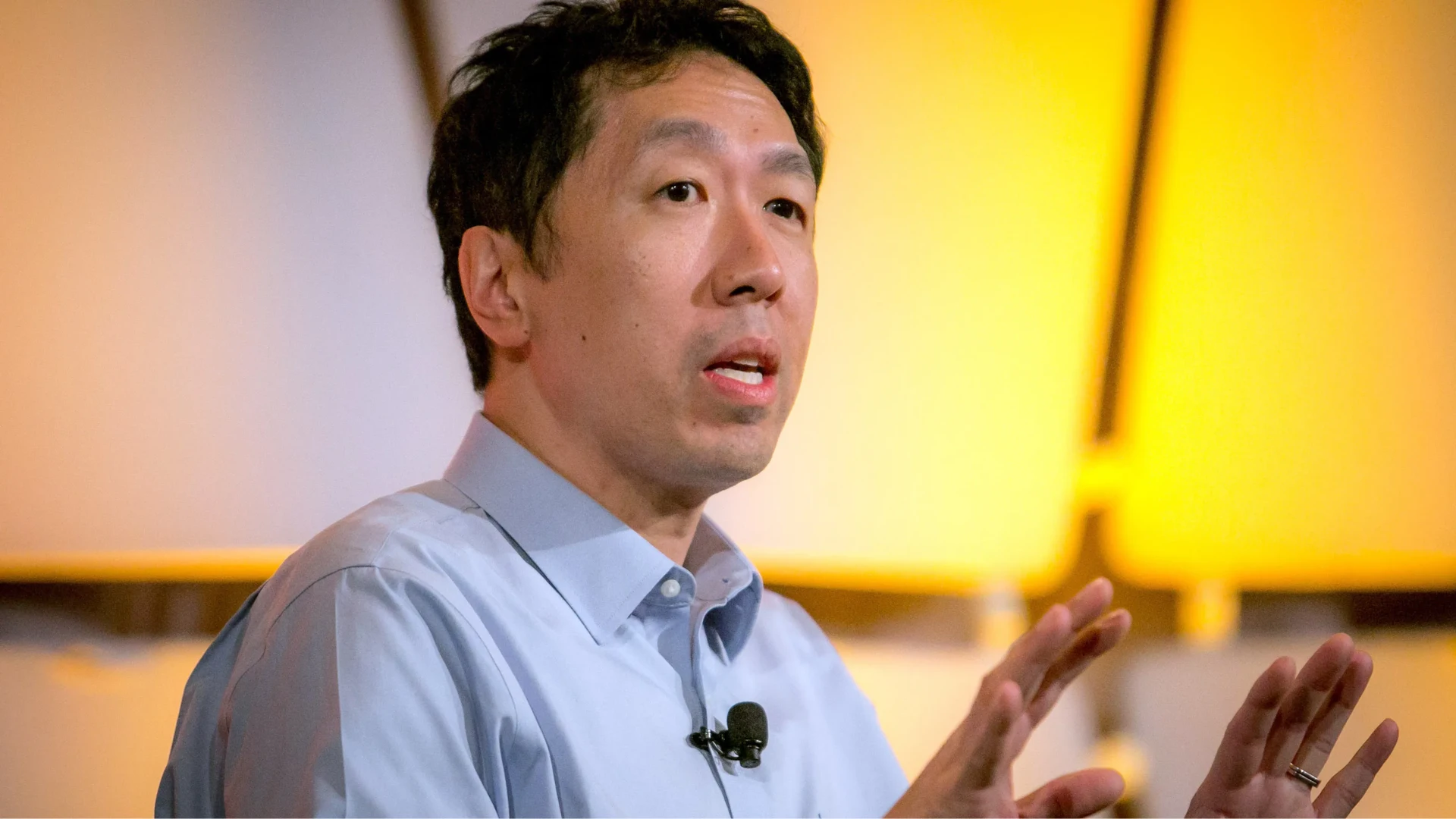
Platform: LinkedIn and Twitter/X
Andrew Ng is one of the most trusted names in AI education and machine learning adoption.
His posts help professionals understand how AI can be used in real companies, not just research labs.
He is especially useful for readers who want practical learning paths, online education resources, and clear explanations of how machine learning is changing jobs, products, and business workflows.
13. Gergely Orosz
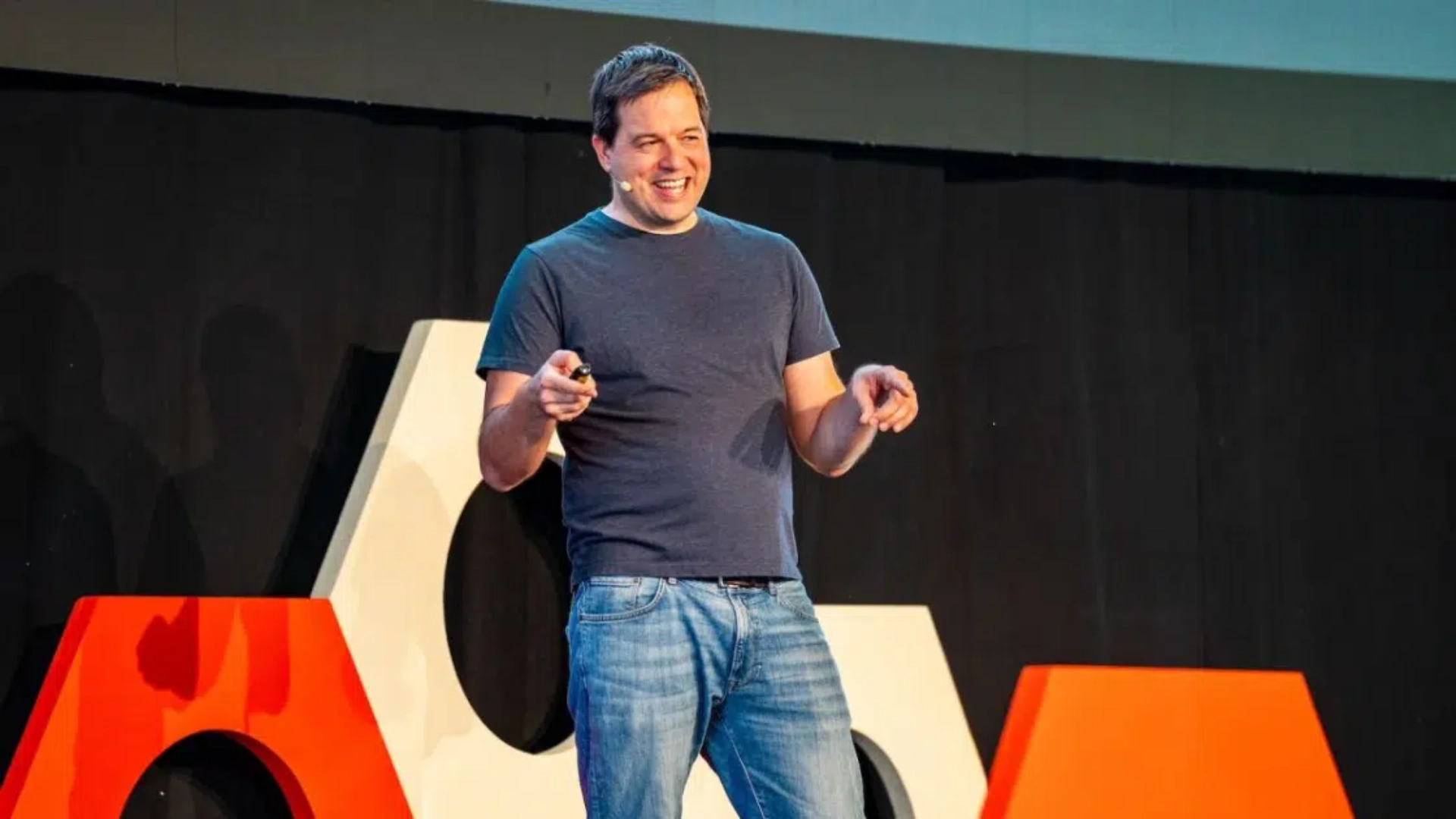
Platform: Twitter/X and Substack
Gergely Orosz is a key voice for software engineers, engineering managers, and people building tech careers.
His content covers developer culture, hiring trends, compensation, workplace changes, and what happens inside modern engineering teams.
He explains the people side of software development in a way that most technical writers do not. That makes his analysis useful even for non-engineers trying to understand how product teams make decisions.
14. Mark Lynd
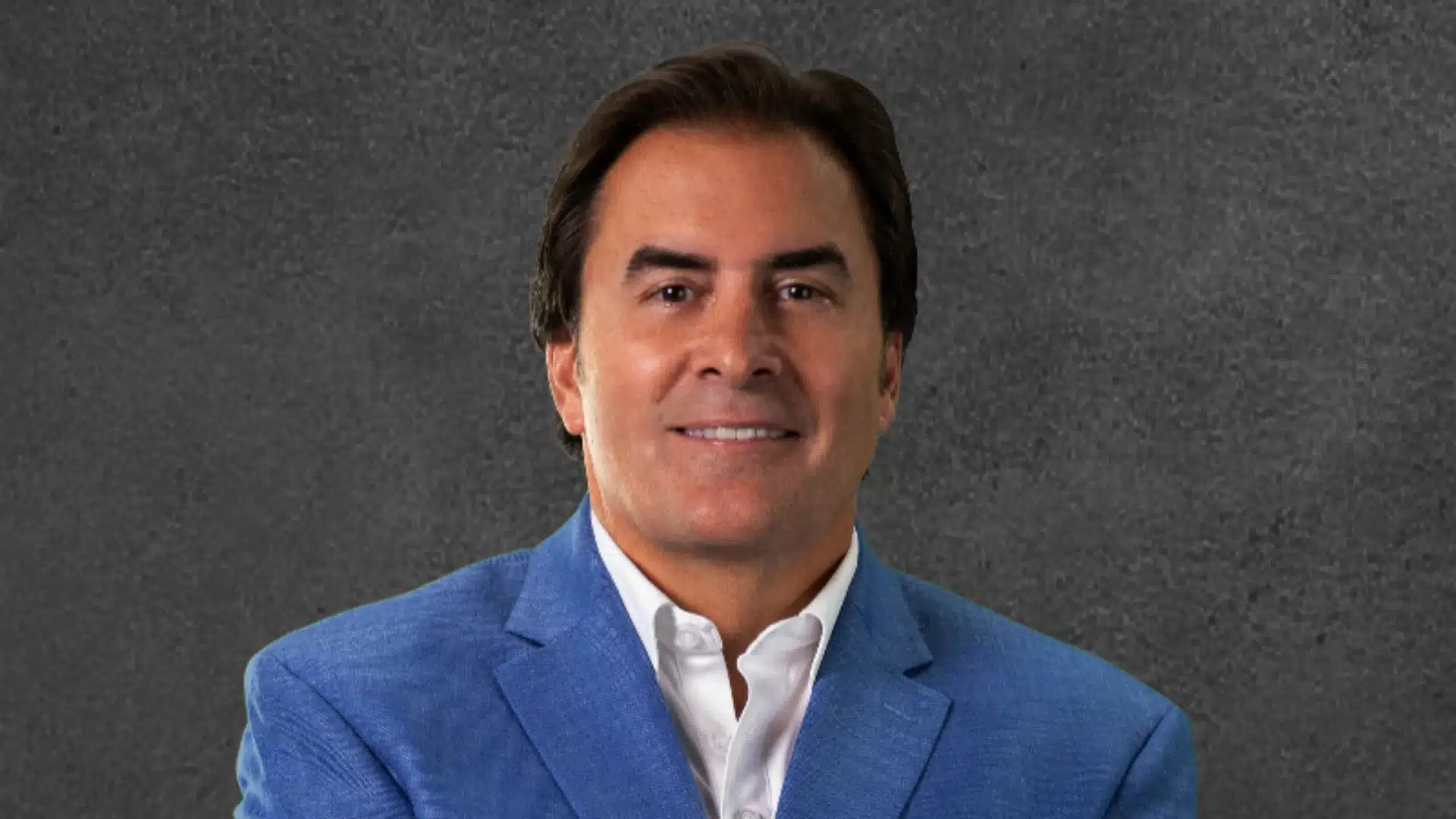
Platform: LinkedIn
Mark Lynd is known for content around cybersecurity strategy, AI risk, enterprise technology, and digital transformation.
His LinkedIn posts often speak to business leaders who need to understand security without getting buried in technical language.
For professionals working with data, platforms, events, or customer systems, his content is useful because it connects cybersecurity decisions with trust, operations, and business resilience.
Top Tech Influencers on TikTok and Instagram
Short-form video has changed how people discover technology. Many users now find their first product recommendation, phone trick, or gadget review through a quick TikTok or Instagram clip instead of a long YouTube video.
15. Frank McShan
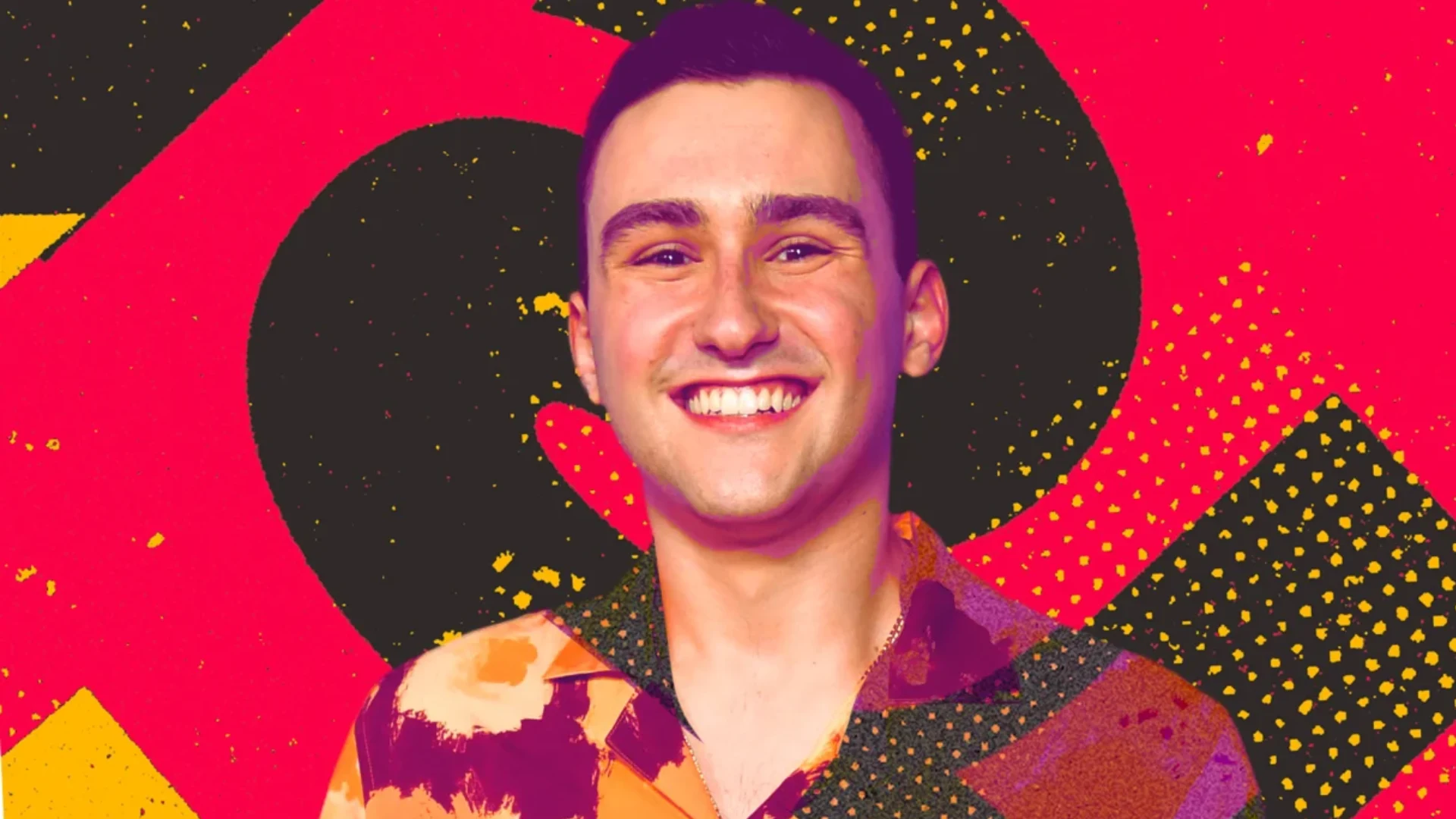
Followers: 83.1M on TikTok
Frank McShan is known for quick tech tips, iPhone tricks, gadget humor, and simple troubleshooting videos.
His content works because it gives viewers something useful in seconds without making technology feel complicated. His phone trick format has made him one of the most visible Gen Z tech creators.
If you want to understand how a younger audience discovers and evaluates technology, his content is a useful reference point beyond just following him for tips.
16. Carter Smith
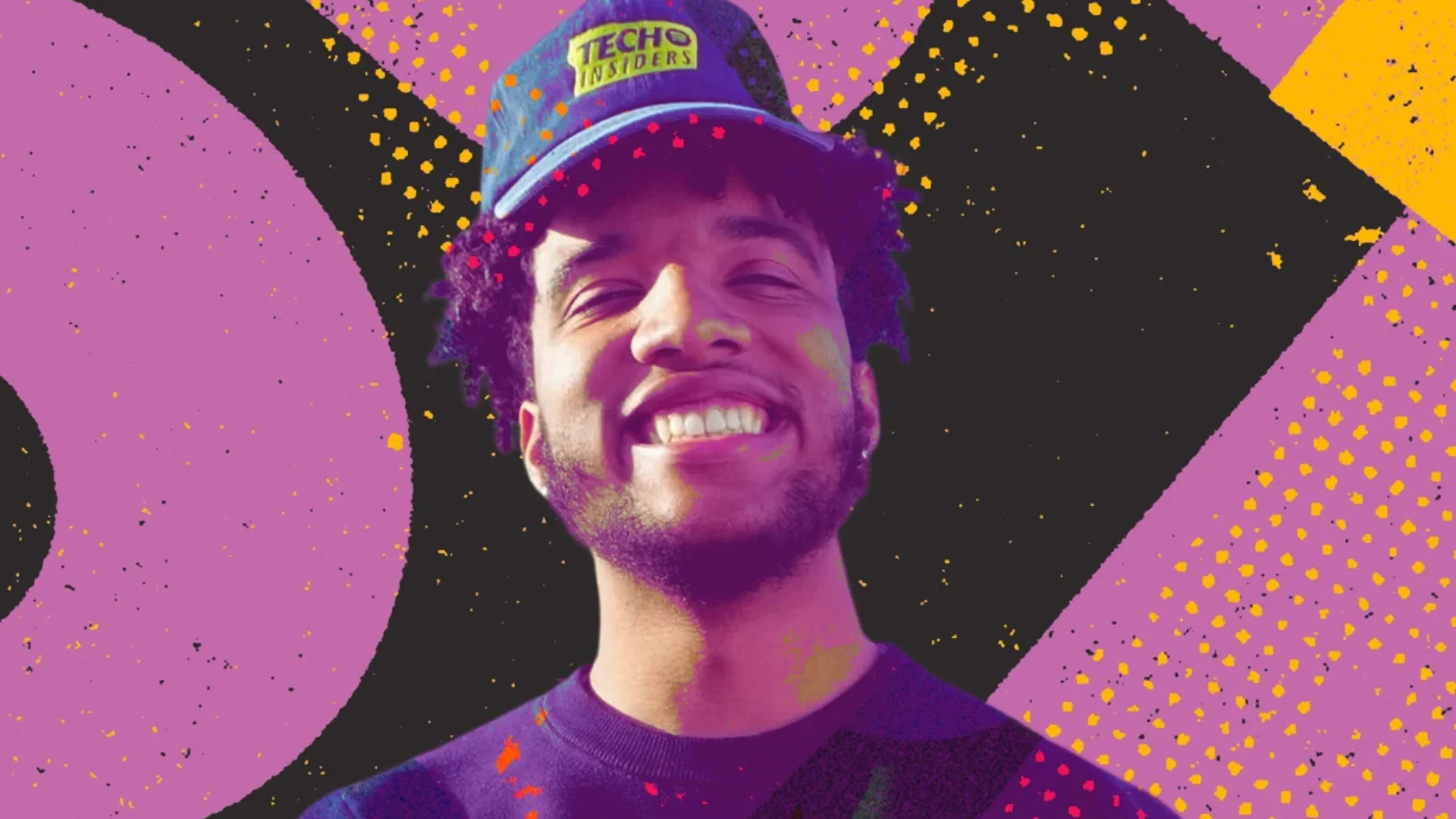
Followers: 34K Followers on TikTok
Carter Smith focuses on PC building, hardware reviews, and custom setup content for a younger TikTok audience.
His videos make component choices, gaming rigs, and computer upgrades feel less intimidating for beginners.
He is useful for viewers who want to understand parts, performance, and setup decisions without watching a long technical breakdown.
His style helps bring PC culture into short-form tech discovery.
17. Michael Fisher, MrMobile

Followers: 89.6K on TikTok and 143K on Instagram
Michael Fisher brings a mix of current smartphone analysis and tech nostalgia to short-form platforms.
His content often explains how devices have changed over time, which helps viewers understand today’s phones in a broader context.
He appeals to long-time tech fans and casual consumers who enjoy design history, mobile innovation, and practical device commentary. His style adds depth without feeling too heavy.
What to Look for When Choosing a Tech Influencer to Follow?
The best tech influencers are not always the biggest names. Choose creators based on how well their content fits your goals, platform habits, and decision-making needs.
- Platform fit: Choose YouTube for product walkthroughs, LinkedIn or Twitter/X for strategy, and TikTok or Instagram for quick trend discovery and visual ideas today online.
- Depth over reach: A niche cybersecurity creator with strong expertise can be more useful than a massive general creator covering every tech topic online today.
- Niche alignment: Follow voices in the exact area you care about, whether AI, software, gadgets, cybersecurity, event tech, or creator tools for work decisions daily.
- Posting consistency: Check recent activity before following. A creator with fresh posts is more useful than one whose best content is outdated or inactive now.
- Sponsored content ratio: Paid partnerships are normal, but trusted creators separate ads from honest opinions and keep their recommendations clear for professional readers and buyers.
How Tech Influencers Are Shaping the Future of Event Technology
Tech influencers often introduce new tools to the public before they become common in professional spaces.
When creators review facial recognition, AI assistants, wearable devices, smart badges, or contactless payment tools, they make those technologies feel familiar to everyday users.
That familiarity later affects what attendees expect from events.
A guest who uses face unlock daily may see the facial recognition check-in as normal. A professional who uses AI tools at work may expect faster registration, smarter event apps, and more personal attendee journeys.
For event planners, this makes tech influencers more than people to follow for product news. They act as early signals for what may become standard in event technology.
From RFID tracking and self-service kiosks to AI-based registration and smarter crowd insights, many event features start as broader consumer tech trends.
The tools already reshaping how events run are built on the same software stacks these influencers cover every week.
Understanding which tech voices are building audience awareness around those tools is part of staying ahead in event planning.
Conclusion
The right tech voices can make a crowded digital world feel easier to understand.
Top tech influencers are useful because they translate new products, trends, risks, and ideas into advice people can actually use.
Some help with buying decisions, while others explain AI, cybersecurity, startups, software work, or creator tools from a practical point of view.
For readers, the goal is not to follow every popular name. It is to choose voices that match real interests, work needs, and learning styles.
As technology keeps changing, trusted creators can help you stay informed without feeling overwhelmed.
Which tech influencer do you follow the most? Comment below.
Frequently Asked Questions
What is the Difference Between a Tech Influencer and a Tech Journalist?
A tech journalist reports through editorial standards and source checks, while a tech influencer shares independent opinions, personal expertise, product views, and audience-driven tech insights.
Are Micro Tech Influencers Worth Following Compared to Mega Creators?
Yes, micro tech influencers are often worth following because they offer niche expertise, stronger audience trust, and more practical advice than broad mega creators overall.
How Often Should I Update the Tech Influencers I Follow?
Reviewing your list every six to twelve months is a reasonable habit.
Tech moves fast, and creators whose focus has shifted, whose posting has slowed, or whose content has become primarily promotional deserve to be replaced with voices more relevant to your current questions.
Who are the Best Tech Influencers Specifically for AI coverage?
For AI coverage, Greg Brockman, Andrew Ng, Andrej Karpathy, and Kai-Fu Lee are among the most credible and current voices available to a general professional audience.
Each approaches AI from a different angle: product development, education, research accessibility, and global strategy, respectively.