There was a time when electric vehicles felt distant, expensive, or simply impractical for everyday life.
That perception is changing quickly, especially as Toyota steps deeper into the EV market with models designed for real families, daily commutes, and long drives alike.
Interest in electric Toyota SUVs has grown because drivers want something familiar, reliable, and easier to live with than many early EVs.
A Toyota electric SUV offers that balance of comfort, technology, and efficiency without feeling overwhelming for first-time buyers.
At the same time, the idea of owning a Toyota electric car no longer feels like a futuristic experiment.
From quiet cabin experiences to lower fuel costs and modern safety features, more drivers are starting to picture how an electric Toyota could fit naturally into their everyday routine.
Toyota’s Shift From Hybrids to Electric SUVs
Toyota built its reputation around hybrids for years while many competitors focused heavily on fully electric vehicles.
That approach worked well because models like the Prius and RAV4 Hybrid remained extremely popular with buyers looking for better fuel efficiency without charging concerns.
Still, Toyota started falling behind in the growing EV market.
The bZ4X, its first real BEV attempt, had short range, slow charging, and a recall. Buyers were not impressed. The 2026 lineup is a direct response to all of that.
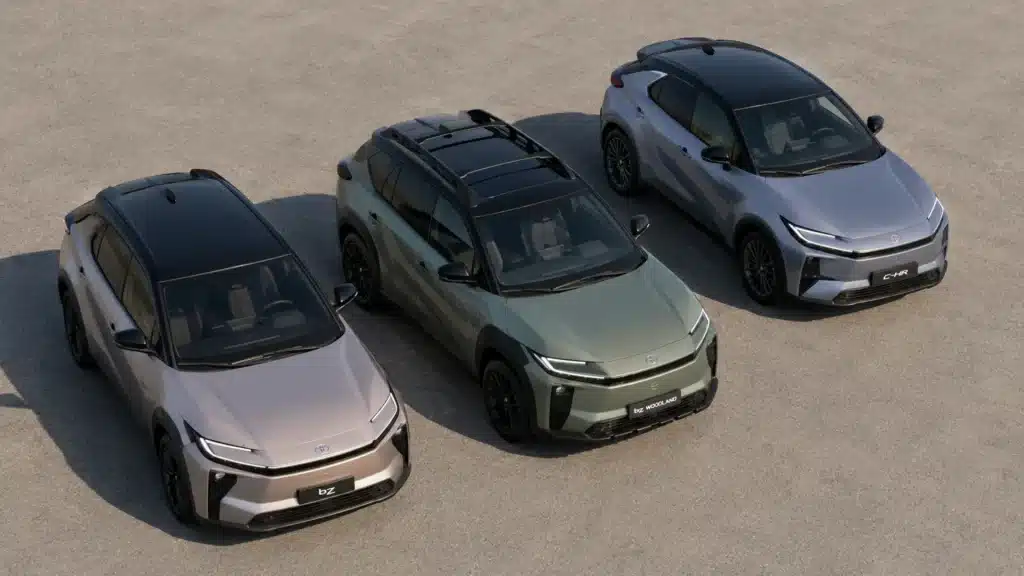
For the first time, Toyota has a group of electric Toyota SUVs worth taking seriously, with three distinct personalities to match different types of buyers.
Toyota has now shifted its strategy by improving battery technology, redesigning its EV platform, and expanding its lineup of electric Toyota SUVs.
The Latest Toyota Electric SUV Models
Toyota’s 2026 electric SUV lineup is built to cover different buyer needs without making EV ownership feel complicated.
Each model has a clear purpose, giving shoppers more flexibility when choosing their first or next electric Toyota.
1. Toyota bZ
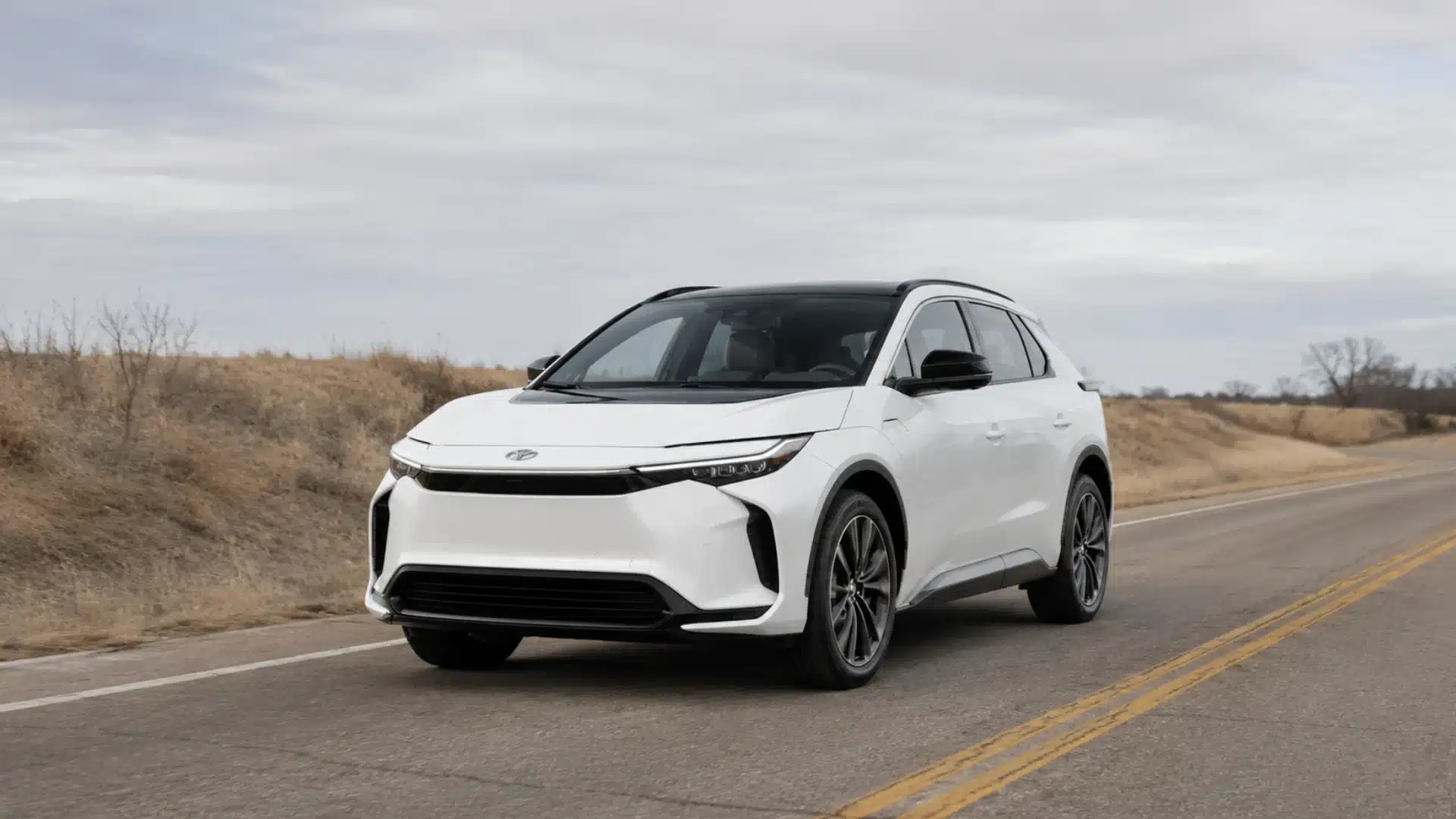
Price: $34,900
The 2026 Toyota bZ is a practical electric SUV for daily use. It suits families, commuters, and first-time EV buyers. It offers a good range, comfort, and modern tech without luxury pricing.
The bZ offers a spacious, modern cabin with soft-touch materials, available ambient lighting, and comfortable seating for five, ideal for groceries, strollers, or weekend luggage.
It is also the model I would point most people toward first. The range-to-price ratio is hard to argue with, and the interior feels more grown-up than the old bZ4X ever did.
What’s included on every trim:
- 14” Toyota Audio Multimedia touchscreen
- 7” driver display
- Toyota Safety Sense 3.0 (pre-collision warning, adaptive cruise, lane departure alert, auto high beams)
- NACS port for Tesla Supercharger access
| Trim | Drive | Battery | Range | Price |
|---|---|---|---|---|
| XLE | FWD | 57.7 kWh | 236 mi | $34,900 |
| XLE Plus | FWD | 74.7 kWh | 314 mi | $37,900 |
| XSE AWD | AWD | 74.7 kWh | 288 mi | ~$42,000 |
Best for: Families, long highway commuters, first-time EV buyers, and anyone who needs maximum range on a budget.
You can also explore affordable electric SUVs to see how the BZ compares with other budget-friendly BEVs on the Market.
2. Toyota bZ Woodland
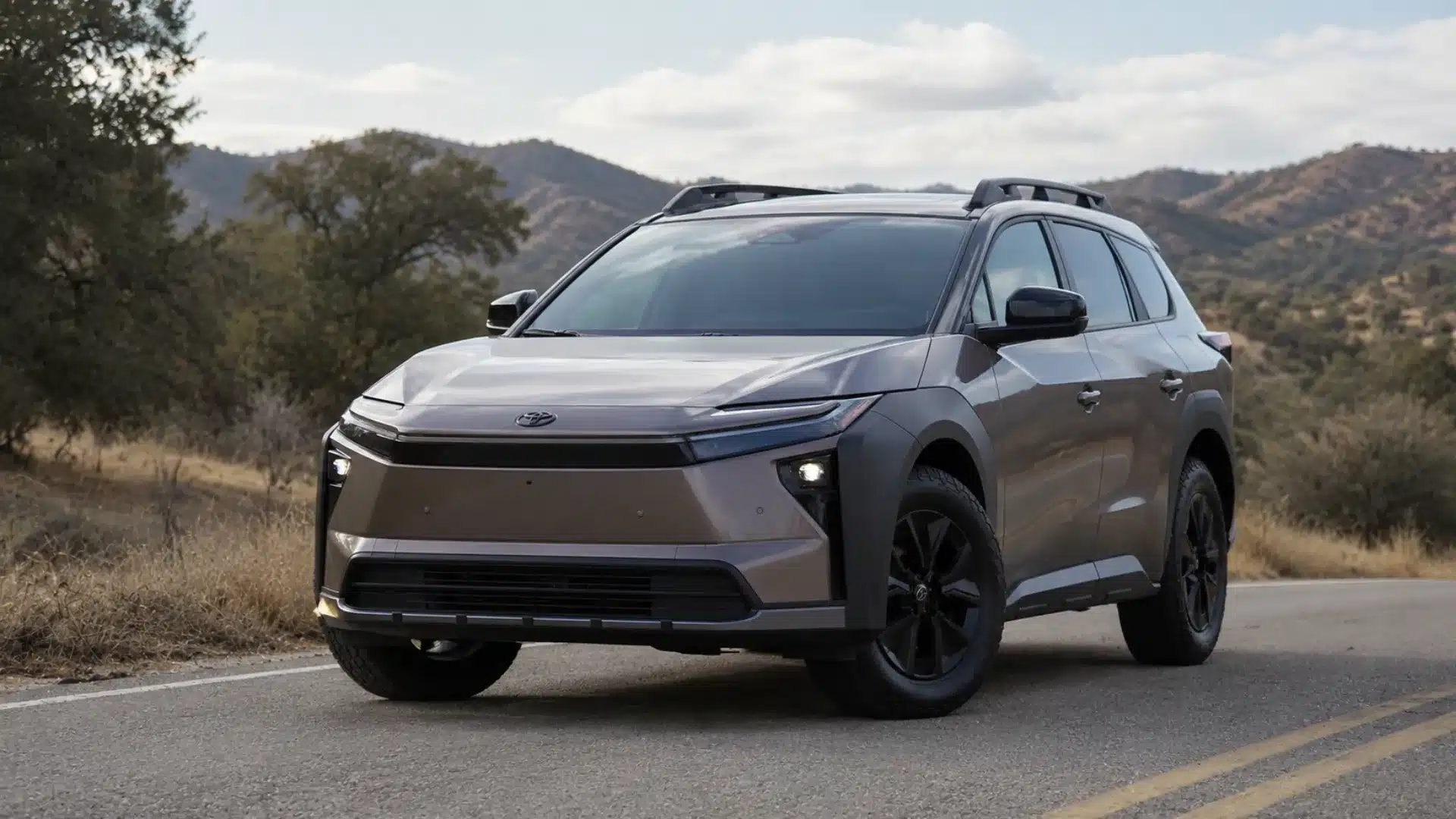
Price: Starting at $45,300
The 2026 Toyota bZ Woodland is built for drivers who want more outdoor utility from an EV.
The Woodland provides more room than the standard bZ, with 5 seats, but is big enough, which is perfect for campers and families.
It adds extra capability for rough weather, light trails, and weekend gear. It is better suited for active buyers than a city-only electric SUV.
Standout features:
- Toyota X-MODE
- 3,500-lb towing capacity
- 14-inch touchscreen
- Optional panoramic moonroof
- Toyota Safety Sense 3.0
Best for: Campers, road-trippers, light off-road drivers, and anyone who needs towing ability from an electric SUV.
Reviewing EV vs gas maintenance costs can also help you see the long-term savings picture compared to a similarly gas-powered SUV.
3. Toyota C-HR
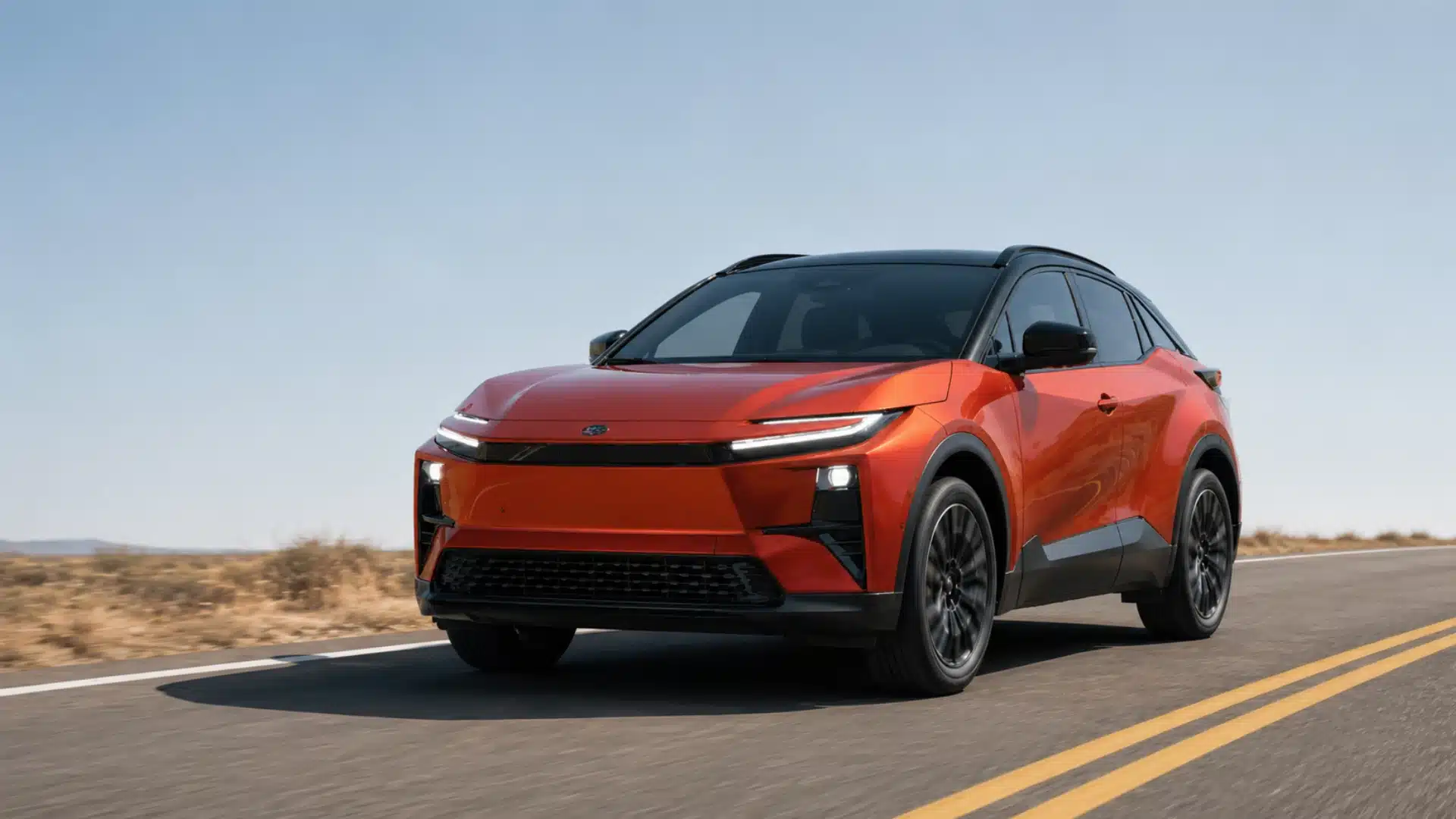
Price: Starting at $37,000
The 2026 Toyota C-HR is a compact EV made for city driving. It feels quick, easy to park, and more agile than larger Toyota EVs. It suits buyers who value performance over maximum cargo space.
The compact C-HR delivers a sporty yet practical interior with premium soft-touch materials, customizable ambient lighting, and a driver-focused cockpit.
It seats five with good front legroom and surprising rear space for its size, well-suited for city errands and daily commutes.
Why drivers choose it:
- Standard dual-motor AWD
- 338 horsepower
- NACS port for Tesla Supercharger access
- Cargo space: 25.4 cu ft
Best for: Solo commuters, city dwellers, drivers who prioritize handling and agility over cargo room.
Toyota Electric SUV vs Hybrid Toyota SUVs
Toyota’s electric SUVs now offer lower running costs, quieter driving, and better charging access, making them stronger choices for owners with home charging.
Here is how the two options compare on the factors buyers weigh most:
| Category | Toyota Electric SUVs | Toyota Hybrid SUVs |
|---|---|---|
| Emissions | Zero tailpipe emissions | Lower emissions than gas-only SUVs |
| Running cost | Lower cost per mile | Uses gasoline, so the cost depends on fuel prices |
| Charging or refueling | Tesla Supercharger access with NACS | Refuels in minutes |
| Convenience | Best with home charging | No home charger needed |
| Driving feel | Quieter drive with instant torque | Familiar gas-powered feel |
| Long trips | Works well with charging planning | Better for frequent 400+ mile drives |
| Ownership cost | Possible EV tax credits, less brake wear | Lower upfront cost |
| Reliability | Newer EV ownership experience | Proven hybrid reliability and service network |
The honest answer: if you have a garage or reliable home outlet, the 2026 Toyota EVs cover most driving scenarios more cheaply than a hybrid over time.
If you regularly drive 400+ miles between stops without nearby charging infrastructure, a hybrid still makes more practical sense today.
Key Features Buyers Look For in EV Toyota SUVs
Toyota’s 2026 EV lineup focuses on daily ownership needs, not just range and price. Buyers get easier charging, standard safety tech, modern cabin features, and stronger capability across the lineup.
- Charging and convenience: NACS port, Tesla Supercharger access, Plug and Charge, battery preconditioning, Level 2 home charging.
- Safety and driver assist: Toyota Safety Sense 3.0, pre-collision warning, pedestrian detection, adaptive cruise control, lane centering, automatic high beams, lane departure alert.
- Interior and technology: 14-inch touchscreen, wireless Apple CarPlay, wireless Android Auto, wireless phone charging, comfort-focused cabin features.
- Performance and capability: AWD availability, adjustable regenerative braking, up to 375 hp on bZ Woodland, Toyota X-MODE on Woodland.
- Comfort and practicality: Heated seating, spacious cabin layouts, easy-to-use controls, flexible cargo space.
- Efficiency and ownership: Lower fuel costs, fewer routine maintenance items, reduced brake wear through regenerative braking.
How to Charge a Toyota Electric SUV?
All three models use the NACS port, while Level 2 home charging remains the easiest setup for daily ownership.
| Charging Option | What it Uses | Best For |
|---|---|---|
| Level 1 charging | 120V home outlet | Emergency top-ups |
| Level 2 charging | 240V home or public charger | Overnight daily charging |
| DC fast charging | Public fast charger | Road trips and quick stops |
| Battery preconditioning | Battery heating or cooling | Faster charging in hot or cold weather |
| Plug and Charge | Automatic billing support | Easier public charging |
| Best daily setup | Level 2 home charger | Regular home charging |
Proper habits make a real difference, too, and learning how to maintain your EV battery can significantly extend its life over the years.
2027 Toyota Highlander EV: Coming Soon
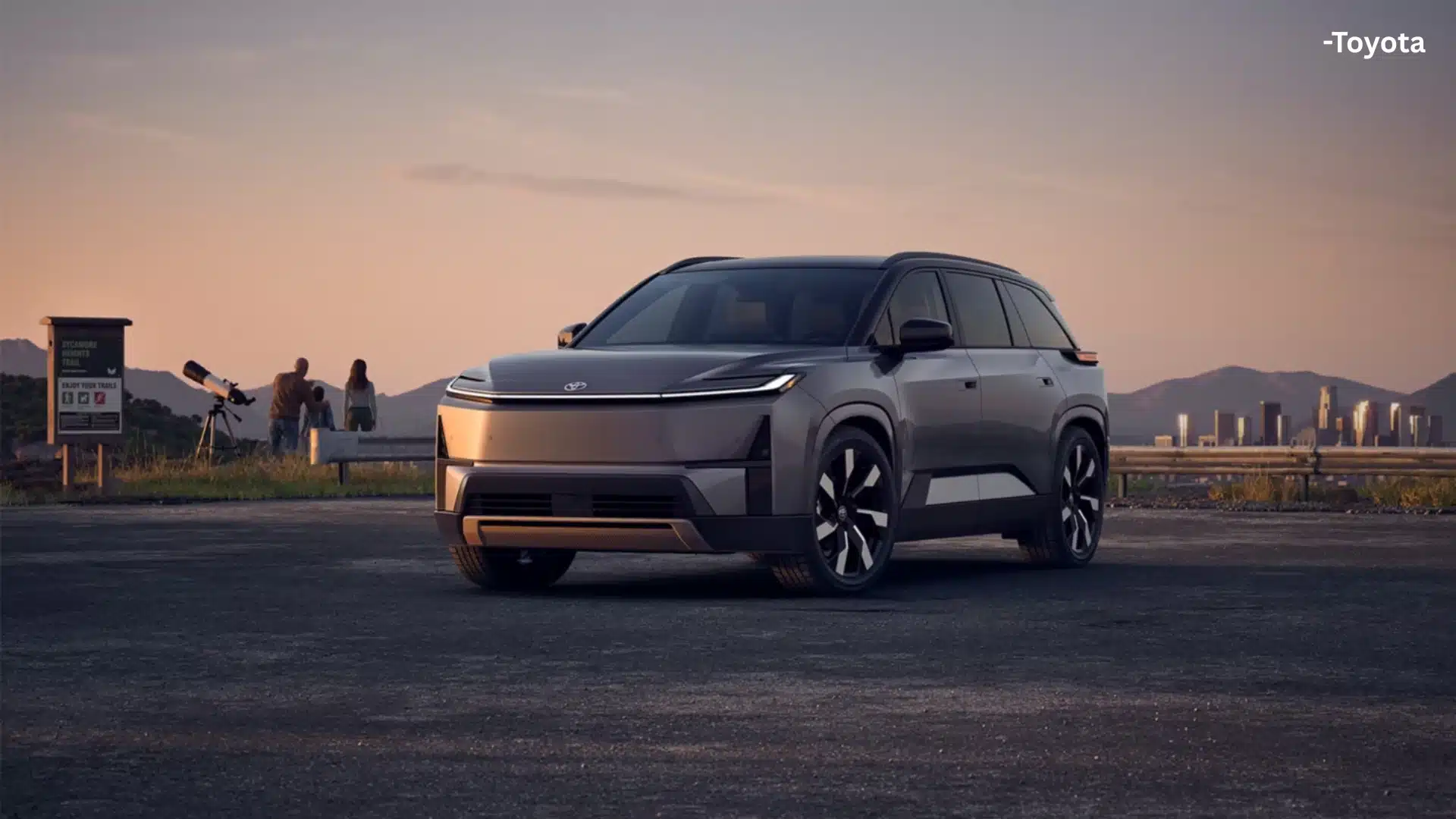
The 2027 Toyota Highlander EV is the brand’s first fully electric three-row SUV, and the first Toyota EV assembled in the United States at the Georgetown, Kentucky, plant, with batteries supplied from Toyota’s North Carolina facility.
It seats seven and competes directly against the Kia EV9 and Hyundai Ioniq 9.
Two battery options are confirmed: a 77 kWh standard pack and a larger 98.5 kWh unit, available only with AWD.
The bigger battery delivers up to 320 miles of estimated range, competitive at launch for a full-size three-row SUV. AWD dual-motor trims produce 338 hp; the FWD single-motor makes 221 hp.
Standard features include Toyota Safety Sense 4.0 with proactive driving assist, a 12.3″ driver display, 14″ central touchscreen, and V2L bi-directional charging on AWD trims.
Pricing is expected to be $55,000 to $65,000 based on comparable rivals. More details will be confirmed closer to the on-sale date.
Conclusion
Toyota’s move into the electric space is real, and the lineup is now broad enough to match most buyer types.
The decision comes down to what your actual driving looks like, not what sounds impressive on paper.
Long highway miles point to the bZ plus. Weekends on dirt roads point to the BZ woodland.
A city parking spot and a preference for quick acceleration point to the C-HR. Three kids and regular road trips point to the Highlander EV arriving later this year.
Which model fits your driving life? Drop a comment below and tell us which electric Toyota SUV you are leaning toward. We read every comment and reply.
Frequently Asked Questions
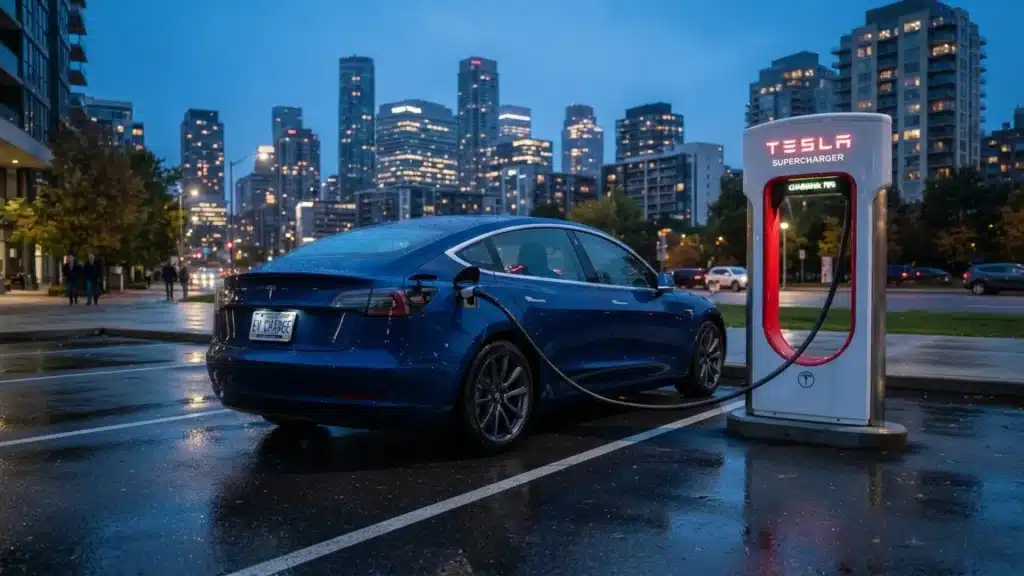
Can I Charge a Toyota EV in the Rain?
Yes. EV charging equipment is designed with safety protections, so charging in normal rain is generally safe when used properly.
Are Toyota Electric SUVs quiet inside?
Yes, Electric powertrains reduce engine noise, so the cabin usually feels calmer during city drives, school runs, and highway cruising.
Is Public Charging More Expensive than Home Charging?
Usually, yes. Home charging is often cheaper, whereas public fast charging is more expensive because it prioritizes speed and convenience.