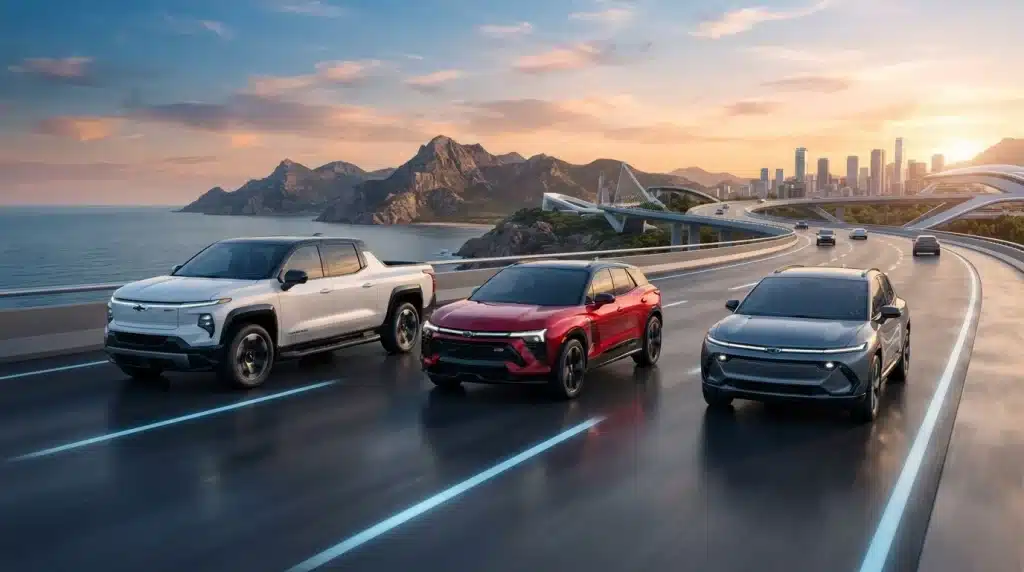
Electric trucks and family SUVs used to feel like two different worlds, and picking between them usually meant settling for a compromise. That’s shifted. A Chevrolet EV now sits in nearly every category drivers actually shop in, built around real routines instead of one ideal buyer.
I’ve watched friends spend weeks arguing over range numbers, only to discover the right fit depends more on how they actually drive than on any spec sheet.
Range estimates, charging habits, and monthly costs quietly shift the answer in ways that rarely show up in a quick scroll through listings.
Somewhere in that mix sits the model that matches your mileage, your budget, and your patience for public chargers, long before any paperwork gets involved.
Why Chevrolet’s Shift Toward Electric Vehicles?
Chevrolet is expanding beyond traditional gasoline vehicles by building a growing lineup of electric models designed for different driving needs.
As part of General Motors’ broader EV strategy, Chevrolet now offers options for daily commuters, families, truck buyers, and commercial users, aligning with the wider environmental gains of electrification across the auto industry.
The brand’s electric vehicles are built on GM’s Ultium battery platform, which supports improved range, performance, charging flexibility, and battery efficiency.
Chevrolet EVs focus on more than reducing tailpipe emissions by combining advanced technology, connected features, practical designs, and everyday usability. This approach allows drivers to choose an electric vehicle that matches their lifestyle while benefiting from modern EV capabilities.
Chevrolet EV Lineup: Available Models at a Glance
Chevrolet’s electric lineup focuses on popular vehicle categories where buyers already have strong demand. Each model offers a different balance of size, capability, comfort, and technology.
| Chevrolet EV Model | Vehicle Type | Key Highlights | Best For |
|---|---|---|---|
| Silverado EV | Electric Pickup Truck | Up to 492-mile range, strong towing, flexible cargo, power features | Truck owners and outdoor users |
| Equinox EV | Electric SUV | Up to 319-mile range, practical design, comfort, and technology | Families and daily commuters |
| Blazer EV | Midsize Electric SUV | Up to 334-mile range, sporty performance, premium features | Drivers seeking performance and style |
| Bolt EV | Compact Electric Car | Affordable, efficient, easy city driving | Budget buyers and urban commuters |
Conclusion Note: Chevrolet offers electric options across SUV and truck categories, helping buyers choose an EV based on space, driving needs, and lifestyle.
What EV Models Does Chevrolet Offer?
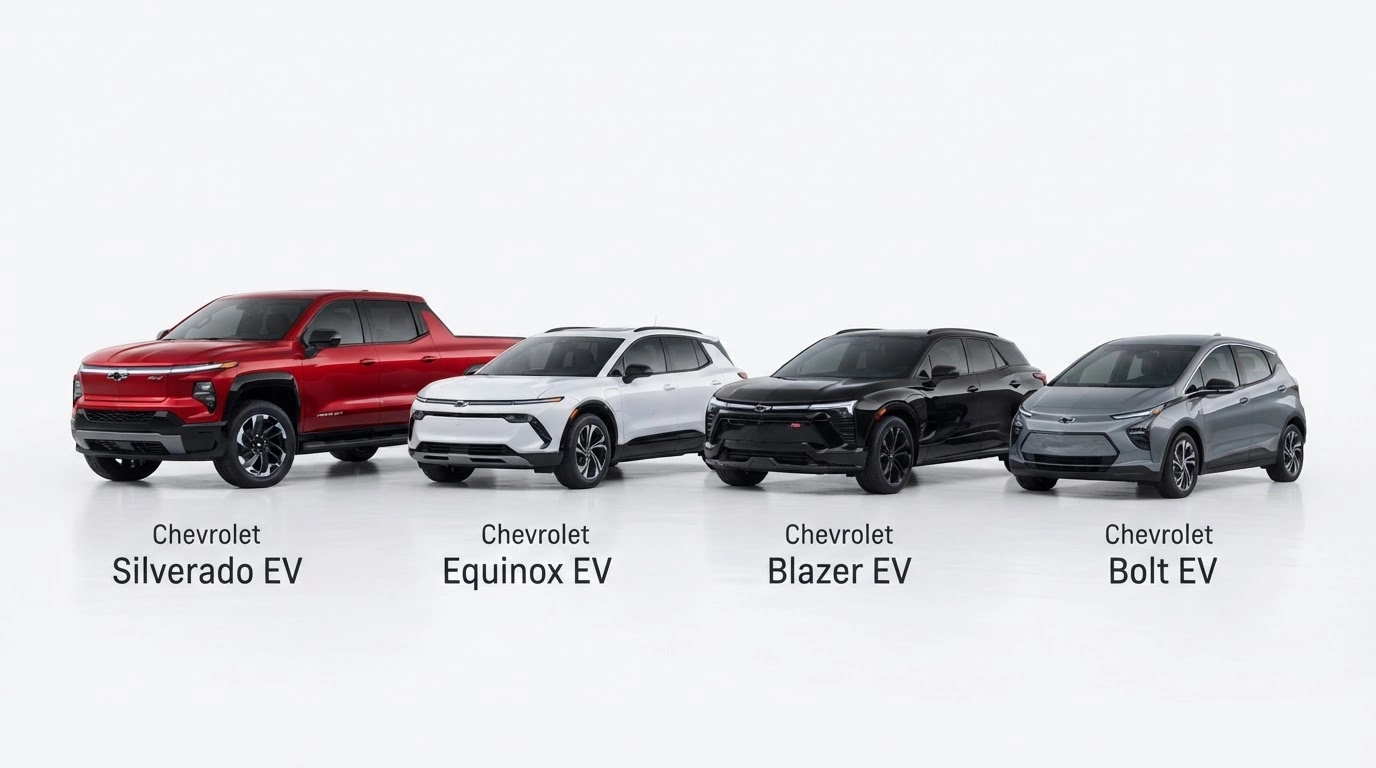
Chevrolet’s electric vehicle lineup includes options across multiple segments, from compact cars and family SUVs to powerful electric trucks. Each Chevrolet EV combines electric efficiency with modern technology, practical features, and flexible charging solutions.
1. Chevrolet Silverado EV: The Electric Truck Option
The Chevrolet Silverado EV is a purpose-built electric pickup truck designed for drivers who need capability without a gasoline engine, part of a broader shift toward electric trucks and SUVs taking shape across the industry.
It offers an estimated range of up to 492 miles, strong towing performance of up to 12,500 pounds, and features like the Multi-Flex midgate for flexible cargo space.
| Pros | Cons |
|---|---|
| Up to 492 miles of range and strong towing capability | Larger size may not suit every driver |
| Flexible cargo features with available Multi-Flex midgate | Higher price compared with smaller EV options |
| Useful for work, towing, and outdoor activities | Charging needs require planning for long trips |
2. Chevrolet Equinox EV: A Practical Electric SUV
The Chevrolet Equinox EV focuses on making electric driving accessible for everyday buyers, an appealing option for anyone weighing the switch to electric ownership. It combines SUV practicality with modern features, offering comfortable seating, useful technology, and efficient performance.
Its balanced design makes it suitable for drivers who need a reliable vehicle for commuting, family trips, and regular daily transportation.
| Pros | Cons |
|---|---|
| Practical SUV design with comfortable interior space | Less powerful than performance-focused EVs |
| Up to319 miles of range for daily driving needs | Not designed for heavy towing needs |
| Affordable entry point into electric SUV ownership | Charging availability may vary by location |
3. Chevrolet Blazer EV: A Performance-Focused EV
The Chevrolet Blazer EV is a midsize electric SUV that combines sporty performance with advanced technology. Available in multiple trims, including performance-oriented options
| Pros | Cons |
|---|---|
| Sporty styling with available performance-focused trims | Higher trims can significantly increase pricing |
| Up to 334 miles of range for flexible driving | Less focused on maximum cargo practicality |
| Advanced technology and premium interior features | Larger design may not fit every driving |
4. Chevrolet Bolt EV: The Affordable Compact EV
The Chevrolet Bolt EV focuses on efficiency, affordability, and easy city driving. As a compact electric vehicle, it is designed for drivers who want an accessible entry point into EV ownership.
Its smaller size makes it practical for urban environments, while its efficient battery system helps reduce charging frequency and running costs.
| Pros | Cons |
|---|---|
| Affordable choice for budget-conscious EV buyers | Smaller cabin and cargo capacity |
| Compact design makes city driving easier | Limited suitability for large families |
| Efficient operation helps reduce daily costs | Not intended for heavy-duty driving needs |
How Charging Works with Chevrolet Electric Vehicles
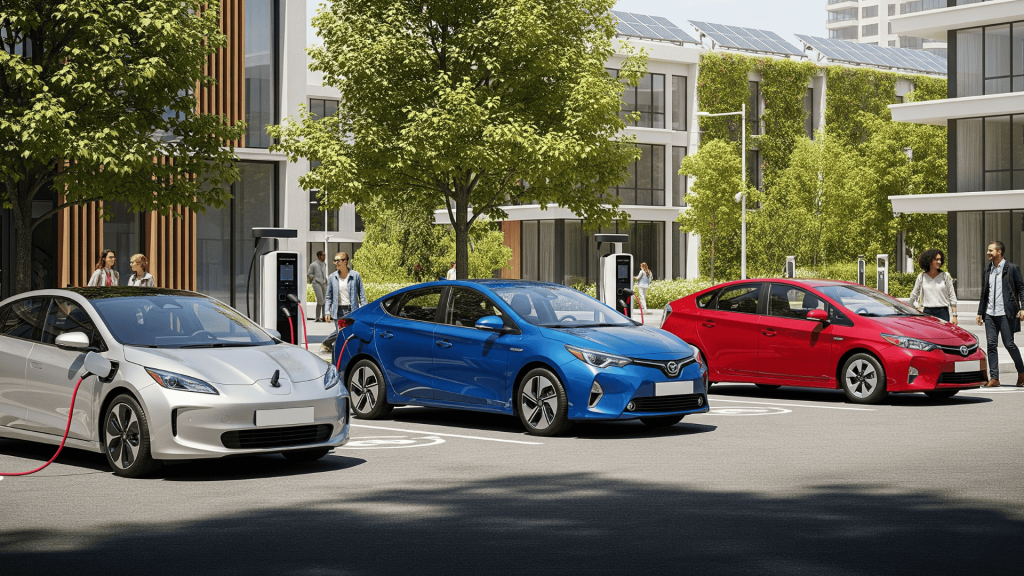
Charging a Chevrolet EV can be done at home or through public charging stations, giving owners flexibility based on their driving needs. The right charging option depends on daily mileage, available power, and travel plans.
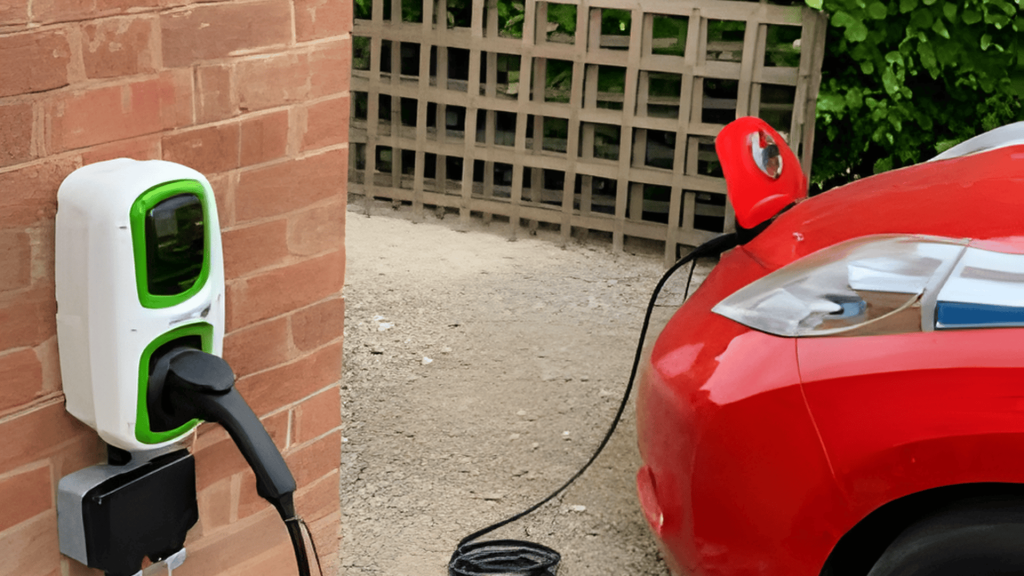
1. Home Charging: Level 1 charging uses a standard outlet and works for shorter daily trips but charges slowly. Level 2 charging offers faster charging and is commonly preferred for overnight use, especially once you’ve gone through installing a home charger.
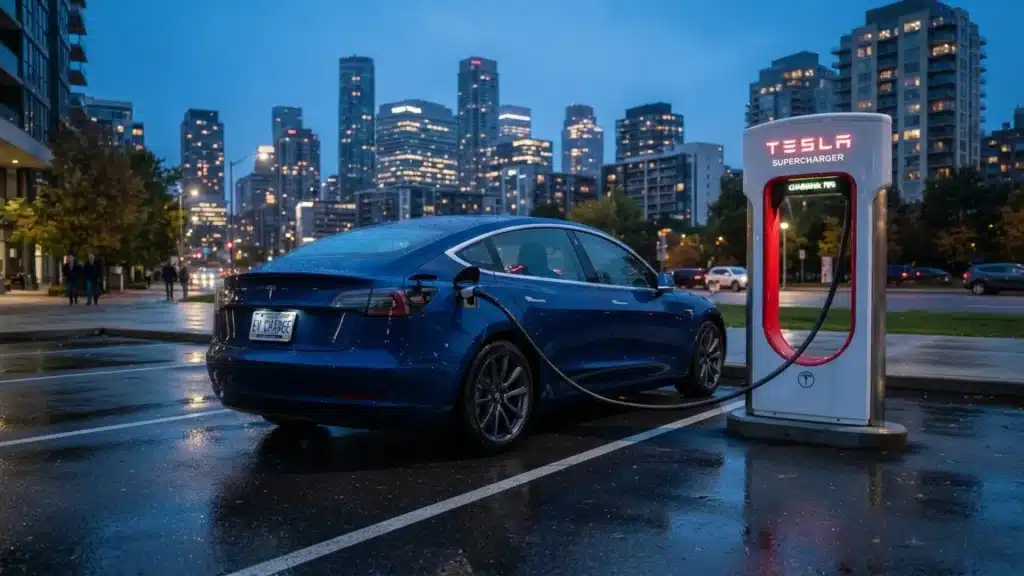
2. Public Charging: DC fast charging helps restore range quickly during longer trips. Chevrolet EVs can access available charging networks, with compatible models supporting Tesla Supercharger access through NACS.
3. Charging Time Factors: Charging speed depends on the EV model, battery size, charger type, temperature, and battery level. Home charging suits daily routines, while fast charging is useful for road trips.
Choosing the right charging method depends on daily driving distance, available charging access, and how often longer journeys are needed.
Chevrolet EV Technology and Smart Features
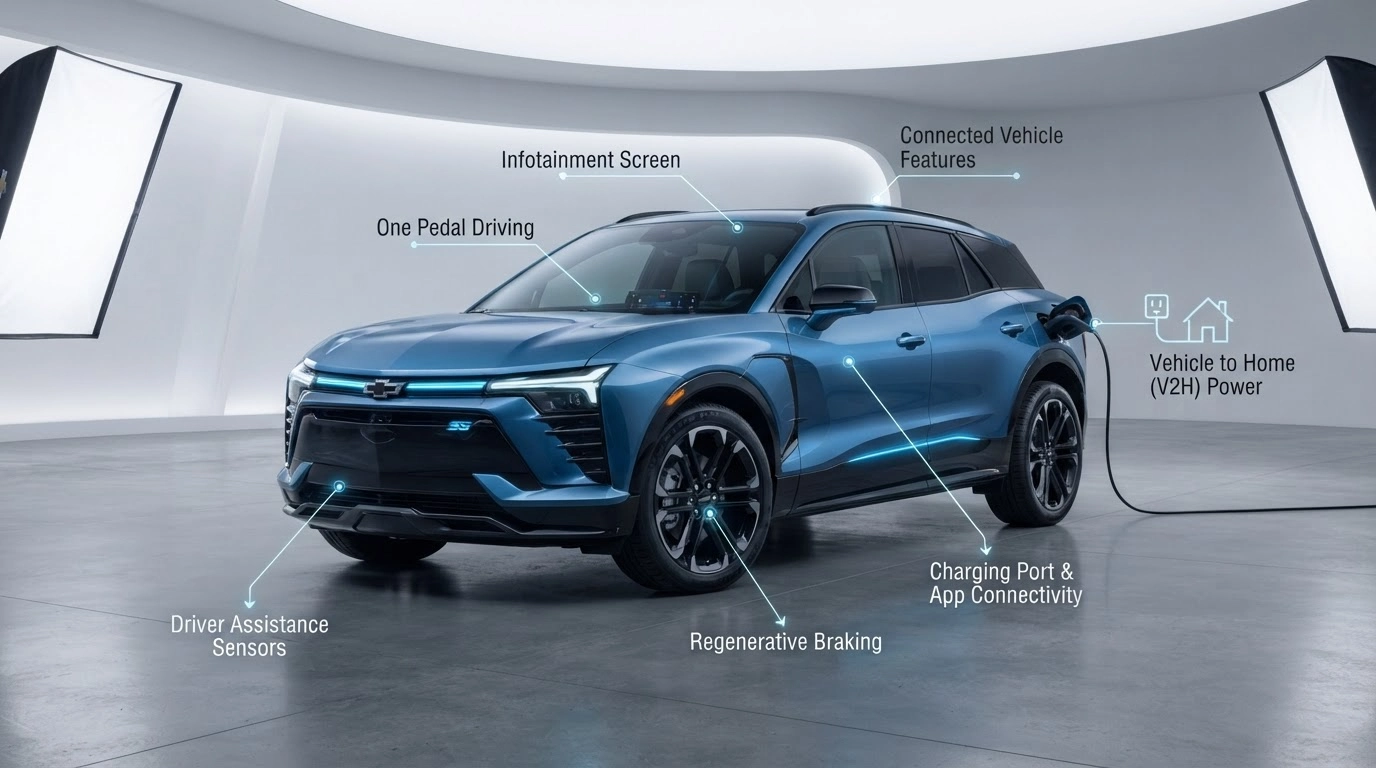
Chevrolet EVs combine electric performance with advanced technology to improve efficiency, connectivity, and everyday convenience. These features help drivers manage energy use, stay connected, and get more control from their electric vehicle.
- Energy efficiency features: Regenerative braking recovers energy during slowing, while one-pedal driving improves efficiency by using the accelerator pedal for acceleration and slowing.
- Connected vehicle technology: Chevrolet EV apps and connected services allow owners to check battery levels, manage charging, control settings remotely, track vehicle status, and access updates.
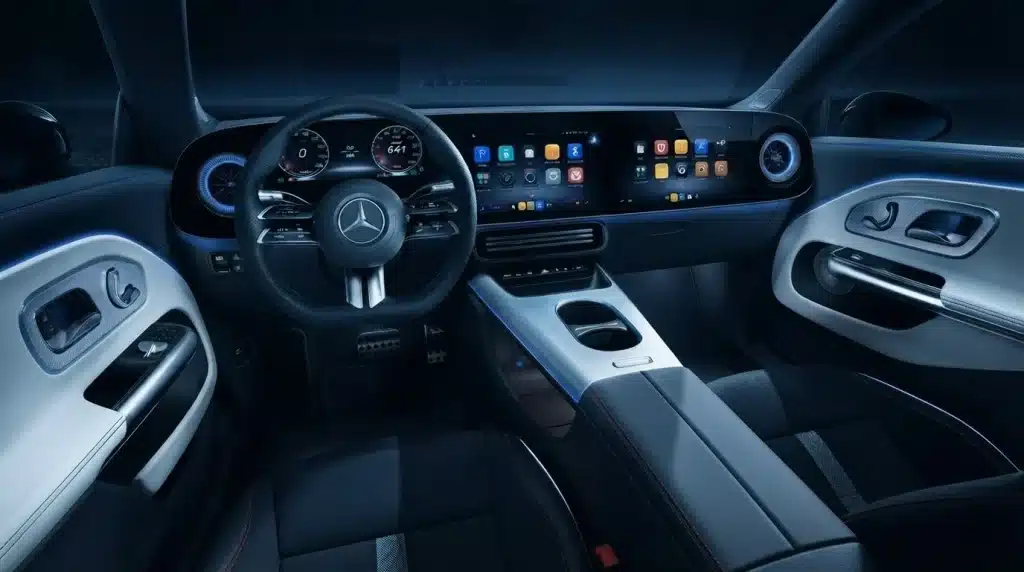
- Infotainment and safety features: Modern displays provide smartphone integration, navigation, entertainment, and vehicle information, while driver assistance technologies support safer driving.
- Vehicle-to-home power capability: Compatible Chevrolet EVs can provide backup home power through GM Energy systems and required equipment.
These smart features show how Chevrolet EVs combine electric power with practical technology. From improving efficiency to adding convenience, these systems help make daily EV ownership easier and more connected.
Best Chevy EV for Different Buyers
Choosing the right electric vehicle becomes easier when the model matches the way it will be used. Chevrolet offers options for different driving priorities.
| Buyer Type | Recommended Model | Why It Fits |
| Families | Equinox EV | Practical SUV space and daily comfort |
| Truck owners | Silverado EV | Utility, towing, and capability |
| Performance-focused drivers | Blazer EV | Sporty design and stronger driving experience |
| City commuters | Bolt EV | Compact size and efficiency |
Families may prefer the Equinox EV for its balance of comfort and practicality. Truck users may find the Silverado EV better suited for work and outdoor activities.
Drivers looking for more style and performance may lean toward the Blazer EV, while budget-focused buyers may appreciate the Bolt EV’s simplicity.
Chevrolet EV Ownership: Costs, Maintenance & Support
Owning a Chevrolet EV comes with different cost and maintenance needs compared with gas vehicles. Since electric motors have fewer moving parts, owners can save on routine services like oil changes and engine-related repairs.
However, regular care such as tire rotations, brake inspections, battery checks, software updates, and vehicle inspections is still important.
Charging costs depend on electricity rates, driving distance, and charging habits. Home charging is usually the most affordable option, while public chargers offer convenience for longer trips.
Chevrolet supports EV owners with service resources, connected vehicle tools, and an 8-year or 100,000-mile battery warranty.
With lower maintenance needs, flexible charging options, and dedicated support, Chevrolet EV ownership can be a practical choice for drivers moving toward electric transportation.
Chevrolet EVs vs Other Electric Vehicles
Comparing Chevrolet EVs with competitors helps buyers understand differences in range, capability, features, and everyday practicality. Each model competes in a different category, offering unique strengths based on driving needs.
| Comparison | Chevrolet EV Strengths | Competitor Strengths | Competitor Strengths |
|---|---|---|---|
| Silverado EV vs Ford F-150 Lightning | Strong range, towing capability, four-wheel steering, and power features | Familiar truck design and Pro Power Onboard system | Familiar truck design, Pro Power Onboard system, strong work-focused features |
| Equinox EV vs Tesla Model Y | Affordable pricing, practical design, and family-friendly comfort | Advanced software, charging network, and performance options | Advanced software features, strong charging network, performance options |
| Blazer EV vs Hyundai Ioniq 5 | Sporty design, powerful trims, and connected features | Faster charging and efficient EV platform | Faster charging capability, unique interior layout, efficient EV platform |
Choosing between these electric vehicles depends on priorities. Buyers who need truck capability may prefer the Silverado EV, families may find the Equinox EV practical, and performance-focused drivers can compare the Blazer EV with other sporty electric SUVs.
Tips for Choosing the Right Chevy EV
Selecting an electric vehicle becomes easier when the decision is based on actual driving needs rather than only specifications.
- Understand daily mileage: Choose a model that comfortably covers regular trips.
- Check charging access: Consider home charging availability and nearby public stations.
- Compare vehicle sizes: Select based on passenger, cargo, and lifestyle requirements.
- Review total costs: Include purchase price, charging expenses, maintenance, and incentives.
- Take a test drive: Experience comfort, handling, and technology before deciding.
A careful evaluation of driving habits and ownership expectations can help you choose a Chevy EV that fits naturally into your routine.
Final Thoughts
Chevrolet’s electric lineup gives buyers more flexibility than ever, with options ranging from compact city-friendly vehicles to capable electric trucks. Each model serves a different purpose, making it easier to match an EV with personal driving needs.
I believe the most important factors are not just range numbers but how well the vehicle fits your routine, charging situation, and budget.
A Chevy EV can be a smart choice when you select the model that matches your everyday requirements.
You should compare available options, consider ownership costs, and think about your long-term driving habits before making a decision. Share your thoughts about Chevrolet’s EV lineup and check related EV topics for more helpful comparisons.
Frequently Asked Questions
Which Chevrolet EV is Best for Long-Distance Driving?
The Chevrolet Silverado EV offers the highest available range among Chevy EV models. However, the best choice depends on vehicle size, driving needs, and charging access.
Do Chevrolet EVs Work with Tesla Superchargers?
Compatible Chevrolet EV models can access Tesla Superchargers through NACS support. Availability depends on vehicle compatibility and requires charging equipment.
Are Chevrolet EVs More Affordable to Maintain Than Gas Vehicles?
Chevrolet EVs often require less routine maintenance because they have fewer moving parts. Owners can save on services like oil changes and certain engine-related repairs.
What is the Charging Time for a Chevrolet EV?
Charging time depends on the Chevrolet EV model, battery size, charger type, and current battery level. Level 2 home charging is suitable for regular use, while DC fast charging provides quicker range recovery.