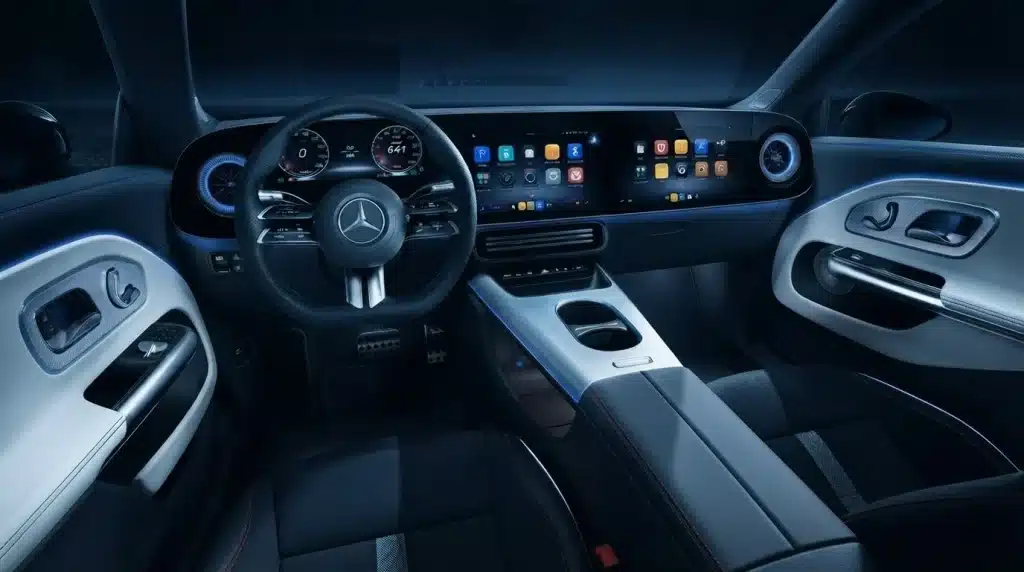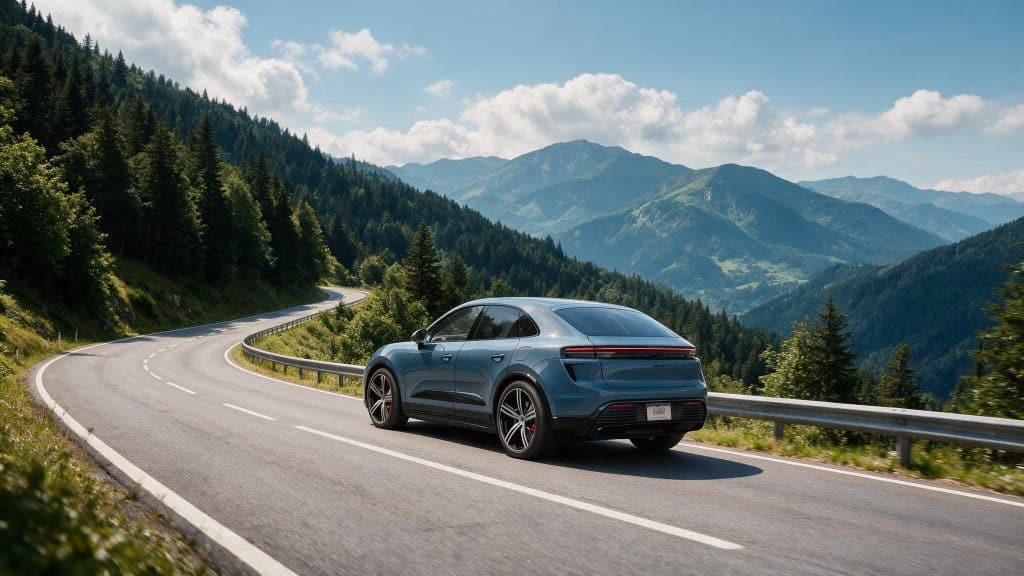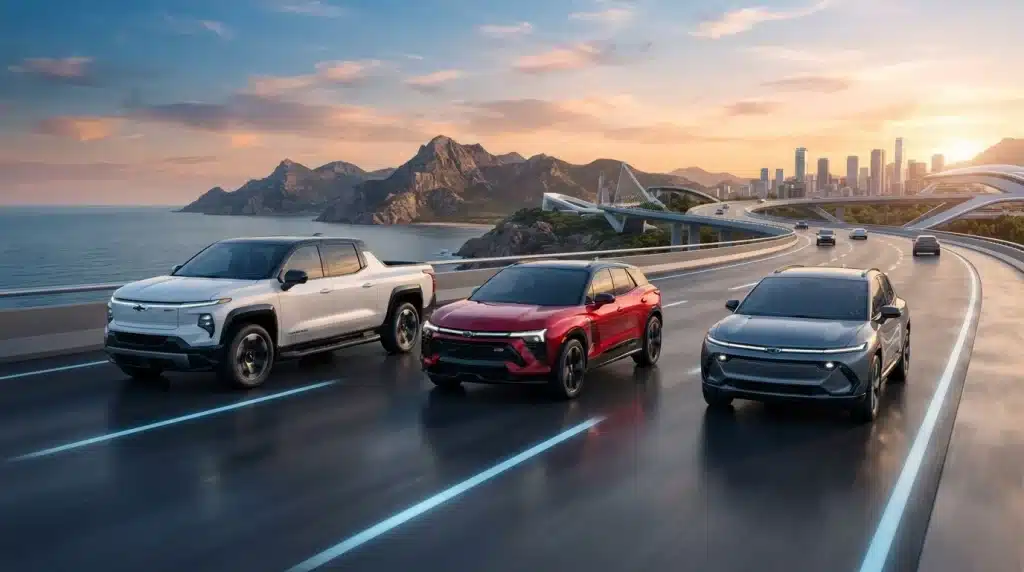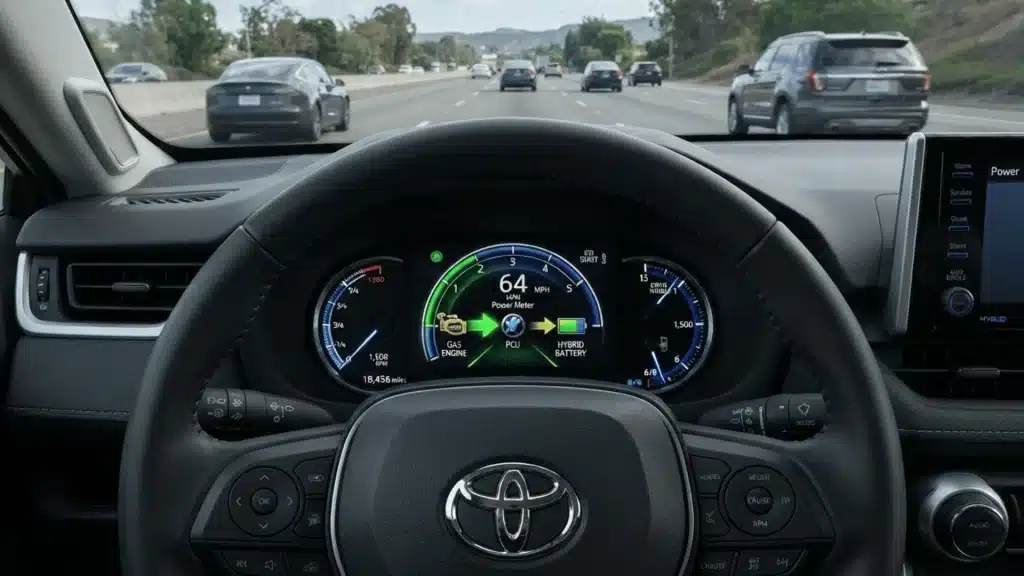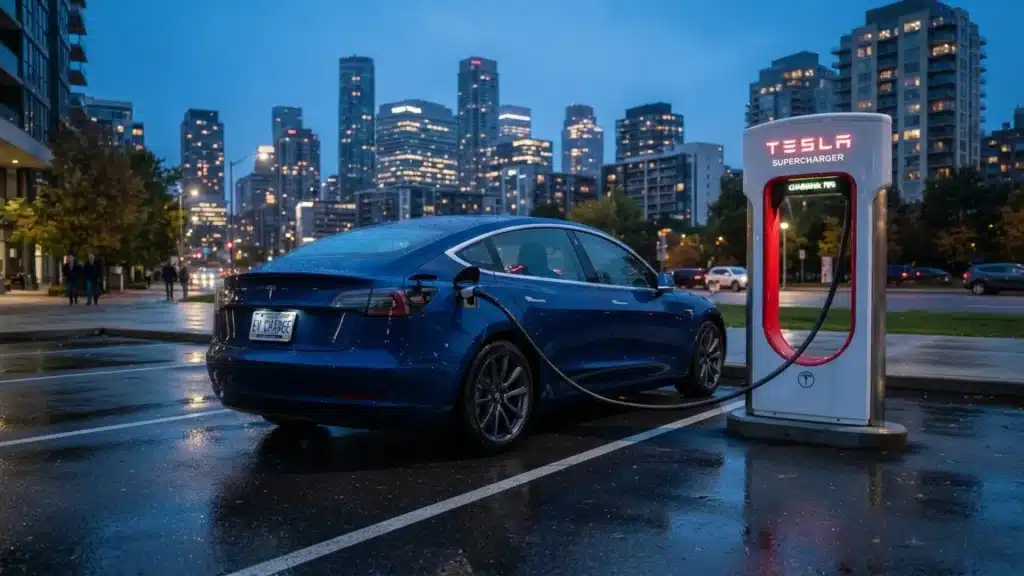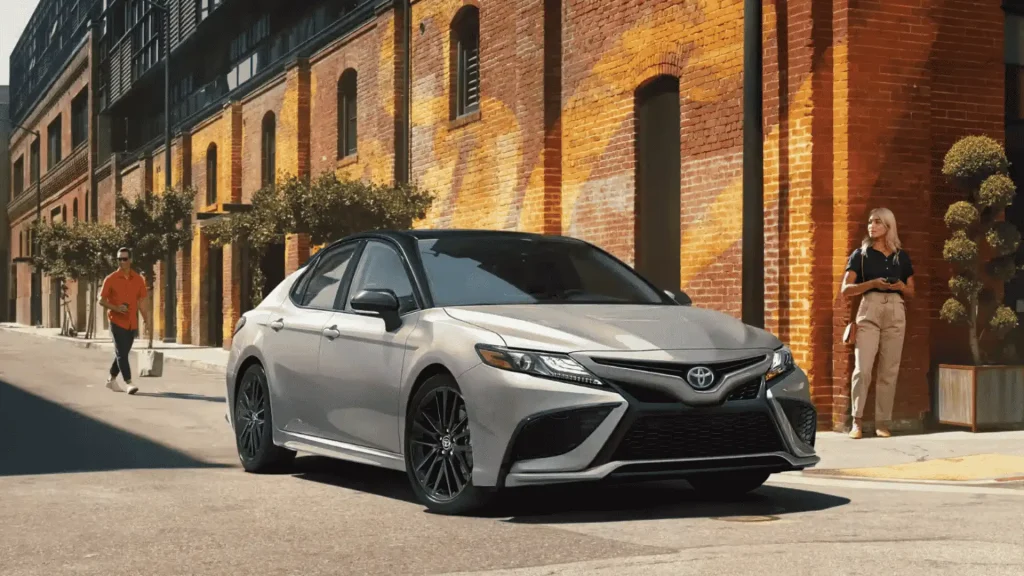
Self-charging hybrids are built for drivers who want better mileage without changing how they refuel.
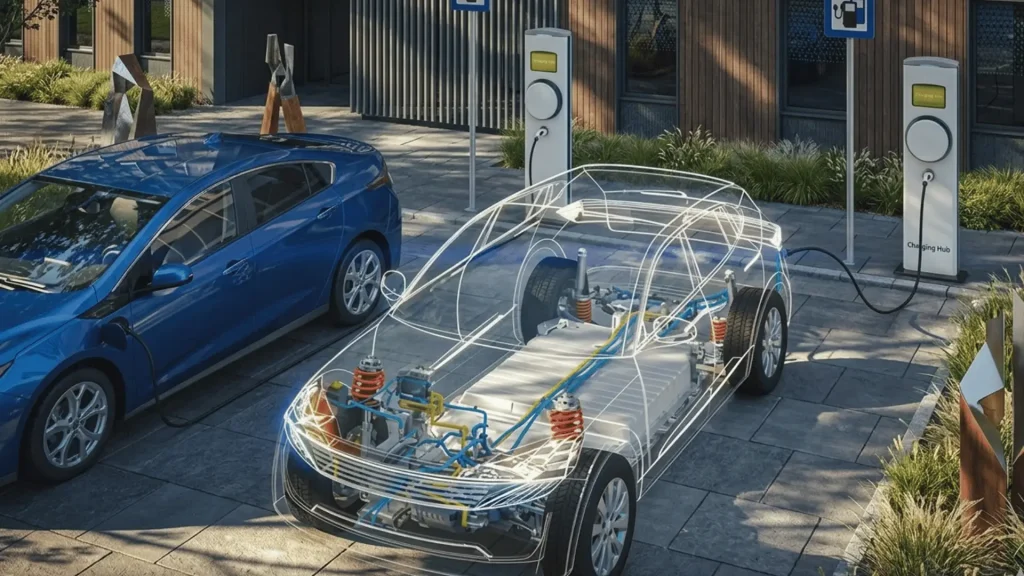
A self-charging electric car uses a gas engine, an electric motor, and a small battery to make everyday driving more efficient. You do not plug it in, wait at a charger, or plan your route around charging stops.
Instead, the car recovers energy while braking, coasting, or slowing down, then stores that power for short bursts of electric support.
That stored energy helps the engine in traffic, at low speeds, and during light acceleration, where hybrids tend to feel most useful.
It will not drive like a fully electric car, but it can reduce fuel use in normal daily driving.
That makes it a practical choice for commuters, city drivers, and anyone who wants hybrid efficiency without adding charging to their routine.
What is a Self-Charging Hybrid Car?
A self-charging electric car is usually a full hybrid that uses a gas engine, an electric motor, and a small battery to improve fuel economy.
It captures energy when you brake or slow down and sends it back to the battery. The electric motor helps the gas engine during takeoff, city driving, and low-speed movement.
Some models can drive briefly on electric power, but they are not built for long electric-only trips. That is the key difference between a self-charging hybrid and a plug-in hybrid.
If you are unsure whether hybrids need charging, the answer depends entirely on which type you are buying.
You do not need a charger, but you also do not get a long EV range. For many drivers, that trade-off works well. You still use gas, but you usually get better fuel economy and smoother driving than in a regular gas-only car.
For drivers who cannot charge at home, renters, apartment dwellers, and people without a garage, the self-charging hybrid often makes more financial sense than a PHEV.
Who Should Buy a Hybrid?
A hybrid is a good choice if you want to save on fuel without changing your driving habits. It suits drivers who want better mileage than a regular gas car but do not want to depend on home charging or public charging stations. It works best for:
- Drivers who often sit in traffic: Hybrid cars are useful in stop-and-go traffic because they can use electric power at lower speeds. This helps reduce fuel use during daily commutes, school runs, and busy city driving.
- People who take short city trips: A hybrid can be practical for short trips around town, such as grocery runs, office travel, and weekend errands. City driving often gives the hybrid system more chances to work efficiently.
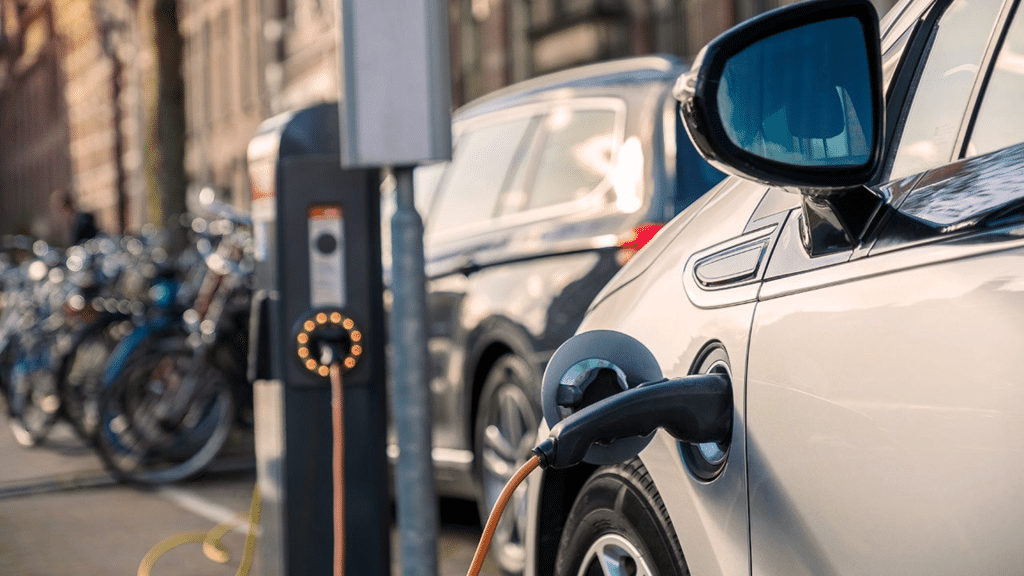
- Anyone who wants better fuel economy without charging at home: A self-charging hybrid does not need to be plugged in. The battery charges while driving, which makes it easier for people who live in apartments or do not have a home charger.
- Drivers who want lower fuel use than a regular gas car: Hybrids usually offer better MPG than many traditional gas vehicles. This can help lower fuel costs over time, especially for people who drive every day.
- People who are not ready for a plug-in hybrid or fully electric car: A hybrid gives a practical middle ground. You still refuel at a gas station, but you also get some electric assistance for better efficiency and smoother driving.
Self-Charging Hybrid Vs Plug-in Hybrid
A self-charging hybrid and a plug-in hybrid both improve fuel economy, but they work differently. The main difference comes down to charging, battery size, and how much electric driving you want.
| Self-charging hybrid | Plug-in hybrid |
|---|---|
| Does not need to be plugged in | Charges at home or at a charging station |
| Uses a small battery | Uses a larger battery |
| Charges through braking, coasting, and help from the gas engine | Charges from an external power source |
| Uses electric support at low speeds or during light acceleration | Can usually drive farther on electric power |
| Best for drivers who do not want to charge or think about battery range | Best for drivers with home charging and short daily trips |
Top Self-Charging Hybrid Cars to Purchase Now
Before choosing a self-charging hybrid, it helps to think about how the car will fit into your normal day. The best one is not always the model with the biggest number on paper.
It is the one that feels easy in traffic, comfortable on longer routes, practical for your routine, and sensible to own over time.
If you are shopping for a self-charging electric car, focus on real-world usability, not just the biggest MPG number.
1. Toyota Corolla
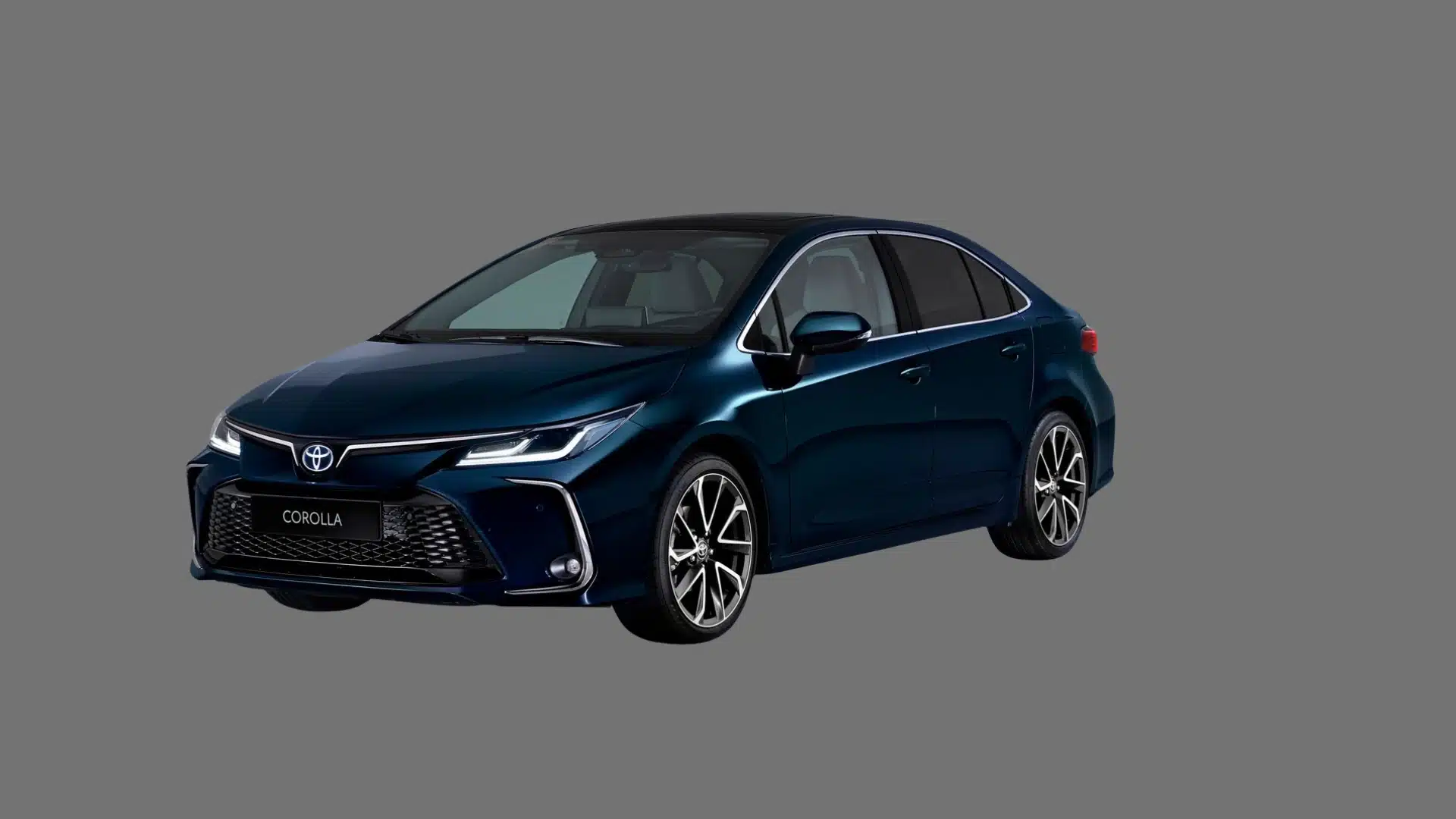
Price:- $23,125
The Toyota Corolla is the kind of car that makes hybrid driving feel simple. Nothing about it feels confusing or overdone. You get in, drive normally, and let the system do its job in the background.
That makes it a good fit for drivers who want better fuel economy without changing their habits.
In everyday use, the Corolla feels light, calm, and easy to manage.
It works well for commuting, errands, school runs, and city driving. The Corolla keeps things practical and dependable, while many new cars feel bigger, pricier, and more complicated than needed.
2. Toyota Corolla Cross
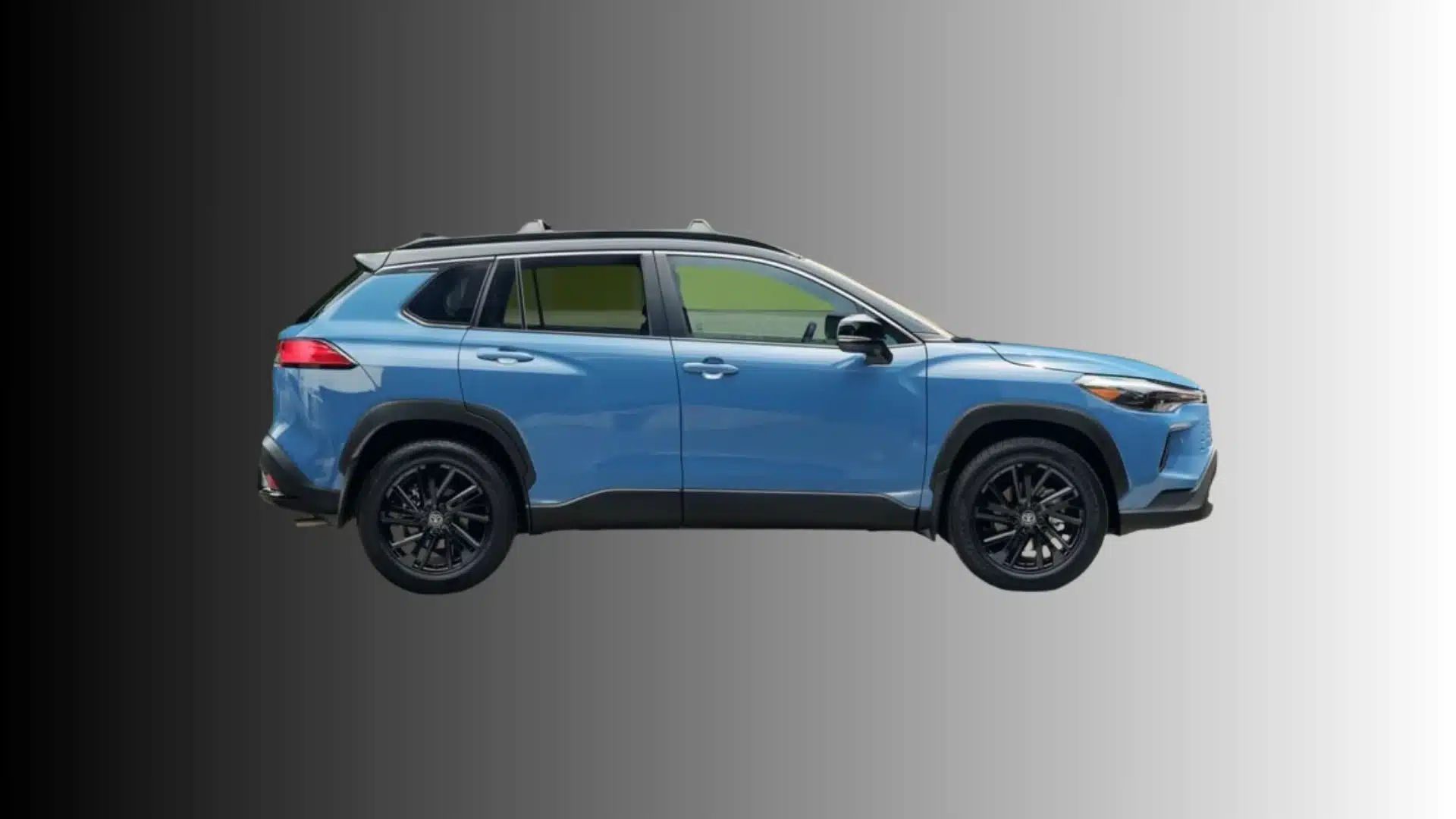
Price:- $25,235
The Toyota Corolla Cross makes sense for drivers who like the idea of an SUV but do not want something large or difficult to park.
It gives you a higher seating position, easier access to the cabin, and a rear hatch that makes loading everyday items much simpler.
It is especially useful if you often carry groceries, work bags, kids’ items, or weekend gear.
The Corolla Cross gives you the small-SUV usefulness without making the car feel bulky. It is a practical step up from a sedan while still feeling easy to live with.
3. Honda Civic
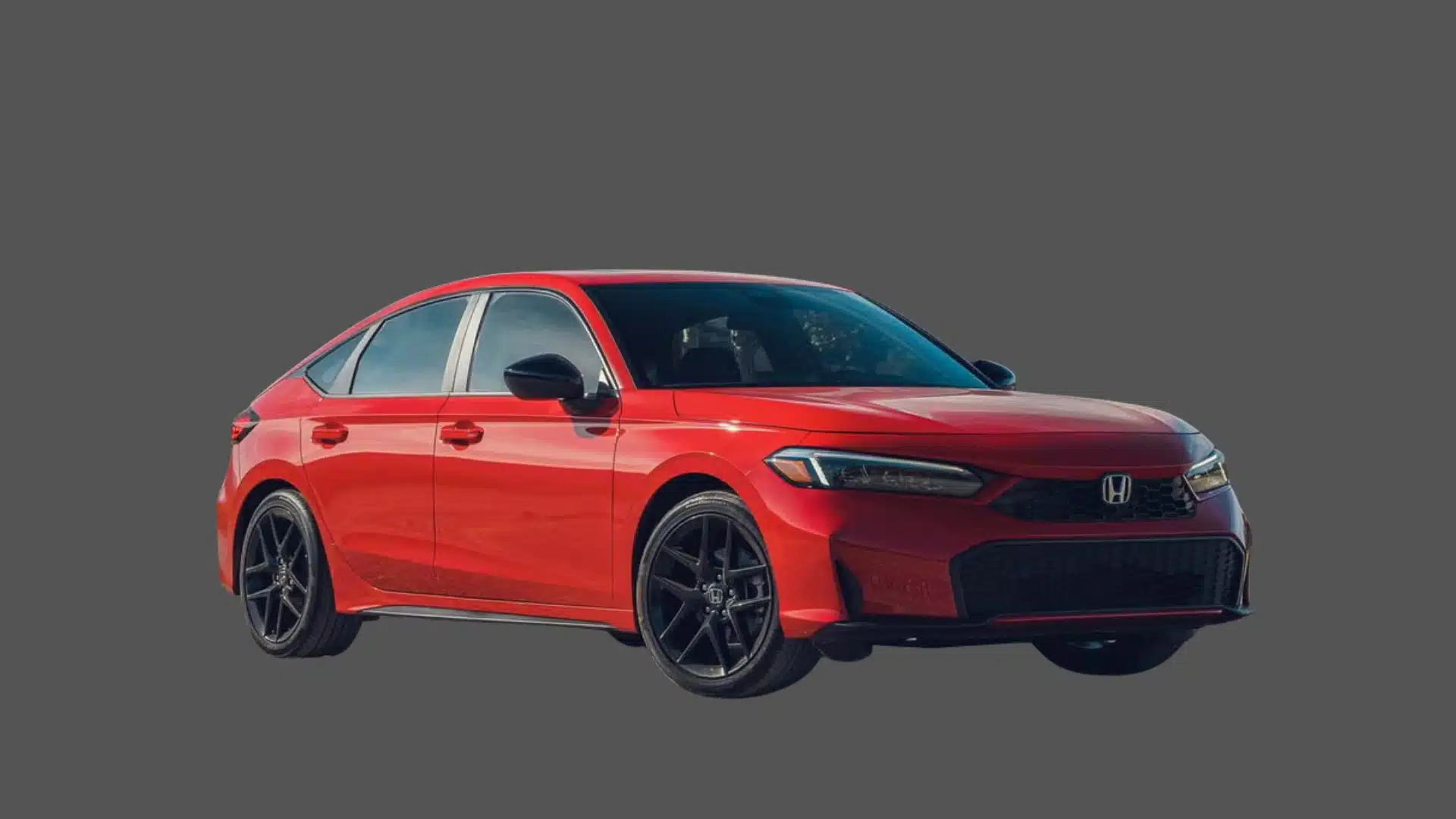
Price:- $24,695
The Honda Civic is for drivers who want a hybrid that doesn’t feel too plain. It is smooth when you are stuck in traffic, but it also feels sharper and more responsive when the road opens up.
That gives it a more enjoyable personality than many efficiency-focused cars.
It is easy to use as a daily commuter, yet polished enough for longer drives.
The Civic shows that saving fuel does not have to mean giving up driving fun. It brings comfort, efficiency, and a little bit of fun together in a clean, modern package.
The Civic hybrid stands out from the rest of this list because it actually feels good to drive. Not just efficient, engaging.
4. Kia Niro
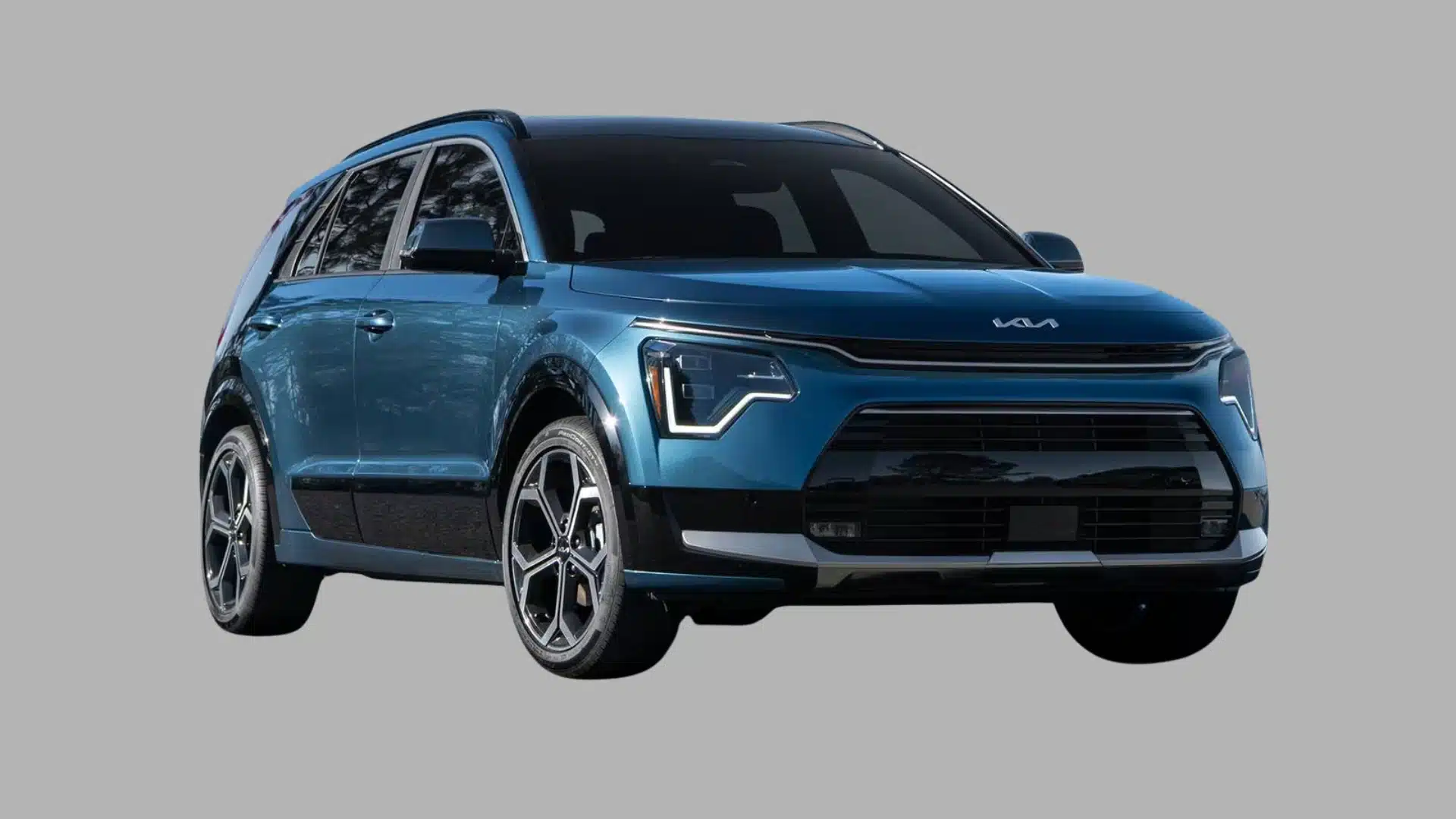
Price:- $27,390
The Kia Niro is a strong pick if you want something compact but still useful. It is not a large SUV, yet it gives you more flexibility than a regular small car.
The cabin is easy to access, the rear area is practical, and the overall shape makes daily tasks easier.
It works well for errands, city driving, short trips, and small-family needs. The Niro gives drivers a sensible crossover feel without the size or weight of a bigger SUV. It is practical, simple to use, and friendly for everyday life.
5. Ford Escape
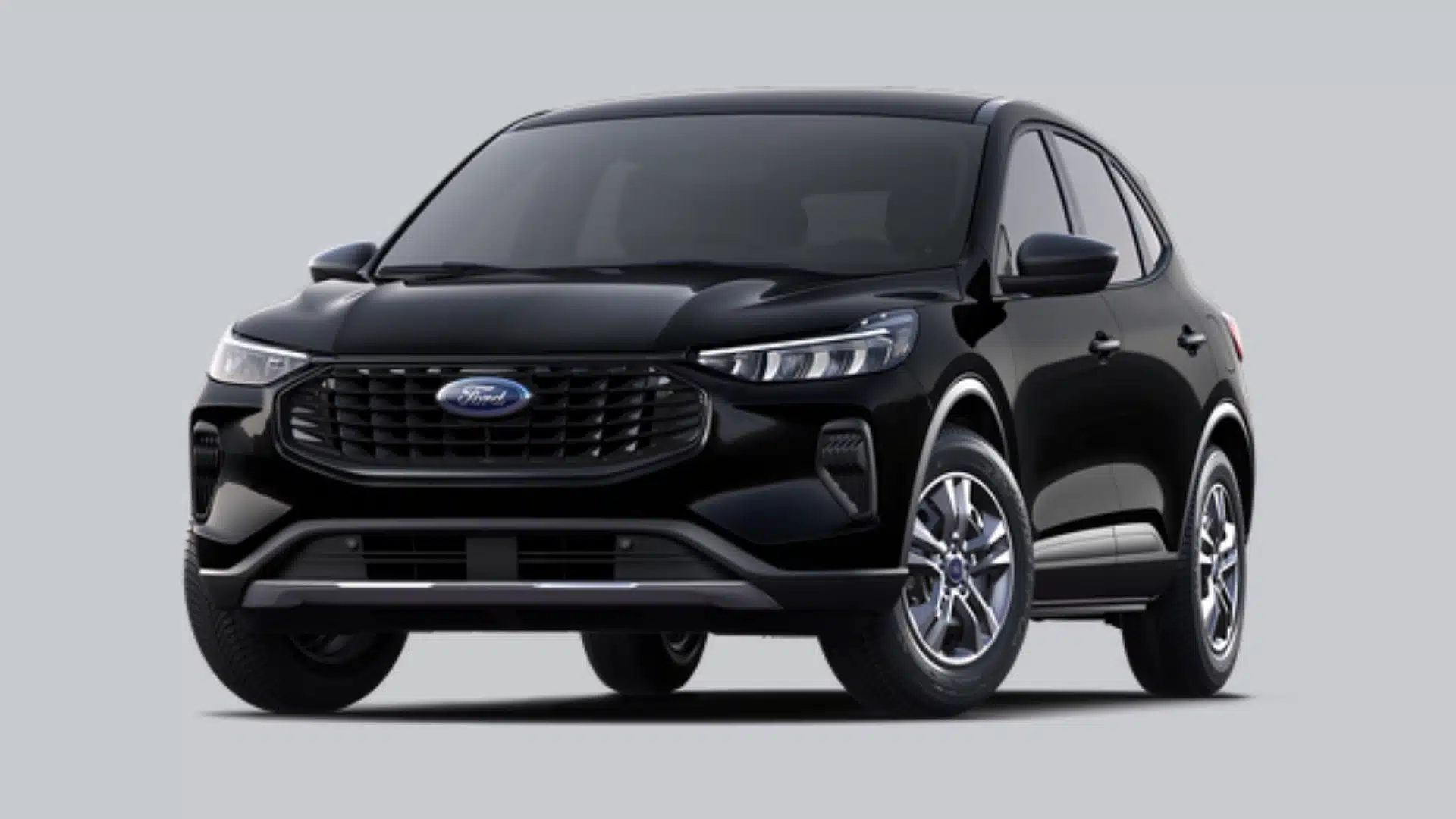
Price:- $28,231
The Ford Escape is a good choice for drivers who want a hybrid that still feels like a familiar family SUV. It does not feel strange or overly technical.
The seating position, cabin space, and relaxed ride make it easy to settle into from the first drive.
It is useful for work commutes, shopping trips, and weekend travel.
The Escape makes the move to a hybrid feel natural. You still get the comfort and space people expect from an SUV, but with better fuel-saving potential than a regular gas-only model.
6. Lexus UX 300h
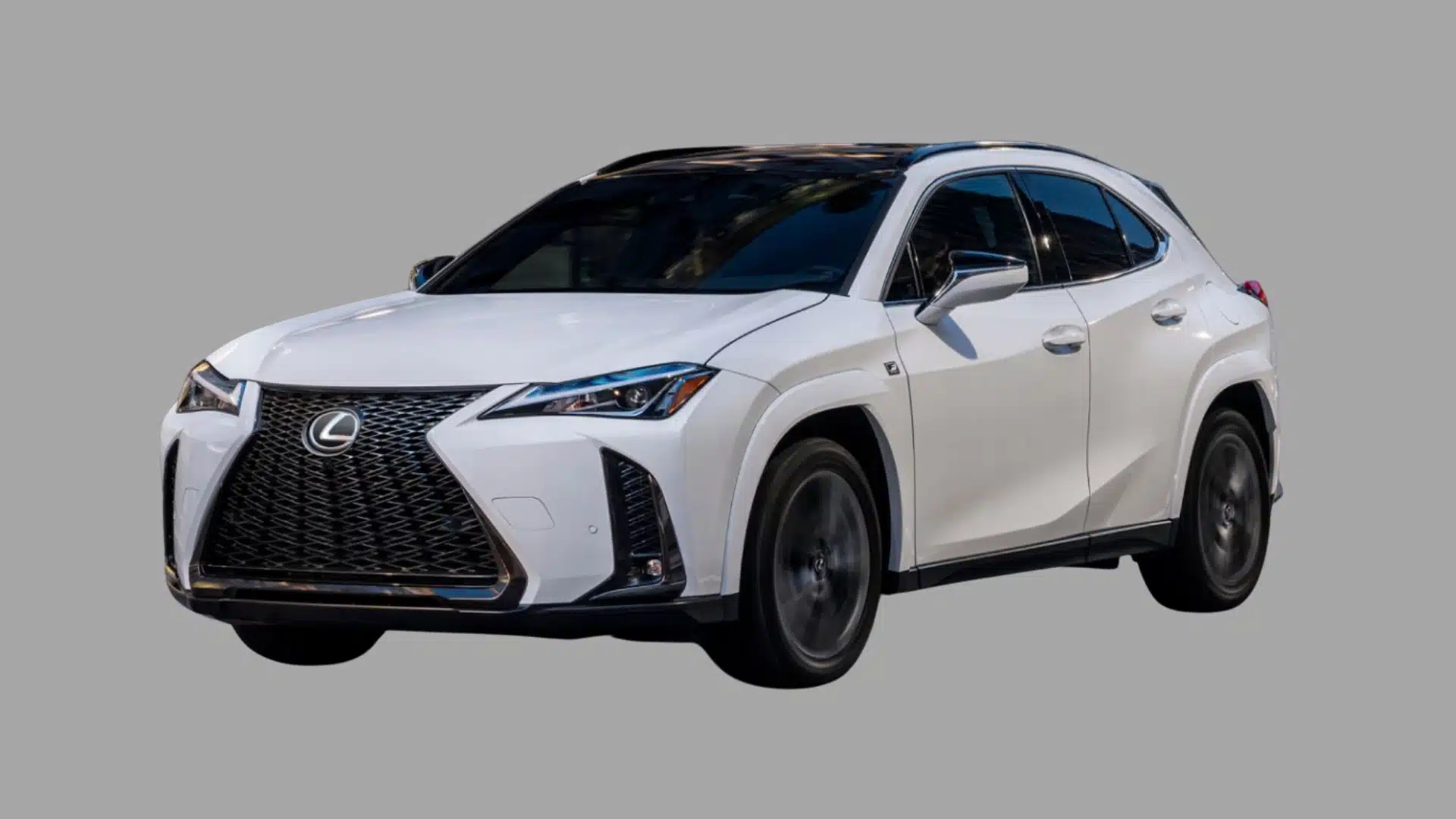
Price:- $42,320
The Lexus UX 300h is for drivers who want something smaller, quieter, and more refined. It is easy to drive in busy areas, simple to park, and comfortable enough to make daily trips feel more relaxed.
It does not try to be the biggest SUV in the group, and that is part of its appeal.
Its strength is the way it makes hybrid driving feel more premium. The cabin feels polished, the ride feels calm, and the overall experience feels more upscale than most mainstream options.
It is a smart choice for drivers who want comfort and quality in a compact package.
7. Hyundai Tucson
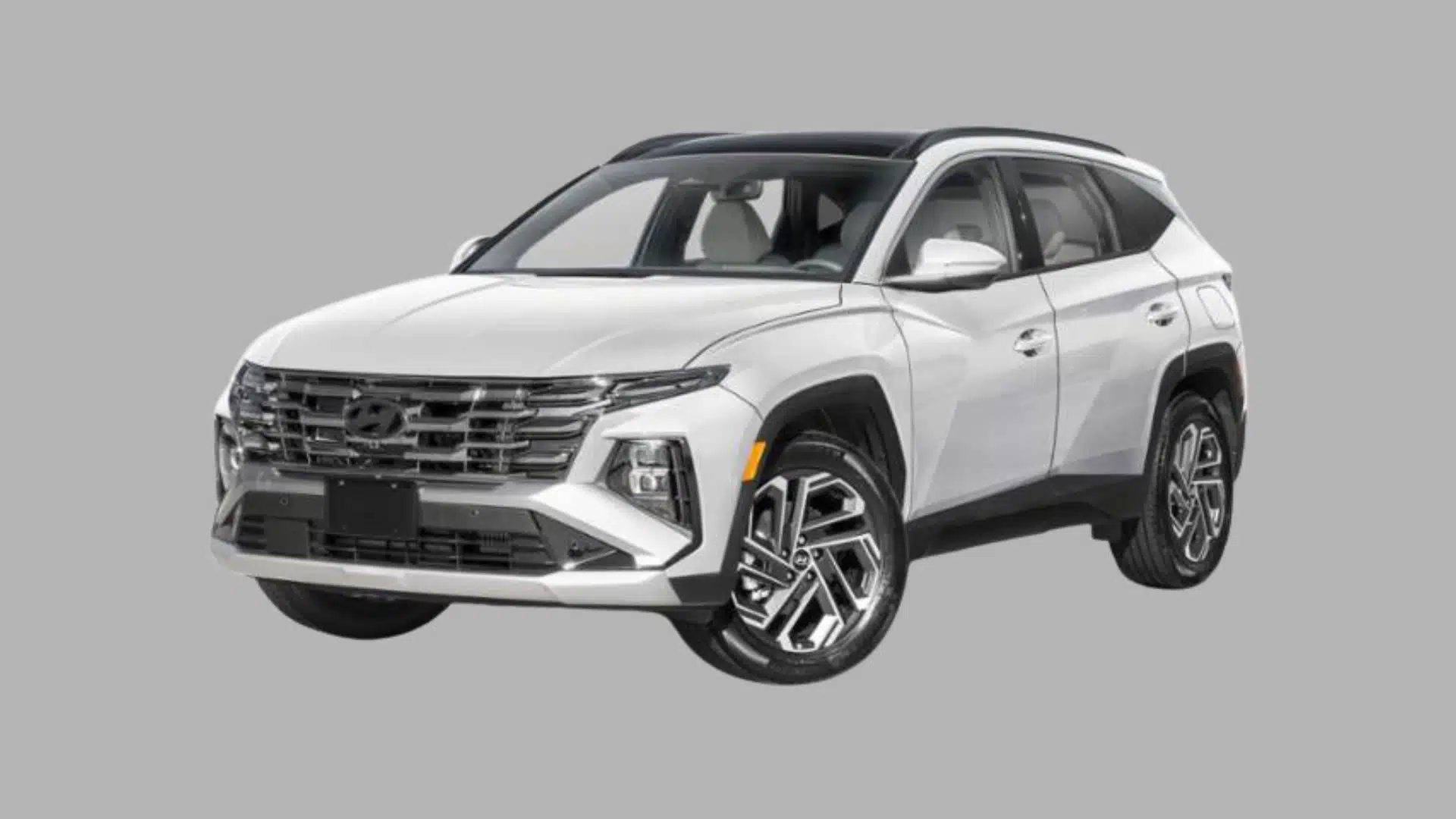
Price:- $32,450
The Hyundai Tucson is a good fit for drivers who need family space but still want a modern-feeling car. It has a spacious cabin, comfortable seating, and a design that feels fresher than many traditional SUVs.
It is practical, but it does not feel boring.
It works well for daily errands, longer drives, school runs, and passenger-heavy routines. The Tucson blends space, style, and comfort in a way that feels current. It is a family SUV that feels useful without looking or feeling too basic.
8. Toyota Prius
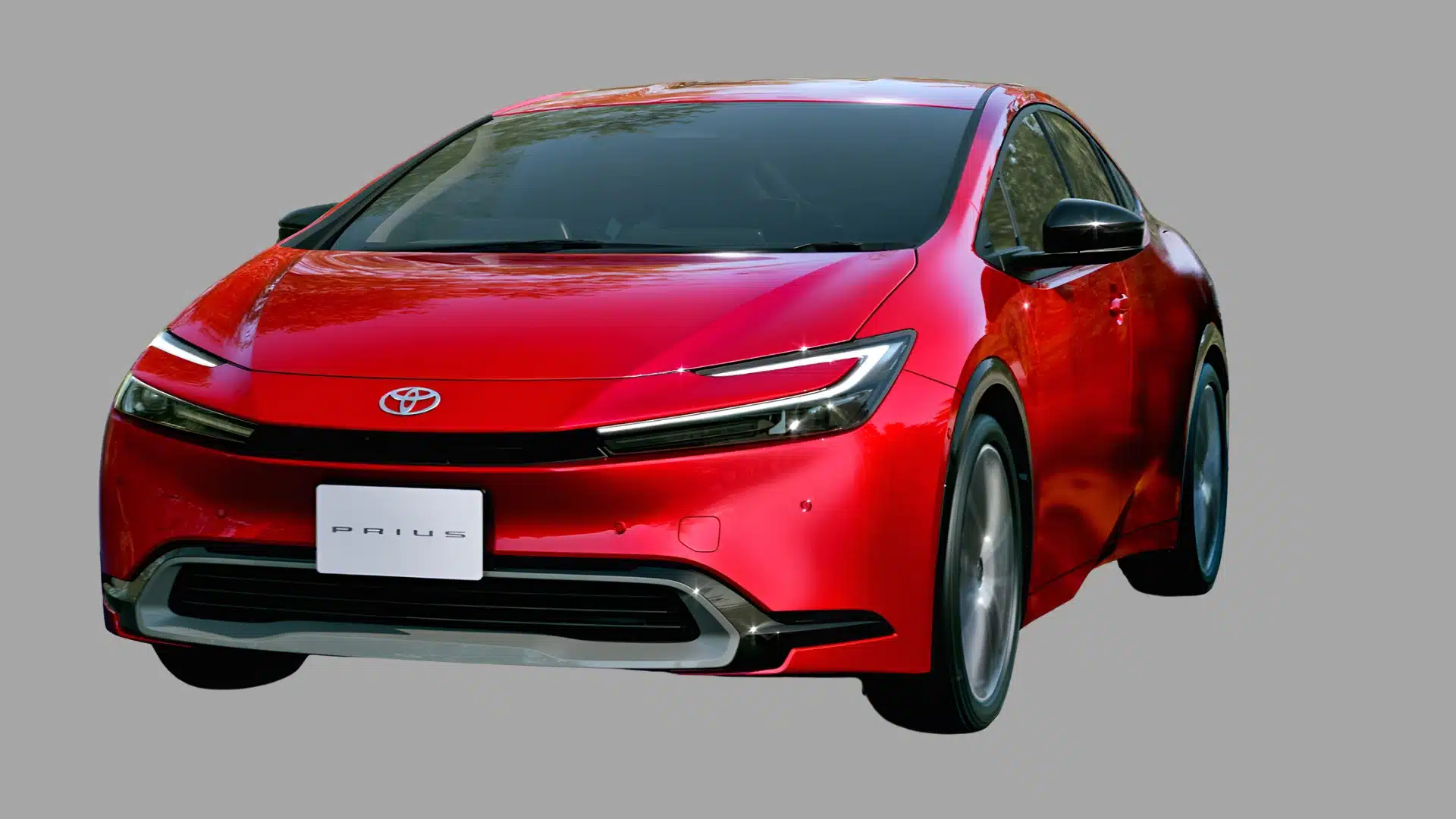
Price:- $28,550
The Toyota Prius has always been known for efficiency, but the newer version feels much more appealing than older models.
It looks sharper, feels more confident, and still carries the trusted reputation that made the Prius name so strong.
It is useful for drivers who spend a lot of time commuting, sitting in traffic, or trying to keep fuel costs under control.
For Toyota owners curious about how Toyota’s EV mode works, the Prius is one of the better models to experience it on.
The hatchback shape also gives it more everyday flexibility than many people expect. The Prius keeps its proven hybrid strengths while finally feeling more stylish and modern.
9. Toyota RAV4
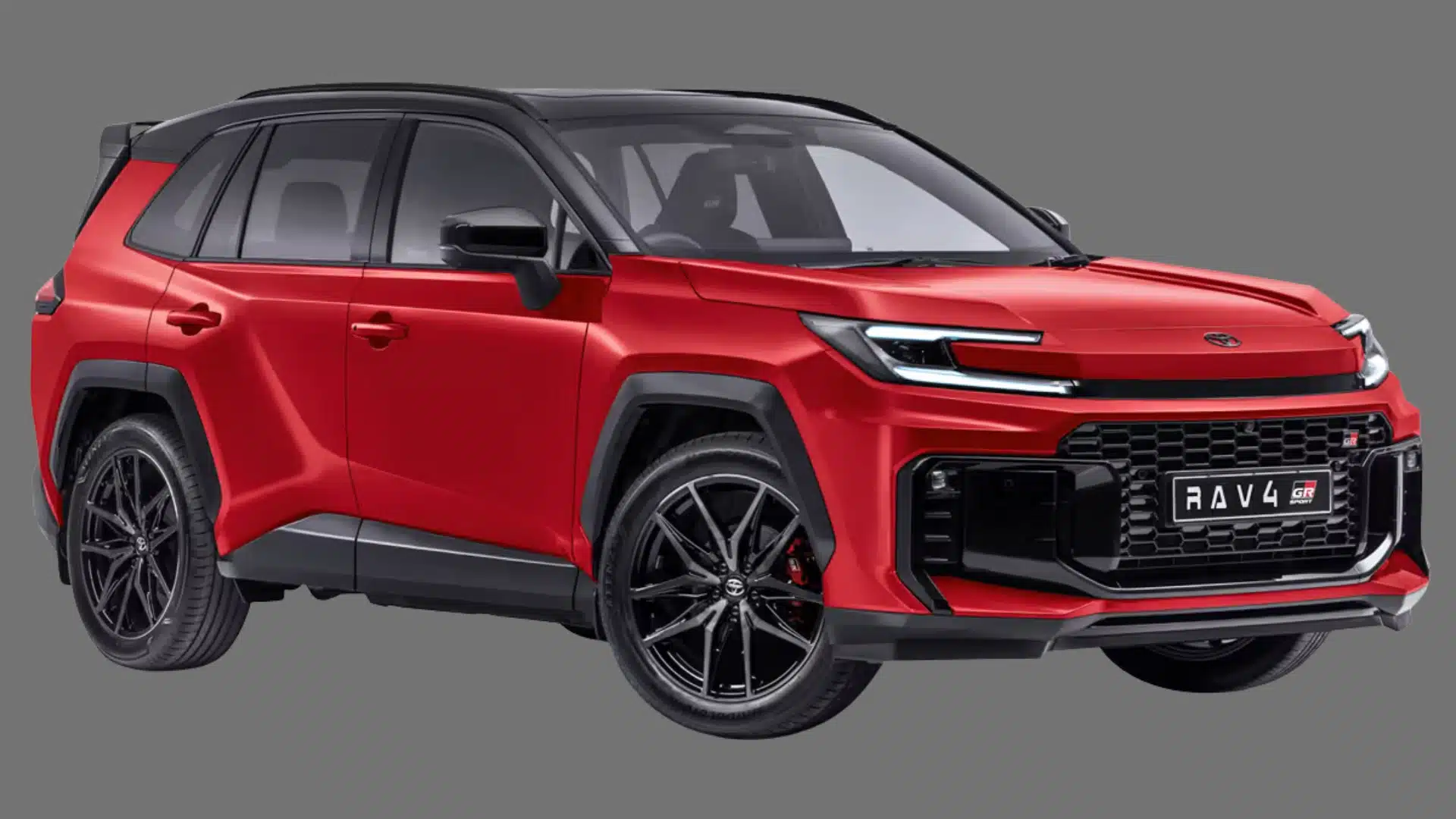
Price:- $31,900
The Toyota RAV4 is one of the easiest cars on this list to understand. It is for drivers who need one vehicle that can handle almost everything.
Commuting, family use, shopping, road trips, and weekend plans all fit naturally into what the RAV4 does well.
Its biggest strength is versatility. It gives you space, comfort, and a confident SUV feel without making ownership feel complicated.
That makes it a safe and practical choice for buyers who want a single hybrid that can handle most aspects of daily life.
10. Toyota Camry
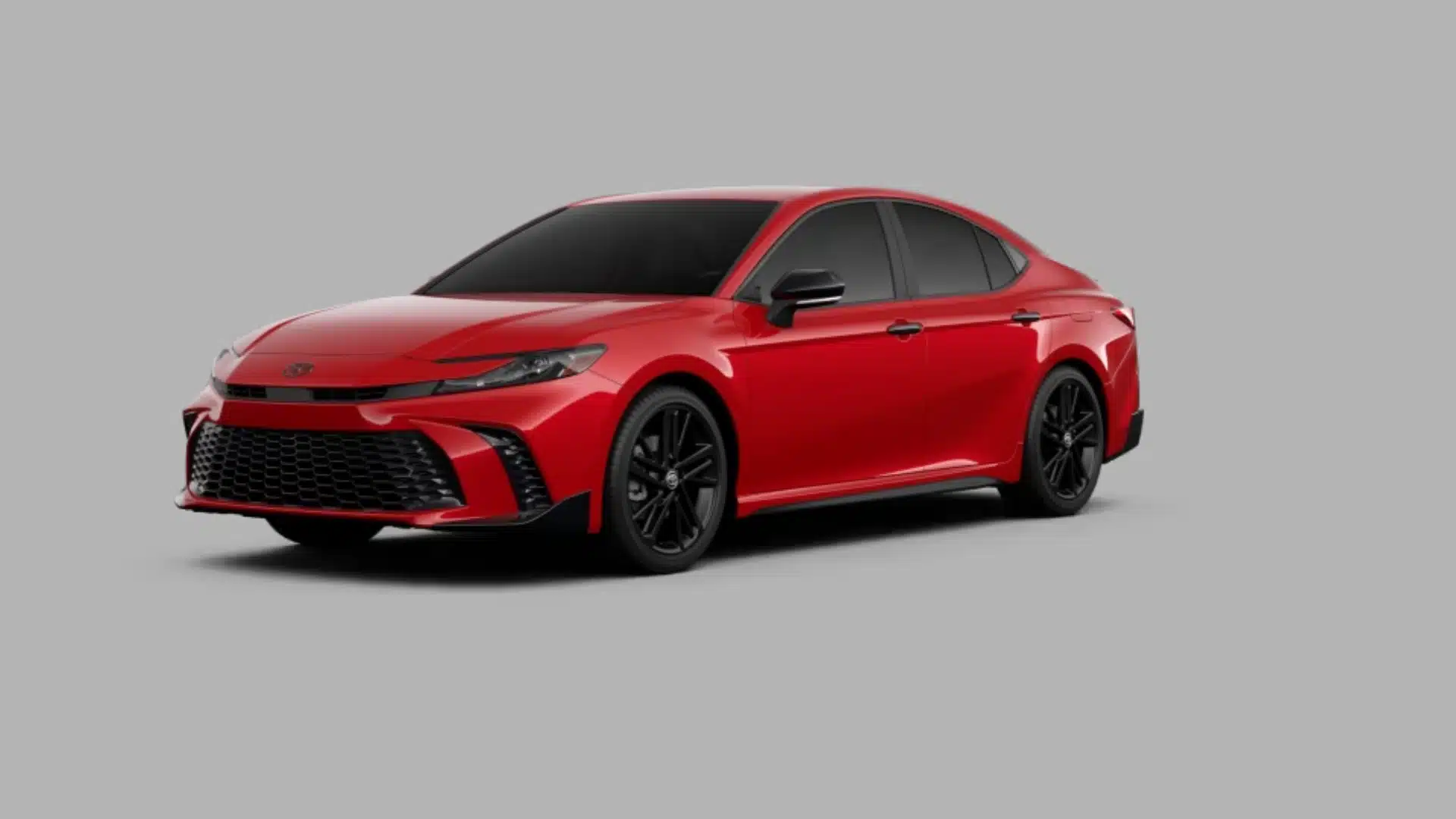
Price:- $29,300
The Toyota Camry is a strong reminder that sedans still make sense. It is smooth, quiet, and comfortable, especially on longer drives.
For drivers who do not need SUV height, the Camry offers a more relaxed and refined way to get around.
It works well for commuting, family use, highway driving, and regular daily travel. The Camry gives drivers space and comfort without the bulk of a crossover.
It feels mature, dependable, and easy to live with, which is exactly why it still deserves attention.
11. Honda CR-V Hybrid
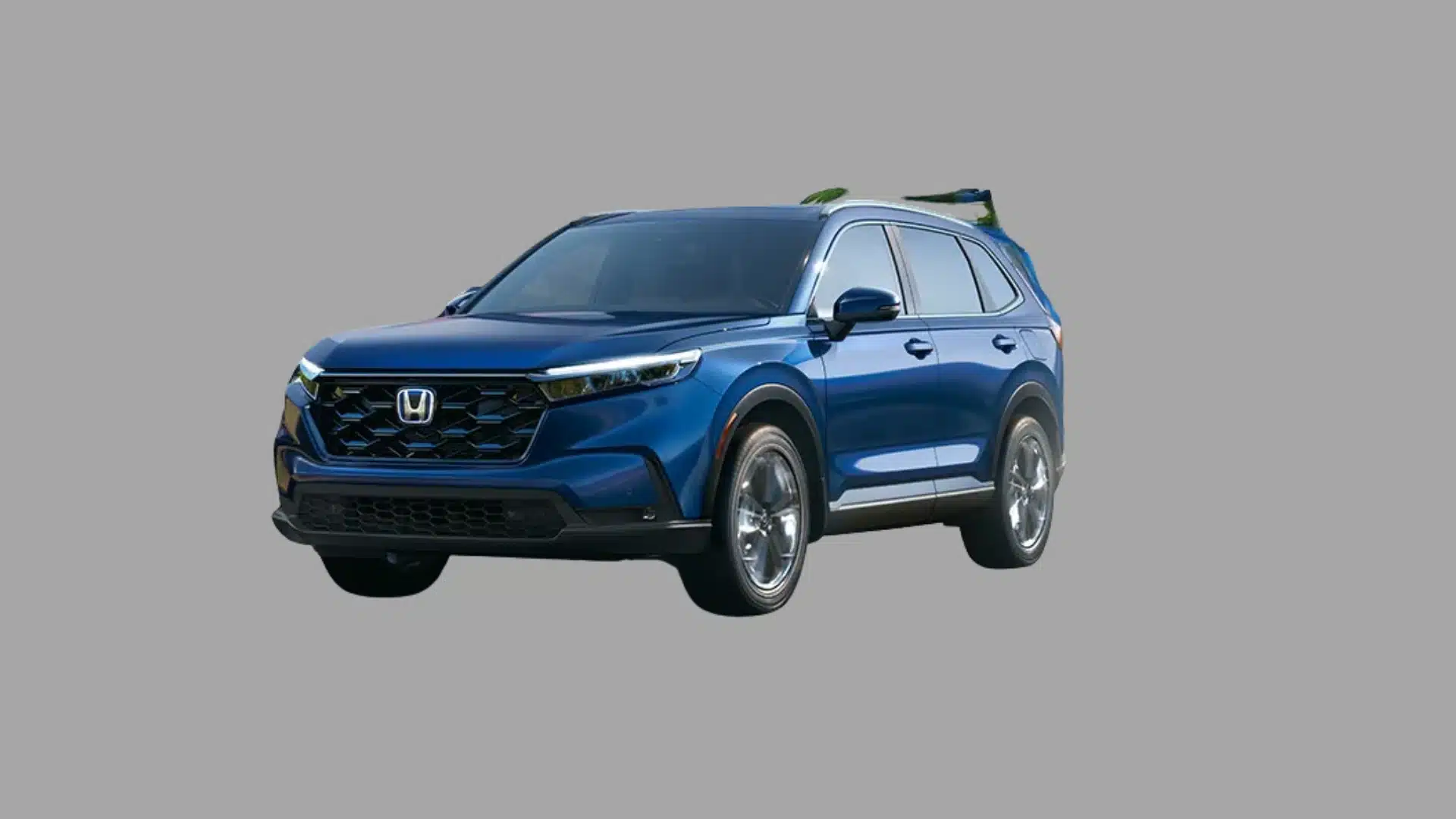
Price:- $30,920
The Honda CR-V Hybrid is a strong pick for drivers who want space, comfort, and easy daily use.
It feels practical without being too large, which makes it useful for families, commuters, and people who often carry passengers or cargo.
The cabin feels spacious, the ride is relaxed, and the hybrid system works quietly in the background. It is a good choice if you want the usefulness of an SUV with better fuel economy than a regular gas model.
12. Lexus NX 350h
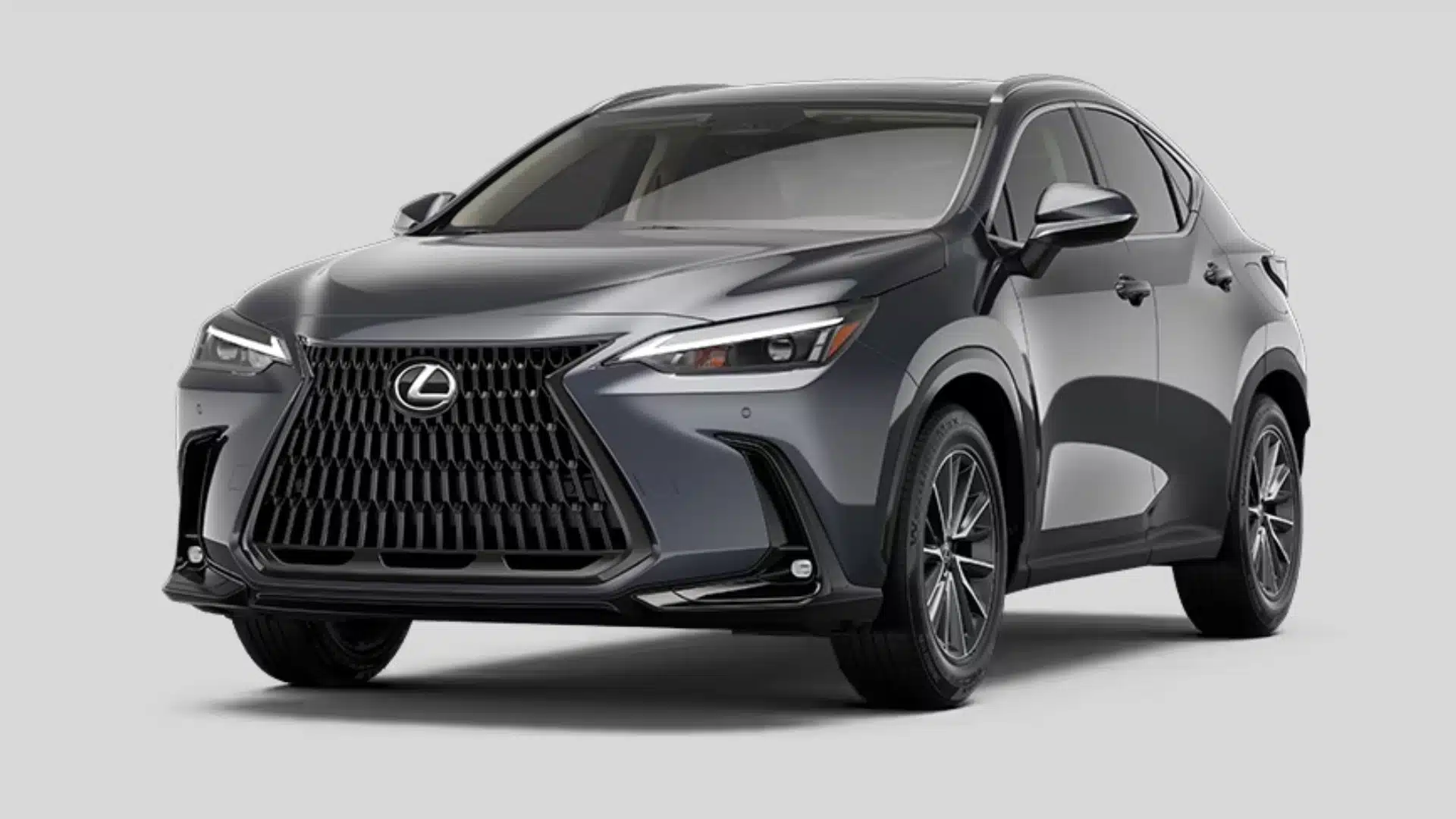
Price:- $47,220
The Lexus NX 350h is a good option for drivers who want a more premium hybrid SUV without moving into plug-in charging. It feels quiet, polished, and comfortable, especially on longer drives.
It gives you a higher-end cabin, smooth performance, and the easy refueling routine of a regular hybrid. The NX 350h works well for buyers who want comfort, quality, and efficiency in one everyday SUV.
13. Hyundai Elantra Hybrid
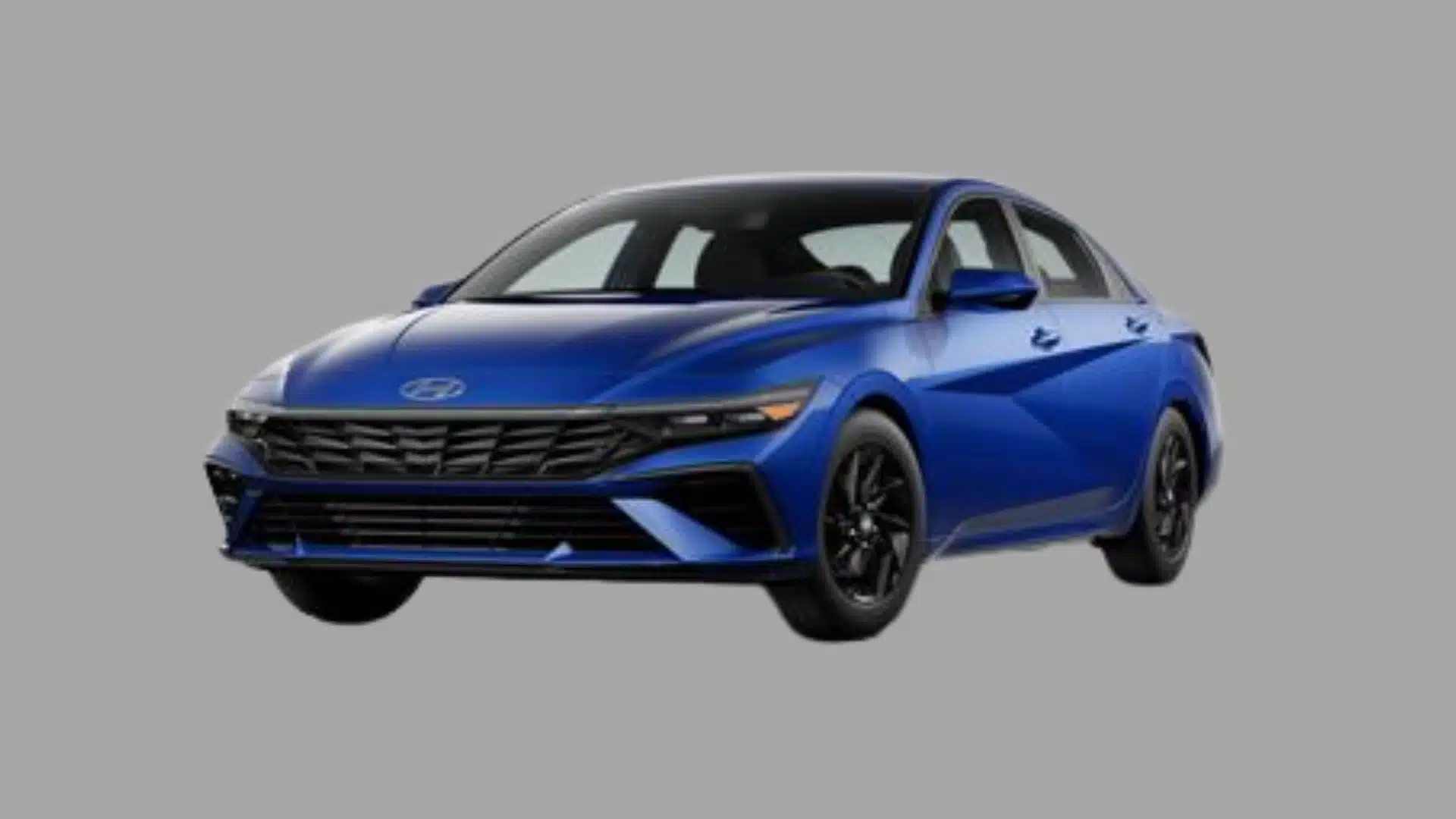
Price:- $25,450
The Hyundai Elantra Hybrid is a good option for drivers who want a comfortable sedan with strong everyday efficiency. It feels easy to drive in traffic, simple to park, and practical for commuting or regular city use.
The cabin feels modern without becoming overly complicated, and the smooth hybrid system helps daily driving feel relaxed. It is a smart fit for buyers who want a fuel-efficient sedan that still feels comfortable and well-equipped.
Quick Comparison: All Cars Side by Side
Before you get into individual models, it helps to compare the cars by the basics that matter most in daily use.
Instead of focusing on a single number or feature, consider how each car fits your space needs, driving style, fuel-saving goals, and budget.
1. Body Style
The list includes compact sedans, midsize sedans, hatchbacks, small SUVs, and family-friendly crossovers.
Sedans like the Toyota Corolla, Honda Civic, and Toyota Camry are better for drivers who want easy parking, smooth commuting, and a lower driving position.
SUVs like the Toyota RAV4, Hyundai Tucson, Ford Escape, and Corolla Cross make more sense if you need extra cargo space, a higher seat, or easier access for family use.
2. Hybrid Type
Most models here are full hybrids, which means they can use the gas engine, electric motor, or both depending on driving conditions.
You do not need to plug them in. The battery charges through braking, coasting, and support from the engine.
This makes them easier to live with than plug-in hybrids if you do not have home charging or do not want to plan around charging stops.
3. Space and Comfort
Look beyond fuel economy when comparing these cars. A good self-charging hybrid should feel comfortable in traffic, be simple to park, be quiet enough for daily use, and be practical for your routine.
Some models focus more on efficiency, like the Toyota Prius and Corolla. Others offer more space and comfort, like the RAV4, Tucson, Escape, and Camry.
Premium choices like the Lexus UX 300h add a quieter cabin and a more refined feel.
4. MPG Estimates
MPG estimates are useful, but they should not be the only reason you choose a car. Smaller hybrids usually deliver better mileage, especially in city driving.
Larger SUVs may use more fuel, but they give you more passenger room, cargo space, and road-trip comfort. The best choice is the one that balances fuel savings with the way you actually drive every day.
Are Self-Charging Hybrids Still Worth Buying Currently?
Yes, self-charging electric cars are still worth buying today, especially for drivers who cannot charge at home or do not want a plug-in vehicle.
They’re not zero-emission vehicles. If you can regularly charge a PHEV at home, you’ll likely save more fuel over time. If you have access to affordable home electricity, a full EV could cost less to run.
They are easy to use because you fill them with gas like a normal car, but they can return much better MPG in daily driving. They also avoid the range anxiety some buyers still feel with EVs.
The main downside is that they still burn fuel, so they are not zero-emission vehicles. A plug-in hybrid can save more gas if charged often, and a full EV can be cheaper to run if home electricity is affordable.
Still, for many buyers, a regular hybrid offers the best balance of price, range, convenience, and long-term reliability.
Conclusion
A hybrid self-charging electric car remains a smart choice for drivers who want better fuel economy without changing how they refuel.
They are not fully electric cars, but they do offer a practical middle ground between regular gas cars and plug-in models.
The right choice depends on your daily routine. Smaller models suit commuting and city use, while larger sedans and SUVs make more sense for families, long drives, and extra space.
Instead of choosing solely by MPG, consider comfort, usability, safety features, and how well the car fits your everyday life.
Before you decide, shortlist a few models that match your daily driving, then compare trims, real-world MPG, safety features, warranty coverage, and ownership costs.
Have you driven a self-charging hybrid car before, or are you still comparing options? Share your thoughts in the comments and tell us which model you would consider for daily use.
Frequently Asked Questions
Do Self-Charging Hybrids Need Special Maintenance?
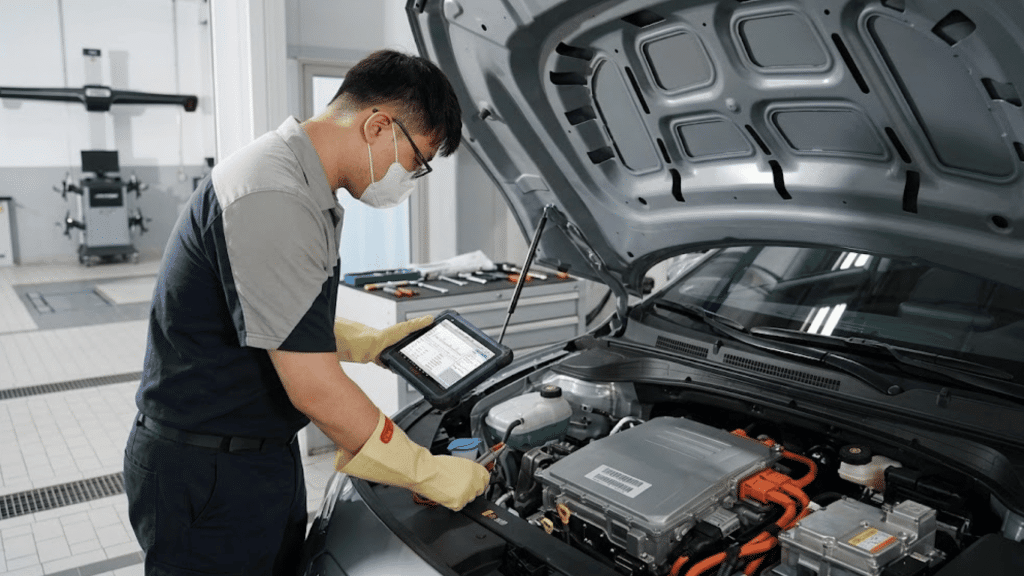
No, they usually follow a maintenance schedule similar to regular gas cars. The hybrid battery and electric motor do not need daily attention, but you should still follow the service plan for oil changes, filters, brakes, tires, and battery checks.
How Long Do Hybrid Batteries Usually Last?
Most hybrid batteries are built to last for many years, and many brands offer long hybrid battery warranties. Actual life depends on driving habits, climate, mileage, and maintenance, but hybrid systems are now proven enough for long-term ownership.
Are Self-Charging Hybrids Good for Highway Driving?
Yes, but they usually show their biggest savings in the city and stop-and-go driving. On highways, the gas engine does more of the work, so the fuel advantage may be smaller than it is in traffic.
Can a Self-charging Hybrid Run Without Gas?
Not in normal use. A self-charging hybrid may run on electric power for short periods, but it still needs gas to run regularly. It is not designed to replace a full electric car.