Cloud costs are rising fast as businesses scale without proper visibility or control. Many organizations struggle with overused resources, idle workloads, and complex multi-cloud setups.
This is where cloud optimization tools become essential, helping teams track usage, reduce waste, and improve efficiency.
At the same time, forums and community discussions play an important role by sharing real-world insights that help users choose the most effective cloud optimization solutions.
In this guide, you will learn about the best cloud optimization tools, key cost control strategies, and some important platform features.
You will also learn about some common mistakes that you can avoid while managing cloud expenses.
Quick Answer: What Are the Top Cloud Optimization Tools?
The top cloud optimization tools include AWS Cost Explorer, Microsoft Azure Cost Management, Google Cloud Cost Management, CloudHealth, Apptio, Cloudability, Kubecost, and Spot by NetApp.
These tools help businesses reduce cloud waste and improve resource usage across different platforms.
They give teams better control over cloud spending while supporting stronger operational efficiency. Many platforms also include automation features that simplify workload management and reduce manual effort.
Budget tracking, performance monitoring, and detailed infrastructure visibility further help organizations make smarter decisions.
With proper cloud optimization, businesses can scale infrastructure more efficiently while avoiding unnecessary expenses and maintaining better long-term financial control.
What Are Cloud Optimization Tools?
Cloud optimization tools are software solutions that analyze cloud usage, reduce unnecessary spending, and improve performance.
Their core purpose in cloud optimization is to ensure efficient resource allocation and better cost control across cloud environments.
Unlike monitoring tools that only track performance and usage, optimization tools actively suggest or automate improvements such as right-sizing, scaling, and workload adjustments.
This makes them more action-focused compared to traditional tracking systems.
In simple terms, monitoring tells you what is happening, while cloud optimization tools help you decide what to improve and often execute those improvements automatically to achieve better cost savings and a better balance of performance.
Why Cloud Cost Control Matters?
Cloud cost control is essential because hidden charges often build up from unused services, data transfers, and storage.
Overprovisioning is another common issue in which businesses allocate more computing power than required, resulting in wasted spending.
Idle resources, such as inactive virtual machines, continue to generate costs even when not in use.
These factors combine to create uncontrolled expenses that directly impact budgeting.
As a result, organizations may face reduced efficiency, slower scaling decisions, and weaker resource planning, making strong cloud optimization essential for sustainable operations.
Best Cloud Optimization Tools
To maintain efficiency and strong cloud cost control, organizations rely on advanced cloud optimization tools that provide visibility, automation, and financial insights.
1. AWS Cost Explorer
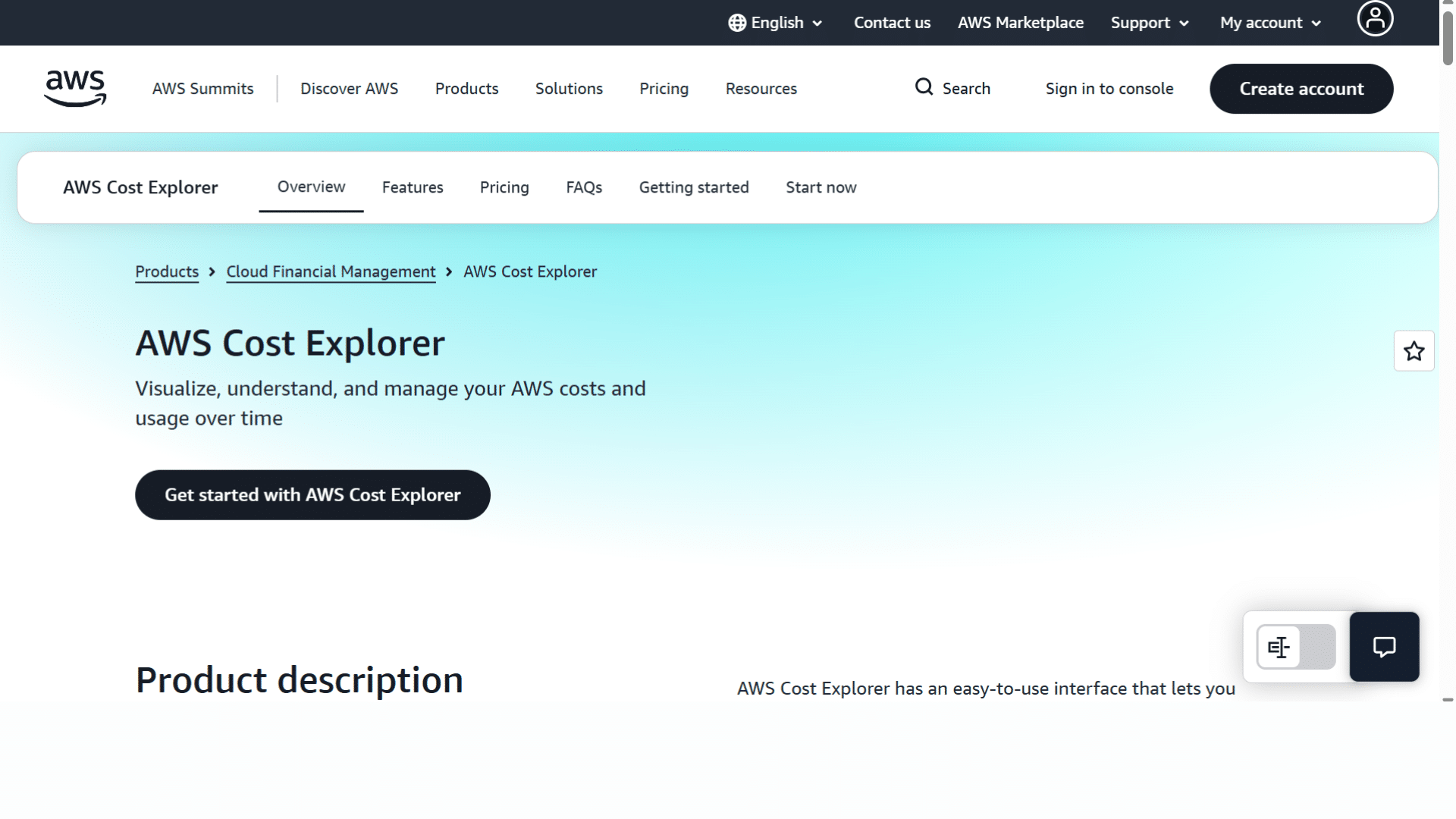
AWS Cost Explorer is a native analytics tool designed to help users understand and manage spending across cloud workloads.
It provides detailed breakdowns of usage patterns, enabling better cost control and forecasting. Organizations use it to identify high-cost services, detect inefficiencies, and plan budgets more effectively.
It is especially useful for teams already operating within the AWS ecosystem who need deeper financial visibility.
- Cost breakdown: Shows detailed expense distribution across services and accounts
- Trend analysis: Helps identify spending patterns over time for better planning
- Forecasting: Predicts future costs based on historical usage
- Filtering options: Allows custom views by service, region, or tag
2. Microsoft Azure Cost Management + Billing
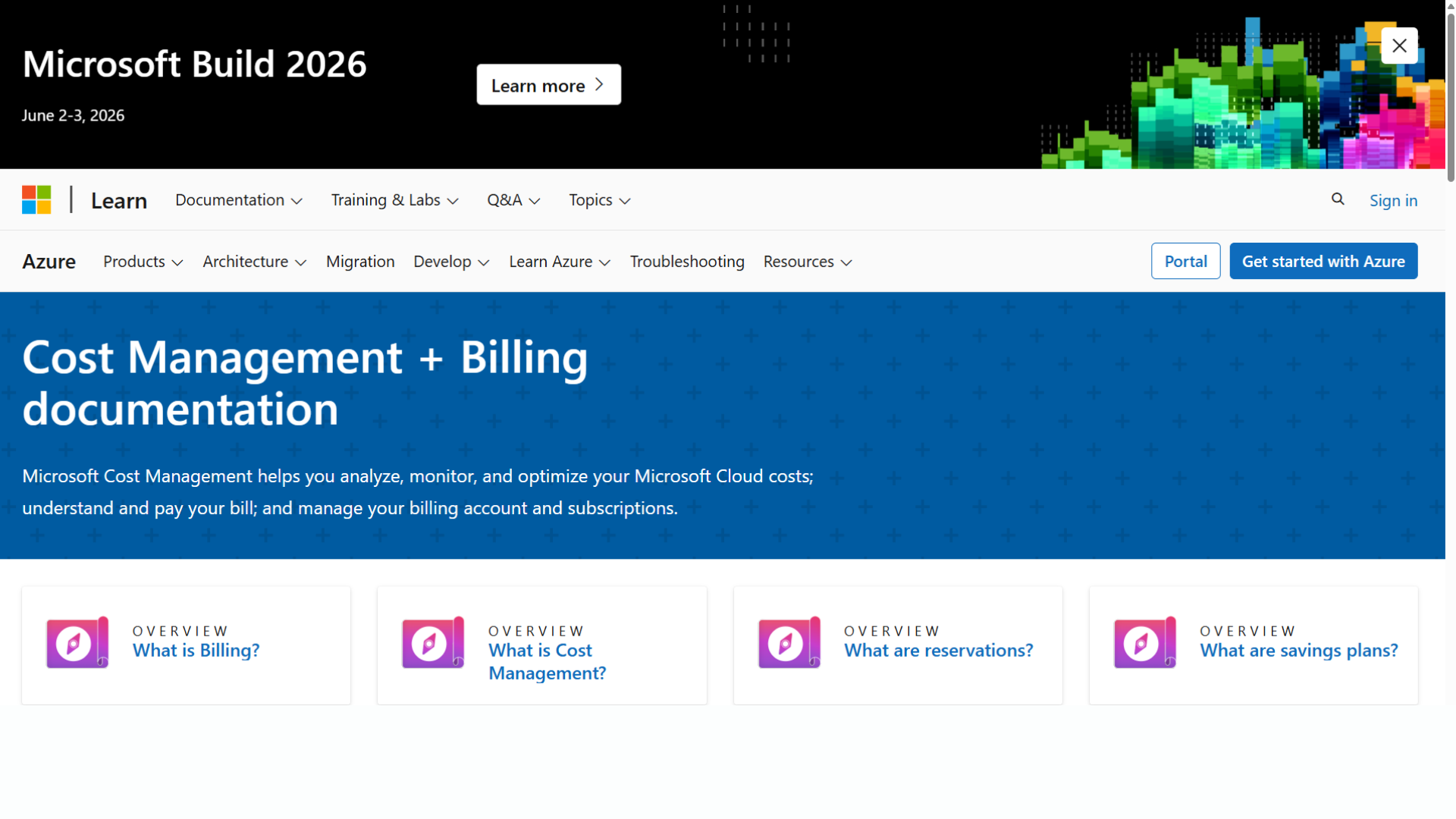
Microsoft Azure Cost Management + Billing provides comprehensive insights into Azure spending and resource usage.
It helps organizations maintain financial control by offering transparency across subscriptions and services.
The platform supports budgeting, alerts, and optimization recommendations, making it a key solution for enterprises focused on structured cloud governance and cost efficiency.
- Budget tracking: Monitors spending against defined financial limits
- Resource insights: Identifies underused or expensive services
- Alert system: Sends notifications when spending exceeds thresholds
- Export options: Supports detailed reporting for finance teams
3. Google Cloud Cost Management
Google Cloud Cost Management delivers visibility into cloud expenses across Google Cloud services.
It helps teams analyze usage data and optimize workloads for better performance and cost efficiency.
The tool is widely used for its simplicity and integration with Google Cloud infrastructure, making financial tracking more accessible for developers and enterprises.
- Usage tracking: Monitors resource consumption across projects
- Cost allocation: Breaks down spending by service and workload
- Optimization insights: Suggests ways to reduce unnecessary usage
- Reporting tools: Provides clear financial summaries for stakeholders
4. CloudHealth by VMware
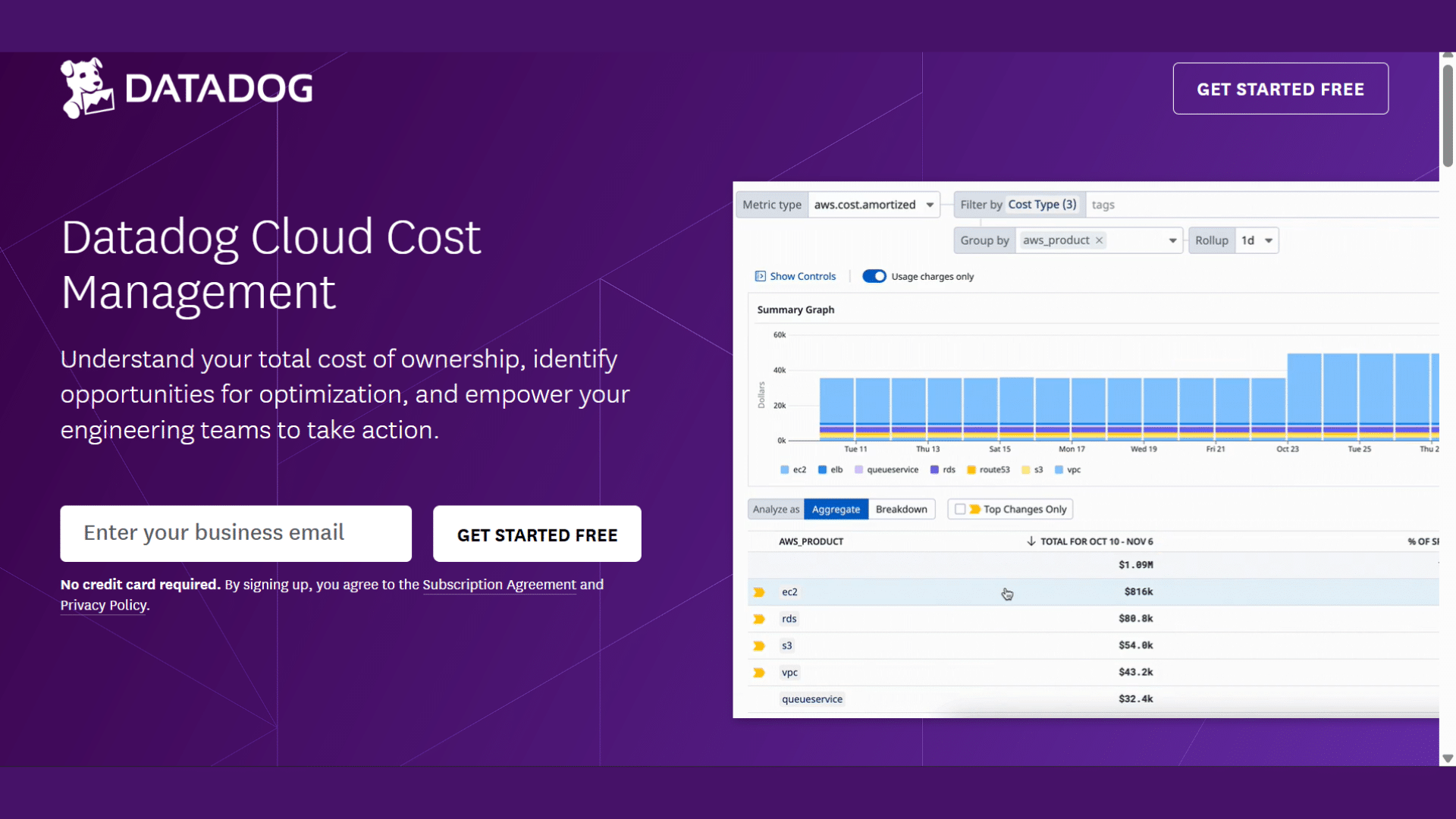
CloudHealth by VMware is a multi-cloud financial management platform designed for enterprises managing complex environments.
It helps organizations achieve better governance, compliance, and cost efficiency across multiple cloud providers.
The platform is widely used for its advanced analytics and centralized visibility features.
- Multi-cloud support: Manages AWS, Azure, and other providers in one platform
- Governance controls: Ensures policy compliance across resources
- Cost optimization: Identifies savings opportunities across workloads
- Advanced reporting: Provides detailed financial and operational insights
5. Apptio Cloudability
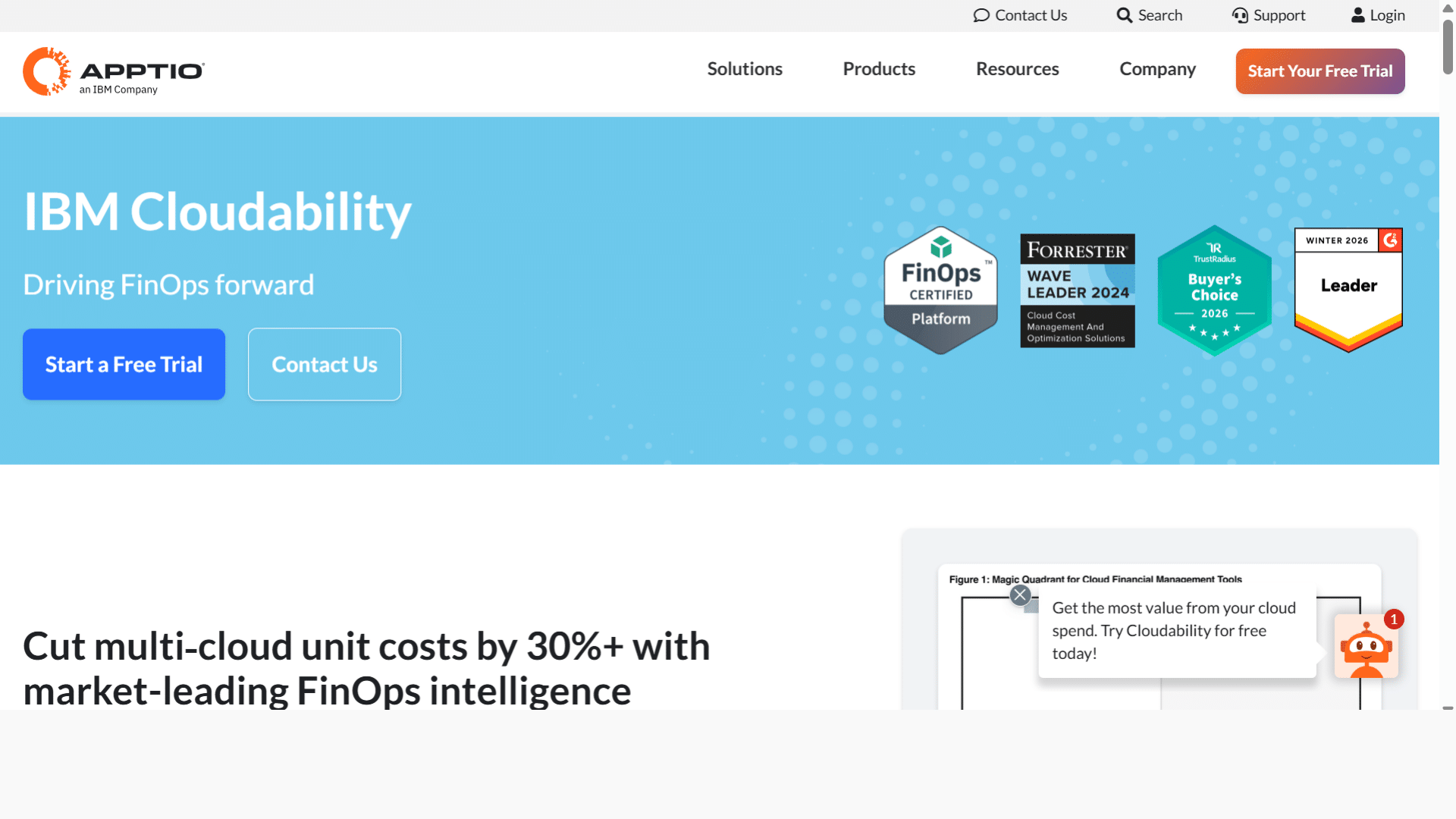
Apptio Cloudability focuses on financial operations (FinOps), helping businesses align engineering and finance teams.
It provides detailed cost visibility and optimization insights across cloud environments. Organizations use it to improve accountability and manage budgets effectively as they scale cloud infrastructure.
- FinOps alignment: Connects engineering and finance teams for cost control
- Detailed analytics: Breaks down spending by service and team
- Budget planning: Helps set and manage cloud budgets effectively
- Optimization insights: Highlights unused or inefficient resources
6. Kubecost: Kubernetes-focused
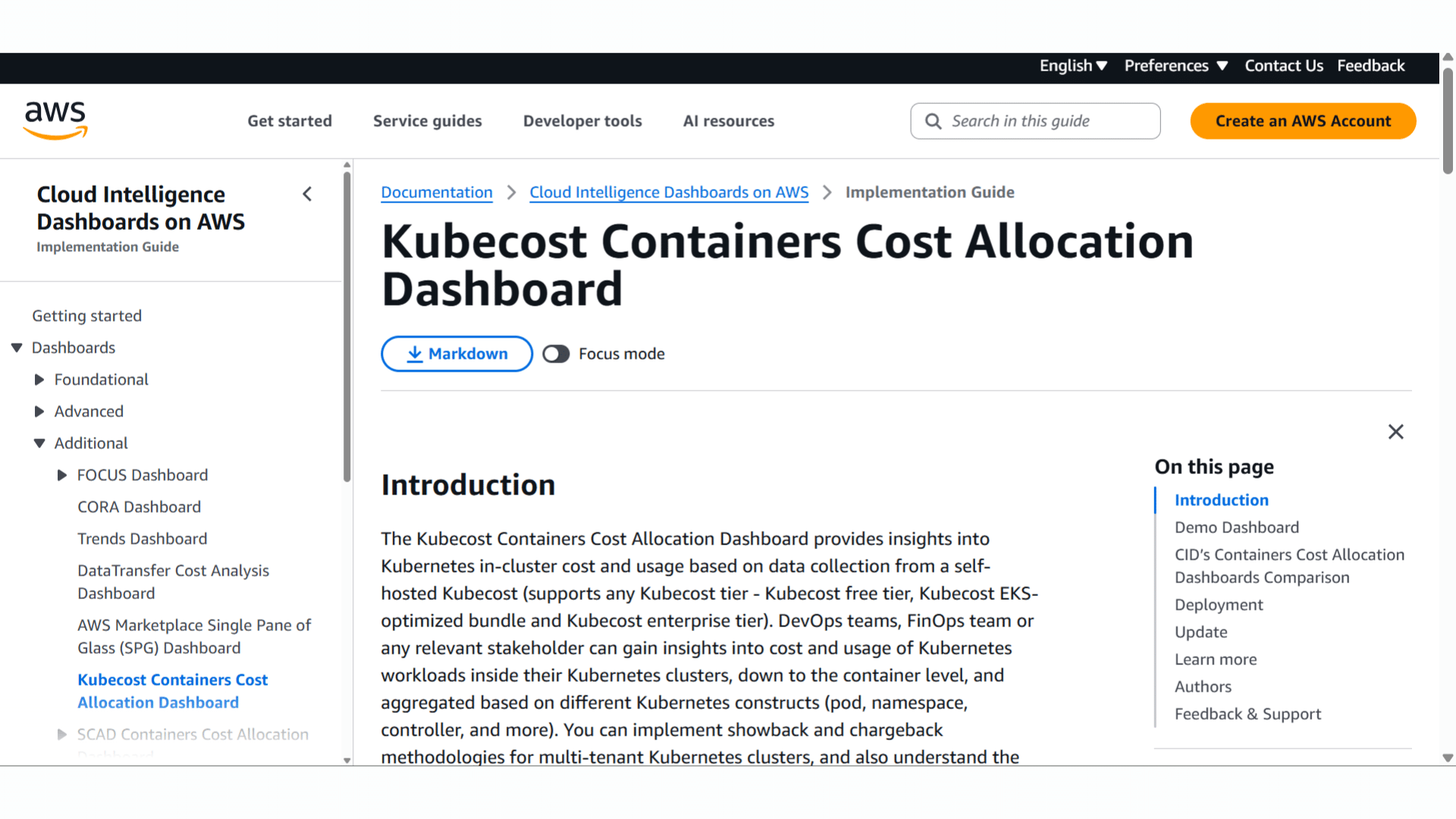
Kubecost is designed specifically for Kubernetes environments, offering deep visibility into cluster-level spending.
It helps DevOps teams understand how workloads consume resources and where cost inefficiencies exist. It is especially valuable for organizations running containerized applications at scale.
- Cluster visibility: Tracks Kubernetes resource usage in detail
- Cost allocation: Assigns costs to namespaces and workloads
- Optimization insights: Identifies inefficient pods and deployments
- Real-time monitoring: Provides live cost tracking for clusters
7. Spot by NetApp
Spot by NetApp uses automation to optimize cloud infrastructure costs by intelligently managing compute resources.
It dynamically adjusts workloads and uses pricing models, such as spot instances, to reduce costs without affecting performance.
It is widely adopted for automation-driven cloud optimization strategies.
- Automated scaling: Adjusts resources based on real-time demand
- Cost savings: Uses spot instances to reduce infrastructure expenses
- Workload optimization: Improves performance efficiency
- Continuous analysis: Monitors infrastructure for savings opportunities
8. Infracost
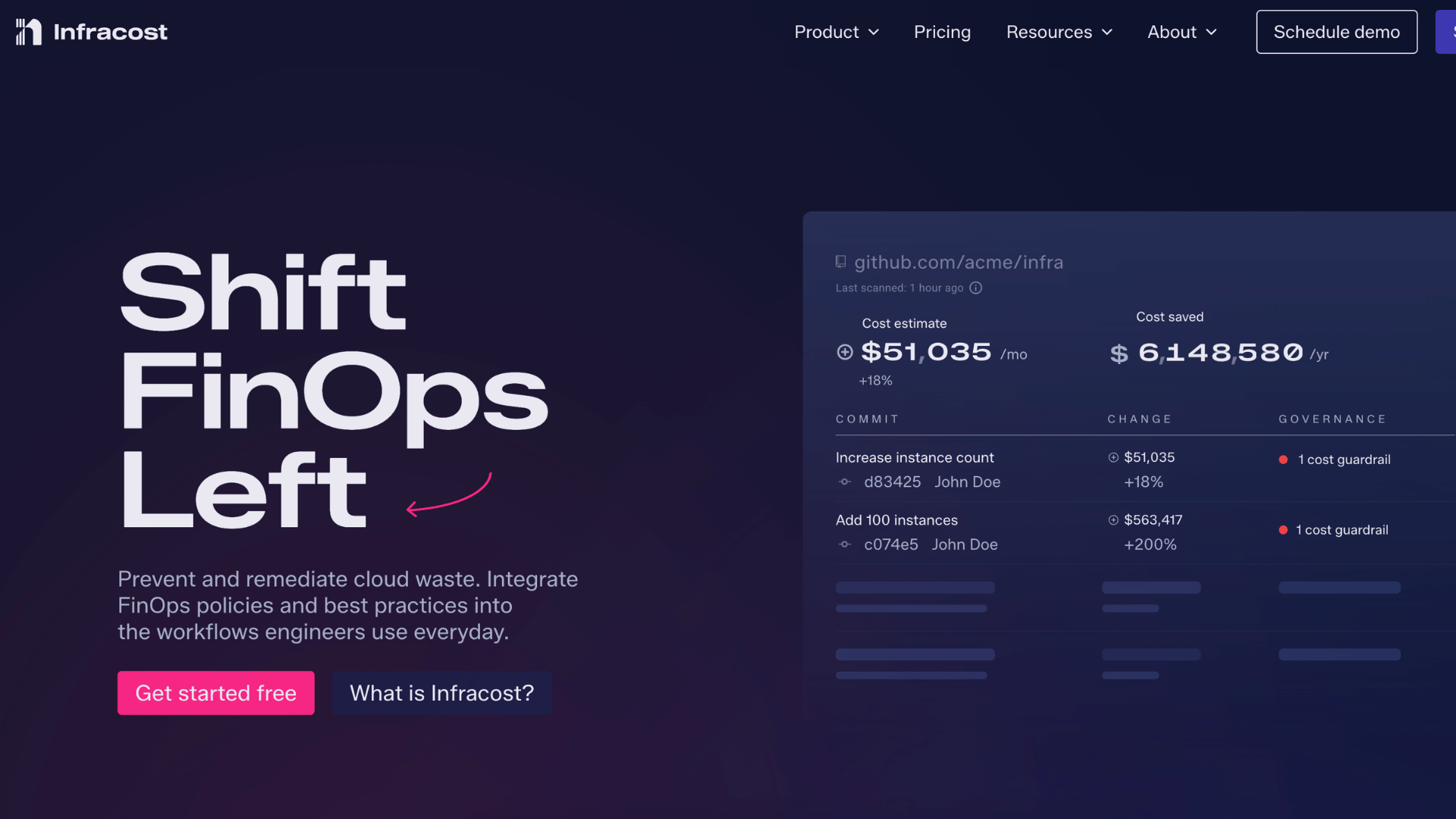
Infracost helps engineering teams estimate cloud expenses before infrastructure changes go live. It works with Infrastructure as Code tools and gives developers better cost visibility during deployment planning.
Teams use it to compare pricing changes, avoid unexpected costs, and improve cloud budgeting early in development.
This approach supports stronger cloud optimization and prevents unnecessary spending before resources are deployed.
- Cost estimation: Predicts cloud costs before deployment begins
- CI/CD integration: Connects with Terraform and DevOps workflows
- Change comparison: Shows pricing differences between infrastructure updates
- Developer visibility: Improves spending awareness during planning stages
9. CloudZero
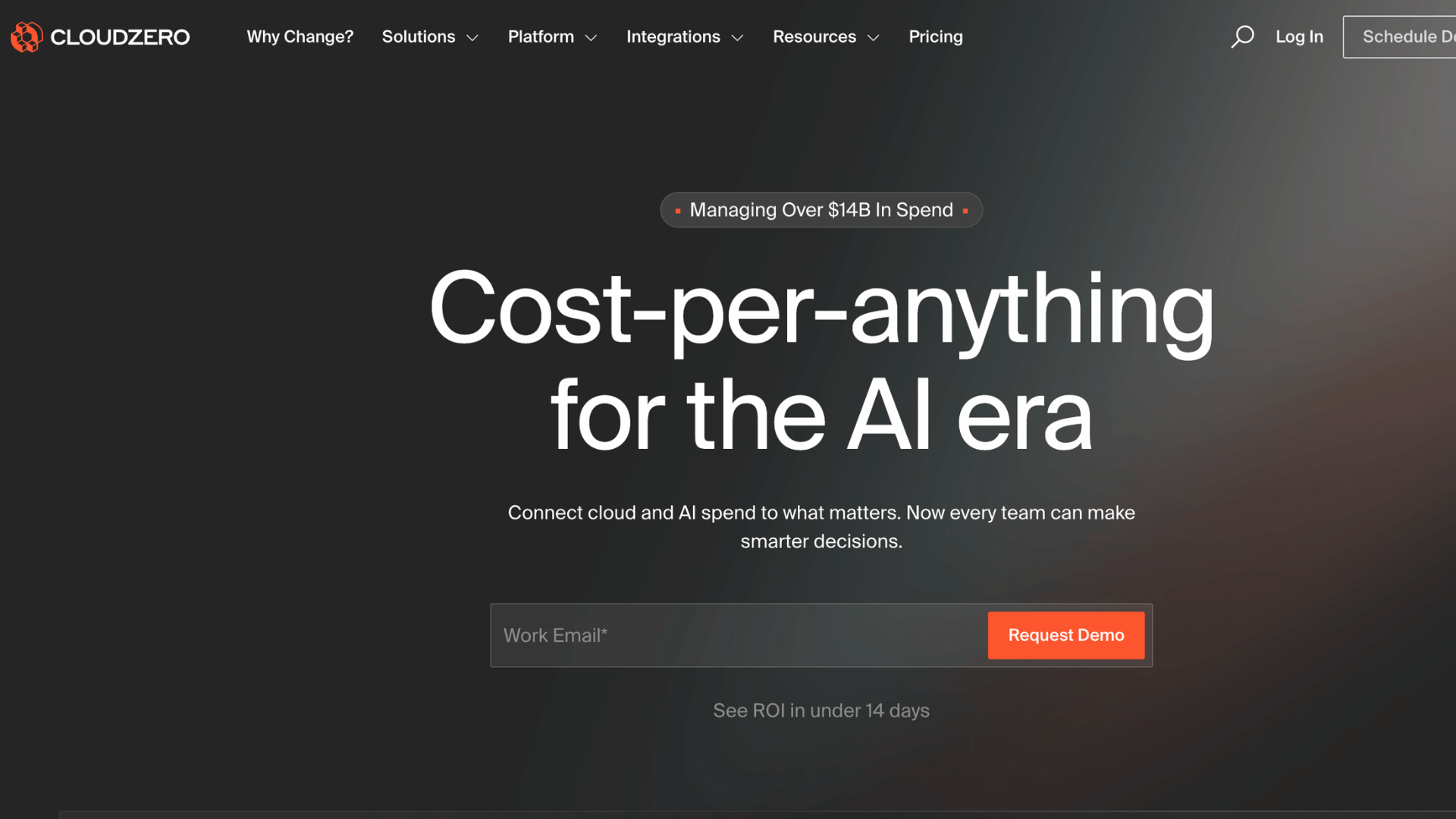
CloudZero is a cloud cost intelligence platform that helps businesses connect cloud spending to products, services, and customers.
Instead of focusing only on infrastructure metrics, it provides business-level insights that improve financial visibility.
Companies use it to understand where cloud costs originate, improve accountability, and support better financial decisions across engineering and operations teams managing large cloud environments.
- Business mapping: Connects cloud costs to products and services
- Real-time insights: Tracks spending changes continuously
- Cost allocation: Breaks down expenses by customer or feature
- Multi-cloud support: Works across different cloud providers
10. Cloud Custodian
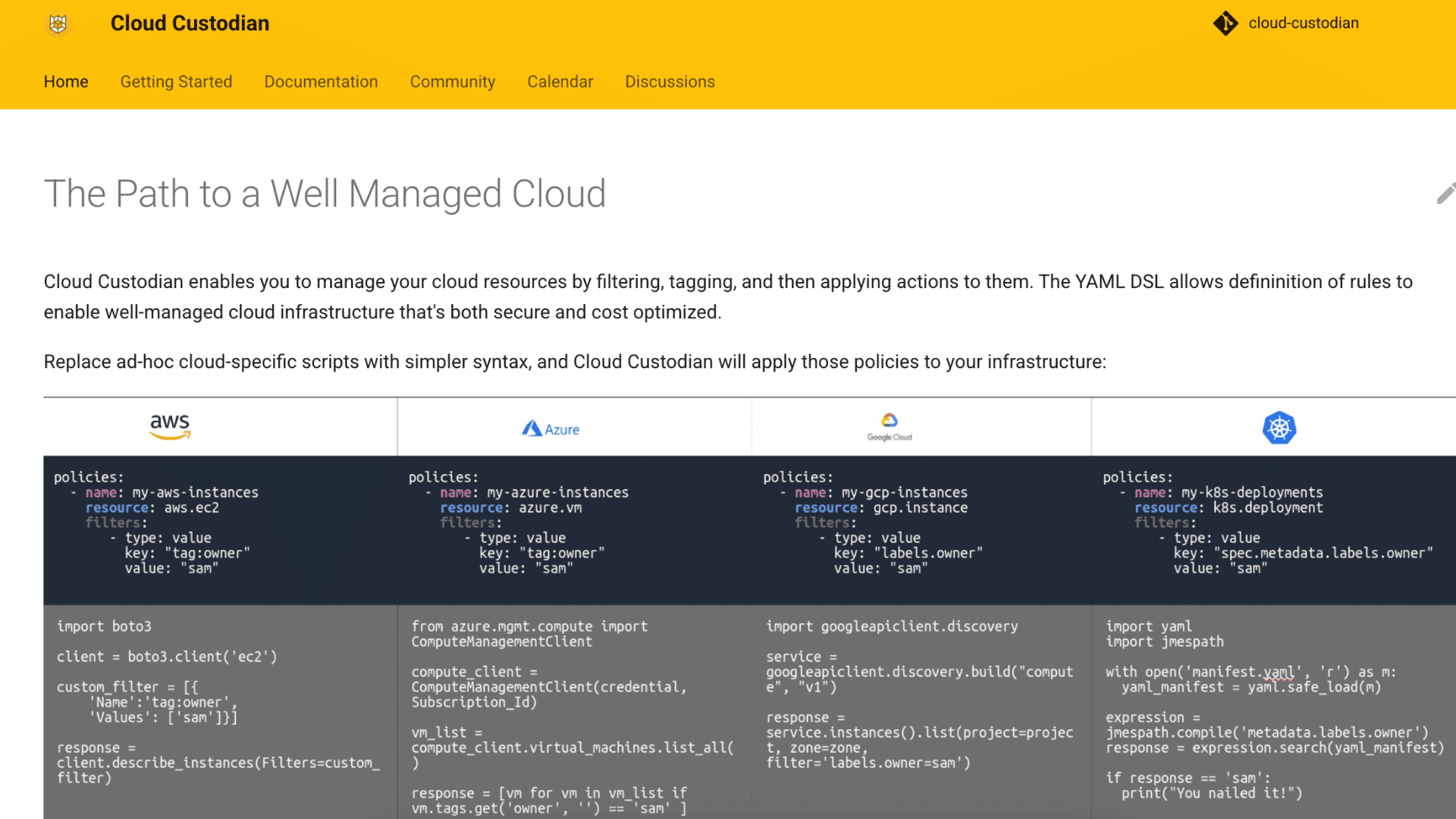
Cloud Custodian is an open-source cloud governance tool designed to automate policy enforcement and reduce unnecessary spending.
It helps organizations reduce costs by identifying unused resources and automating cloud management tasks.
Teams often use it to improve compliance, strengthen governance, and maintain cleaner infrastructure while supporting long-term cloud optimization and operational efficiency across multiple platforms.
- Policy automation: Enforces rules across cloud environments
- Resource cleanup: Removes unused or oversized resources
- Compliance management: Supports governance and security policies
- Multi-cloud compatibility: Works with AWS, Azure, and Google Cloud
11. Flexera One
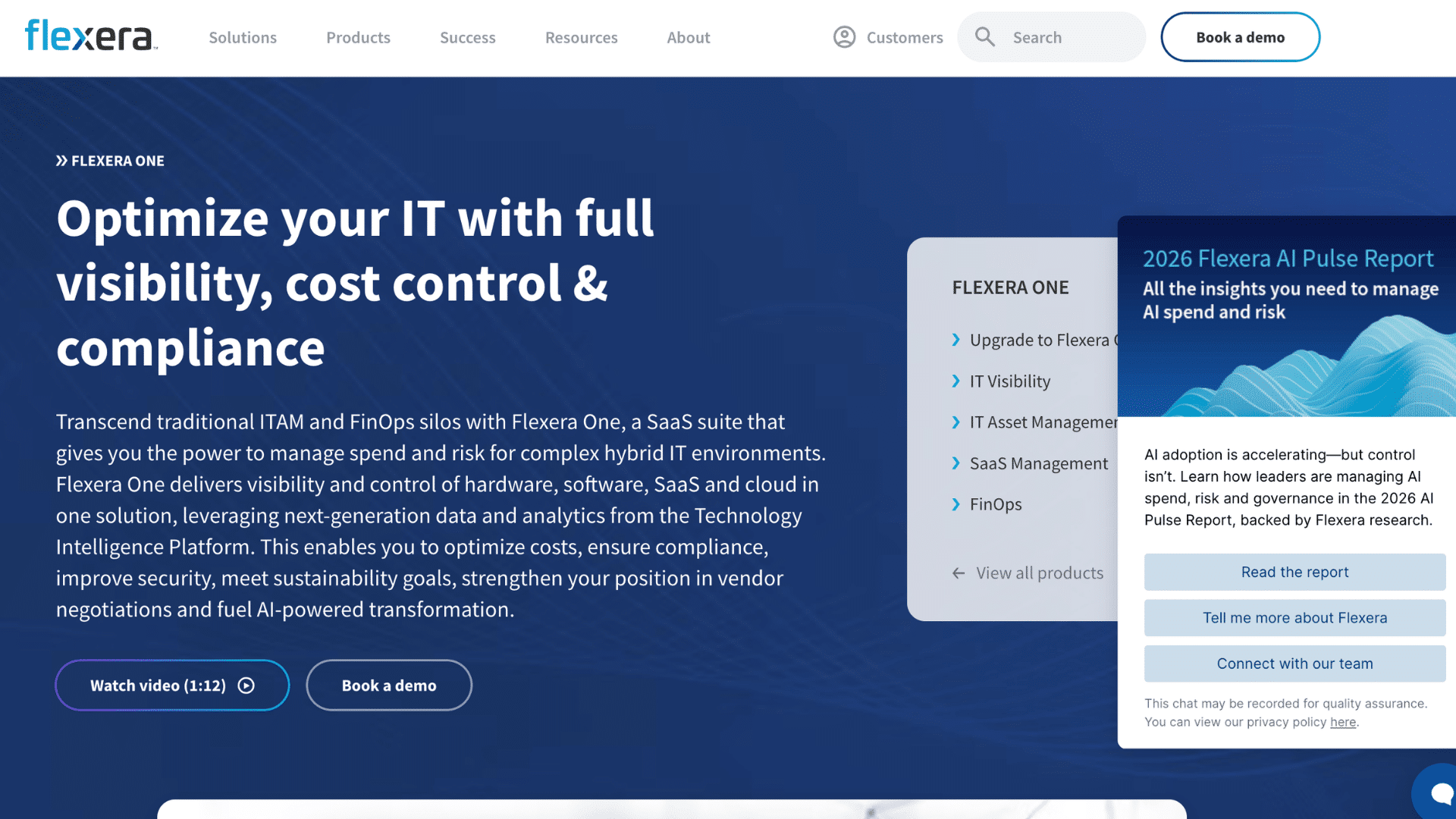
Flexera One is a cloud financial management platform that provides detailed visibility into cloud spending and resource usage.
It helps enterprises manage complex multi-cloud environments through analytics, governance, and forecasting tools.
Organizations use it to improve budgeting accuracy, detect waste, and maintain better operational control while scaling infrastructure efficiently across different cloud service providers.
- Spend visibility: Tracks cloud expenses across accounts and services
- Optimization analytics: Identifies savings opportunities
- Governance controls: Supports policy-based resource management
- Forecasting tools: Improves budgeting and financial planning
Role of Community Forums in Choosing Cloud Optimization Tools
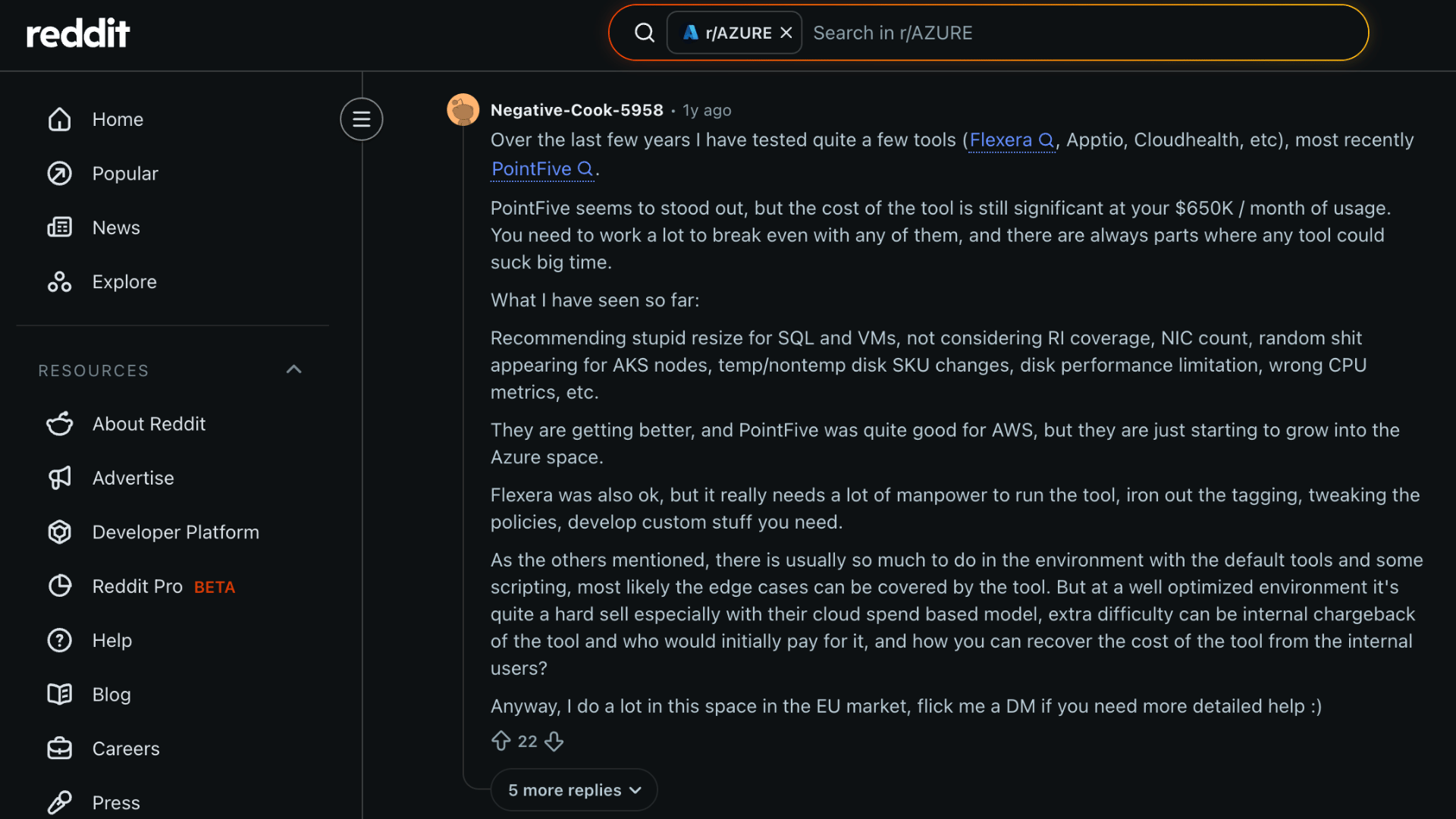
Reddit users discussing cloud optimization platforms shared mixed opinions about third-party FinOps tools for Azure environments.
Many users said native Azure tools like Cost Management, Azure Advisor, and Savings Plans already provide strong cost control when paired with proper tagging governance and automation.
Some users praised platforms like CloudZero, ProsperOps, Flexera, and CloudHealth for multi-cloud visibility and commitment analysis, while others felt many tools overpromise savings and still require heavy manual work.
Several professionals said cloud optimization depends more on internal expertise, governance, and workload tuning than software alone.
Real-world discussions also highlighted common issues such as idle resources, oversized virtual machines, weak ownership tracking, and poor workload planning that continue to increase cloud costs.
Key Features to Look for in Cloud Optimization Tools
Cloud optimization tools are most effective when they provide real-time cost tracking, allowing teams to monitor spending across services without delay.
Usage analytics provide deeper insight into consumption trends and improve resource planning decisions.
Automated scaling recommendations enhance system efficiency by adjusting workloads based on actual demand.
Multi-cloud visibility enables unified control across cloud providers, reducing management complexity. Budget alerts and forecasting support proactive financial planning by highlighting potential overspending early.
FinOps integration connects engineering and finance teams, ensuring structured governance and stronger accountability in cloud cost control.
- Real-time cost tracking: Tracks spending across cloud services instantly for better visibility
- Usage analytics: Analyzes consumption trends to support smarter planning decisions
- Automated scaling recommendations: Optimizes workloads based on real-time demand
- Multi-cloud visibility: Unifies control across multiple cloud platforms
- Budget alerts and forecasting: Detects cost risks early and supports planning accuracy
- FinOps integration: Strengthens collaboration between finance and engineering teams.
Cloud Optimization Strategies for Better Cost Control
Effective cloud cost control depends on applying the right optimization methods that improve efficiency, reduce waste, and balance performance with spending.
| Strategy | Description | Key Outcome |
|---|---|---|
| Right-sizing resources | Analyzes workload requirements and adjusts compute capacity accordingly | Reduces unused capacity and lowers costs |
| Auto-scaling policies | Automatically scales infrastructure based on real-time demand | Maintains performance while controlling expenses |
| Reserved vs on-demand usage | Uses fixed plans for steady workloads and flexible pricing for variable usage | Improves budget efficiency and cost planning |
| Storage optimization | Cleans unused files, archives cold data, and removes redundancy | Minimizes storage-related spending |
| Kubernetes cost management | Tracks and optimizes container workloads and cluster usage | Enhances efficiency in cloud-native environments |