Consumer technology continues to evolve at a remarkable pace. Devices that once performed single functions are increasingly becoming interconnected tools capable of managing communication, entertainment, productivity, health tracking, and smart home control from a unified ecosystem. As innovation accelerates, manufacturers are introducing next-generation gadgets that emphasize seamless connectivity, personalization, and intelligent automation.
Industry analysts estimate that billions of connected devices are now active worldwide, with that number expected to grow substantially over the coming years. From smart wearables and AI-powered assistants to immersive displays and advanced home automation systems, technology is becoming more integrated into everyday life than ever before.
This transformation is creating new expectations among consumers while redefining how people interact with digital products.
Connectivity Has Become the Core Feature
A decade ago, gadget innovation often focused on hardware specifications such as processing power, storage capacity, or screen resolution. While those factors remain important, connectivity has emerged as one of the defining characteristics of modern consumer technology.
Today’s devices are designed to:
- communicate across multiple platforms
- synchronize data automatically
- support cloud-based services
- connect with smart home systems
- integrate with mobile applications
Consumers increasingly expect technology to be frictionless, allowing devices to work together without complicated setup processes or constant user intervention.
This shift has encouraged manufacturers to focus on ecosystem development rather than standalone products.
Smart Ecosystems Continue to Expand
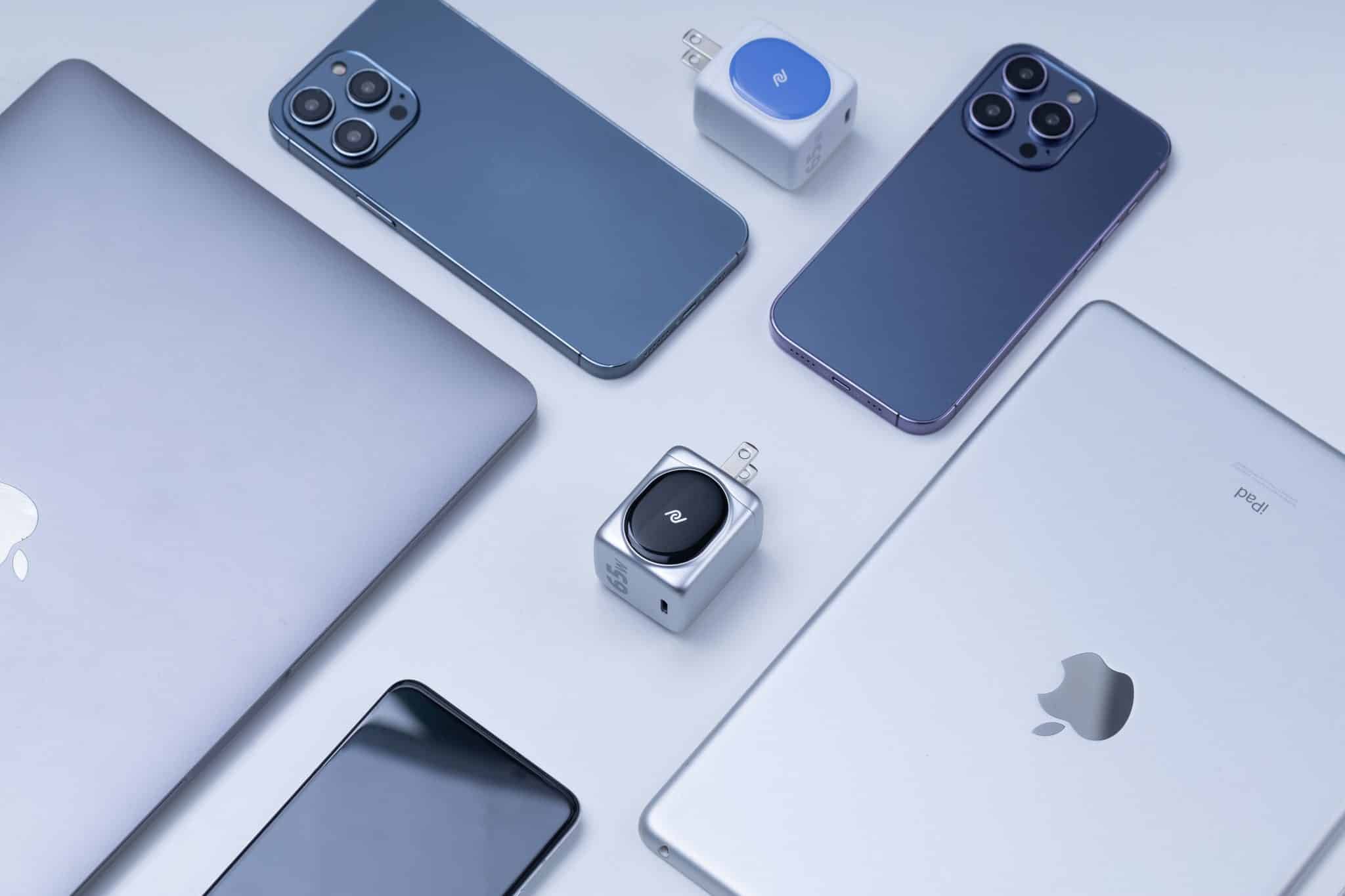
The growth of interconnected ecosystems has transformed the way people use technology. Instead of managing separate devices independently, users can now create connected environments where multiple products work together seamlessly.
Examples include:
- smart speakers controlling home devices
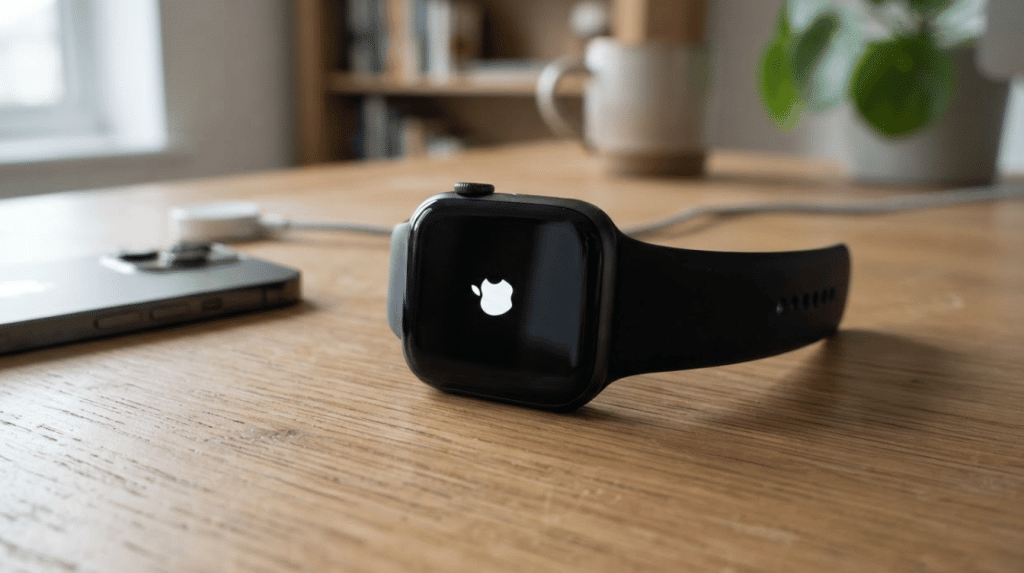
- wearable technology syncing with smartphones
- cloud-based content libraries
- connected health monitoring systems
- automated home security networks
These integrations improve convenience while reducing the complexity traditionally associated with managing multiple technologies.
As ecosystems mature, consumers increasingly prioritize compatibility when making purchasing decisions.
Artificial Intelligence Drives Smarter Devices
Artificial intelligence has become one of the most influential forces in consumer technology development.
AI-powered features now support:
- voice assistants
- predictive recommendations
- personalized content delivery
- smart automation
- advanced image and language processing
These capabilities allow devices to adapt to user behavior, creating more personalized experiences over time.
As AI models become more sophisticated, experts expect intelligent automation to become a standard feature across an even wider range of products.
Augmented Reality Is Gaining Momentum
One of the most exciting areas of innovation is Augmented reality (AR). Unlike virtual reality, which creates fully digital environments, AR overlays digital content onto the physical world.
Potential applications include:
- navigation assistance
- interactive shopping experiences
- educational tools
- workplace collaboration
- gaming and entertainment
Major technology companies continue investing heavily in AR hardware and software, viewing the technology as a potential successor to many traditional screen-based experiences.
As hardware improves and costs decline, AR adoption is expected to expand significantly.
Wearable Technology Continues to Evolve

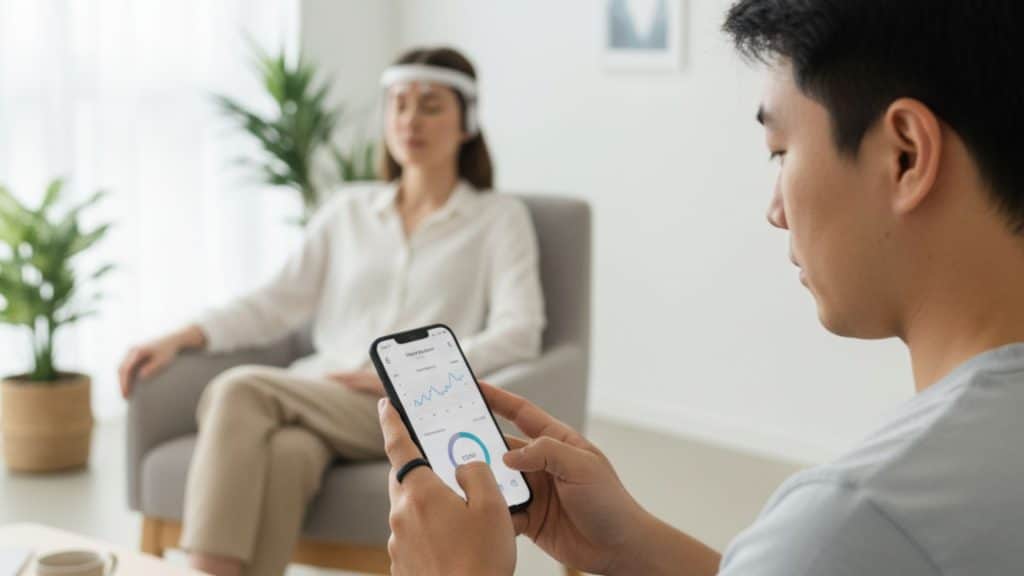
Wearables have progressed far beyond simple fitness trackers. Modern devices now incorporate advanced sensors capable of monitoring a wide range of health and activity metrics.
Common features include:
- heart rate monitoring
- sleep tracking
- workout analysis
- GPS functionality
- wellness insights
These devices are becoming increasingly sophisticated while maintaining compact form factors and longer battery life.
The continued growth of health-focused technology remains one of the strongest trends within the consumer electronics market.
Mobile Devices Remain Central Hubs
Despite the emergence of new device categories, smartphones continue to serve as the central hub of most digital ecosystems.
Consumers rely on mobile devices for:
- communication
- entertainment
- navigation
- productivity
- smart device management
As a result, many next-generation gadgets are designed primarily to complement and extend smartphone functionality rather than replace it.
This interconnected approach helps create more cohesive user experiences across multiple devices.
Cloud Technology Supports Seamless Experiences
Cloud infrastructure plays a crucial role in enabling modern connectivity.
Benefits include:
- automatic synchronization
- remote access to content
- cross-device compatibility
- enhanced storage flexibility
- real-time collaboration
Consumers increasingly expect files, settings, and content to be available across all their devices without manual transfers or configuration.
Cloud-based systems help make these expectations possible.
Digital Habits Continue to Converge
As technology becomes more integrated, consumers are spending time across a wider variety of digital environments. Entertainment, communication, commerce, and information platforms increasingly coexist within interconnected ecosystems.
For example, users may move between productivity applications, streaming services, social platforms, and entertainment-focused experiences such as discussions surrounding major sporting events or opportunities to bet on the World Cup at DraftKings, all within the same connected digital environment.
This convergence reflects the growing interconnectedness of modern digital life.
Sustainability Is Becoming More Important
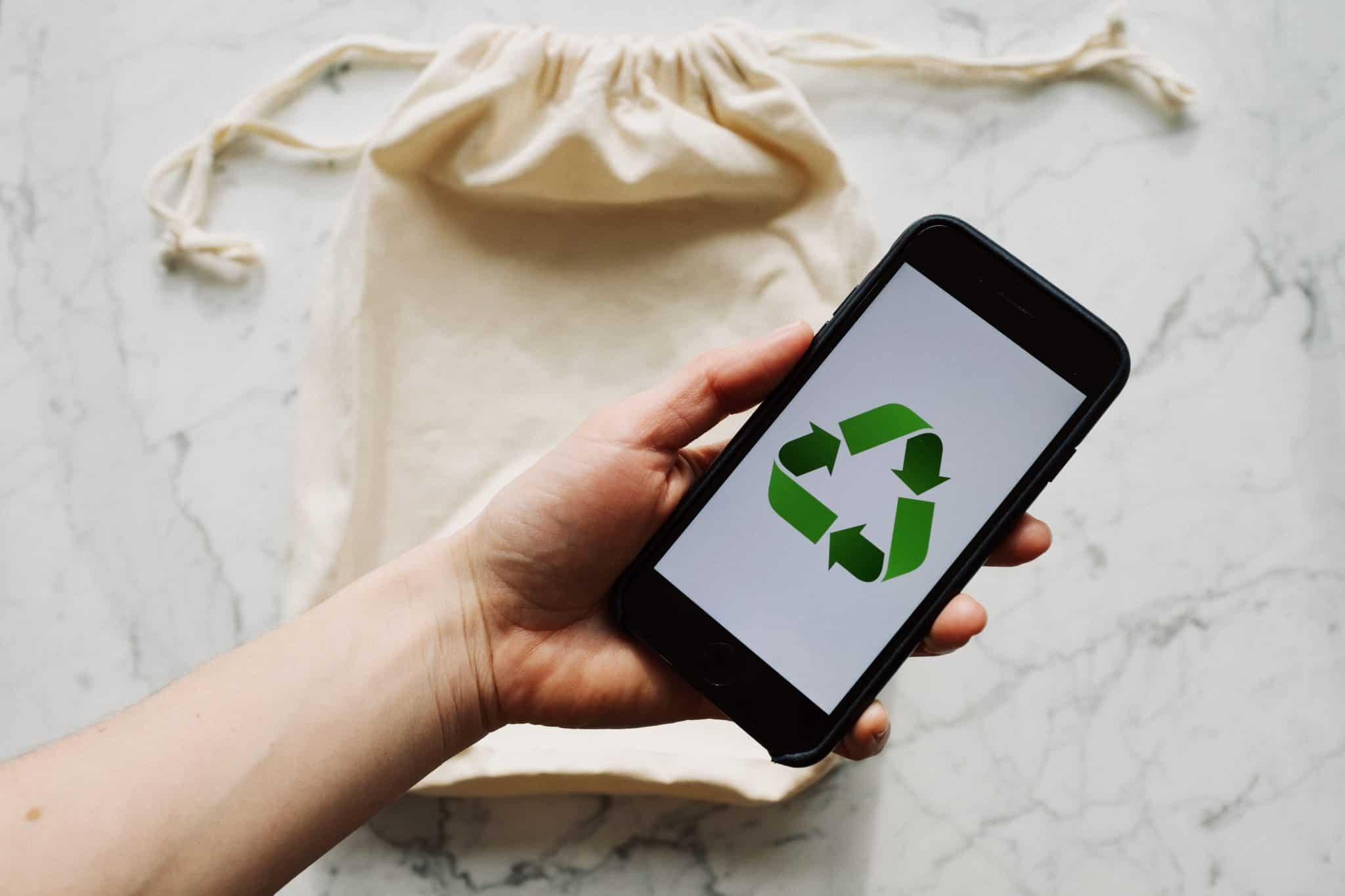
Consumers are paying closer attention to environmental considerations when evaluating new technology products.
Manufacturers are responding through:
- recycled materials
- energy-efficient components
- longer software support cycles
- repairability initiatives
- sustainable packaging
These efforts are becoming increasingly important factors in purchasing decisions.
Technology companies that successfully balance innovation with sustainability may gain competitive advantages in future markets.
The Future of Connected Devices
Looking ahead, next-generation gadgets are expected to become even more intelligent, interconnected, and personalized.
Future developments may include:
- more advanced AI assistants
- expanded AR applications
- improved battery technologies
- greater automation capabilities
- deeper cross-device integration
These innovations will likely continue reducing barriers between users and technology while enhancing convenience and functionality.
A New Era of Consumer Technology
Consumer technology is entering a period defined by connectivity, intelligence, and seamless integration. Rather than focusing solely on individual devices, manufacturers are building ecosystems that allow products to work together in increasingly sophisticated ways.
From artificial intelligence and augmented reality to cloud-based services and smart automation, next-generation gadgets are reshaping how people interact with technology every day. As consumers continue to expect technology to be frictionless, the companies that deliver seamless, connected experiences will play a leading role in defining the future of the digital world.