IoT devices are becoming an important part of modern digital systems, connecting intelligent technologies over the internet.
These connected systems gather, share, and process live information to support automation, monitoring, and better operational performance across different environments.
IoT technology improves communication, control, and data-based decisions in homes, healthcare, industries, and transport systems.
These solutions make daily tasks easier while helping organizations manage resources and improve output.
In this guide, you will find some of the best IoT device examples, smart device use cases, key features, and how these technologies improve daily life and business operations.
What Are Internet-Enabled Devices and How Do They Work?
Internet-enabled devices are physical objects linked to digital networks that can collect, send, and receive information.
They form the base of IoT ecosystems by linking everyday equipment with online communication platforms.
These devices use built-in sensors to capture information such as temperature, movement, location, and usage behavior.
The collected information is transferred through internet connectivity to cloud systems or processing units for analysis. This enables instant insights, automatic responses, and remote access to functions.
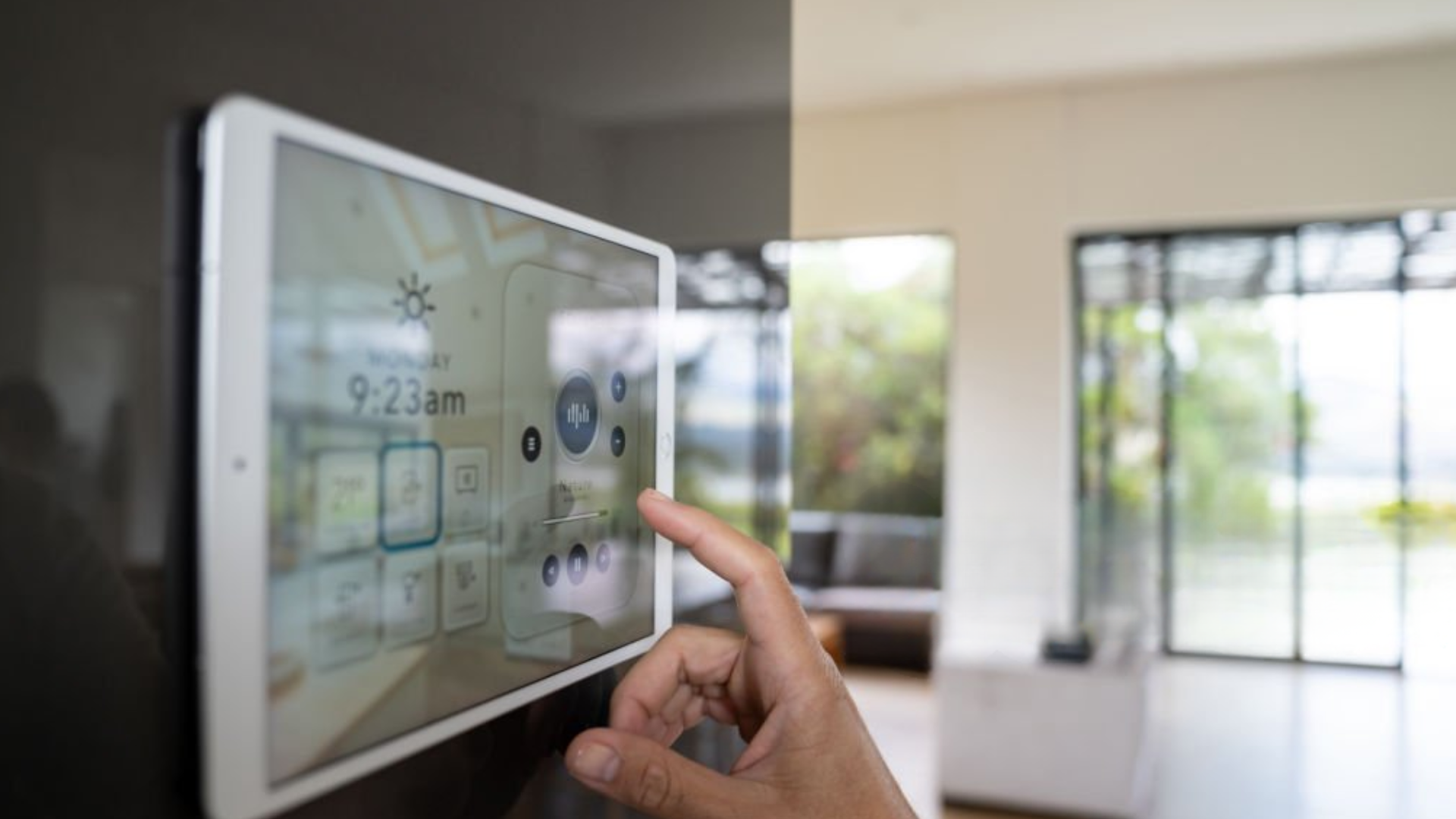
Users can manage operations such as security systems, lighting, and appliances through mobile applications or voice-based interfaces from any location, making control more convenient.
IoT Smart Devices Used Across Industries
IoT technology is transforming daily life by connecting digital systems that automate tasks, collect real-time data, and enable more efficient operations.
1. IoT Smart Devices Used in Smart Homes
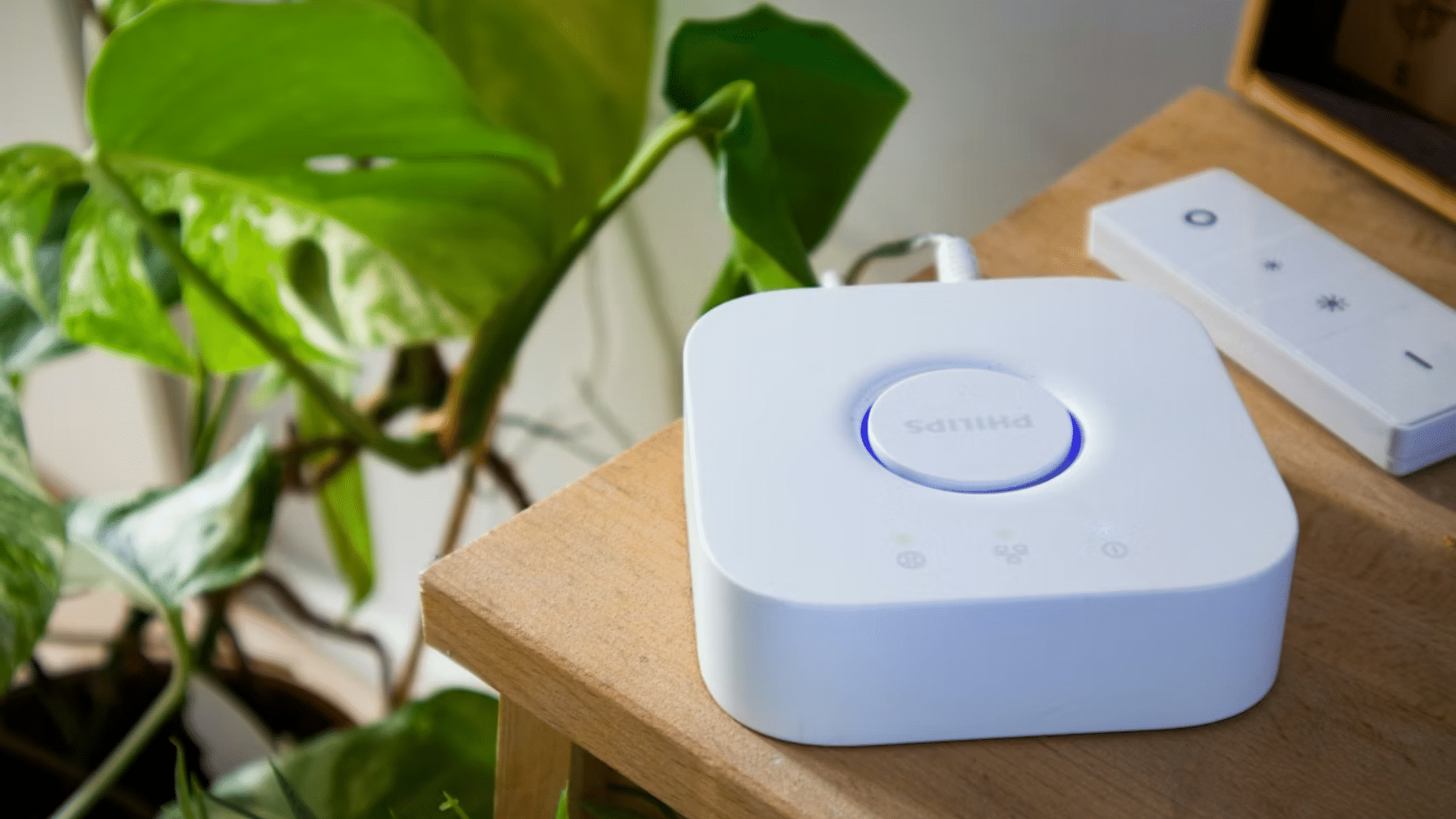
Smart home solutions integrate connected appliances, lighting systems, and security units into a unified digital network.
This setup allows users to manage household functions remotely through mobile applications or voice interfaces.
Routine activities such as lighting control, temperature adjustment, and appliance scheduling operate automatically based on usage behavior.
Energy consumption becomes more balanced through intelligent monitoring, while surveillance tools strengthen safety with live alerts and motion tracking.
These systems create a responsive home environment that supports comfort, security, and efficient resource usage.
- Smart Lighting Systems: Adjust brightness and save energy automatically
- Voice-Controlled Assistants: Manage devices and provide hands-free support
- Smart Thermostats: Maintain ideal indoor temperature
- Security Cameras: Security cameras now use AI home security systems to provide live alerts, motion detection, and better protection for connected homes.
- Smart Locks & Appliances: Enable remote home access
2. IoT Devices Examples in Healthcare Systems
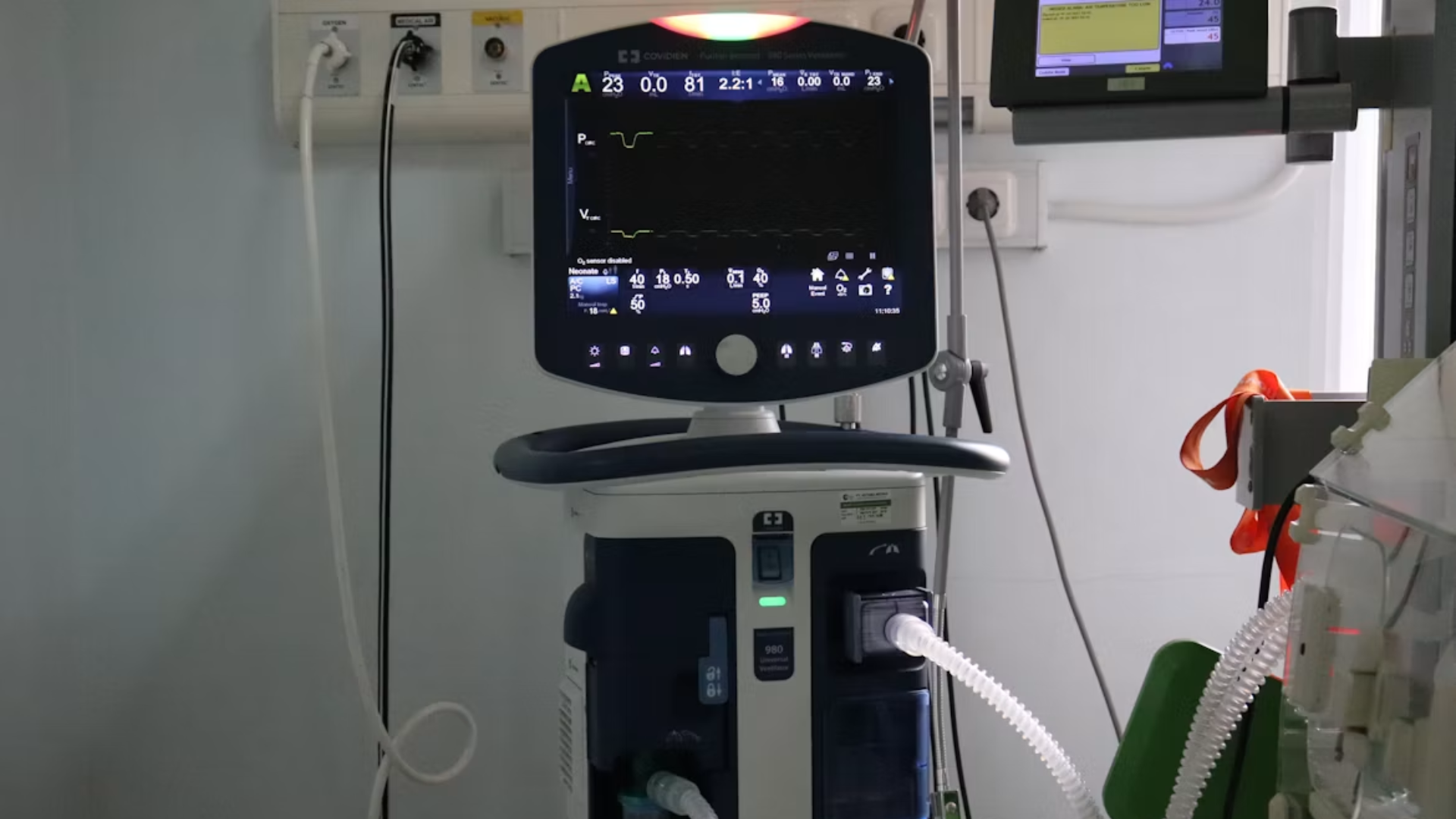
Connected healthcare devices support continuous tracking of patient conditions and improve clinical responsiveness. Wearables and medical sensors collect key health indicators such as pulse rate, oxygen saturation, and glucose levels.
This information is transmitted to digital platforms where healthcare professionals can review and respond without delay.
Remote supervision reduces dependency on hospital visits and supports early intervention in critical situations.
These systems also improve diagnostic accuracy and help maintain consistent patient monitoring across different care settings.
- Wearable Fitness Trackers: Monitor heart rate and activity
- Remote Monitoring Tools: Track patient health remotely
- Smart Insulin Systems: Automate glucose-based insulin delivery
- Connected Diagnostic Machines: Share test results instantly
- Elderly Safety Devices: Detect falls and send alerts
3. Industrial IoT Smart Devices in Manufacturing
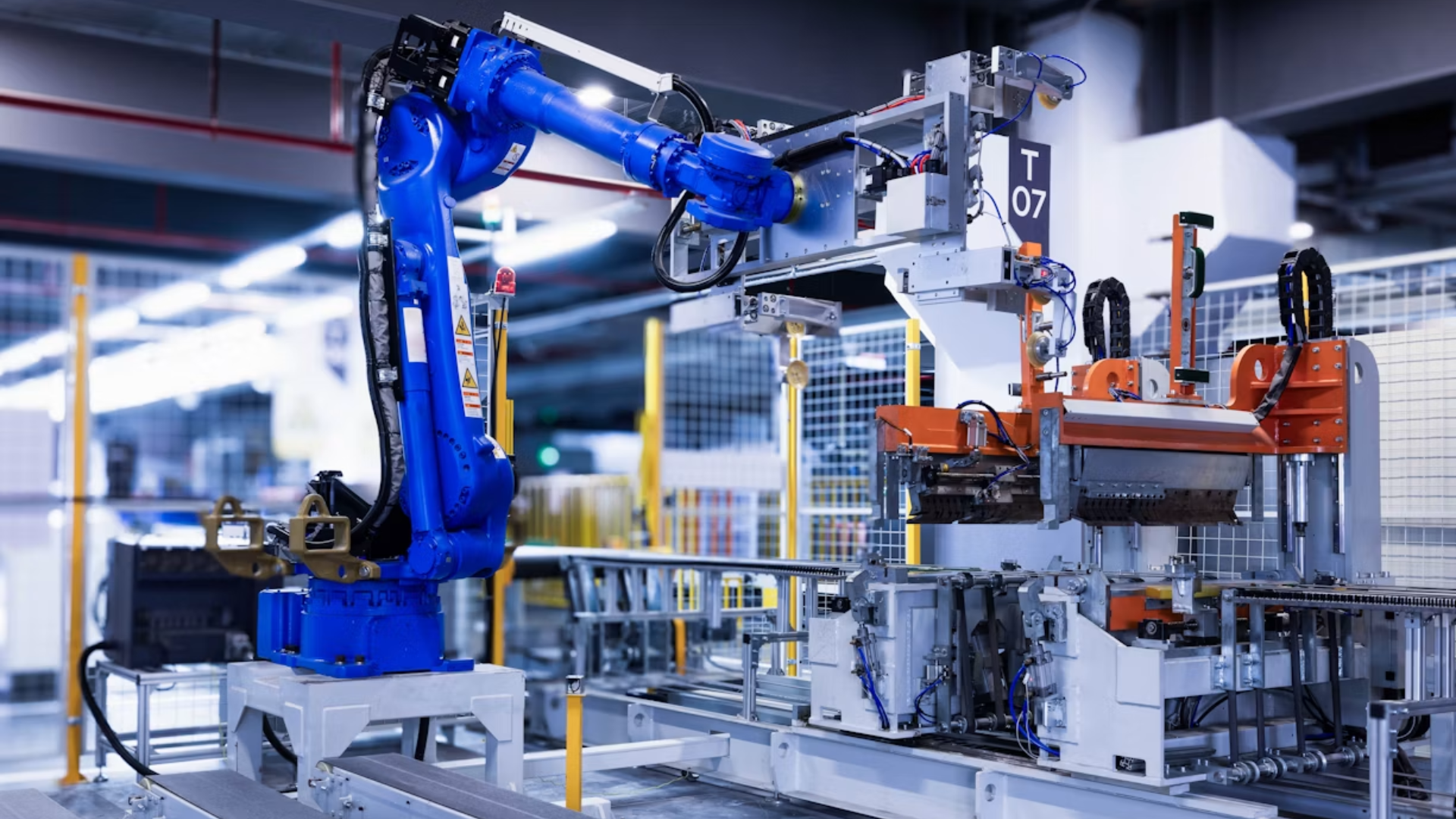
Industrial connected systems link machinery, sensors, and production units to improve operational flow.
Continuous monitoring identifies performance issues early and reduces unplanned stoppages. Automated processes increase output consistency while maintaining product standards.
Data tracking supports better control over energy usage, supply chains, and inventory movement.
Predictive insights help plan maintenance activities before equipment failure occurs. This structure enhances productivity while reducing operational waste in manufacturing environments.
- Predictive Maintenance Sensors: Detect equipment failures early
- Automated Production Systems: Increase manufacturing speed
- RFID Tracking Solutions: Monitor inventory flow
- Energy Monitoring Systems: Optimize power usage
- Industrial Robotics: Perform repetitive tasks with precision
4. Internet-Enabled Devices in the Transportation Sector

Connected transport systems improve movement coordination through live data exchange between vehicles, infrastructure, and control platforms.
Route optimization tools reduce travel delays while monitoring systems provide accurate fleet tracking.
Smart traffic solutions adjust flow patterns based on congestion levels, improving road usage. Digital payment systems simplify toll collection, and mobility apps streamline ride scheduling.
Integration across transport networks enhances operational coordination and improves travel reliability.
- GPS Fleet Tracking Systems: Monitor vehicle movement
- Smart Traffic Control Systems: Reduce congestion
- Connected Vehicle Platforms: Support navigation and diagnostics
- Electronic Toll Systems: Enable automatic payments
- Ride Management Applications: Manage transport bookings
5. IoT Devices in Agriculture and Environment
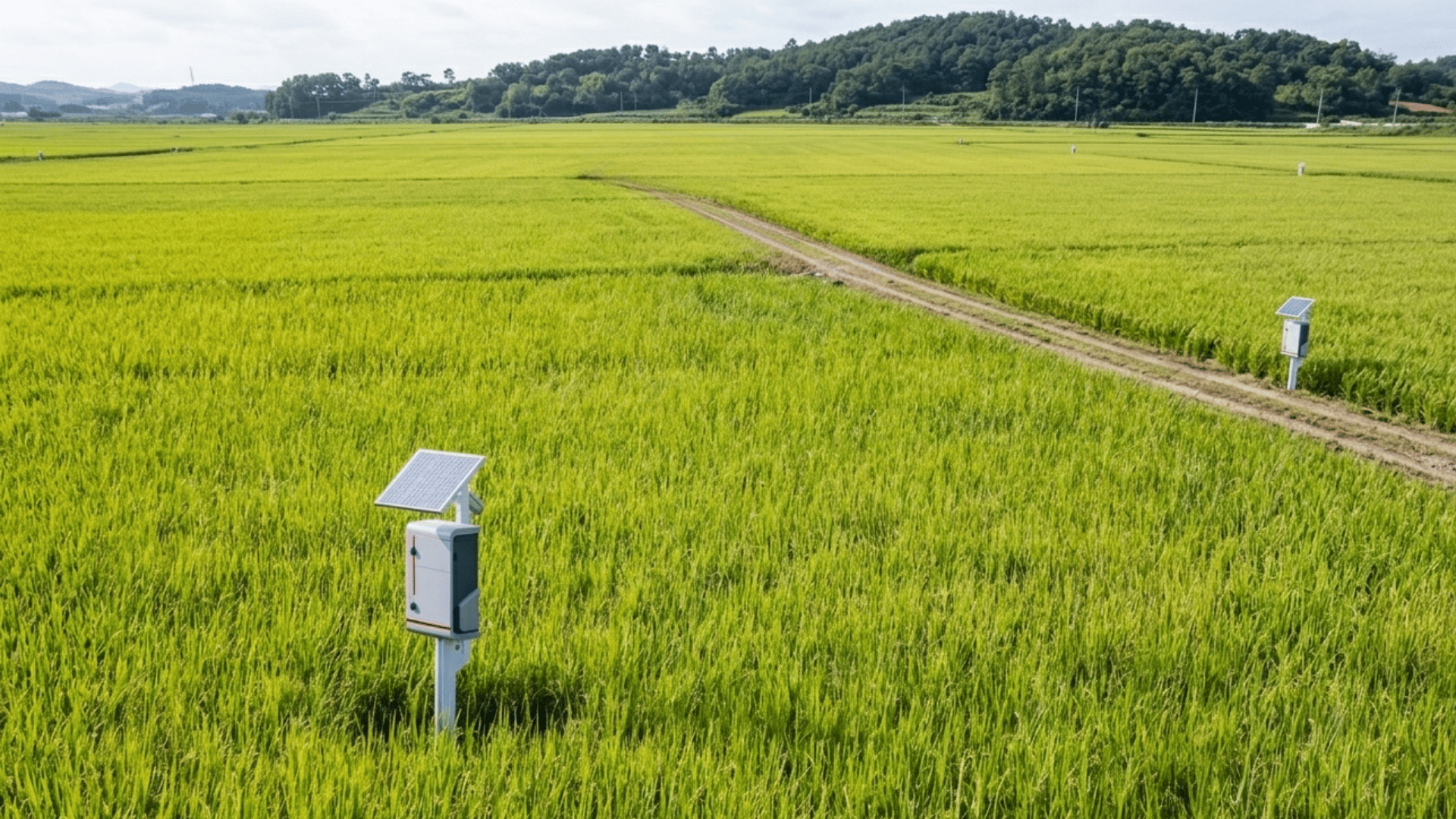
Digital farming systems use sensors and automated tools to monitor soil conditions, climate patterns, and livestock activity.
Real-time data helps optimize irrigation, improve crop planning, and reduce resource waste. Drone systems support field inspection and crop assessment from aerial views.
Livestock tracking improves animal health management, while environmental monitoring ensures better agricultural planning.
These technologies support efficient farming practices and improved productivity.
- Soil Monitoring Sensors: Measure moisture and nutrients
- Automated Irrigation Systems: Control water usage
- Weather Stations: Track climate conditions
- Livestock Monitoring Devices: Monitor animal health
- Drone-Based Analysis: Inspect crop fields
6. IoT Smart Devices in Smart City Infrastructure
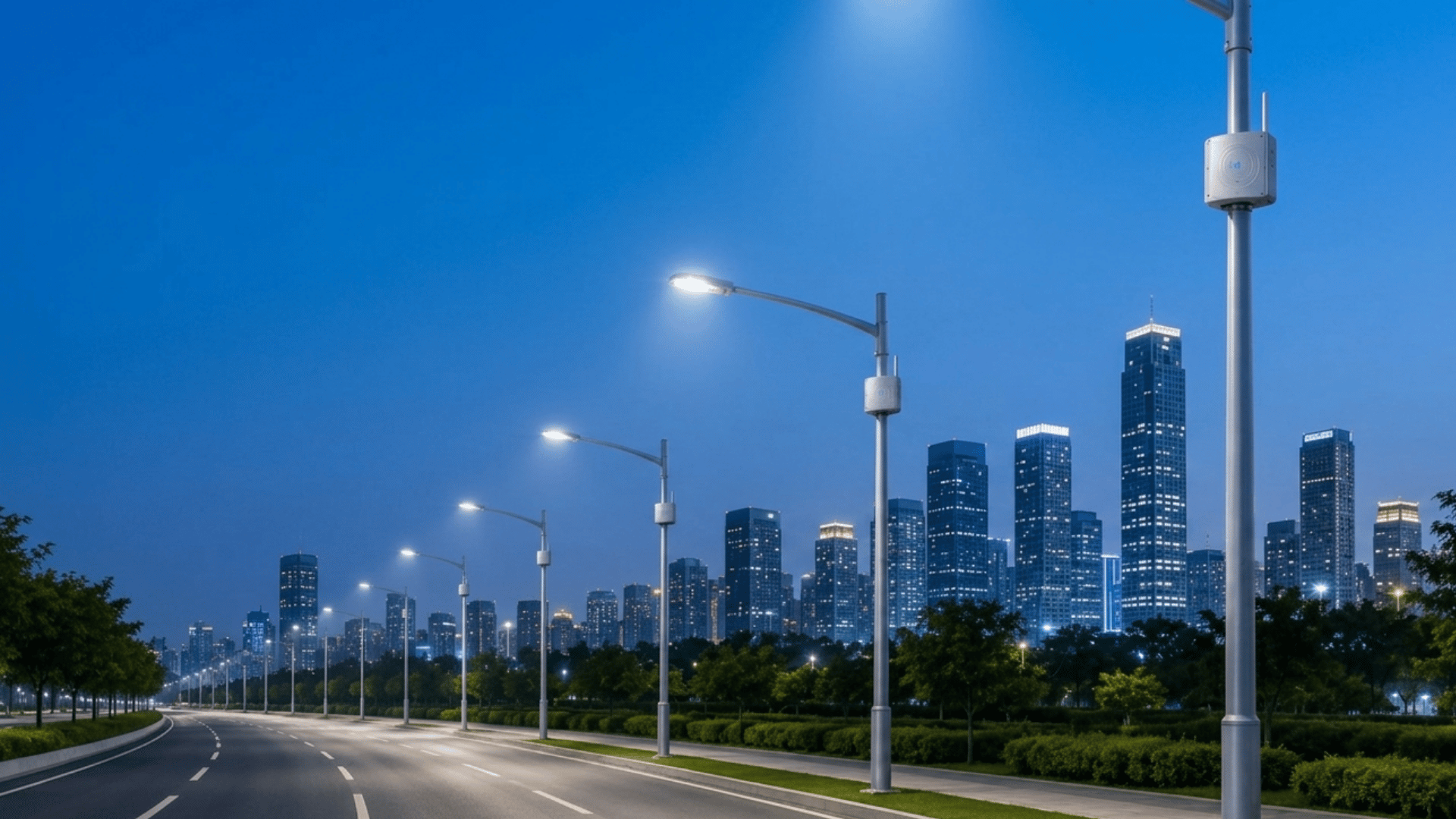
Urban connected systems improve public services through automated monitoring of traffic, energy, waste, and transport networks.
Smart lighting adjusts based on environmental conditions, while sensor-based waste systems improve collection efficiency.
Parking solutions reduce congestion in busy areas, and transport tracking enhances the commuter experience.
Energy management systems optimize consumption in buildings and public infrastructure. These technologies support structured urban development and improved service delivery.
- Smart Street Lighting: Adjust brightness automatically
- Waste Management Sensors: Monitor bin levels
- Parking Assistance Systems: Find available parking spots
- Public Transport Tracking: support the future of autonomous public transport by improving route management safety and traffic coordination through live data.
- Energy-Efficient Buildings: Optimize electricity use
Overview of IoT Devices Across Industries
IoT devices connect systems, collect real-time data, and automate daily operations across multiple sectors.
| Sector | IoT Device Examples | Main Purpose | Key Benefits |
| Smart Homes | Smart lights, thermostats, voice assistants, security cameras | Home automation and remote control | Convenience, energy savings, security |
| Healthcare | Fitness trackers, smart insulin systems, and remote monitors | Patient monitoring and health tracking | Real-time healthcare, early diagnosis |
| Manufacturing | Predictive sensors, RFID systems, and industrial robots | Monitor machines and automate production | Higher productivity, reduced downtime |
| Transportation | GPS trackers, smart traffic systems, connected vehicles | Improve transport and traffic management | Better routing, reduced congestion |
| Agriculture | Soil sensors, smart irrigation, and drones | Monitor crops and farming conditions | Efficient farming, resource optimization |
| Smart Cities | Smart street lights, parking systems, waste sensors | Manage urban infrastructure | Improved public services, energy efficiency |
These smart technologies improve efficiency, monitoring, and decision-making in homes, healthcare, industries, and cities.
Key Benefits of IoT Devices
IoT devices provide multiple advantages by connecting smart systems through the internet and enabling seamless data exchange.
- Automation and Efficiency: IoT devices automate routine tasks, reduce manual effort, and improve operational efficiency across industries such as healthcare, manufacturing, transportation, and agriculture.
- Real-Time Monitoring: Connected devices collect and transmit live data instantly, allowing users and organizations to monitor systems, equipment, and environments continuously.
- Better Decision-Making: IoT technology provides accurate data insights that help businesses and individuals make faster and more informed decisions.
- Resource Optimization: Smart IoT systems help reduce waste by optimizing the use of energy, water, fuel, and other valuable resources.
- Safety Improvements: IoT devices enhance safety through instant alerts, remote monitoring, predictive maintenance, and emergency response features.
These technologies help organizations improve productivity, monitor operations in real time, and deliver better user experiences across different industries.
Challenges Faced by Internet-Enabled Devices
Internet-enabled devices improve connectivity and automation, but they also create technical and security-related challenges.
| Challenge | Description |
|---|---|
| Data Security Risks | Connected devices may face hacking, malware attacks, and unauthorized data access |
| Connectivity Dependency | Device performance depends on stable internet and network availability |
| System Integration Issues | Different platforms and devices may not work together smoothly |
| Maintenance Requirements | Regular updates and technical support are needed for efficient performance |
| Privacy Concerns | Personal and operational data collection can create privacy-related issues |
Proper management and system protection are important for maintaining reliable and secure operations.
Types of IoT Devices Based on Function
IoT devices can be grouped according to their role in monitoring, controlling, tracking, and automation across different environments.
- Monitoring Devices: Devices that continuously observe and collect data from the environment for analysis and tracking purposes.
Examples: Fitness trackers, environmental sensors, security cameras. - Control Devices: Devices that allow users to manage and adjust systems remotely through apps or connected platforms.
Examples: Smart thermostats, smart lighting systems, connected home appliances. - Tracking Devices: Devices used to locate and monitor movement of objects, vehicles, or individuals in real time.
Examples: GPS trackers, asset tracking systems, wearable safety devices. - Automation Devices: Systems that perform tasks automatically based on programmed rules or real-time data inputs.
Examples: Industrial robots, automated irrigation systems, smart traffic systems.
Impact of IoT on Digital Transformation
IoT plays a major role in accelerating digital transformation by connecting devices, systems, and people through real-time data exchange.
It enables organizations to automate processes, improve decision-making, and increase operational efficiency across industries like healthcare, manufacturing, transport, and smart cities.
IoT-powered systems reduce manual work by using sensors, analytics, and cloud computing to deliver instant insights.
This leads to faster response times, better resource management, and improved customer experiences.
Overall, IoT acts as a key driver of innovation, helping businesses shift toward smarter, data-driven, and highly connected digital ecosystems.
Future Scope of IoT Smart Devices
IoT technology is rapidly evolving and will continue to reshape industries through intelligent connectivity, advanced automation, and data-driven systems.
- AI Integration: Improves automation, prediction, and device intelligence.
- Edge Computing: Enables faster processing by reducing data delay.
- 5G Connectivity: Supports high-speed communication and large device networks.
- Data Analytics: Converts collected data into useful business insights.
- Cybersecurity Enhancements: Strengthens protection with advanced encryption and monitoring.
- Smart City & Healthcare Growth: Expands IoT use in urban systems and medical services.
In the coming years, smart devices will become more efficient, secure, and deeply integrated into everyday environments.
Conclusion
IoT devices are reshaping multiple sectors by enabling connected systems, real-time data flow, and intelligent automation.
These technologies improve efficiency accuracy and control in healthcare industries farming and cities.
I noticed that IoT technology is making everyday systems smarter and faster by improving automation, real-time monitoring, and decision-making across different industries.
They also support better decision-making and resource management across daily applications.
With ongoing advancements in AI, 5G networks, and data analytics, IoT solutions are becoming more powerful, scalable, and widely adopted.
This growth is driving the next phase of digital transformation across industries.
Frequently Asked Questions
Where Are IoT Devices Used in Real Life?
IoT devices are used in healthcare for patient monitoring, in homes for automation, in factories for production control, in transport for tracking, and in agriculture for smart farming.
How Does an IoT System Function?
An IoT system collects data using sensors, transmits it through the internet, and processes it to enable remote control, automation, and real-time decision-making.
Which IoT Device Is Most Commonly Used?
Smartwatches, fitness trackers, and home automation systems are among the most widely adopted IoT devices due to daily lifestyle and convenience benefits.
Are IoT Devices a Security Risk?
Yes IoT devices can be a security risk if not updated or secured properly Using strong passwords updates and separate networks helps reduce risks.
What Is the Difference Between IoT and a Smart Device?
A smart device works with built in technology while an IoT device connects to the internet and shares data with other systems or platforms