
Introduction: Why Precision Has Become Central to Roof Inspections
Precise roof inspections are critical towards long term protection of assets. The roof is the main protection of any building and minor negligence during the testing can result in expensive repairs, structural damage or security issues.
Mapping technologies help to resolve the accuracy issues with continuous roof inspections. They provide better accuracy compared to conventional approaches and improve working processes of inspection.
The Limitations of Traditional Roof Inspection Practices
Manual and visual methods are the main character features of traditional roof inspection practices. Although these have been the industry standard over several decades, they are limited by a number of factors:
- Access and Visibility: Inspectors usually have physical barriers that restrict their visibility to see the whole surface.
- Human Judgment: Manual assessments are based on subjectivity of the individual inspector and might cause inconsistencies.
- Margin for Error: Complex designs of roofs and large scale properties are inherently more prone to overlooking critical defects.
- Physical Constraints: Many roofs are too high and steep to be thoroughly examined manually in a walk through, and would take much time.
What Mapping Technologies Mean in a Roof Inspection Context
Mapping technologies refer to tools used to capture and process spatially accurate data, helping professionals deliver more precise and reliable drone roof inspection services compared to traditional visual documentation alone. While a standard photograph provides a flat view of a specific area, detailed mapping transforms how roofs are assessed by creating a cohesive, data-rich model. These technologies allow for:
- Spatial Accuracy: Mapping tools provide a digital representation where every point corresponds to a real-world coordinate.
- Holistic Assessment: Inspectors can evaluate the roof as a complete system rather than relying on separate images.
- Plain-Language Data: Advanced mapping transforms complex aerial data into clear, usable insights that property managers and inspection teams can easily analyze.
Improving Measurement Reliability and Structural Insight
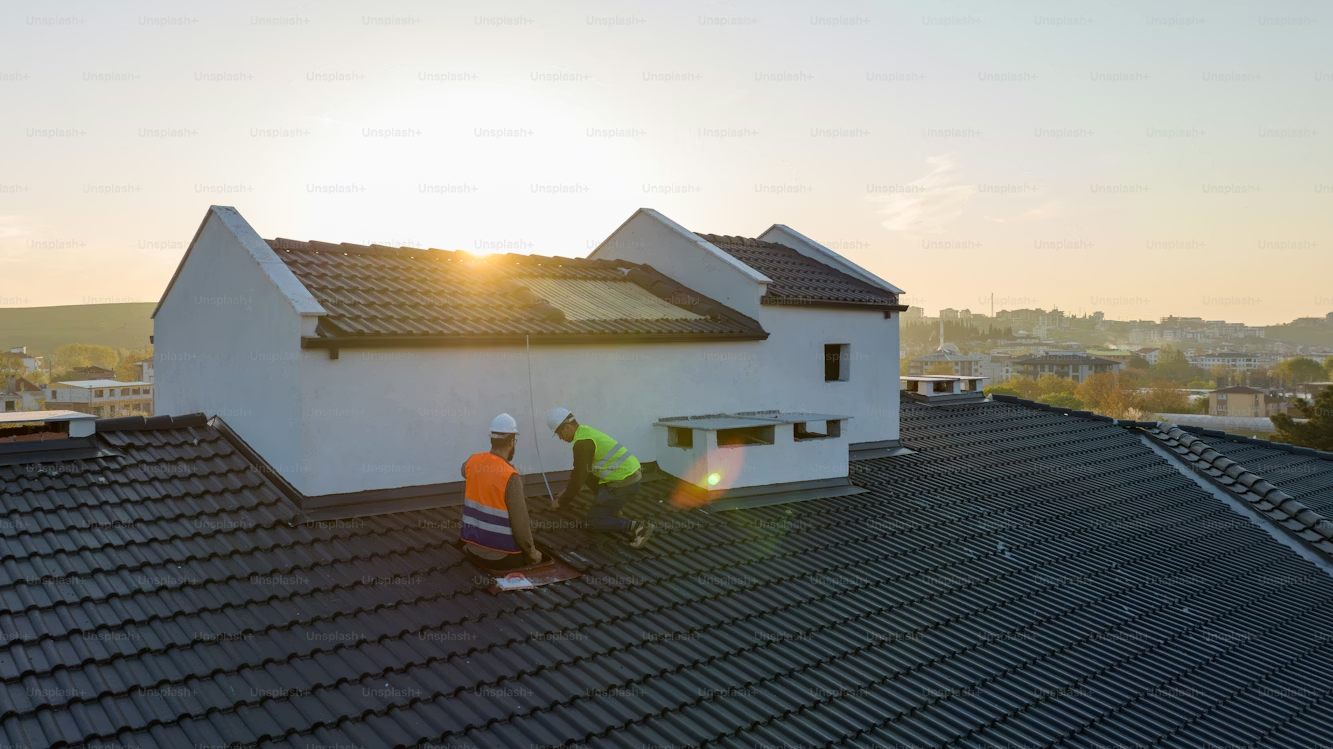
One of the most significant advantages of mapping is the ability to improve measurement reliability. Accurate data collection supports clearer inspection outcomes through:
- Precision Calculations: Mapping allows for the accurate calculation of dimensions, slopes, and total surface areas.
- Elevation Analysis: Inspectors obtain an efficient understanding of the way that elevations change and buildings incite the image.
- Consistent Data: The data obtained is digitally recorded and so the measurements will be consistent at any rate irrespective of the individual analysing the data.
- Structural Depth: Mapping provides a nuanced look at the roof’s geometry, which is vital for planning repairs or equipment installations.
Identifying Issues That Are Easy to Miss
Mapping technologies are designed to help inspectors identify issues that are easy to miss during a manual walk-through. By using mapped views to spot patterns rather than isolated issues, professionals can detect:
- Drainage Inefficiencies: Mapping can highlight subtle depressions or slope issues where water might collect.
- Material Stress: The technology is capable of identifying surface wear and material fatigue in large areas of the roof.
- Informed Maintenance: This information can be used to implement maintenance prior to a small leak turning to a major failure.
- Pattern Recognition: Mapped data assists in determining common problems in more than one building in a portfolio.
Safety Improvements Through Reduced Physical Exposure
Mapping technologies facilitate major safety enhancements by reducing the physical contact with the construction at the initial phases of an assessment. The following operational changes are the keys to this proactive approach to safety:
- Fewer on-roof inspections required during initial assessments: With the help of remote mapping, the amount of staff to walk the roof in the initial data collection is minimized.
- Lower risk for inspectors working at height: A decrease in the number of physical climbs will directly decrease the exposure to the risks of working on steep, unstable, or elevated surfaces.
- Better preparation before any hands-on evaluation is necessary: Detailed digital maps enable teams to pinpoint hazards and structural complexities without leaving the ground. This guarantees that any subsequent physical testing is carried out with the team being fully equipped in the environment.
This approach to safety-first workflow priorities will allow organizations to ensure the safety of their employees and pay sufficient attention to the inspection quality.
Clearer Documentation and More Useful Inspection Records
Modern mapping is a byproduct of clearer documentation, which gives more useful records to all the stakeholders. The advantages of communication are:
- Visual Record Consistency: Mapping generates better consistency in reporting that is critical in long-term monitoring.
- Stakeholder Transparency: The high-resolution data is available to all the property managers, inspectors, and owners, resulting in more informed conversation.
- Collaboration Tools: Digital maps are easy to share and annotate, therefore, it is easier to make the decisions between dispersion teams.
- Historical Benchmarking: These records provide a valid point of reference to track the deterioration of a roof during a period of years.
Modern mapping improves the stakeholder communication system, consistent data, transparency, and historical benchmarks based on which decisions and monitoring are made and tracked.
Applications Across Different Property Types
Mapping inspections are effective in scaling to different sectors which traditional methods struggle with.
- Residential: Best in residential houses with complicated layout and steep roofs that cannot be traversed.
- Commercial and Industrial: Mapping is the only method that is applicable in buildings with massive surface areas where manual inspections would be prohibitively time-consuming and have gaps.
- Scalability: These approaches are more scalable than traditional workflows, and it is possible to quickly analyze an entire industrial complex.
New challenges require modern solutions. Therefore, mapping technologies improve efficiency and accuracy in different fields in our society today.
How Mapping Is Shaping the Future of Roof Inspections
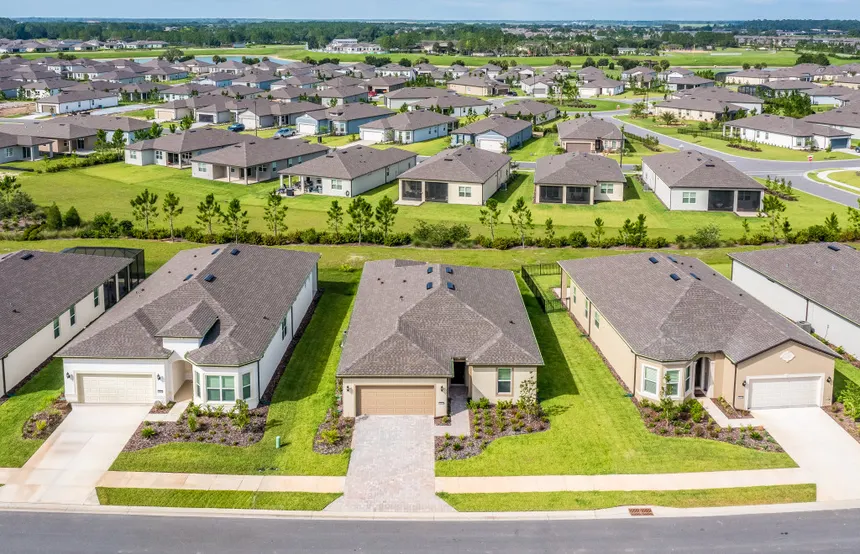
Mapping is shaping the future of roof inspections by increasing the role of data-driven decision-making, enabling a drone surveying company to deliver more accurate, scalable, and efficient inspection solutions.
As the industry moves toward broader adoption of advanced inspection workflows, we are seeing:
- Intelligent Analysis: The integration of mapped data with predictive maintenance approaches.
- Advanced Workflows: A shift toward standardized, tech-enabled procedures across the entire roofing industry.
- Smarter Inspections: A transition toward a model where precision and clarity are the primary drivers of property management.
These innovations focus on accuracy and clarity, improving the practices of property management, as well as providing more efficient and effective roofing solutions in the future.
A Shift Toward Smarter, More Reliable Inspections
The shift to precision-based inspections is taking over in the industry. Mapping technologies help the stakeholders make informed decisions as it makes the process accurate, safer, and readable.
Advanced mapping practices offer in-depth information, and assessments are based on the actual conditions of roofing infrastructures over time.
This evidence-based assessment enables the decision-makers to prioritize well in maintaining and allocate resources effectively.
Although no technology can ensure an immediate or flawless result, these tools offer a solid platform on which to approach the maintenance of health and life of vital roofing infrastructure. Having precision in inspections will enhance efficiency in the operations and also foster trust to stakeholders.