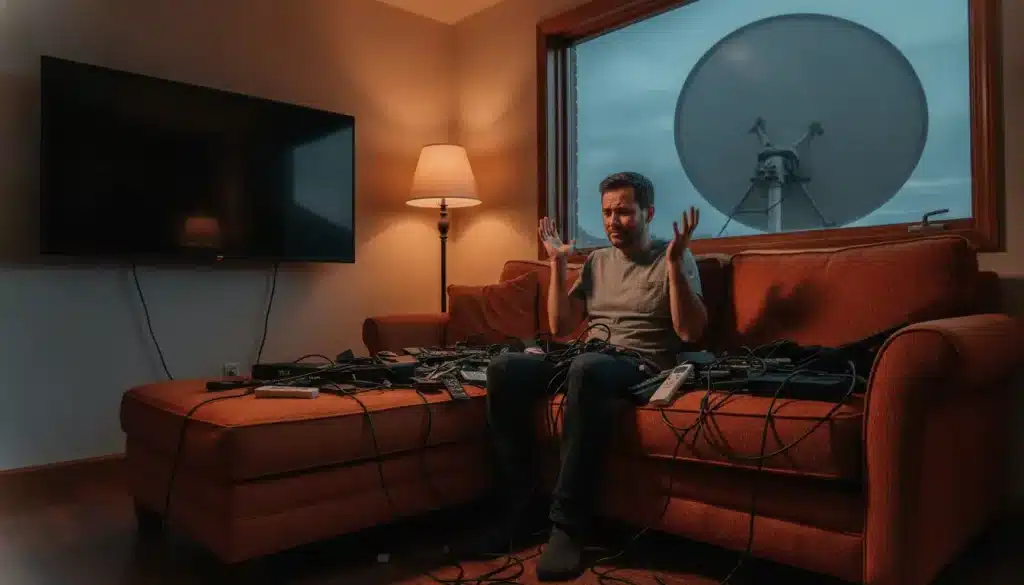
Since Netflix and other streaming platforms became popular, ditching your cable or satellite TV seemed like the best way to go. Cancel the subscription, sign up for a couple of streaming services, pause as needed, and save money every month. A lot of people did that and are still doing that, and then spend the next few weeks realizing the switch was not as clean as they expected.
The problems we hear are rarely about the switch from live TV to streaming services. They’re mostly about the assumptions people bring into the transition without really knowing what they need to know before switching. Here are the most common ones:
1. Underestimating How Much the Quality of Your Internet Connection Matters
Cable or satellite TV does not depend on your home internet at all. Streaming depends on it entirely. A lot of households make the switch without checking whether their current internet plan can actually handle the load, especially if multiple people are watching different things on different devices at the same time.
HD streaming needs a stable connection of at least 25 Mbps. 4K needs closer to 50 Mbps. If you have two people streaming and someone else is gaming or on a video call, that adds up fast, which can cause your stream to buffer. Before canceling your live TV subscription, you should run a speed test and check if your current plan is ready for what’s going to be asked of it.
2. Assuming Streaming Will Always Be Cheaper
This one catches people off guard more than anything else. One streaming service is cheaper than one live TV streaming subscription. Two is still probably fine. But by the time you have added a live TV service for sports, a premium tier for the shows you actually want, and a couple of add-ons for channels that did not come in the base package, the monthly total starts looking familiar.
The savings are real but they require some discipline about what actually gets subscribed to. Most people who end up spending as much as they did on live TV got there by signing up for things gradually without keeping track of the running total.
3. Not Accounting for Live Sports and Local Channels
This is by far the biggest source of regret for people who make the switch without thinking it through. A lot of live sports content is either unavailable on streaming or requires a separate add-on. The same goes for local broadcast channels like ABC, CBS, NBC, and Fox, which carry a big part of live sports and local news.
If you have DISH Network or something similar, it will be a big adjustment if you’re used to having access to a lot of sports channels. To save money, you can map out which sports and local channels you watch before switching. Having that list will help you check your projected expenses once you make the switch.
4. Signing Up for Too Many Services at Once
The streaming industry has gotten fragmented enough that there is a real temptation to sign up for everything upfront to make sure nothing gets missed. The best you can do is subscribe to one or two services, spend a month watching, and then decide what else is actually needed, if there’s any. Most streaming services have no contracts, so you don’t have to worry about early cancellation fees.
5. Forgetting About the Contract
Most cable and satellite TV subscriptions come with a contract, usually 1-2 years, and breaking it early means paying a termination fee that can run into hundreds of dollars. A lot of people get excited about the savings from switching to streaming and cancel immediately without checking where they are in the contract period.
Always check the exact end date of your contract before doing anything else. If there are only 2-3 months left, waiting it out may cost far less than an early termination fee. If the contract just renewed, that fee might actually wipe out an entire year of streaming savings.
Be Smart With Your Satellite-to-Streaming Switch
Replacing satellite TV with streaming is a perfectly reasonable move for a lot of households and the savings are real when the transition is done thoughtfully. The mistakes are almost always about moving too fast, not checking the internet situation, and underestimating how much the live TV piece costs to replicate. Go in with a plan and the switch is usually worth it. Go in assuming it will sort itself out and it usually does not.