A wide-angle lens can look like an easy purchase until price, mount, focal length, and sensor size start pulling the decision in different directions.
The best wide-angle lenses are not always the most expensive ones; the right choice depends on how much coverage is needed and which features justify the cost.
If you are trying to keep the budget under control, a compact prime or slower zoom may offer more value than premium glass packed with features that rarely get used.
I would start by checking compatibility, then look at focal length, aperture, weight, and intended use.
The options ahead cover affordable and premium picks, buying advice, and the details that matter most before you spend money on the wrong lens.
What Counts as a Wide-Angle or Ultra-Wide-Angle Lens?
A wide-angle lens captures more of a scene than a standard lens. On full-frame cameras, lenses around 35mm and below are generally considered wide-angle, while 24mm and shorter fall into ultra-wide territory.
Sensor size changes the field of view, which is part of why mirrorless and DSLR bodies handle wide coverage differently.
APS-C cameras often use focal lengths around 10mm to 18mm for ultra-wide coverage, while Micro Four Thirds cameras typically need around 7mm to 12mm because of their 2x crop factor.
Fisheye lenses are different because they intentionally create strong curved distortion. Most landscape, architecture, real estate, and travel photographers instead use rectilinear lenses that keep straight lines more natural.
Wide-Angle Lenses at a Glance
The best wide-angle lens depends on your camera system, budget, and shooting style. This comparison gives you a quick look at the main options, including focal length, format, ideal use, and approximate cost.
| Lens | Format | Focal Length | Best For | Approx. Cost (USD) |
|---|---|---|---|---|
| Canon RF 16mm f/2.8 STM | Full-frame | 16mm | Budget, vlogging, travel | $250–$300 |
| Nikon Z 14-30mm f/4 S | Full-frame | 14-30mm | Landscapes, travel | $1,000–$1,200 |
| Fujifilm XF10-24mmF4 R OIS WR | APS-C | 10-24mm | Travel, interiors | $1,050–$1,200 |
| Tamron 17-28mm F/2.8 Di III RXD | Full-frame | 17-28mm | Low light, value | $700–$900 |
| Canon RF 15-35mm F2.8L IS USM | Full-frame | 15-35mm | Professional work | $2,300–$2,600 |
| Nikon Z 14-24mm f/2.8 S | Full-frame | 14-24mm | Astro, landscapes | $2,000–$2,700 |
| Sony FE 16-35mm F2.8 GM II | Full-frame | 16-35mm | Hybrid photo and video | $2,300–$2,500 |
Quick takeaway: Budget buyers should start with the Canon RF 16mm or a smaller f/4 zoom that fits their system. A premium f/2.8 zoom becomes easier to justify when low light, night photography, professional video, or paid work is a regular part of your shooting.
Best Wide-Angle Lenses by Brand and Budget
Lens requirements vary by mount, sensor format, budget, and shooting style. Vloggers often care more about weight and autofocus, landscape photographers may prioritize filters and corner detail, while architecture and astro photographers can place more value on distortion control or aperture.
1. Canon RF 16mm f/2.8 STM
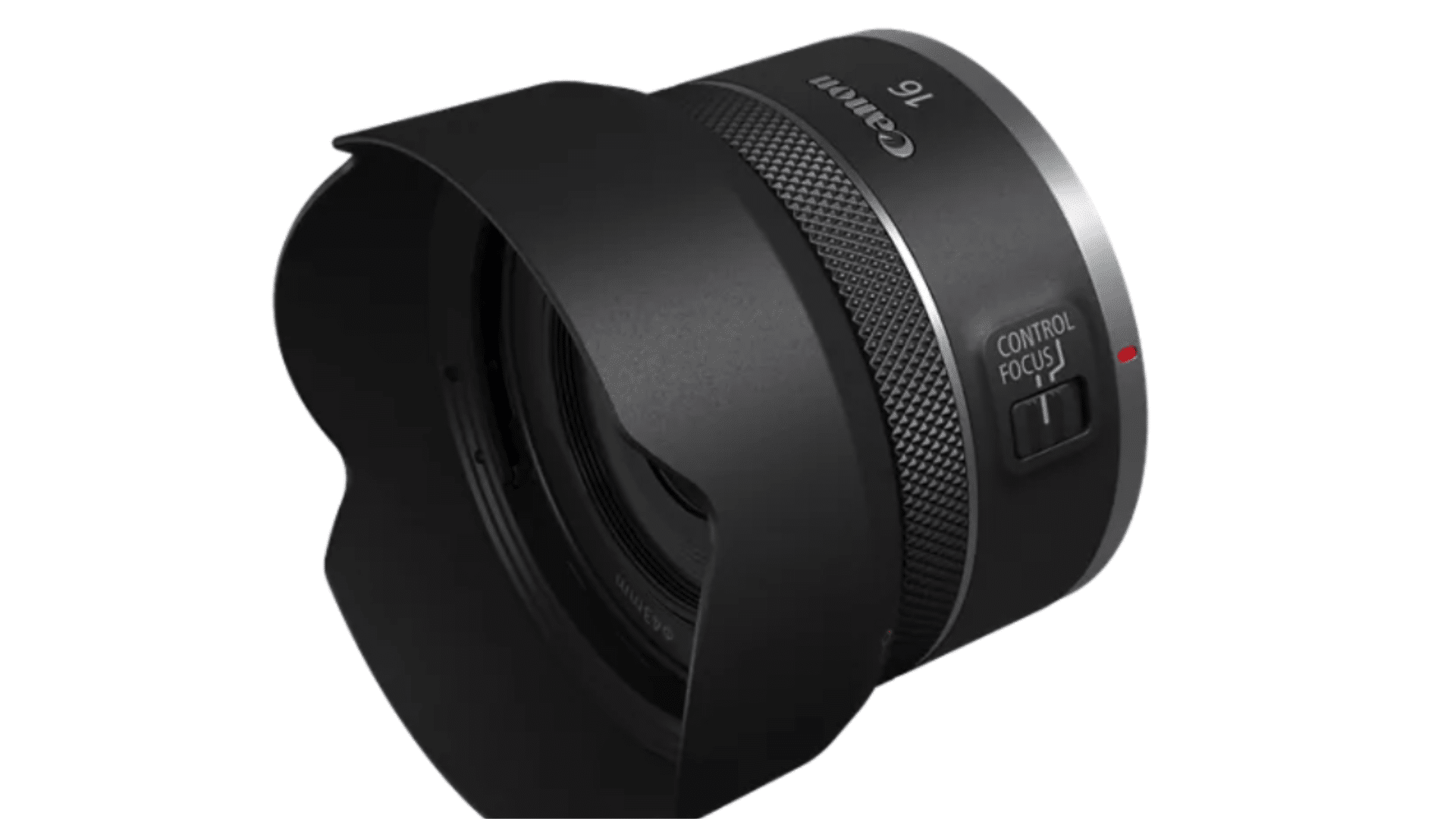
The Canon RF 16mm f/2.8 STM is a compact full-frame prime for Canon RF users who want ultra-wide coverage without carrying a heavy zoom.
Its 16mm focal length and f/2.8 aperture suit travel, vlogging, interiors, landscapes, and beginner astrophotography. The fixed focal length limits framing flexibility, but the small size keeps it practical as a second lens.
- Budget advantage: It offers an affordable entry point for Canon RF photographers who need wider coverage.
2. Nikon Z 14-30mm f/4 S
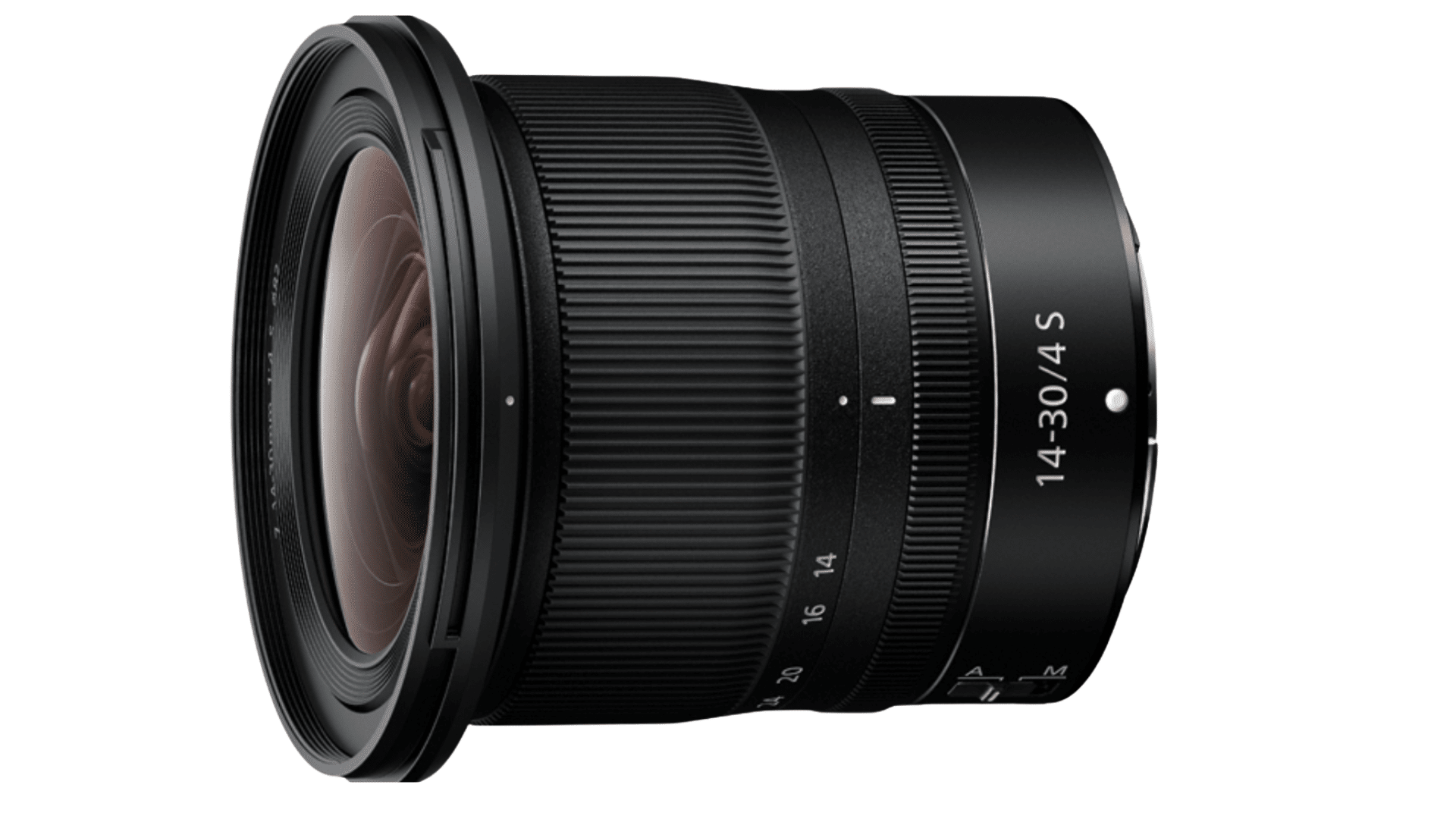
The Nikon Z 14-30mm f/4 S combines a flexible 14-30mm range with a constant f/4 aperture. Its support for 82mm screw-in filters is especially useful for landscape photographers working with polarizers or neutral-density filters.
The f/4 design also keeps the lens more manageable than many faster ultra-wide zooms. Low-light shooters may prefer an f/2.8 option.
- Landscape strength: Wide coverage and standard filter support make it especially practical for outdoor photography.
3. Fujifilm XF10-24mm F4
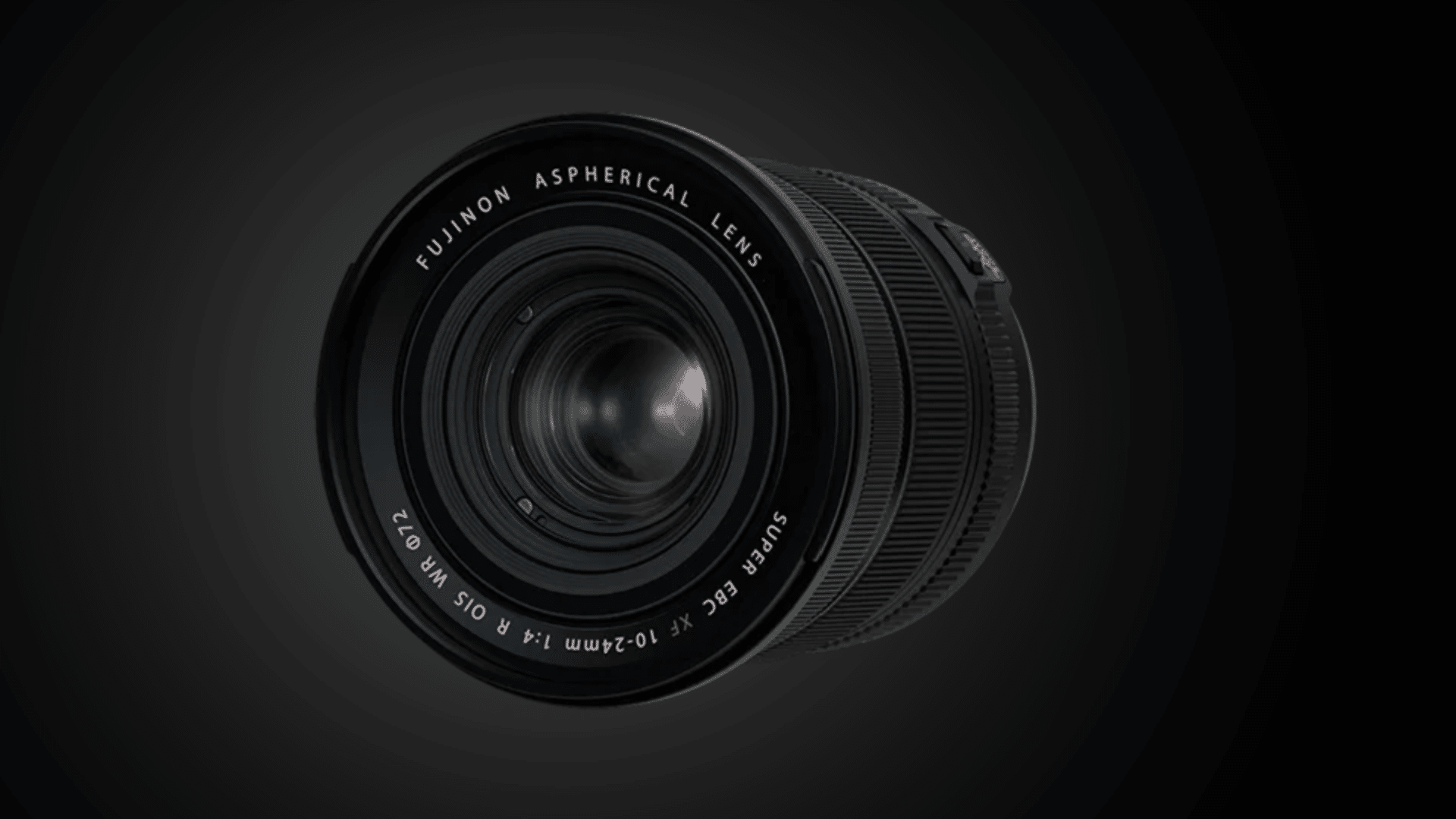
The Fujifilm XF10-24 mm F4 R OIS WR provides a 15-36mm full-frame-equivalent range on Fujifilm X-series APS-C cameras.
Optical stabilization, weather resistance, and a constant f/4 aperture make it suitable for interiors, architecture, landscapes, travel, and handheld video. At about 385 grams, it remains manageable for long shooting days and pairs naturally with other Fujifilm camera bodies built for travel.
- Travel strength: Stabilization, weather resistance, and flexible coverage make it a strong compact zoom for Fujifilm users.
4. Tamron 17-28mm F/2.8 Di III RXD
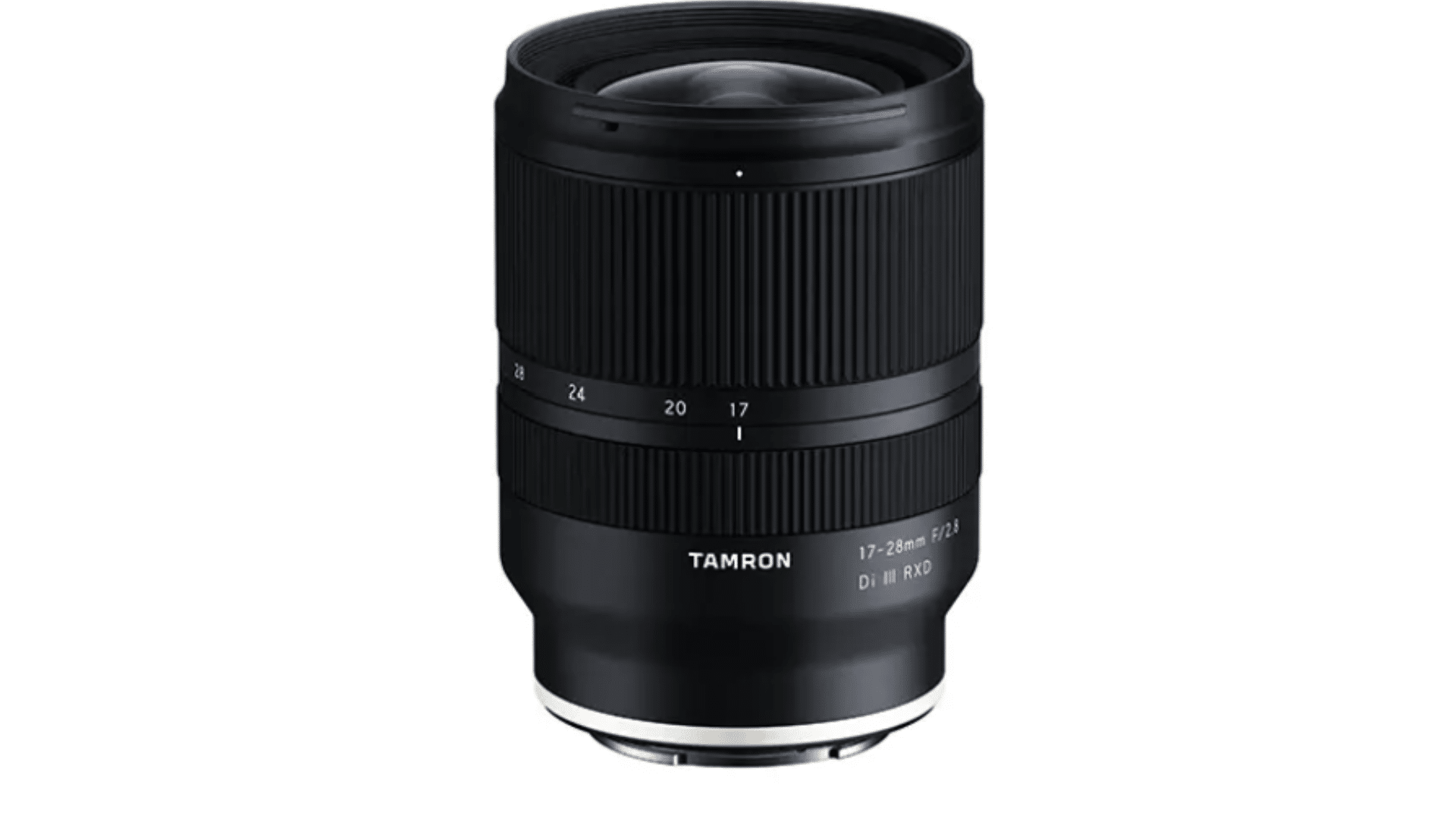
The Tamron 17-28mm F/2.8 Di III RXD gives Sony E-mount users a constant f/2.8 aperture in a relatively compact body.
Its 17-28mm range is narrower than many competing ultra-wide zooms, but the trade-off favors photographers who value low-light capability and portability. It also serves as a useful third-party option for buyers avoiding premium native pricing.
- Value strength: The f/2.8 aperture offers a good balance between speed, size, and overall cost.
5.Canon RF 15-35mm F2.8L IS USM
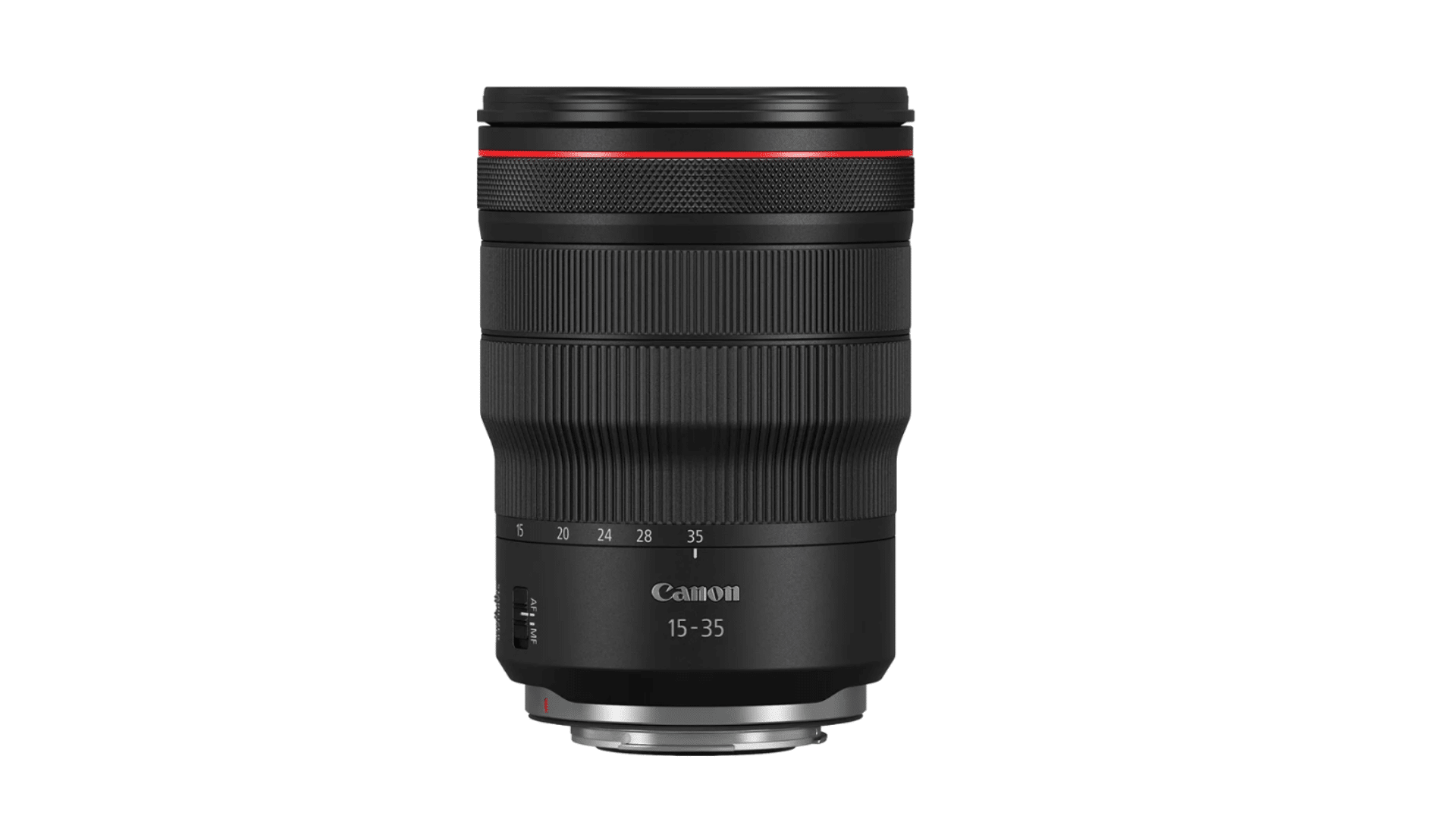
The Canon RF 15-35mm F2.8L IS USM combines a constant f/2.8 aperture, image stabilization, professional construction, and a versatile 15-35mm range.
It also accepts 82mm screw-in filters, adding practical value for landscape and long-exposure photography. The lens suits architecture, interiors, events, and low-light work, though its size and price may be excessive for casual users.
- Professional edge: Stabilization, brightness, and broad zoom coverage support demanding paid photography.
6. Nikon Z 14-24mm f/2.8 S
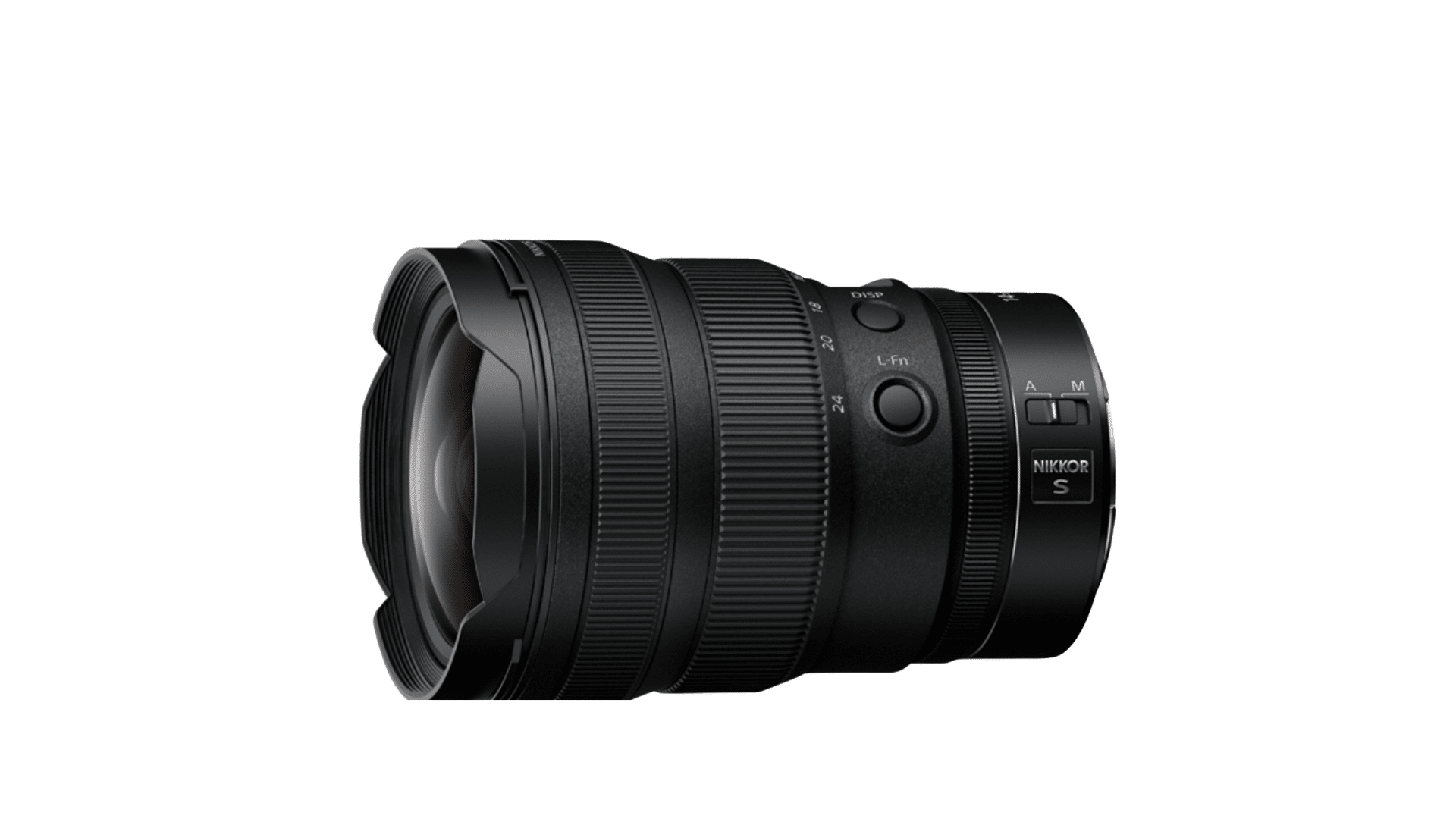
The Nikon Z 14-24mm f/2.8 S pairs an ultra-wide 14mm starting point with a constant f/2.8 aperture.
That combination suits astrophotography, architecture, interiors, and demanding landscape work, particularly when shooting in low light where every stop of aperture counts.
Nikon also provides flexible filter options through a rear holder and the HB-97 hood, which supports 112mm screw-in filters. Daylight-focused photographers may prefer the lighter 14-30mm f/4 S.
- Low-light edge: Its 14mm coverage and f/2.8 aperture suit serious night-sky shooting.
7. Sony FE 16-35mm F2.8 GM II
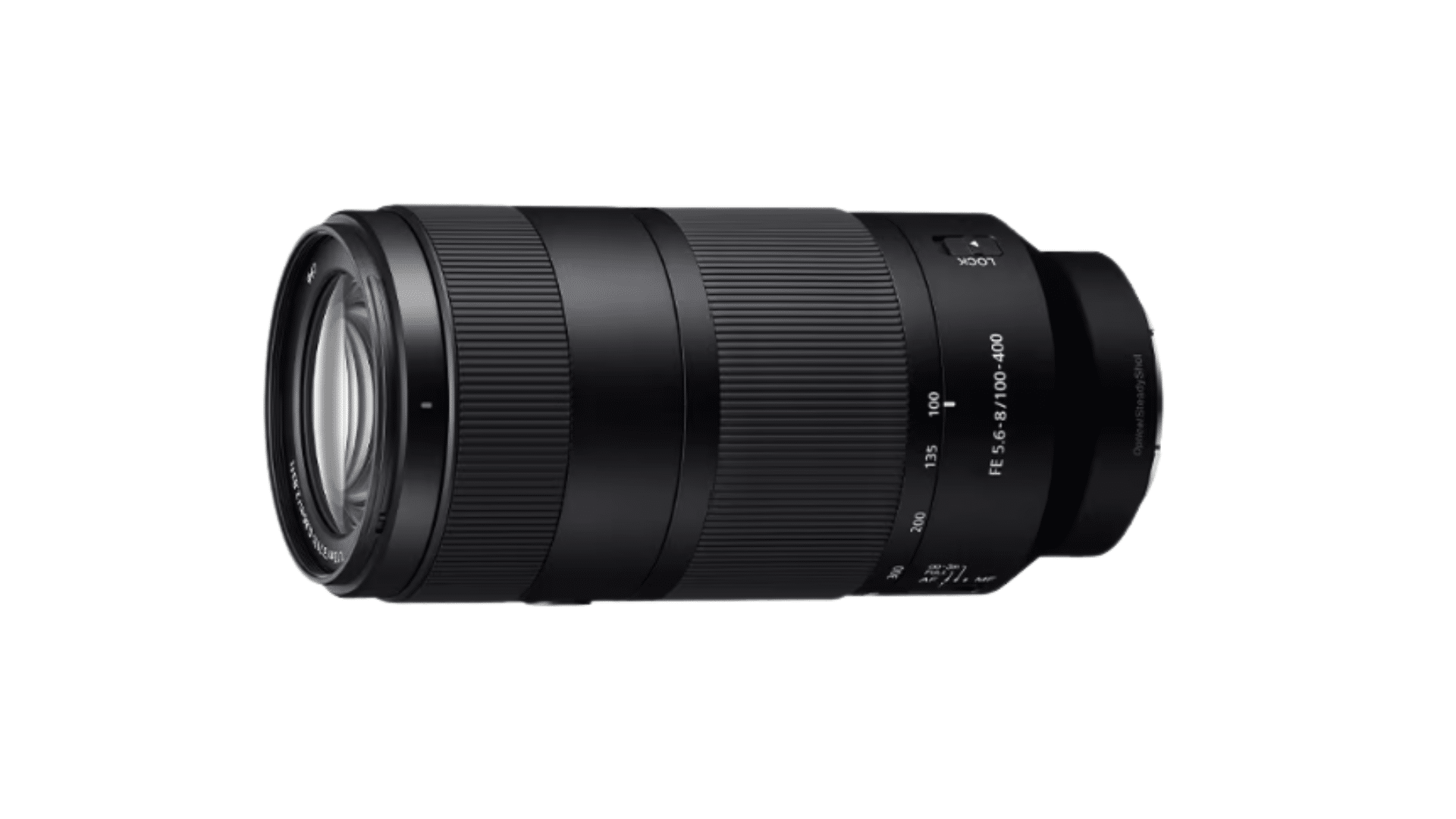
The Sony FE 16-35mm F2.8 GM II combines a constant f/2.8 aperture with a flexible 16-35mm range for full-frame Sony cameras. The wide end suits landscapes and interiors, while 35mm adds flexibility for travel, environmental scenes, and video.
That range can reduce the need to carry several primes. Its premium price still makes slower native and third-party lenses worth considering.
- Hybrid strength: The 16-35mm range and f/2.8 aperture suit both stills and video work.
There is no universal winner across all seven lenses. A more useful shortlist starts with camera compatibility and focal length, then considers aperture, portability, filters, stabilization, and cost, depending on the type of photography involved.
Wide-Angle Prime vs Zoom: Which Offers Better Value?
Prime lenses usually favor lower cost, lighter builds, and faster apertures, while zooms provide more framing freedom for photographers who regularly work with changing subjects and locations.
| Feature | Wide-Angle Prime | Wide-Angle Zoom |
|---|---|---|
| Price | Usually more affordable | Typically costs more |
| Size and portability | Smaller, lighter, and easier to carry | Larger, but can replace multiple focal lengths |
| Aperture and low light | Often faster at similar prices | Fast models usually cost more |
| Framing flexibility | Fixed focal length | Covers several focal lengths |
| Shooting style | Encourages more deliberate composition | Makes quick reframing easier |
| Best suited for | Budget kits, low light, lightweight setups | Travel, interiors, events, mixed subjects |
Quick takeaway: A prime offers stronger value for a fixed focal length and compact setup, while a zoom makes more sense when flexible framing reduces the need to change lenses.
Match the Lens to Your Photography Style
The right wide-angle lens depends on the demands of the subject. Distortion control, filter support, autofocus, stabilization, weight, and aperture matter differently across real estate, landscape, travel, and video work.
1. Lenses for Real Estate and Interiors
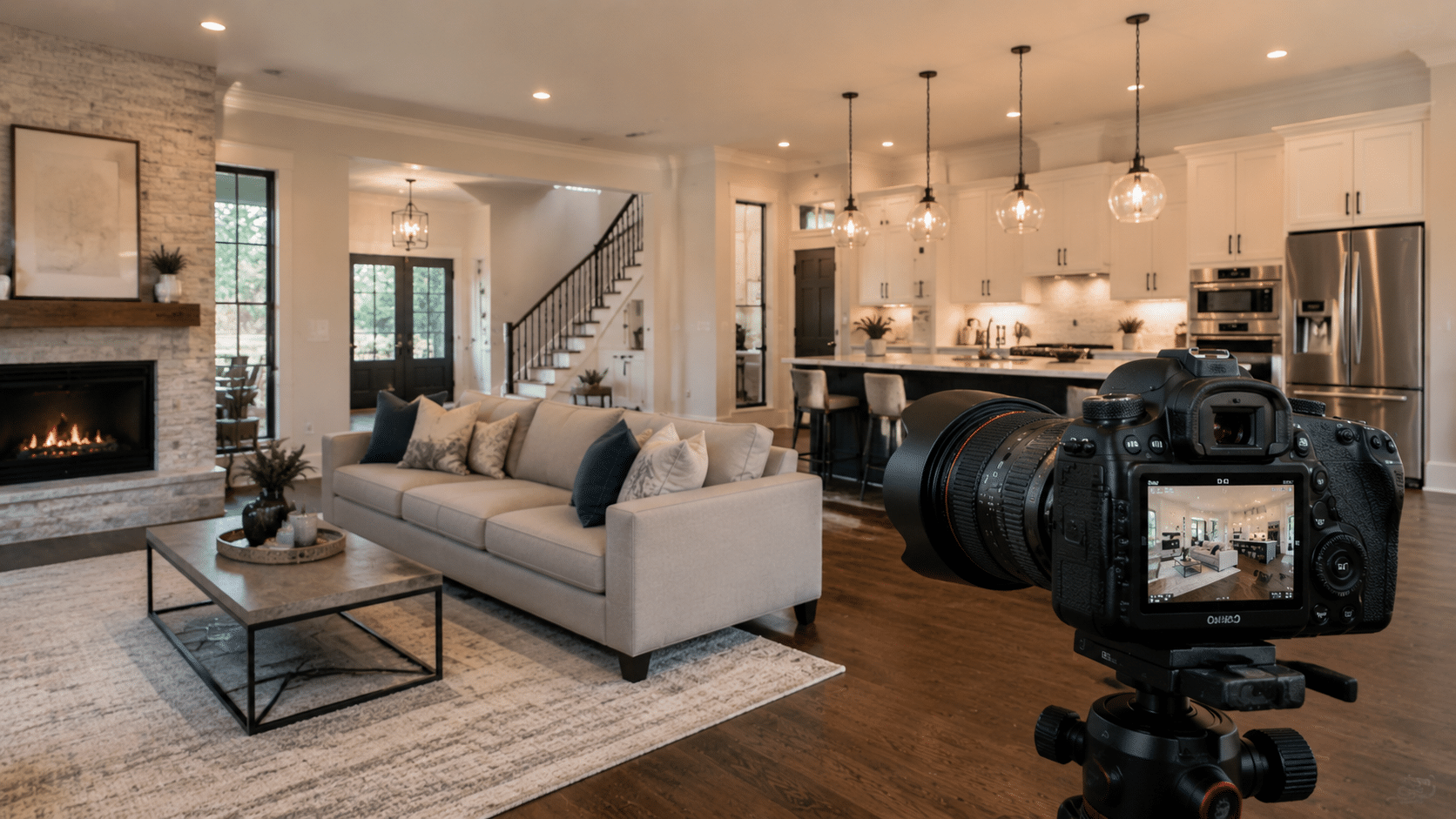
Interior and real estate photography benefits from a wide field of view paired with strong distortion control, since curved walls and leaning door frames can make spaces look unnatural.
Straight-line rendering often matters more than a fast aperture because many interior shoots use a tripod.
A brighter lens can still help in darker rooms, which is where the Nikon Z 14-24mm f/2.8 S becomes more useful than a slower f/4 option.
2. Lenses for Landscapes and Travel
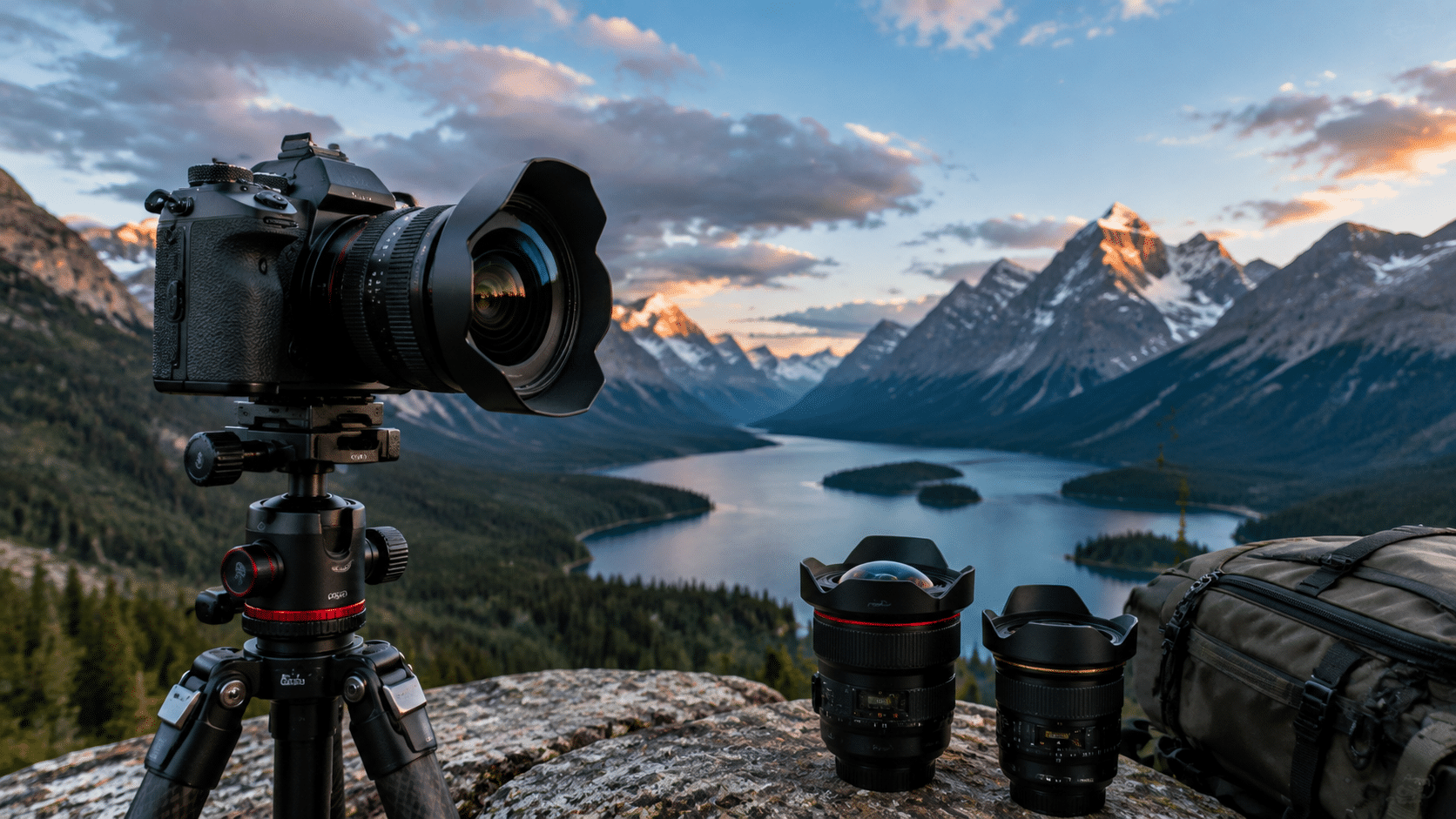
Landscape and travel photographers often place more value on weight, weather resistance, filter compatibility, and edge sharpness than maximum aperture speed.
Many landscape scenes are photographed at smaller apertures, while polarizing and neutral-density filters are useful for managing reflections and longer exposures.
The Nikon Z 14-30mm f/4 S stands out here because it accepts standard filters while still providing broad ultra-wide coverage in a relatively manageable package.
3. Lenses for Video and Vlogging
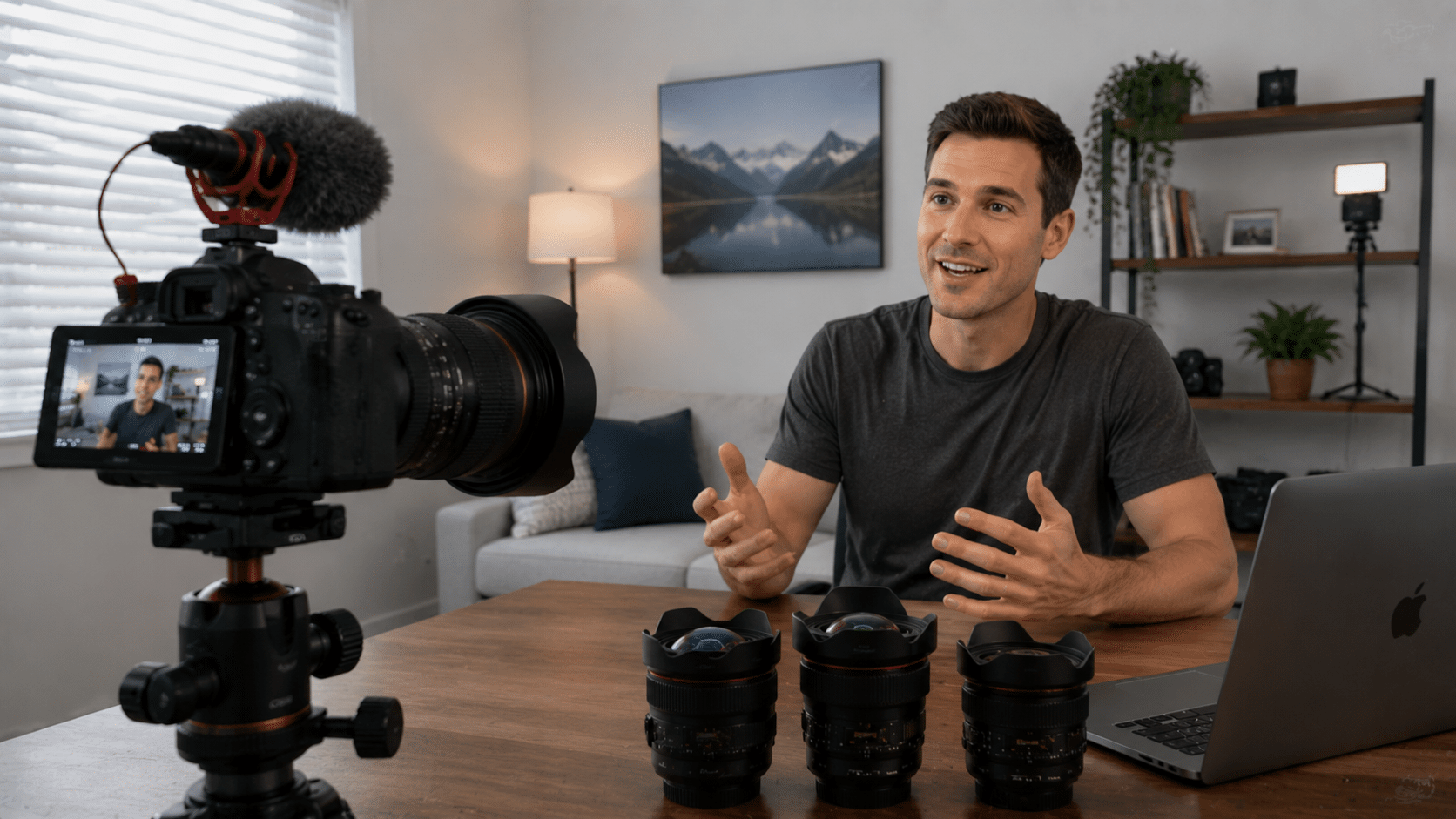
Video and vlogging place greater emphasis on autofocus consistency, stabilization, size, and weight, especially during handheld or gimbal shooting.
Compact options such as the Canon RF 16mm f/2.8 STM are easier to balance and carry during longer recording sessions.
For creators working mainly outdoors or in well-lit spaces, a lighter setup can be more practical than paying extra for a larger, faster zoom.
Quick takeaway: Real estate favors distortion control, landscapes benefit from filters and edge detail, while video rewards autofocus, stabilization, and low weight. Matching these priorities to the subject makes lens selection much easier.
Budget-Friendly Buying Advice
Saving money on a wide-angle lens is mostly about knowing which features matter for your photography and which ones you can leave out.
| Feature | Do You Need It? | Why |
| Constant f/2.8 aperture | Depends on use | Most useful for low light, night photography, events, and some video work |
| Prime vs zoom | Depends on framing needs | Primes can reduce size and cost, while zooms provide more flexibility |
| Weather resistance | Useful for frequent outdoor work | Less important for photographers working mostly indoors |
| Image stabilization | Depends on camera and subject | Check whether your camera already provides in-body stabilization |
| Filter support | Important for some landscapes | Standard threads simplify the use of polarizers and ND filters |
| Used or refurbished gear | Worth considering | Can lower the purchase price, but condition, warranty terms, and return policies need checking. |
Quick takeaway: Spend first on compatibility, useful focal length, and the features directly tied to your photography. Premium construction and maximum aperture should come later.
Avoid assuming that the most expensive lens will produce noticeably better results for every photographer. A lightweight f/4 zoom can make more sense than a large f/2.8 lens if most of your photography happens outdoors in good light.
Common Wide-Angle Lens Mistakes to Avoid
A handful of predictable mistakes account for most of the regret buyers feel after purchasing a wide-angle lens. Avoiding these before checkout saves both money and disappointment.
- Buying the widest available lens instead of the focal length that actually suits your shooting style
- Ignoring camera mount compatibility and assuming a lens will adapt cleanly across brands
- Choosing a lens based only on price, without checking sharpness or build quality
- Forgetting to plan for distortion correction needs in editing software
- Overpaying for a fast aperture or extensive stabilization that a specific shooting style rarely uses
Working through this list before finalizing a purchase helps you land on a lens that actually fits how you shoot, rather than one that only looks good on a spec sheet.
Are Budget Wide-Angle Lenses Worth Buying?
Yes, an affordable wide-angle lens can be a sensible purchase when its compromises match how you shoot.
Lower-cost lenses may use slower apertures, simpler controls, lighter construction, narrower zoom ranges, or fewer weather-resistant features. None of those compromises automatically make the lens a poor choice.
A compact prime can be particularly useful when you only need an ultra-wide focal length occasionally.
Budget crop-sensor zooms can also make more sense than adapting or buying larger full-frame glass because their focal ranges are designed around the smaller sensor.
Pay closer attention to compatibility, autofocus requirements, distortion, filter support, and the focal length you actually need than to price alone.
Final Takeaway
Budget buyers get the most value from lightweight primes and f/4 zooms, since portability and everyday sharpness matter more than an extra stop of light for most shooting situations.
Professionals working in low light, at night, or on paid interior and architectural jobs benefit from brighter f/2.8 zooms, even with the added weight and cost that comes with them.
Across every price point, the best wide-angle lenses are the ones matched to your specific camera mount, sensor size, and the type of photography you shoot most often, rather than the model with the longest feature list.
Start with your mount and budget, then narrow the shortlist using the use-case guidance above before making a final purchase.
Frequently Asked Questions
Is a 10mm or 12mm Lens Too Wide for Everyday Photography?
Lenses this wide work well for interiors and astrophotography but exaggerate distance and distort subjects near the frame edges. Most everyday shooting benefits more from a 16mm to 24mm range, reserving 10mm to 12mm for specific interior or landscape shots.
Are Third-Party Wide-Angle Lenses Worth Buying?
Sigma and Tamron lenses frequently match native optical performance at a lower price, though autofocus speed and firmware compatibility can lag slightly behind native options after a camera firmware update. Checking recent compatibility notes before buying is worthwhile.
Can a Wide-Angle Lens Replace a Kit Lens?
A wide-angle lens covers a narrower zoom range than most kit lenses, so it works better as an addition than a full replacement. Photographers who mostly shoot interiors, landscapes, or travel can still use one as their main lens.