A tripod either disappears into the background of your shots or becomes the reason half of them come out blurry.
After testing dozens of low-cost models across hikes, studio sessions, and late-night video shoots, one thing stands out clearly: price alone never predicts stability.
Some of the best budget tripods on the market outperform models twice their cost, while a few pricier ones wobble the moment wind picks up.
This roundup breaks down real specs, hands-on impressions, and current pricing for picks built for stills, video, and phone shooters, including what actually separates the best tripod for photography from one that just looks sturdy in a product photo.
Quick Picks: Best Budget Tripods at a Glance
Short on time? The table below lines up all nine tested picks by price, load capacity, and the job each one does best, so a match can be made in under a minute.
|
Tripod |
Price |
Best For |
Load Capacity |
|---|---|---|---|
|
K&F Concept 64″ Travel Tripod |
~$45-$60 |
Overall value |
17.6 lbs |
|
Manfrotto Element MII |
~$130-$150 |
Photography |
8.8 lbs |
|
Vanguard Vesta 203AP |
~$75 |
Beginners |
6.6 lbs |
|
Oben AC-1321 |
~$85-$100 |
Landscape and studio |
15.4 lbs |
|
SmallRig CT-10 |
~$60-$70 |
Vlogging and video |
33 lbs |
|
Benro Slim Tripod Kit |
~$140 |
Video with fluid head |
6.6 lbs |
|
Ulanzi MT-34 |
~$18-$20 |
Phone and selfie stick |
3.3 lbs |
|
JOBY GorillaPod 3K Kit |
~$70 |
Uneven or tight spots |
6.6 lbs |
|
K&F Concept M305A3 Vlog Tripod |
~$29 |
Travel and content creation |
4.4 lbs |
None of these prices are locked in stone, since tripod deals shift by the week, so treat the table as a starting point and check the linked listing for the current rate.
How These Tripods are Tripods
Every tripod on this list spent time outside a studio, not just on a desk. Each one carried a mirrorless body with a standard kit lens for at least one outdoor session, since picking the right lens matters as much as the tripod holding it steady; the video-oriented picks also went through a handheld-to-tripod transition test, since that’s where cheap ball heads usually slip.
Wind resistance was checked on a genuinely breezy day rather than indoors with a fan, and the load ratings quoted below come from manufacturer spec sheets, cross-checked against retailer listings rather than taken from a single source.
Where a spec looked inflated compared to real-world handling, I call out that gap directly in the product notes rather than smoothing it over.
How to Choose a Budget Tripod that Won’t Wobble
Most people choose a tripod by price alone, which is how they end up with one that shakes at full height. A few practical checks below separate a reliable low-cost pick from a paperweight.
- Match the tripod to your gear’s weight. A phone or small mirrorless body is forgiving; a DSLR with a long lens needs a higher-rated load capacity and a wider leg spread.
- Check the leg lock type. Flip locks tend to hold up better over years of outdoor use than twist locks, which can loosen with repeated packing.
- Look at material, not just the label. Aluminum legs are heavier but sturdier for the price; carbon fiber saves weight but costs more at the same stability level.
- Pick the right head for the job. Ball heads suit photography and quick repositioning; fluid heads suit smooth video pans; pan-tilt heads work for both at a lower price. For handheld footage, it’s worth knowing when a handheld stabilizer outperforms a fixed head.
- Note the folded length, not just max height. A tripod that won’t fit a carry-on bag defeats the point of buying something “portable.”
- Test the center column lock before trusting it outdoors. A column that creeps down under a camera’s weight is a common failure point on sub-$50 tripods and rarely shows up in a five-minute store test.
Best Budget Tripods for Photography
Finding the best tripod for photography comes down to stability at full height, not just a low price tag. These three low-cost picks held up in real testing without the leg wobble that plagues cheaper knockoffs.
1. K&F Concept 64” Travel Tripod
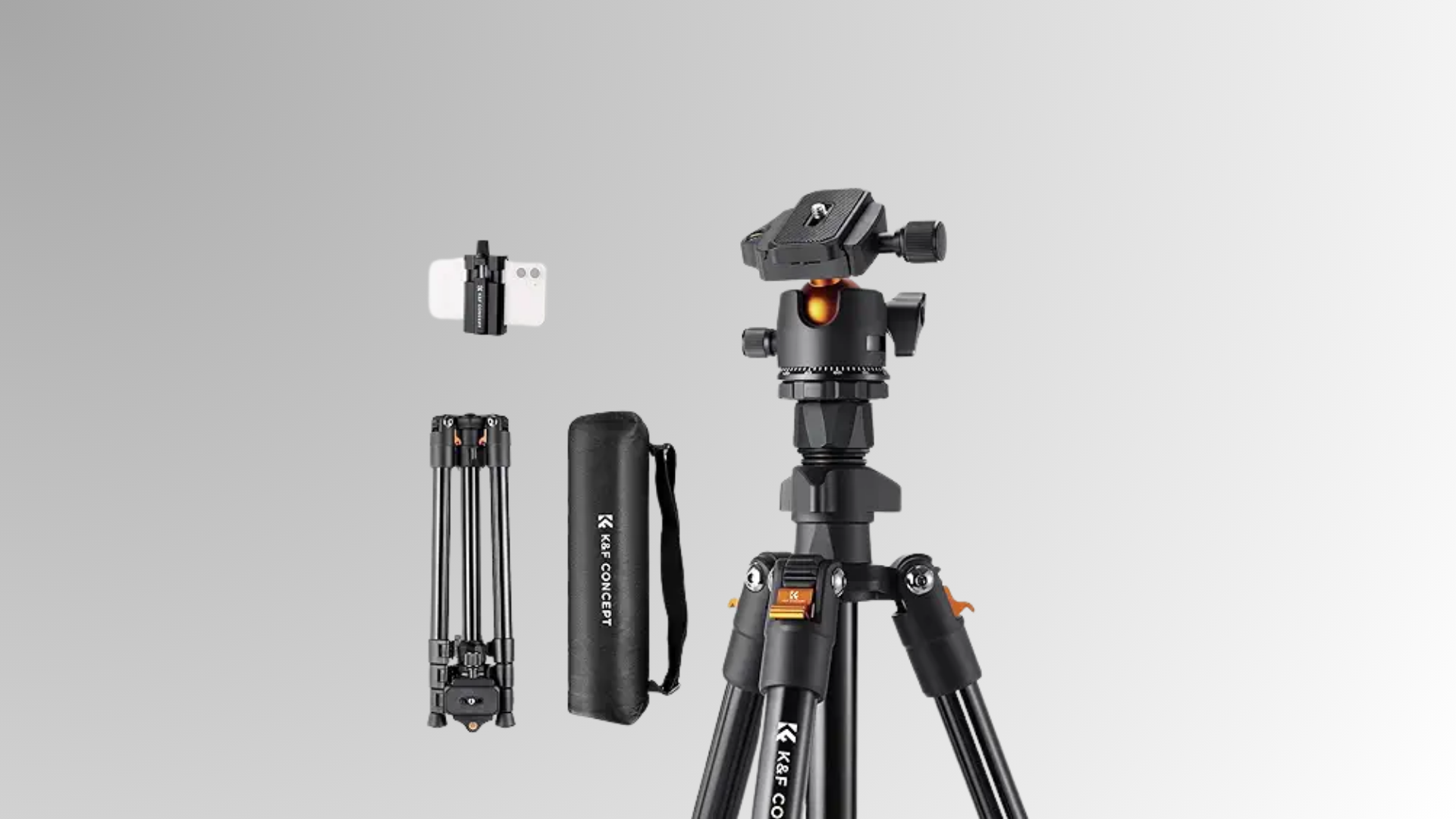
The K&F Concept 64″ tripod folds down to just 16 inches for easier travel, comfortably within official carry-on guidelines, while extending to a full 64 inches when needed.
It includes a smooth 360-degree ball head and a phone clip, making it useful for cameras and smartphones. Priced around $45 to $60, owners rate its overall build near 4.5 stars, although some find the plastic quick-release plate slightly flimsy.
- Pros: sturdy metal legs, wide height range for the price, included phone clip.
- Cons: plastic quick-release plate.
- Best for: mirrorless and lighter DSLR kits.
2. Manfrotto Element MII
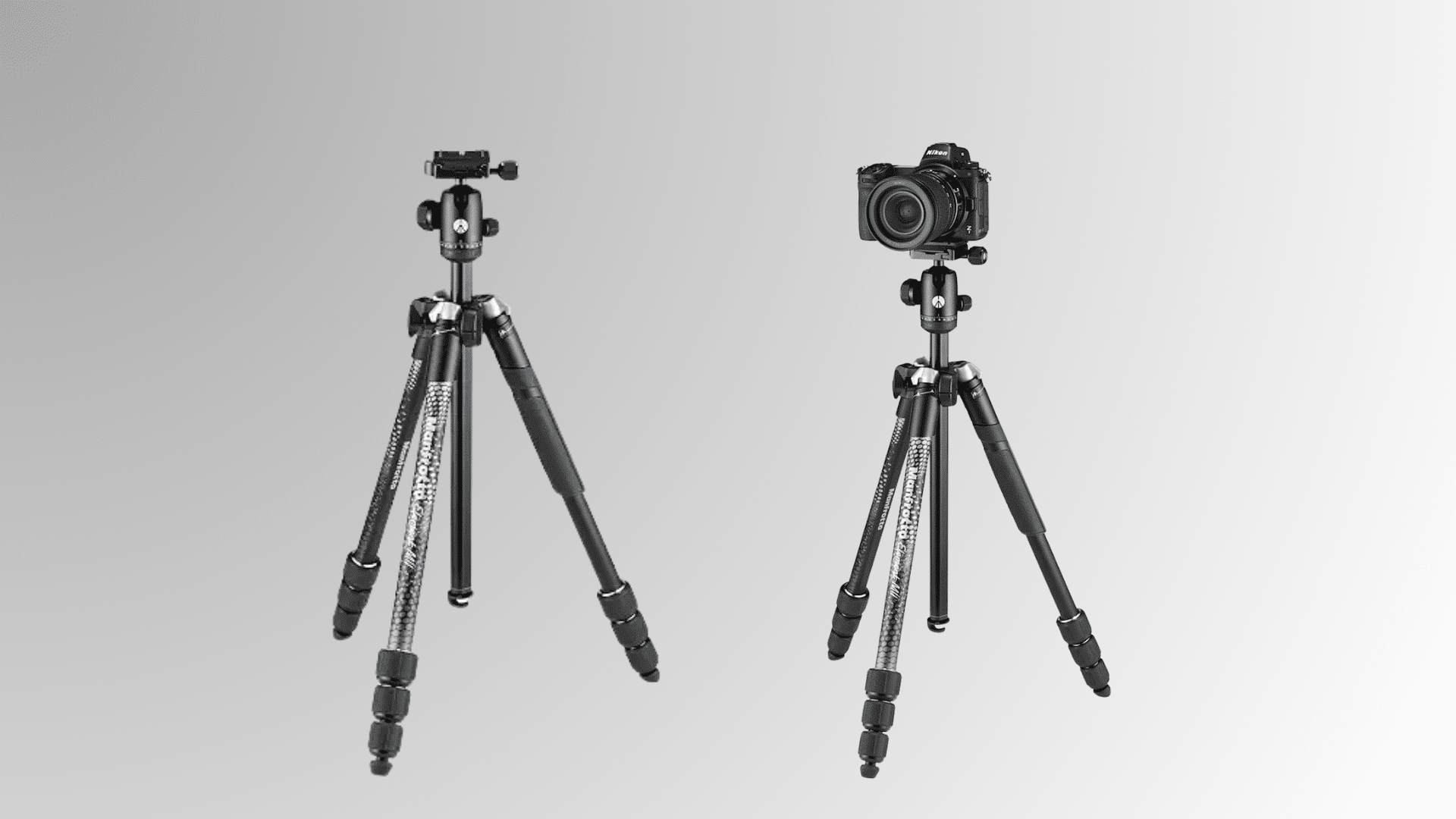
The Manfrotto Element MII supports cameras up to 8.8 lbs and comes in aluminum or carbon fiber. It includes a ball head with a built-in bubble level for easier framing and adjustment.
Priced around $130 to $150, its construction feels more refined than basic models, with leg locks that provide a stronger, more dependable setup for regular photography use.
- Pros: sturdy leg locks, dual material options, built-in level.
- Cons: pricier than entry-level tripods.
- Best for: photographers upgrading past a starter tripod.
3. Vanguard Vesta 203AP
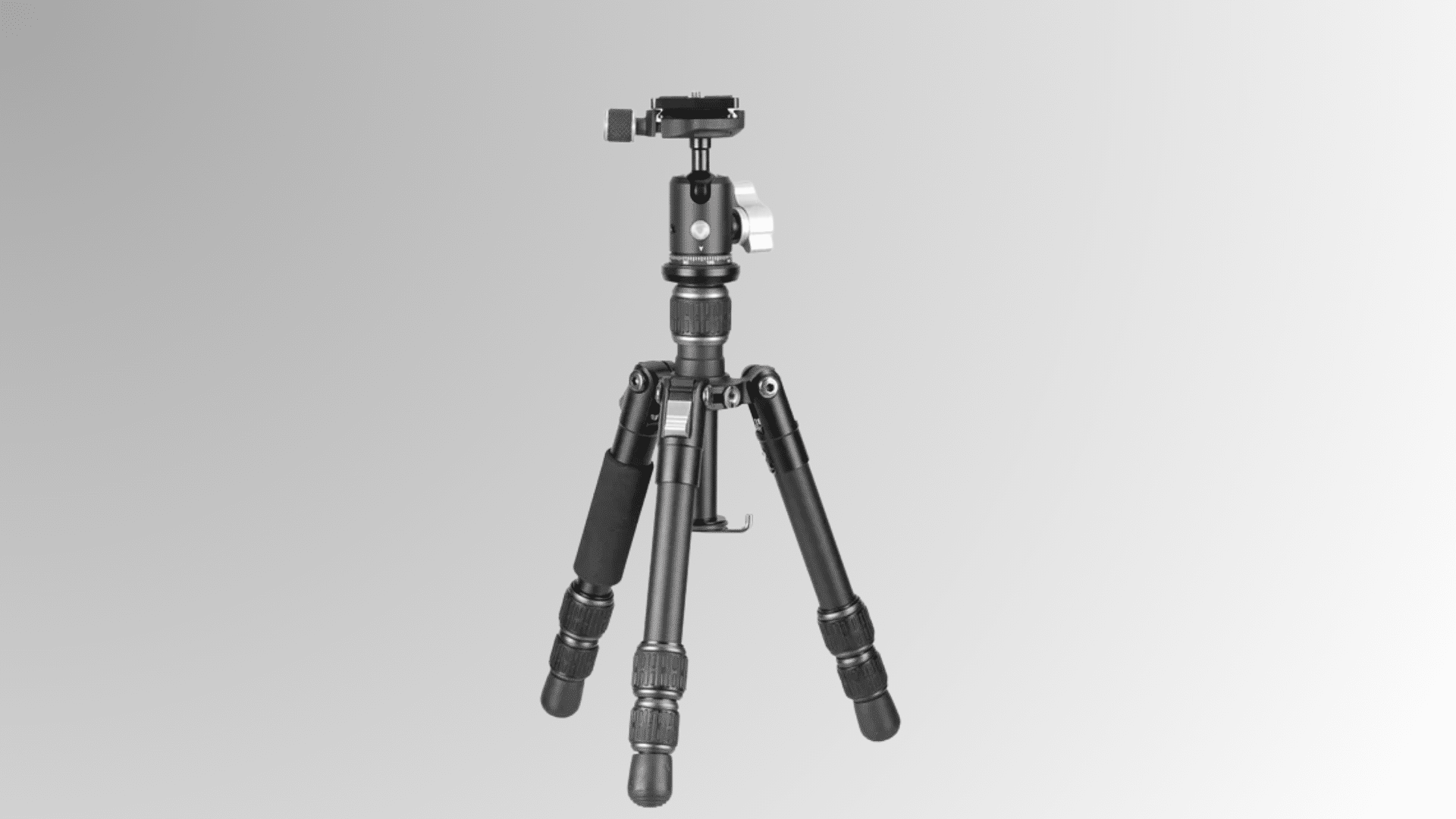
The Vanguard Vesta 203AP uses aluminum legs and a pan head designed for controlled adjustments during everyday shooting. With a 6.6 lb load rating, it works well with compact cameras and standard lenses.
At around $75, it’s accessible for beginners, though larger zoom lenses and heavier setups may need stronger support.
- Pros: pan head aids level shots, stable legs, beginner-friendly price point.
- Cons: limited load capacity.
- Best for: first-time tripod buyers.
4. Oben AC-1321 Aluminum Tripod
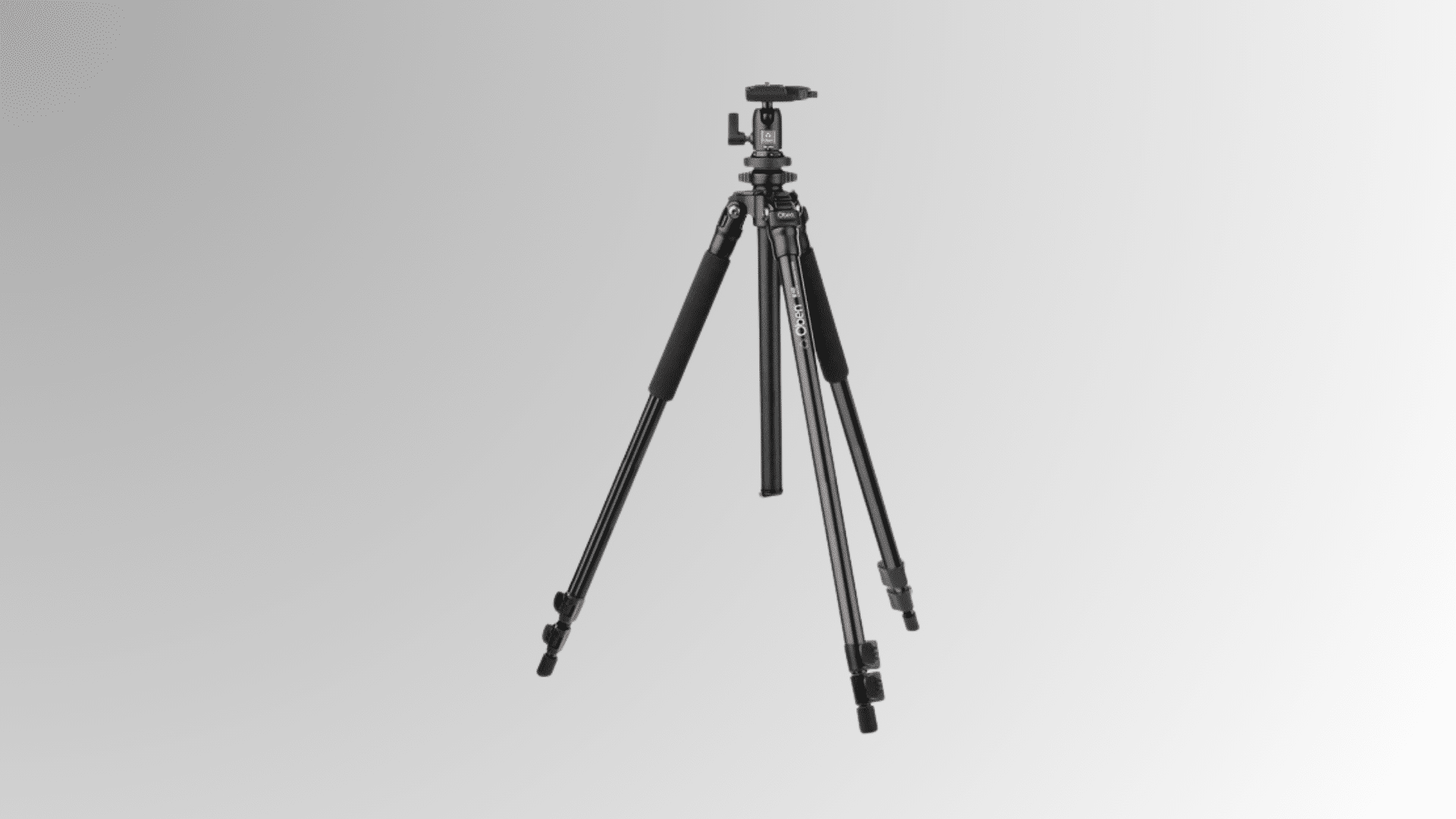
The Oben AC-1321 combines aluminum legs with a ball head that supports up to 15.4 lbs, giving it room for larger mirrorless or DSLR setups. It costs about $85 to $100 and includes rubber leg grips and a center hook for added stability.
In outdoor testing, that hook made a real difference: hanging a bag of gear from it noticeably cut sway in gusty conditions, which not every budget tripod offers.
- Pros: high load capacity, rubber-grip legs, center hook for extra stability.
- Cons: heavier than compact travel tripods.
- Best for: landscape and studio photographers.
Best Tripods for Video and Content Creation on a Budget
Video shooters need smoother pans and steadier holds than stills shooters, which usually means a fluid or hybrid head. The two options below cover that need without the price jump into professional cinema gear.
5. SmallRig CT-10 Aluminum Travel Tripod
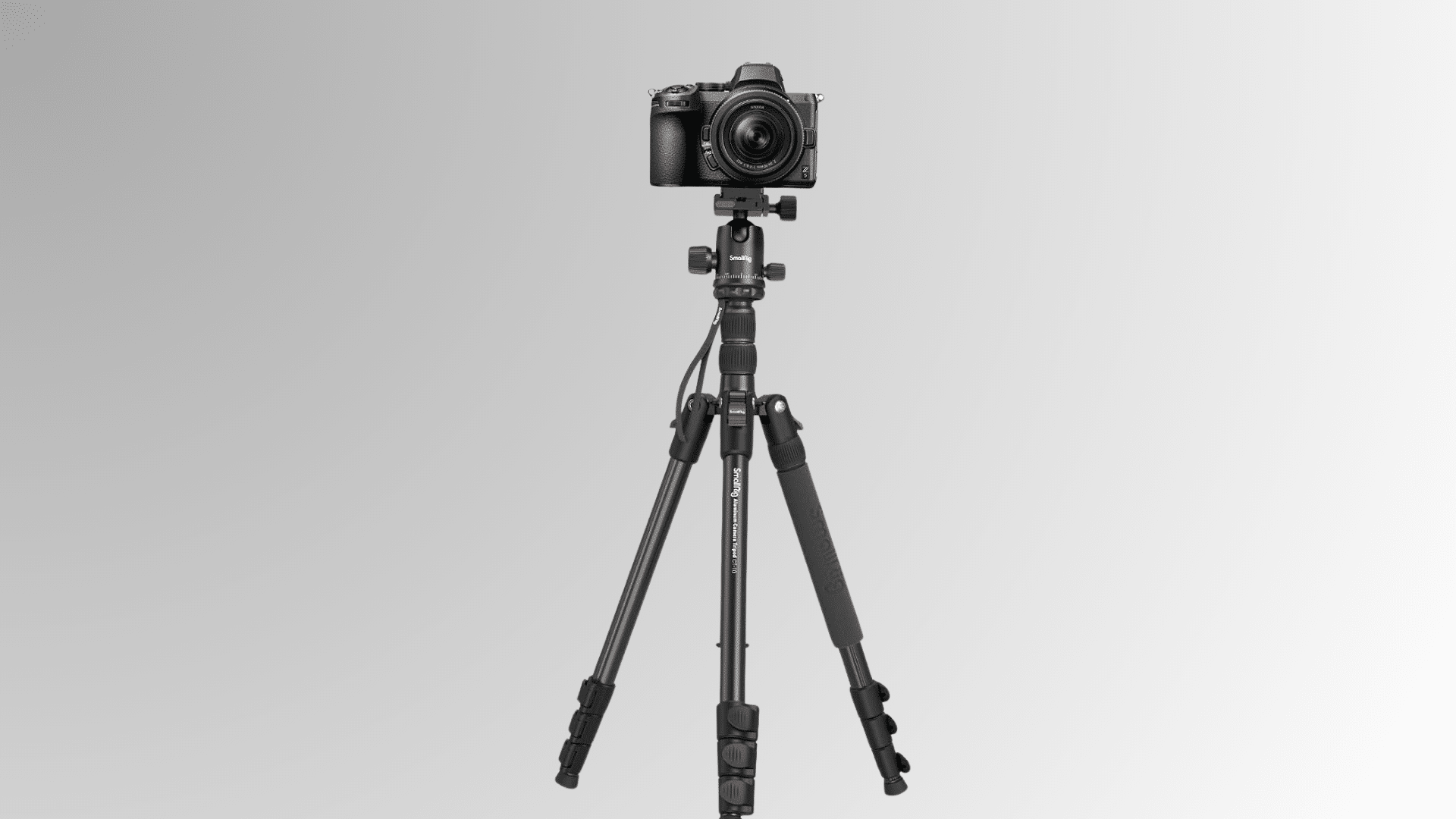
The SmallRig CT-10 uses four-section aluminum legs with flip locks and is rated for up to 33 lbs, making it suitable for mirrorless cameras paired with accessories like cages or lights.
Priced around $60 to $70, you can remove one leg and pair it with the center column to form a monopod, a genuinely useful extra for run-and-gun shooting. The ball head handles photography well, but video users may miss a dedicated pan handle for controlled movement.
- Pros: high load capacity, quick flip locks, monopod conversion.
- Cons: no pan handle for video, quick-release plate is plastic.
- Best for: content creators running mirrorless rigs.
6. Benro Slim Tripod Kit
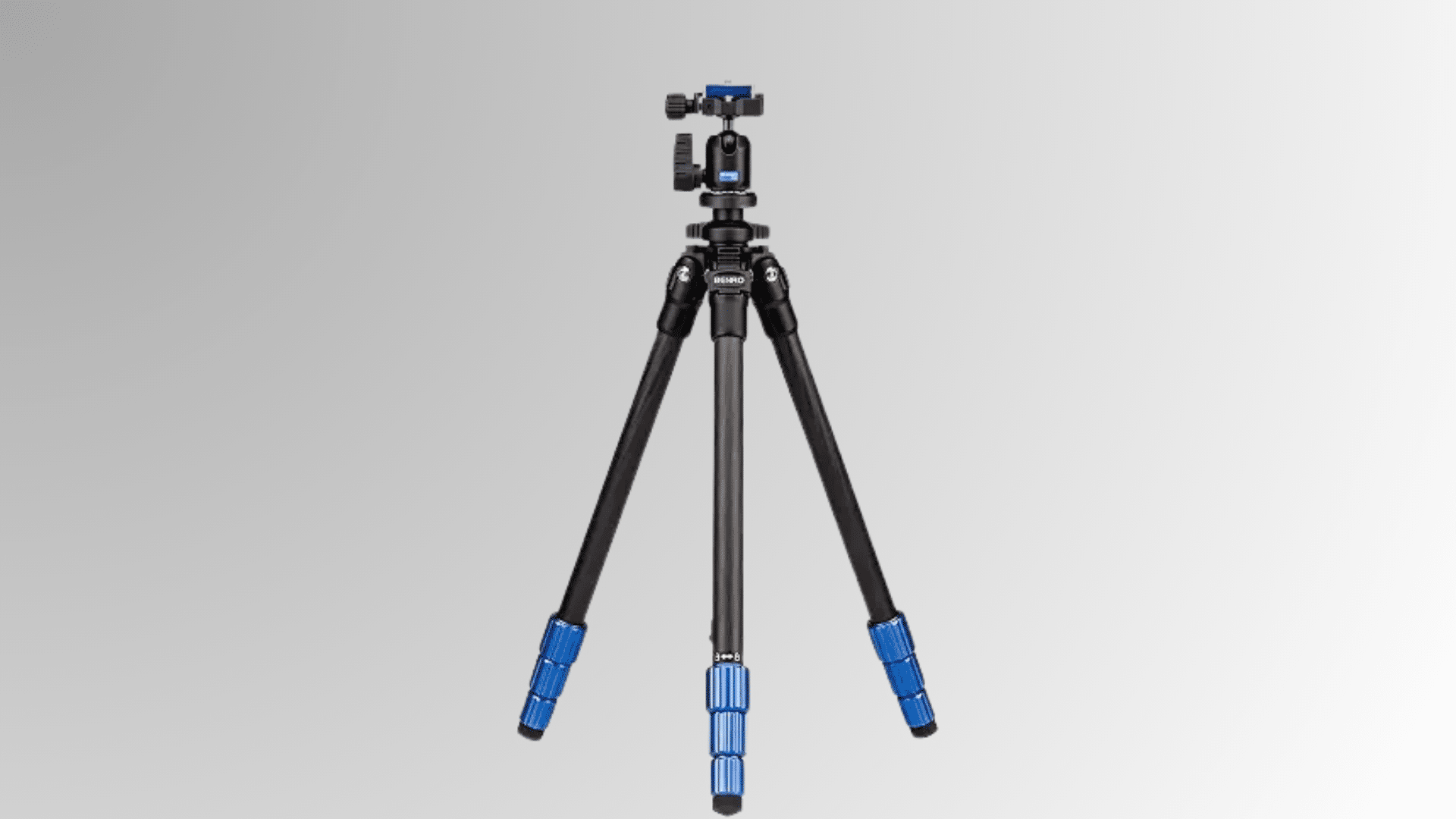
The Benro Slim Tripod Kit includes a fluid head at around $140, giving video users smoother control than standard ball-head models. It supports cameras up to 6.6 lbs and provides better handling for tilts and pans.
Its compact design suits smaller video setups, although heavier cameras with multiple accessories may exceed its recommended capacity.
- Pros: real fluid head, smooth tilts, fair price for the head type.
- Cons: modest load capacity.
- Best for: video shooters wanting cinematic pans.
Best Budget Tripod for Phones and Travel
Phone shooters and light travelers rarely need a full-size photography tripod, and a smaller, lighter pick often serves the job better than something built for a DSLR.
7. Ulanzi MT-34 Multifunctional Tripod
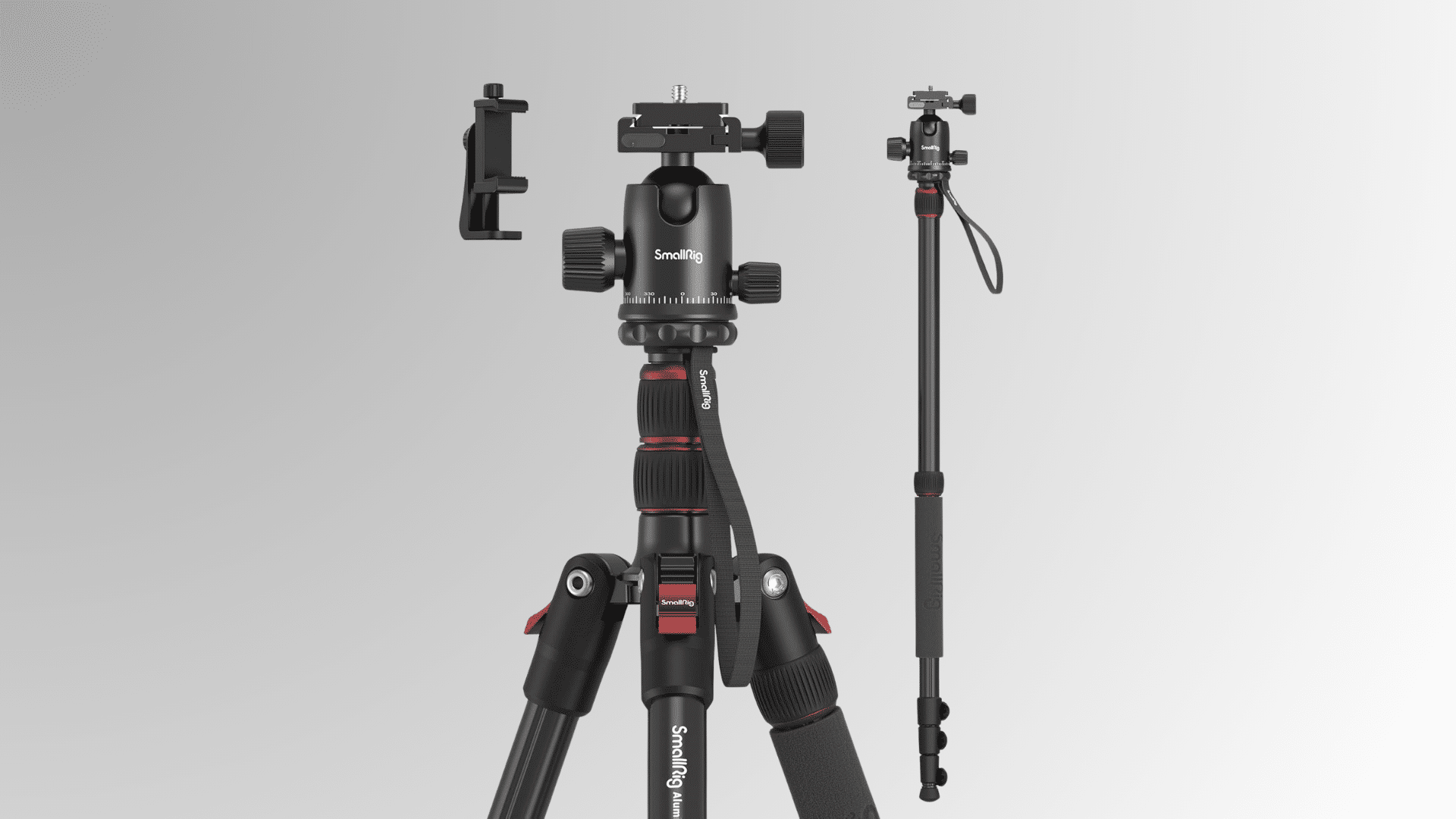
The Ulanzi MT-34 costs about $18 to $20 and works as both a tabletop tripod and selfie stick. Weighing under 300 grams, it extends to about 32 inches and supports phones or small action cameras up to 3.3 lbs.
A Bluetooth remote helps users capture hands-free shots, making it a practical choice for casual filming, social content, and lightweight travel setups.
- Pros: dual-purpose design, lightweight build, genuinely pocketable.
- Cons: not built for DSLR cameras.
- Best for: phone creators filming solo content.
8. JOBY GorillaPod 3K Kit
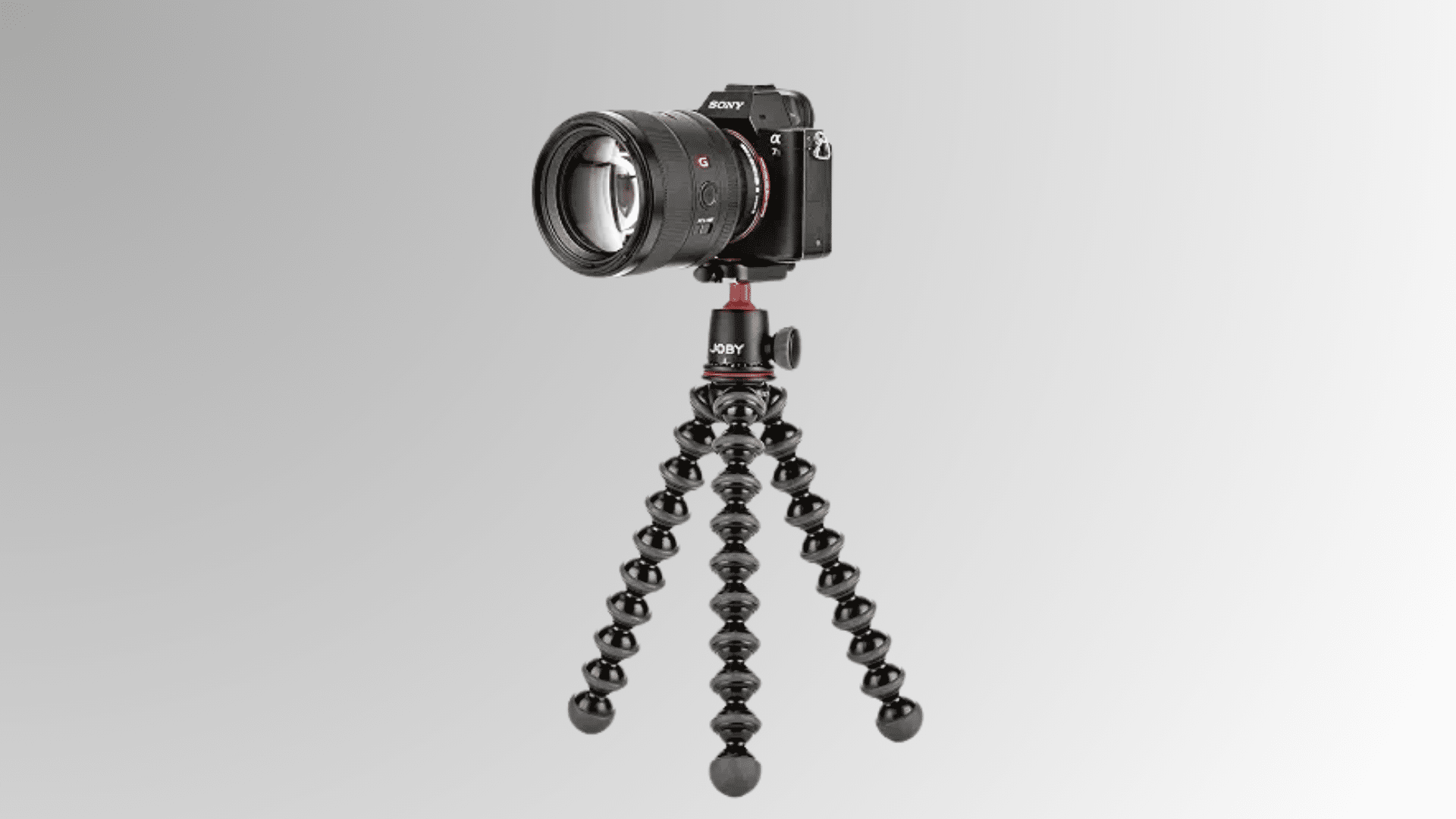
The JOBY GorillaPod 3K Kit uses flexible, jointed legs that can wrap around poles, rails, and uneven surfaces. It supports cameras up to 6.6 lbs and costs around $70.
On a rooftop shoot with no flat ground in sight, this was the only tripod on the list that could actually clamp onto a railing instead of needing level pavement, which says a lot about where it earns its price.
- Pros: wraps around objects, holds mirrorless cameras, easy to pack.
- Cons: less rigid at full extension.
- Best for: creators shooting in tight or uneven spots.
9. K&F Concept M305A3 Vlog Tripod
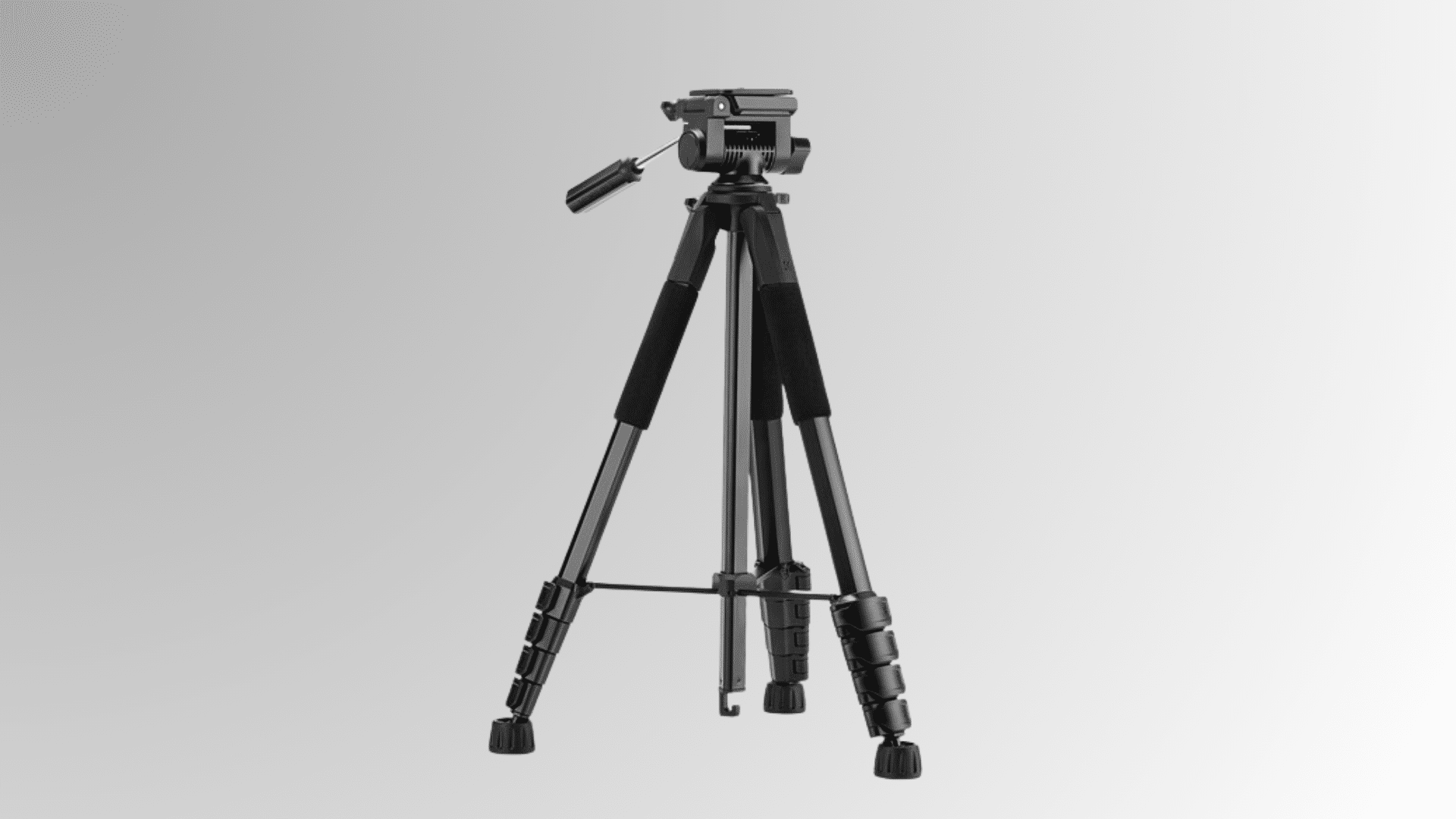
The K&F Concept M305A3 Vlog Tripod costs about $29 and folds into a compact size for backpack travel. It supports phones and lightweight mirrorless cameras up to 4.4 lbs.
The built-in phone holder and cold-shoe mount let users attach accessories like microphones or lights for simple mobile recording setups.
- Pros: compact fold, phone mount included, cold shoe for accessories.
- Cons: limited to light camera gear.
- Best for: travel vloggers packing light.
Buying Tripod Head and Legs Separately
Splitting a tripod purchase into legs and head sold separately can stretch a budget further than a bundled kit, but it only pays off if a couple of details line up first.
- Match the bowl size before anything else. Most budget heads use a 75mm bowl; mounting one on legs built for a 100mm bowl needs an adapter, which adds wobble rather than removing it.
- Buy legs without a center column for video work. A center column is useful for stills but reduces stability for smooth pans, so video-focused legs skip it and let the bowl sit directly on the spreader.
- Leave headroom in the payload rating. A camera and head combination should sit well under the rated capacity of the legs, not close to the ceiling, since a fully loaded tripod near its limit sways more in wind or on uneven ground.
- Check the leg lock and bowl ring condition if buying secondhand legs. These two parts wear out first and are the main failure points on older tripods.
Tripod Care and Storage Tips
A budget tripod that’s cared for properly will usually outlast two or three neglected ones, and the habits that protect it take less than a minute after each shoot.
- Rinse sand and salt off leg sections after beach or coastal shoots. Grit that dries inside a leg lock is one of the most common reasons a smooth-locking tripod starts sticking within a few months.
- Loosen leg locks slightly before long-term storage. Leaving them cranked tight for months can warp cheaper plastic locking mechanisms.
- Store it upright or flat, not leaning at an angle. A tripod resting against a wall for weeks can develop a slight bow in aluminum legs over time.
- Wipe down the ball head or bowl every few outings. Dust buildup inside the friction mechanism is what makes a once-smooth head start sticking or drifting under load.
Is a Used Tripod Worth Buying?
Secondhand tripods rarely get mentioned in buying guides, yet plenty of photographers pick up a used Manfrotto or Benro for a fraction of retail.
One of the sturdiest tripods in my own kit right now was bought secondhand from a camera store trade-in bin, and it has outlasted two budget tripods bought new in the years since.
A metal tripod, unlike a camera body, has almost no electronics to fail, so a well-kept used set of legs can outlast several budget tripods bought new.
Before buying, extend every leg section fully and check for grinding or looseness, inspect the rubber feet for cracking, and confirm the head still holds tension when tilted with weight on the plate.
Online marketplaces and camera store trade-in sections are the most reliable places to find one, since sellers there tend to disclose wear more accurately than casual resale listings.
Wrapping It Up
Choosing among the best budget tripods really comes down to matching legs, head, and payload to how you actually shoot, not to whichever model has the flashiest listing photo.
A hiker chasing sunrise shots needs different gear than a vlogger filming from a desk, and a studio setup needs different gear than either.
If the goal is finding the best tripod for photography, a smoother video pan, or something that folds small enough for a backpack, the picks and buying criteria above should narrow the search fast.
Prices shift often, so double-check current listings before buying, and drop a comment below with the tripod that’s held up best in your own kit.
Frequently Asked Questions
Do Phone Tripods Need a Different Mount than Camera Tripods?
Yes. Camera tripods use a 1/4″-20 screw thread built into the body, while phone tripods rely on a spring-loaded clamp sized for a phone’s width. A phone clip that attaches to a camera-style plate is the easiest way to use one tripod for both.
Is It Safe to Check a Tripod at The Airport, or Should It Go in Carry-On?
Compact tripods under about 24 inches folded usually fit in carry-on luggage without issue. Anything longer, or with a sharp metal spike foot, is safer in checked baggage to avoid a gate-side confiscation.
How Long Should a Decent Budget Tripod Actually Last?
A well-maintained aluminum tripod in the $50 to $100 range typically lasts three to five years of regular use before leg locks or the head start showing real wear. Heavier use, like frequent travel or coastal shoots, shortens that window.
Is Carbon Fiber Worth the Extra Cost for Casual Shooters, or Only for Frequent Travelers?
Casual shooters who use a tripod a few times a month rarely notice the weight difference enough to justify the extra $20 to $40. Frequent travelers and hikers carrying gear for hours are the ones who actually feel the savings.
Can a Heavier Ball Head Fix a Wobbly Cheap Tripod?
Sometimes, but only partially. A better head improves how smoothly a camera pans or tilts, but it cannot fix flex in thin aluminum legs or a loose center column, which are usually the real source of wobble.