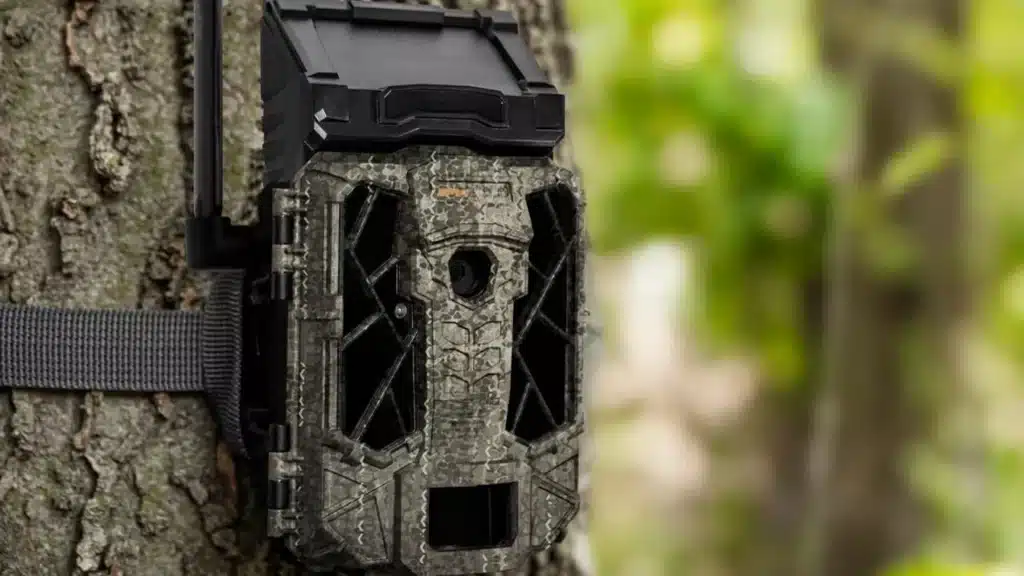
Finding a trail camera that fits your hunting needs isn’t always easy because every model highlights different features, prices, and performance claims.
The best trail camera depends on how often you visit the property, whether you need remote updates, and the type of wildlife you’re monitoring.
I have spent years helping readers choose practical technology that improves outdoor experiences without adding unnecessary complexity, and I focus on what matters during real use.
This comparison covers top-rated cellular and non-cellular options, key features, and value-based picks to help identify the right camera for scouting, deer hunting, and wildlife monitoring.
Best Trail Cameras at a Glance
|
Camera |
Type |
Best For |
Trigger Speed |
Price |
|---|---|---|---|---|
|
Tactacam Reveal Pro 4.0 |
Cellular |
Overall pick |
Under 0.3s (photo)* |
~$150 |
|
Moultrie Edge 4 |
Cellular |
App experience |
~0.7s* |
~$170 |
|
Browning Recon Force Elite HP5 Ultra |
Non-cellular |
Image quality |
~0.4s* |
~$230 |
|
SpyPoint Flex-M |
Cellular |
Budget cellular |
~0.7s* |
~$100 |
|
GardePro A3S |
Non-cellular |
Budget pick |
0.1s (mfr claim) |
~$60 |
|
Bushnell Core DS-4K No Glow |
Non-cellular |
Public land stealth |
~0.4s* |
~$180 |
|
Reconyx HyperFire 2 |
Non-cellular |
Trigger speed |
0.2s (tested) |
~$400+ |
|
Browning Defender Pro Scout MAX HD DV |
Cellular |
Video scouting |
~0.5s* |
~$200 |
|
Wosoda G300 Plus |
Non-cellular |
Affordable basics |
~1s* |
~$70 |
Trail camera pricing shifts often with seasonal hunting sales, so treat this table as a starting point and check the linked listing for the current rate.
How We Evaluated Each Camera
We scored every camera on this list against the same four factors: trigger speed, detection range, night image quality, and total cost across a full season, not just the sticker price.
Where possible, we pull figures from independent testing labs and field reviewers rather than repeating a manufacturer’s product page, since that same kind of scrutiny matters for outdoor gear picks in general, and the table above flags which numbers still come from the manufacturer.
That distinction matters more than it sounds. A camera rated for 80 feet on the box that only triggers reliably at 50 feet in the field is a different purchase than one that actually hits its number.
Best Trail Camera Reviewed
These picks focus on real buying decisions, including cellular access, hunting performance, image quality, and long-term outdoor reliability.
1. Tactacam Reveal Pro 4.0
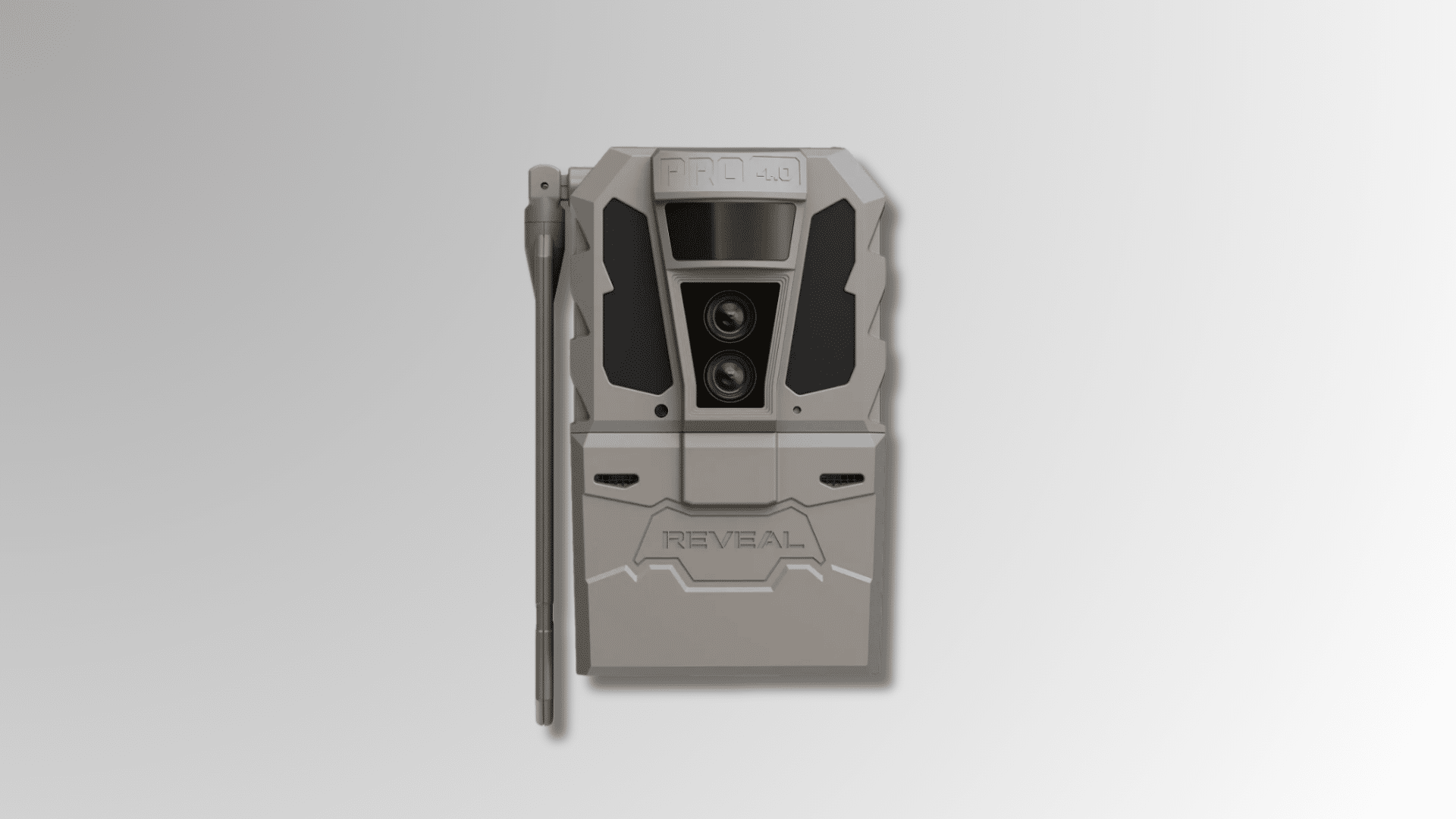
The Tactacam Reveal Pro 4.0 is built for hunters who want photos on their phone without driving out to the property every week. It runs on cellular data, shoots in 1080p, and offers both no-glow and low-glow flash so you can choose stealth or a slightly wider night range.
Independent field testing from Outdoor Life found it triggering reliably out to 60 feet during a standard walk-through test, short of the full advertised range, which is a common gap between a spec sheet and how a camera performs once it is strapped to a tree.
- Detection range: 80 to 96 ft (mfr rating), ~60 ft confirmed in field tests
- Trigger speed: under 0.3s (photo)
- Night vision: switchable no-glow / low-glow infrared
Best for: hunters managing remote properties or several scouting locations at once.
2. Moultrie Edge 4 Solar
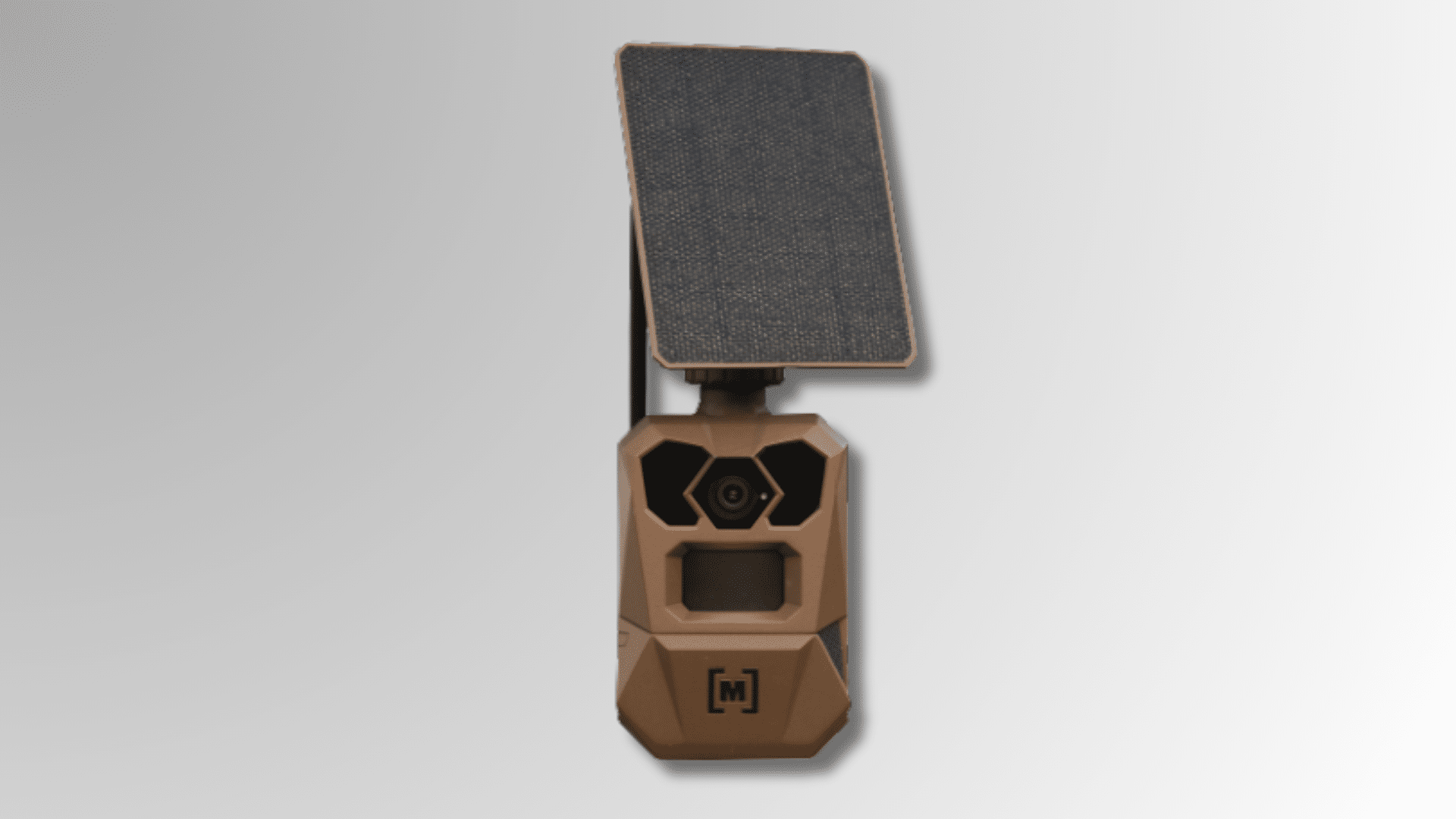
The Moultrie Edge 4 is built for hunters who want to check a camera less, not more. A solar attachment option keeps it running through a full season without a battery swap, and its cellular link routes images straight to the Moultrie app.
What stands out in daily use is how little the app requires you to think. You set a send schedule once and forget it, which matters if you are managing more than one property. It suits remote hunting grounds where a weekly visit is not realistic.
- Power: battery, upgradeable to solar
- Connectivity: cellular, app-managed
- Setup time: a few minutes via app pairing
Best for: long-term placement on land you cannot visit often.
3. Browning Recon Force Elite HP5 Ultra
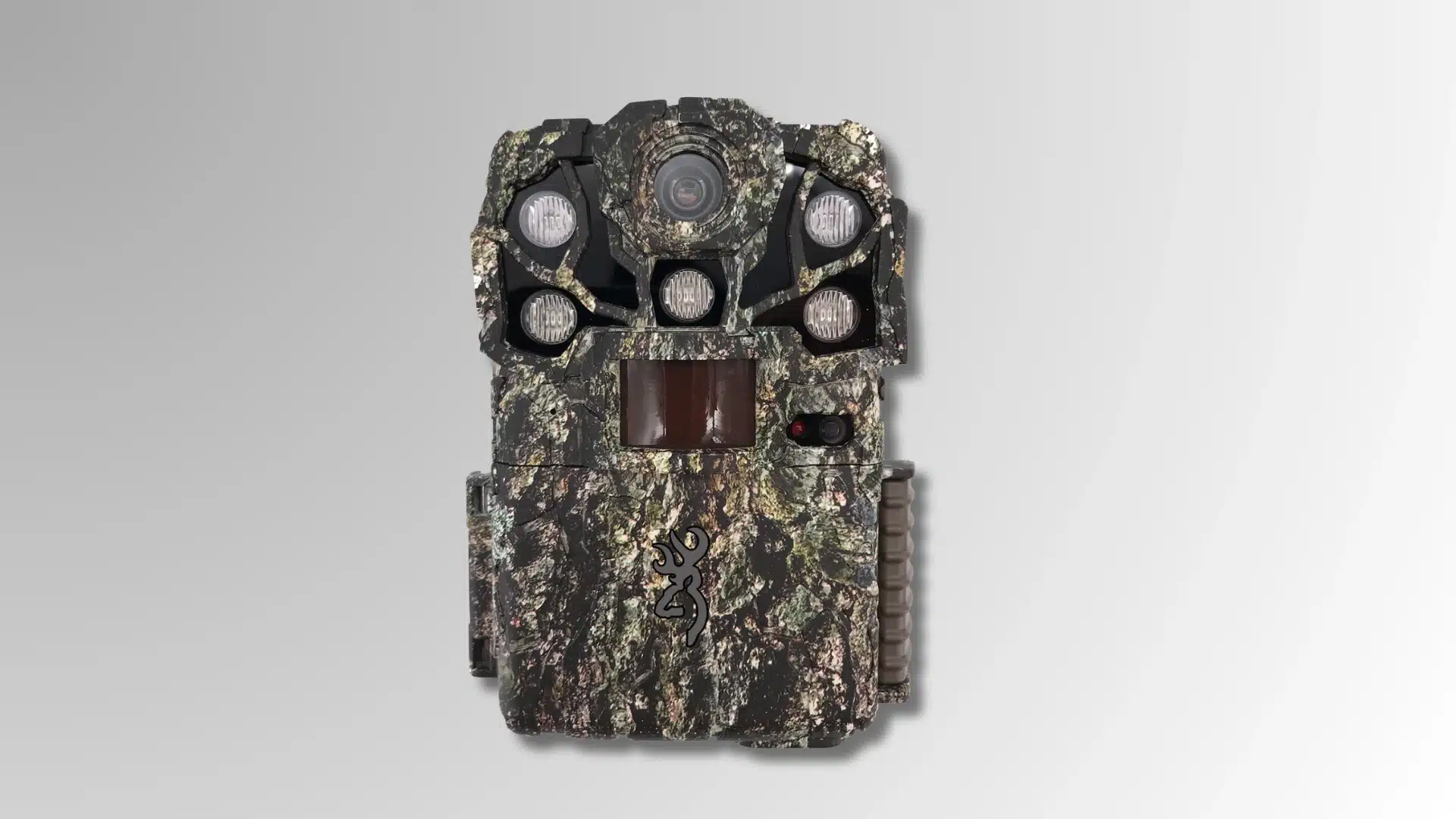
The Browning Recon Force Elite HP5 Ultra is aimed at hunters who care more about a sharp photo than a phone notification. It delivers strong daytime color and clean low-light image results, with dependable detection even in brushy cover.
This is the camera I reach for on a lease I only visit twice a month. No subscription to track, no signal to worry about, just an SD card and reliable images every time.
- Connectivity: none, SD card only
- Best use: heavy cover and low-light scouting
- Ongoing cost: none after purchase
Best for: hunters who check cameras manually and want clear photos without a data plan.
4. SpyPoint Flex-M
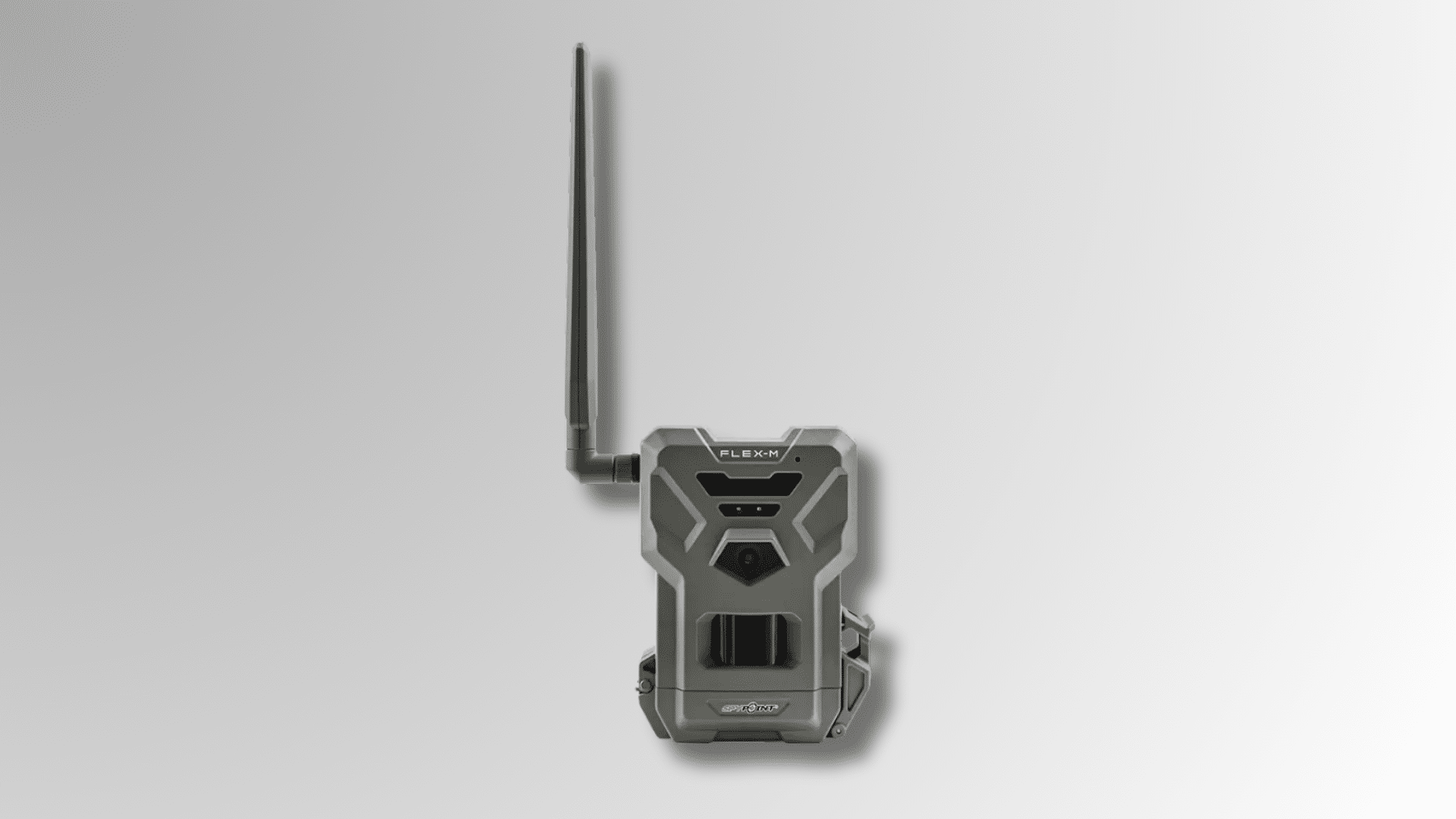
The SpyPoint Flex-M brings cellular access at a lower price than most premium models. It sends photos to a mobile app on a basic data plan, so first-time cellular users are not locked into a premium tier just to get remote photos.
Setup is simple enough for a beginner to manage in one sitting, similar to other entry-level camera picks, which makes it a reasonable starting point before committing to a pricier system.
- Connectivity: cellular, entry-level data plans available
- Setup: app-guided, beginner-friendly
- Price tier: budget cellular
Best for: hunters who want affordable remote monitoring without a premium price tag.
5. GardePro A3S
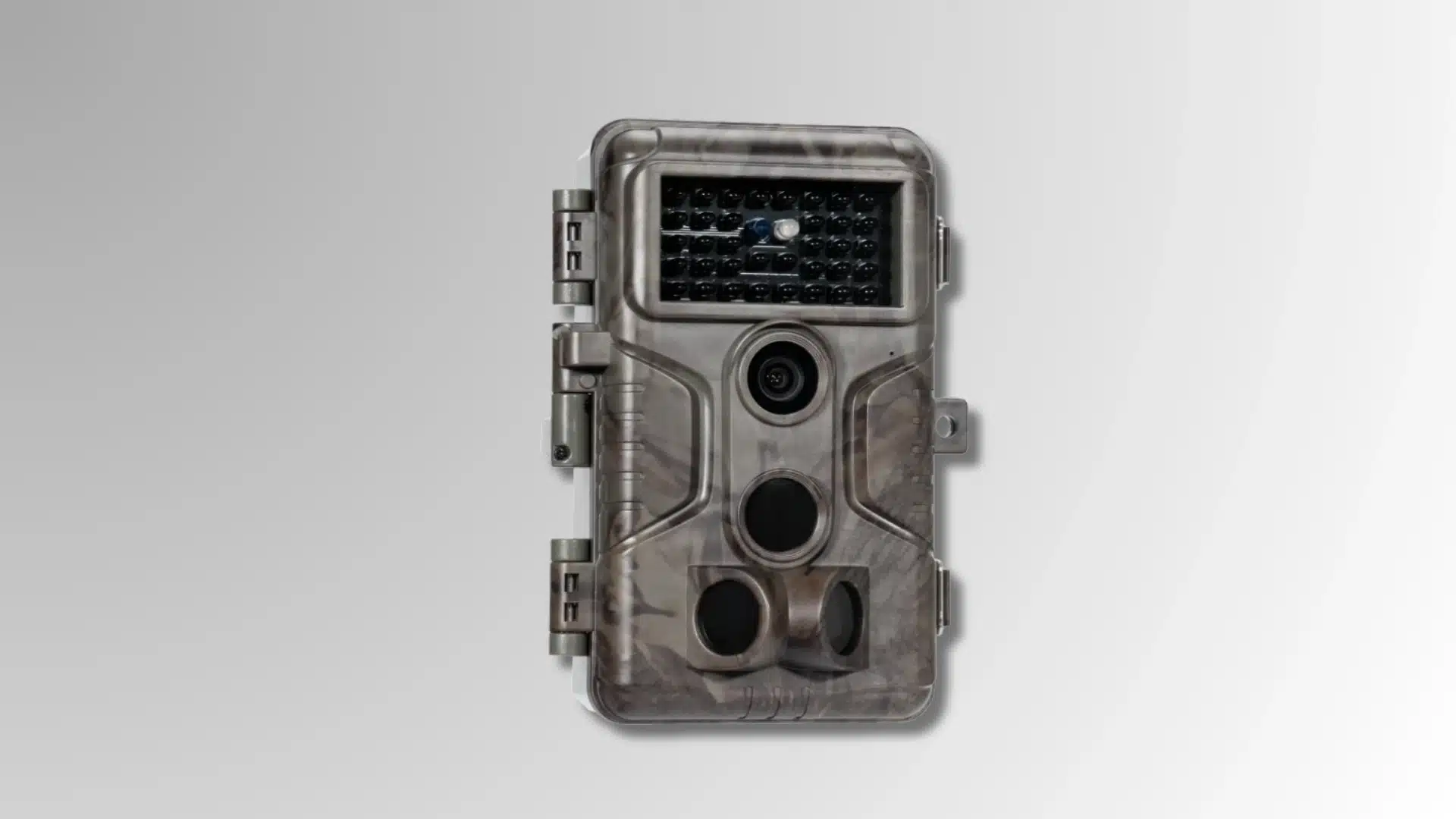
The GardePro A3S is proof that a sixty-dollar camera can compete with models three times its price. It uses a Sony Starvis low-light sensor, the same sensor family found in far pricier cameras, paired with a claimed 0.1-second trigger and a true no-glow flash.
The advertised 64MP photo rating is upscaled in software from a lower native resolution, which is standard practice on budget cameras and not unique to GardePro. Independent testers have measured its real detection range closer to 80 to 100 feet, still strong for the price.
- Trigger speed: 0.1s (mfr claim)
- Detection range: ~80 to 100 ft (field tested)
- Note: 64MP rating is interpolated, not native resolution
Best for: budget-conscious hunters and first-time buyers.
6. Bushnell Core DS-4K No Glow
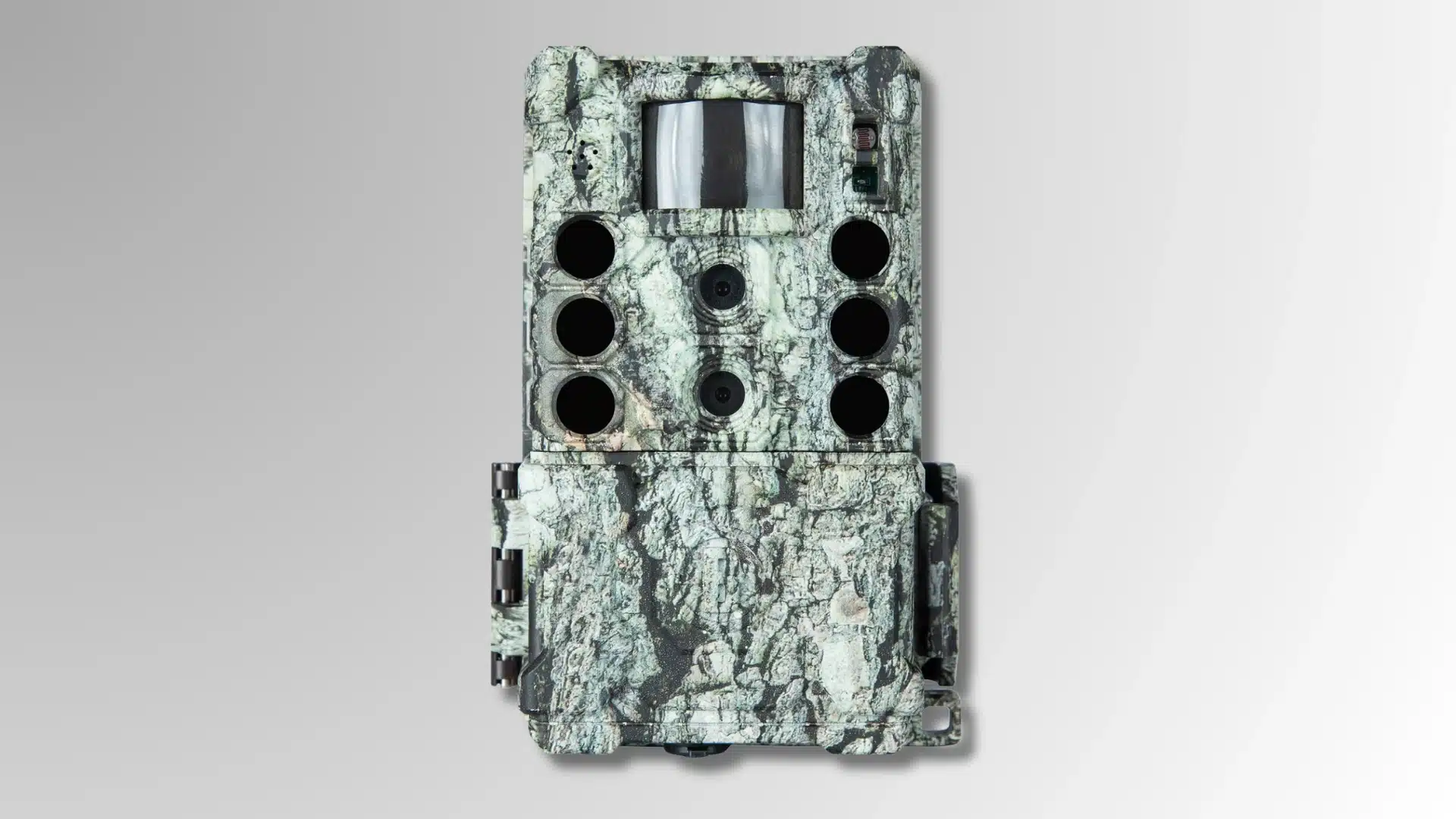
The Bushnell Core DS-4K No Glow is built for hunters who need a camera that stays invisible. Its no-glow infrared throws no visible light at night, which matters on public land where a camera left in plain sight can walk off.
It balances solid daytime color with clean night shots, making it a dependable pick for spots where you would rather not advertise the camera’s presence.
- Night vision: true no-glow infrared
- Best use: public land or high-theft-risk areas
- Connectivity: none, SD card only
Best for: stealth-focused monitoring on public or shared land.
7. Reconyx HyperFire 2
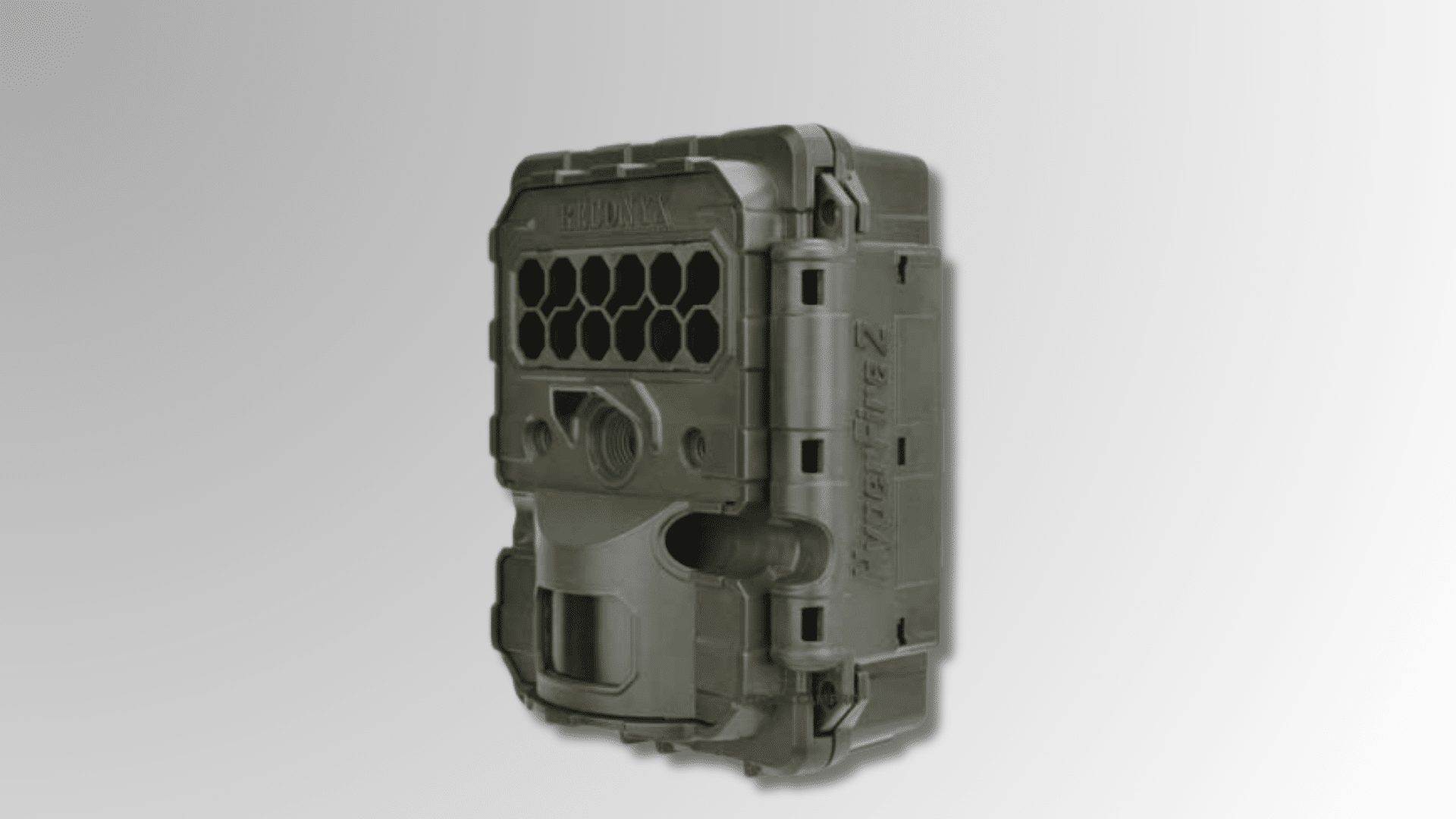
The Reconyx HyperFire 2 is the camera wildlife researchers reach for when a missed trigger is not an option. Independent lab testing has clocked its trigger speed at roughly 0.2 seconds with a detection range around 80 feet, among the fastest figures confirmed for any camera in this category.
Its 3-megapixel photos look modest on paper next to a 64MP budget camera, but the native resolution and five-year build quality are exactly why serious operations still choose it over flashier specs.
- Trigger speed: ~0.2s (independently tested)
- Detection range: ~80 ft
- Build: made in the USA, 5-year warranty
Best for: serious hunters and wildlife professionals who prioritize reliability over app features.
8. Browning Defender Pro Scout MAX HD DV
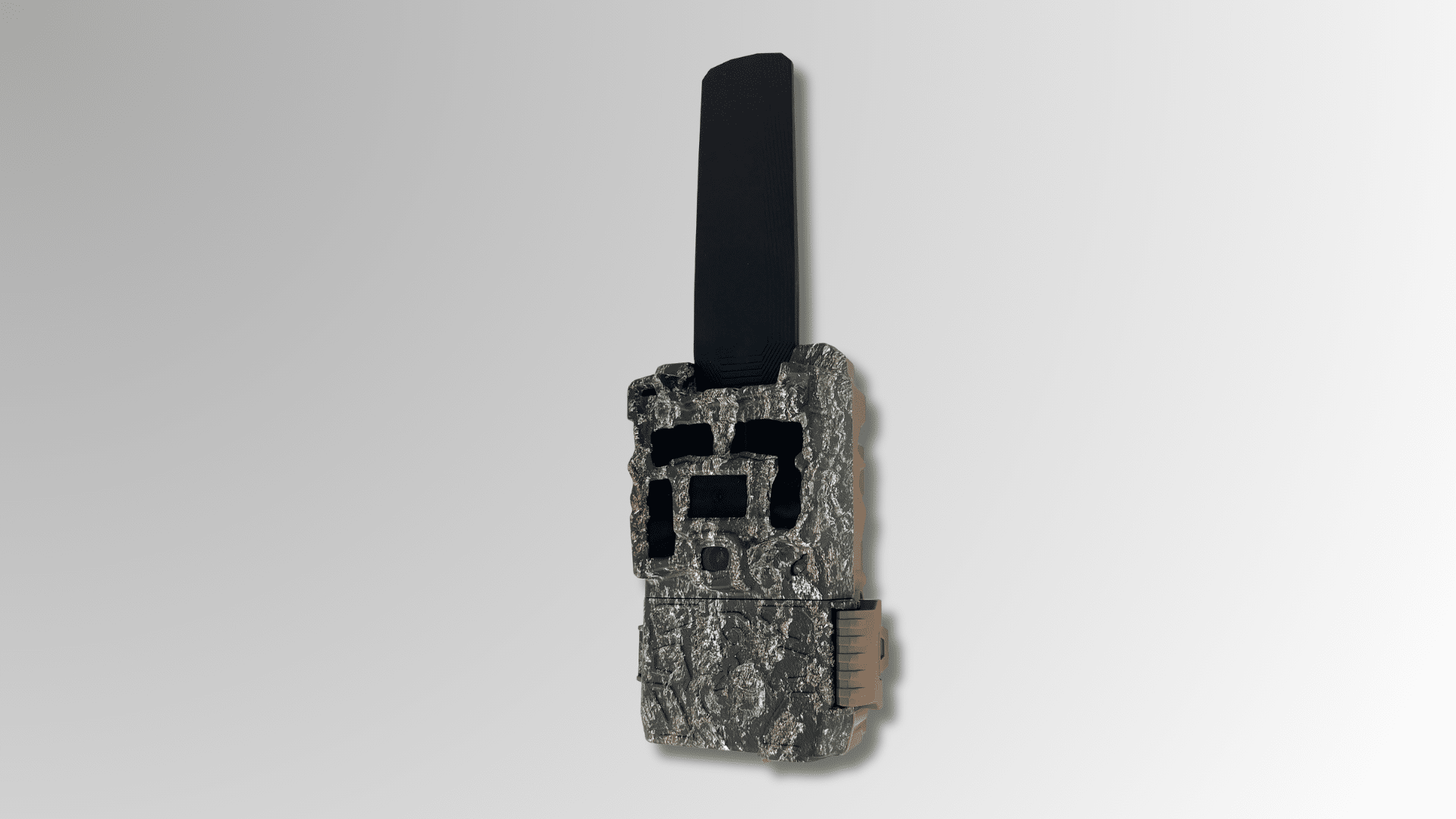
The Browning Defender Pro Scout MAX HD DV is the pick for hunters who want video, not just stills. It records wildlife movement in detail, which helps when you are trying to read behavior rather than guess from a single frame.
Video scouting takes more storage and battery than photo mode, so plan on a larger SD card and a shorter interval between battery changes if you lean on this feature heavily.
- Capture mode: photo and video, cellular delivery
- Best use: feeding areas and travel corridors
- Trade-off: higher storage and battery draw in video mode
Best for: hunters who prefer video scouting over still images.
9. Wosoda G300 Plus
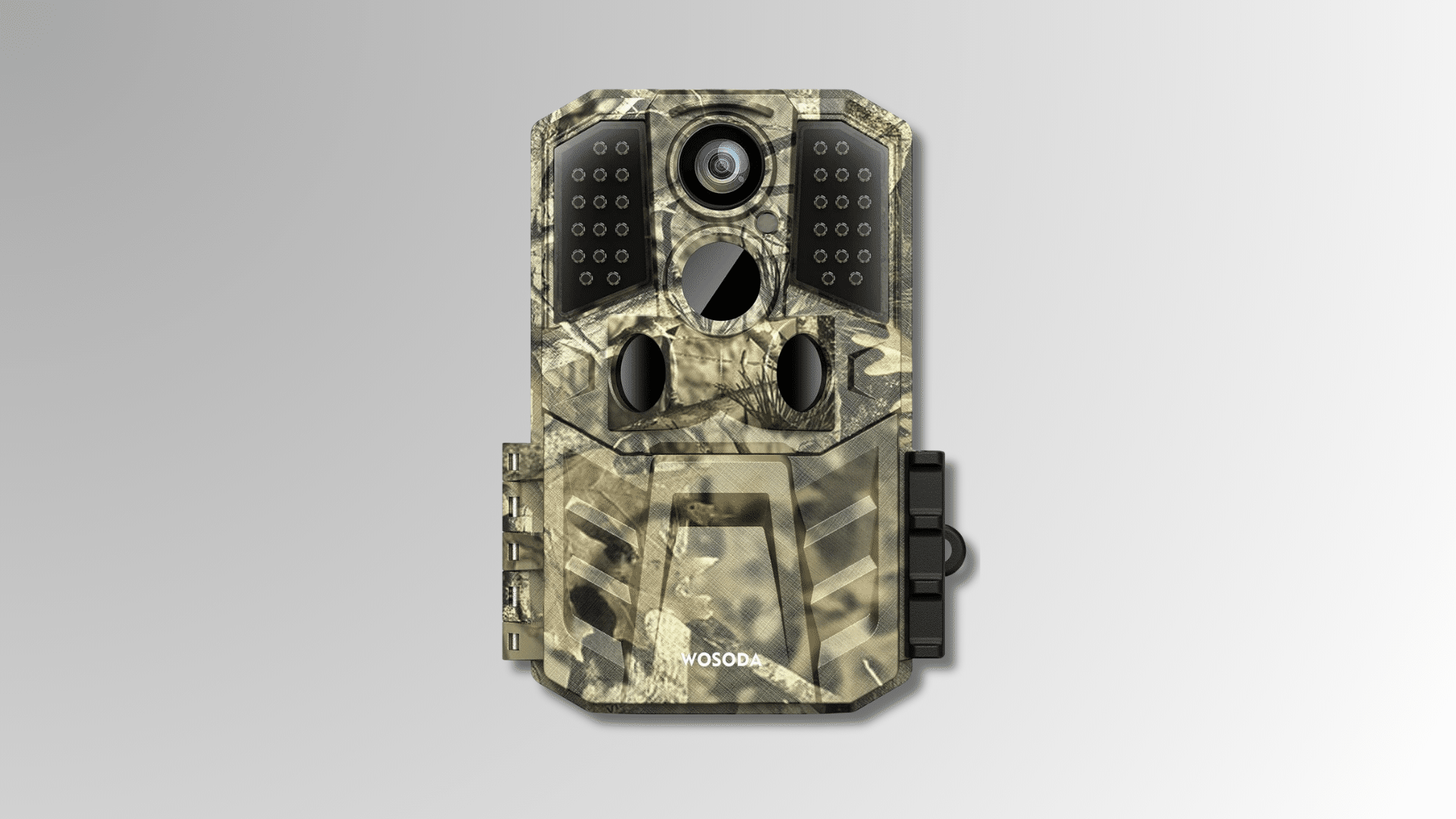
The Wosoda G300 Plus covers the basics at a low price. It runs on a rechargeable battery, includes a built-in viewing screen to check shots on the spot, and records infrared video at night.
It will not compete with a Reconyx on trigger speed or a Tactacam on remote access, but for casual observation close to home, it does the job without asking much of the budget.
- Power: rechargeable battery included
- Screen: built-in viewing display
- Connectivity: none, SD card only
Best for: casual wildlife watching and nearby scouting on a tight budget.
Cellular vs Non-Cellular Trail Cameras
Choosing between the two camera types usually comes down to how often you visit a property and how much a monthly bill is worth avoiding. The table below lines up the trade-offs side by side.
|
Factor |
Cellular Camera |
Non-Cellular Camera |
|---|---|---|
|
Upfront price |
Higher on average |
Lower on average |
|
Ongoing cost |
Monthly or annual plan |
None after purchase |
|
Photo access |
Sent remotely to a phone |
Requires a physical SD card pull |
|
Setup time |
App-based, a few minutes |
Simple menu, no account needed |
|
Best for |
Remote or hard-to-reach land |
Frequently visited property |
|
Battery drain |
Faster, due to signal use |
Slower, lasts longer between visits |
Neither type wins outright, since the right choice depends entirely on how far a hunter has to travel to check photos in person.
Trail Camera Specs Explained
Three numbers matter more than any others on a spec sheet, and you should understand them before you compare cameras.
- Trigger speed is how long the camera takes to start recording once its sensor detects motion. Anything under half a second is considered fast enough to catch a deer walking, not just one standing still.
- Detection range is how far away the sensor can sense motion, not how far the camera can photograph clearly. A camera can detect a deer at 80 feet and still produce a blurry, underexposed photo at that distance.
- Megapixel count is the most misleading number on the box. Many budget cameras advertise 40 to 64MP through software upscaling from a much smaller native sensor. A true 3 to 8MP native image, like the ones Reconyx uses, often looks sharper than an inflated budget figure.
Reading the box is a starting point. Reading independent test data, where it exists, tells you what a camera actually does once it is strapped to a tree in the rain.
How Much a Trail Camera Really Costs
The price tag on the box rarely reflects what a trail camera actually costs across a full hunting season, especially for cellular models.
A $150 cellular camera paired with a $10 to $20 monthly plan can add up to around $270 or more in the first year, depending on the plan selected, before counting SD cards, replacement batteries, a security box to prevent theft, or a solar panel for cameras placed far from a power source.
Non-cellular cameras avoid the recurring bill entirely but still carry ongoing battery and card costs. Budgeting for the full setup, not just the camera itself, helps avoid an unpleasant surprise when the first plan renewal or battery restock rolls around.
What to Check Before You Buy
A trail camera’s box specs rarely match its performance in the field, so a handful of details deserve a closer look before checking out.
- Trigger speed and recovery time: A slow trigger misses fast-moving deer entirely, and long recovery between shots means gaps in a photo sequence during heavy activity.
- Detection range and sensor type: Passive infrared sensors vary widely in real-world range, so a camera rated for 80 feet on paper may perform closer to 50 feet in dense brush.
- Night vision and flash type: No-glow infrared reduces visible light compared with red-glow systems, making the camera less noticeable, while red-glow flash is cheaper but more visible after dark.
- Battery life and solar compatibility: Cellular cameras drain power faster than SD-only models, so checking for solar panel support matters for cameras placed far from home.
- Weather resistance rating: A camera left outdoors year-round needs a housing rated for both heavy rain and extended cold without fogging the lens.
Matching these five factors to your setup matters more than chasing the highest megapixel count on the shelf.
Trail Cameras and Property Rules
One thing to check before you mount anything: rules on trail camera use vary by state and land type, especially on public ground managed by a state wildlife agency or the Forest Service.
Some states restrict cellular trail cameras during hunting season specifically to prevent real-time tracking of animals, while others allow them without limit. A few states also draw a line between cameras used for scouting and cameras used for security, with different rules attached to each.
On federal land, unattended recording equipment can also fall under separate national forest filming rules, so check with the local ranger district before mounting anything long-term.
Placement near a trail matters less than placement near a road or a property line, where trespass and privacy questions can come up regardless of hunting regulations.
A quick check of your state wildlife agency’s current regulations, plus your lease terms if you hunt leased ground, takes a few minutes and can save you a confiscated camera, a citation, or a dispute with a neighbor.
Where and How to Place a Trail Camera for Hunting
Placement affects photo quality and detection nearly as much as the hardware itself. A few habits consistently improve results.
- Mount at roughly waist to chest height: too high or too low misses the ideal angle for a clear shot of a deer’s body and head.
- Face the camera north or south when possible: pointing east or west risks lens flare and washed-out images at sunrise or sunset.
- Keep distance from heavily used trails: set back 15 to 20 feet to reduce the chance of a deer noticing the camera while still capturing clear images.
- Adjust placement by season: cameras near food sources work best in late summer and fall, while funnels and pinch points matter more during the rut.
- Test cell signal before a permanent mount: a quick signal check on your phone at the exact spot prevents a wasted trip out to a cellular camera with no coverage.
Small adjustments in height, angle, and distance often matter more for image quality than upgrading to a pricier camera model.
Conclusion
Picking the right trail camera comes down to how you hunt, not how many features sit on a spec sheet. I walked through nine solid options, from budget SD-card models to cellular cameras built for cabins you only reach a few times a season.
Trigger speed, night image quality, and honest ownership costs matter more than any single headline feature.
A property you check weekly rarely needs a monthly plan, while remote land benefits from cellular delivery and solar backup. That is what finding the best trail camera comes down to: matching gear to your actual routine.
Which pick fits your setup best?
Drop your thoughts in the comments or check out our camera placement tips for more field advice.
Frequently Asked Questions
Does a Cellular Trail Camera Still Work with No Home Wi-Fi Nearby?
Yes. Cellular trail cameras connect through mobile carrier towers, the same way a cell phone does, not through a home internet connection. Coverage depends on carrier signal strength at the camera’s exact location, which is why testing signal on your phone at that spot before mounting is worth the extra five minutes.
How Cold Can a Trail Camera Get Before Batteries Stop Working?
Standard alkaline batteries lose a large share of their capacity below freezing, which is why most trail camera reviewers recommend lithium batteries for winter placements. Lithium batteries hold their charge in temperatures well below zero and are the more reliable choice for anyone running cameras through late season or winter scouting.
Do Trail Cameras Need a Data Plan Active Every Month of The Year?
No. Most cellular trail camera plans can be paused or set to a lower tier during the off-season and reactivated closer to hunting season, which cuts down on the yearly cost compared to running a plan continuously.
Can a Landowner Be Held Responsible for What a Trail Camera Captures on Shared or Leased Land?
Rules here vary widely by state and by the terms of a lease agreement, particularly around cameras that capture images of people rather than wildlife. Anyone placing a camera on leased or shared ground should check both state law and the lease terms rather than assume a camera aimed at a trail is automatically fine.